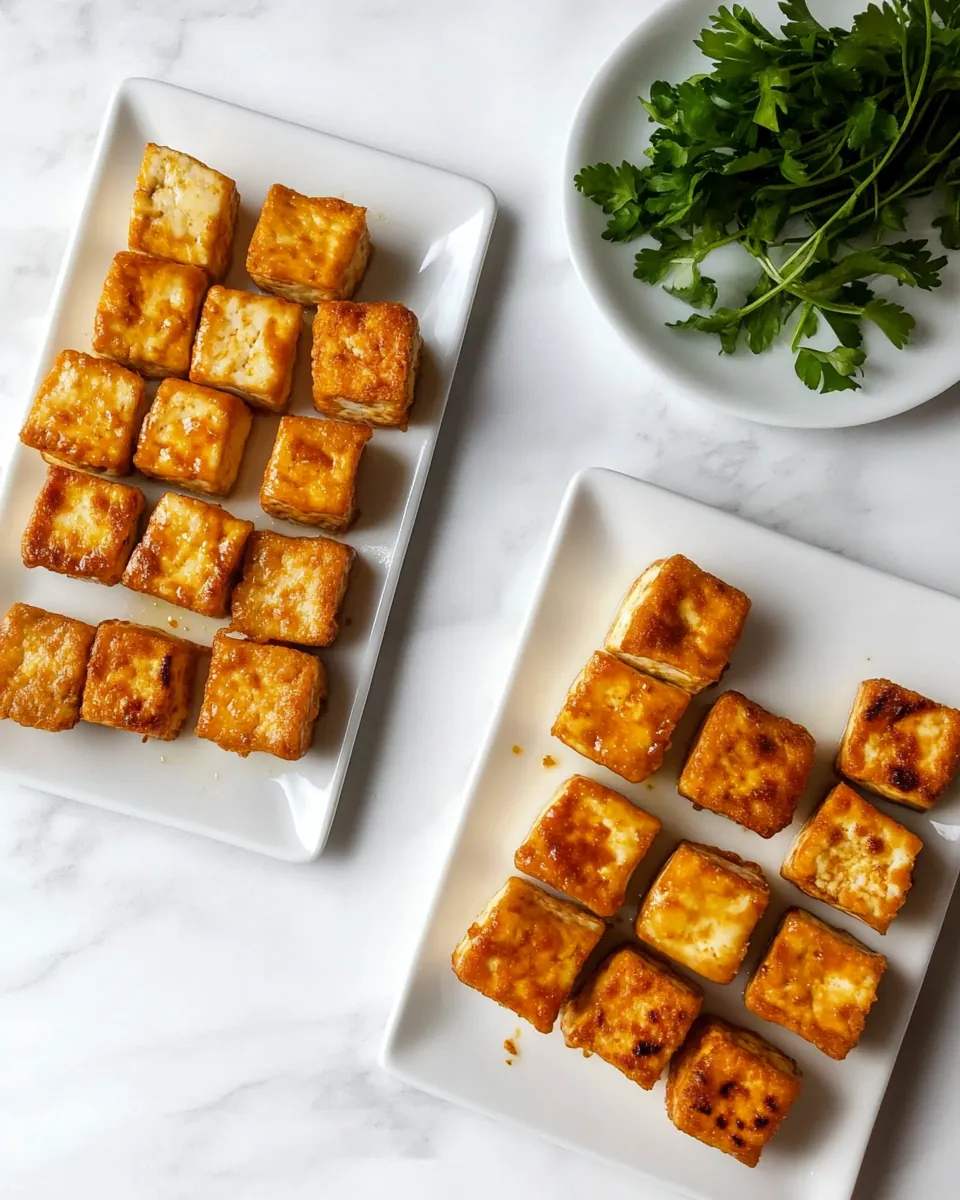
Crispy Tofu
Crispy Tofu has been one of those recipes that sneaks into my weeknight rotation because it delivers texture with very little fuss. The first time I learned to press and coat tofu properly I was stunned at how crunchy the exterior became while the inside stayed tender, and I remember thinking I could eat this every evening without complaint.
I grew up watching family members improvise with simple pantry staples, and that spirit lives in my approach to Crispy Tofu. I like to experiment with quick marinades and different cooking methods, turning the same basic ingredients into small revelations. Over several weekends I tested pan frying, baking, air frying, and deep frying, making notes on heat, timing, and the exact moment the coating sings with golden color. Each method brought its own voice to the dish, and those contrasts taught me a lot about technique.
There is something grounding about transforming a humble block of tofu into something crunchy enough to satisfy a snack craving yet delicate enough to sit on a salad or in a bowl. When I serve Crispy Tofu to guests, I enjoy telling the brief story of which method I chose and why, because the differences are worth celebrating. This recipe is a practical guide, born from testing and tasting, so you can pick the route that fits your time and equipment. Have a seat, and let me walk you through the tasty details.
Recipe Snapshot
15 mins
5 mins
10 mins
Medium
250 kcal
American
Vegan, Low FODMAP
Dinner
Non-stick frying pan (10.5 inch / 26 cm), our Cast-iron Skillet by UnoCasa, TofuBud (pressing tofu in 15 minutes), Simple tofu press
Why This Crispy Tofu Works
Versatile and Approachable
I love that Crispy Tofu works for all kinds of meals, whether you want a crunchy snack, a protein for a bowl, or a textural contrast on a salad. Tofu itself is a blank canvas, so the simple combo of soy sauce and corn starch lets the crisping technique shine without complicated flavors getting in the way. Because I can choose pan frying, baking, air frying, or deep frying, it adapts to whatever gear I have on hand.
Fast Results
I often need something ready quickly on busy nights, and Crispy Tofu delivers in about the same time as many simple stir fries. The prep is brief, and the techniques I describe help you get consistent results so you are not guessing at doneness. That efficiency is one reason I reach for this recipe when time is tight.
Textural Contrast
The magic here is texture. A thin coating of corn starch crisps up and gives a satisfying crack when you bite in, while the interior remains soft because we press the tofu and avoid overcooking. I noticed that each cooking method highlights different qualities, so you can pick whether you want ultra airy crunch or a denser golden crust.
Simple Pantry Ingredients
The ingredient list is delightfully minimal. With just firm tofu, soy sauce, vegetable oil, and corn starch, you can create something impressive. I appreciate recipes that do more with less, and this one proves you do not need exotic items to make a memorable dish.
Teachability and Tweaks
I enjoy how easy it is to teach this to friends, because the techniques scale and the cues are sensory based. Smell, sound, and sight guide you: the oil should shimmer, the coating should sound slightly crisp, and color changes tell you when to flip. Those practical cues remove guesswork, and I like passing those small wins along to others.
Ingredients Overview for Crispy Tofu
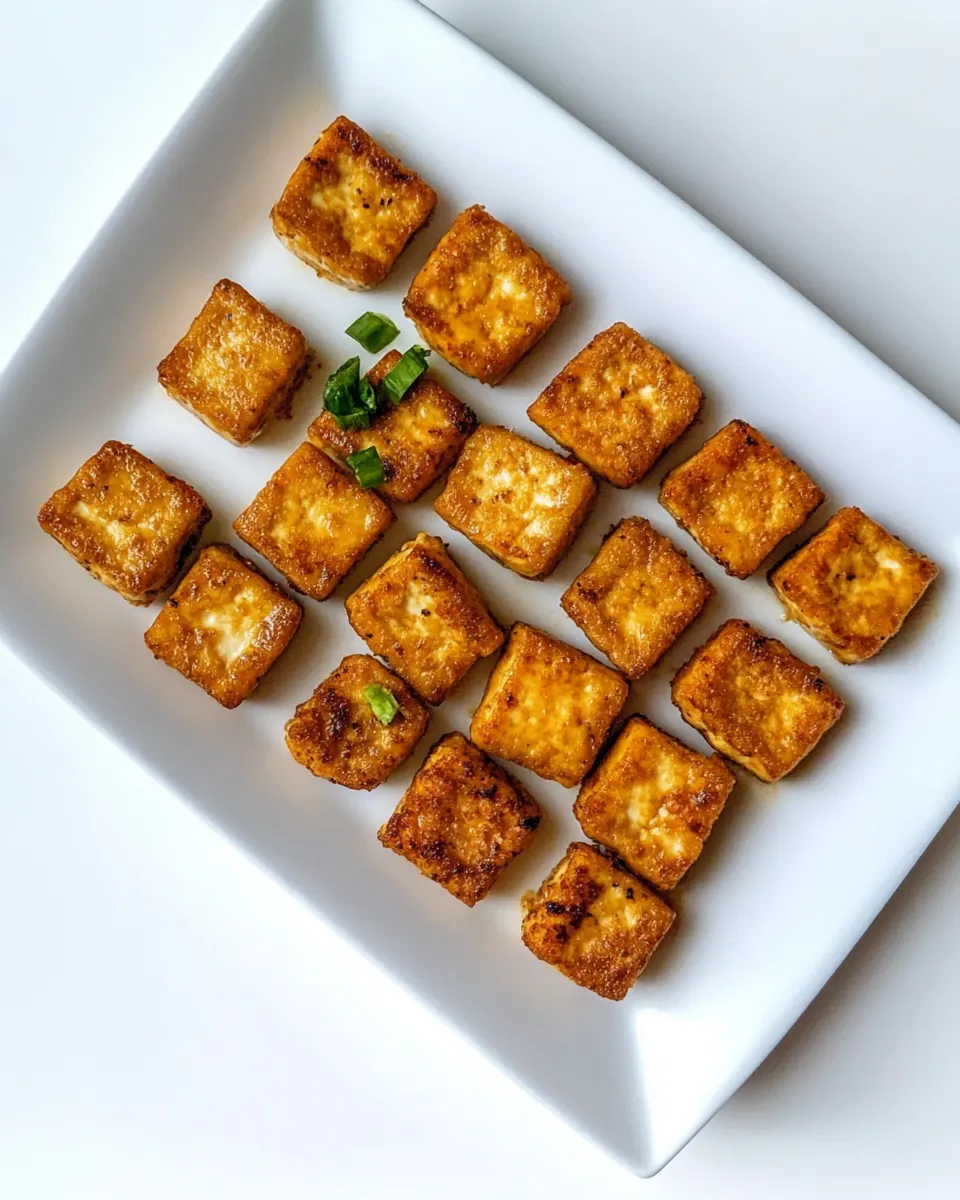
These ingredients are intentionally minimal so the technique becomes the star. The key players are firm tofu for structure, soy sauce for umami and light seasoning, corn starch for crisping, and vegetable oil as the medium that carries heat and texture. Together they balance simplicity with reliable crunchy results.
- 10 oz Firm tofu: Press and drain to remove excess moisture so cubes crisp up evenly when pan-fried or baked; provides the primary protein base and soaks up marinades for flavor.
- 2 tbsp Soy sauce: Season and tenderize by adding salt and umami depth to the tofu; balances savory flavors and helps create a light glaze during cooking.
- 3 tbsp Vegetable oil: Heat and transfer high temperatures efficiently to achieve a crunchy exterior; aids in frying and prevents sticking while imparting a neutral flavor.
- 2 tbsp Corn starch: Coat and create a thin, crispy shell that promotes browning and crunch; absorbs moisture from the tofu surface to produce a desirable texture.
How to Assemble Crispy Tofu
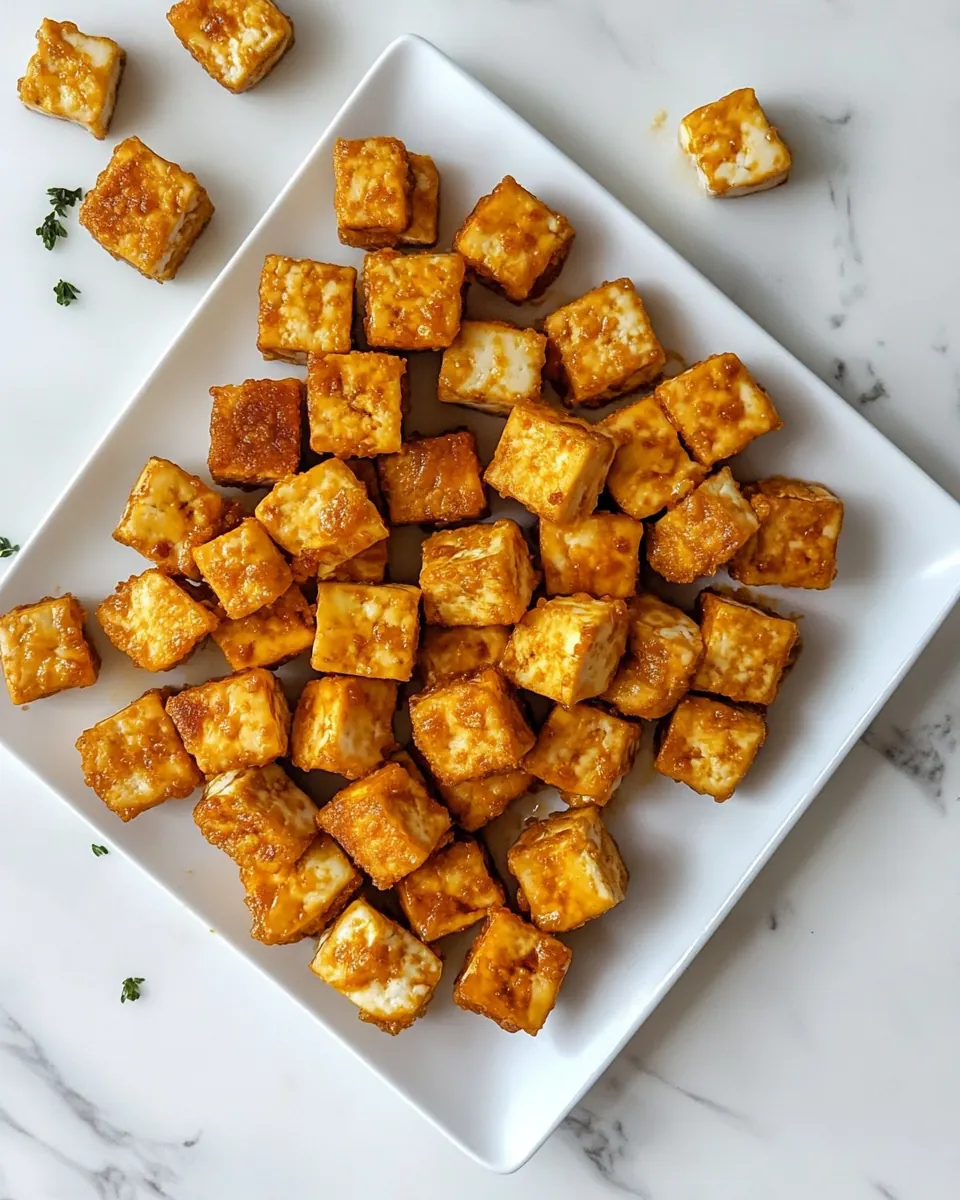
Assembling this recipe is straightforward, but I like to walk through each stage with sensory cues so you know when you are on track. The following steps reflect the tested methods, and I describe what you should look, hear, and smell at every turn.
- Use a firm tofu and press it.: Start by pressing the tofu to remove excess moisture, which is essential for achieving a crisp exterior. When you press tofu , you should notice liquid seeping out, and the block will become noticeably firmer to the touch, which helps coatings adhere. A common mistake is not pressing long enough, leaving the surface wet so the corn starch will clump rather than form a thin crust. If you hear water trickling when you unwrap the press, that is a good sign you removed enough moisture. Avoid squeezing too hard with your hands, because that can crumble the structure.
- Cut the tofu into 1/2-inch (cca 1 cm) cubes.: After pressing, slice the tofu evenly into cubes, which promotes uniform cooking and browning. Evenly cut pieces will fit together visually and will brown at the same rate; uneven sizes mean some cubes will be pale while others darken too quickly. Use a sharp knife so the edges stay clean, which helps the coating cling without tearing. If a piece crumbles at this point, it was likely pressed too aggressively earlier, so handle with gentle, confident strokes.
- Pour soy sauce on tofu cubes. Stir gently not to break the tofu. Let them rest for a couple of minutes. Drain any excess soy sauce.: Spoon the soy sauce over the cubes and stir gently, allowing the savory flavor to attach to the surface without saturating the interior. You should see the cubes take on a light sheen, and the aroma of soy will rise softly, indicating the seasoning is bonding. Let them rest for a couple of minutes so the liquid is absorbed, then drain any excess soy sauce . A frequent error is adding too much liquid and skipping the drain step, which prevents crisping and causes the corn starch to turn into a paste.
- Add cornstarch and mix it evenly; again, try not to break the tofu.: Dust the cubes with corn starch and toss gently so each piece receives a fine coating. The surface should look matte and slightly powdery rather than wet. This dry layer is what transforms into a golden shell when it hits hot oil or oven heat. Work carefully to avoid breaking the cubes while tossing; if you see clumps of corn starch , separate them with your fingers so the coating bakes or fries uniformly. Too thick a layer will mask the delicate interior texture.
- In a pan heat up 3 tbsp vegetable oil. Once it is hot, add tofu pieces. Fry each side for 2-3 minutes. Once ready take them out to a paper towel to absorb excess oil.: Warm the vegetable oil in a non-stick frying pan over medium high heat until it shimmers and moves fluidly, which signals readiness. When you add a tofu cube it should sizzle on contact, a clear auditory cue the pan temperature is correct. Sizzling should be steady but not violently spitting, otherwise the oil is too hot. A common misstep is adding too many pieces at once, which drops the heat and results in stewing rather than crisping, so fry in batches if necessary. Use tongs to turn pieces gently so the coating remains intact.
- Preheat the oven to 400 F (200 C).: As the cubes cook, listen for a light crackle and watch for a golden brown color developing on the exposed face, which indicates proper caramelization. When you flip, the sound should change slightly and the oil will form tiny bubbles around the crust, another good signal. Overcooking will lead to a hard exterior and dry interior, so aim for a crisp shell with a warm, tender center. If you smell burning, reduce the heat immediately; that smell means the oil is past its sweet spot.
- Spread the coated pieces on a baking sheet with parchment paper, leaving enough space between each piece. Spray some oil on the tofu. Bake for 25-30 minutes, turning them at the halfway point.: Transfer the fried tofu to a lined plate and let it rest briefly so the paper towel can wick away excess oil, leaving a clean, non greasy bite. Pressing lightly with another paper towel can speed absorption, but avoid smothering the pieces, as trapped steam softens the crust. A common oversight is stacking hot pieces, which traps moisture and ruins crispness, so give them space to cool slightly on the towel lined surface.
- Add the tofu pieces to the air-fryer basket in a single layer. Spray oil on the tofu and air-fry for eight minutes at 400 F (200 C). At the halfway point, shake the tray.: When baking, bring the oven up to the specified temperature so the tofu has immediate dry heat for browning. An oven that is not fully preheated will produce pale, soft results. You should feel a wave of dry heat when you open the oven door, and the air will smell faintly warm, not smoky. If your oven runs hot or cold, use an oven thermometer and adjust accordingly to prevent under or over browning.
- Pour sunflower oil into a pot over medium-high heat. Drop in a bit of coating or tofu piece to test whether it is hot enough. If it sizzles, the oil is ready to use.: Arrange the coated cubes in a single layer with space between them, then spray or brush a little vegetable oil over the tops so the surface browns evenly. The pieces should sit like islands with gaps, not touching, which allows hot air to circulate and crisp each side. Halfway through baking, you will notice edges turning golden, which is your cue to flip. Avoid overcrowding the sheet, as this traps steam and yields limp results.
- Gently and carefully drop the coated tofu pieces in the oil, making sure the oil does not splash. Fry for 3-4 minutes until the coating gets crispy, then transfer them to a paper towel to absorb the excess oil.: During baking, the kitchen will fill with a toasty aroma and you should see the coating transition from pale to golden. Turning at the midpoint ensures all sides get exposure to the hot oven air, which is key for even crunch. Baking develops a drier, slightly firmer crust compared to frying, and it is forgiving if you prefer less oil. If the coating looks soggy at the halfway check, give the pieces a gentle pat with a paper towel after flipping to remove any pooled moisture.
- Add the tofu pieces to the air fryer basket in a single layer: For air frying, place the coated cubes in a single layer with light spacing, spray with oil, and set the air fryer at 400 F (200 C). You will notice a focused circulating heat and a faint fan sound, which crisps the coating quickly. Shake the basket at the halfway point so all sides get exposed to the hot air and develop an even crust. Overcrowding is the most common mistake here because it prevents airflow and yields uneven crisping.
- Air fry for eight minutes at 400 F (200 C), shaking the tray halfway: The sound here is a gentle whirr, and visually you will see edges darken faster than in the oven. A short burst at a high temperature gives a crunchy shell while keeping the interior tender. If you find pieces are browning too quickly, reduce the final minutes slightly to prevent charring. Using oil spray sparingly helps achieve color without excess fat.
- Pour sunflower oil into a pot over medium high heat: For deep frying, warm enough sunflower oil so that a small test piece sizzles immediately, indicating the oil is in the correct temperature range. The oil should ripple gently and release a faint toasty aroma when ready. Too low a temperature will soak the coating with oil, while too high will burn the exterior before the interior warms through. Use a thermometer if you are unsure, aiming for a steady heat where a small test drop sizzles but does not smoke violently.
- Gently and carefully drop the coated tofu pieces in the oil: When deep frying, add pieces with care to avoid splashes, and maintain a steady simmering sound as they cook. The coating will blister slightly and become deeply golden within a few minutes, giving a crunchy shell that is crisp to the bite. Move them with a slotted spoon to drain on paper towels. A frequent error is crowding the pot, which cools the oil and makes the tofu greasy rather than crisp, so fry in small batches for the best texture.
Substitutions and Tips
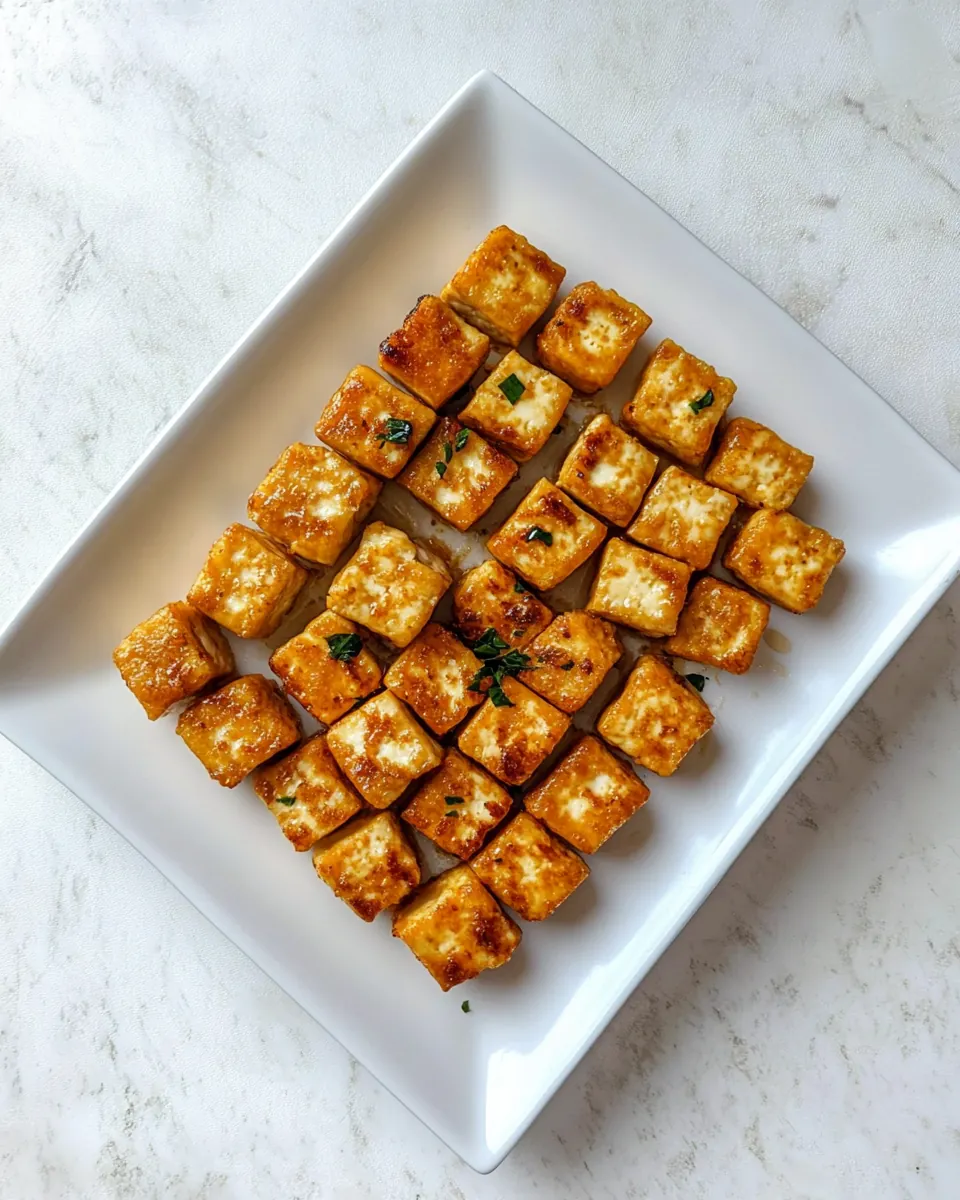
I like to keep tips practical and focused on texture and timing so you can reproduce great results every time. Below are expanded points derived from our testing notes to help you adapt method and timing to your kitchen.
- Pressing technique: Use a tofu press or wrap the tofu in a clean towel and place a weighted board on top for at least 15 minutes; pressing removes water so coatings crisp rather than steam.
- Marinade restraint: Apply just enough soy sauce to season the surface, then drain any excess to prevent the corn starch from turning pasty; a light sheen is what you want.
- Coating balance: Toss the tofu gently in the corn starch so each piece has a fine dusting; avoid clumps, which bake or fry unevenly and can flake off.
- Pan frying batches: Heat the vegetable oil until it shimmers and fry in small batches so the oil temperature remains steady, producing an even golden crust.
- Baking for lighter crunch: Spread pieces in a single layer and spray lightly with oil; turn at the midpoint for even browning, and expect a slightly firmer, less oily finish than frying.
- Air fryer timing: Arrange in one layer and shake at the halfway mark; this gives concentrated hot air contact and a quick crisp without much oil.
Best Served With
Crispy Tofu pairs well with a variety of dishes and occasions, from casual lunches to hearty dinners. Here are serving ideas, storage tips, and pairing suggestions to help you plan meals around this crunchy protein.
- Bowl meals: Serve the tofu over steamed rice with crisp vegetables and a drizzle of sauce to create a satisfying bowl that balances textures and flavors for lunch or dinner.
- Salad topping: Add the crispy cubes to a bed of greens for a temperature contrast, giving the salad a crunchy protein element that stands in for croutons or fried proteins.
- Snack or appetizer: Arrange on a platter with dipping sauces for casual gatherings, letting guests pick pieces as finger food during social evenings or game night.
- Meal prep and storage: Store leftover crisp tofu in an airtight container in the refrigerator for up to three days; reheat in a hot oven or air fryer to revive crispness rather than microwaving, which softens the coating.
- Seasonal pairings: In warmer months, serve with light cucumber salads and citrusy dressings, while in cooler months pair with roasted vegetables and warm grains for a comforting plate.
- Occasions: This recipe suits weeknight dinners, casual lunches, or special vegan friendly gatherings where guests appreciate crunchy textures and simple, robust flavors.
FAQ
Conclusion
Crispy Tofu stands out because it turns a simple block of tofu into a crunchy, satisfying bite using basic pantry ingredients and a few reliable techniques. The tested options let you pick the level of crispness and oil you prefer, and each cooking method highlights a slightly different texture. Give one of the methods a try this week, and you may find it becomes a staple for quick lunches, bowl dinners, or casual gatherings. I hope this guide makes the process approachable and enjoyable, and that the sensory cues help you achieve consistent, delicious results every time.
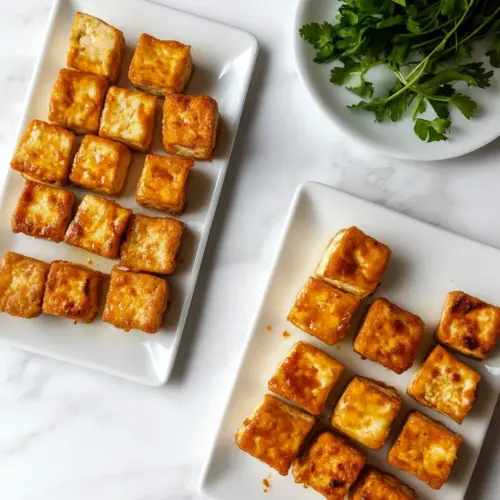
Crispy Tofu
Equipment
- Non-stick frying pan (10.5 inch / 26 cm)
- our Cast-iron Skillet by UnoCasa
- TofuBud (pressing tofu in 15 minutes)
- Simple tofu press
Ingredients
- 10 oz Firm tofu Press and drain to remove excess moisture so cubes crisp up evenly when pan-fried or baked; provides the primary protein base and soaks up marinades for flavor.
- 2 tbsp Soy sauce Season and tenderize by adding salt and umami depth to the tofu; balances savory flavors and helps create a light glaze during cooking.
- 3 tbsp Vegetable oil Heat and transfer high temperatures efficiently to achieve a crunchy exterior; aids in frying and prevents sticking while imparting a neutral flavor.
- 2 tbsp Corn starch Coat and create a thin, crispy shell that promotes browning and crunch; absorbs moisture from the tofu surface to produce a desirable texture.
Instructions
- Use a firm tofu and press it.: Start by pressing the tofu to remove excess moisture, which is essential for achieving a crisp exterior. When you press tofu , you should notice liquid seeping out, and the block will become noticeably firmer to the touch, which helps coatings adhere. A common mistake is not pressing long enough, leaving the surface wet so the corn starch will clump rather than form a thin crust. If you hear water trickling when you unwrap the press, that is a good sign you removed enough moisture. Avoid squeezing too hard with your hands, because that can crumble the structure.
- Cut the tofu into 1/2-inch (cca 1 cm) cubes.: After pressing, slice the tofu evenly into cubes, which promotes uniform cooking and browning. Evenly cut pieces will fit together visually and will brown at the same rate; uneven sizes mean some cubes will be pale while others darken too quickly. Use a sharp knife so the edges stay clean, which helps the coating cling without tearing. If a piece crumbles at this point, it was likely pressed too aggressively earlier, so handle with gentle, confident strokes.
- Pour soy sauce on tofu cubes. Stir gently not to break the tofu. Let them rest for a couple of minutes. Drain any excess soy sauce.: Spoon the soy sauce over the cubes and stir gently, allowing the savory flavor to attach to the surface without saturating the interior. You should see the cubes take on a light sheen, and the aroma of soy will rise softly, indicating the seasoning is bonding. Let them rest for a couple of minutes so the liquid is absorbed, then drain any excess soy sauce . A frequent error is adding too much liquid and skipping the drain step, which prevents crisping and causes the corn starch to turn into a paste.
- Add cornstarch and mix it evenly; again, try not to break the tofu.: Dust the cubes with corn starch and toss gently so each piece receives a fine coating. The surface should look matte and slightly powdery rather than wet. This dry layer is what transforms into a golden shell when it hits hot oil or oven heat. Work carefully to avoid breaking the cubes while tossing; if you see clumps of corn starch , separate them with your fingers so the coating bakes or fries uniformly. Too thick a layer will mask the delicate interior texture.
- In a pan heat up 3 tbsp vegetable oil. Once it is hot, add tofu pieces. Fry each side for 2-3 minutes. Once ready take them out to a paper towel to absorb excess oil.: Warm the vegetable oil in a non-stick frying pan over medium high heat until it shimmers and moves fluidly, which signals readiness. When you add a tofu cube it should sizzle on contact, a clear auditory cue the pan temperature is correct. Sizzling should be steady but not violently spitting, otherwise the oil is too hot. A common misstep is adding too many pieces at once, which drops the heat and results in stewing rather than crisping, so fry in batches if necessary. Use tongs to turn pieces gently so the coating remains intact.
- Preheat the oven to 400 F (200 C).: As the cubes cook, listen for a light crackle and watch for a golden brown color developing on the exposed face, which indicates proper caramelization. When you flip, the sound should change slightly and the oil will form tiny bubbles around the crust, another good signal. Overcooking will lead to a hard exterior and dry interior, so aim for a crisp shell with a warm, tender center. If you smell burning, reduce the heat immediately; that smell means the oil is past its sweet spot.
- Spread the coated pieces on a baking sheet with parchment paper, leaving enough space between each piece. Spray some oil on the tofu. Bake for 25-30 minutes, turning them at the halfway point.: Transfer the fried tofu to a lined plate and let it rest briefly so the paper towel can wick away excess oil, leaving a clean, non greasy bite. Pressing lightly with another paper towel can speed absorption, but avoid smothering the pieces, as trapped steam softens the crust. A common oversight is stacking hot pieces, which traps moisture and ruins crispness, so give them space to cool slightly on the towel lined surface.
- Add the tofu pieces to the air-fryer basket in a single layer. Spray oil on the tofu and air-fry for eight minutes at 400 F (200 C). At the halfway point, shake the tray.: When baking, bring the oven up to the specified temperature so the tofu has immediate dry heat for browning. An oven that is not fully preheated will produce pale, soft results. You should feel a wave of dry heat when you open the oven door, and the air will smell faintly warm, not smoky. If your oven runs hot or cold, use an oven thermometer and adjust accordingly to prevent under or over browning.
- Pour sunflower oil into a pot over medium-high heat. Drop in a bit of coating or tofu piece to test whether it is hot enough. If it sizzles, the oil is ready to use.: Arrange the coated cubes in a single layer with space between them, then spray or brush a little vegetable oil over the tops so the surface browns evenly. The pieces should sit like islands with gaps, not touching, which allows hot air to circulate and crisp each side. Halfway through baking, you will notice edges turning golden, which is your cue to flip. Avoid overcrowding the sheet, as this traps steam and yields limp results.
- Gently and carefully drop the coated tofu pieces in the oil, making sure the oil does not splash. Fry for 3-4 minutes until the coating gets crispy, then transfer them to a paper towel to absorb the excess oil.: During baking, the kitchen will fill with a toasty aroma and you should see the coating transition from pale to golden. Turning at the midpoint ensures all sides get exposure to the hot oven air, which is key for even crunch. Baking develops a drier, slightly firmer crust compared to frying, and it is forgiving if you prefer less oil. If the coating looks soggy at the halfway check, give the pieces a gentle pat with a paper towel after flipping to remove any pooled moisture.
- Add the tofu pieces to the air fryer basket in a single layer: For air frying, place the coated cubes in a single layer with light spacing, spray with oil, and set the air fryer at 400 F (200 C). You will notice a focused circulating heat and a faint fan sound, which crisps the coating quickly. Shake the basket at the halfway point so all sides get exposed to the hot air and develop an even crust. Overcrowding is the most common mistake here because it prevents airflow and yields uneven crisping.
- Air fry for eight minutes at 400 F (200 C), shaking the tray halfway: The sound here is a gentle whirr, and visually you will see edges darken faster than in the oven. A short burst at a high temperature gives a crunchy shell while keeping the interior tender. If you find pieces are browning too quickly, reduce the final minutes slightly to prevent charring. Using oil spray sparingly helps achieve color without excess fat.
- Pour sunflower oil into a pot over medium high heat: For deep frying, warm enough sunflower oil so that a small test piece sizzles immediately, indicating the oil is in the correct temperature range. The oil should ripple gently and release a faint toasty aroma when ready. Too low a temperature will soak the coating with oil, while too high will burn the exterior before the interior warms through. Use a thermometer if you are unsure, aiming for a steady heat where a small test drop sizzles but does not smoke violently.
- Gently and carefully drop the coated tofu pieces in the oil: When deep frying, add pieces with care to avoid splashes, and maintain a steady simmering sound as they cook. The coating will blister slightly and become deeply golden within a few minutes, giving a crunchy shell that is crisp to the bite. Move them with a slotted spoon to drain on paper towels. A frequent error is crowding the pot, which cools the oil and makes the tofu greasy rather than crisp, so fry in small batches for the best texture.
Notes
- Pressing technique: Use a tofu press or wrap the tofu in a clean towel and place a weighted board on top for at least 15 minutes; pressing removes water so coatings crisp rather than steam.
- Marinade restraint: Apply just enough soy sauce to season the surface, then drain any excess to prevent the corn starch from turning pasty; a light sheen is what you want.
- Coating balance: Toss the tofu gently in the corn starch so each piece has a fine dusting; avoid clumps, which bake or fry unevenly and can flake off.
- Pan frying batches: Heat the vegetable oil until it shimmers and fry in small batches so the oil temperature remains steady, producing an even golden crust.
- Baking for lighter crunch: Spread pieces in a single layer and spray lightly with oil; turn at the midpoint for even browning, and expect a slightly firmer, less oily finish than frying.
- Air fryer timing: Arrange in one layer and shake at the halfway mark; this gives concentrated hot air contact and a quick crisp without much oil.