Southwestern Beef Stew
Southwestern Beef Stew is one of those recipes I reach for when I want a bowl that feels like a warm hug after a long day.
My earliest memory of this stew is from a chilly evening when I had leftover beef and a jar of salsa daring me to experiment. I cut the beef into cubes, seared them until the kitchen smelled of caramelized meat, and added cumin and Mexican oregano for that familiar Southwestern note. I remember how the bubbling pot filled the house with a spicy, homey scent that made every neighbor ask what I was cooking.
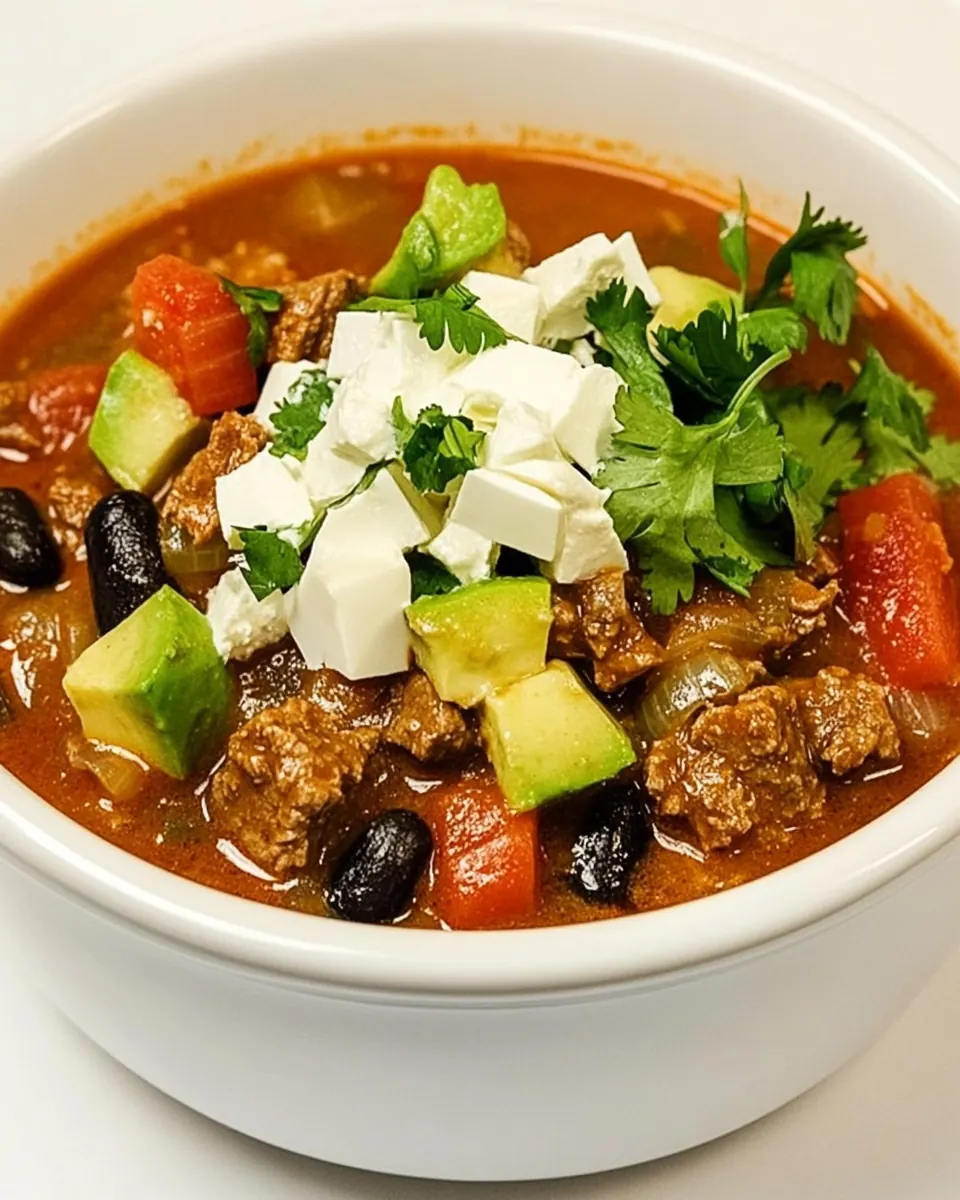
Over the years I learned small trades that make this Southwestern Beef Stew sing: browning the beef properly so the juices stay locked in, using a splash of lime at the end to brighten the whole pot, and adding black olives for unexpected briny pops. I often serve it with mashed vegetables or simply spoon it into bowls and let people top their own portions with chopped avocado and a squeeze of lime. That moment when someone takes their first bite and their eyes widen is why I keep making it.
When I bring this to winter gatherings, it disappears fast. It’s flexible, comforting, and bold without being fussy, which is why it has become a staple for busy weeknights and small celebrations alike. I hope you enjoy the layered flavors and the cozy feeling it brings to the table.
Recipe Snapshot
50 mins
15 mins
35 mins
Medium
400 kcal
Mexican
Keto, Gluten-Free
Dinner
Frying pan, Instant Pot, Cutting board, Knife
The Beauty of This Southwestern Beef Stew
Hearty, satisfying comfort
I love how Southwestern Beef Stew fills the room with a comforting aroma that promises a real meal. The combination of tender beef and savory broth creates a bowl that feels grounding after a busy day. Every spoonful offers a hearty texture that warms from the inside out.
Bold Southwestern flavors
This recipe layers ground cumin, Mexican oregano, and salsa so the stew tastes lively, but never overwhelming. I like that the spices are familiar yet distinct, so the dish feels both rustic and refined. These flavor elements give it a regional identity that stands out on the dinner table.
Smart, everyday ingredients
What excites me is how pantry-friendly this stew is. You can pull together canned crushed tomatoes, beef broth, and a can of black olives and still end up with something impressive. It’s practical for weeknights, and the components are easy to keep on hand.
Flexible serving options
I appreciate that Southwestern Beef Stew adapts to different preferences. Let guests top their bowls with chopped avocado or a squeeze of lime for brightness. I often set out Green Tabasco Sauce for anyone who wants extra heat, which makes hosting effortless.
Make ahead and reheat wonderfully
One of my favorite reasons to make this stew is its staying power. It tastes even better the next day, as the flavors deepen while it rests. That makes it an excellent candidate for cooking in advance when you want to free up time on the day you plan to serve it.
Key Ingredients for Southwestern Beef Stew
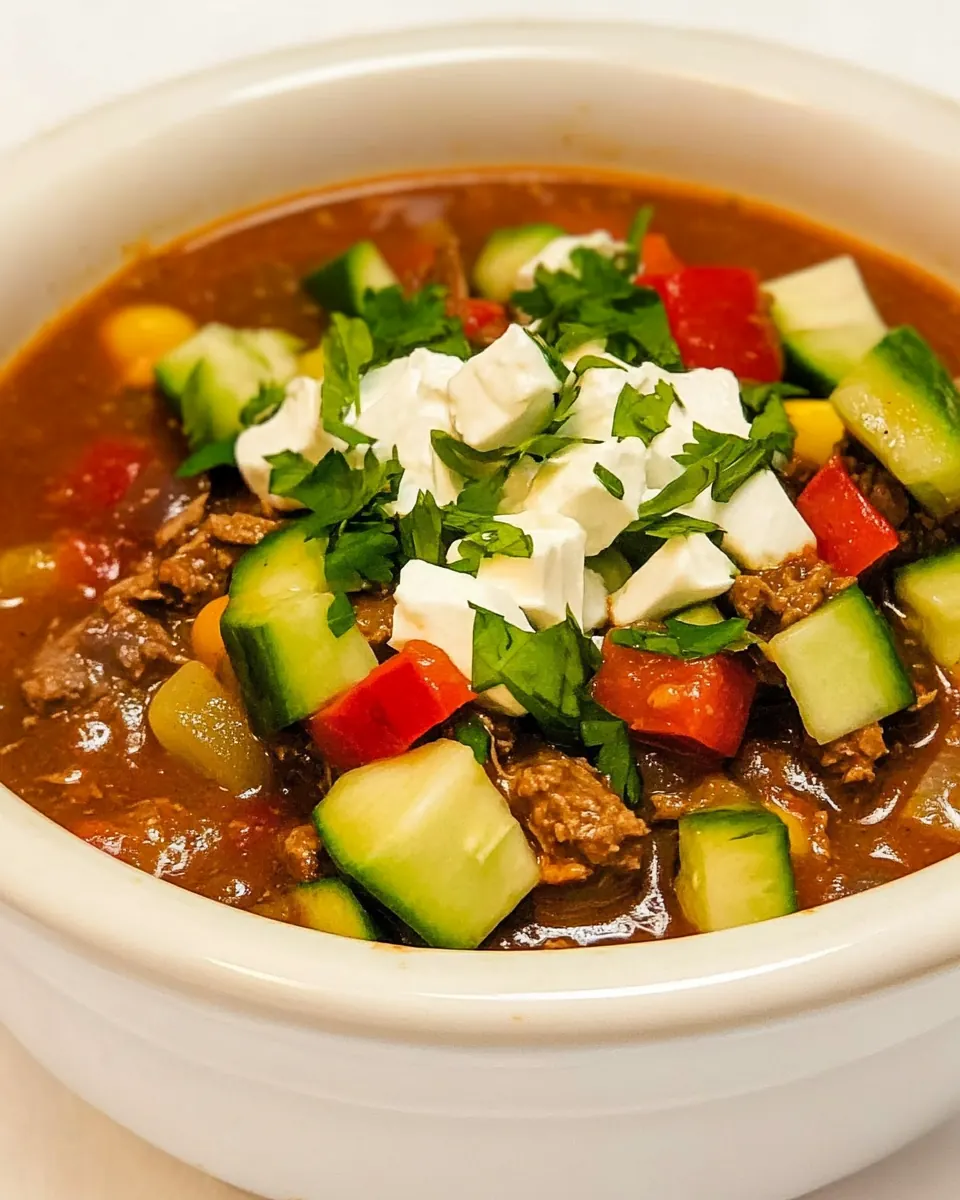
These ingredients come together to balance richness, acidity, and Southwestern spice. The beef provides the backbone and savory depth, while the crushed tomatoes and salsa bring tomato brightness. Black olives add briny contrast, and a touch of lime juice at the end lifts the whole pot. Each item plays a clear role, creating harmony between hearty and fresh notes.
- 2 lb s. bite-sized beef cubes, preferably chuck roast (see notes): Cut into small, uniform pieces to ensure even, tender cooking and rich beef flavor that forms the stew’s hearty base; browning develops caramelized crust and deepens overall savory notes.
- 4 tsp . olive oil: Heat to coat the pan and promote even browning of the beef while providing a silky mouthfeel; use measured amounts to prevent greasiness while carrying spices and aromatics.
- 1 medium onion, chopped small: Chop finely to release sugars that soften and sweeten during sautéeing; provide aromatic depth and a savory backbone that complements the beef and spices.
- 1 medium Poblano chile pepper, chopped small (see notes): Chop small to add mild heat and a smoky, earthy dimension; briefly sauté to soften and integrate its flavor without overpowering the stew.
- 1 T crushed fresh garlic or minced garlic: Crush or mince to distribute pungent, aromatic garlic throughout the stew; sauté briefly to mellow sharpness and enhance savory complexity.
- 2 cans black olives, drained well and cut in half lengthwise: Drain and halve to contribute briny, salty notes and tender texture contrast; stir in toward the end to preserve shape and prevent over-softening.
- 1 cup frozen cauliflower rice: Keep frozen and stir in for a low-carb, vegetable-like texture that soaks up flavors; adds bulk and subtle vegetable freshness without becoming mushy.
- 1 14 oz. can beef broth: Add as the primary simmering liquid to build a savory, beefy base; adjust amount to control stew thickness and concentrate flavors while cooking.
- 1 cup salsa (see notes): Use to add bright, tangy, and mildly spicy tomato-chile flavor; choose a style you prefer to control heat and acidity in the final dish.
- 1 T ground cumin: Season to introduce warm, earthy, and slightly citrusy notes characteristic of Southwestern cuisine; bloom briefly in hot oil to release essential oils.
- 1 tsp . Mexican oregano: Add for floral, slightly bitter herbal notes that complement cumin and chiles; use sparingly to avoid overpowering the stew’s other seasonings.
- 1 14.5 oz. can crushed tomatoes: Pour in to supply body, acidity, and rich tomato depth; helps thicken the broth while harmonizing with spices and vegetables for a balanced stew.
- 2 T fresh-squeezed lime juice: Squeeze fresh for bright acidity that lifts flavors and balances rich, savory components; add near the end or at serving for maximum freshness.
- chopped avocado, Green Tabasco Sauce, and fresh lime slices to add at the table (optional): Offer as optional garnishes to provide creaminess, heat, and extra acidity; allow diners to customize final flavors and textures to their preference.
How to Assemble Southwestern Beef Stew
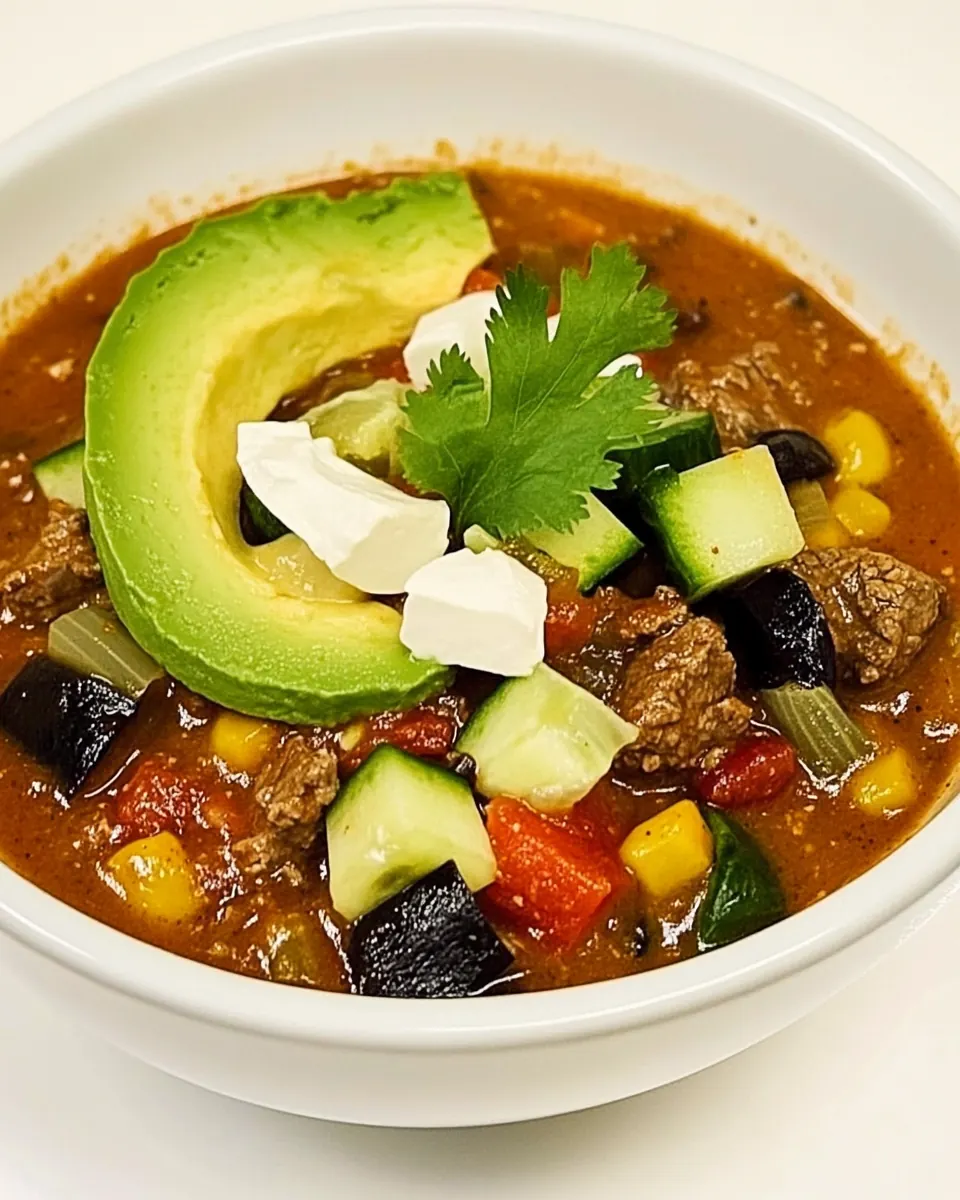
Assembling this stew is a stepwise process that rewards attention and timing. You will sear, saut e9, simmer, and pressure cook, while finishing with a bright squeeze of lime. Take your time early to build flavor, and you e2 80 99ll be rewarded with a robust, layered stew.
- Cut beef into bite-sized cubes. Heat a little olive oil in a big frying pan and brown the beef cubes well, seasoning with a little salt and fresh ground black pepper.: The first sensory cue is the sound of the knife hitting the board and the firm texture of well chilled beef . Cubes that are even in size cook uniformly, ensuring each piece becomes tender without drying out. Always pat the beef dry before cutting to help it brown better. A common mistake is leaving the meat wet, which causes steaming instead of the desirable sear that creates rich flavor.
- While beef browns chop up a medium onion, a medium poblano chile, and measure out minced garlic.: When the olive oil shimmers and the pan is hot, add the cubes in a single layer so they sizzle immediately, which creates a deep brown crust and nutty aroma. You should hear a steady sizzling and see browned edges within a few minutes, signaling successful caramelization. Don e2 80 99t overcrowd the pan, or the meat will release juices and steam, preventing that toasty flavor from developing.
- Heat 2 tsp. oil in the Instant Pot and set to SAUTE, MEDIUM HEAT. Add the chopped onion and poblano and cook 3 minutes. Then add garlic and cook one minute more.: The sound of the knife on the board and the fresh green scent of the chopped Poblano chile set the stage for aromatic layering. Smaller, uniform pieces will soften quickly and distribute flavor evenly. Avoid chopping so finely that they disappear during cooking, as you still want pleasant bites of texture.
- Drain olives and cut in half and measure out cauliflower rice.: You e2 80 99ll smell the onion sweeten and the Poblano chile release vegetal notes as they saut e9. The one minute after adding garlic is crucial, as garlic becomes aromatic but not burnt, which would introduce bitterness. A common misstep is rushing and letting garlic darken, which changes the stew e2 80 99s flavor negatively.
- When beef is well-browned, add it to the Instant Pot with the onion mixture, and add the olives and cauliflower rice.: Draining the black olives well prevents extra brine from diluting the sauce, and halving them distributes their burst of flavor through the stew. The frozen cauliflower rice should be measured so it integrates smoothly, adding body without excess starch. Neglecting to drain olives can lead to an overly salty end result.
- Put beef broth, salsa, ground cumin, Mexican oregano, and crushed tomatoes into the pan you cooked the beef in. Simmer that mixture together about 5 minutes, scraping off any browned bits from the bottom. Then add that mixture to the Instant Pot.: The sensory reward is the mingling of seared beef scent with softened onion and Poblano chile . Adding the components now layers textures so the beef continues to tenderize in the coming pressure cook. Be careful to scrape up any browned bits from the pan into the pot later, as they concentrate savory flavor. A mistake here is forgetting to deglaze, losing those flavorful fond bits.
- Set Instant Pot on MANUAL, HIGH PRESSURE, 25 minutes. When cooking time ends, let it natural release for at least 10 minutes; then release the rest of the pressure.: As the sauce simmers, you e2 80 99ll notice aromas of ground cumin releasing and the tomatoes reducing into a cohesive sauce. Scraping the pan dissolves the browned fond into the liquid, creating depth. Letting this mixture simmer for about five minutes concentrates flavors and helps integrate the spices. If you add it to the pot without scraping, you miss those rich notes that make the stew memorable.
- Stir in lime juice, and taste to see if you want more salt.: The Instant Pot builds a pressure hiss and a steady low rumble as it works, signaling connective tissue in the beef is breaking down into tender bites. High pressure for twenty five minutes usually yields perfectly tender results for chuck cubes. A frequent error is undercooking tough cuts, which leaves chewy meat, so resist the urge to shorten the time for quickness.
- Serve with chopped avocado and fresh limes to add at the table if desired. This is good with Green Tabasco Sauce for those who want a little more heat.: Allowing a natural release continues gentle cooking and prevents violent boiling when pressure drops, protecting the stew e2 80 99s texture. You e2 80 99ll see small steam puffs and hear the pot slowly relax, which is the safe window to preserve juices. Quick releasing too early can make the meat tough or cause foaming if the liquid is vigorous.
- Stir in lime juice, and taste to see if you want more salt: At this stage the bright citrus of lime juice lifts the entire pot, turning rich flavors toward freshness. Stirring should reveal a glossy stew with balanced acidity and salt. Taste carefully, and add a touch more salt only if needed, because the black olives already contribute brine. Over seasoning here can be hard to correct once the stew rests.
- Serve with chopped avocado and fresh limes to add at the table if desired: The final textures arrive at the table with creamy chopped avocado and zesty lime slices that guests can add to personalize their bowl. The contrast of warm stew and cool avocado is delightful and adds pleasing mouthfeel. Avoid preadding avocado if you plan to store leftovers, as it will brown and change texture.
Substitutions and Tips
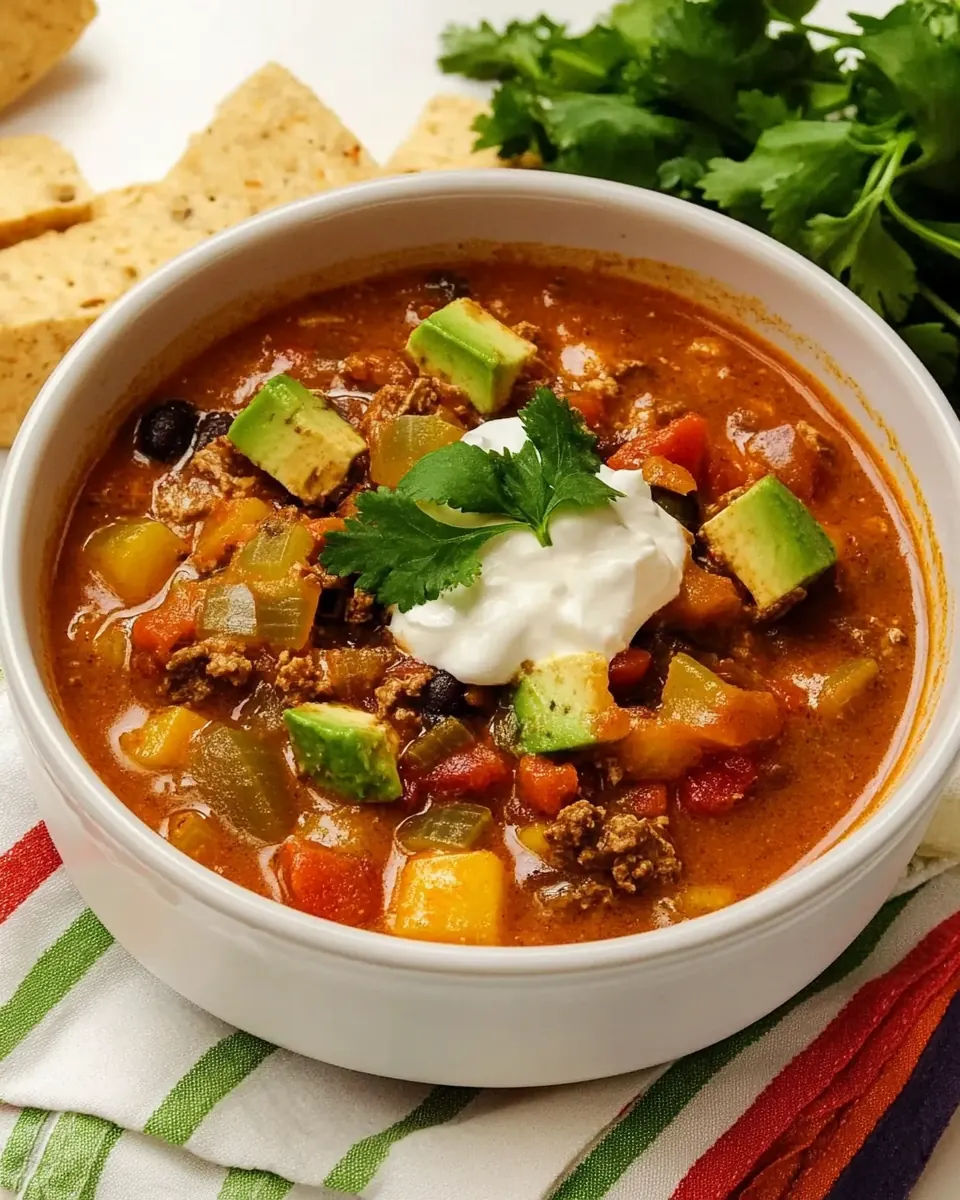
This section gives practical pointers and variations to help you make Southwestern Beef Stew with confidence. I cover smart swaps and storage advice that preserve flavor and texture.
- Choose your beef wisely Use chuck roast for the best texture because its connective tissue melts into gelatin, making the stew silky.
- Oil control If you want less oil, use just enough olive oil to coat the pan when browning the beef, and wipe out excess fat before deglazing the pan.
- Salsa selection Pick a salsa that matches your heat preference, a milder salsa keeps the stew approachable while a hotter one deepens the spice profile.
- Omit or reduce olives If you prefer less brininess, reduce the number of black olives or rinse them after draining to remove extra salt.
- Cauliflower timing Stir the frozen cauliflower rice in toward the end to keep some texture, adding it earlier will make it softer and more integrated.
- Adjust acidity Add lime juice gradually at the end, tasting as you go to achieve a bright but balanced finish.
- Make ahead The stew often tastes better a day later, so consider making it ahead and gently reheating on low to preserve tenderness.
What Complements This Southwestern Beef Stew
This stew pairs beautifully with simple sides and is flexible across occasions. Below are ideas for serving, storage tips, and suggested pairings you can mix and match to suit the meal.
- Serve with mashed vegetables A scoop of mashed potatoes or mashed cauliflower helps soak up the sauce and makes for a hearty plate.
- Offer warm tortillas Soft tortillas let diners scoop the stew, adding a pleasant chew and making it feel communal for casual dinners.
- Set out fresh garnishes Provide chopped avocado, lime wedges, and Green Tabasco Sauce so everyone can customize brightness and heat.
- Occasion ideas This stew is ideal for cold winter dinners, cozy family nights, or a small gathering where warm, bold flavors are appreciated.
- Storage tips Cool the stew completely before refrigerating in airtight containers for up to four days; reheat gently to preserve beef tenderness.
- Make it for leftovers It e2 80 99s a great make ahead dish for busy evenings, and flavors deepen overnight, improving the overall profile.
- Seasonal pairing In winter, serve it with a crisp side salad to add freshness and contrast to the warm, spicy stew.
FAQ
Conclusion
Southwestern Beef Stew stands out because it balances tender, savory beef with bright, Southwestern spices and zing from lime. Give it a try for a warm, satisfying meal that comes together with pantry friendly ingredients and yields comforting results. I hope it becomes a go to in your rotation when you want something flavorful, unfussy, and deeply comforting for family dinners or chilly evenings.
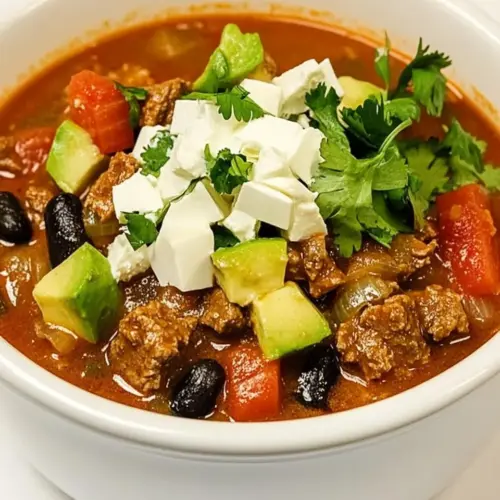
Southwestern Beef Stew
Equipment
- Frying Pan
- Instant Pot
- Cutting Board
- Knife
Ingredients
- 2 lb s. bite-sized beef cubes, preferably chuck roast (see notes) Cut into small, uniform pieces to ensure even, tender cooking and rich beef flavor that forms the stew’s hearty base; browning develops caramelized crust and deepens overall savory notes.
- 4 tsp . olive oil Heat to coat the pan and promote even browning of the beef while providing a silky mouthfeel; use measured amounts to prevent greasiness while carrying spices and aromatics.
- 1 medium onion, chopped small Chop finely to release sugars that soften and sweeten during sautéeing; provide aromatic depth and a savory backbone that complements the beef and spices.
- 1 medium Poblano chile pepper, chopped small (see notes) Chop small to add mild heat and a smoky, earthy dimension; briefly sauté to soften and integrate its flavor without overpowering the stew.
- 1 T crushed fresh garlic or minced garlic Crush or mince to distribute pungent, aromatic garlic throughout the stew; sauté briefly to mellow sharpness and enhance savory complexity.
- 2 cans black olives, drained well and cut in half lengthwise Drain and halve to contribute briny, salty notes and tender texture contrast; stir in toward the end to preserve shape and prevent over-softening.
- 1 cup frozen cauliflower rice Keep frozen and stir in for a low-carb, vegetable-like texture that soaks up flavors; adds bulk and subtle vegetable freshness without becoming mushy.
- 1 14 oz. can beef broth Add as the primary simmering liquid to build a savory, beefy base; adjust amount to control stew thickness and concentrate flavors while cooking.
- 1 cup salsa (see notes) Use to add bright, tangy, and mildly spicy tomato-chile flavor; choose a style you prefer to control heat and acidity in the final dish.
- 1 T ground cumin Season to introduce warm, earthy, and slightly citrusy notes characteristic of Southwestern cuisine; bloom briefly in hot oil to release essential oils.
- 1 tsp . Mexican oregano Add for floral, slightly bitter herbal notes that complement cumin and chiles; use sparingly to avoid overpowering the stew’s other seasonings.
- 1 14.5 oz. can crushed tomatoes Pour in to supply body, acidity, and rich tomato depth; helps thicken the broth while harmonizing with spices and vegetables for a balanced stew.
- 2 T fresh-squeezed lime juice Squeeze fresh for bright acidity that lifts flavors and balances rich, savory components; add near the end or at serving for maximum freshness.
- chopped avocado, Green Tabasco Sauce, and fresh lime slices to add at the table, optional Offer as optional garnishes to provide creaminess, heat, and extra acidity; allow diners to customize final flavors and textures to their preference.
Instructions
- Cut beef into bite-sized cubes. Heat a little olive oil in a big frying pan and brown the beef cubes well, seasoning with a little salt and fresh ground black pepper.: The first sensory cue is the sound of the knife hitting the board and the firm texture of well chilled beef . Cubes that are even in size cook uniformly, ensuring each piece becomes tender without drying out. Always pat the beef dry before cutting to help it brown better. A common mistake is leaving the meat wet, which causes steaming instead of the desirable sear that creates rich flavor.
- While beef browns chop up a medium onion, a medium poblano chile, and measure out minced garlic.: When the olive oil shimmers and the pan is hot, add the cubes in a single layer so they sizzle immediately, which creates a deep brown crust and nutty aroma. You should hear a steady sizzling and see browned edges within a few minutes, signaling successful caramelization. Don e2 80 99t overcrowd the pan, or the meat will release juices and steam, preventing that toasty flavor from developing.
- Heat 2 tsp. oil in the Instant Pot and set to SAUTE, MEDIUM HEAT. Add the chopped onion and poblano and cook 3 minutes. Then add garlic and cook one minute more.: The sound of the knife on the board and the fresh green scent of the chopped Poblano chile set the stage for aromatic layering. Smaller, uniform pieces will soften quickly and distribute flavor evenly. Avoid chopping so finely that they disappear during cooking, as you still want pleasant bites of texture.
- Drain olives and cut in half and measure out cauliflower rice.: You e2 80 99ll smell the onion sweeten and the Poblano chile release vegetal notes as they saut e9. The one minute after adding garlic is crucial, as garlic becomes aromatic but not burnt, which would introduce bitterness. A common misstep is rushing and letting garlic darken, which changes the stew e2 80 99s flavor negatively.
- When beef is well-browned, add it to the Instant Pot with the onion mixture, and add the olives and cauliflower rice.: Draining the black olives well prevents extra brine from diluting the sauce, and halving them distributes their burst of flavor through the stew. The frozen cauliflower rice should be measured so it integrates smoothly, adding body without excess starch. Neglecting to drain olives can lead to an overly salty end result.
- Put beef broth, salsa, ground cumin, Mexican oregano, and crushed tomatoes into the pan you cooked the beef in. Simmer that mixture together about 5 minutes, scraping off any browned bits from the bottom. Then add that mixture to the Instant Pot.: The sensory reward is the mingling of seared beef scent with softened onion and Poblano chile . Adding the components now layers textures so the beef continues to tenderize in the coming pressure cook. Be careful to scrape up any browned bits from the pan into the pot later, as they concentrate savory flavor. A mistake here is forgetting to deglaze, losing those flavorful fond bits.
- Set Instant Pot on MANUAL, HIGH PRESSURE, 25 minutes. When cooking time ends, let it natural release for at least 10 minutes; then release the rest of the pressure.: As the sauce simmers, you e2 80 99ll notice aromas of ground cumin releasing and the tomatoes reducing into a cohesive sauce. Scraping the pan dissolves the browned fond into the liquid, creating depth. Letting this mixture simmer for about five minutes concentrates flavors and helps integrate the spices. If you add it to the pot without scraping, you miss those rich notes that make the stew memorable.
- Stir in lime juice, and taste to see if you want more salt.: The Instant Pot builds a pressure hiss and a steady low rumble as it works, signaling connective tissue in the beef is breaking down into tender bites. High pressure for twenty five minutes usually yields perfectly tender results for chuck cubes. A frequent error is undercooking tough cuts, which leaves chewy meat, so resist the urge to shorten the time for quickness.
- Serve with chopped avocado and fresh limes to add at the table if desired. This is good with Green Tabasco Sauce for those who want a little more heat.: Allowing a natural release continues gentle cooking and prevents violent boiling when pressure drops, protecting the stew e2 80 99s texture. You e2 80 99ll see small steam puffs and hear the pot slowly relax, which is the safe window to preserve juices. Quick releasing too early can make the meat tough or cause foaming if the liquid is vigorous.
- Stir in lime juice, and taste to see if you want more salt: At this stage the bright citrus of lime juice lifts the entire pot, turning rich flavors toward freshness. Stirring should reveal a glossy stew with balanced acidity and salt. Taste carefully, and add a touch more salt only if needed, because the black olives already contribute brine. Over seasoning here can be hard to correct once the stew rests.
- Serve with chopped avocado and fresh limes to add at the table if desired: The final textures arrive at the table with creamy chopped avocado and zesty lime slices that guests can add to personalize their bowl. The contrast of warm stew and cool avocado is delightful and adds pleasing mouthfeel. Avoid preadding avocado if you plan to store leftovers, as it will brown and change texture.
Notes
- Choose your beef wisely Use chuck roast for the best texture because its connective tissue melts into gelatin, making the stew silky.
- Oil control If you want less oil, use just enough olive oil to coat the pan when browning the beef, and wipe out excess fat before deglazing the pan.
- Salsa selection Pick a salsa that matches your heat preference, a milder salsa keeps the stew approachable while a hotter one deepens the spice profile.
- Omit or reduce olives If you prefer less brininess, reduce the number of black olives or rinse them after draining to remove extra salt.
- Cauliflower timing Stir the frozen cauliflower rice in toward the end to keep some texture, adding it earlier will make it softer and more integrated.
- Adjust acidity Add lime juice gradually at the end, tasting as you go to achieve a bright but balanced finish.
- Make ahead The stew often tastes better a day later, so consider making it ahead and gently reheating on low to preserve tenderness.