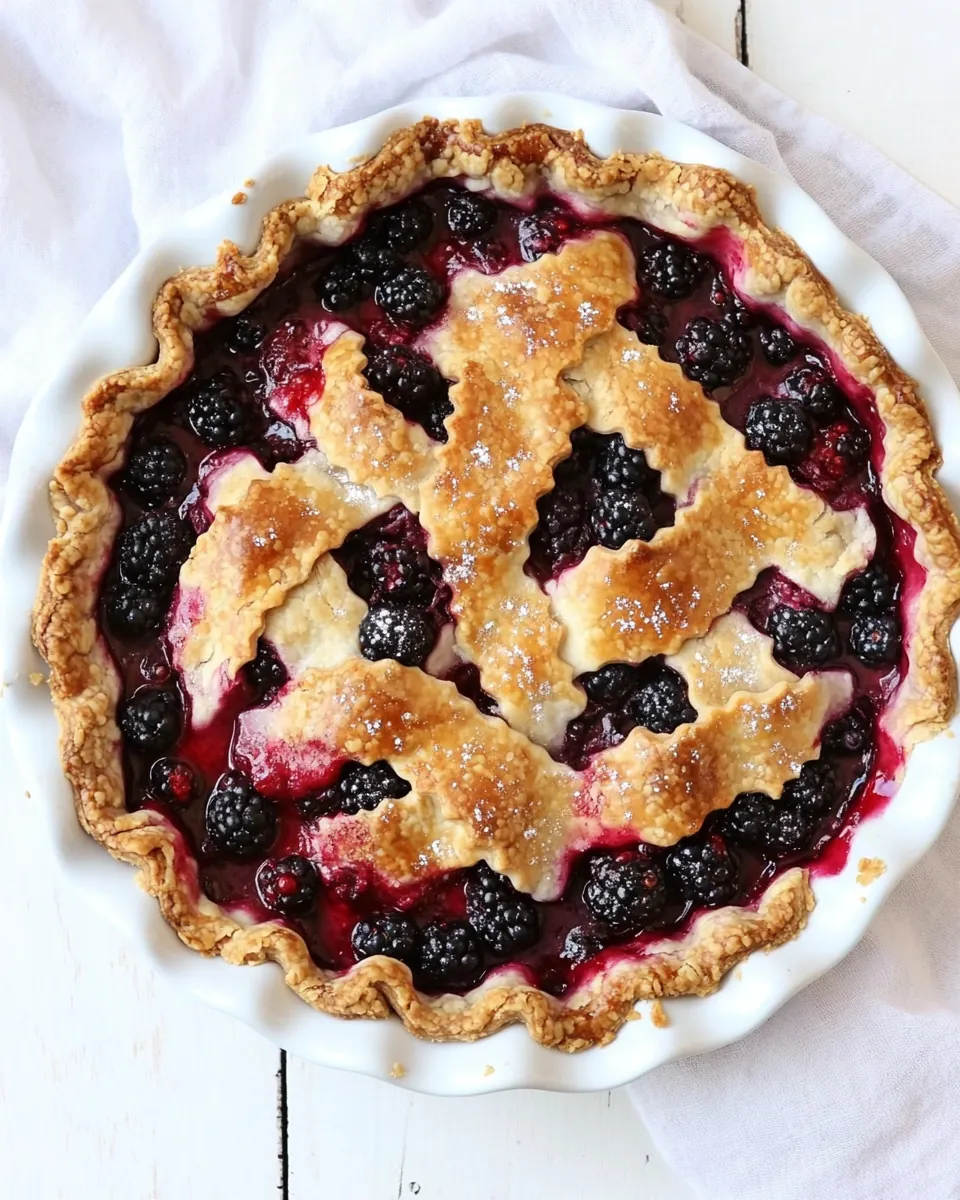
The Berry Best Four Berry Pie
The Berry Best Four Berry Pie is the kind of dessert that always draws a crowd at our summer table, and I still remember the first time I baked it for a mismatched group of neighbors after a long community garden harvest. The smell of warm butter and bubbling berries pulled everyone into the kitchen, and a shy compliment from Mrs. Alvarez convinced me to keep tinkering until the crust and filling felt just right.
That evening I learned how small details matter, like chilling the dough and zesting a lemon so the tartness lifts the jammy sweetness. I like to tell stories when I bake, and this pie carries one of my favorites: a handful of backyard experiments, many scribbled notes, and a lot of patience. Each bite feels balanced, because the recipe trusts good flour, cold butter, and a measured pinch of salt to do heavy lifting.
Over time I adapted the filling to honor ripe summer strawberries, brambly raspberries, glossy blackberries, and tiny popping blueberries. When you serve this pie, expect juicy pockets of fruit and a crust that responds to pressure with a satisfying, slightly crisp crack. If you love straightforward baking that rewards attention, you’ll find this one very forgiving, while still feeling special enough for a weekend gathering.
Recipe Snapshot
1 hr 10 mins
25 mins
45 mins
Medium
300 kcal
American
Gluten-Free, Low FODMAP
Desserts
Food processor, Mixing bowl, Deep dish pie pan, Rolling pin, Baking sheet
What Sets This The Berry Best Four Berry Pie Apart
Beautiful seasonal fruit
I love how the recipe showcases ripe berries without overcomplicating the filling. Because there are no heavy thickeners, the vibrant flavors of each berry shine through, from floral strawberries to tart raspberries. It feels honest and bright, and when fruit is at its peak, the pie sings.
Buttery, flaky crust
There is something so comforting about a crust made with cold butter that is pulsed until pea sized. That technique creates pockets of steam while baking, which gives you flaky layers and a tender bite. I always appreciate a recipe that rewards patience in such a visible way.
Simple techniques, big payoff
Nothing here is fussy, yet each step matters. Chilling the dough firms up the butter so the crust stays flaky. Tossing the fruit with a little flour and sugar keeps the juices from running everywhere, and a lemon lift brightens the whole pie. These small choices add up to a reliably excellent result.
Flexible and crowd pleasing
I often serve this pie for potlucks because it travels well and appeals to lots of palates. The mix of four berries gives textural variety and visual appeal, so you get color and contrast in every slice. It is one of those desserts that people request again and again.
Worth the ritual
There is a cozy ritual to making pie that I adore. Rolling the dough, crimping the edges, and brushing on an egg wash feels like slow, satisfying work. It is both meditative and social, and the results taste like the time and care you put in.
The Berry Best Four Berry Pie Ingredients
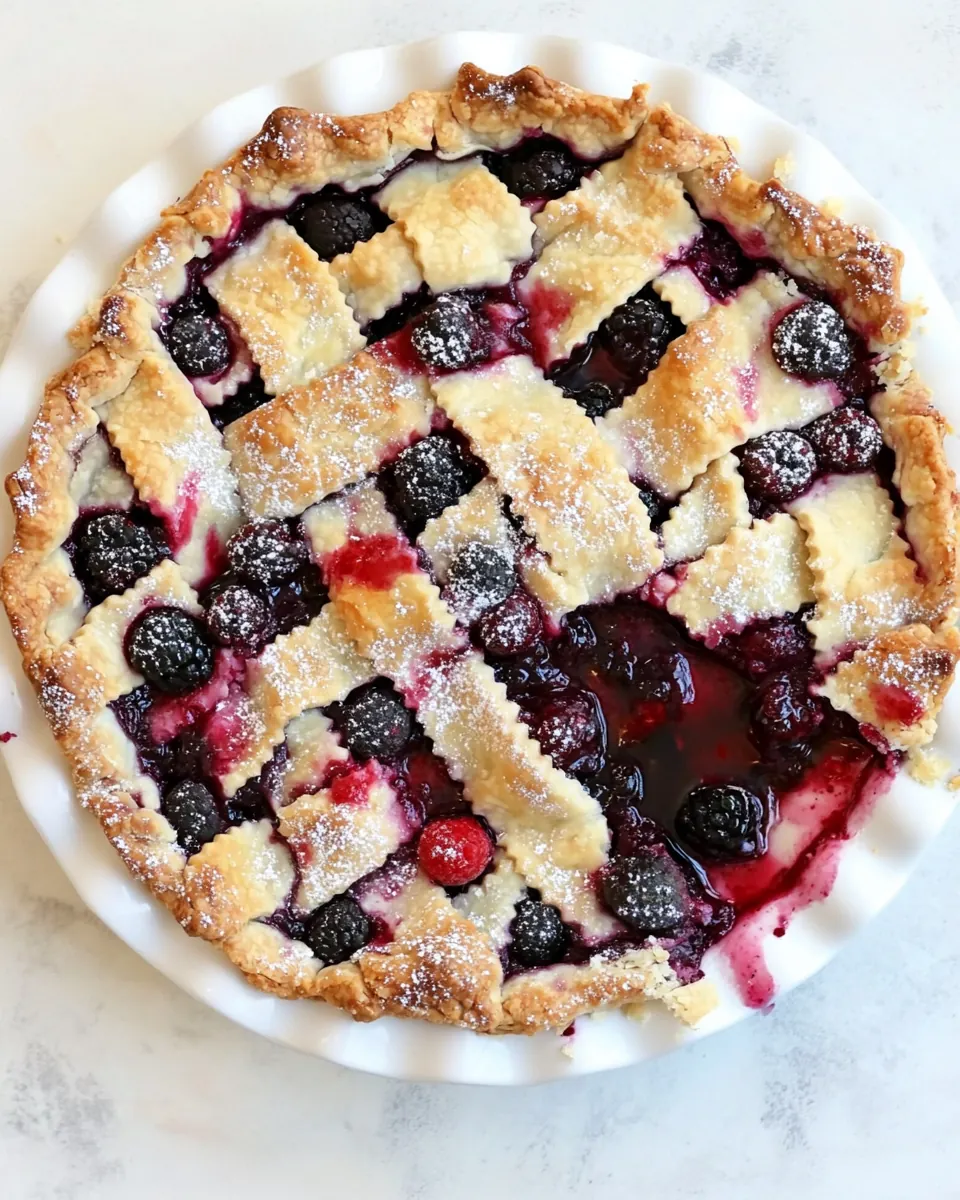
These ingredients are purposely simple, built around two main players: a flaky crust and a bright berry filling. The crust components create structure and texture, while the filling ingredients balance sweetness, acidity, and a touch of thickening. Together they let the fresh berries be the star without drowning them in heavy additions.
- 2 cups all-purpose flour: Provide structure and tender crumb to the crust and filling when dusting or thickening; combine with fats to form the dough and with berries to absorb excess juices, ensuring a balanced texture in the pie.
- 12 tablespoons unsalted cold butter, cut into 1/2 inch chunks: Create flakiness and rich flavor in the pastry when cut into the flour; remain cold to form distinct layers that bake into a flaky crust and contribute mouthfeel to each bite.
- 1 teaspoon kosher salt: Enhance overall flavor balance and strengthen gluten slightly in the crust; season the pastry to bring out butteriness and complement the sweetness of the berries without overpowering them.
- 2 tablespoons sugar: Add subtle sweetness to the dough and help with slight browning during baking; blend into the flour mixture to gently sweeten the crust without making it overly sugary.
- 1/2 to 3/4 cup ice cold water: Bind the dough together and allow just enough moisture for a cohesive, workable pastry; keep ice cold to prevent butter from melting and ensure a tender, flaky crust.
- 6 cups fresh berries, like strawberries, raspberries, blackberries and blueberries, rinsed and stems removed: Provide the main body, flavor, and natural juiciness of the pie using a mix of berry varieties; contribute acidity, sweetness, and vibrant color while offering varied textures when baked.
- 1/2 cup all-purpose flour: Act as a thickening agent to absorb berry juices and prevent a soggy filling; mix evenly with the berries to create a cohesive, sliceable filling while maintaining a bright fruit flavor.
- 1/4 cup granulated sugar: Sweeten the berry filling to balance tartness and enhance natural fruit flavors; dissolve into the mixture so the final pie has a pleasant, well-rounded sweetness.
- Juice and zest of 1/2 lemon: Brighten and lift the berry filling with acidity and aromatic oils from the zest; squeeze juice to adjust tartness and grate zest to add fresh citrus notes without altering texture.
- Pinch of kosher salt: Accentuate and balance the sweet fruit flavors by adding a tiny amount of salt; use sparingly to heighten overall taste and reduce any flabby sweetness in the filling.
- 1 egg: Provide richness and act as an egg wash component to help crust achieve golden color and a slight sheen; beat before brushing onto dough edges for attractive browning.
- 1 tablespoon cream: Enrich the egg wash to create a richer, shinier finish on the baked crust; whisk with the egg to slightly enhance color and add a delicate gloss to the top of the pie.
- Caster sugar: Add a final sparkle and light crunch to the baked crust when sprinkled on top; deliver subtle extra sweetness and visual appeal to the finished pie surface.
Recipe Directions for The Berry Best Four Berry Pie
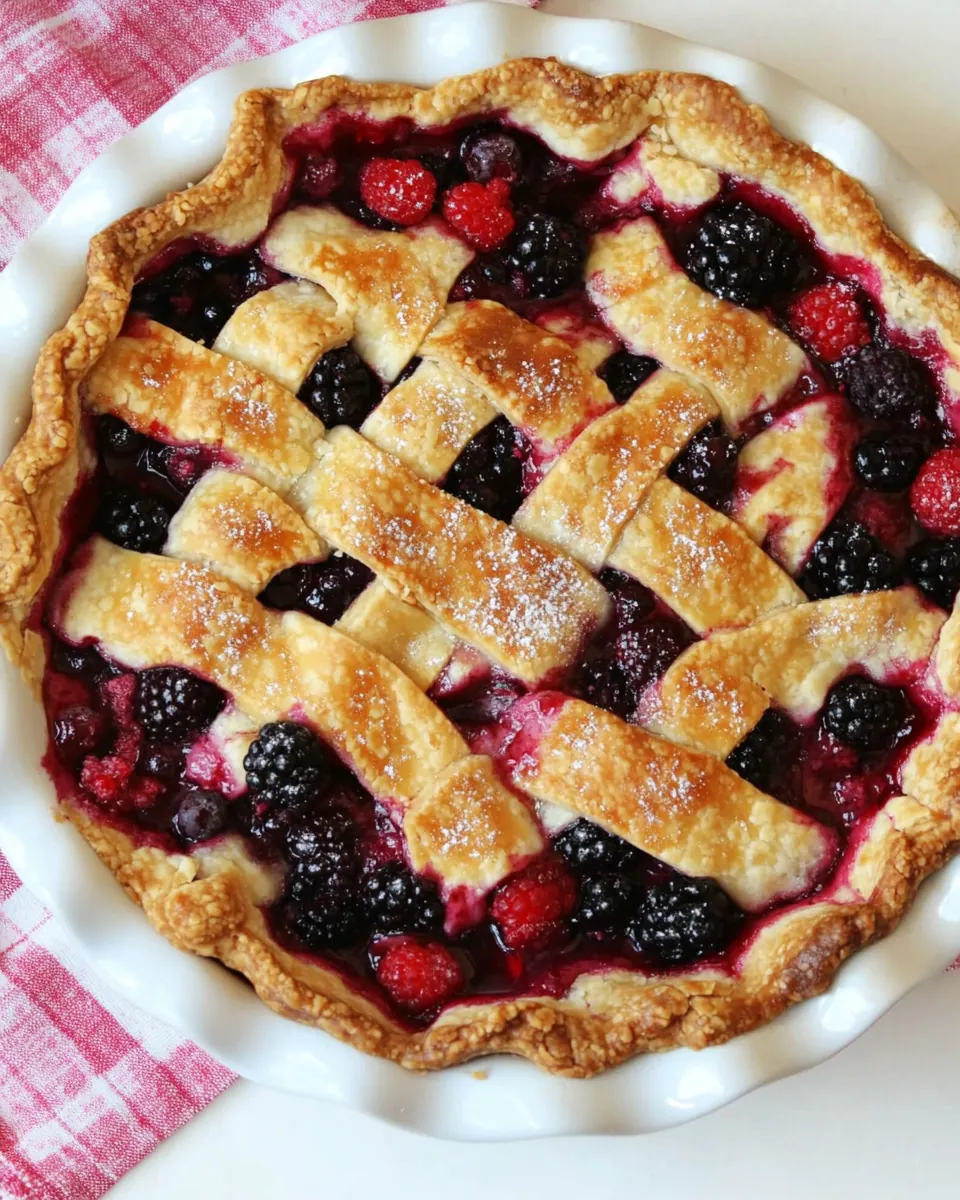
This pie comes together through straightforward pastry and filling techniques, and a few thoughtful pauses. Roll, chill, and bake with attention to texture, and you will get a glossy, bubbling pie with a crisp, tender crust. Below I expand each original instruction into a sensory, step by step guide so you can feel confident at every stage.
- Add flour, butter, salt and sugar to the bowl of a food processor and pulse 4-5 times until butter is the size of small peas. Do not over mix, add 1/4 cup iced water and pulse on and off until pastry is just combined. Add more water 1 tablespoon at a time until dough comes together when pressed. Put out mixture on a floured surface. Knead a few times and form a ball, divide into two discs and wrap in plastic wrap for 1 hour or until ready to use.: The moment you pulse and smell nutty butter mingling with the flour you will know you are on the right track, because the mixture should look like coarse sand with visible pea sized butter bits. Those little pieces will steam as they bake, creating the flakiness you want. Why this matters, sensory wise, is that fully incorporated butter will make the dough greasy and flat, while oversized chunks will leave large holes; aim for that visual cue of small, even lumps. A common mistake here is overprocessing, which warms the butter and collapses those pockets, so pulse only in bursts and keep the bowl chilled if your kitchen is warm.
- Mix the berries, flour, sugar, lemon juice and zest and salt in a medium bowl.: You should hear short pulses and see small clumps forming, not a uniform mass. The cold water helps bind the dough without melting the butter , and the slight resistance when pressing the dough together is the right texture. Smell will be faintly sweet and wheaty, and the dough will feel cool. If you add too much water at once, the dough becomes sticky and difficult to roll, so add it gradually, and pause to test by pinching a bit between your fingers.
- On a lightly floured surface, roll out each piece of dough into a circle about 12 inches in diameter. Place one crust in a deep dish pie pan with excess pastry hanging over the sides of the pan. Using a 3/4”-diameter pastry tip or a wide straw, punch out holes in the remaining crust, covering an area just smaller than the diameter of pie dish.: Pressing a small amount should cause it to cling together without sticking to your fingers, which signals proper hydration. This tactile feedback is key, because the dough will behave differently depending on humidity and your flour brand. The dough should not slump or feel tacky; it should be smooth and slightly firm. A frequent error is overworking at this point, which develops gluten and makes the crust tough, so stop adding water as soon as cohesion is achieved.
- Pour the berries into the prepared pie crust. Top with the second, punched out pie crust. Fold edges of top crust under edge of bottom crust and crimp edges.: When you transfer the mixture to a dusted surface, you will notice the contrast between the dry flour dusting and the cool, slightly shaggy dough. This helps prevent sticking while you shape it. Lightly flour your hands and the surface so you maintain control without incorporating excess flour , which would dry the pastry. If the dough begins to feel warm, pop it back into the fridge for a few minutes to firm up the butter .
- Stir together egg and cream, then brush top of pie crust with the egg wash and sprinkle with sugar.: A gentle few folds brings the dough together, and forming two discs shortens chill time and makes rolling easier. After wrapping, the dough will feel firmer and the butter cold, which is crucial for flake formation. Chilling also relaxes gluten so the pastry rolls without snapping back; if you skip this chill step the dough will shrink during baking and lose its shape.
- Refrigerate the pie for 30 minutes.: At this stage, the aroma of citrus and sweet berry juices begins to develop, and the dusting of flour will start to absorb surface moisture. Toss gently so you do not crush the fruit, preserving whole berry textures and keeping color contrast. The mixture should be glossy and slightly syrupy from the sugar. A common pitfall is stirring too vigorously, which pulverizes berries and yields a flat filling texture.
- Place pie on a baking sheet and bake for 40-45 minutes at 400 degrees F. Allow pie to rest for about 30 minutes before serving.: Rolling should feel smooth, with the dough releasing easily when floured lightly. Watch for even thickness across the circle so the edges do not burn before the center sets. The dough should be cool to the touch and show faint layers. If it becomes sticky, chill it briefly. Overrolling makes the crust fragile, while underrolling yields a thick, bready base, so aim for that even 12 inch target.
- Place one crust in a deep dish pie pan with excess pastry hanging over the sides of the pan: As you line the pan, the dough should gently conform to the dish without tearing, and the overhang gives you material to crimp later. Press the dough into corners and avoid stretching, which will trigger shrinkage in the oven. If the pastry resists, let it relax for five minutes instead of forcing it; a torn crust is harder to mend than a rested one.
- Using a 3/4”-diameter pastry tip or a wide straw, punch out holes in the remaining crust, covering an area just smaller than the diameter of pie dish: Those punched shapes let steam escape while still creating a decorative top that bakes to a delicate crisp. You will hear a faint tearing as you push through, and the cutouts will look clean when the dough is well chilled. If the dough is too warm, the hole edges will smear, so chill the top crust first. Avoid overcutting, which weakens the top and can cause sagging once filled.
- Pour the berries into the prepared pie crust: As you transfer the filling, notice the syrup pooling slightly, glossy and fragrant with lemon. The fruit should mound gently without compacting, leaving room for bubbling. The visual cue is a shiny, full pie that still holds its shape. Packing the fruit too tightly will inhibit even bubbling and make the center denser, so spoon it loosely into place.
- Top with the second, punched out pie crust: Setting the top crust over the filling will produce a faint steam hiss as air pockets settle in; align the edges and trim excess so you have an even overhang. The top should sit comfortably without being stretched, which prevents tearing during baking. If it seems tight, let it rest briefly to relax.
- Fold edges of top crust under edge of bottom crust and crimp edges: Crimping seals the filling and creates an attractive border that browns evenly. Use your fingers or a fork to press a consistent pattern around the circumference. Press firmly enough to seal but not so hard you compress the edge, which would bake heavy and dense. An uneven crimp can leak juices, so aim for uniformity.
- Stir together egg and cream, then brush top of pie crust with the egg wash and sprinkle with sugar: The egg wash will give you that deep golden sheen and help the caster sugar adhere. When brushed, the surface should look slick and a little glossy. After sprinkling sugar, the top will look like a dusting of frost that caramelizes while baking. Be gentle; overbrushing can drag filling to the surface.
- Refrigerate the pie for 30 minutes: Chilling the assembled pie firms the butter again, preventing the crust from slumping in the oven and helping the shape hold. You will notice the pie feels colder and the wash sets slightly. Skipping this step risks a misshapen pie and a less flaky crust, so give it the time it asks for.
- Place pie on a baking sheet and bake for 40-45 minutes at 400 degrees F: During baking you will watch the filling bubble and the crust turn an inviting golden brown with glossy patches where the egg wash darkens. The sound is a soft bubbling and the aroma is a warm, fruity scent with toasty pastry notes. If you find the edges browning too quickly, tent them with foil to avoid burning while the center finishes. Underbaking will leave the filling runny, so ensure you see steady bubbling near vents and deep color on the crust.
- Allow pie to rest for about 30 minutes before serving: Resting lets the filling thicken and set so slices hold cleanly on a plate, and it cools the pie enough to fully appreciate the layered textures. The steam will subside, and you will notice a firmer, glossy filling. Cutting too soon produces a weeping interior and messy slices, so patience here improves presentation and eating experience.
Tips and Variations
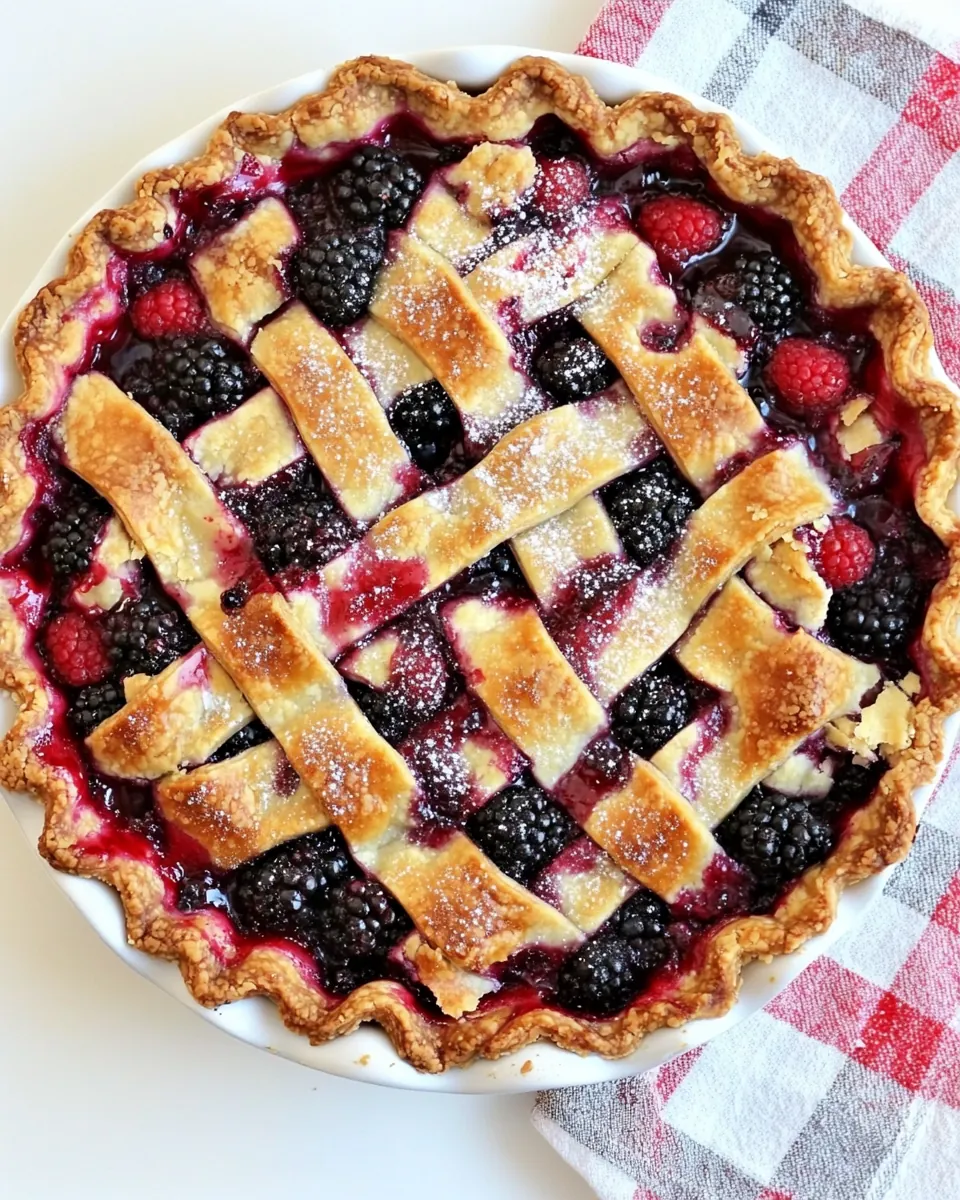
I like to keep a short set of helpful adjustments and creative twists on hand so bakers can adapt the recipe to their pantry and preferences. Below are practical pointers and small variations that preserve the pie’s core identity while letting you personalize texture and sweetness.
- Chill the dough: Refrigerate the dough discs for at least 1 hour so the butter firms and the pastry relaxes, which prevents shrinkage and creates flakier layers.
- Protect the edges: Use a foil shield or pie ring when browning accelerates, this keeps the rim from burning while the center finishes bubbling.
- Adjust sweetness: Taste the berries before mixing and slightly reduce the filling sugar if the fruit is exceptionally sweet, preserving bright berry character.
- Use cold tools: Chill your mixing bowl and pastry cutter if the kitchen is warm, keeping the butter firm and helping create flaky layers.
- Fine sugar finish: Sprinkle caster sugar after applying the egg wash for a delicate sparkle and subtle crunch on the baked crust.
What to Serve With The Berry Best Four Berry Pie
This pie is versatile and fits a range of occasions from casual afternoon tea to a festive summer dinner. Think about contrasts in texture and temperature when planning pairings, and aim for light accompaniments that complement the fruit without competing.
- Light cream or whipped cream: A dollop of softly whipped cream adds a silky contrast and mellows the tartness of the berries.
- Vanilla ice cream: A scoop of cold vanilla ice cream offers a creamy temperature counterpoint that highlights the warm, bubbling filling and crisp crust.
- Fresh fruit salad: Serve extra fresh berries on the side for a refreshing, bright plate that echoes the pie filling.
- Tea or coffee: A mellow black tea or a light roast coffee complements the pastry notes without overpowering the fruit.
- Occasions: This pie is perfect for summer gatherings, Fourth of July picnics, potlucks, or any afternoon when ripe berries are in season.
- Storage tips: Keep leftover slices loosely covered at room temperature for up to one day, or refrigerate for three to four days; reheat briefly to revive the crust.
- Seasonal pairing: In summer, serve with iced tea and fresh herbs like mint for a garden fresh feeling; in cooler months, pair with a warm spiced beverage.
FAQ
Conclusion
This pie stands out because it celebrates ripe summer berries with a flaky, buttery crust and bright lemon notes that keep every bite lively. I encourage you to give it a try, especially when berries are at their peak, because the simple techniques reward attention with delicious results. Baking this pie can be a relaxing ritual, and it makes a warm, inviting centerpiece for gatherings or a quiet weekend treat. Share a slice, listen to the soft crack of the crust, and enjoy how easy ingredients transform into something memorable.
The Berry Best Four Berry Pie
Equipment
- Food Processor
- Mixing Bowl
- Deep dish pie pan
- Rolling Pin
- Baking Sheet
Ingredients
- 2 cups all-purpose flour Provide structure and tender crumb to the crust and filling when dusting or thickening; combine with fats to form the dough and with berries to absorb excess juices, ensuring a balanced texture in the pie.
- 12 tablespoons unsalted cold butter, cut into 1/2 inch chunks Create flakiness and rich flavor in the pastry when cut into the flour; remain cold to form distinct layers that bake into a flaky crust and contribute mouthfeel to each bite.
- 1 teaspoon kosher salt Enhance overall flavor balance and strengthen gluten slightly in the crust; season the pastry to bring out butteriness and complement the sweetness of the berries without overpowering them.
- 2 tablespoons sugar Add subtle sweetness to the dough and help with slight browning during baking; blend into the flour mixture to gently sweeten the crust without making it overly sugary.
- 1/2 to 3/4 cup ice cold water Bind the dough together and allow just enough moisture for a cohesive, workable pastry; keep ice cold to prevent butter from melting and ensure a tender, flaky crust.
- 6 cups fresh berries, like strawberries, raspberries, blackberries and blueberries, rinsed and stems removed Provide the main body, flavor, and natural juiciness of the pie using a mix of berry varieties; contribute acidity, sweetness, and vibrant color while offering varied textures when baked.
- 1/2 cup all-purpose flour Act as a thickening agent to absorb berry juices and prevent a soggy filling; mix evenly with the berries to create a cohesive, sliceable filling while maintaining a bright fruit flavor.
- 1/4 cup granulated sugar Sweeten the berry filling to balance tartness and enhance natural fruit flavors; dissolve into the mixture so the final pie has a pleasant, well-rounded sweetness.
- Juice and zest of 1/2 lemon Brighten and lift the berry filling with acidity and aromatic oils from the zest; squeeze juice to adjust tartness and grate zest to add fresh citrus notes without altering texture.
- Pinch of kosher salt Accentuate and balance the sweet fruit flavors by adding a tiny amount of salt; use sparingly to heighten overall taste and reduce any flabby sweetness in the filling.
- 1 egg Provide richness and act as an egg wash component to help crust achieve golden color and a slight sheen; beat before brushing onto dough edges for attractive browning.
- 1 tablespoon cream Enrich the egg wash to create a richer, shinier finish on the baked crust; whisk with the egg to slightly enhance color and add a delicate gloss to the top of the pie.
- Caster sugar Add a final sparkle and light crunch to the baked crust when sprinkled on top; deliver subtle extra sweetness and visual appeal to the finished pie surface.
Instructions
- Add flour, butter, salt and sugar to the bowl of a food processor and pulse 4-5 times until butter is the size of small peas. Do not over mix, add 1/4 cup iced water and pulse on and off until pastry is just combined. Add more water 1 tablespoon at a time until dough comes together when pressed. Put out mixture on a floured surface. Knead a few times and form a ball, divide into two discs and wrap in plastic wrap for 1 hour or until ready to use.: The moment you pulse and smell nutty butter mingling with the flour you will know you are on the right track, because the mixture should look like coarse sand with visible pea sized butter bits. Those little pieces will steam as they bake, creating the flakiness you want. Why this matters, sensory wise, is that fully incorporated butter will make the dough greasy and flat, while oversized chunks will leave large holes; aim for that visual cue of small, even lumps. A common mistake here is overprocessing, which warms the butter and collapses those pockets, so pulse only in bursts and keep the bowl chilled if your kitchen is warm.
- Mix the berries, flour, sugar, lemon juice and zest and salt in a medium bowl.: You should hear short pulses and see small clumps forming, not a uniform mass. The cold water helps bind the dough without melting the butter , and the slight resistance when pressing the dough together is the right texture. Smell will be faintly sweet and wheaty, and the dough will feel cool. If you add too much water at once, the dough becomes sticky and difficult to roll, so add it gradually, and pause to test by pinching a bit between your fingers.
- On a lightly floured surface, roll out each piece of dough into a circle about 12 inches in diameter. Place one crust in a deep dish pie pan with excess pastry hanging over the sides of the pan. Using a 3/4”-diameter pastry tip or a wide straw, punch out holes in the remaining crust, covering an area just smaller than the diameter of pie dish.: Pressing a small amount should cause it to cling together without sticking to your fingers, which signals proper hydration. This tactile feedback is key, because the dough will behave differently depending on humidity and your flour brand. The dough should not slump or feel tacky; it should be smooth and slightly firm. A frequent error is overworking at this point, which develops gluten and makes the crust tough, so stop adding water as soon as cohesion is achieved.
- Pour the berries into the prepared pie crust. Top with the second, punched out pie crust. Fold edges of top crust under edge of bottom crust and crimp edges.: When you transfer the mixture to a dusted surface, you will notice the contrast between the dry flour dusting and the cool, slightly shaggy dough. This helps prevent sticking while you shape it. Lightly flour your hands and the surface so you maintain control without incorporating excess flour , which would dry the pastry. If the dough begins to feel warm, pop it back into the fridge for a few minutes to firm up the butter .
- Stir together egg and cream, then brush top of pie crust with the egg wash and sprinkle with sugar.: A gentle few folds brings the dough together, and forming two discs shortens chill time and makes rolling easier. After wrapping, the dough will feel firmer and the butter cold, which is crucial for flake formation. Chilling also relaxes gluten so the pastry rolls without snapping back; if you skip this chill step the dough will shrink during baking and lose its shape.
- Refrigerate the pie for 30 minutes.: At this stage, the aroma of citrus and sweet berry juices begins to develop, and the dusting of flour will start to absorb surface moisture. Toss gently so you do not crush the fruit, preserving whole berry textures and keeping color contrast. The mixture should be glossy and slightly syrupy from the sugar. A common pitfall is stirring too vigorously, which pulverizes berries and yields a flat filling texture.
- Place pie on a baking sheet and bake for 40-45 minutes at 400 degrees F. Allow pie to rest for about 30 minutes before serving.: Rolling should feel smooth, with the dough releasing easily when floured lightly. Watch for even thickness across the circle so the edges do not burn before the center sets. The dough should be cool to the touch and show faint layers. If it becomes sticky, chill it briefly. Overrolling makes the crust fragile, while underrolling yields a thick, bready base, so aim for that even 12 inch target.
- Place one crust in a deep dish pie pan with excess pastry hanging over the sides of the pan: As you line the pan, the dough should gently conform to the dish without tearing, and the overhang gives you material to crimp later. Press the dough into corners and avoid stretching, which will trigger shrinkage in the oven. If the pastry resists, let it relax for five minutes instead of forcing it; a torn crust is harder to mend than a rested one.
- Using a 3/4”-diameter pastry tip or a wide straw, punch out holes in the remaining crust, covering an area just smaller than the diameter of pie dish: Those punched shapes let steam escape while still creating a decorative top that bakes to a delicate crisp. You will hear a faint tearing as you push through, and the cutouts will look clean when the dough is well chilled. If the dough is too warm, the hole edges will smear, so chill the top crust first. Avoid overcutting, which weakens the top and can cause sagging once filled.
- Pour the berries into the prepared pie crust: As you transfer the filling, notice the syrup pooling slightly, glossy and fragrant with lemon. The fruit should mound gently without compacting, leaving room for bubbling. The visual cue is a shiny, full pie that still holds its shape. Packing the fruit too tightly will inhibit even bubbling and make the center denser, so spoon it loosely into place.
- Top with the second, punched out pie crust: Setting the top crust over the filling will produce a faint steam hiss as air pockets settle in; align the edges and trim excess so you have an even overhang. The top should sit comfortably without being stretched, which prevents tearing during baking. If it seems tight, let it rest briefly to relax.
- Fold edges of top crust under edge of bottom crust and crimp edges: Crimping seals the filling and creates an attractive border that browns evenly. Use your fingers or a fork to press a consistent pattern around the circumference. Press firmly enough to seal but not so hard you compress the edge, which would bake heavy and dense. An uneven crimp can leak juices, so aim for uniformity.
- Stir together egg and cream, then brush top of pie crust with the egg wash and sprinkle with sugar: The egg wash will give you that deep golden sheen and help the caster sugar adhere. When brushed, the surface should look slick and a little glossy. After sprinkling sugar, the top will look like a dusting of frost that caramelizes while baking. Be gentle; overbrushing can drag filling to the surface.
- Refrigerate the pie for 30 minutes: Chilling the assembled pie firms the butter again, preventing the crust from slumping in the oven and helping the shape hold. You will notice the pie feels colder and the wash sets slightly. Skipping this step risks a misshapen pie and a less flaky crust, so give it the time it asks for.
- Place pie on a baking sheet and bake for 40-45 minutes at 400 degrees F: During baking you will watch the filling bubble and the crust turn an inviting golden brown with glossy patches where the egg wash darkens. The sound is a soft bubbling and the aroma is a warm, fruity scent with toasty pastry notes. If you find the edges browning too quickly, tent them with foil to avoid burning while the center finishes. Underbaking will leave the filling runny, so ensure you see steady bubbling near vents and deep color on the crust.
- Allow pie to rest for about 30 minutes before serving: Resting lets the filling thicken and set so slices hold cleanly on a plate, and it cools the pie enough to fully appreciate the layered textures. The steam will subside, and you will notice a firmer, glossy filling. Cutting too soon produces a weeping interior and messy slices, so patience here improves presentation and eating experience.
Notes
- Chill the dough: Refrigerate the dough discs for at least 1 hour so the butter firms and the pastry relaxes, which prevents shrinkage and creates flakier layers.
- Protect the edges: Use a foil shield or pie ring when browning accelerates, this keeps the rim from burning while the center finishes bubbling.
- Adjust sweetness: Taste the berries before mixing and slightly reduce the filling sugar if the fruit is exceptionally sweet, preserving bright berry character.
- Use cold tools: Chill your mixing bowl and pastry cutter if the kitchen is warm, keeping the butter firm and helping create flaky layers.
- Fine sugar finish: Sprinkle caster sugar after applying the egg wash for a delicate sparkle and subtle crunch on the baked crust.