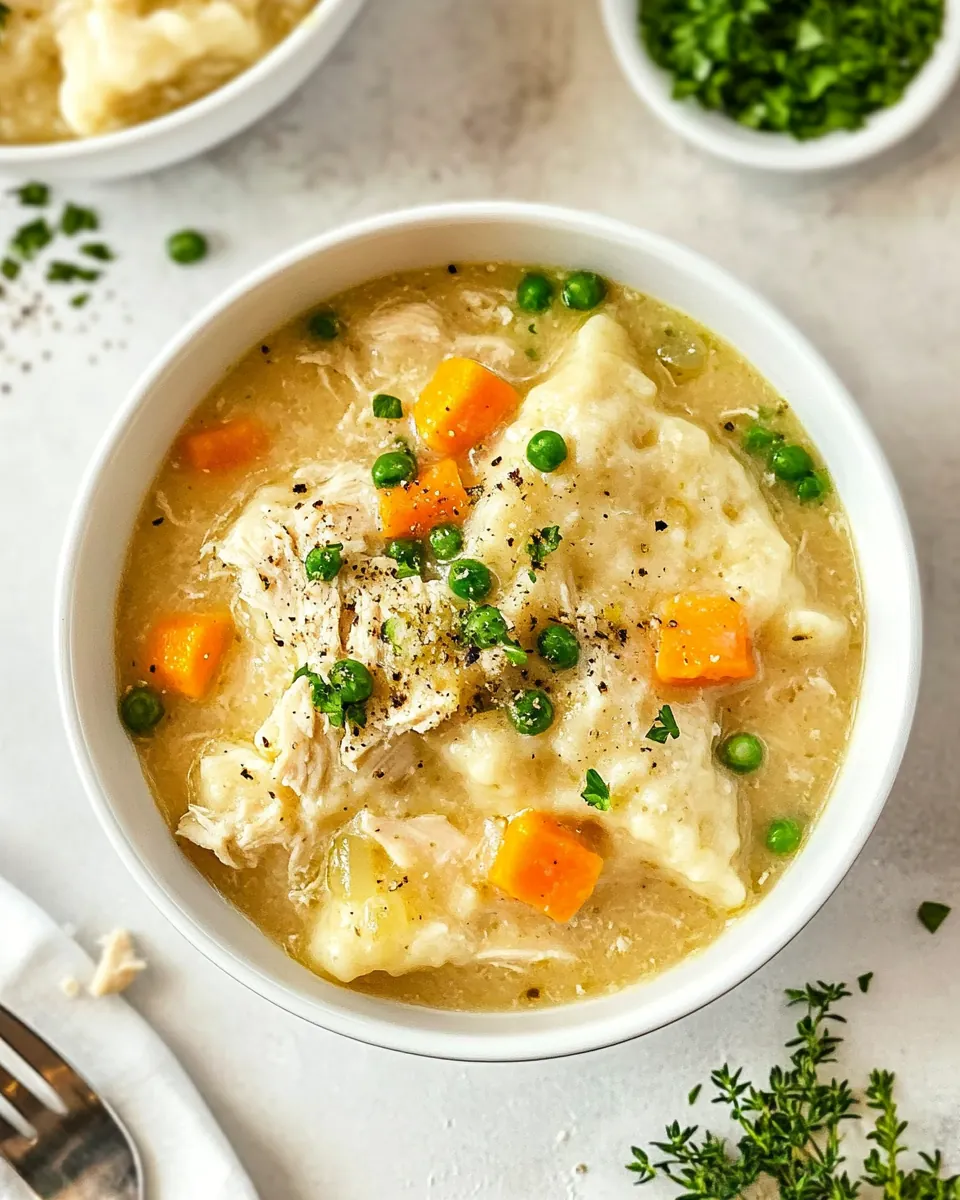
Instant Pot Chicken and Dumplings
Instant Pot Chicken and Dumplings has been my go to comfort meal on chilly nights when I want something that feels homemade without a huge time commitment.
One evening after a long day of errands I pulled out the Instant Pot Chicken and Dumplings ingredients I already kept on hand. The aroma of sautéing onion, carrot, and celery filled the kitchen, and I could tell this pot would warm more than just my stomach. I love how the humble tin of biscuits becomes pillowy dumplings that soak up the broth, and every forkful brings back memories of family dinners where everyone lingered at the table.
I find that this version of Instant Pot Chicken and Dumplings strikes a balance between convenience and soul satisfying flavor. The quick sauté step wakes up the vegetables, then the pressure cooking makes the chicken tender enough to shred effortlessly. By the time the dumplings puff and the soup thickens, you’ve got a bowl that tastes like time and care went into it, even if you finished it in under 30 minutes. I often serve it with a crisp green salad when I want contrast, or simply a hunk of crusty bread if I am feeding a very hungry household.
Recipe Snapshot
17 mins
10 mins
7 mins
Medium
350 kcal
American
Gluten-Free, Paleo
Dinner
Instant Pot 6 Quart
What Sets This Instant Pot Chicken and Dumplings Apart
Comfort in a Hurry
I adore how Instant Pot Chicken and Dumplings gives immediate comfort without a long simmer. The pressure cooker dramatically reduces time, and that means you can get to the cozy, creamy bowl much sooner. I often rely on this when I need a restorative meal after a busy day, because it feels rich and homemade but doesn’t demand hours of standing at the stove.
Simple Staples, Big Impact
This recipe highlights pantry and fridge staples that you likely already have. The combination of sautéed onion, carrot, and celery creates a classic flavor base, while the chicken and biscuit dumplings turn it into a full meal. I love that these familiar ingredients transform into something greater than the sum of their parts, giving you depth of flavor without complicated shopping lists.
Flexible and Forgiving
I appreciate how adaptable the dish is. You can tweak the seasoning and broth ratio to your taste, and the dumplings can be cut to any size you prefer. When I am experimenting, I’ll make the dumplings larger for more bake like pockets, or smaller for bite size comfort. This forgiving nature makes the recipe approachable for cooks of all levels.
Rustic, Homey Texture
There is a lovely contrast between tender shredded chicken and pillowy biscuit pieces. That texture combination is why I return to this recipe again and again. The biscuits soak up broth yet retain soft interior bits, creating a luscious mouthfeel that feels both rustic and refined.
Family Friendly Crowd Pleaser
I find this dish wins over picky eaters and hungry teenagers alike. It’s mild, nourishing, and easy to portion. When friends pop over on a cold night, I know the Instant Pot Chicken and Dumplings will fill bowls quickly and leave everyone satisfied, which is exactly what I want from a weeknight favorite.
Essential Ingredients for Instant Pot Chicken and Dumplings
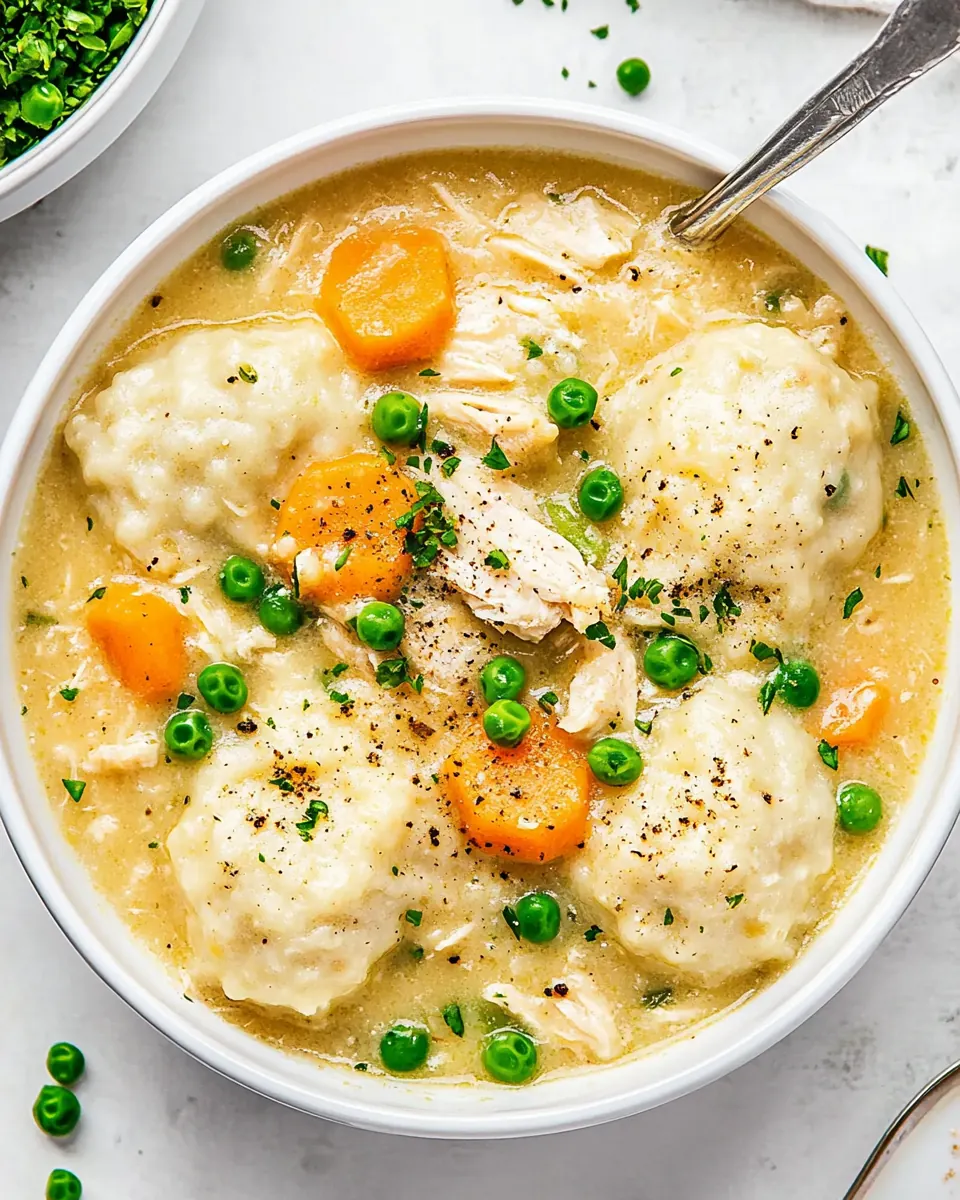
These ingredients come together to create a harmonized, cozy soup. The vegetables form the aromatic backbone, the chicken provides protein and depth, and the biscuits become soft dumplings that thicken and comfort. Each component plays a clear role, and used together they produce the velvety texture and savory flavor you expect from classic chicken and dumplings.
- 8 refrigerated biscuits (I used Pillsbury): Use refrigerated biscuit dough to create tender, flaky dumplings that finish cooking on top of the stew; torn or halved pieces add comforting texture and absorb savory broth flavors. Chill-rested dough is easy to handle and provides a slightly sweet, pillowy contrast to the savory chicken mixture.
- 1 tablespoon olive oil: Pour olive oil into the pot to sauté aromatics and vegetables, promoting even browning and building a flavor base. Choose a neutral extra-virgin or regular variety for a subtle fruitiness and heat tolerance suitable for pressure cooking starts.
- 1 large onion (chopped): Chop onion finely to release natural sugars when softened, contributing depth, sweetness, and savory backbone to the broth. Cooking until translucent helps meld flavors and creates a rich aromatic foundation for the dish.
- 1 large carrot (peeled and chopped): Peel and chop carrot to add gentle sweetness, color, and body to the stew while providing tender bite after pressure cooking. Carrots also release natural starches that slightly thicken the broth and balance savory seasonings.
- 2 stalks celery (chopped): Chop celery to introduce aromatic, slightly bitter undertones and crunchy texture that soften during cooking to enhance mouthfeel. Celery acts with onion and carrot as classic mirepoix, forming a savory flavor base for soups and stews.
- 1/2 teaspoon salt (or to taste): Season with salt to enhance overall flavor, balance sweetness from vegetables, and heighten savory notes; adjust to taste at the end if needed. Use measured amounts as a starting point and remember that reduction concentrates saltiness.
- 1/2 teaspoon pepper (or to taste): Grind or add black pepper to impart subtle heat and aromatic spice that brightens the dish; taste and adjust for desired warmth. Freshly ground pepper offers more pronounced flavor than pre-ground varieties.
- 1/3 cup all-purpose flour: Whisk in all-purpose flour to create a light roux or slurry that helps thicken the broth, giving the stew body and allowing dumplings to sit in a slightly creamy base. Cook briefly with oil and vegetables to eliminate raw flour taste before adding liquids.
- 5 cups chicken broth: Pour chicken broth to provide the flavorful liquid base that cooks the chicken and dumplings while infusing the dish with savory umami. Use a quality low-sodium broth if controlling salt, and ensure enough liquid for pressure cooking.
- 1/2 teaspoon thyme (dried): Sprinkle dried thyme to lend earthy, slightly minty-herb notes that complement poultry and vegetables without overpowering. Add early to allow the herb to rehydrate and integrate into the broth during cooking.
- 1 cube chicken bouillon (or 1 tsp poultry seasoning, I used 1 tsp vegeta): Dissolve chicken bouillon cube (or use poultry seasoning/vegeta) to intensify savory, poultry-like flavor and boost overall depth in the stock. Adjust depending on broth saltiness to avoid over-seasoning.
- 2 bay leaves: Add bay leaves to introduce subtle herbal and floral undertones that deepen the broth’s complexity during simmering and pressure cooking. Remove the leaves before serving to avoid bitter, tough pieces.
- 2 cups water: Include water to supplement broth volume so there is sufficient liquid for pressure cooking and to achieve the correct consistency after reduction. Neutral water balances concentrated flavors if using strong bouillon or reduced broth.
- 1 pound chicken breast (boneless and skinless (about 2)): Place boneless, skinless chicken breasts in the pot as the primary protein that shreds after cooking to create tender, juicy pieces throughout the stew. Use evenly sized breasts to ensure uniform cooking time under pressure.
- 1/2 cup peas (frozen): Stir in frozen peas toward the end of cooking to add pops of sweet flavor, bright color, and delicate texture without overcooking. Frozen peas retain nutrients and require minimal heating to become tender.
- 2 tablespoons parsley (fresh, for garnish): Chop fresh parsley and use as a garnish to brighten flavors and add a fresh, herbaceous finish to the dish. Sprinkle just before serving to preserve color and aromatic lift.
How to Make Instant Pot Chicken and Dumplings
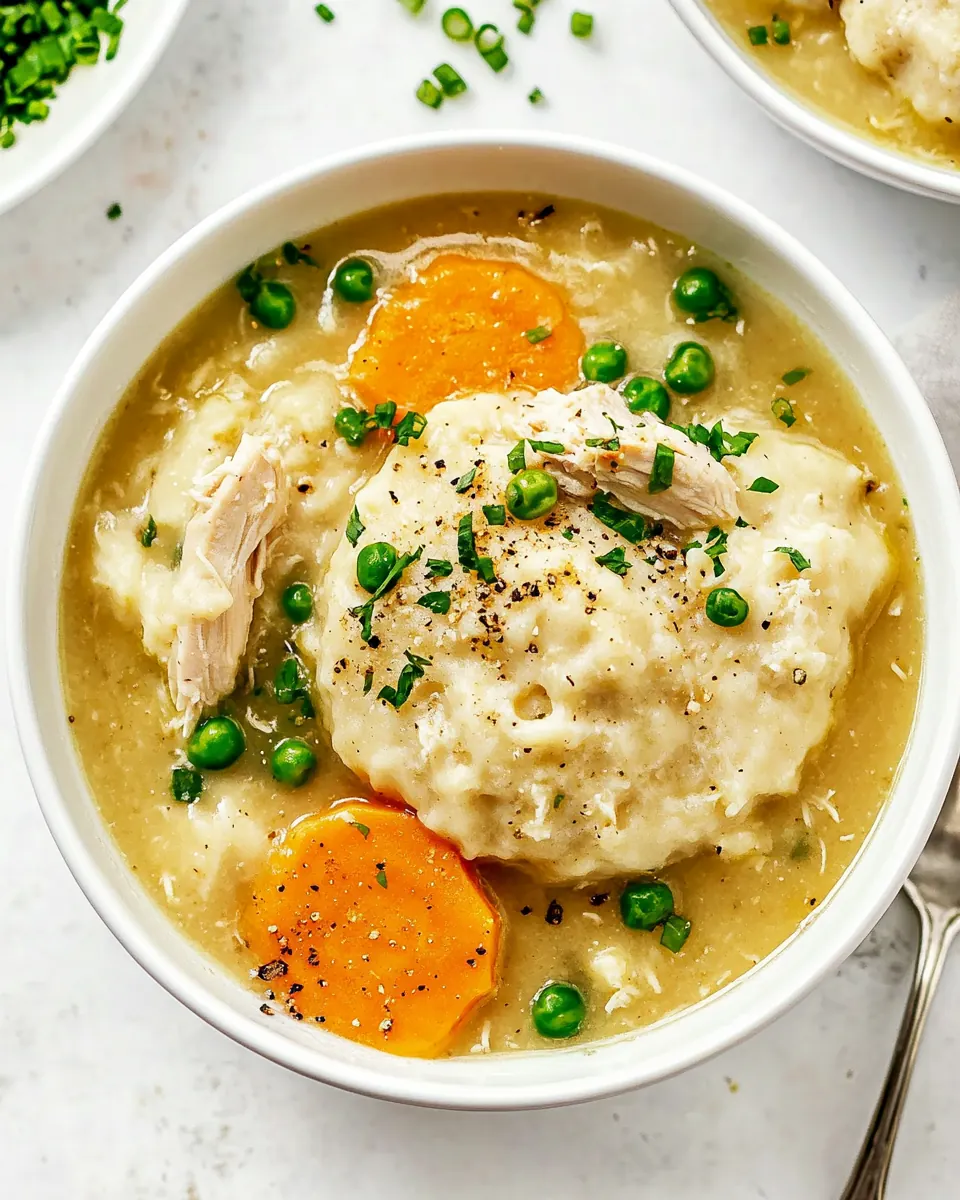
These directions were written to help you move confidently through the recipe. Follow the sequence closely to get tender chicken and pillowy dumplings, and use sensory cues to know when each stage is complete. Keep an eye on seasoning as the dish finishes, because the bouillon and broth can change salt levels.
- Open the can of biscuits and flatten out each biscuit with your fingers. Alternatively, you could use a rolling pin. Cut each biscuit in 4 strips, or feel free to cut them as large or as small as you like. Set aside.: As the cans pop open you will notice the soft smell of the pre made dough, and when you flatten each piece with your fingertips the texture should be slightly cool and pliable. Work on a lightly floured surface so the pieces do not stick, and listen for the slight tackiness as you press them, which tells you they are ready to cut. A common mistake is cutting uneven pieces, which causes inconsistent cooking times in the broth, so try to keep them similar in size for even puffing and cooking.
- Turn your Instant Pot to the sauté setting. (See your manufacturer's guide for detailed instructions on how to use your instant pot.): When you set the pot to sauté the insert will start to warm, and you should hear a faint hum as the surface heats. Wait for a moment so the oil can shimmer before adding ingredients, this prevents sticking and helps the onion soften properly. If you rush this step the vegetables may steam instead of caramelizing slightly, losing some depth of flavor.
- Add the olive oil and cook until oil is hot. Add the onion, carrots and celery and sauté for 3 minutes until the onion softens and becomes translucent. Season with salt and pepper.: The oil will thin and show a gentle ripple when it is hot enough, and you will smell a warm, nutty note. Add the chopped onion , carrot , and celery and you will hear a soft sizzling as they hit the surface. The vegetables should soften and the onion will turn translucent in about 3 minutes, releasing sweet aromas that signal readiness. Avoid browning aggressively here, as burning will introduce bitterness into the broth.
- Whisk in the flour and cook for 1 minute. Add 1 cup of the chicken broth and whisk until all the flour has absorbed all the liquid.: When the flour hits the hot oil and vegetables it will clump briefly, but whisking helps it coat everything into a light paste. The mixture will smell slightly toasty after a minute, indicating the raw flour edge has cooked off, which prevents a floury taste in the finished soup. If you skip cooking the flour you risk a pasty texture instead of a smooth thickness, so be patient during this short step.
- Stir in the thyme, chicken bouillon or poultry seasoning, and add the bay leaves. Add the remaining chicken broth, water and stir. If you prefer, you could use all chicken broth or all water. If using only water, you might need to add a bit more poultry seasoning.: Pouring the first cup of liquid will loosen the roux and you should whisk briskly until you have a smooth gravy like consistency with no lumps. This stage is crucial because it ensures the flour disperses evenly, which leads to a silky broth rather than grainy clumps. If lumps form, pause and whisk vigorously, adding a splash more liquid to smooth them out.
- Add the chicken to the pot then add the biscuit pieces, breaking them apart if needed. Mine stuck to each other a bit, so I had to separate them before adding them to the pot.: The dried thyme will release a woodsy scent when stirred into the warm liquid, and the bouillon will deepen the savory aroma. The bay leaves will infuse subtle herbal notes during pressure cooking. One common error is leaving bay leaves whole in served bowls, so remember to fish them out before eating to avoid unexpected leathery bits.
- Close the lid (follow the manufacturer's guide for instructions on how to close the instant pot lid). Set the Instant Pot to the Soup setting and set the timer to 7 minutes.: When you combine the rest of the liquid the pot will smell fuller and more broth like, and the level should sit well below the max fill line. Stirring helps integrate the flavors uniformly so there are no concentrated pockets of seasoning. If your broth is overly salty, add a little more water to balance it before pressure cooking.
- Once the Instant Pot cycle is complete, wait until the natural release cycle is complete, should take about 10 minutes. Follow the manufacturer's guide for quick release, if in a rush. Carefully unlock and remove the lid from the instant pot.: Drop the chicken breasts into the liquid and nestle the biscuit pieces on top, separating them gently if they are stuck together. The dough will absorb moisture during pressure cooking and expand, so avoid overcrowding. A frequent mistake is compacting the biscuits too tightly, which prevents steam from circulating and leads to inconsistent dumpling texture.
- Remove the chicken breasts from the pot and shred with two forks. Set the Instant Pot to the sauté setting again. Add the shredded chicken back to the pot and add the peas. Stir everything together. Taste for seasoning and adjust as necessary. Cook for 2 more minutes until the peas are cooked.: As the lid seals you may hear hissing as pressure builds, then the pot becomes quiet. During this time the chicken will steam and the biscuit pieces will begin to cook through, creating a tender interior. If you open the pot early you will lose pressure and prolong cooking, so resist the urge to peek unless absolutely necessary.
- Turn off the Instant Pot by pressing the cancel button. Garnish with chopped parsley and serve warm.: During the natural release the pot gradually depressurizes and the dumplings finish gently, which preserves their soft texture. You will notice the steam diminish and the float valve drop, signaling it is safe to open. Avoid performing a quick release here if you want the dumplings to remain pillowy, as a rapid change can toughen the biscuit pieces.
- Remove the chicken breasts from the pot and shred with two forks: After removing the lid you will feel a warm, savory steam release and the chicken should pull apart easily, yielding tender shreds. Shredding by hand preserves moist textures and allows the meat to absorb broth when returned. Don’t shred while the meat is still cold, as that can create stringy pieces, instead let it rest briefly so it tears cleanly.
- Set the Instant Pot to the sauté setting again and add the shredded chicken back to the pot and add the peas: Re warming the contents brings the broth back to a gentle simmer, and adding the frozen peas now keeps them bright and intact. Stirring integrates the shredded chicken and peas, and the smell will turn fresh and lively. Overcooking at this point can make the peas mushy, so limit to a couple minutes until they are just heated through.
- Turn off the Instant Pot by pressing the cancel button: With the pot off the residual heat will continue to mellow the flavors, and you can finish by garnishing. Carefully taste and adjust the seasoning, then sprinkle the fresh parsley . A common oversight is skipping the final seasoning check, which can leave the dish flat if the bouillon reduced unevenly.
How to Switch It Up
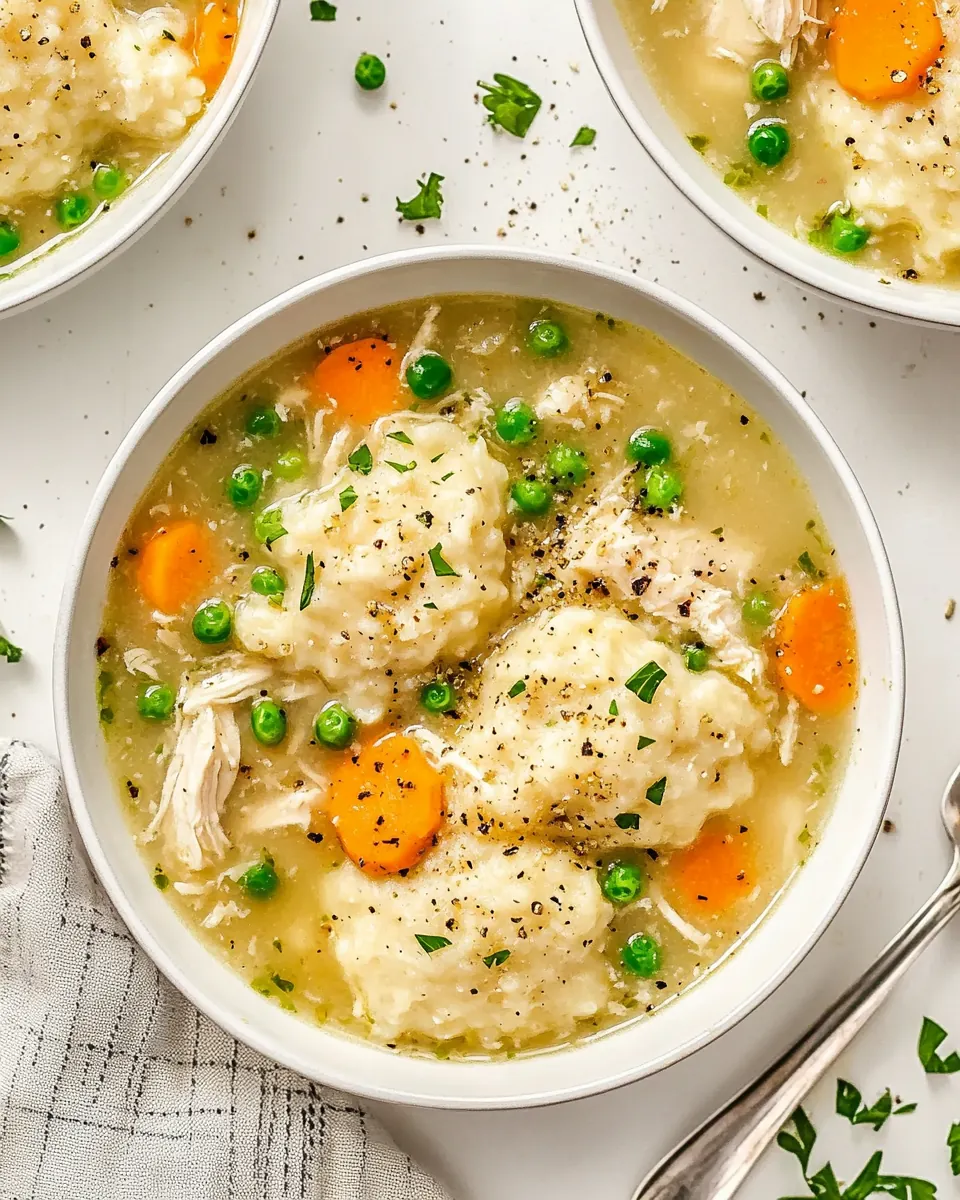
You can adapt Instant Pot Chicken and Dumplings in subtle ways to suit pantry constraints or flavor preferences. Here are practical variations and ideas that keep the spirit of the dish while offering new texture or seasoning angles.
- Use whole chicken pieces to intensify broth flavor, cooking bone in pieces will produce a richer stock that deepens the final soup.
- Adjust biscuit size to change texture, larger pieces become more dumpling like while smaller ones create bite size pockets throughout the broth.
- Swap bouillon carefully because different cubes and powders vary in saltiness, start with less and add to taste after cooking.
- Hold the peas until the end so they retain bright color and a slight bite rather than turning mushy from overcooking.
- Garnish with fresh parsley for a bright finish, the herb lifts the richness and adds a fresh aromatic note to each spoonful.
Serving This Instant Pot Chicken and Dumplings
This recipe serves as a warm centerpiece for many occasions, from weeknight family dinners to a comforting dish during cold weather gatherings. The creamy texture and hearty pieces make it ideal for sharing.
- Family dinner: Serve bowls with extra chopped parsley on top, this simple presentation makes the meal feel special and homey.
- Casual gatherings: Place the pot on a warming station and ladle into bowls so guests can help themselves, it’s ideal for relaxed get togethers.
- Weeknight comfort: Pair with a small salad for contrast, the lightness offsets the rich mouthfeel of the dumplings and broth.
- Storage: Refrigerate in an airtight container for up to three days, reheat gently on low to preserve dumpling texture and avoid overcooking the peas.
- Occasions: Perfect for cold weather and quiet evenings when you want a bowl that feels like a hug, or when you need an easy crowd pleaser for casual events.
- Leftover strategy: If the dumplings absorb too much broth overnight, add a splash of warm broth or water when reheating to restore desired consistency.
FAQ
Conclusion
Instant Pot Chicken and Dumplings shines because it blends classic comfort flavors with modern convenience, giving you tender shredded chicken and pillowy dumplings in a fraction of the traditional time. Give it a try when you want a warming, satisfying meal that feels like it took hours but comes together quickly. I hope this recipe becomes one of your reliable go to dinners for chilly nights and busy evenings, bringing nourishment and a little homey joy to your table.
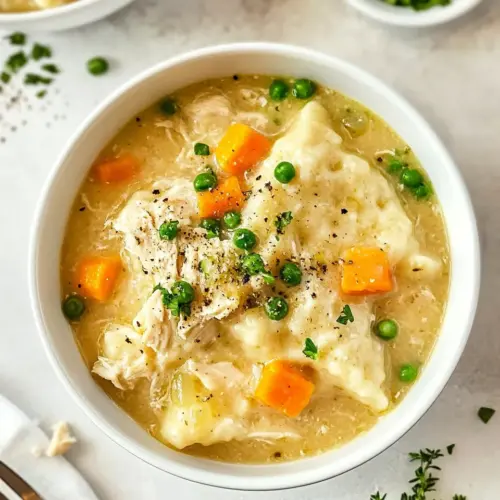
Instant Pot Chicken and Dumplings
Equipment
- Instant Pot 6 Quart
Ingredients
- 8 refrigerated biscuits (I used Pillsbury) Use refrigerated biscuit dough to create tender, flaky dumplings that finish cooking on top of the stew; torn or halved pieces add comforting texture and absorb savory broth flavors. Chill-rested dough is easy to handle and provides a slightly sweet, pillowy contrast to the savory chicken mixture.
- 1 tablespoon olive oil Pour olive oil into the pot to sauté aromatics and vegetables, promoting even browning and building a flavor base. Choose a neutral extra-virgin or regular variety for a subtle fruitiness and heat tolerance suitable for pressure cooking starts.
- 1 large onion (chopped) Chop onion finely to release natural sugars when softened, contributing depth, sweetness, and savory backbone to the broth. Cooking until translucent helps meld flavors and creates a rich aromatic foundation for the dish.
- 1 large carrot (peeled and chopped) Peel and chop carrot to add gentle sweetness, color, and body to the stew while providing tender bite after pressure cooking. Carrots also release natural starches that slightly thicken the broth and balance savory seasonings.
- 2 stalks celery (chopped) Chop celery to introduce aromatic, slightly bitter undertones and crunchy texture that soften during cooking to enhance mouthfeel. Celery acts with onion and carrot as classic mirepoix, forming a savory flavor base for soups and stews.
- 1/2 teaspoon salt (or to taste) Season with salt to enhance overall flavor, balance sweetness from vegetables, and heighten savory notes; adjust to taste at the end if needed. Use measured amounts as a starting point and remember that reduction concentrates saltiness.
- 1/2 teaspoon pepper (or to taste) Grind or add black pepper to impart subtle heat and aromatic spice that brightens the dish; taste and adjust for desired warmth. Freshly ground pepper offers more pronounced flavor than pre-ground varieties.
- 1/3 cup all-purpose flour Whisk in all-purpose flour to create a light roux or slurry that helps thicken the broth, giving the stew body and allowing dumplings to sit in a slightly creamy base. Cook briefly with oil and vegetables to eliminate raw flour taste before adding liquids.
- 5 cups chicken broth Pour chicken broth to provide the flavorful liquid base that cooks the chicken and dumplings while infusing the dish with savory umami. Use a quality low-sodium broth if controlling salt, and ensure enough liquid for pressure cooking.
- 1/2 teaspoon thyme (dried) Sprinkle dried thyme to lend earthy, slightly minty-herb notes that complement poultry and vegetables without overpowering. Add early to allow the herb to rehydrate and integrate into the broth during cooking.
- 1 cube chicken bouillon (or 1 tsp poultry seasoning, I used 1 tsp vegeta) Dissolve chicken bouillon cube (or use poultry seasoning/vegeta) to intensify savory, poultry-like flavor and boost overall depth in the stock. Adjust depending on broth saltiness to avoid over-seasoning.
- 2 bay leaves Add bay leaves to introduce subtle herbal and floral undertones that deepen the broth’s complexity during simmering and pressure cooking. Remove the leaves before serving to avoid bitter, tough pieces.
- 2 cups water Include water to supplement broth volume so there is sufficient liquid for pressure cooking and to achieve the correct consistency after reduction. Neutral water balances concentrated flavors if using strong bouillon or reduced broth.
- 1 pound chicken breast (boneless and skinless (about 2)) Place boneless, skinless chicken breasts in the pot as the primary protein that shreds after cooking to create tender, juicy pieces throughout the stew. Use evenly sized breasts to ensure uniform cooking time under pressure.
- 1/2 cup peas (frozen) Stir in frozen peas toward the end of cooking to add pops of sweet flavor, bright color, and delicate texture without overcooking. Frozen peas retain nutrients and require minimal heating to become tender.
- 2 tablespoons parsley (fresh, for garnish) Chop fresh parsley and use as a garnish to brighten flavors and add a fresh, herbaceous finish to the dish. Sprinkle just before serving to preserve color and aromatic lift.
Instructions
- Open the can of biscuits and flatten out each biscuit with your fingers. Alternatively, you could use a rolling pin. Cut each biscuit in 4 strips, or feel free to cut them as large or as small as you like. Set aside.: As the cans pop open you will notice the soft smell of the pre made dough, and when you flatten each piece with your fingertips the texture should be slightly cool and pliable. Work on a lightly floured surface so the pieces do not stick, and listen for the slight tackiness as you press them, which tells you they are ready to cut. A common mistake is cutting uneven pieces, which causes inconsistent cooking times in the broth, so try to keep them similar in size for even puffing and cooking.
- Turn your Instant Pot to the sauté setting. (See your manufacturer's guide for detailed instructions on how to use your instant pot.): When you set the pot to sauté the insert will start to warm, and you should hear a faint hum as the surface heats. Wait for a moment so the oil can shimmer before adding ingredients, this prevents sticking and helps the onion soften properly. If you rush this step the vegetables may steam instead of caramelizing slightly, losing some depth of flavor.
- Add the olive oil and cook until oil is hot. Add the onion, carrots and celery and sauté for 3 minutes until the onion softens and becomes translucent. Season with salt and pepper.: The oil will thin and show a gentle ripple when it is hot enough, and you will smell a warm, nutty note. Add the chopped onion , carrot , and celery and you will hear a soft sizzling as they hit the surface. The vegetables should soften and the onion will turn translucent in about 3 minutes, releasing sweet aromas that signal readiness. Avoid browning aggressively here, as burning will introduce bitterness into the broth.
- Whisk in the flour and cook for 1 minute. Add 1 cup of the chicken broth and whisk until all the flour has absorbed all the liquid.: When the flour hits the hot oil and vegetables it will clump briefly, but whisking helps it coat everything into a light paste. The mixture will smell slightly toasty after a minute, indicating the raw flour edge has cooked off, which prevents a floury taste in the finished soup. If you skip cooking the flour you risk a pasty texture instead of a smooth thickness, so be patient during this short step.
- Stir in the thyme, chicken bouillon or poultry seasoning, and add the bay leaves. Add the remaining chicken broth, water and stir. If you prefer, you could use all chicken broth or all water. If using only water, you might need to add a bit more poultry seasoning.: Pouring the first cup of liquid will loosen the roux and you should whisk briskly until you have a smooth gravy like consistency with no lumps. This stage is crucial because it ensures the flour disperses evenly, which leads to a silky broth rather than grainy clumps. If lumps form, pause and whisk vigorously, adding a splash more liquid to smooth them out.
- Add the chicken to the pot then add the biscuit pieces, breaking them apart if needed. Mine stuck to each other a bit, so I had to separate them before adding them to the pot.: The dried thyme will release a woodsy scent when stirred into the warm liquid, and the bouillon will deepen the savory aroma. The bay leaves will infuse subtle herbal notes during pressure cooking. One common error is leaving bay leaves whole in served bowls, so remember to fish them out before eating to avoid unexpected leathery bits.
- Close the lid (follow the manufacturer's guide for instructions on how to close the instant pot lid). Set the Instant Pot to the Soup setting and set the timer to 7 minutes.: When you combine the rest of the liquid the pot will smell fuller and more broth like, and the level should sit well below the max fill line. Stirring helps integrate the flavors uniformly so there are no concentrated pockets of seasoning. If your broth is overly salty, add a little more water to balance it before pressure cooking.
- Once the Instant Pot cycle is complete, wait until the natural release cycle is complete, should take about 10 minutes. Follow the manufacturer's guide for quick release, if in a rush. Carefully unlock and remove the lid from the instant pot.: Drop the chicken breasts into the liquid and nestle the biscuit pieces on top, separating them gently if they are stuck together. The dough will absorb moisture during pressure cooking and expand, so avoid overcrowding. A frequent mistake is compacting the biscuits too tightly, which prevents steam from circulating and leads to inconsistent dumpling texture.
- Remove the chicken breasts from the pot and shred with two forks. Set the Instant Pot to the sauté setting again. Add the shredded chicken back to the pot and add the peas. Stir everything together. Taste for seasoning and adjust as necessary. Cook for 2 more minutes until the peas are cooked.: As the lid seals you may hear hissing as pressure builds, then the pot becomes quiet. During this time the chicken will steam and the biscuit pieces will begin to cook through, creating a tender interior. If you open the pot early you will lose pressure and prolong cooking, so resist the urge to peek unless absolutely necessary.
- Turn off the Instant Pot by pressing the cancel button. Garnish with chopped parsley and serve warm.: During the natural release the pot gradually depressurizes and the dumplings finish gently, which preserves their soft texture. You will notice the steam diminish and the float valve drop, signaling it is safe to open. Avoid performing a quick release here if you want the dumplings to remain pillowy, as a rapid change can toughen the biscuit pieces.
- Remove the chicken breasts from the pot and shred with two forks: After removing the lid you will feel a warm, savory steam release and the chicken should pull apart easily, yielding tender shreds. Shredding by hand preserves moist textures and allows the meat to absorb broth when returned. Don’t shred while the meat is still cold, as that can create stringy pieces, instead let it rest briefly so it tears cleanly.
- Set the Instant Pot to the sauté setting again and add the shredded chicken back to the pot and add the peas: Re warming the contents brings the broth back to a gentle simmer, and adding the frozen peas now keeps them bright and intact. Stirring integrates the shredded chicken and peas, and the smell will turn fresh and lively. Overcooking at this point can make the peas mushy, so limit to a couple minutes until they are just heated through.
- Turn off the Instant Pot by pressing the cancel button: With the pot off the residual heat will continue to mellow the flavors, and you can finish by garnishing. Carefully taste and adjust the seasoning, then sprinkle the fresh parsley . A common oversight is skipping the final seasoning check, which can leave the dish flat if the bouillon reduced unevenly.
Notes
- Use whole chicken pieces to intensify broth flavor, cooking bone in pieces will produce a richer stock that deepens the final soup.
- Adjust biscuit size to change texture, larger pieces become more dumpling like while smaller ones create bite size pockets throughout the broth.
- Swap bouillon carefully because different cubes and powders vary in saltiness, start with less and add to taste after cooking.
- Hold the peas until the end so they retain bright color and a slight bite rather than turning mushy from overcooking.
- Garnish with fresh parsley for a bright finish, the herb lifts the richness and adds a fresh aromatic note to each spoonful.