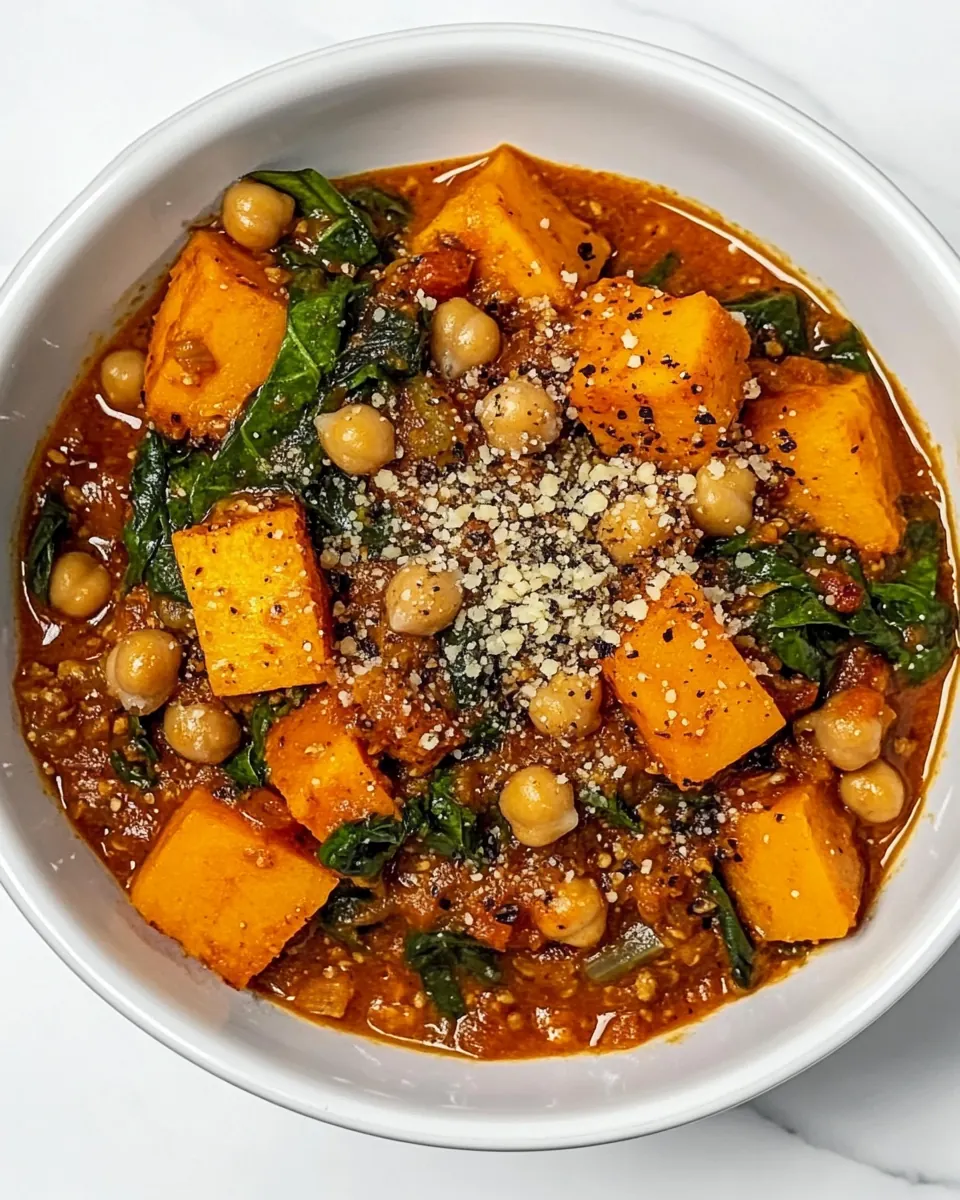
Moroccan Chickpea Sweet Potato Stew
Moroccan Chickpea Sweet Potato Stew is the kind of bowl I turn to when I want something comforting, fragrant, and honestly a little adventurous without a lot of fuss. I first made this stew on a cold evening when I had a craving for warm spices and something that would fill the kitchen with spice-scented steam. The mix of sweet potato, chickpeas, and a hit of harissa felt like a hug in a bowl, and I remember thinking that a simple pot could feel special enough for guests yet easy enough for a weeknight.
That night I stood over the stove stirring, inhaling the cumin and coriander as they bloomed in hot oil, and I realized how much I love recipes that let pantry staples sing. I often tweak little things depending on what I have, but the heart of this dish stays the same: tender sweet potato, creamy chickpeas, and a saucy tomato base that soaks into every spoonful. Over time I learned which techniques concentrate flavor best, and how a squeeze of lemon or fresh parsley at the end brightens the whole pot.
Recipe Snapshot
30 mins
5 mins
25 mins
Easy
350 kcal
Mediterranean
Vegan, Gluten-Free
Dinner
Large pot, Wooden spoon, Knife, Cutting board
The Best Thing About This Moroccan Chickpea Sweet Potato Stew
Layered, warming spices that feel intentional
I love how the cumin and coriander arrive early in the cooking and transform the oil into a fragrant foundation. This blooming of spices builds a savory backbone that makes every bite taste like it had been slowly coaxed to perfection, not rushed. I often find that this step is what separates a homemade stew from takeout.
Hearty, satisfying plant based protein
The chickpeas bring both texture and staying power, so the bowl feels complete without meat. I reach for this stew on nights I want something filling and nourishing, and the chickpeas hold up well, keeping their shape yet soaking up sauce so each forkful is creamy but not mushy.
Sweet and savory contrast
The sweet potato adds a gentle sweetness that balances the acidity of the crushed tomatoes and the heat from harissa. That sweet and savory tension is what keeps the dish interesting; it never tastes flat because the components play off each other in every spoonful.
Speed and simplicity for busy nights
Despite sounding layered, this recipe comes together quickly. I can get the pot on the table in about half an hour, which makes it perfect for an easy weeknight dinner. You get complex flavors without a complex process, which is something I always appreciate after a long day.
Flexible serving options
I love that this stew adapts to what I have on hand. Whether I serve it over couscous, rice, or quinoa, the stew feels right. A squeeze of lemon and a sprinkle of parsley at the end pull everything together and make the whole pot feel fresh and finished.
What Goes Into Moroccan Chickpea Sweet Potato Stew
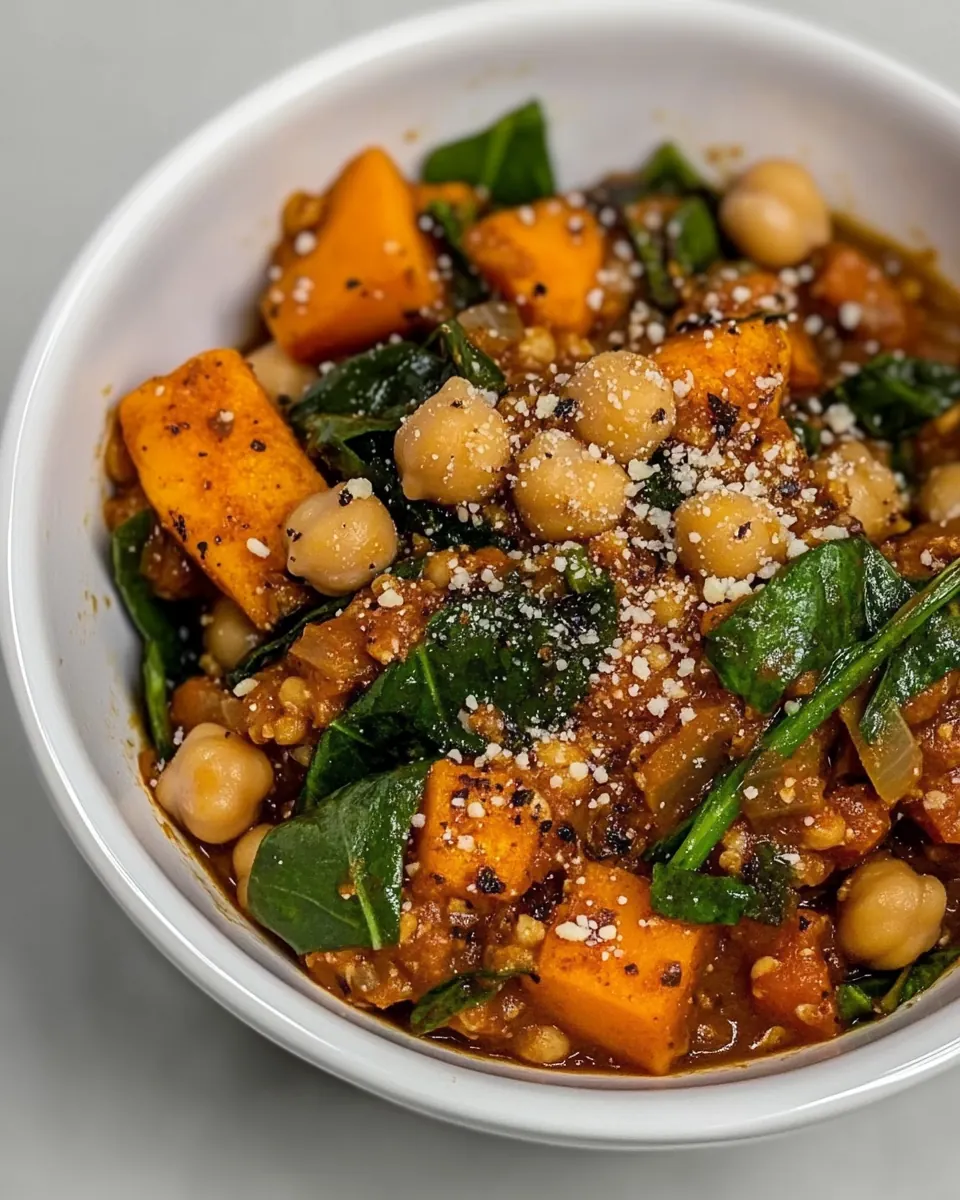
These ingredients were chosen for balance and comfort. The spice trio builds aroma and savory depth, the sweet potato brings body and natural sweetness, and the chickpeas add texture and protein so the stew is nourishing. The crushed tomatoes and liquid create a rich sauce, while spinach and parsley offer fresh, bright contrast at the end.
- 1 tablespoon olive oil: Heat and sauté to provide the cooking fat that helps soften aromatics and carry flavors throughout the stew; olive oil also adds a subtle fruity richness and helps brown onions for depth.
- 1 medium yellow onion (diced): Sweat and break down into a sweet, savory base that forms the foundation of the stew; diced yellow onion contributes moisture, natural sugars, and aromatic complexity when cooked until translucent.
- 3 garlic cloves (minced): Mince and infuse intense savory and pungent notes that brighten the stew; garlic adds aromatic depth and a warm bite when cooked briefly with the onions and spices.
- 1 teaspoon ground cumin: Season and anchor the North African flavor profile by offering warm, earthy, and slightly smoky notes; ground cumin blends with other spices to create a cohesive Moroccan-inspired spice base.
- 1/2 teaspoon ground coriander: Complement and elevate the spice blend by providing a citrusy, slightly sweet, and floral background; ground coriander lightens the overall seasoning while enhancing savory components.
- 1 small sweet potato (about 8 ounces, peeled and diced): Cube and tenderize to add hearty texture and natural sweetness that balances acidic tomatoes and spicy harissa; diced sweet potato also contributes body and absorbs the stew’s flavors as it simmers.
- 1/4 teaspoon salt (plus more to taste): Season and enhance overall taste by bringing out other flavors and controlling balance; the specified amount adds initial seasoning while allowing adjustment to personal preference.
- 1 15-ounce can chickpeas, drained and rinsed: Rinse and add earthy, nutty protein and fiber that increases the stew’s heartiness; drained chickpeas also hold their shape and soak up the surrounding sauce for satisfying bites.
- 1 14.5-ounce can crushed tomatoes: Simmer and provide bright acidity and tomatoey body that forms the saucy base; crushed tomatoes contribute umami, richness, and a slightly chunky texture to the stew.
- 1 1/2 cup water or vegetable broth: Simmer and thin or enrich the stew to desired consistency while contributing extra savory depth if using broth; water or vegetable broth controls texture and helps cook the sweet potato through.
- 5 ounces baby spinach: Wilt and lend fresh, tender green leaves that add color, nutrition, and a mild earthy note; baby spinach integrates quickly at the end of cooking and boosts vitamins and texture.
- 1 tablespoon harissa: Spice and deepen with concentrated chili flavor, smoky heat, and complexity typical of Moroccan cuisine; harissa introduces a spicy-sweet element that can be adjusted by quantity.
- Lemon wedges: Squeeze and brighten with fresh acid to balance richness, lift flavors, and add a zesty contrast to spicy, savory notes; lemon wedges allow diners to customize brightness at the table.
- Chopped parsley (for garnish): Garnish and freshen with herbaceous brightness, adding a clean, slightly peppery finish that complements spices; chopped parsley also enhances visual appeal and aroma.
- Freekah, couscous, rice, or quinoa (cooked): Serve and accompany as a staple grain or ancient cereal that soaks up the stew and completes the meal; cooked freekah, couscous, rice, or quinoa provide contrasting textures and make the dish more filling.
Step by Step Instructions for Moroccan Chickpea Sweet Potato Stew
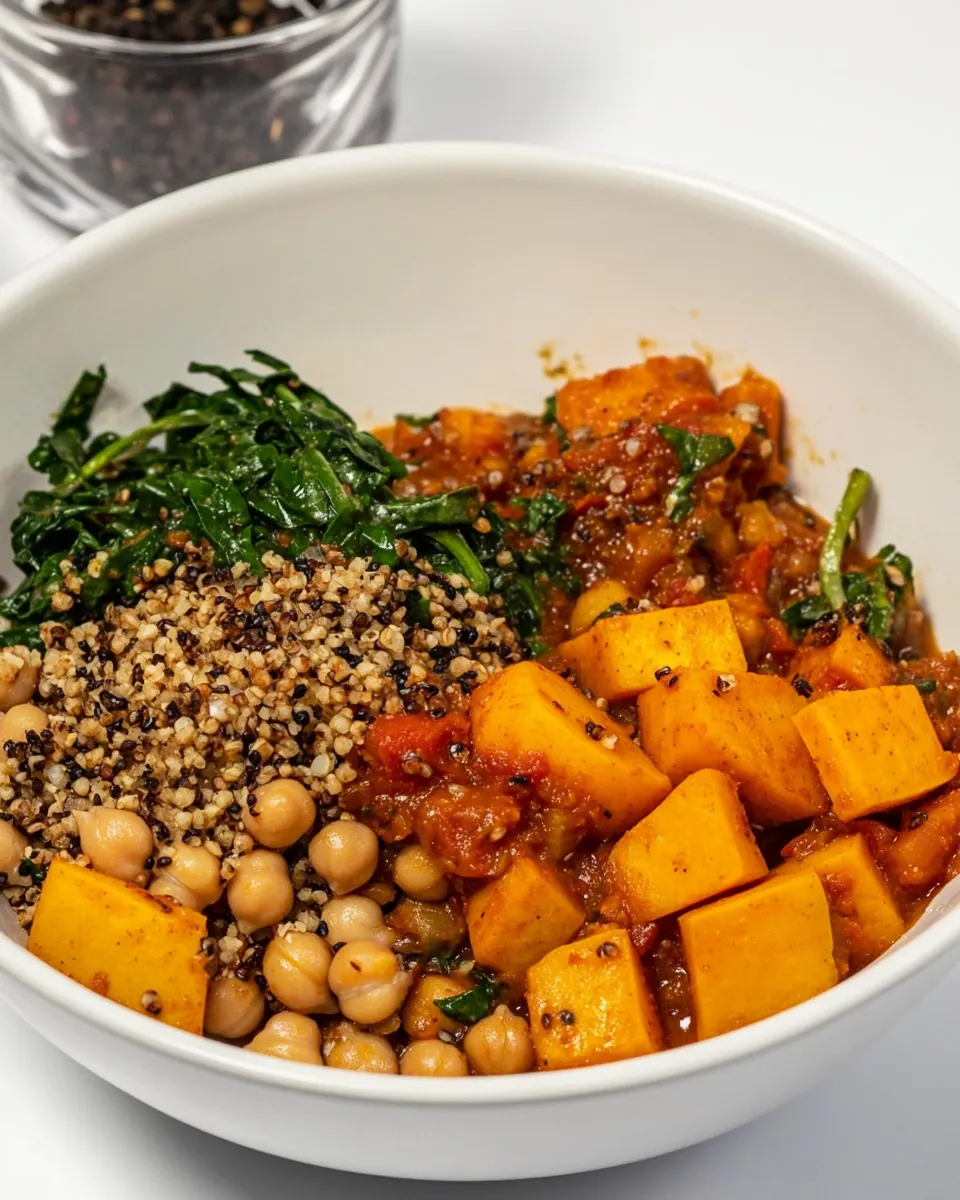
These directions lead you through a relaxed, sensory cooking session. Take your time to notice aromas and textures as the stew comes together, and keep a tasting spoon nearby so you can season as needed. The following steps follow the original recipe order and expand each into vivid, helpful guidance.
- Heat the oil in a large pot over medium heat. Add the onion and cook until it has softened, 5-7 minutes.: As the pot warms, the oil will shimmer and send off a faint, fruity aroma. You should hear a gentle ripple as the oil first warms, and when you tilt the pan you might see it glide like a glossy sheet. This hot oil is the best place to start the flavor build because it carries the scent of the spices and helps the onion and garlic release their sweet, aromatic compounds. If the oil begins to smoke, lower the heat, since burnt oil creates acrid notes. A common mistake is using a pot that is too small, which can crowd the ingredients and lower the oil temperature, causing steaming rather than gentle sautéing.
- Add the garlic, cumin, and coriander and cook until fragrant, about 1 minute. Stir in the sweet potato, chickpeas, tomatoes, and water or broth.: You will see the onion transition from stiff white rings to translucent ribbons, and its aroma will shift from sharp to sweet. Gently stir so each piece touches the oil and softens evenly, and watch for the first golden flecks along the edges which signal Maillard reaction and deepen flavor. The sound should be a soft sizzle, not a furious crackle. Rushing this step over high heat risks browning and bitter edges, rather than a tender, caramelized base that melds with the spices.
- Bring the mixture to a slow boil, then reduce heat to low and simmer, partially covered, for 15 minutes, or until the sweet potatoes are tender.: When you add the minced garlic and spices to the warm oil, an instant aromatic wave will rise, sharp and toasty. Within seconds you will smell the warm, citrusy note of the coriander and the earthy heat of the cumin . This quick toast intensifies the spices' flavor, but it happens fast so keep the heat at medium and stir constantly to avoid burning. Burnt spice or garlic will impart bitterness, so the goal is bright fragrance without darkening.
- Add the harissa and spinach to the pot and stir until the spinach is wilted. Remove from heat and season with salt to taste.: As you add the diced sweet potato , the pale cubes will sit amid the glossy, spiced oil, and the canned chickpeas will lend a starchy shape that contrasts with the veg. Pouring in the crushed tomatoes and liquid transforms the pan from sauté to simmer, and you will see bubbles begin to form at the edges. The mixture's aroma should deepen into a savory, tomato-forward scent. Ensure the pieces are submerged enough for even cooking; if not, add a splash more liquid. A frequent error is not breaking up any large tomato chunks, which can create inconsistent texture in the final stew.
- Serve over your grain of choice with lemon wedges and chopped parsley sprinkled over the top.: The pot will move from eager bubbling to a gentle, even simmer when you lower the heat. You should hear quiet, steady bubbling and see the surface occasionally ripple. Simmering gently allows flavors to meld and lets the sweet potato soften uniformly until a fork slides through without resistance. Covering partially traps warmth and steam while preventing boil overs. Overcooking will make the sweet potatoes fall apart and turn the texture mushy, so start checking tenderness at about 12 minutes to avoid that mishap.
- Add the harissa and spinach to the pot and stir until the spinach is wilted.: When you stir in the harissa , the stew will take on an immediate deeper red hue and a smoky, spicy aroma. As you fold in the spinach , you will notice it collapse and integrate within seconds, releasing a green, vegetal scent that brightens the pot. This late addition preserves the spinach's color and leaf texture. A common slip is adding spinach too early, which leaves it overcooked and faded, or adding too much harissa at once which can overpower the balance of flavors.
- Remove from heat and season with salt to taste.: With the pot off the burner, the aromas will mellow and meld further as the heat drops. Tasting now allows you to calibrate salt, and add a squeeze of lemon if you want more brightness. Salting at the end helps you avoid over seasoning during reduction. One pitfall is salting early and then reducing too much, leaving you with an over salty stew; always taste before making final seasoning decisions.
- Serve over your grain of choice with lemon wedges and chopped parsley sprinkled over the top.: Spoon the stew over cooked freekah , couscous , rice , or quinoa , watching how the sauce soaks into the grains and creates a glossy, saucy bed. The lemon wedge and chopped parsley offer a bright counterpoint, and a final squeeze of acid will lift every flavor. Presenting the dish with these fresh finishing touches delivers contrast and color. A common serving mistake is skipping the acid and herbs, which can make the bowl taste heavy and one dimensional.
Recipe Variations about Moroccan Chickpea Sweet Potato Stew
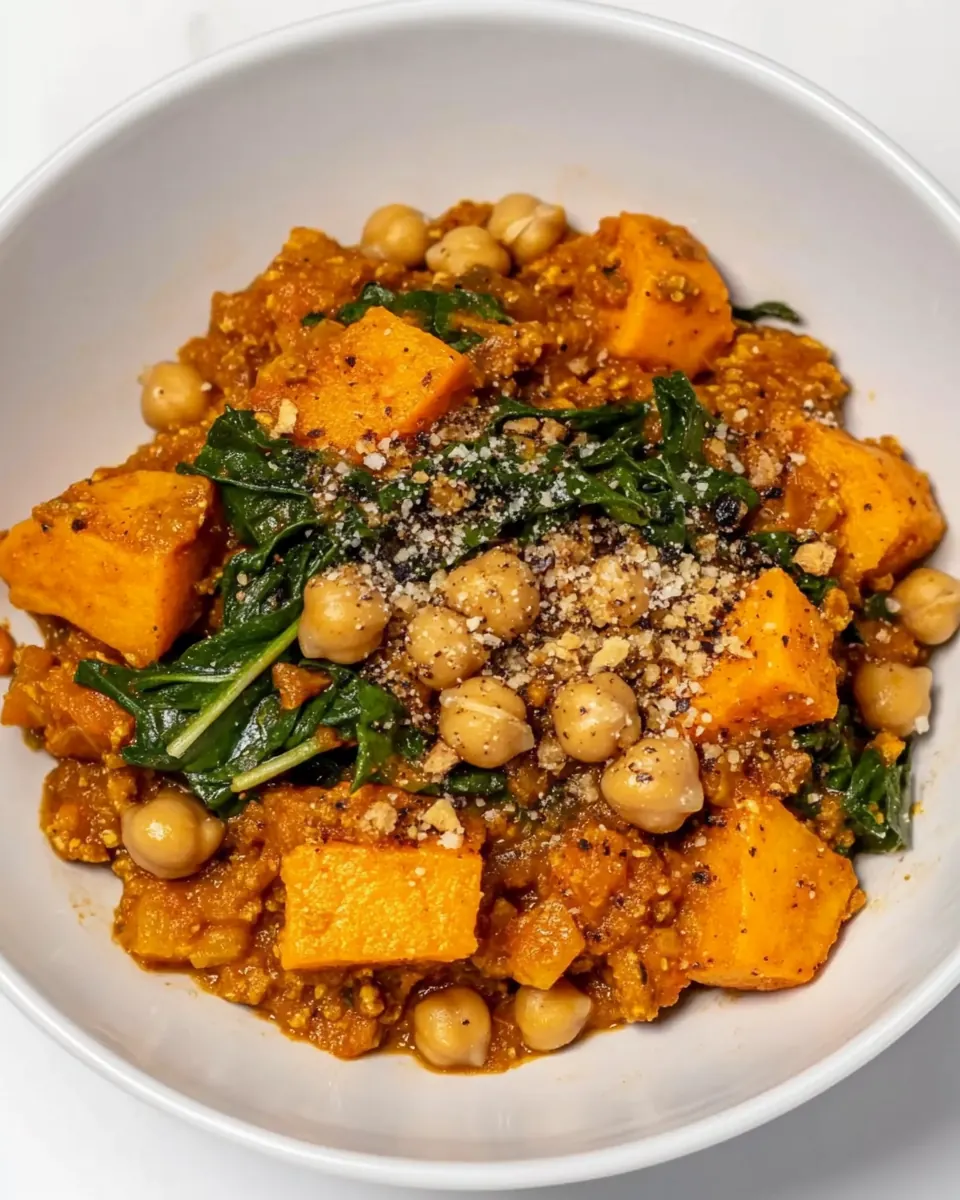
I like to think of variations as friendly nudges, not complete overhauls. These ideas keep the core intact while letting you match the stew to your pantry or mood. Here are practical, tested options to try when you want to switch things up.
- Swap the liquid: Use vegetable broth instead of water for a deeper, savory base that makes the stew taste fuller without adding extra steps.
- Adjust the heat: If you prefer milder flavors, start with half the harissa and add more to taste, so you control the spice level as you finish the dish.
- Grain choices: Serve over couscous for a light, fluffy base, or choose freekah or quinoa for nuttier textures and extra fiber.
- Make it heartier: Stir in extra chickpeas or slightly mash some of them to thicken the sauce and give more body to each bite.
- Greens timing: Add the spinach very near the end to preserve its vibrant color and tender bite, rather than letting it overcook into a dull texture.
- Garnish strategy: Always finish with a squeeze of lemon and a sprinkle of chopped parsley to add brightness and a fresh aroma that contrasts the warm spices.
What to Pair With Moroccan Chickpea Sweet Potato Stew
This stew is versatile at the table, and pairing it thoughtfully will elevate the meal. Below are ideas for side dishes, serving contexts, storage, and seasonal pairings presented as practical suggestions you can use tonight.
- Grain base: Serve atop cooked couscous for a classic pairing that soaks up sauce, or choose rice or quinoa depending on your preference for texture and nutrition.
- Casual family dinner: Plate the stew in shallow bowls for a relaxed weeknight dinner where everyone can add lemon and parsley to taste, making it interactive and satisfying.
- Meal prep and storage: Store leftover stew in airtight containers in the fridge for up to four days, and reheat gently on the stove with a splash of water or broth to revive the sauce.
- Entertaining: For a cozy small gathering, serve the stew in a wide, shallow serving dish with bowls of cooked freekah and extra garnishes so guests can customize their plates.
- Seasonal pairing: This stew is perfect in winter when you want warming spices and root vegetables, but it also travels well into early spring when bright herbs and lemon feel fresh.
- Occasions: It works beautifully for weeknight dinners, casual weekend lunches, or a comforting meal during Ramadan evenings when a nourishing, easy dish is welcome.
- Leftover ideas: Use chilled leftovers as a warm topping for baked potatoes or spoon over greens for a hearty grain bowl the next day.
FAQ
Conclusion
This Moroccan Chickpea Sweet Potato Stew stands out because it balances warm spices, natural sweetness, and hearty plant based protein in a single, easy pot. It is approachable for busy weeknights yet flavorful enough to feel a little special, and finishing touches like lemon and parsley lift the whole bowl. I encourage you to give this stew a try, taste as you go, and make small adjustments to suit your spice preference. It stores well, adapts to different grains, and reliably delivers a comforting, nourishing meal that will likely become part of your regular rotation.
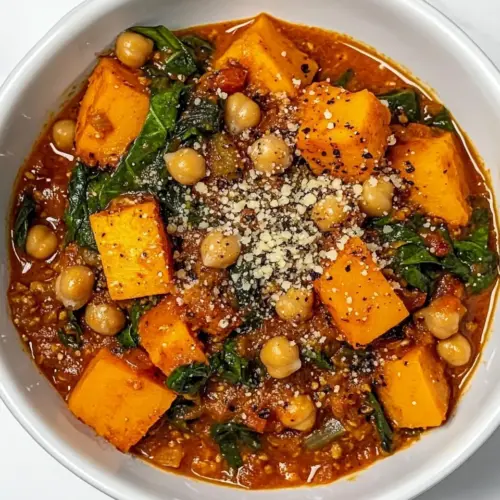
Moroccan Chickpea Sweet Potato Stew
Equipment
- Large Pot
- Wooden Spoon
- Knife
- Cutting Board
Ingredients
- 1 tablespoon olive oil Heat and sauté to provide the cooking fat that helps soften aromatics and carry flavors throughout the stew; olive oil also adds a subtle fruity richness and helps brown onions for depth.
- 1 medium yellow onion (diced) Sweat and break down into a sweet, savory base that forms the foundation of the stew; diced yellow onion contributes moisture, natural sugars, and aromatic complexity when cooked until translucent.
- 3 garlic cloves (minced) Mince and infuse intense savory and pungent notes that brighten the stew; garlic adds aromatic depth and a warm bite when cooked briefly with the onions and spices.
- 1 teaspoon ground cumin Season and anchor the North African flavor profile by offering warm, earthy, and slightly smoky notes; ground cumin blends with other spices to create a cohesive Moroccan-inspired spice base.
- 1/2 teaspoon ground coriander Complement and elevate the spice blend by providing a citrusy, slightly sweet, and floral background; ground coriander lightens the overall seasoning while enhancing savory components.
- 1 small sweet potato (about 8 ounces, peeled and diced) Cube and tenderize to add hearty texture and natural sweetness that balances acidic tomatoes and spicy harissa; diced sweet potato also contributes body and absorbs the stew’s flavors as it simmers.
- 1/4 teaspoon salt (plus more to taste) Season and enhance overall taste by bringing out other flavors and controlling balance; the specified amount adds initial seasoning while allowing adjustment to personal preference.
- 1 15-ounce can chickpeas, drained and rinsed Rinse and add earthy, nutty protein and fiber that increases the stew’s heartiness; drained chickpeas also hold their shape and soak up the surrounding sauce for satisfying bites.
- 1 14.5-ounce can crushed tomatoes Simmer and provide bright acidity and tomatoey body that forms the saucy base; crushed tomatoes contribute umami, richness, and a slightly chunky texture to the stew.
- 1 1/2 cup water or vegetable broth Simmer and thin or enrich the stew to desired consistency while contributing extra savory depth if using broth; water or vegetable broth controls texture and helps cook the sweet potato through.
- 5 ounces baby spinach Wilt and lend fresh, tender green leaves that add color, nutrition, and a mild earthy note; baby spinach integrates quickly at the end of cooking and boosts vitamins and texture.
- 1 tablespoon harissa Spice and deepen with concentrated chili flavor, smoky heat, and complexity typical of Moroccan cuisine; harissa introduces a spicy-sweet element that can be adjusted by quantity.
- Lemon wedges Squeeze and brighten with fresh acid to balance richness, lift flavors, and add a zesty contrast to spicy, savory notes; lemon wedges allow diners to customize brightness at the table.
- Chopped parsley (for garnish) Garnish and freshen with herbaceous brightness, adding a clean, slightly peppery finish that complements spices; chopped parsley also enhances visual appeal and aroma.
- Freekah, couscous, rice, or quinoa (cooked) Serve and accompany as a staple grain or ancient cereal that soaks up the stew and completes the meal; cooked freekah, couscous, rice, or quinoa provide contrasting textures and make the dish more filling.
Instructions
- Heat the oil in a large pot over medium heat. Add the onion and cook until it has softened, 5-7 minutes.: As the pot warms, the oil will shimmer and send off a faint, fruity aroma. You should hear a gentle ripple as the oil first warms, and when you tilt the pan you might see it glide like a glossy sheet. This hot oil is the best place to start the flavor build because it carries the scent of the spices and helps the onion and garlic release their sweet, aromatic compounds. If the oil begins to smoke, lower the heat, since burnt oil creates acrid notes. A common mistake is using a pot that is too small, which can crowd the ingredients and lower the oil temperature, causing steaming rather than gentle sautéing.
- Add the garlic, cumin, and coriander and cook until fragrant, about 1 minute. Stir in the sweet potato, chickpeas, tomatoes, and water or broth.: You will see the onion transition from stiff white rings to translucent ribbons, and its aroma will shift from sharp to sweet. Gently stir so each piece touches the oil and softens evenly, and watch for the first golden flecks along the edges which signal Maillard reaction and deepen flavor. The sound should be a soft sizzle, not a furious crackle. Rushing this step over high heat risks browning and bitter edges, rather than a tender, caramelized base that melds with the spices.
- Bring the mixture to a slow boil, then reduce heat to low and simmer, partially covered, for 15 minutes, or until the sweet potatoes are tender.: When you add the minced garlic and spices to the warm oil, an instant aromatic wave will rise, sharp and toasty. Within seconds you will smell the warm, citrusy note of the coriander and the earthy heat of the cumin . This quick toast intensifies the spices' flavor, but it happens fast so keep the heat at medium and stir constantly to avoid burning. Burnt spice or garlic will impart bitterness, so the goal is bright fragrance without darkening.
- Add the harissa and spinach to the pot and stir until the spinach is wilted. Remove from heat and season with salt to taste.: As you add the diced sweet potato , the pale cubes will sit amid the glossy, spiced oil, and the canned chickpeas will lend a starchy shape that contrasts with the veg. Pouring in the crushed tomatoes and liquid transforms the pan from sauté to simmer, and you will see bubbles begin to form at the edges. The mixture's aroma should deepen into a savory, tomato-forward scent. Ensure the pieces are submerged enough for even cooking; if not, add a splash more liquid. A frequent error is not breaking up any large tomato chunks, which can create inconsistent texture in the final stew.
- Serve over your grain of choice with lemon wedges and chopped parsley sprinkled over the top.: The pot will move from eager bubbling to a gentle, even simmer when you lower the heat. You should hear quiet, steady bubbling and see the surface occasionally ripple. Simmering gently allows flavors to meld and lets the sweet potato soften uniformly until a fork slides through without resistance. Covering partially traps warmth and steam while preventing boil overs. Overcooking will make the sweet potatoes fall apart and turn the texture mushy, so start checking tenderness at about 12 minutes to avoid that mishap.
- Add the harissa and spinach to the pot and stir until the spinach is wilted.: When you stir in the harissa , the stew will take on an immediate deeper red hue and a smoky, spicy aroma. As you fold in the spinach , you will notice it collapse and integrate within seconds, releasing a green, vegetal scent that brightens the pot. This late addition preserves the spinach's color and leaf texture. A common slip is adding spinach too early, which leaves it overcooked and faded, or adding too much harissa at once which can overpower the balance of flavors.
- Remove from heat and season with salt to taste.: With the pot off the burner, the aromas will mellow and meld further as the heat drops. Tasting now allows you to calibrate salt, and add a squeeze of lemon if you want more brightness. Salting at the end helps you avoid over seasoning during reduction. One pitfall is salting early and then reducing too much, leaving you with an over salty stew; always taste before making final seasoning decisions.
- Serve over your grain of choice with lemon wedges and chopped parsley sprinkled over the top.: Spoon the stew over cooked freekah , couscous , rice , or quinoa , watching how the sauce soaks into the grains and creates a glossy, saucy bed. The lemon wedge and chopped parsley offer a bright counterpoint, and a final squeeze of acid will lift every flavor. Presenting the dish with these fresh finishing touches delivers contrast and color. A common serving mistake is skipping the acid and herbs, which can make the bowl taste heavy and one dimensional.
Notes
- Swap the liquid: Use vegetable broth instead of water for a deeper, savory base that makes the stew taste fuller without adding extra steps.
- Adjust the heat: If you prefer milder flavors, start with half the harissa and add more to taste, so you control the spice level as you finish the dish.
- Grain choices: Serve over couscous for a light, fluffy base, or choose freekah or quinoa for nuttier textures and extra fiber.
- Make it heartier: Stir in extra chickpeas or slightly mash some of them to thicken the sauce and give more body to each bite.
- Greens timing: Add the spinach very near the end to preserve its vibrant color and tender bite, rather than letting it overcook into a dull texture.
- Garnish strategy: Always finish with a squeeze of lemon and a sprinkle of chopped parsley to add brightness and a fresh aroma that contrasts the warm spices.