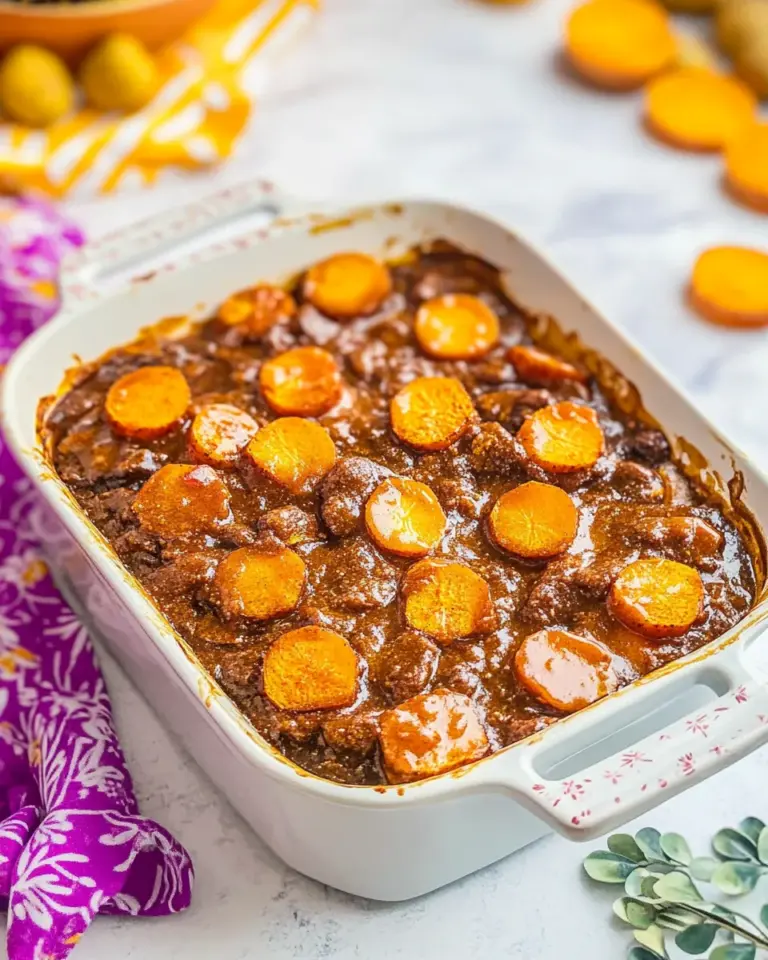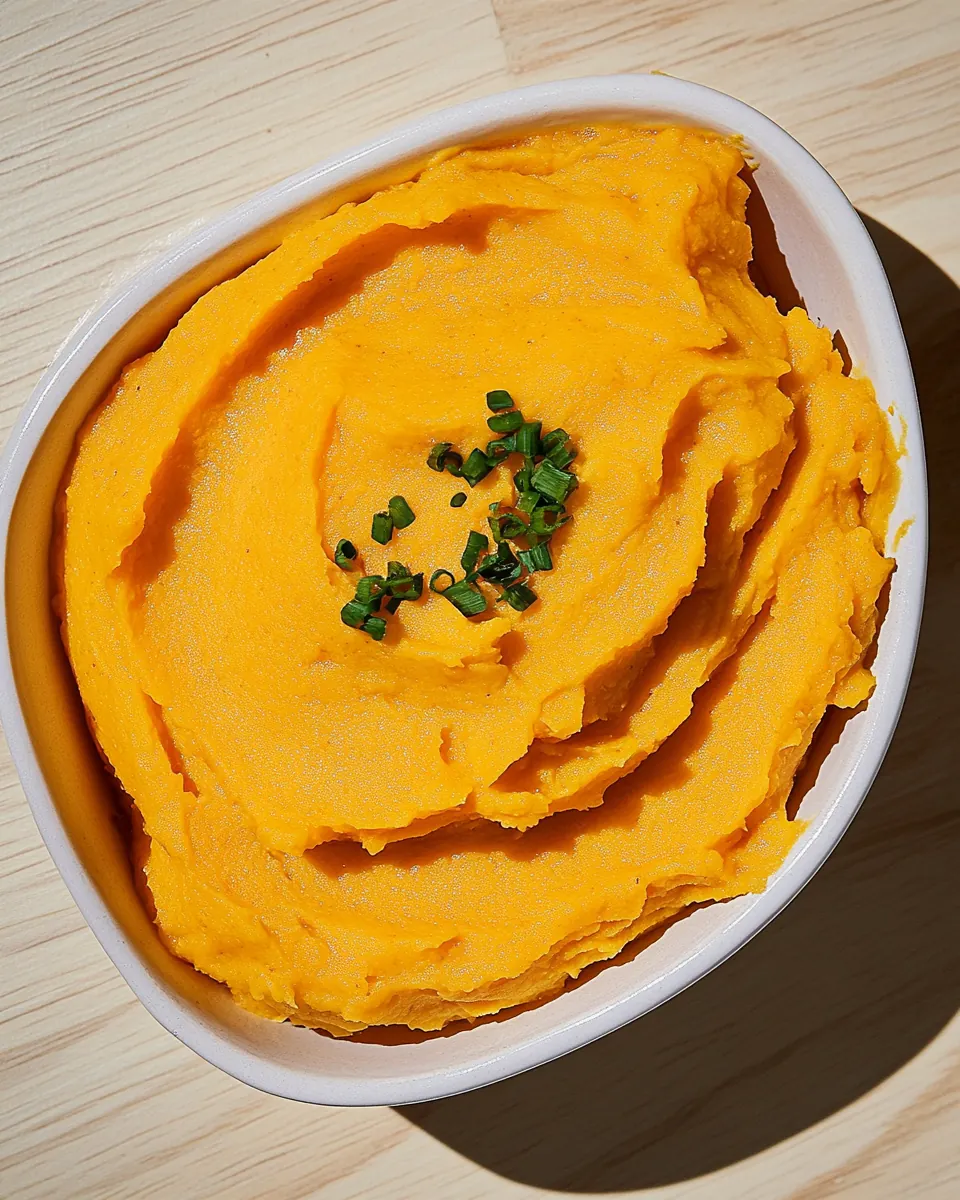
Sweet Potato Puree
Sweet Potato Puree has been my cozy fallback on chilly evenings, the bowl I reach for when I want comfort without fuss.
I first learned to make Sweet Potato Puree the winter after I moved into my first apartment, when my oven was both my confidant and my teacher. One rainy Saturday I roasted a bag of Sweet Potatoes and, between sips of tea, mashed them into a velvety mash with a tablespoon of Butter. The aroma filled the whole place, warm and slightly caramelized, and I remember thinking how simple flavors can feel indulgent. Over the years I adjusted small things, like the pinch of Salt and the final crack of Pepper, learning how each tweak nudges the puree toward something more soulful.
Now I make Sweet Potato Puree when friends stop by unexpectedly, when a weeknight needs soft comfort, or when I want a side that feels both elegant and honest. It pairs beautifully with roasted mains, but honestly I sometimes serve it solo with a spoon. The texture should be satin smooth, not gluey, and the color that bright, burnt orange that makes any table look sunnier. I’ll share the straightforward steps I use, and a few notes about what I listen for while the dish roasts and comes together. There is something meditative about the process, from the oven’s steady heat to the satisfying scrape of a spoon. If you enjoy uncomplicated food that still makes an impression, this will become one of your go to preparations.
Recipe Snapshot
40 mins
10 mins
30 mins
Easy
150 kcal
American
Gluten-Free, Low FODMAP
Side Dishes
Oven, Baking sheet, Aluminum foil, Fork
The Magic of This Sweet Potato Puree
Comfort in simplicity
I love how Sweet Potato Puree proves you do not need a long ingredient list to make something memorable. With just Sweet Potatoes, Butter, Salt, and Pepper, the puree delivers a creamy mouthfeel and naturally sweet depth. I often remark that when an ingredient is treated well, it shines on its own. Roasting concentrates the sugars and adds a hint of caramel, so every spoonful feels luxurious without being heavy.
Versatility on the table
We can serve this as a cozy weeknight side, a gentle dish for gatherings, or a base for other flavors. I sometimes ladle a little extra melted Butter on top for a glossy finish, or keep it plain to highlight the roasted Sweet Potatoes. The texture adapts easily, so you can make a thicker mash for scooping or a silkier puree for plating. That flexibility is why I reach for it so often.
Fast to make, big payoff
What thrills me is that a short oven roast and a quick mash yield something that feels special. From start to finish it honors time but does not demand it. If you are juggling weeknight cooking, this gives you a win without stress. The aroma while roasting signals that you are on the right track, and I find the wait builds anticipation rather than frustration.
Kid friendly and broadly appealing
Children and adults alike usually love the sweet, creamy profile. I remember my niece declaring it her new favorite, which made me grin. It also makes a gentle option for guests with simple palates; the seasoning is straightforward and easy to tweak. I like recommending it for family meals because it tends to disappear quickly from the serving bowl.
Healthy comfort
The natural nutrients in Sweet Potatoes make this feel like an indulgence you can justify. You get a dose of fiber and vitamins, while keeping the recipe light in added ingredients. I often appreciate that it’s a soothing side that still aligns with everyday wellness goals.
Essential Ingredients for Sweet Potato Puree
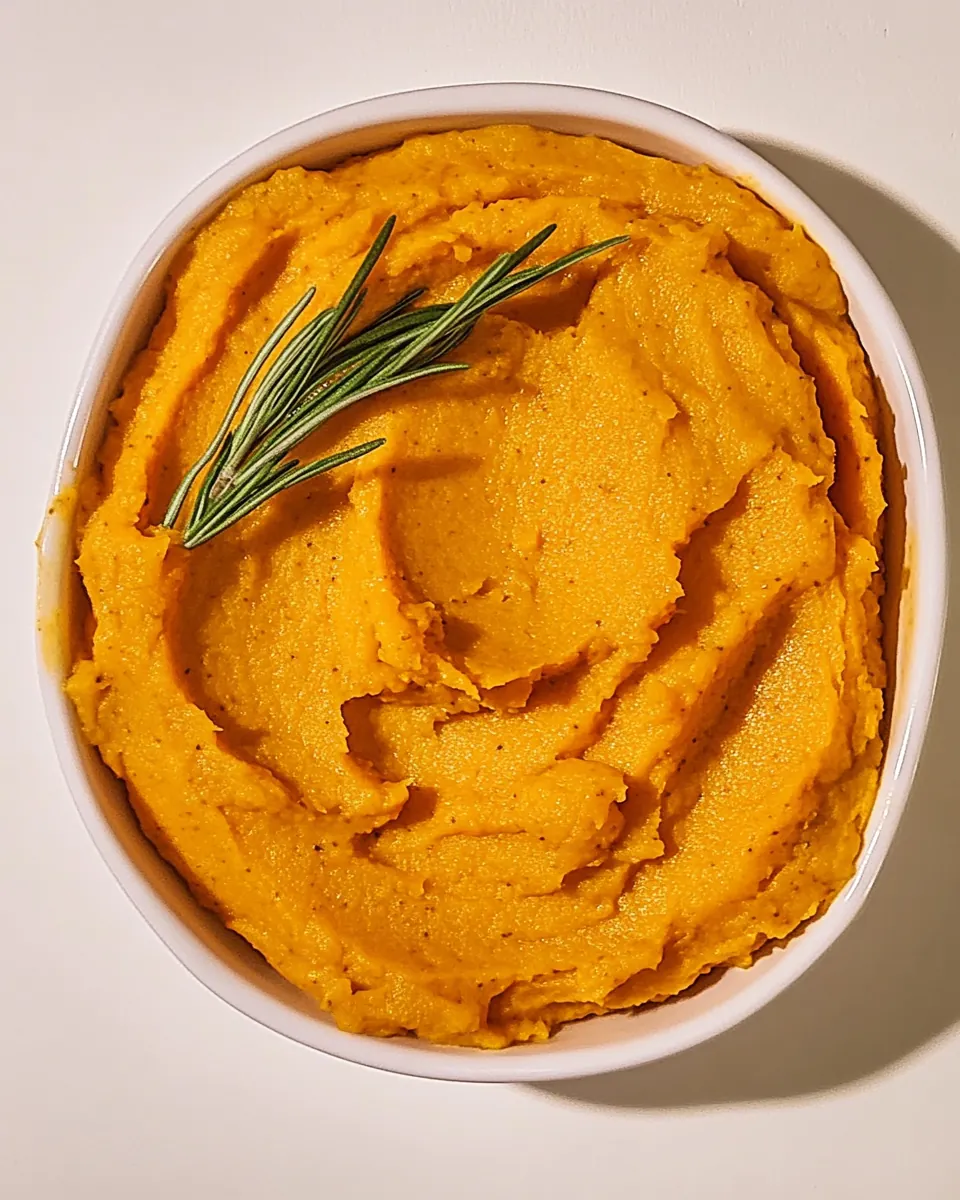
These few ingredients form a simple, harmonious team. The roasted Sweet Potatoes bring creamy texture and natural sweetness, the Butter adds silk and a savory sheen, and the Salt and Pepper round out the flavors to keep the puree balanced. I think of the potatoes as the protagonist, and the small seasoning touches as the supporting cast that elevate every bite.
- 3 large Sweet Potatoes: Boil or roast until tender to provide a naturally sweet, creamy base for the puree; break down easily when mashed or blended and contributes color and body. Preserve moisture during cooking to ensure a silky texture, and balance with seasoning for a harmonious dish.
- 1 tablespoon Butter: Melt to add richness and a smooth mouthfeel while helping to bind the puree; incorporate at the end of cooking off heat for optimal creaminess. Brown lightly if desired to introduce a subtle nutty depth without overpowering the sweet potatoes.
- 1/2 teaspoon Salt: Season to enhance and balance the natural sweetness, bringing out the vegetable’s inherent flavors and preventing the dish from tasting flat. Adjust to taste during finishing to ensure the puree is well-rounded and savory.
- 1/4 teaspoon Pepper: Season lightly to introduce a subtle bite and complexity that highlights sweetness and richness; use sparingly to avoid dominating the flavor profile. Grind fresh if possible for a brighter, more pronounced note in the finished puree.
Recipe Steps for Sweet Potato Puree
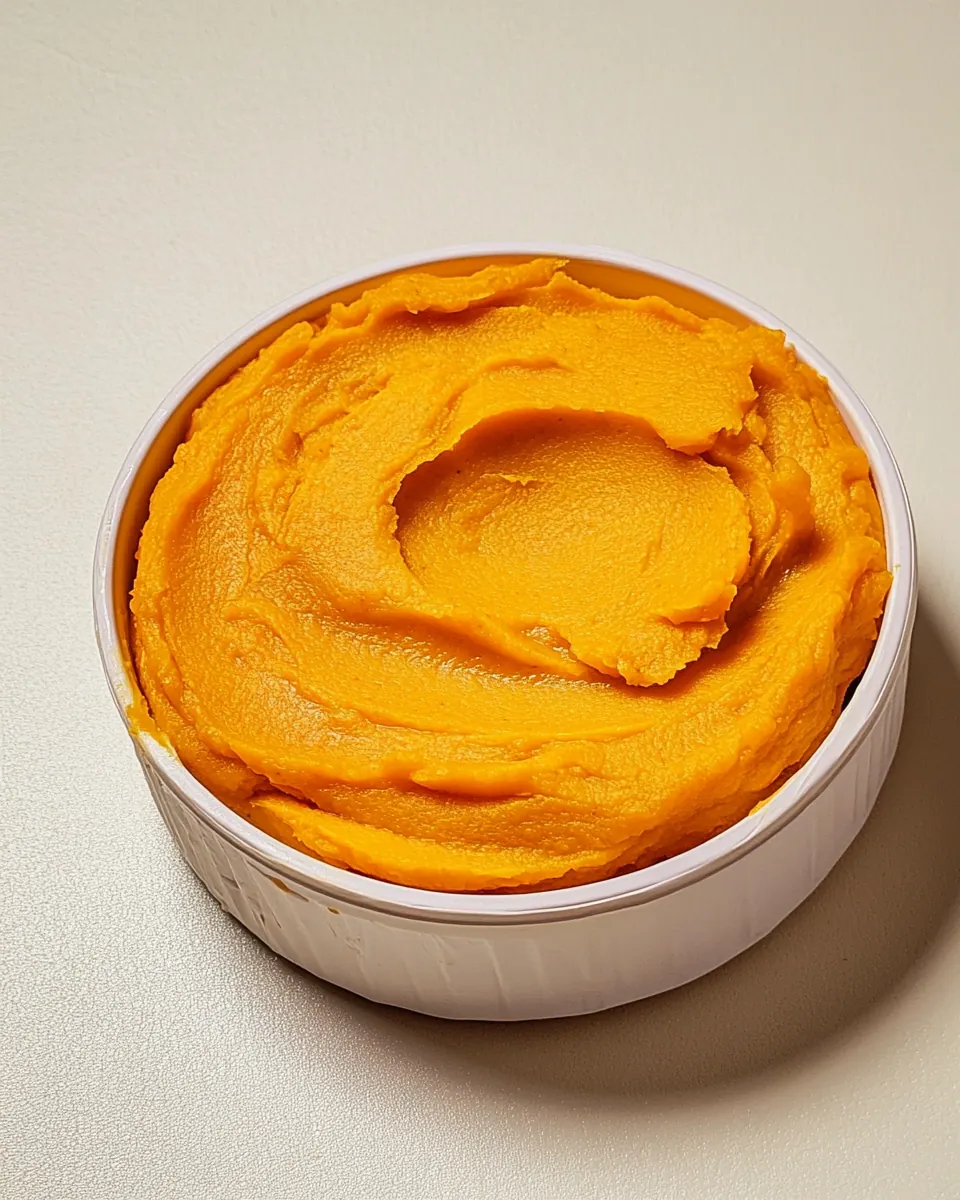
I like to keep the directions straightforward and conversational, so you can relax while the oven does much of the work. Below are detailed steps that focus on sensory cues, why each action matters, and common pitfalls to avoid.
- Oven: preheat to 400 degrees F (205 degrees C). Meanwhile, line your baking sheet with foil.: preheat to 400 degrees F : The moment the oven warms and you feel steady heat, the air fills with an anticipatory warmth that will coax the Sweet Potatoes into soft, caramelized perfection. A properly preheated oven ensures even roasting, which concentrates sugars and develops that subtle nutty aroma. Listen for the quiet hum of the oven stabilizing, and give it a full ten to fifteen minutes to reach temperature before you put the potatoes in. If you skip preheating, the potatoes may cook unevenly and lack caramelized notes, resulting in a blander puree. One mistake I often see is sliding the pan in while the oven still climbs in temperature, which lengthens cooking time and yields inconsistent texture.
- Line your baking sheet with foil: When you lay down a sheet of foil, the kitchen instantly feels tidier and cleanup becomes effortless. The foil also reflects heat slightly and prevents the potatoes from sticking as they release sugars that can adhere to the sheet. I press the foil flat so it sits smoothly under the potatoes, and if you want, a very light brush of neutral oil prevents any stubborn sticking. Avoid crumpling the foil which can cause uneven contact and spotting; smooth it first. A common error is skipping the foil and then scraping stuck bits from the pan after roasting, which is tedious and unnecessary.
Expert Tips about Sweet Potato Puree
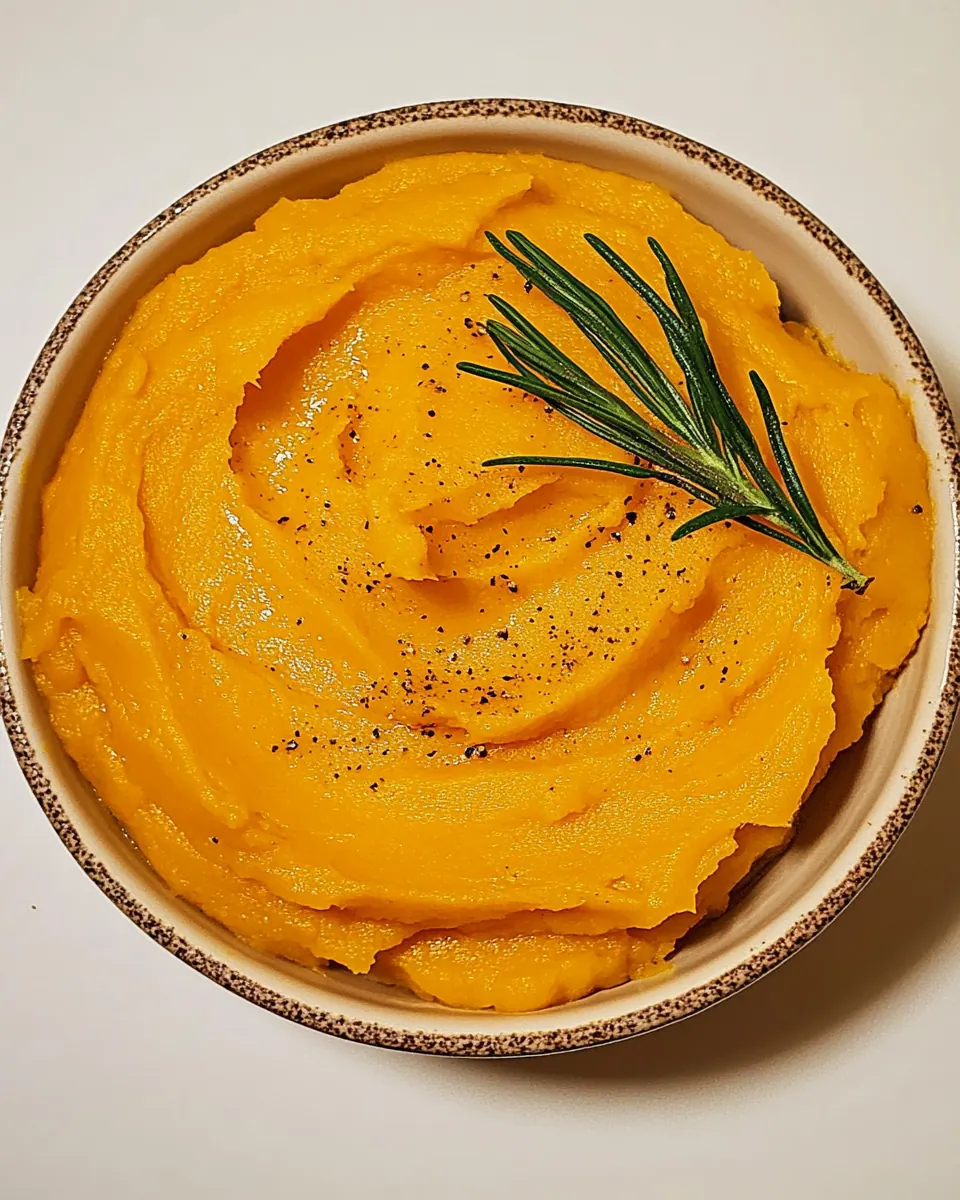
I usually give a handful of tested tips to help you get predictable results. These notes reflect things I learned by roasting trays of potatoes for friends and family, and they focus on small adjustments that create a big difference.
- Choose uniform potatoes so they roast evenly, avoiding a mix of sizes which leads to some being underdone while others are overcooked.
- Preheat fully to ensure caramelization and consistent texture; an oven that is still warming can cause uneven cooking.
- Use warm butter when mixing, it dissolves into the flesh more easily and lends a silkier mouthfeel than cold butter.
- Test with a fork for doneness instead of relying solely on time, since potato size and oven variances affect cooking time.
- Season in stages tasting as you go, because the perceived saltiness changes as the puree cools slightly.
Accompaniments for Sweet Potato Puree
This puree is a graceful side that fits many occasions, from simple weeknights to festive family dinners. Below are ideas for pairing, storage, and serving notes to help you plan the moment you bring it to the table.
- Weeknight dinners: Serve a generous scoop alongside roasted vegetables and a protein for a balanced plate, letting the puree add softness and sweetness.
- Holiday meals: Present the puree in a warmed dish with a pat of melted Butter on top for shine, it complements celebratory mains without overpowering them.
- Storage tips: Cool completely before transferring to an airtight container, it keeps well in the refrigerator for several days and reheats gently on the stove.
- Serving styles: For a rustic bowl, spoon the puree thickly; for a more polished plate, smooth it with the back of a spoon into a shallow pool for sauces or gravies.
- Seasonal pairings: Use it in autumn and winter menus where its warm color and flavor match seasonal produce and spices.
FAQ
Conclusion
This recipe is special because it turns a handful of simple ingredients into a smooth, comforting dish that feels both homey and refined. Try it on a busy weeknight or as part of a holiday spread, and you will find it earns a permanent place in your rotation. The method is forgiving, the flavors broad appeal, and each step teaches you how small choices influence texture and taste. I hope you enjoy making and sharing this puree; its one of those small pleasures that feeds more than hunger.
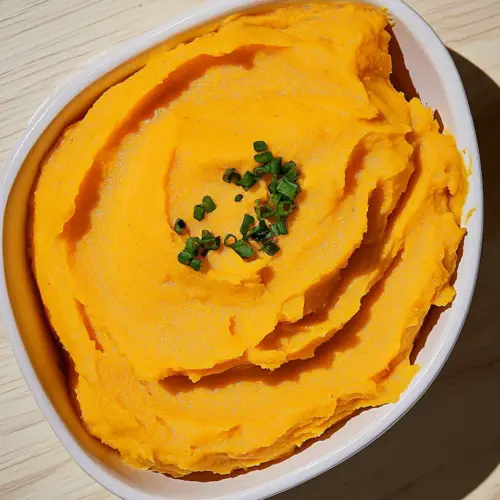
Sweet Potato Puree
Equipment
- Oven
- Baking Sheet
- Aluminum Foil
- Fork
Ingredients
- 3 large Sweet Potatoes Boil or roast until tender to provide a naturally sweet, creamy base for the puree; break down easily when mashed or blended and contributes color and body. Preserve moisture during cooking to ensure a silky texture, and balance with seasoning for a harmonious dish.
- 1 tablespoon Butter Melt to add richness and a smooth mouthfeel while helping to bind the puree; incorporate at the end of cooking off heat for optimal creaminess. Brown lightly if desired to introduce a subtle nutty depth without overpowering the sweet potatoes.
- 1/2 teaspoon Salt Season to enhance and balance the natural sweetness, bringing out the vegetable’s inherent flavors and preventing the dish from tasting flat. Adjust to taste during finishing to ensure the puree is well-rounded and savory.
- 1/4 teaspoon Pepper Season lightly to introduce a subtle bite and complexity that highlights sweetness and richness; use sparingly to avoid dominating the flavor profile. Grind fresh if possible for a brighter, more pronounced note in the finished puree.
Instructions
- Oven: preheat to 400 degrees F (205 degrees C). Meanwhile, line your baking sheet with foil.: preheat to 400 degrees F : The moment the oven warms and you feel steady heat, the air fills with an anticipatory warmth that will coax the Sweet Potatoes into soft, caramelized perfection. A properly preheated oven ensures even roasting, which concentrates sugars and develops that subtle nutty aroma. Listen for the quiet hum of the oven stabilizing, and give it a full ten to fifteen minutes to reach temperature before you put the potatoes in. If you skip preheating, the potatoes may cook unevenly and lack caramelized notes, resulting in a blander puree. One mistake I often see is sliding the pan in while the oven still climbs in temperature, which lengthens cooking time and yields inconsistent texture.
- Line your baking sheet with foil: When you lay down a sheet of foil, the kitchen instantly feels tidier and cleanup becomes effortless. The foil also reflects heat slightly and prevents the potatoes from sticking as they release sugars that can adhere to the sheet. I press the foil flat so it sits smoothly under the potatoes, and if you want, a very light brush of neutral oil prevents any stubborn sticking. Avoid crumpling the foil which can cause uneven contact and spotting; smooth it first. A common error is skipping the foil and then scraping stuck bits from the pan after roasting, which is tedious and unnecessary.
Notes
- Choose uniform potatoes so they roast evenly, avoiding a mix of sizes which leads to some being underdone while others are overcooked.
- Preheat fully to ensure caramelization and consistent texture; an oven that is still warming can cause uneven cooking.
- Use warm butter when mixing, it dissolves into the flesh more easily and lends a silkier mouthfeel than cold butter.
- Test with a fork for doneness instead of relying solely on time, since potato size and oven variances affect cooking time.
- Season in stages tasting as you go, because the perceived saltiness changes as the puree cools slightly.