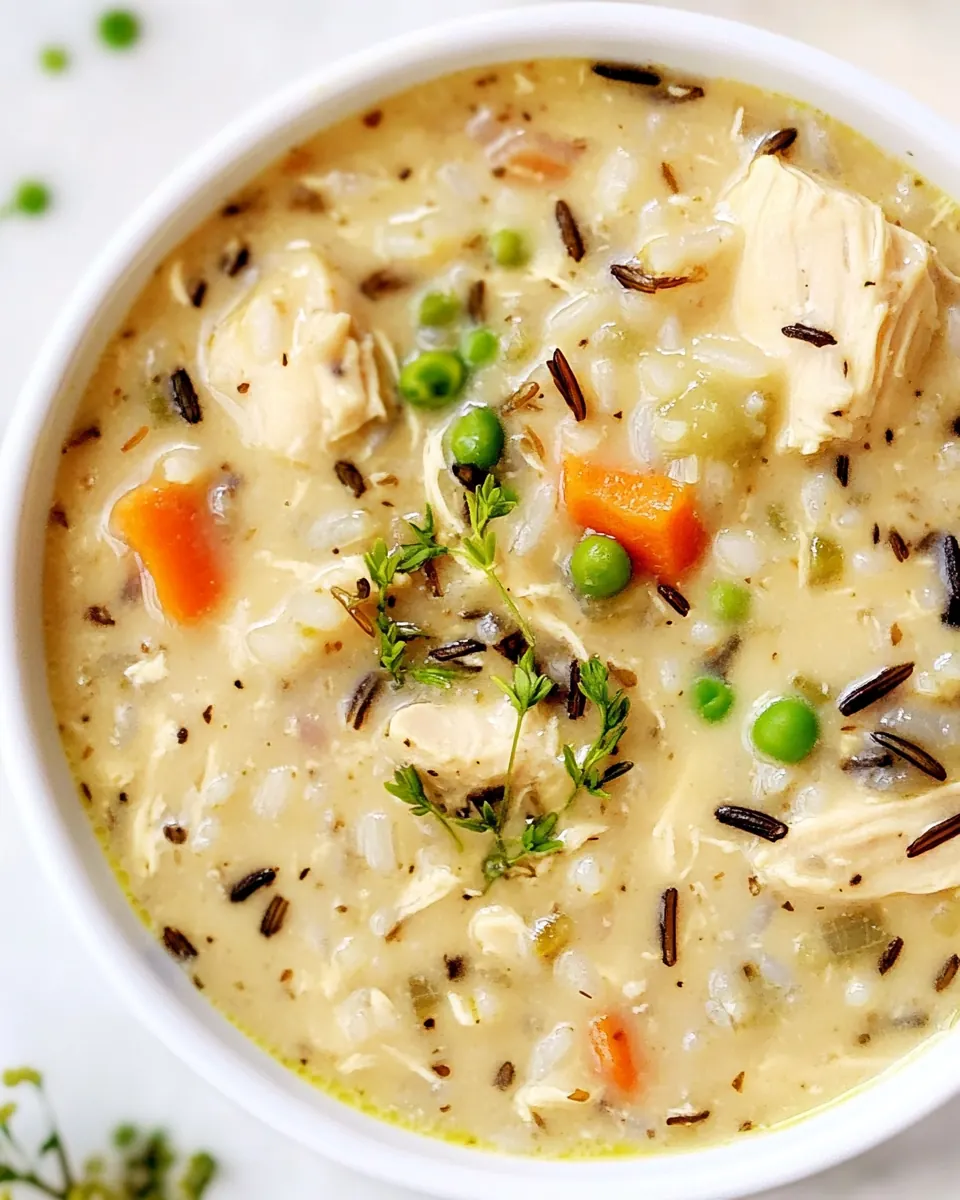
Wild Rice Chicken Soup
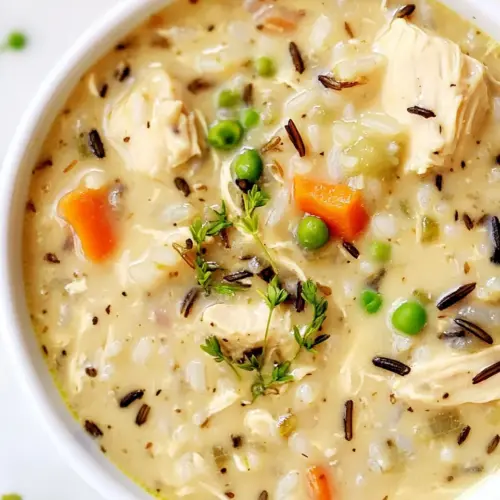
Wild Rice Chicken Soup is the kind of bowl I turn to when the weather leans chilly and I want something that feels like a warm hug from the inside out. The very first time I made this soup I remember the scent of sautéed onions and butter filling the kitchen, the promise of tender chicken and nutty wild rice mingling as the pot gently simmered. That initial batch became an instant family favorite, and I kept tweaking the balance of creaminess and texture until it hit that comforting sweet spot.
Over the years I’ve made this recipe for potlucks, sleepy Sunday lunches, and messy weeknight dinners, and each time it feels familiar yet exciting. I love how the combination of simple ingredients—crispy seared chicken, aromatic mirepoix, hearty wild rice, and a touch of cream—creates layers of flavor with minimal fuss. When friends ask for something that travels well and reheats like a dream, this is my answer.
Recipe Snapshot
1 hr 5 mins
15 mins
50 mins
Medium
350 kcal
American
Gluten-Free, Low FODMAP
Soups
Dutch oven, Cutting board, Whisk, Measuring cups
Why This Wild Rice Chicken Soup Works
Hearty but Elegant
I adore how Wild Rice Chicken Soup manages to be both rustic and refined. The chewy texture of the wild rice gives the bowl structure while the creamy broth keeps every spoonful soothing. It’s the kind of soup that stands up to crusty bread and also holds its own as a complete meal.
Flavor Built from Simple Steps
I like that the technique is straightforward, yet every step adds real flavor. Searing the chicken creates fond at the bottom of the pot that the sautéed vegetables lift into the base, and the light roux with flour gives body without heaviness. Little moments like scraping the pan and letting the broth simmer make a big difference.
Flexible and Family Friendly
This recipe is forgiving, which I appreciate when life is busy. You can use roasted or shredded chicken if you need a shortcut, and the vegetable mix adapts to what’s in your fridge. That versatility makes it perfect for weeknights, sharing with neighbors, or packing for lunches.
Comfortable Leftovers and Freezer Friendly
I’ll often double the batch because the soup reheats beautifully. Wild rice keeps its texture better than some rices when stored, and by holding back some of the dairy until reheating, you avoid any graininess. It’s practical, and the flavors deepen over a day or two in the fridge.
Nutrition Meets Satisfaction
One reason I keep coming back to Wild Rice Chicken Soup is that it balances protein, vegetables, and grains in each spoonful. It’s comforting without being overly heavy, and that balance keeps everyone at the table satisfied and energized.
Wild Rice Chicken Soup Shopping List
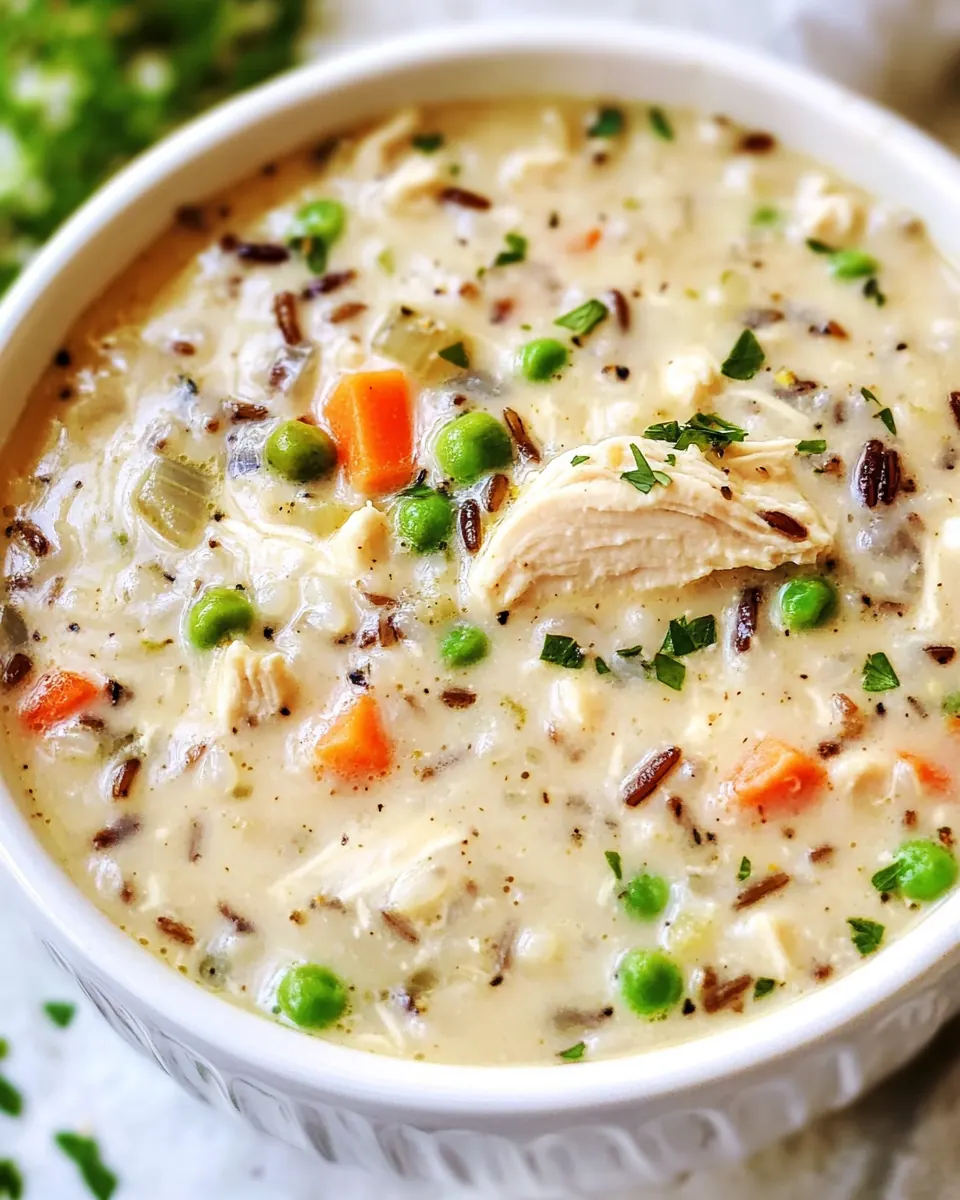
These ingredients are selected to build a layered, nutritious soup where each player has a clear job. The chicken brings richness and protein, the wild rice supplies chew and earthiness, and the mirepoix of onion, carrots, and celery creates the aromatic backbone. Dairy and a bit of starch round out the texture so the broth feels silky but not heavy.
- 1 pound boneless skinless chicken thighs, patted dry OR rotisserie chicken: Cooked or raw protein used to provide rich flavor and body to the soup; when using boneless skinless chicken thighs they offer tender, juicy meat that holds up to simmering, while rotisserie chicken adds convenience and a deeper roasted flavor. Shred or chop the cooked chicken and stir in near the end to prevent overcooking and maintain moist texture.
- 3 tablespoons olive oil divided: Used to sauté vegetables and brown the chicken if starting raw; portion divided so some oil is used initially for aromatics and more can be added later if needed to prevent sticking. Adds a light fruity fat that helps carry flavors without overpowering the dish.
- 3 tablespoons unsalted butter: Added to cook with the vegetables to develop a flavorful aromatics base and provide a rich mouthfeel; butter also helps create a roux with the flour for thickening. Use early in the recipe to brown onions and carrots, enhancing depth and silkiness.
- salt and pepper: Seasoning used to enhance and balance all elements of the soup; salt brings out natural flavors while pepper adds mild heat and complexity. Adjust seasoning gradually, tasting before serving to avoid oversalting, especially with broth and bouillon.
- 1 onion diced: Aromatic vegetable that builds the savory foundation of the soup; diced onion becomes soft and sweet when sautéed, contributing depth and body. Cook until translucent to release sugars and improve overall flavor integration.
- 1 cup carrots chopped 1/2-inch thick: Root vegetable providing sweetness, texture, and color; chopped carrots add bite and caramelized notes when sautéed, enhancing the soup’s heartiness. Cut into uniform 1/2-inch pieces to ensure even cooking alongside celery and cauliflower.
- 1 cup celery chopped 1/2-inch thick: Crunchy aromatic that adds freshness and a subtle herbal bitterness; chopped celery pairs with onion and carrot to form a classic mirepoix base, offering balance to richer elements. Sauté until slightly softened to release flavor but retain some texture.
- 1/3 cup flour: Starch used to thicken the soup and help create a smooth, velvety consistency when combined with butter into a roux; flour also helps proteins and liquids bind, improving mouthfeel. Cook briefly with the fat to remove raw flour taste before adding broth.
- 4 6 cloves garlic minced: Pungent aromatic added minced to boost savory depth and aromatic complexity; garlic should be cooked until fragrant but not burned to avoid bitterness. Add later in the sautéing stage so it releases flavor without becoming harsh.
- 1 cup wild rice blend: Whole grain blend that brings nutty flavor, chewy texture, and substantial bite to the soup; wild rice requires longer simmering and contributes visual contrast and rustic character. Rinse if necessary and cook thoroughly until tender, absorbing savory broth.
- 1 1/2 teaspoons chicken bouillon or better than bouillon: Concentrated savory seasoning that heightens chicken flavor in the broth; chicken bouillon or better–than–bouillon intensifies umami and compensates if using low-sodium stock. Dissolve into hot liquid and taste as you go to control saltiness.
- 1 tablespoon dried parsley: Dried herb used to add gentle fresh, grassy notes and visual flecks; parsley helps brighten the rich soup and complements other herbs. Sprinkle in during simmering to allow flavors to rehydrate and distribute evenly.
- 1 tsp EACH dried oregano, dried basil, dried thyme: Blend of aromatic dried herbs that add Mediterranean warmth and complexity; oregano, basil, and thyme together contribute savory, sweet, and earthy tones. Add during simmering so the herbs rehydrate and infuse the broth.
- 1 bay leaf: Whole dried leaf used to impart subtle savory and slightly floral depth during long simmering; bay leaf lends background complexity that enhances other seasonings. Remove before serving to avoid sharp, papery pieces in the finished soup.
- 8 cups low sodium chicken broth: Primary liquid base that provides volume, savory flavor, and seasoning control; low sodium chicken broth supplies rich stock without excessive salt, allowing seasoning adjustments. Pour in hot for faster simmering and fuller flavor extraction from solids.
- 3 cups half and half: Creamy dairy component that enriches the soup with a smooth, luxurious texture and mild sweetness; half and half adds body without being overly heavy like cream. Stir in gently and heat slowly to prevent curdling while achieving a silky finish.
- 2 tablespoons cornstarch: Thickening agent slurry used to stabilize and slightly increase the soup's viscosity; cornstarch mixed with cold liquid prevents clumping and creates a glossy, consistent texture. Add near the end of cooking with gentle simmering to activate and thicken evenly.
- 2 cups cauliflower chopped into bite size pieces: Low-calorie vegetable added for bulk, nutrition, and subtle earthiness; cauliflower soaks up flavors and becomes tender yet toothsome when chopped into bite–size pieces. Add early enough to cook through but late enough to maintain structure.
- 1 cup frozen petite peas thawed: Sweet frozen legume added at the end for pops of color, texture, and fresh flavor; petite peas thaw quickly and retain a pleasant snap that contrasts creamy broth. Stir in near the finish to warm through without becoming mushy.
Wild Rice Chicken Soup Instructions
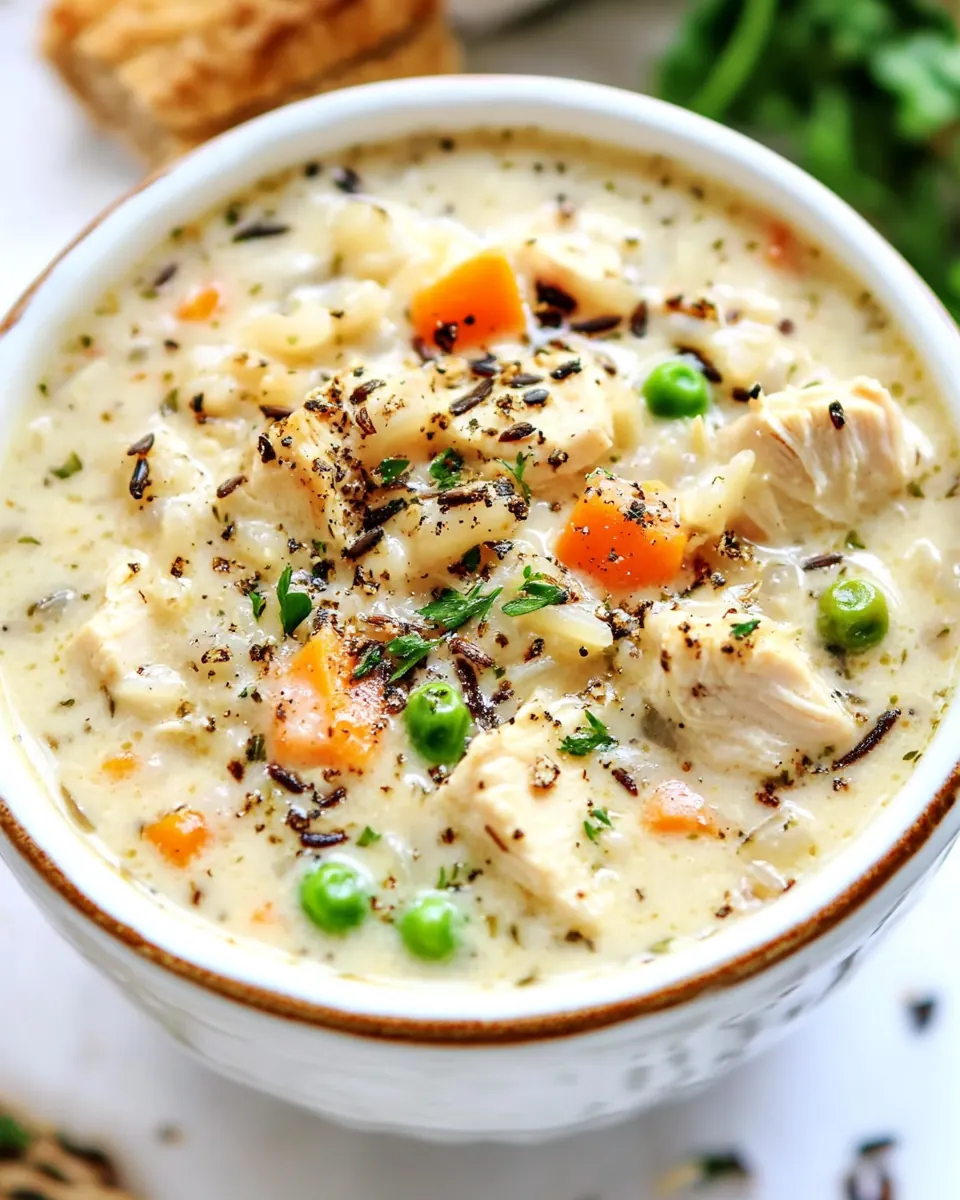
These instructions are a guided conversation from my kitchen. I’ll walk you through the major cooking beats and the sensory cues I watch for, so you can feel confident as you move from searing to simmering to the final silky finish.
- Heat 2 tablespoons oil over medium-high heat in a large Dutch oven/soup pot. Season chicken with 1/2 teaspoon salt and 1/2 teaspoon pepper then sear until golden, about 2 minutes per side. Remove to a plate but leave drippings.: You will notice the oil shimmer when it is properly hot and ready, that visible ripple is your indicator to add seasoned chicken ; the sizzling when the meat hits the surface should be immediate and energetic which means you are forming a golden crust; this crust creates those brown bits, fond, that add deep savory flavor to the base of the soup as they dissolve into the liquid; a common mistake is starting with a pan that is not hot enough, which leads to pale, steamed chicken instead of a flavorful sear.
- Melt 3 tablespoons butter with 1 tablespoon olive oil over medium low heat. Once melted, increase to medium-high heat and add onions, carrots and celery; sauté for 4 minutes scraping up the golden bits on the bottom of the pan. Add garlic and sauté for 30 seconds; sprinkle in flour then cook, stirring constantly for 2 minutes (it will be thick).: As you sear, watch for a deep golden color rather than a quick dark burn, the sound should be a steady sizzle and your spatula should release the meat easily when the crust is ready; searing seals juices and builds taste that becomes part of the broth; avoid the pitfall of crowding the pot which cools the surface and causes steaming instead of browning.
- Add chicken back to the pot along with rice, bouillon, all seasonings, 3/4 teaspoon salt, bay leaf and chicken broth. Cover the soup to bring to a simmer, then displace the lid so it’s partially covering the pot, with about a one-inch opening. Simmer the soup for 12-15 minutes or until chicken is tender enough to shred.: Leaving the flavorful drippings in the pot is intentional, they will be the foundation for the sauté and eventual broth; you should see a thin browned film and aromatic flavor clinging to the bottom, that is what you want to transfer into the vegetable stage; a common error is discarding these drippings which loses a lot of depth.
- Remove chicken to a cutting board and shred into bite-size pieces once cool enough to handle (don’t add back to soup yet). Continue to simmer the soup for an additional 10 minutes, partially covered.: The butter should melt gently into the oil, producing a glossy surface and a faint nutty aroma, keeping heat at medium low prevents burning while allowing the fat to coat the vegetables; too high a heat will darken the butter and introduce bitter notes.
- After 10 minutes, whisk cornstarch with half and half (you can whisk with as little as 1/2 cup, just enough so it dissolves) and add to pot. Continue to simmer the soup uncovered for an additional 10-20 minutes or until the rice is almost al dente, stirring often.: As you sauté the mirepoix, listen for a lively but controlled sizzle, you want the vegetables to soften and begin to color without collapsing; the act of scraping those browned bits integrates concentrated flavor into the vegetables; a mistake is rushing this step which results in underdeveloped flavor.
- Stir in shredded chicken (or rotisserie chicken if using), and cauliflower and continue to simmer for 5 minutes or until cauliflower is tender and rice is al dente. Add peas and warm through, 1-2 minutes. Stir in additional broth or half and half if desired for a less “chunky” soup. Taste and season with additional salt and pepper if desired (I like more salt).: The garlic will release a fragrant aroma quickly, and then stirring in the flour creates a roux that thickens the broth; you will smell the rawness of flour disappear as it cooks, and the mixture should smell toasty and look cohesive; do not skip cooking the flour or you will taste raw starch.
- Add chicken back to the pot along with rice, bouillon, all seasonings, 3/4 teaspoon salt, bay leaf and chicken broth: When the pot returns to the stove with the chicken , you are building the simmering stew, and the broth should take on a deeper color as it picks up those seasoned bits; stirring briefly to combine ensures the wild rice starts hydrating evenly; a common mistake is not dissolving bouillon well which creates salty pockets.
- Cover the soup to bring to a simmer, then displace the lid so it’s partially covering the pot, with about a one-inch opening: The gentle leak of steam from the one-inch gap stabilizes a simmer and prevents boil over while allowing flavors to reduce slightly; the surface should show gentle movement and occasional small bubbles, which is ideal for even cooking; avoid a rolling boil, it will make the chicken tough and the liquid reduce too quickly.
- Simmer the soup for 12 to 15 minutes or until chicken is tender enough to shred: During this simmer you will start to smell a richer, deeper aroma as the broth concentrates, and the chicken should feel tender when pierced with a fork; testing for doneness avoids shredding meat that is still firm; overcooking here can cause dry shreds later.
- Remove chicken to a cutting board and shred into bite-size pieces once cool enough to handle (don’t add back to soup yet): Shredding while the chicken is warm makes it easier to pull into tender ribbons, and separating it from the pot at this stage prevents small shreds from overcooking in the coming simmer; the texture should be moist and juicy; a mistake is shredding too finely which can vanish into the broth.
- Continue to simmer the soup for an additional 10 minutes, partially covered: This extra simmer allows the wild rice to swell and absorb savory flavors while the broth reduces slightly, you will see grains plump and the aroma deepen; stirring occasionally prevents sticking; leaving the pot unattended risks the rice sticking to the bottom.
- After 10 minutes, whisk cornstarch with half and half and add to pot: Whisking the cornstarch into the half and half until smooth prevents lumps and yields a glossy, slightly thickened broth; once added, the soup should thicken gradually and gain a silky coating on the back of a spoon; common error: adding cold slurry to a boiling pot which can shock and clump the starch.
- Continue to simmer the soup uncovered for an additional 10 to 20 minutes or until the rice is almost al dente, stirring often: As the liquid reduces, watch for the rice to become tender but still with a little bite, this will produce the ideal mouthfeel after you add the vegetables and shredded chicken ; frequent stirring prevents the bottom from scorching; the mistake to watch for is letting the rice go mushy from overcooking.
- Stir in shredded chicken, and cauliflower and continue to simmer for 5 minutes or until cauliflower is tender and rice is al dente: Adding the shredded chicken back now allows it to warm through without becoming dry, the cauliflower will release a mild, slightly sweet scent and should be tender but intact after this brief simmer; overcooking the cauliflower will make it limp and grainy.
- Add peas and warm through, 1 to 2 minutes: When you stir in the thawed peas , their bright green color and sweet aroma will revive the pot; they need only a minute or two to heat, which preserves texture and vibrancy; a common mistake is leaving them in too long until they lose color and become mealy.
- Stir in additional broth or half and half if desired for a less “chunky” soup: Adjusting consistency at the end is a personal choice, adding a splash of warmed broth or more half and half loosens the body without diluting flavor too much; taste after each addition to keep balance; avoid adding cold liquid straight from the fridge which shocks the soup.
- Taste and season with additional salt and pepper if desired: Final seasoning is critical because the flavors have concentrated, taste a spoonful and add small increments of salt or pepper to finish; this step tailors the soup to your palate; the common mistake is over-salting in one go instead of adjusting incrementally.
Pro Tips and Tweaks
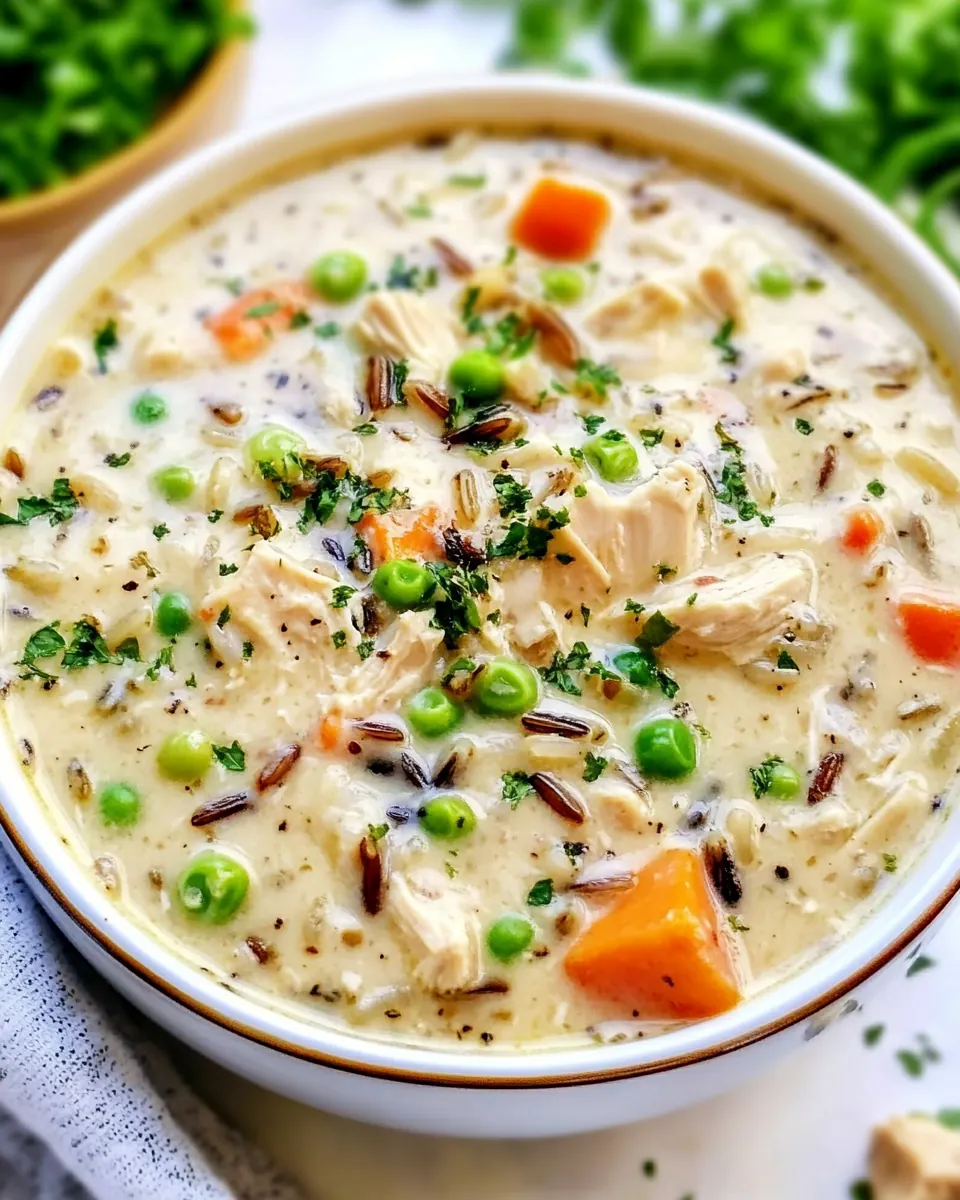
I like to think of these tips as small swaps and careful choices that make the recipe shine every time. Below I expand on practical tweaks that improve texture, flavor, and storage.
- Use thighs for tenderness Whenever possible choose boneless skinless chicken thighs rather than breasts because their higher fat content stays juicy during simmering and gives a richer flavor to the broth.
- Divide the oil Using part of the olive oil for searing and part for sautéing helps you get a proper sear and then gently cook the vegetables without burning the butter.
- Toast the flour Cook the flour for the full two minutes after adding it to the vegetables so you remove any raw taste and build a silky base for the soup.
- Keep rice slightly undercooked Aim for the wild rice to be almost al dente before the final five minute finish so it does not become mushy after subsequent cooking or reheating.
- Add peas last Stir in the thawed peas at the very end to preserve their color and pop, they need only about one to two minutes to warm through.
- Adjust consistency at the end If the soup is too thick, add warm low sodium chicken broth a little at a time; if it is too thin, simmer uncovered until it reduces to your liking.
Best Served With
This soup pairs well with simple sides that let the bowl shine. Below are ideas for occasions, sides, and storage notes that help you serve the meal confidently.
- Crusty bread or rolls A warm loaf is perfect for dipping into the creamy broth and balances the hearty texture of the wild rice.
- Light green salad A crisp salad with a tangy vinaigrette contrasts the soup’s richness and brightens the meal for lunch or dinner.
- Weeknight family dinner This recipe makes a comforting, complete main that works for casual family meals and fits easily into busy evenings.
- Meal prep and leftovers Refrigerate in airtight containers for up to five days, gently reheat on the stove over medium low to preserve texture.
- Freezer strategy If freezing, omit the half and half and add it back after thawing to prevent graininess, or use higher fat dairy for better freeze thaw results.
- Seasonal pairing It is ideal for cold months, especially winter evenings when you crave something warming and filling.
FAQ
Conclusion
Wild Rice Chicken Soup stands out because it balances tender chicken, nutty wild rice, and a silky broth into a deeply satisfying bowl. I encourage you to give it a try on a chilly evening or when you need a reliable crowd pleaser, because it reheats well and adapts to shortcuts like rotisserie chicken. Make a batch, savor the layered flavors, and enjoy the comfort it brings to the table.
Wild Rice Chicken Soup
Equipment
- Dutch Oven
- Cutting Board
- Whisk
- Measuring Cups
Ingredients
- 1 pound boneless skinless chicken thighs, patted dry OR rotisserie chicken Cooked or raw protein used to provide rich flavor and body to the soup; when using boneless skinless chicken thighs they offer tender, juicy meat that holds up to simmering, while rotisserie chicken adds convenience and a deeper roasted flavor. Shred or chop the cooked chicken and stir in near the end to prevent overcooking and maintain moist texture.
- 3 tablespoons olive oil divided Used to sauté vegetables and brown the chicken if starting raw; portion divided so some oil is used initially for aromatics and more can be added later if needed to prevent sticking. Adds a light fruity fat that helps carry flavors without overpowering the dish.
- 3 tablespoons unsalted butter Added to cook with the vegetables to develop a flavorful aromatics base and provide a rich mouthfeel; butter also helps create a roux with the flour for thickening. Use early in the recipe to brown onions and carrots, enhancing depth and silkiness.
- salt and pepper Seasoning used to enhance and balance all elements of the soup; salt brings out natural flavors while pepper adds mild heat and complexity. Adjust seasoning gradually, tasting before serving to avoid oversalting, especially with broth and bouillon.
- 1 onion diced Aromatic vegetable that builds the savory foundation of the soup; diced onion becomes soft and sweet when sautéed, contributing depth and body. Cook until translucent to release sugars and improve overall flavor integration.
- 1 cup carrots chopped 1/2-inch thick Root vegetable providing sweetness, texture, and color; chopped carrots add bite and caramelized notes when sautéed, enhancing the soup’s heartiness. Cut into uniform 1/2-inch pieces to ensure even cooking alongside celery and cauliflower.
- 1 cup celery chopped 1/2-inch thick Crunchy aromatic that adds freshness and a subtle herbal bitterness; chopped celery pairs with onion and carrot to form a classic mirepoix base, offering balance to richer elements. Sauté until slightly softened to release flavor but retain some texture.
- 1/3 cup flour Starch used to thicken the soup and help create a smooth, velvety consistency when combined with butter into a roux; flour also helps proteins and liquids bind, improving mouthfeel. Cook briefly with the fat to remove raw flour taste before adding broth.
- 4 -6 cloves garlic minced Pungent aromatic added minced to boost savory depth and aromatic complexity; garlic should be cooked until fragrant but not burned to avoid bitterness. Add later in the sautéing stage so it releases flavor without becoming harsh.
- 1 cup wild rice blend Whole grain blend that brings nutty flavor, chewy texture, and substantial bite to the soup; wild rice requires longer simmering and contributes visual contrast and rustic character. Rinse if necessary and cook thoroughly until tender, absorbing savory broth.
- 1 1/2 teaspoons chicken bouillon or better than bouillon Concentrated savory seasoning that heightens chicken flavor in the broth; chicken bouillon or better-than-bouillon intensifies umami and compensates if using low-sodium stock. Dissolve into hot liquid and taste as you go to control saltiness.
- 1 tablespoon dried parsley Dried herb used to add gentle fresh, grassy notes and visual flecks; parsley helps brighten the rich soup and complements other herbs. Sprinkle in during simmering to allow flavors to rehydrate and distribute evenly.
- 1 tsp EACH dried oregano, dried basil, dried thyme Blend of aromatic dried herbs that add Mediterranean warmth and complexity; oregano, basil, and thyme together contribute savory, sweet, and earthy tones. Add during simmering so the herbs rehydrate and infuse the broth.
- 1 bay leaf Whole dried leaf used to impart subtle savory and slightly floral depth during long simmering; bay leaf lends background complexity that enhances other seasonings. Remove before serving to avoid sharp, papery pieces in the finished soup.
- 8 cups low sodium chicken broth Primary liquid base that provides volume, savory flavor, and seasoning control; low sodium chicken broth supplies rich stock without excessive salt, allowing seasoning adjustments. Pour in hot for faster simmering and fuller flavor extraction from solids.
- 3 cups half and half Creamy dairy component that enriches the soup with a smooth, luxurious texture and mild sweetness; half and half adds body without being overly heavy like cream. Stir in gently and heat slowly to prevent curdling while achieving a silky finish.
- 2 tablespoons cornstarch Thickening agent slurry used to stabilize and slightly increase the soup's viscosity; cornstarch mixed with cold liquid prevents clumping and creates a glossy, consistent texture. Add near the end of cooking with gentle simmering to activate and thicken evenly.
- 2 cups cauliflower chopped into bite size pieces Low-calorie vegetable added for bulk, nutrition, and subtle earthiness; cauliflower soaks up flavors and becomes tender yet toothsome when chopped into bite-size pieces. Add early enough to cook through but late enough to maintain structure.
- 1 cup frozen petite peas thawed Sweet frozen legume added at the end for pops of color, texture, and fresh flavor; petite peas thaw quickly and retain a pleasant snap that contrasts creamy broth. Stir in near the finish to warm through without becoming mushy.
Instructions
- Heat 2 tablespoons oil over medium-high heat in a large Dutch oven/soup pot. Season chicken with 1/2 teaspoon salt and 1/2 teaspoon pepper then sear until golden, about 2 minutes per side. Remove to a plate but leave drippings.: You will notice the oil shimmer when it is properly hot and ready, that visible ripple is your indicator to add seasoned chicken ; the sizzling when the meat hits the surface should be immediate and energetic which means you are forming a golden crust; this crust creates those brown bits, fond, that add deep savory flavor to the base of the soup as they dissolve into the liquid; a common mistake is starting with a pan that is not hot enough, which leads to pale, steamed chicken instead of a flavorful sear.
- Melt 3 tablespoons butter with 1 tablespoon olive oil over medium low heat. Once melted, increase to medium-high heat and add onions, carrots and celery; sauté for 4 minutes scraping up the golden bits on the bottom of the pan. Add garlic and sauté for 30 seconds; sprinkle in flour then cook, stirring constantly for 2 minutes (it will be thick).: As you sear, watch for a deep golden color rather than a quick dark burn, the sound should be a steady sizzle and your spatula should release the meat easily when the crust is ready; searing seals juices and builds taste that becomes part of the broth; avoid the pitfall of crowding the pot which cools the surface and causes steaming instead of browning.
- Add chicken back to the pot along with rice, bouillon, all seasonings, 3/4 teaspoon salt, bay leaf and chicken broth. Cover the soup to bring to a simmer, then displace the lid so it’s partially covering the pot, with about a one-inch opening. Simmer the soup for 12-15 minutes or until chicken is tender enough to shred.: Leaving the flavorful drippings in the pot is intentional, they will be the foundation for the sauté and eventual broth; you should see a thin browned film and aromatic flavor clinging to the bottom, that is what you want to transfer into the vegetable stage; a common error is discarding these drippings which loses a lot of depth.
- Remove chicken to a cutting board and shred into bite-size pieces once cool enough to handle (don’t add back to soup yet). Continue to simmer the soup for an additional 10 minutes, partially covered.: The butter should melt gently into the oil, producing a glossy surface and a faint nutty aroma, keeping heat at medium low prevents burning while allowing the fat to coat the vegetables; too high a heat will darken the butter and introduce bitter notes.
- After 10 minutes, whisk cornstarch with half and half (you can whisk with as little as 1/2 cup, just enough so it dissolves) and add to pot. Continue to simmer the soup uncovered for an additional 10-20 minutes or until the rice is almost al dente, stirring often.: As you sauté the mirepoix, listen for a lively but controlled sizzle, you want the vegetables to soften and begin to color without collapsing; the act of scraping those browned bits integrates concentrated flavor into the vegetables; a mistake is rushing this step which results in underdeveloped flavor.
- Stir in shredded chicken (or rotisserie chicken if using), and cauliflower and continue to simmer for 5 minutes or until cauliflower is tender and rice is al dente. Add peas and warm through, 1-2 minutes. Stir in additional broth or half and half if desired for a less “chunky” soup. Taste and season with additional salt and pepper if desired (I like more salt).: The garlic will release a fragrant aroma quickly, and then stirring in the flour creates a roux that thickens the broth; you will smell the rawness of flour disappear as it cooks, and the mixture should smell toasty and look cohesive; do not skip cooking the flour or you will taste raw starch.
- Add chicken back to the pot along with rice, bouillon, all seasonings, 3/4 teaspoon salt, bay leaf and chicken broth: When the pot returns to the stove with the chicken , you are building the simmering stew, and the broth should take on a deeper color as it picks up those seasoned bits; stirring briefly to combine ensures the wild rice starts hydrating evenly; a common mistake is not dissolving bouillon well which creates salty pockets.
- Cover the soup to bring to a simmer, then displace the lid so it’s partially covering the pot, with about a one-inch opening: The gentle leak of steam from the one-inch gap stabilizes a simmer and prevents boil over while allowing flavors to reduce slightly; the surface should show gentle movement and occasional small bubbles, which is ideal for even cooking; avoid a rolling boil, it will make the chicken tough and the liquid reduce too quickly.
- Simmer the soup for 12 to 15 minutes or until chicken is tender enough to shred: During this simmer you will start to smell a richer, deeper aroma as the broth concentrates, and the chicken should feel tender when pierced with a fork; testing for doneness avoids shredding meat that is still firm; overcooking here can cause dry shreds later.
- Remove chicken to a cutting board and shred into bite-size pieces once cool enough to handle (don’t add back to soup yet): Shredding while the chicken is warm makes it easier to pull into tender ribbons, and separating it from the pot at this stage prevents small shreds from overcooking in the coming simmer; the texture should be moist and juicy; a mistake is shredding too finely which can vanish into the broth.
- Continue to simmer the soup for an additional 10 minutes, partially covered: This extra simmer allows the wild rice to swell and absorb savory flavors while the broth reduces slightly, you will see grains plump and the aroma deepen; stirring occasionally prevents sticking; leaving the pot unattended risks the rice sticking to the bottom.
- After 10 minutes, whisk cornstarch with half and half and add to pot: Whisking the cornstarch into the half and half until smooth prevents lumps and yields a glossy, slightly thickened broth; once added, the soup should thicken gradually and gain a silky coating on the back of a spoon; common error: adding cold slurry to a boiling pot which can shock and clump the starch.
- Continue to simmer the soup uncovered for an additional 10 to 20 minutes or until the rice is almost al dente, stirring often: As the liquid reduces, watch for the rice to become tender but still with a little bite, this will produce the ideal mouthfeel after you add the vegetables and shredded chicken ; frequent stirring prevents the bottom from scorching; the mistake to watch for is letting the rice go mushy from overcooking.
- Stir in shredded chicken, and cauliflower and continue to simmer for 5 minutes or until cauliflower is tender and rice is al dente: Adding the shredded chicken back now allows it to warm through without becoming dry, the cauliflower will release a mild, slightly sweet scent and should be tender but intact after this brief simmer; overcooking the cauliflower will make it limp and grainy.
- Add peas and warm through, 1 to 2 minutes: When you stir in the thawed peas , their bright green color and sweet aroma will revive the pot; they need only a minute or two to heat, which preserves texture and vibrancy; a common mistake is leaving them in too long until they lose color and become mealy.
- Stir in additional broth or half and half if desired for a less “chunky” soup: Adjusting consistency at the end is a personal choice, adding a splash of warmed broth or more half and half loosens the body without diluting flavor too much; taste after each addition to keep balance; avoid adding cold liquid straight from the fridge which shocks the soup.
- Taste and season with additional salt and pepper if desired: Final seasoning is critical because the flavors have concentrated, taste a spoonful and add small increments of salt or pepper to finish; this step tailors the soup to your palate; the common mistake is over-salting in one go instead of adjusting incrementally.
Notes
- Use thighs for tenderness Whenever possible choose boneless skinless chicken thighs rather than breasts because their higher fat content stays juicy during simmering and gives a richer flavor to the broth.
- Divide the oil Using part of the olive oil for searing and part for sautéing helps you get a proper sear and then gently cook the vegetables without burning the butter.
- Toast the flour Cook the flour for the full two minutes after adding it to the vegetables so you remove any raw taste and build a silky base for the soup.
- Keep rice slightly undercooked Aim for the wild rice to be almost al dente before the final five minute finish so it does not become mushy after subsequent cooking or reheating.
- Add peas last Stir in the thawed peas at the very end to preserve their color and pop, they need only about one to two minutes to warm through.
- Adjust consistency at the end If the soup is too thick, add warm low sodium chicken broth a little at a time; if it is too thin, simmer uncovered until it reduces to your liking.
