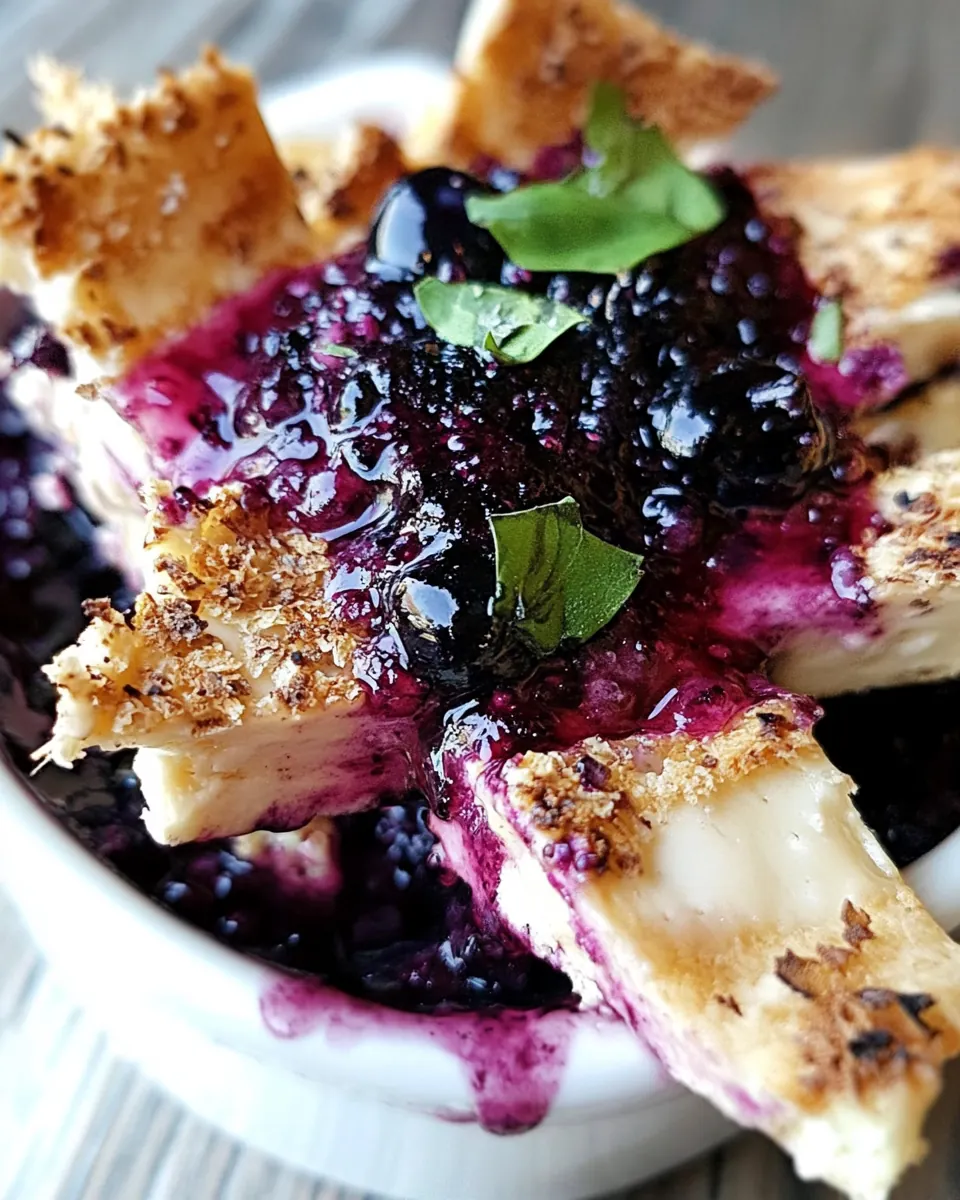
Blueberry Brie
Blueberry Brie is one of those simple yet showy recipes I reach for when I want something that feels special without a lot of fuss.
I first made Blueberry Brie on an evening when friends dropped by unexpectedly, and I had little more than a wheel of cheese and a handful of fruit in the fridge. The skillet warmed quickly, the rind of the brie softened under the gentle heat, and the blueberries began to pop, releasing a beautiful deep purple syrup that smelled fruit forward and floral. We ended up lingering at the counter while I spooned the warm, slightly oozy cheese onto slices of toasted bread. That night taught me how balancing sweet and creamy can turn a few humble ingredients into a memorable bite.
Since then, Blueberry Brie has become my go to for impromptu gatherings, quiet date nights, and even as a starter for more formal dinners. I love that it gives the impression of effort without demanding time, and the textures are entirely crowd pleasing, with the contrast of soft, molten brie, juicy burst of blueberries, and a bit of crunch from chopped pecans. Each time I make it I find a new little tweak that improves the balance, whether that is a tiny sprinkle of lemon zest or a drizzle of honey at the end, and the people I serve it to always ask for the recipe.
Recipe Snapshot
11 mins
5 mins
6 mins
Medium
250 kcal
American
Gluten-Free, Low FODMAP
Appetizers
Large skillet, Knife, Spatula
The Magic of This Blueberry Brie
Easy Entertaining
I adore how Blueberry Brie helps me host without stress. You can assemble it in minutes, and the skillet does the work while you socialize. Because the technique is forgiving, I often prepare this while finishing drinks or setting out plates, and that freedom is priceless when you want to be present with guests.
Delicious Contrast of Textures and Flavors
This recipe thrives on contrast. The creamy, slightly tangy brie pairs perfectly with the sweet, jammy pop of warmed blueberries, and the toasted crunch of chopped pecans provides a satisfying bite. I love watching people’s surprised faces when they taste the mix of silky and crunchy together.
Minimal Ingredients, Maximum Impact
I’m a fan of recipes that do more with less, and Blueberry Brie is a perfect example. A small list of pantry friendly items turns into a luxurious treat. It’s easy to keep the ingredients on hand, so whenever inspiration or guests arrive, this dish is ready to deliver.
Flexible and Friendly
Whether you want to dress it up or keep it rustic, this recipe adapts well. I sometimes swap the nuts or add a tiny squeeze of lemon for brightness. It also works on a stovetop or a warm oven, and that flexibility means you can make it in different kitchens or for different occasions.
Memorable Presentation
There is something theatrical about bringing a bubbling wheel of brie to the table covered in glossy blueberries. It looks impressive, tastes like indulgence, and it invites people to dig in together, which always makes the moment more fun.
Ingredients for Blueberry Brie
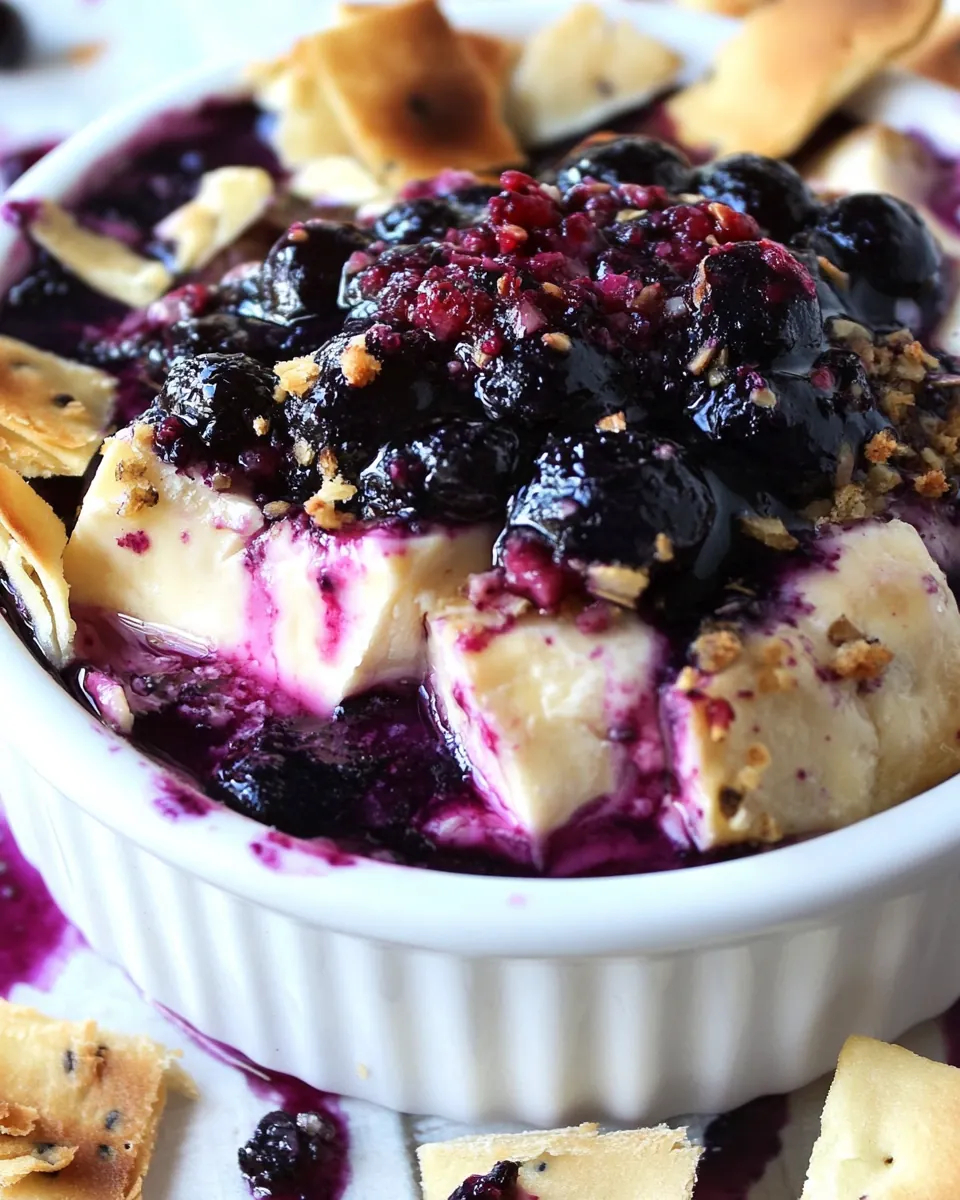
I pick ingredients that complement texture and sweetness. The star here is the brie, creamy and mild, while the blueberries provide a sweet acidic lift. A touch of sugar helps the berries transform into a syrup, a little water encourages them to release juice, and chopped pecans add toasted crunch. The bread is the delivery system, offering contrast in temperature and structure.
- 8 oz . brie cheese round/wheel: Softens and melts into a creamy base that balances sweet and savory flavors; place the wheel whole for baking or slice for serving. Adds rich, buttery texture and mild tang that complements the fruit topping and toasted bread.
- 1 cup fresh blueberries: Provides fresh, juicy bursts of sweet-tart flavor and vibrant color; gently warm or macerate to release juices that mingle with the sugar. Contributes antioxidants and a light, refreshing contrast to the rich cheese.
- 2 tbsp white granulated sugar: Sweetens and helps macerate the blueberries to create a syrupy glaze; dissolve with water over heat until it reaches a glossy consistency. Balances acidity and enhances the fruit’s natural sweetness without overpowering the brie.
- 2 tbsp water: Dissolves the sugar and helps form a thin syrup to coat the blueberries; add gradually and simmer briefly to concentrate flavors. Aids in creating a cohesive topping that adheres to the melted cheese.
- 2 tbsp pecans whole or chopped: Adds crunchy texture and nutty richness; toast briefly to intensify flavor and scatter over the warm brie for contrast. Complements the creaminess with earthy notes and provides a pleasant bite against the soft cheese.
- bread for serving: Serves as a vehicle for scooping and enjoying the warm brie and blueberry topping; choose crusty baguette slices or crackers for textural contrast. Offers crunchy support that completes each bite and soaks up the melted cheese and syrup.
The Process for Making Blueberry Brie
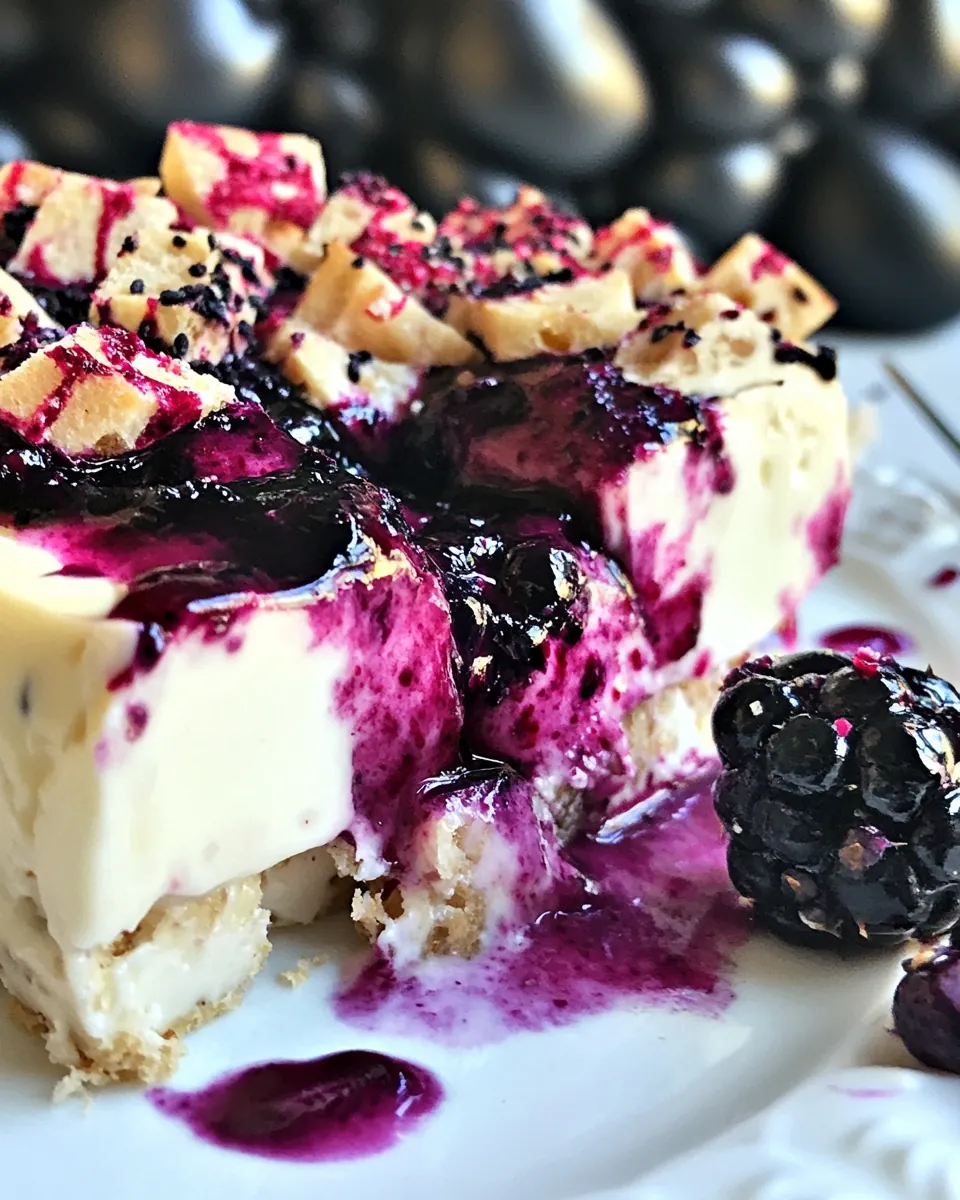
This recipe is wonderfully straightforward, and I like to speak directly about what to watch and why each moment matters. Keep your heat moderate so the brie warms through evenly as the blueberries transform into a saucy topping. Below I expand each step with sensory cues, reasoning, and simple troubleshooting so you can feel confident while cooking.
- Place brie cheese in the center of a large skillet. Score rind with a knife.: As you set the brie into the skillet you will notice a soft, cold heft from the wheel that will slowly change under heat. The skillet should be at room temperature before you add it, so the cheese warms gently rather than shocking the rind. You want to hear only the faintest sizzle if the pan is slightly warm, not a loud crackle, which would indicate too high heat. Why this matters, I explain because gradual warming allows the interior to soften evenly while the rind remains intact, holding the cheese for a pretty presentation. A common mistake is starting on high heat, which can cause the cheese to break and leak before the center becomes molten. If the skillet feels excessively hot, remove it from the burner for a minute to cool slightly before continuing.
- Sprinkle fresh blueberries, white sugar, and water around the brie in the pan. Gently stir blueberries.: Run the knife tip gently across the top of the brie to make shallow cuts in the rind, creating small channels for steam and heat to reach the interior. You should feel the slight resistance of the rind as the blade passes, and the lines will help any melt escape in a controlled way so it pools on top without collapsing the shape. This technique enhances both texture and appearance, allowing some creamy brie to mingle with toppings. Be cautious not to slice too deeply, as cutting through to the very center will let the cheese run out too quickly. If you cut too deep, press the rind gently back together to reduce leaking.
- Cover skillet and heat on stove over medium heat, stirring occasionally.: When you scatter the blueberries , sugar, and water around the cheese, listen for a soft patter as the fruit meets the pan, and notice the contrast between the cool berries and the warming surface. The sugar will begin to dissolve into the berry juices while the water prevents early scorching. This combination is crucial for producing a glossy sauce rather than a dried jam. One common oversight is adding too little liquid, causing berries to stick and burn; keep the small measured amount of water close by so you can drizzle a bit more if needed.
- Blueberries will bubble, pop, and boil.: As you stir the blueberries , you should hear a gentle swish and see the fruit soften and release color, turning the liquid around them into a deep purple hue. Use a silicone spatula or wooden spoon to nudge the berries without mashing them to oblivion, aiming for a mix of some whole berries and some that burst for texture. This step encourages even heating so all the berries transition at the same rate. Avoid over stirring, which can reduce the visual appeal and make the sauce too thin; if you over stir, allow a few minutes of undisturbed simmering to thicken slightly.
- Continue to cook until Brie cheese is melted and warm.: Once covered, steam will build gently under the lid, accelerating the melting of the brie while the blueberries simmer into syrup. You will notice a fragrant warm fruit aroma and a soft hiss of steam when you lift the lid to stir. Stirring occasionally ensures the fruit cooks evenly and the heat does not concentrate at the pan edges. The reason this step is important is it creates a uniform temperature environment, melting the cheese while preventing the fruit from burning. A frequent error is leaving the lid off and increasing the temperature to speed things up, which risks uneven melting and scorched berries; patience here yields a silkier result.
- Drizzle blueberry sauce on top of the brie cheese and sprinkle with pecans before serving.: As the fruit heats, expect small pops and delicate bursts that release fragrant, syrupy juices, and you may hear the soft snap as skins split. Visually the pan will become a lively mosaic of whole and broken berries in a shimmering sauce. These cues mean the sugar and water are doing their job, concentrating flavors as water evaporates. Smell for a rich berry perfume, and watch the sauce thicken slightly; that tacky consistency indicates it will cling to the brie when spooned. A common mistake is letting the boil turn too vigorous, which can break down the fruit into an overly thin compote; lower the heat if the bubbling becomes rapid.
- Serve warm with crusty bread or crackers for dipping.: At this point the center of the brie should give under a spoon and the surface will look glossy and slightly domed where it softens. Check by pressing gently on the rind with a spoon, feeling for a warm, yielding interior. The slow, even heat produces a smooth, molten texture that peels away beautifully with bread. If the cheese is still firm, keep covered for a couple more minutes, watching carefully so the fruit does not over reduce. A typical error is removing it too early, yielding a lukewarm center; allow a little extra time for full creaminess if needed.
- Drizzle blueberry sauce on top of the brie cheese and sprinkle with pecans before serving: Spoon the glossy blueberry mixture over the softened brie , letting some cascade down the sides. Then scatter the chopped pecans for a tactile contrast. The final presentation should glisten, and the nutty aroma will lift the dish. This layering enhances both taste and texture while signaling the dish is ready to eat. One thing to avoid is adding the nuts too early, which will soften them; add them just before serving to maintain bite and crunch.
- Serve warm with crusty bread or crackers for dipping: Bring the skillet to the table while the cheese is still warm and soft so guests can dig in. The sound of toasted bread meeting the spooned cheese and the tactile resistance of a crusty slice are part of the enjoyment, and warm temperature maximizes the contrast of creamy and crunchy. If you leave it too long, the cheese will firm up and lose that lovely ooze, so time the plating with your guests arriving. A common slip is letting it cool entirely before serving, which reduces the sensory impact; a quick rewarm on low heat is an easy fix if it cools too much.
Pro Tips and Tweaks
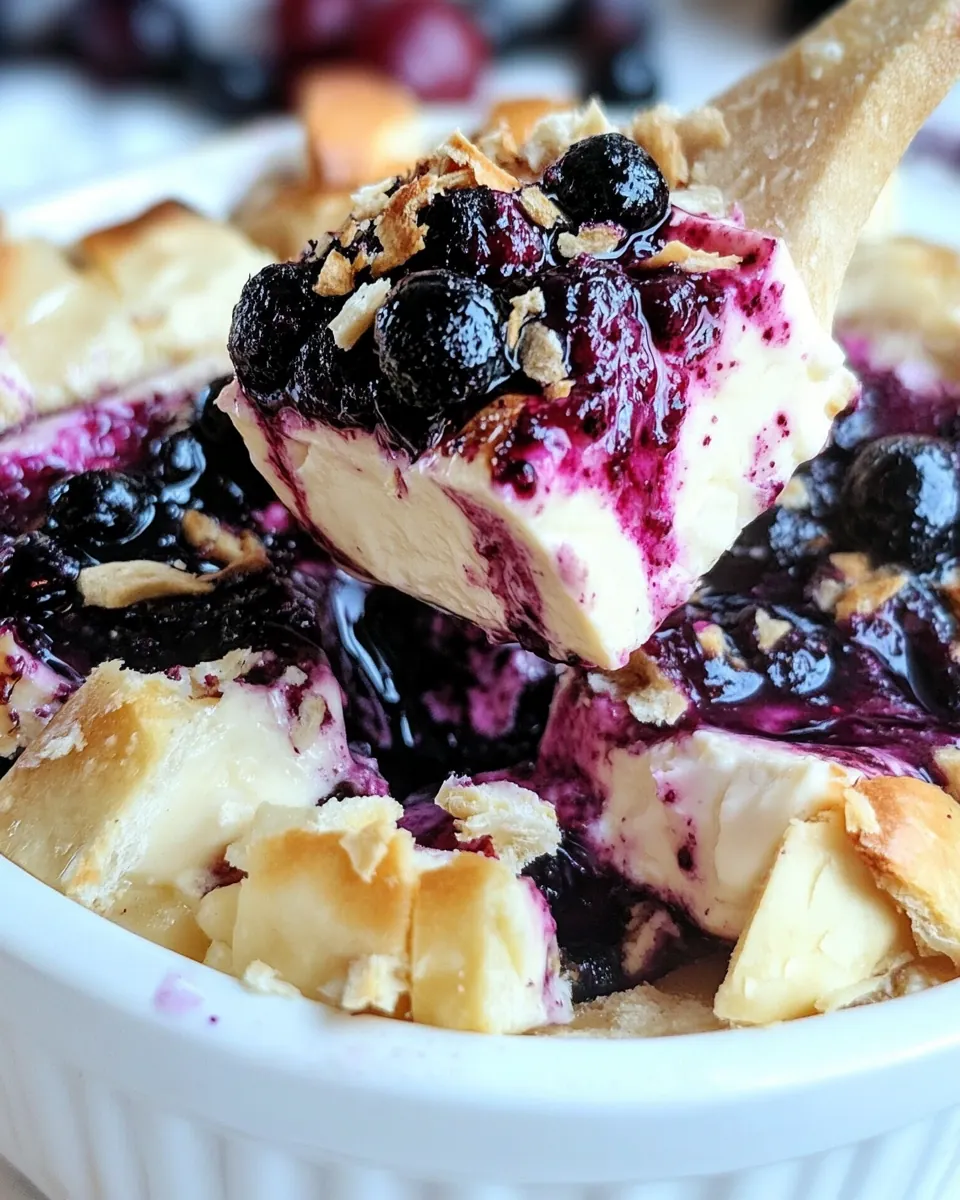
I like to keep a few trusted tweaks in my pocket when making Blueberry Brie. These small adjustments help personalize flavor, texture, and presentation without changing the heart of the recipe. Below are expanded tips that have helped me each time I prepare this dish.
- Add a drizzle of honey to finish, as it introduces a floral sweetness that rounds the fruit and cheese beautifully, layering complexity without overpowering the delicate brie.
- Squeeze of lemon brightens the blueberries and cuts richness, just a few drops lifted with zest will make the flavors pop and keep the sauce from tasting overly sweet.
- Toast the pecans briefly in a dry skillet first to amplify their aroma, which enhances the nutty contrast against the creamy brie and jammy blueberries.
- Score lightly across the top of the brie so the interior softens evenly while keeping a pleasing presentation on the plate when served.
- Choose ripe berries for the best flavor, since underripe blueberries will need more sugar to balance and may not create as bright a sauce.
- Use thick slices of bread that can support scoops of melted cheese and sauce, as thin crackers may tear or become soggy with generous servings.
Accompaniments for Blueberry Brie
Blueberry Brie pairs well with a variety of sides and occasions, and thoughtful serving makes it shine. Whether for a casual snack or a holiday starter, the right accompaniments elevate the experience. Below are serving suggestions and storage notes to help you plan.
- Toasted baguette slices make a sturdy base for scooping the warm brie and sauce, and their crunchy texture contrasts the creamy center.
- Crackers with seeds add an earthy crunch and visual interest, perfect for a composed appetizer spread that invites grazing.
- Fresh fruit like sliced pears or apple wedges offers crisp, cool bites that balance the warm, rich cheese when served alongside the skillet.
- Small salad of mixed greens dressed lightly can refresh the palate between rich bites, providing a bright counterpoint suitable for lunch or dinner service.
- Occasion: This dish is excellent for casual get togethers, date nights, and festive starters during holiday gatherings where a warm, shareable plate sets a convivial tone.
- Storage: If you have leftovers, cover and refrigerate for up to two days. Rewarm gently in a low oven until the center becomes soft again, then finish with a fresh spoonful of warm blueberry sauce and nuts prior to serving.
- Seasonal pairings work well because the recipe is light enough for spring and summer brunches, yet comforting enough for fall and winter evenings where warm, melted cheese is especially welcome.
FAQ
Conclusion
What makes this recipe special is the effortless combination of warm, creamy brie and sweet, bubbling blueberries that creates a delicious contrast in both texture and flavor. Give it a try the next time you want a simple, impressive appetizer that requires minimal hands on time yet delivers maximum enjoyment. Share it with friends or savor it as a cozy solo treat, and notice how a few pantry staples can turn into a memorable, comforting bite.
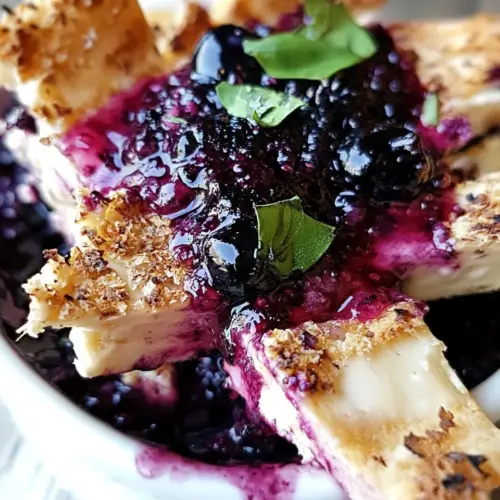
Blueberry Brie
Equipment
- Large Skillet
- Knife
- Spatula
Ingredients
- 8 oz . brie cheese round/wheel Softens and melts into a creamy base that balances sweet and savory flavors; place the wheel whole for baking or slice for serving. Adds rich, buttery texture and mild tang that complements the fruit topping and toasted bread.
- 1 cup fresh blueberries Provides fresh, juicy bursts of sweet-tart flavor and vibrant color; gently warm or macerate to release juices that mingle with the sugar. Contributes antioxidants and a light, refreshing contrast to the rich cheese.
- 2 tbsp white granulated sugar Sweetens and helps macerate the blueberries to create a syrupy glaze; dissolve with water over heat until it reaches a glossy consistency. Balances acidity and enhances the fruit’s natural sweetness without overpowering the brie.
- 2 tbsp water Dissolves the sugar and helps form a thin syrup to coat the blueberries; add gradually and simmer briefly to concentrate flavors. Aids in creating a cohesive topping that adheres to the melted cheese.
- 2 tbsp pecans whole or chopped Adds crunchy texture and nutty richness; toast briefly to intensify flavor and scatter over the warm brie for contrast. Complements the creaminess with earthy notes and provides a pleasant bite against the soft cheese.
- bread for serving Serves as a vehicle for scooping and enjoying the warm brie and blueberry topping; choose crusty baguette slices or crackers for textural contrast. Offers crunchy support that completes each bite and soaks up the melted cheese and syrup.
Instructions
- Place brie cheese in the center of a large skillet. Score rind with a knife.: As you set the brie into the skillet you will notice a soft, cold heft from the wheel that will slowly change under heat. The skillet should be at room temperature before you add it, so the cheese warms gently rather than shocking the rind. You want to hear only the faintest sizzle if the pan is slightly warm, not a loud crackle, which would indicate too high heat. Why this matters, I explain because gradual warming allows the interior to soften evenly while the rind remains intact, holding the cheese for a pretty presentation. A common mistake is starting on high heat, which can cause the cheese to break and leak before the center becomes molten. If the skillet feels excessively hot, remove it from the burner for a minute to cool slightly before continuing.
- Sprinkle fresh blueberries, white sugar, and water around the brie in the pan. Gently stir blueberries.: Run the knife tip gently across the top of the brie to make shallow cuts in the rind, creating small channels for steam and heat to reach the interior. You should feel the slight resistance of the rind as the blade passes, and the lines will help any melt escape in a controlled way so it pools on top without collapsing the shape. This technique enhances both texture and appearance, allowing some creamy brie to mingle with toppings. Be cautious not to slice too deeply, as cutting through to the very center will let the cheese run out too quickly. If you cut too deep, press the rind gently back together to reduce leaking.
- Cover skillet and heat on stove over medium heat, stirring occasionally.: When you scatter the blueberries , sugar, and water around the cheese, listen for a soft patter as the fruit meets the pan, and notice the contrast between the cool berries and the warming surface. The sugar will begin to dissolve into the berry juices while the water prevents early scorching. This combination is crucial for producing a glossy sauce rather than a dried jam. One common oversight is adding too little liquid, causing berries to stick and burn; keep the small measured amount of water close by so you can drizzle a bit more if needed.
- Blueberries will bubble, pop, and boil.: As you stir the blueberries , you should hear a gentle swish and see the fruit soften and release color, turning the liquid around them into a deep purple hue. Use a silicone spatula or wooden spoon to nudge the berries without mashing them to oblivion, aiming for a mix of some whole berries and some that burst for texture. This step encourages even heating so all the berries transition at the same rate. Avoid over stirring, which can reduce the visual appeal and make the sauce too thin; if you over stir, allow a few minutes of undisturbed simmering to thicken slightly.
- Continue to cook until Brie cheese is melted and warm.: Once covered, steam will build gently under the lid, accelerating the melting of the brie while the blueberries simmer into syrup. You will notice a fragrant warm fruit aroma and a soft hiss of steam when you lift the lid to stir. Stirring occasionally ensures the fruit cooks evenly and the heat does not concentrate at the pan edges. The reason this step is important is it creates a uniform temperature environment, melting the cheese while preventing the fruit from burning. A frequent error is leaving the lid off and increasing the temperature to speed things up, which risks uneven melting and scorched berries; patience here yields a silkier result.
- Drizzle blueberry sauce on top of the brie cheese and sprinkle with pecans before serving.: As the fruit heats, expect small pops and delicate bursts that release fragrant, syrupy juices, and you may hear the soft snap as skins split. Visually the pan will become a lively mosaic of whole and broken berries in a shimmering sauce. These cues mean the sugar and water are doing their job, concentrating flavors as water evaporates. Smell for a rich berry perfume, and watch the sauce thicken slightly; that tacky consistency indicates it will cling to the brie when spooned. A common mistake is letting the boil turn too vigorous, which can break down the fruit into an overly thin compote; lower the heat if the bubbling becomes rapid.
- Serve warm with crusty bread or crackers for dipping.: At this point the center of the brie should give under a spoon and the surface will look glossy and slightly domed where it softens. Check by pressing gently on the rind with a spoon, feeling for a warm, yielding interior. The slow, even heat produces a smooth, molten texture that peels away beautifully with bread. If the cheese is still firm, keep covered for a couple more minutes, watching carefully so the fruit does not over reduce. A typical error is removing it too early, yielding a lukewarm center; allow a little extra time for full creaminess if needed.
- Drizzle blueberry sauce on top of the brie cheese and sprinkle with pecans before serving: Spoon the glossy blueberry mixture over the softened brie , letting some cascade down the sides. Then scatter the chopped pecans for a tactile contrast. The final presentation should glisten, and the nutty aroma will lift the dish. This layering enhances both taste and texture while signaling the dish is ready to eat. One thing to avoid is adding the nuts too early, which will soften them; add them just before serving to maintain bite and crunch.
- Serve warm with crusty bread or crackers for dipping: Bring the skillet to the table while the cheese is still warm and soft so guests can dig in. The sound of toasted bread meeting the spooned cheese and the tactile resistance of a crusty slice are part of the enjoyment, and warm temperature maximizes the contrast of creamy and crunchy. If you leave it too long, the cheese will firm up and lose that lovely ooze, so time the plating with your guests arriving. A common slip is letting it cool entirely before serving, which reduces the sensory impact; a quick rewarm on low heat is an easy fix if it cools too much.
Notes
- Add a drizzle of honey to finish, as it introduces a floral sweetness that rounds the fruit and cheese beautifully, layering complexity without overpowering the delicate brie.
- Squeeze of lemon brightens the blueberries and cuts richness, just a few drops lifted with zest will make the flavors pop and keep the sauce from tasting overly sweet.
- Toast the pecans briefly in a dry skillet first to amplify their aroma, which enhances the nutty contrast against the creamy brie and jammy blueberries.
- Score lightly across the top of the brie so the interior softens evenly while keeping a pleasing presentation on the plate when served.
- Choose ripe berries for the best flavor, since underripe blueberries will need more sugar to balance and may not create as bright a sauce.
- Use thick slices of bread that can support scoops of melted cheese and sauce, as thin crackers may tear or become soggy with generous servings.