Sunnyside Salad
Sunnyside Salad landed on my table on a sleepy spring morning when I had nothing planned except a stubborn craving for something bright, warm, and comforting all at once.
I remember balancing a hot skillet in one hand and a bowl of crisp greens in the other, smiling at the tiny drama of eggs sizzling into golden lace. The mix of textures convinced me this was a keeper, an easy way to feel nourished without a fuss. Over time, I shifted a few small habits to make the salad reliably excellent, like using a tiny spoon to baste the whites and leaning into the natural vinaigrette created by yolk plus acid.
Friends began asking for the recipe after noticing how the runny yolk transformed the salad into something almost decadent but still wholesome. There’s a comforting ritual to it, and the method rewards attention with each bite. I love how minimal the prep is, yet how layered the result feels, especially when seasons change and you want a quick meal that still tastes intentional.
Recipe Snapshot
10 mins
5 mins
5 mins
Medium
350 kcal
American
Paleo, Whole30
Salads
Cast iron skillet, Offset spoon, Fish spatula, Vegetable peeler
What Makes This Sunnyside Salad Special
Fast satisfying contrast of textures
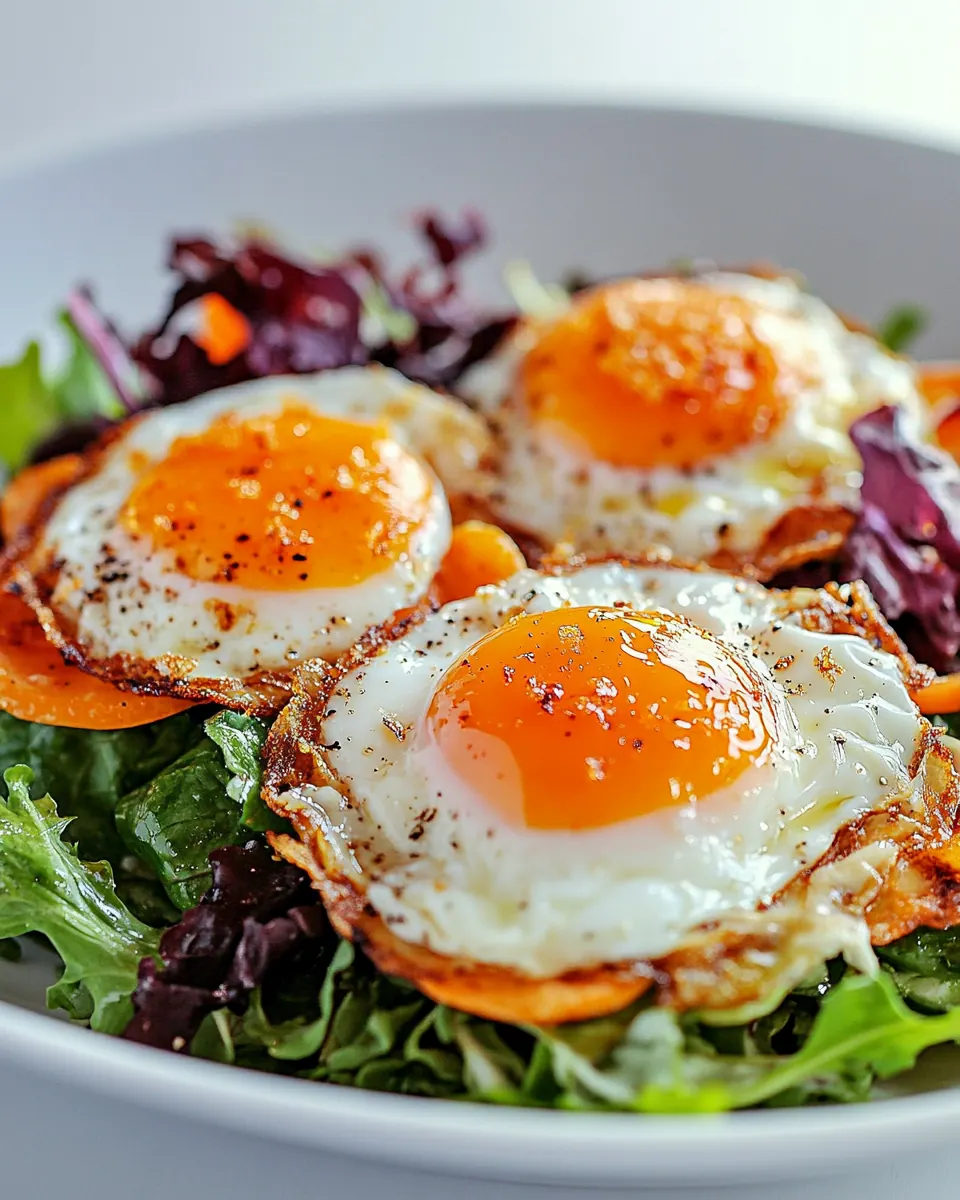
I adore how Sunnyside Salad pairs the crispness of fresh salad mix with the delicate crisp edges of fried eggs. The contrast is immediate, from the crunchy greens to the pillowy yolk that creates a silky dressing. I often find myself savoring how each bite shifts between crunchy and creamy, which keeps the dish endlessly interesting.
Minimal ingredients, maximum impact
We only need a handful of pantry-friendly items to make a salad that feels special. This simplicity lets each component sing, whether it is the nutty warmth of melted ghee or the bright acid of aged vinegar. I recommend leaning into quality for the few ingredients you do use, because they carry the whole dish.
Quick to assemble, perfect for any meal
I reach for Sunnyside Salad when time is short but I still want something nourishing. It comes together in a flash, and that makes it ideal for mornings when you want a proper meal, or for light lunches when you need to get back to work. The technique is straightforward, but it rewards small attentions, like a screaming hot skillet for crisp edges.
A flexible, season friendly recipe
I love that this salad adapts easily to seasonal greens. In spring I enjoy peppery baby leaves, while in other seasons you could swap in sturdier mixes. The core idea stays the same, so you can customize without losing what makes the recipe special.
Comfort without heaviness
There is something quietly indulgent about runny yolk dressing a bowl of fresh salad mix, yet it never feels heavy. For days when you want comfort but also freshness, Sunnyside Salad is a perfect middle ground, and that balance is why I keep coming back to it.
What’s In This Sunnyside Salad
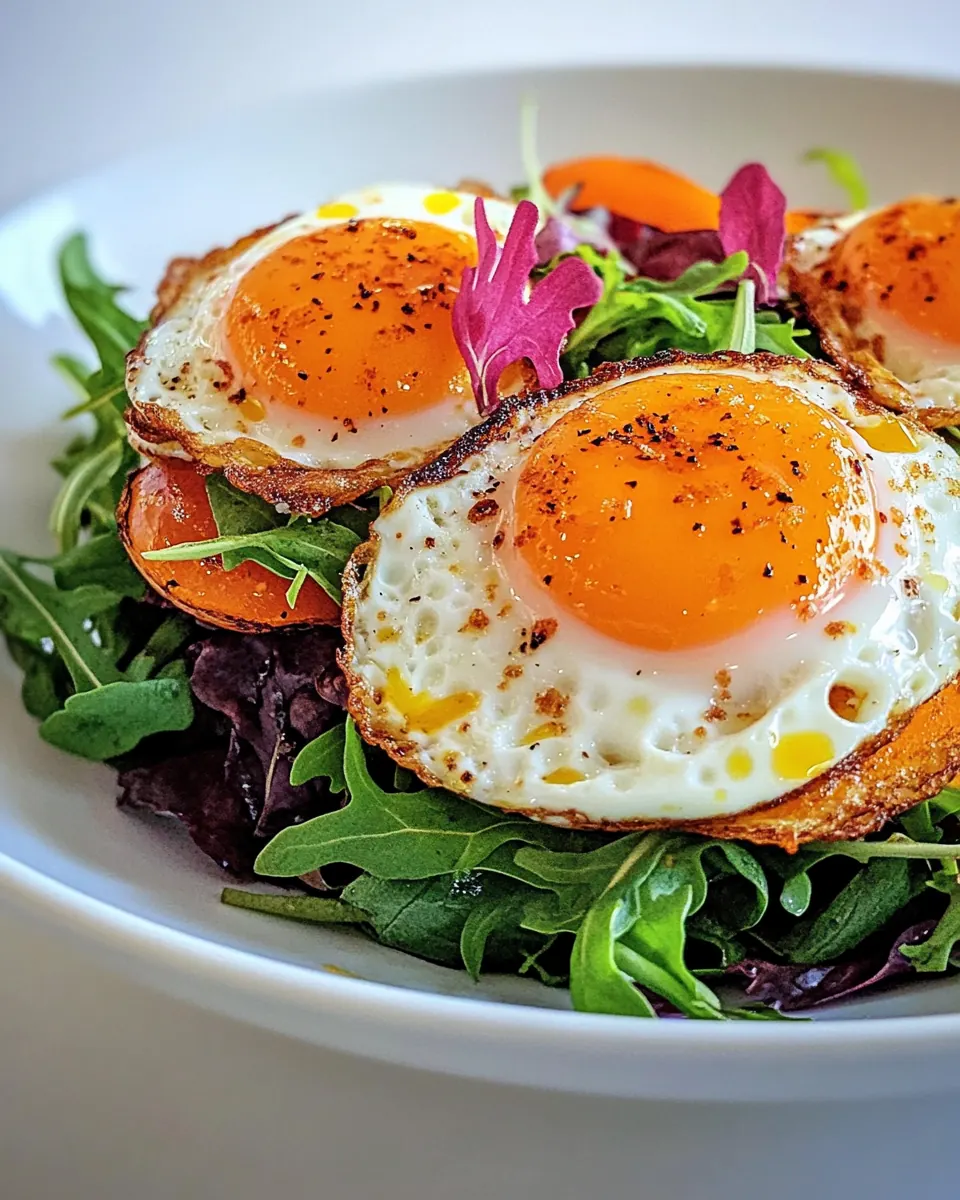
These ingredients are chosen to create a straightforward harmony: crisp, fresh greens act as the base, while a few hot, simple touches add richness and seasoning. The key players here are the leafy salad mix, the crunchy freshness of a peeled carrot, the rich mouthfeel from melted ghee, and the luxurious texture of fried eggs. A little acidity and seasoning pull everything together into a satisfying bite.
- 2 cups salad mix: Provide a crisp, varied base for the salad, offering leafy texture and mild bitterness that contrasts cooked elements. Adds volume and nutrients like fiber and vitamins, helping the dish feel light yet satisfying. Combines well with warm eggs and ghee to create textural contrast.
- 1 large carrot peeled: Add sweet, earthy crunch and bright color when thinly sliced or shredded; peeled preparation removes bitterness from the skin. Supplies beta-carotene and moisture that balances the richness of fried eggs and ghee. Works well tossed with dressing to integrate flavors.
- 1 heaping tablespoon ghee: Impart a rich, nutty cooking fat ideal for frying eggs and coating greens with flavor. Contributes deep buttery notes and a high smoke point, enhancing aroma without burning. Helps crisp carrot edges and lightly sautés salad mix when used sparingly.
- 2 large eggs: Cook until edges are set and yolks slightly runny to provide creamy richness and protein for the salad. Offer silky texture when cut into the greens, melding with ghee and dressing for a satisfying mouthfeel. Browning whites adds savory depth and visual appeal.
- Flake sea salt: Enhance overall flavors by lifting natural sweetness and intensifying savory components with delicate salinity. Use sparingly to balance richness from eggs and ghee without overpowering the salad mix. Complements vinegar in the dressing to create depth.
- Freshly ground black pepper: Season with sharp, aromatic heat to brighten and contrast the richer elements in the dish. Freshly ground form delivers more complex, volatile oils than pre-ground, improving aroma and flavor. Sprinkle to taste for an immediate flavor lift.
- All-Purpose Stir-Fry Sauce aged sherry vinegar or balsamic vinegar: Brighten and acidify the salad with tangy complexity that cuts through fat and ties components together. Use aged sherry vinegar for nutty sweetness or balsamic for rounded fruitiness, depending on desired profile. Incorporate sparingly into a simple dressing to balance ghee and egg richness.
Putting Together Sunnyside Salad
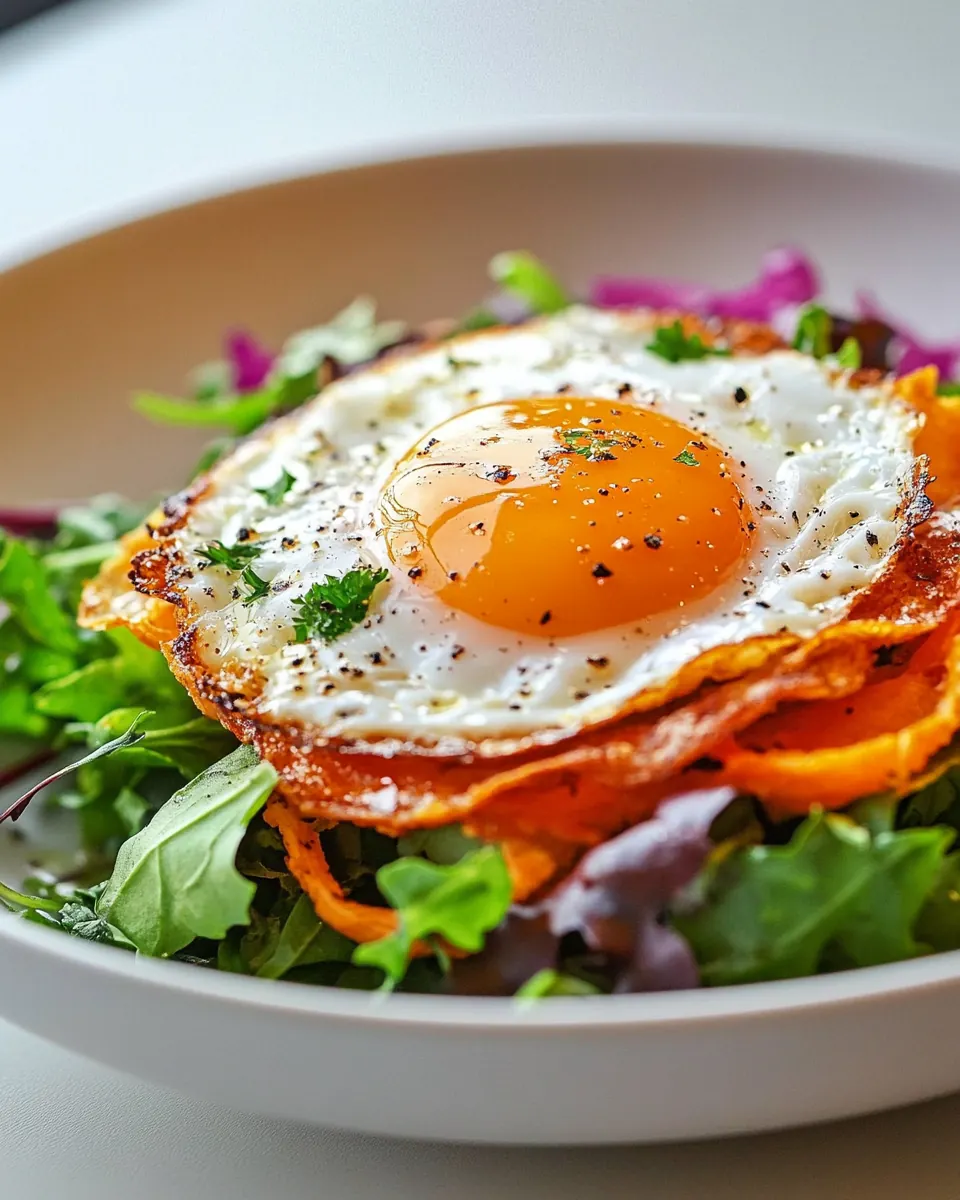
This comes together in very few moves, but I like to approach it like a small performance. Keep the skillet smoking hot, assemble the bowl, and finish with a controlled drizzle so the yolk and vinegar can do their magic. Below are the steps I follow every time, expanded with sensory cues and troubleshooting tips so you know what to expect.
- Heat a small cast iron skillet on high. Get it super hot before you start cooking your eggs.: The aroma of a screaming hot skillet is immediate, a dry metallic note that promises crisping. You want the surface to shimmer and feel radiantly hot when you hover your hand a few inches above it. This high heat creates instant blistering along the egg whites, which is essential for that lacy, golden edge. A common mistake is starting with a cool pan, which leads to rubbery whites, so be patient and give the skillet time to reach temperature. If it smokes a little, that is fine, but don’t leave it unattended for safety.
- In the meantime, pile some salad greens into a bowl.: The greens should feel cool and slightly springy, a contrast to the hot pan. Toss them gently so they sit evenly and can catch the yolk when you nest the eggs on top later. Doing this while the pan heats saves time and keeps everything warm and fresh. Avoid overdressing the greens now, because the hot yolk will provide its own dressing and you want the leaves to absorb that, not become soggy.
- If you’re feeling fancy, use a vegetable peeler to shred some carrots on top of the lettuce.: As you shave thin ribbons, they release a faint sweet, earthy scent. Thin ribbons mingle well with the leaves and add bright color and pleasing crunch. A thicker shred can feel clumsy against the delicate greens, so take your time to produce fine ribbons. One pitfall is applying too much pressure on the peeler, which creates thicker pieces and wastes the elegant texture you’re aiming for.
- Once the skillet is screaming hot, add a big dollop of ghee.: The ghee will instantly melt and release a warm, nutty aroma, but it will not foam like butter. Watch for a glossy puddle that moves fluidly across the pan when you tilt it. This sizzling fat is crucial because it conducts intense heat to the whites and contributes a rich flavor note. If you add too little, the eggs may stick; too much can make the edges overly greasy. Aim for a shallow pool that coats the surface.
- Crack two eggs into a small bowl and pour them into the hot skillet.: The sound is a satisfying sizzle, and you will see the whites begin to set at the edges almost immediately. Cracking into a bowl first ensures you can slide the eggs gently into the pan without breaking yolks or splattering. A common error is cracking directly into the pan, which increases the chance of broken yolks or stray shell. If the eggs spread too much, the pan might not be hot enough or the skillet could be too large for the amount of fat, so adjust accordingly.
- The whites touching the skillet will blister and cook right away, but the raised whites near the yolk need a little extra help to cook through. Tilt the skillet away from you (so the ghee doesn’t splatter on you and your pretty clothes), and use an offset spoon to baste the whites with the hot ghee. Remember to use a towel or wear an oven mitt when you grab the handle of the skillet.: The act of basting sends hot, shimmering fat over the tops of the whites, giving them even cooking and encouraging the edges to brown without overcooking the yolk. You will see tiny bubbles and smell a deeper toasty note as the proteins set. If you skip basting, the top whites can remain translucent and underdone. Be careful when tilting the pan to avoid splatter, and always protect your hand holding the handle, because cast iron retains intense heat.
- Once the whites on top are set, turn off the heat.: You want the whites fully opaque and slightly firm to the touch, yet the yolk should still wobble when nudged. Turning off the burner lets the residual heat finish cooking without pushing the yolk to harden. The smell will mellow into a gentle roasted note rather than a high heat sear. Watch for overcooking, which dries the yolk and removes the luxuriousness that makes this salad special.
- When you peek underneath, the eggs should be crispy and golden brown.: Lift the edge with a spatula to inspect; the underside should be a warm amber with lacy fringes where the white blistered. That crispness adds an irresistible textural counterpoint to the greens. If the underside is pale, the pan wasn’t hot enough; if it’s very dark and bitter, the pan was too hot or the fat burned. Aim for a clear golden tone and a sound like gentle crackling when you nudge the egg.
- Remove the eggs with a fish spatula and place them on top of your salad. Season to taste with salt and pepper and drizzle on All-Purpose Stir-Fry Sauce or your favorite aged vinegar.: Slide the eggs carefully so you keep the yolks intact; the moment the yolk breaks and mingles with the greens is pure magic. Seasoning right after plating allows the salt crystals to dissolve slightly on contact, giving tiny pops of flavor. Use vinegar sparingly and taste as you go, because the acidity concentrates on the warm yolk and greens, creating a dressing. A common slip is adding too much vinegar at once, which can overwhelm the calm balance between fat and acid.
- The slightly sweet zing of All-Purpose Stir-Fry Sauce or aged vinegar ties the dish together—and when combined with the soft yolk, it’ll make an instant salad dressing. (Acid plus fat = dressing!): This is the final sensory payoff, where bright vinegar and savory sauce meet molten yolk to coat the leaves and carrot ribbons with a glossy, flavorful sheen. You will notice a layered taste: salt, sweet, acid, and buttery richness. If the dressing seems too sharp, a tiny additional dot of ghee or another yolk can smooth it. Conversely, if it feels flat, a few more drops of vinegar will sharpen the profile.
Pro Tips and Tweaks
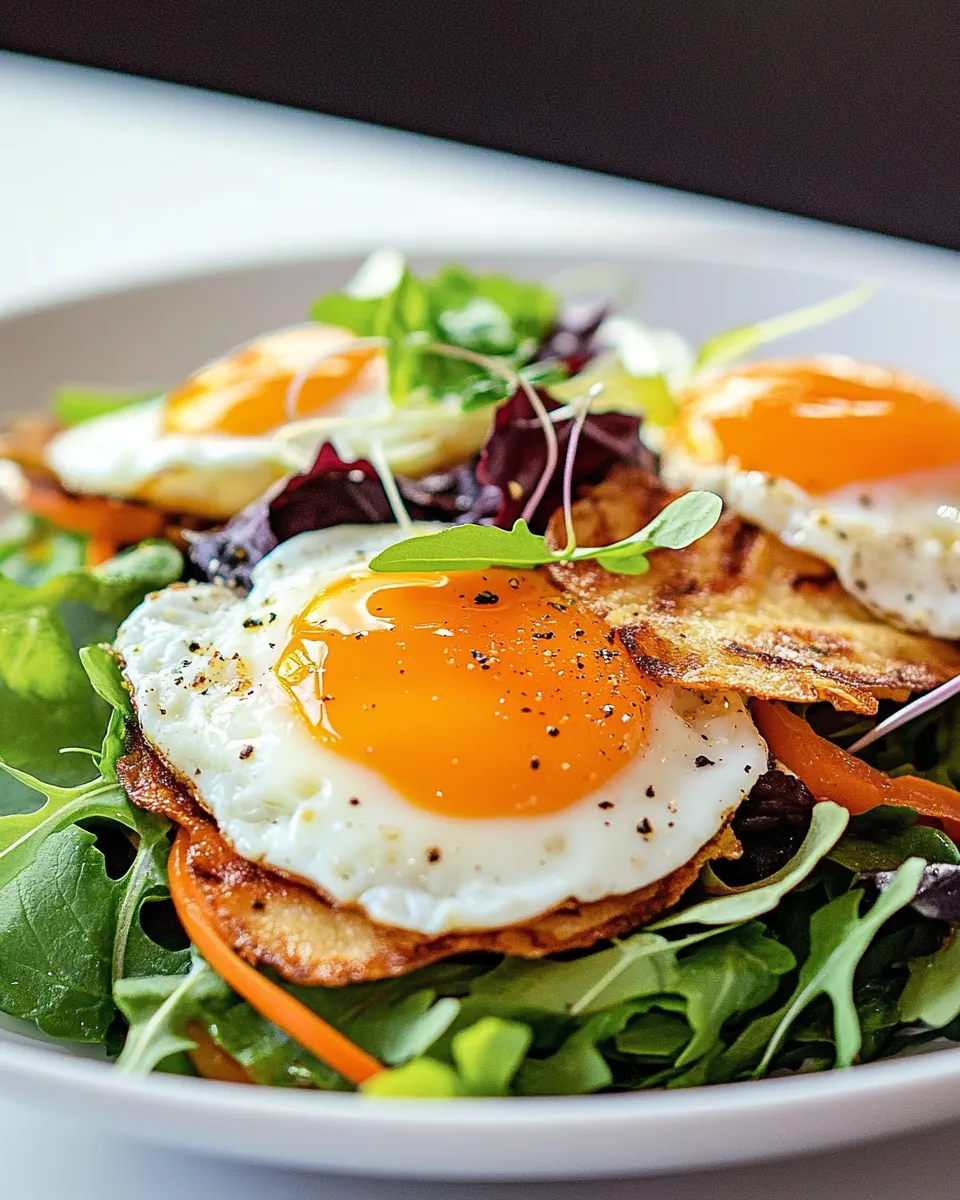
This little introduction shares a few practical ideas to elevate your Sunnyside Salad. I like to focus on heat control, presentation, and using the yolk as dressing. Below are detailed tips to make each attempt better than the last.
- Hot pan is non negotiable. A screaming hot cast iron skillet creates the lacy crispy edges on the eggs that contrast beautifully with the fresh salad mix. If your pan is lukewarm the whites will spread and become rubbery instead of blistering.
- Prep everything first. Have the salad mix and shaved carrot ready before the eggs go in, because the eggs cook fast and plating while hot preserves texture and temperature balance.
- Use a shallow pool of warm ghee. This provides flavor and helps crisp, but avoid drowning the egg, which can make the edges greasy. A heaping tablespoon is usually ideal for a small skillet.
- Baste gently with an offset spoon. Basting ensures the tops of the whites cook without flipping or overcooking the yolk, and prevents underdone translucent areas near the yolk.
- Season at the end. Flake sea salt and freshly ground black pepper give the best finish because they deliver texture and aroma that change as soon as they hit the warm surface.
Serving Suggestions
This intro outlines how to present and enjoy Sunnyside Salad across meals and occasions. The serving approach highlights simple sides, occasions where it shines, and storage suggestions for leftovers.
- Light lunch centerpiece. Serve the salad as a solo light lunch, pairing it with crusty bread if you want extra chew. The warm yolk acts like a dressing, so you do not need much else on the plate.
- Spring brunch favorite. This works beautifully for a casual spring brunch, placed alongside a pot of tea or coffee. Its fresh greens and warm eggs make it seasonally appropriate and satisfying.
- Weeknight supper option. When you want something quick and nourishing for dinner, this salad is an excellent go to. It fills the plate without making you feel heavy, perfect for an easy evening meal.
- Storage tips for leftover components. Keep any extra salad mix refrigerated in a dry container and store leftover cooked eggs separately; crisp edges will soften, so reheat quickly in a hot skillet to revive texture.
- Occasion pairing. This salad suits casual gatherings where you want individual servings that feel homey yet refined, like a small brunch with friends or a light dinner after fasting days.
FAQ
Conclusion
What makes this recipe special is the way warm, crispy eggs transform a simple bowl of greens into something soulful yet light. It is an elegant little ritual that yields a lot of comfort with very little fuss, so you can have a nourishing meal even on busy days. Give it a try the next time you want a quick, satisfying dish that feels both homey and intentional, and enjoy how a runny yolk can elevate ordinary salad into a memorable plate.
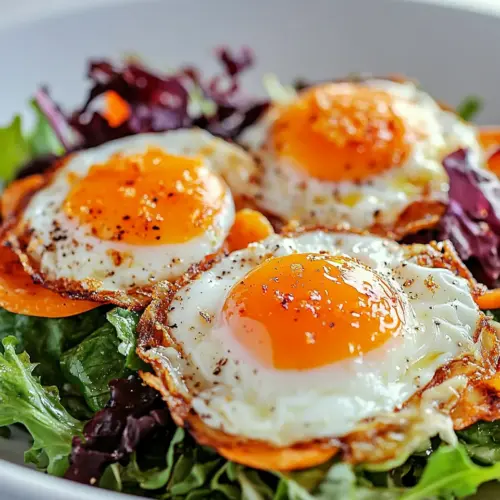
Sunnyside Salad
Equipment
- Cast-Iron Skillet
- Offset spoon
- Fish spatula
- Vegetable Peeler
Ingredients
- 2 cups salad mix Provide a crisp, varied base for the salad, offering leafy texture and mild bitterness that contrasts cooked elements. Adds volume and nutrients like fiber and vitamins, helping the dish feel light yet satisfying. Combines well with warm eggs and ghee to create textural contrast.
- 1 large carrot peeled Add sweet, earthy crunch and bright color when thinly sliced or shredded; peeled preparation removes bitterness from the skin. Supplies beta-carotene and moisture that balances the richness of fried eggs and ghee. Works well tossed with dressing to integrate flavors.
- 1 heaping tablespoon ghee Impart a rich, nutty cooking fat ideal for frying eggs and coating greens with flavor. Contributes deep buttery notes and a high smoke point, enhancing aroma without burning. Helps crisp carrot edges and lightly sautés salad mix when used sparingly.
- 2 large eggs Cook until edges are set and yolks slightly runny to provide creamy richness and protein for the salad. Offer silky texture when cut into the greens, melding with ghee and dressing for a satisfying mouthfeel. Browning whites adds savory depth and visual appeal.
- Flake sea salt Enhance overall flavors by lifting natural sweetness and intensifying savory components with delicate salinity. Use sparingly to balance richness from eggs and ghee without overpowering the salad mix. Complements vinegar in the dressing to create depth.
- Freshly ground black pepper Season with sharp, aromatic heat to brighten and contrast the richer elements in the dish. Freshly ground form delivers more complex, volatile oils than pre-ground, improving aroma and flavor. Sprinkle to taste for an immediate flavor lift.
- All-Purpose Stir-Fry Sauce aged sherry vinegar or balsamic vinegar Brighten and acidify the salad with tangy complexity that cuts through fat and ties components together. Use aged sherry vinegar for nutty sweetness or balsamic for rounded fruitiness, depending on desired profile. Incorporate sparingly into a simple dressing to balance ghee and egg richness.
Instructions
- Heat a small cast iron skillet on high. Get it super hot before you start cooking your eggs.: The aroma of a screaming hot skillet is immediate, a dry metallic note that promises crisping. You want the surface to shimmer and feel radiantly hot when you hover your hand a few inches above it. This high heat creates instant blistering along the egg whites, which is essential for that lacy, golden edge. A common mistake is starting with a cool pan, which leads to rubbery whites, so be patient and give the skillet time to reach temperature. If it smokes a little, that is fine, but don’t leave it unattended for safety.
- In the meantime, pile some salad greens into a bowl.: The greens should feel cool and slightly springy, a contrast to the hot pan. Toss them gently so they sit evenly and can catch the yolk when you nest the eggs on top later. Doing this while the pan heats saves time and keeps everything warm and fresh. Avoid overdressing the greens now, because the hot yolk will provide its own dressing and you want the leaves to absorb that, not become soggy.
- If you’re feeling fancy, use a vegetable peeler to shred some carrots on top of the lettuce.: As you shave thin ribbons, they release a faint sweet, earthy scent. Thin ribbons mingle well with the leaves and add bright color and pleasing crunch. A thicker shred can feel clumsy against the delicate greens, so take your time to produce fine ribbons. One pitfall is applying too much pressure on the peeler, which creates thicker pieces and wastes the elegant texture you’re aiming for.
- Once the skillet is screaming hot, add a big dollop of ghee.: The ghee will instantly melt and release a warm, nutty aroma, but it will not foam like butter. Watch for a glossy puddle that moves fluidly across the pan when you tilt it. This sizzling fat is crucial because it conducts intense heat to the whites and contributes a rich flavor note. If you add too little, the eggs may stick; too much can make the edges overly greasy. Aim for a shallow pool that coats the surface.
- Crack two eggs into a small bowl and pour them into the hot skillet.: The sound is a satisfying sizzle, and you will see the whites begin to set at the edges almost immediately. Cracking into a bowl first ensures you can slide the eggs gently into the pan without breaking yolks or splattering. A common error is cracking directly into the pan, which increases the chance of broken yolks or stray shell. If the eggs spread too much, the pan might not be hot enough or the skillet could be too large for the amount of fat, so adjust accordingly.
- The whites touching the skillet will blister and cook right away, but the raised whites near the yolk need a little extra help to cook through. Tilt the skillet away from you (so the ghee doesn’t splatter on you and your pretty clothes), and use an offset spoon to baste the whites with the hot ghee. Remember to use a towel or wear an oven mitt when you grab the handle of the skillet.: The act of basting sends hot, shimmering fat over the tops of the whites, giving them even cooking and encouraging the edges to brown without overcooking the yolk. You will see tiny bubbles and smell a deeper toasty note as the proteins set. If you skip basting, the top whites can remain translucent and underdone. Be careful when tilting the pan to avoid splatter, and always protect your hand holding the handle, because cast iron retains intense heat.
- Once the whites on top are set, turn off the heat.: You want the whites fully opaque and slightly firm to the touch, yet the yolk should still wobble when nudged. Turning off the burner lets the residual heat finish cooking without pushing the yolk to harden. The smell will mellow into a gentle roasted note rather than a high heat sear. Watch for overcooking, which dries the yolk and removes the luxuriousness that makes this salad special.
- When you peek underneath, the eggs should be crispy and golden brown.: Lift the edge with a spatula to inspect; the underside should be a warm amber with lacy fringes where the white blistered. That crispness adds an irresistible textural counterpoint to the greens. If the underside is pale, the pan wasn’t hot enough; if it’s very dark and bitter, the pan was too hot or the fat burned. Aim for a clear golden tone and a sound like gentle crackling when you nudge the egg.
- Remove the eggs with a fish spatula and place them on top of your salad. Season to taste with salt and pepper and drizzle on All-Purpose Stir-Fry Sauce or your favorite aged vinegar.: Slide the eggs carefully so you keep the yolks intact; the moment the yolk breaks and mingles with the greens is pure magic. Seasoning right after plating allows the salt crystals to dissolve slightly on contact, giving tiny pops of flavor. Use vinegar sparingly and taste as you go, because the acidity concentrates on the warm yolk and greens, creating a dressing. A common slip is adding too much vinegar at once, which can overwhelm the calm balance between fat and acid.
- The slightly sweet zing of All-Purpose Stir-Fry Sauce or aged vinegar ties the dish together—and when combined with the soft yolk, it’ll make an instant salad dressing. (Acid plus fat = dressing!): This is the final sensory payoff, where bright vinegar and savory sauce meet molten yolk to coat the leaves and carrot ribbons with a glossy, flavorful sheen. You will notice a layered taste: salt, sweet, acid, and buttery richness. If the dressing seems too sharp, a tiny additional dot of ghee or another yolk can smooth it. Conversely, if it feels flat, a few more drops of vinegar will sharpen the profile.
Notes
- Hot pan is non negotiable. A screaming hot cast iron skillet creates the lacy crispy edges on the eggs that contrast beautifully with the fresh salad mix. If your pan is lukewarm the whites will spread and become rubbery instead of blistering.
- Prep everything first. Have the salad mix and shaved carrot ready before the eggs go in, because the eggs cook fast and plating while hot preserves texture and temperature balance.
- Use a shallow pool of warm ghee. This provides flavor and helps crisp, but avoid drowning the egg, which can make the edges greasy. A heaping tablespoon is usually ideal for a small skillet.
- Baste gently with an offset spoon. Basting ensures the tops of the whites cook without flipping or overcooking the yolk, and prevents underdone translucent areas near the yolk.
- Season at the end. Flake sea salt and freshly ground black pepper give the best finish because they deliver texture and aroma that change as soon as they hit the warm surface.