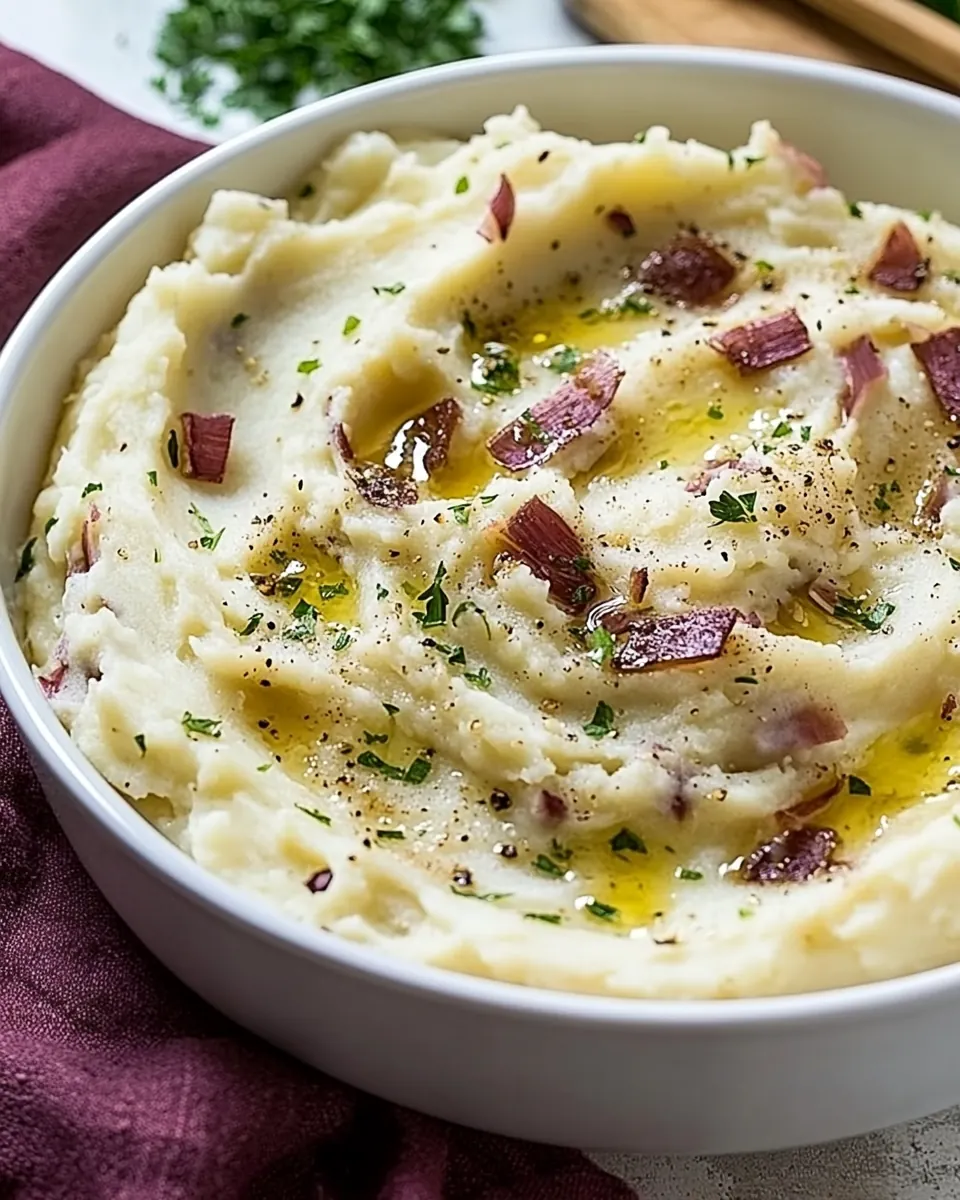
Roasted Garlic Mashed Potatoes
Roasted Garlic Mashed Potatoes have long been my kitchen comfort card, the recipe I turn to when I want to spoil family and friends with something warm and soulful. The first time I made these, I roasted garlic until it became buttery and sweet, folded it into steaming chunks of red potatoes, and watched mouths light up at the table. That evening taught me how a small technique can lift a humble ingredient into something unforgettable.
Over the years I’ve tinkered with the ratio of milk, heavy cream, and butter until the texture felt just right, not gluey, not thin, but luxuriously creamy with little pockets of potato texture. I love serving this dish for holiday dinners or a quiet weeknight when we need a side that feels like a hug. Family members always ask for the recipe when they taste that subtle, mellow garlic sweetness that only slow roasted cloves can give.
Recipe Snapshot
1 hr 5 mins
15 mins
50 mins
Medium
250 kcal
American
Gluten-Free, Low FODMAP
Side Dishes
Oven, Sheet of foil, Large pot, Potato masher, Measuring cup
The Charm of This Roasted Garlic Mashed Potatoes
Velvety texture that comforts
I adore how Roasted Garlic Mashed Potatoes strike the balance between silky and slightly rustic. The combination of warmed milk, heavy cream, and diced butter smooths the cooked red potatoes while preserving a few tender lumps so the mouthfeel stays interesting. This is the kind of side I reach for when I want something soothing yet substantial.
Deep, mellow garlic flavor
Roasting the garlic transforms it from sharp to golden sweet, which means you get rich garlic presence without any harsh bite. I love how a small amount of roasted cloves can perfume the whole pot, making the dish feel both sophisticated and homey. It is an easy upgrade over plain mashed potatoes.
Flexible for gatherings
This recipe scales cleanly, so I can double it for a holiday table or halve it for a cozy dinner for two. The ingredients are pantry friendly, and the method is forgiving, which is why I lean on this version when I host. I can prep the roasted garlic ahead of time and finish the mash right before serving.
Comfort food with fresh finishing options
A sprinkle of chopped fresh parsley or an extra pat of butter at the table brings bright color and richness. These finishing touches make the dish look cared for and taste even better. They also let guests personalize their portions, which I always appreciate at family meals.
Reliable technique, impressive results
The method relies on simple physics, gentle heat, and timing. Boiling the red potatoes until fork tender, warming the dairy so it integrates smoothly, and folding in the roasted garlic gives consistently creamy, flavorful potatoes. Once you understand these small logic points, it is easy to repeat the result every time.
Essential Ingredients for Roasted Garlic Mashed Potatoes
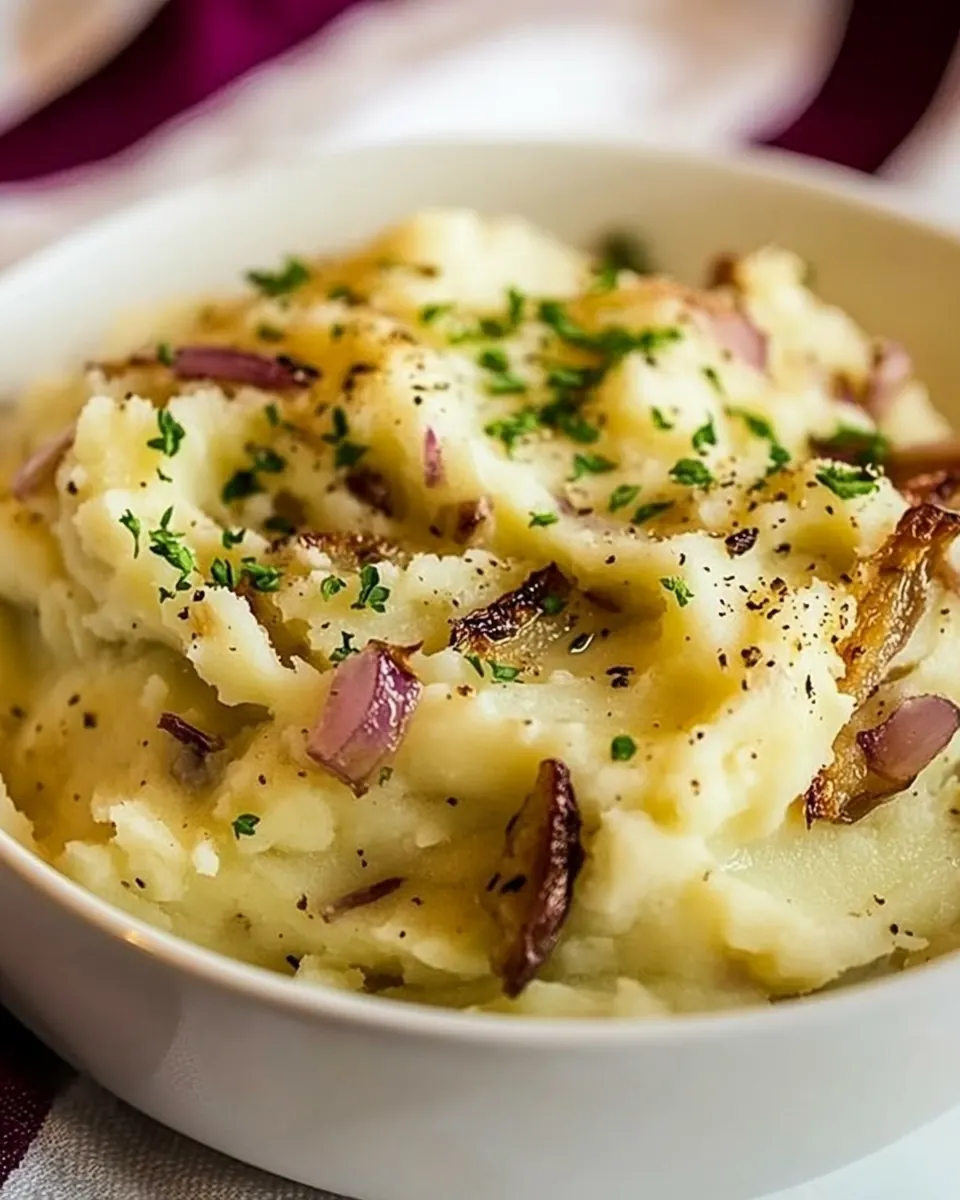
These ingredients form a short, dependable cast that works together to produce creamy, aromatic mashed potatoes. The key players are the starchy red potatoes, which provide body and a pleasant texture, and the roasted garlic, which brings deep savory sweetness. The dairy components smooth the mash and carry the flavors, while a little butter rounds everything out. I treat salt and pepper as essential seasoning partners, and parsley as an optional brightener.
- 2 medium garlic heads: Roast to mellow sharpness and develop sweet, caramelized cloves that infuse potatoes with deep garlic flavor; separate head into cloves, drizzle with oil, wrap in foil and roast until soft before mashing into potatoes.
- 2 tsp olive oil: Coat garlic heads lightly to promote even roasting and prevent burning; use to drizzle over garlic before wrapping and to toss potatoes for subtle fruity notes and improved mouthfeel.
- 2 1/2 lbs unpeeled red potatoes, diced into quarters (or sixths if larger): Cube to uniform pieces to ensure even cooking and maintain tender texture; leave skins on for added nutrients and rustic appearance, then boil until fork-tender for easy mashing.
- Salt and freshly ground black pepper: Season liberally during boiling and finishing to enhance and balance flavors; adjust to taste to bring out creaminess and roundness in the mashed potatoes without overpowering the roasted garlic.
- 1/2 cup milk (anything but skim): Warm gently and incorporate to loosen mashed potatoes and add creamy body; choose whole or 2% milk for richer texture and heat slightly before folding in to avoid cooling the potatoes.
- 1/4 cup heavy cream: Enrich with velvety richness and contribute to silky texture; add after draining and mashing so the cream blends smoothly and yields indulgent, luscious potatoes.
- 1/4 cup butter, diced into 1 Tbsp pieces, plus more for serving: Melt into the hot potatoes to add concentrated butterfat and create a glossy, rich finish; reserve a bit for melting on top when serving for extra richness and flavor.
- Chopped fresh parsley, for garnish () (optional): Garnish sparingly to add fresh color and a mild herbal brightness; sprinkle over the finished dish for contrast and a hint of freshness against the creamy potatoes.
The Method for Roasted Garlic Mashed Potatoes
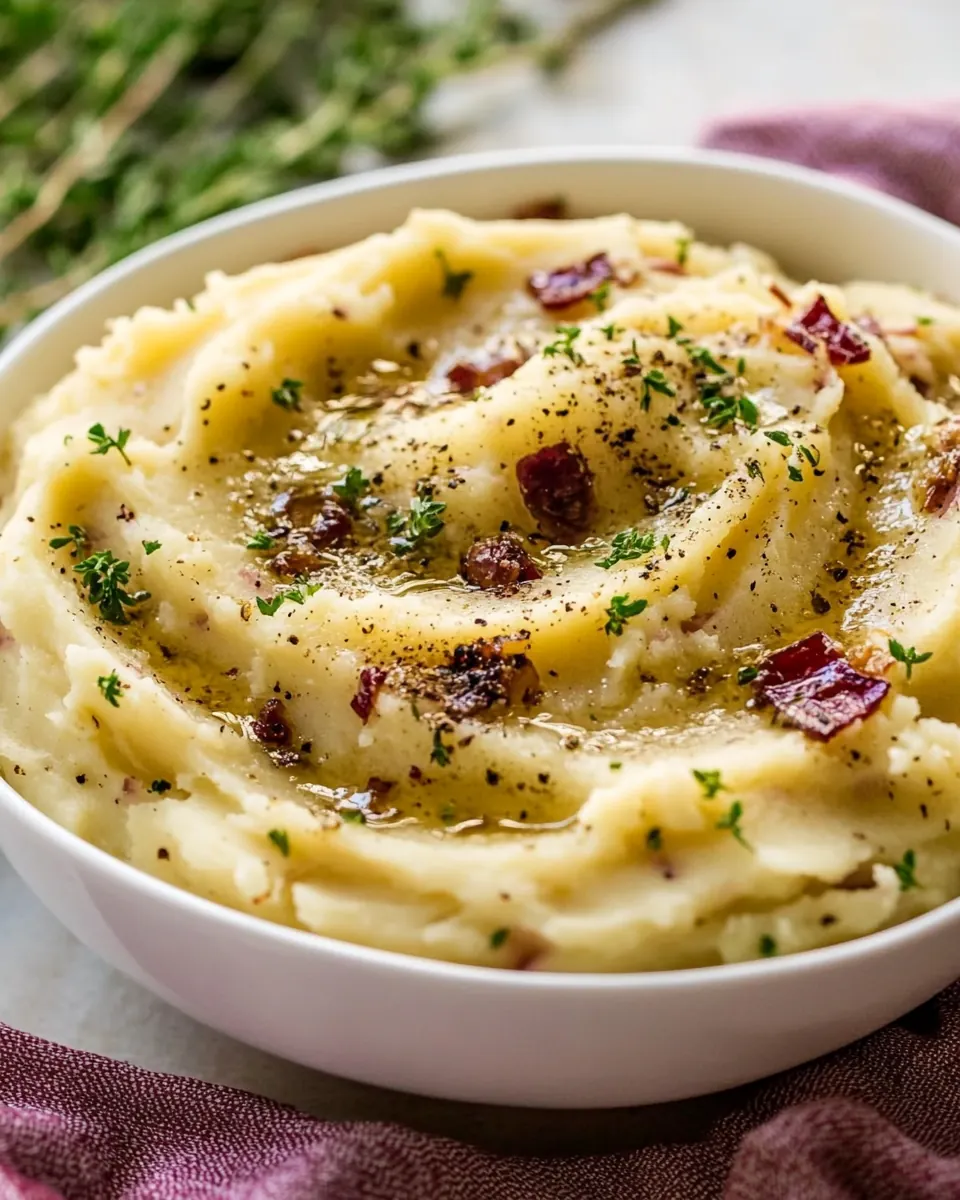
I find the method relaxing and rhythmic, a mix of oven time and stovetop comfort that yields reliable results. You will roast the garlic, simmer the red potatoes, warm the dairy, and combine everything into a steaming bowl that smells heavenly. Below I expand each instruction with sensory cues, the purpose behind the steps, and a troubleshooting tip so you can get it right.
- Preheat oven, prep garlic: Preheat oven to 400 degrees F. Cut garlic heads about 1/2-inch from the top to expose cloves.: The kitchen smells faintly warm as you preheat the oven to 400 degrees F , creating the ideal environment for gentle caramelization. When you cut about a half inch from the top of each garlic head, the exposed cloves glint slightly with a sticky surface, promising a buttery finish once roasted. The exposed tips will brown and concentrate flavor rather than stay raw and sharp. If you skip trimming evenly, some cloves may undercook while others char, so take a moment to level the tops for even roasting. This step matters because proper exposure ensures soft cloves you can press out of their skins easily.
- Roast garlic: Transfer garlic heads to a sheet of foil, drizzle 1 tsp oil over each head, wrap foil tightly around garlic so it's fully covered. Roast in preheated oven until lightly golden and cloves are soft, about 40 – 45 minutes.: As the wrapped garlic bakes on the sheet of foil, the aroma slowly shifts from green sharpness to a warm nutty scent, and tiny pockets of caramel color appear at the exposed tips. Drizzling a teaspoon of olive oil over each head helps gild the cloves and prevents drying while enclosed in foil. Roast until the cloves are lightly golden and yield gently to a fingertip, about forty to forty five minutes, which ensures the sugars have developed fully. A mistake here is underroasting; you will know by texture, sharpness, and lack of sweetness. The why is simple, the slow heat transforms sulfur compounds into sweet, mellow flavors that make the mash sing.
- Mash garlic: Remove from oven and let cool (cook potatoes while they cool) then press and pinch cloves out of peels into a small bowl. Mash cloves with a fork and set aside.: After the garlic cools to touch, pressing cloves out produces soft, pillowy pieces that smell richly roasted rather than pungent. Mashing them with a fork creates a smooth paste that will distribute evenly through the potatoes. Letting the cloves cool while you cook the potatoes saves time and prevents the dairy from losing heat when mixed. If you rush and try to squeeze very hot cloves, you risk burns and soggy puree, so allow a few minutes of rest. This step is crucial because a well mashed roasted garlic integrates seamlessly and creates a cohesive garlic flavor throughout.
- Cook the potatoes: Place potatoes in a large enameled cast iron pot and add enough cold water to cover potatoes, sprinkle in 1 Tbsp salt. Bring water to a boil over medium-high heat, then cover with lid, reduce heat to medium-low and allow to boil until potatoes are very tender when pierced with a fork, about 20 minutes.: When you put the quartered red potatoes into cold water and bring them to a boil, watch the pot transition from quiet to gentle rolling bubbles, the surface eventually dotted with soft foam. Adding a tablespoon of salt to the water seasons the potatoes internally as they absorb liquid, so the final mash is flavorful at its core. Boil until a fork pierces them with almost no resistance, about twenty minutes depending on piece size, then reduce heat to keep a gentle boil rather than a violent one that breaks the potatoes apart. Overcooking can make them waterlogged and mealy, while undercooking leaves hard centers; even-sized cuts and tasting a piece near the end solve this reliably. This technique ensures the potatoes break down easily while still holding a few pleasing lumps.
- Heat milk, cream and butter: Near the end of potatoes cooking, measure out milk in a liquid measuring cup, add cream and butter. Heat in microwave until hot, about 45 – 60 seconds.: Warming the measured milk , heavy cream , and diced butter until hot but not boiling makes them marry into a silky emulsion when combined with the potatoes. The microwave for about forty five to sixty seconds is a quick way to reach a steamy but safe temperature that will not shock the potatoes into gluey lumps. You can see faint steam and feel warmth when you touch the measuring cup, which signals it is ready. If the dairy is cold, it can cool the potatoes too quickly and produce a gummy texture, so always warm it first. This matters because fat in the butter and cream coats starch molecules and creates a creamy mouthfeel.
- Drain and mash potatoes: Drain potatoes then return to pot and mash with a potato masher (they should have some lumps in them).: Once drained, returning the potatoes to the pot and using a potato masher gives you control over texture, producing mostly creamy mash with intentional small chunks. The sound is gentle, and the surface becomes a steamy pale canvas. I avoid overbeating because excessive mechanical action releases too much starch and yields gluey potatoes. A common error is using a food processor, which is tempting but often turns the mash pasty. Mashing by hand keeps the texture vibrant and natural.
- Stir in milk mixture and garlic: Add hot milk mixture and mashed roasted garlic, and stir with a spoon while seasoning with salt and pepper to taste. Serve immediately with more butter and garnish with parsley if desired.: Adding the hot dairy mixture and the mashed roasted garlic and stirring with a spoon releases a comforting scent of warm dairy and sweet garlic, and the mash transforms visually to a creamy, glossy mass. Season with salt and freshly ground black pepper to taste, tasting in small spoonfuls so you can balance saltiness precisely. Serve immediately with extra pat of butter melting on top and a sprinkling of chopped fresh parsley if desired. A frequent pitfall is waiting too long to serve; the dish tastes best hot and freshly combined, so plan timing so it reaches the table steaming and inviting.
Expert Tips about Roasted Garlic Mashed Potatoes
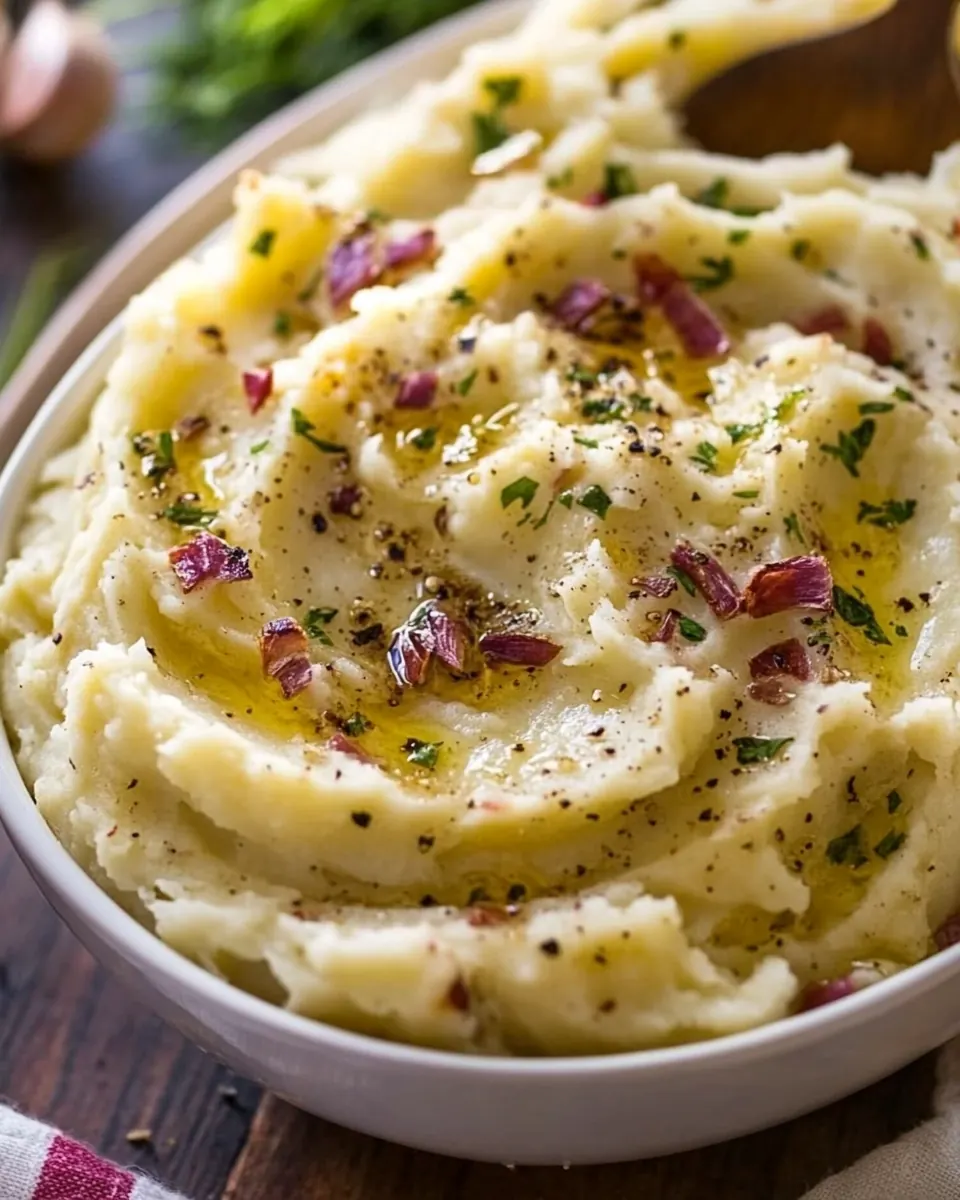
These tips will help you perfect texture, deepen flavor, and troubleshoot common issues. I share what I wish I knew when I first made this dish so you can avoid the pitfalls and get reliably great results.
- Roast fully: Make sure the garlic is soft and caramel colored so it loses its sharpness and tastes sweet; underroasted cloves will impart a harsh, raw garlic note.
- Heat dairy: Warm the milk, heavy cream, and diced butter so they blend seamlessly into the potatoes, preventing a gummy texture that happens when cold liquids shock the starch.
- Even cutting: Dice the red potatoes into uniform pieces to ensure they cook at the same rate, avoiding some pieces being overdone while others remain firm.
- Salt early: Add salt to the boiling water so the potatoes absorb seasoning while cooking, giving a better flavored final mash without over salting at the end.
- Finish with butter: Add an extra pat of butter when serving for gloss and richness, it melts into the warm surface and enhances mouthfeel and presentation.
Serving Suggestions
These serving ideas cover everyday meals and special occasions, showing versatile ways to present Roasted Garlic Mashed Potatoes. I include storage and timing ideas so the dish stays at its best when you serve it.
- Holiday centerpiece side: Serve hot in a warmed bowl alongside a roast for Thanksgiving or winter celebrations, letting guests spoon extra butter and a sprinkle of chopped parsley on top.
- Weeknight comfort: Plate with a simple protein and a green vegetable for a quick, satisfying dinner; the mashed potatoes bring creamy balance and a mild garlic lift that pairs well with many mains.
- Make ahead and reheat: Store in an airtight container in the fridge for up to three days, then rewarm gently on the stove with a splash of warmed milk or extra butter to restore creaminess.
- Portion and freeze: Cool completely, portion into freezer safe containers, and freeze for up to one month; thaw overnight in the refrigerator and reheat slowly while stirring in warmed dairy to revive texture.
- Presentation tips: Spoon into a shallow serving dish, make a few shallow wells with the back of the spoon, and top each well with a small pat of butter so it melts as you serve, then scatter chopped parsley.
- Seasonal pairings: This dish shines in winter with roasted root vegetables, braised greens, and hearty mains, but it also works well year round wherever a creamy, savory side is needed.
FAQ
Conclusion
Roasted Garlic Mashed Potatoes stand out because they combine creamy texture with the mellow sweetness of roasted garlic, creating a comforting yet elegant side. Give this recipe a try the next time you want something that feels indulgent without being fussy, and you will likely find it becoming a repeat favorite in your rotation. I hope you enjoy the warm, garlicky aroma and satisfying mouthfeel as much as I do, and that it brings a little extra comfort to your table.
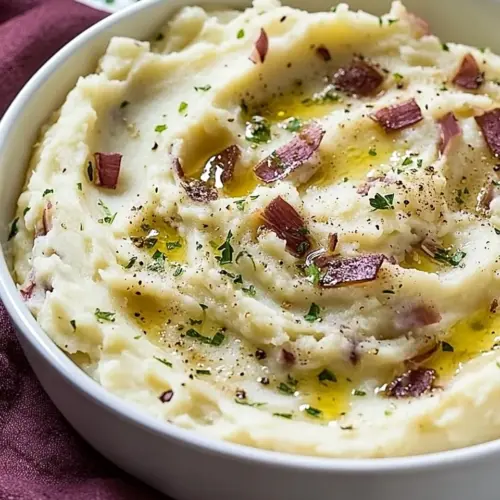
Roasted Garlic Mashed Potatoes
Equipment
- Oven
- Sheet of foil
- Large Pot
- Potato Masher
- Measuring Cup
Ingredients
- 2 medium garlic heads Roast to mellow sharpness and develop sweet, caramelized cloves that infuse potatoes with deep garlic flavor; separate head into cloves, drizzle with oil, wrap in foil and roast until soft before mashing into potatoes.
- 2 tsp olive oil Coat garlic heads lightly to promote even roasting and prevent burning; use to drizzle over garlic before wrapping and to toss potatoes for subtle fruity notes and improved mouthfeel.
- 2 1/2 lbs unpeeled red potatoes, diced into quarters (or sixths if larger) Cube to uniform pieces to ensure even cooking and maintain tender texture; leave skins on for added nutrients and rustic appearance, then boil until fork-tender for easy mashing.
- Salt and freshly ground black pepper Season liberally during boiling and finishing to enhance and balance flavors; adjust to taste to bring out creaminess and roundness in the mashed potatoes without overpowering the roasted garlic.
- 1/2 cup milk (anything but skim) Warm gently and incorporate to loosen mashed potatoes and add creamy body; choose whole or 2% milk for richer texture and heat slightly before folding in to avoid cooling the potatoes.
- 1/4 cup heavy cream Enrich with velvety richness and contribute to silky texture; add after draining and mashing so the cream blends smoothly and yields indulgent, luscious potatoes.
- 1/4 cup butter, diced into 1 Tbsp pieces, plus more for serving Melt into the hot potatoes to add concentrated butterfat and create a glossy, rich finish; reserve a bit for melting on top when serving for extra richness and flavor.
- Chopped fresh parsley, for garnish (optional) Garnish sparingly to add fresh color and a mild herbal brightness; sprinkle over the finished dish for contrast and a hint of freshness against the creamy potatoes.
Instructions
- Preheat oven, prep garlic: Preheat oven to 400 degrees F. Cut garlic heads about 1/2-inch from the top to expose cloves.: The kitchen smells faintly warm as you preheat the oven to 400 degrees F , creating the ideal environment for gentle caramelization. When you cut about a half inch from the top of each garlic head, the exposed cloves glint slightly with a sticky surface, promising a buttery finish once roasted. The exposed tips will brown and concentrate flavor rather than stay raw and sharp. If you skip trimming evenly, some cloves may undercook while others char, so take a moment to level the tops for even roasting. This step matters because proper exposure ensures soft cloves you can press out of their skins easily.
- Roast garlic: Transfer garlic heads to a sheet of foil, drizzle 1 tsp oil over each head, wrap foil tightly around garlic so it's fully covered. Roast in preheated oven until lightly golden and cloves are soft, about 40 - 45 minutes.: As the wrapped garlic bakes on the sheet of foil, the aroma slowly shifts from green sharpness to a warm nutty scent, and tiny pockets of caramel color appear at the exposed tips. Drizzling a teaspoon of olive oil over each head helps gild the cloves and prevents drying while enclosed in foil. Roast until the cloves are lightly golden and yield gently to a fingertip, about forty to forty five minutes, which ensures the sugars have developed fully. A mistake here is underroasting; you will know by texture, sharpness, and lack of sweetness. The why is simple, the slow heat transforms sulfur compounds into sweet, mellow flavors that make the mash sing.
- Mash garlic: Remove from oven and let cool (cook potatoes while they cool) then press and pinch cloves out of peels into a small bowl. Mash cloves with a fork and set aside.: After the garlic cools to touch, pressing cloves out produces soft, pillowy pieces that smell richly roasted rather than pungent. Mashing them with a fork creates a smooth paste that will distribute evenly through the potatoes. Letting the cloves cool while you cook the potatoes saves time and prevents the dairy from losing heat when mixed. If you rush and try to squeeze very hot cloves, you risk burns and soggy puree, so allow a few minutes of rest. This step is crucial because a well mashed roasted garlic integrates seamlessly and creates a cohesive garlic flavor throughout.
- Cook the potatoes: Place potatoes in a large enameled cast iron pot and add enough cold water to cover potatoes, sprinkle in 1 Tbsp salt. Bring water to a boil over medium-high heat, then cover with lid, reduce heat to medium-low and allow to boil until potatoes are very tender when pierced with a fork, about 20 minutes.: When you put the quartered red potatoes into cold water and bring them to a boil, watch the pot transition from quiet to gentle rolling bubbles, the surface eventually dotted with soft foam. Adding a tablespoon of salt to the water seasons the potatoes internally as they absorb liquid, so the final mash is flavorful at its core. Boil until a fork pierces them with almost no resistance, about twenty minutes depending on piece size, then reduce heat to keep a gentle boil rather than a violent one that breaks the potatoes apart. Overcooking can make them waterlogged and mealy, while undercooking leaves hard centers; even-sized cuts and tasting a piece near the end solve this reliably. This technique ensures the potatoes break down easily while still holding a few pleasing lumps.
- Heat milk, cream and butter: Near the end of potatoes cooking, measure out milk in a liquid measuring cup, add cream and butter. Heat in microwave until hot, about 45 - 60 seconds.: Warming the measured milk , heavy cream , and diced butter until hot but not boiling makes them marry into a silky emulsion when combined with the potatoes. The microwave for about forty five to sixty seconds is a quick way to reach a steamy but safe temperature that will not shock the potatoes into gluey lumps. You can see faint steam and feel warmth when you touch the measuring cup, which signals it is ready. If the dairy is cold, it can cool the potatoes too quickly and produce a gummy texture, so always warm it first. This matters because fat in the butter and cream coats starch molecules and creates a creamy mouthfeel.
- Drain and mash potatoes: Drain potatoes then return to pot and mash with a potato masher (they should have some lumps in them).: Once drained, returning the potatoes to the pot and using a potato masher gives you control over texture, producing mostly creamy mash with intentional small chunks. The sound is gentle, and the surface becomes a steamy pale canvas. I avoid overbeating because excessive mechanical action releases too much starch and yields gluey potatoes. A common error is using a food processor, which is tempting but often turns the mash pasty. Mashing by hand keeps the texture vibrant and natural.
- Stir in milk mixture and garlic: Add hot milk mixture and mashed roasted garlic, and stir with a spoon while seasoning with salt and pepper to taste. Serve immediately with more butter and garnish with parsley if desired.: Adding the hot dairy mixture and the mashed roasted garlic and stirring with a spoon releases a comforting scent of warm dairy and sweet garlic, and the mash transforms visually to a creamy, glossy mass. Season with salt and freshly ground black pepper to taste, tasting in small spoonfuls so you can balance saltiness precisely. Serve immediately with extra pat of butter melting on top and a sprinkling of chopped fresh parsley if desired. A frequent pitfall is waiting too long to serve; the dish tastes best hot and freshly combined, so plan timing so it reaches the table steaming and inviting.
Notes
- Roast fully: Make sure the garlic is soft and caramel colored so it loses its sharpness and tastes sweet; underroasted cloves will impart a harsh, raw garlic note.
- Heat dairy: Warm the milk, heavy cream, and diced butter so they blend seamlessly into the potatoes, preventing a gummy texture that happens when cold liquids shock the starch.
- Even cutting: Dice the red potatoes into uniform pieces to ensure they cook at the same rate, avoiding some pieces being overdone while others remain firm.
- Salt early: Add salt to the boiling water so the potatoes absorb seasoning while cooking, giving a better flavored final mash without over salting at the end.
- Finish with butter: Add an extra pat of butter when serving for gloss and richness, it melts into the warm surface and enhances mouthfeel and presentation.