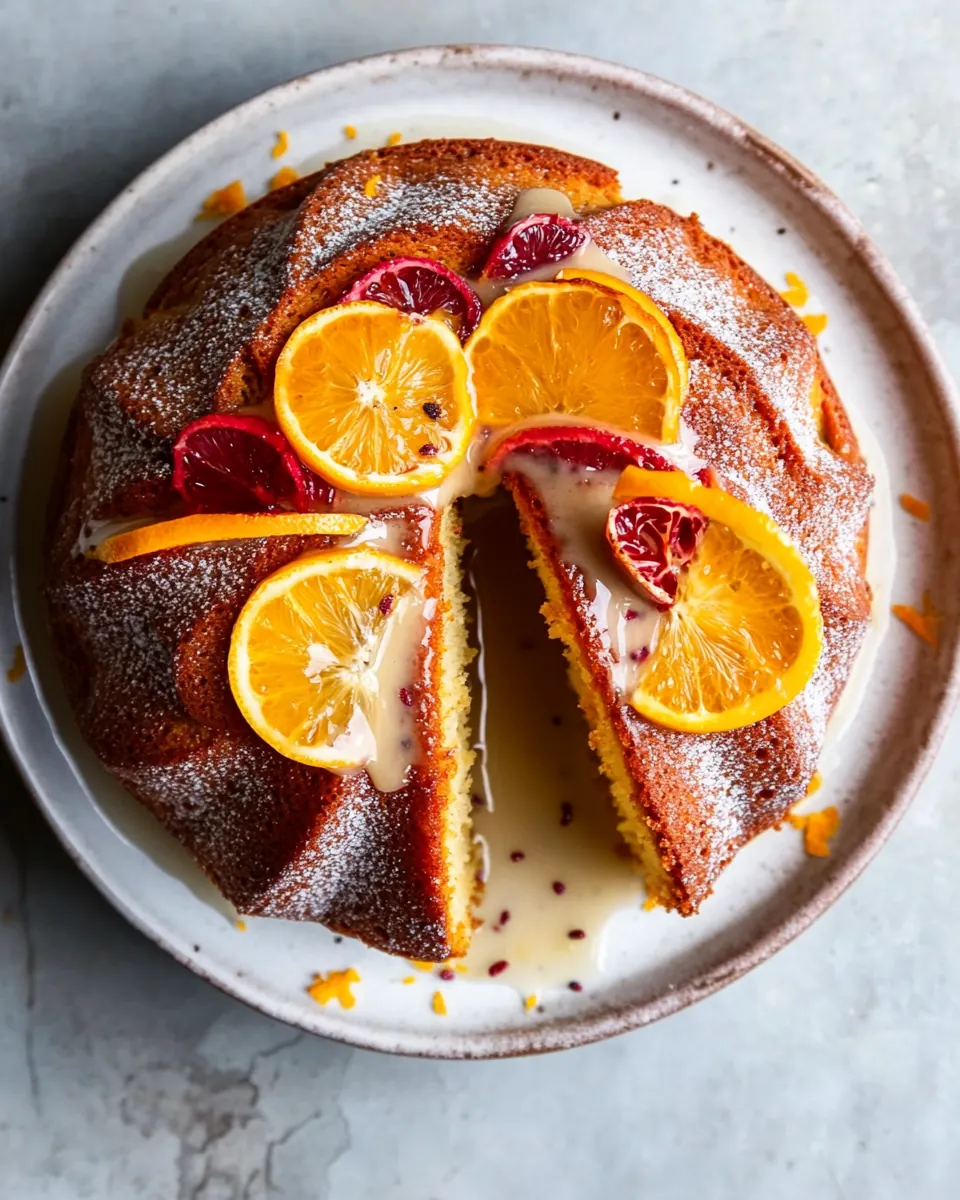
Lemon Poppy Seed Cake
Lemon Poppy Seed Cake is one of those recipes that instantly lifts my mood on a gray afternoon, and the first time I baked it I remember the kitchen filling with a bright citrus perfume that felt like sunshine trapped in a loaf. I was juggling a stack of mail and a toddler with sticky fingers, and I wanted something simple that still tasted like I had cared. The texture surprised me then, tender and slightly crumbly from the almond flour, with tiny pops of crunch from the poppy seeds. I kept stealing warm slices until there was barely any left for guests.
Over the years I’ve adjusted the balance of honey and lemon so the sweetness supports rather than overwhelms the citrus. Sometimes I swap the citrus for what I have on hand, but I always come back to the version with a glossy glaze that soaks the top and makes each bite both sticky and elegant. When friends arrive unexpectedly, I slice this cake, arrange it on a plate, and watch conversations soften. Baking this loaf has become my go to for small celebrations and slow Sunday afternoons.
Recipe Snapshot
1 hr 5 mins
20 mins
45 mins
Medium
320 kcal
American
Gluten-Free, Paleo
Desserts
9 x 5 inch loaf pan, Mixing bowls, Whisk, Spatula, Microplane or peeler
Why This Lemon Poppy Seed Cake Stands Out
Bright Citrus Flavor That Feels Fresh
I love how the Lemon Poppy Seed Cake delivers an assertive citrus note without being tart. The combination of lemon zest and fresh juice gives immediate aroma, and when the glaze soaks in you get repeating waves of citrus with each bite. For me, that brightness keeps the cake from feeling heavy.
Moist Crumb from Yogurt and Almond Flour
Using plain Greek Yogurt and almond flour yields a tender, almost custardy crumb. I noticed the first time I used this combo that even reheated slices stayed soft rather than drying out. The Greek yogurt adds tang and moisture, while the almond flour brings a delicate, nutty richness.
Simple Sweetening with Honey
Swapping part of the sugar for honey adds complexity, a floral sweetness that pairs beautifully with citrus. I prefer honey because it creates a slightly sticky crumb and deepens the aroma. It also keeps the glaze silkier when mixed with juice and powdered sugar.
Textural Interest from Poppy Seeds
Poppy seeds are tiny flavor bombs, adding a faint nuttiness and gentle crunch. They punctuate the soft cake without overwhelming it, and visually they make each slice look like a rustic bakery treat. I appreciate this little contrast in every forkful.
Versatile and Friendly to Tweaks
This loaf feels forgiving. You can switch between Meyer and regular lemons, adjust glaze thickness, or use a gluten free flour for a different texture. I find that small adjustments let you tailor the cake to your pantry while keeping the essence the same, which is why I often recommend this to friends learning to bake.
Ingredients Required for Lemon Poppy Seed Cake
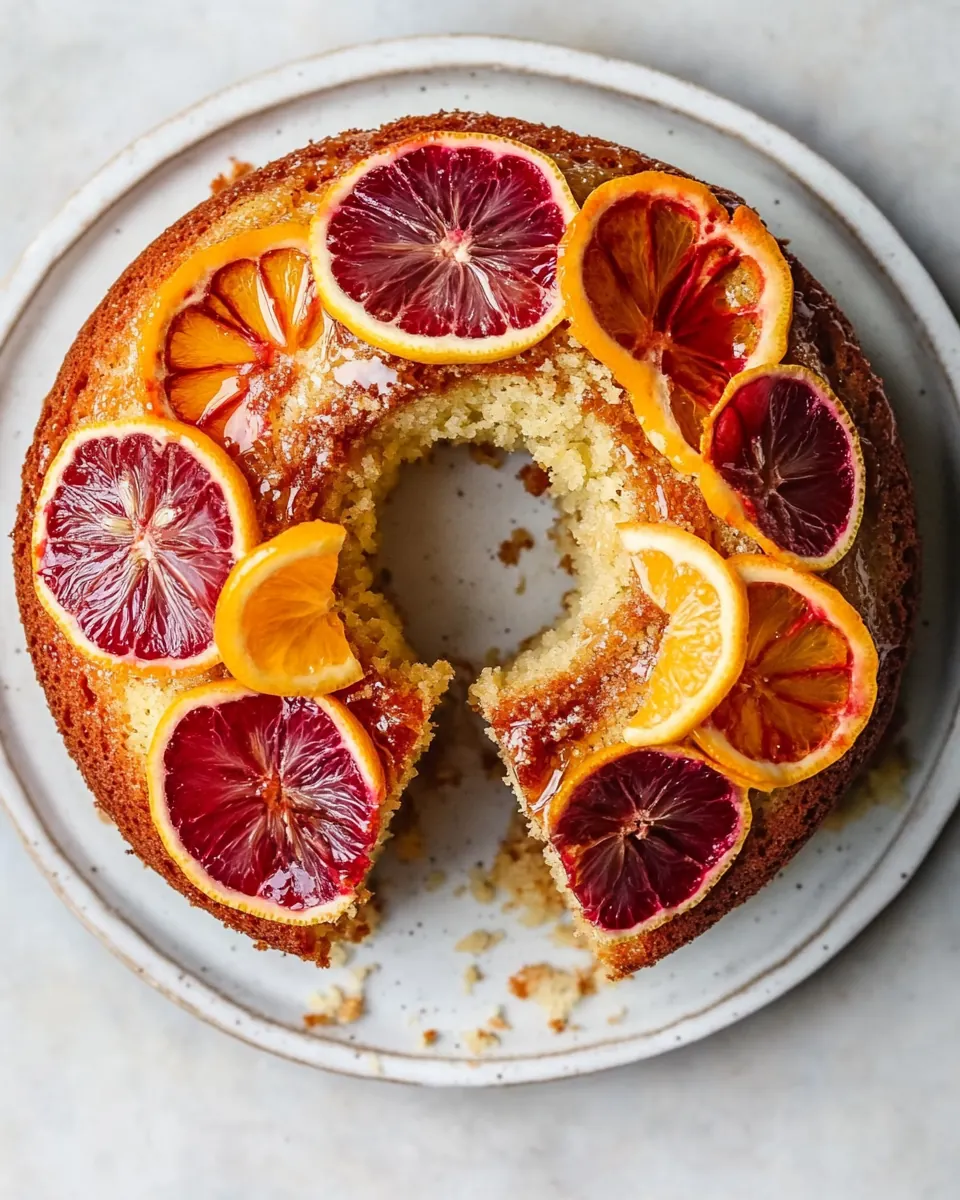
These ingredients work together to create a cake that is simultaneously tender and bright. The key players are the citrus elements for aroma, the combo of all purpose and almond flour for structure and richness, and the Greek Yogurt and honey for moisture. Each item contributes both flavor and functional chemistry, so the proportions matter more than you might think.
- 1/2 cup extra virgin olive oil: Provide a neutral, fruity-fat base that tenderizes crumb and keeps cake moist; works well at room temperature for even mixing and helps carry flavors like lemon and vanilla throughout the batter.
- 1/2 cup honey: Add a natural liquid sweetener and subtle floral notes while contributing moisture and chewiness; balances acidity from yogurt and lemon and helps the cake brown gently during baking.
- 2 teaspoons vanilla extract: Impart warm, sweet aromatic character that enhances the overall flavor profile; use a pure extract for a clean taste that complements citrus and honey without overpowering them.
- 2 eggs at room temperature: Bind ingredients and add structure while promoting lift; room–temperature eggs emulsify with oil and yogurt to create a smooth, stable batter for uniform crumb.
- 3/4 cup plain Greek Yogurt: Contribute tender, tangy moisture and add protein for structure; plain Greek yogurt also reacts with baking powder to aid leavening and enrich flavor without thinning the batter.
- 1 tablespoon Meyer (or regular) lemon zest and 1/4 cup juice: Provide bright citrus aroma and acidity that cuts through sweetness while contributing liquid for balance; zest offers concentrated lemon oils and juice adds fresh tang to the cake.
- 1 1/4 cups all-purpose or white whole wheat flour (for GF see note): Offer the primary structure and bulk with moderate protein content suitable for tender cakes; choose a swap as noted for dietary needs while maintaining crumb and texture.
- 1 cup almond flour/meal: Introduce tender, nutty richness and a slightly coarse texture that keeps the cake moist; almond flour also reduces gluten intensity and adds flavor complexity to the crumb.
- 2 teaspoons baking powder: Create chemical leavening to produce lift and a light, airy crumb when combined with moisture and agitation; measure precisely to avoid over-rise or metallic aftertaste.
- 1 tablespoon poppy seeds: Add subtle crunch and nutty flavor while providing a visual contrast; stir poppy seeds into the batter to distribute tiny bursts of texture throughout the cake.
- 1/2 teaspoon kosher salt: Enhance and balance sweetness by amplifying flavors and controlling bitterness; kosher salt strengthens gluten network slightly and brightens citrus and honey notes when dissolved.
- 2 tablespoons honey: Provide additional sweetness and gloss for finishing glazes or batters; a small amount of honey can be used to adjust sweetness level and help create a sticky, shiny top.
- 1 Meyer or regular lemon: Serve as a finishing citrus garnish and juice source when needed; zest and segments can enhance aroma and presentation while a whole fruit supplies extra juice.
- 1 blood orange: Supply vibrant, tangy-sweet juice and colorful garnish options; blood orange offers aromatic complexity and can be segmented or juiced for a striking syrup or drizzle.
- 3/4 cup powdered sugar, using more as needed: Function as a sweet, dusting or glaze thickener when sifted and combined with citrus juice; powdered sugar smooths and sweetens any glaze while allowing control over consistency.
Step by Step Guide for Lemon Poppy Seed Cake
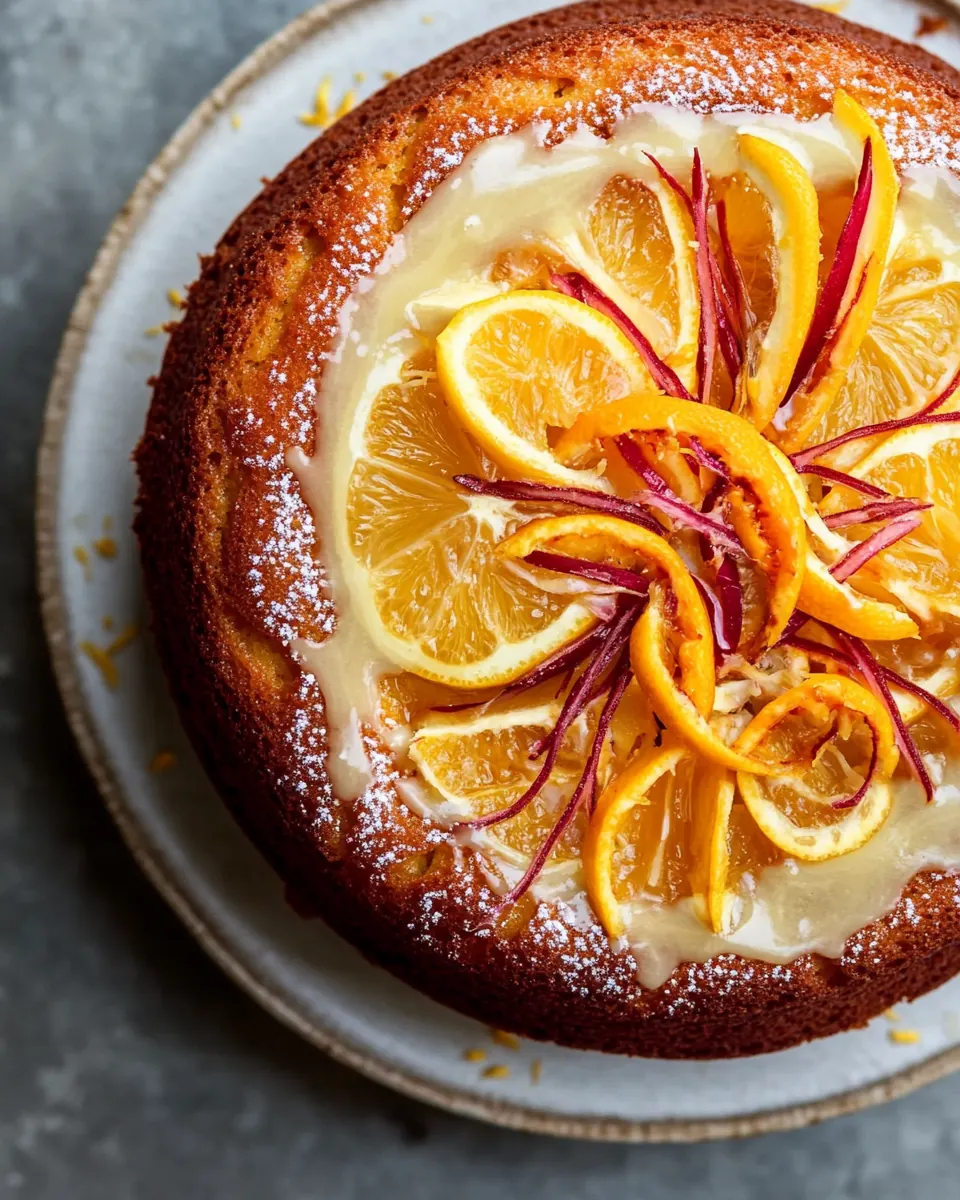
This loaf is straightforward, but the difference between good and great lies in timing and small sensory cues. I walk you through each step so you can notice visual changes, aromas, and textures. Keep your ingredients measured and at room temperature for the smoothest mixing.
- Preheat the oven to 350 degrees F. Line a 9 x 5 inch loaf pan with parchment paper. In a large bowl, whisk together the olive oil, honey, eggs, yogurt, vanilla, lemon zest, and juice, mix until smooth and creamy. Add the all-purpose flour, almond flour, baking powder, and salt. Mix until just combined, being sure the batter is completely mixed. Stir in the poppy seeds. Pour the batter into the prepared bread pan. Bake for 40-45 minutes or until a toothpick inserted into the center comes out clean. Meanwhile, make the glaze. Remove the zest from the remaining lemon and the blood orange with a vegetable peeler in wide strips. Then thinly slice the strips. Alternately, you can just zest the lemon and orange on a Microplane. In a medium bowl, mix together the honey and about 1/4 cup lemon juice. Drizzle 1/2 the glaze over the warm cake. To the remaining glaze, add 1 tablespoon blood orange juice and the powdered sugar, whisk until smooth. Stir in 1/2 the lemon zest and 1/2 of the orange zest. If needed, thin the glaze by adding additional citrus juice, 1 tablespoon at a time, until drizzly. Pour the glaze over the cake, letting it fall down the sides. Let set 5 minutes, slice and enjoy warm or at room temp.: The moment the oven warms you should smell a faint dry heat, and the rack should be centered to ensure even browning. Preheating guarantees the batter springs properly when it hits heat, producing an even rise and set crumb. A common mistake is placing the pan in before the oven reaches temperature, which can cause uneven baking and sinking. If your oven runs hot, monitor the cake after 30 minutes to prevent overbrowning.
- Line a 9 x 5 inch loaf pan with parchment paper.: The parchment creates a smooth release and prevents tearing the cake when you lift it out; it also aids even sides that brown consistently. Press the paper into the pan and leave an overhang on the long sides so you can later lift the loaf out easily. One frequent slip up is skipping parchment and risking the cake sticking and breaking apart when removed. If you don't have parchment, grease the pan thoroughly and dust with flour for release.
- In a large bowl, whisk together the olive oil, honey, eggs, yogurt, vanilla, lemon zest, and juice, mix until smooth and creamy.: As you whisk, you'll notice the mixture go from separated to glossy and slightly emulsified, and the lemon aroma will become prominent. This emulsification traps tiny air bubbles that help create a tender crumb, and the combined liquids ensure even distribution of flavor. Overwhisking after adding flour can develop gluten, so stop once the batter is smooth. If the mixture looks curdled before it smooths, check egg temperature; very cold eggs can impede emulsification.
- Add the all-purpose flour, almond flour, baking powder, and salt.: When the dry ingredients meet the wet, the batter will thicken and lose some shine, taking on a uniform texture. The flours provide structure while the baking powder aerates during baking. Stir just until you can't see streaks of flour, then stop; overworking creates a dense loaf. If you see pockets of dry flour, fold gently with a spatula rather than vigorous stirring to avoid toughness.
- Mix until just combined, being sure the batter is completely mixed.: The batter should be thick but pourable, dotted with poppy seeds and glossy from the olive oil . Complete mixing ensures even crumb and flavor distribution. A common error is leaving lumps of flour near the sides of the bowl which can bake into dry pockets; scrape the bowl once or twice and fold gently to incorporate. If batter seems too thick, a tablespoon or two of milk or additional yogurt can loosen it slightly while preserving texture.
- Stir in the poppy seeds.: As you fold the poppy seeds in, note the small, dark flecks peppering the pale batter, promising both texture and visual contrast. They won't change the batter's moisture but will lend tiny crunchy bites and a mild nuttiness. Avoid overmixing at this step, as vigorous stirring can break down the air bubbles you created. If the seeds cluster, use a gentle folding motion until they are evenly dispersed.
- Pour the batter into the prepared bread pan.: The batter should slide off the spatula in a thick ribbon and settle evenly in the pan; level it with a spatula for consistent rise. Smooth top ensures even crust and an attractive loaf. A mistake people make is filling pans unevenly, which leads to domed or lopsided loaves. Tap the pan gently on the counter to release large air pockets before baking.
- Bake for 40 to 45 minutes or until a toothpick inserted into the center comes out clean.: As the cake bakes you'll notice the kitchen fill with citrus and honey aromas, and the top will turn a light golden color. The internal temperature should rise steadily, and the center will spring back slightly to the touch when done. If you underbake, the center will be gummy and collapse, while overbaking dries the crumb. If the top browns too quickly, tent with foil for the remaining bake time.
- Meanwhile, make the glaze.: While the cake bakes the glaze process keeps you productive and fills the kitchen with fresh citrus scent. Using a bowl, whisk honey with about 1/4 cup lemon juice until glossy and slightly runny; this first drizzle will soak into the warm loaf for shine and moisture. The key is balancing thickness so it soaks in without making the cake soggy. If your glaze is too thin, it will run off the sides; if too thick it will sit on top and not penetrate. Adjust consistency with juice or powdered sugar, one tablespoon at a time.
- Remove the zest from the remaining lemon and the blood orange with a vegetable peeler in wide strips.: Peeling wide strips produces striking ribbons that you can slice thinly for garnish, and they release aromatic oils that brighten the glaze. Thin slices will soften as they sit in glaze, becoming jewel like. Avoid removing too much pith, which tastes bitter, and if you prefer, use a Microplane for fine zest. A common oversight is using the white pith, so take care to use mostly colored zest.
- Then thinly slice the strips.: Thin slices of zest become tender and almost candied when combined with glaze, adding both visual elegance and chewy texture. When you add these to the glaze they release extra perfume and a hint of bitterness that balances the sugar. If slices are too thick they'll remain fibrous; slicing thin ensures they soften and integrate. Keep slices uniform in width so they present nicely on the finished cake.
- In a medium bowl, mix together the honey and about 1/4 cup lemon juice.: This creates your base glaze, glossy and fragrant, ready to be split for layering. The acid from the lemon keeps the honey fluid while also cutting sweetness so the cake tastes fresh. If the mixture separates, whisk vigorously and add a small pinch of powdered sugar to stabilize it. Too much lemon will thin the glaze excessively, so add cautiously.
- Drizzle 1/2 the glaze over the warm cake.: Pouring half the glaze while the cake is warm lets it sink into the surface and keeps the crumb moist, adding a sticky sheen. You will hear a faint hiss as warm steam instantaneously interacts with the cool glaze, and the cake will glisten. Avoid pouring all the glaze at once, which can pool and make the loaf soggy; saving some allows for a secondary, more decorative glaze layer.
- To the remaining glaze, add 1 tablespoon blood orange juice and the powdered sugar, whisk until smooth.: Adding blood orange juice deepens color and adds a sweet berry like note, while the powdered sugar thickens the glaze to a pourable, coatable consistency. Whisk until silky; the texture should cling to a spoon and drip slowly. If the glaze is lumpy, sift the sugar before adding. If it becomes too stiff, whisk in a teaspoon of citrus juice until it loosens.
- Stir in 1/2 the lemon zest and 1/2 of the orange zest.: These zesty bits suspend in the glaze, adding bursts of bright oil and pretty flecks on the cake surface. They will soften slightly but still provide aromatic pops and visual contrast once the glaze sets. Avoid adding too much zest, which can make the glaze bitter from pith. If you find bitterness, reduce the amount of zest next time.
- If needed, thin the glaze by adding additional citrus juice, 1 tablespoon at a time, until drizzly.: You want the glaze to flow slowly off the spoon and create thin ribbons down the sides of the loaf. Adding juice a tablespoon at a time prevents over thinning. The right consistency will gloss the cake without running off entirely. If you make it too thin, whisk in a bit more powdered sugar to regain body.
- Pour the glaze over the cake, letting it fall down the sides.: As the glaze lands, it should bead and run in pretty ribbons, creating an inviting, glossy finish. Let it settle for a few minutes so it adheres to the crumb and forms a light crust. A common slip is glazing a cold cake, which prevents absorption and leaves the glaze sitting only on top. Warmth from the loaf draws the glaze in and improves flavor melding.
- Let set 5 minutes, slice and enjoy warm or at room temp.: Allowing a short rest time helps the glaze set slightly and prevents the slices from tearing when cut, while still offering the pleasure of a warm, slightly gooey interior. Slicing too soon can smear the glaze and compress the crumb. Use a sharp serrated knife and a gentle sawing motion for clean slices.
Tips and Tricks about Lemon Poppy Seed Cake
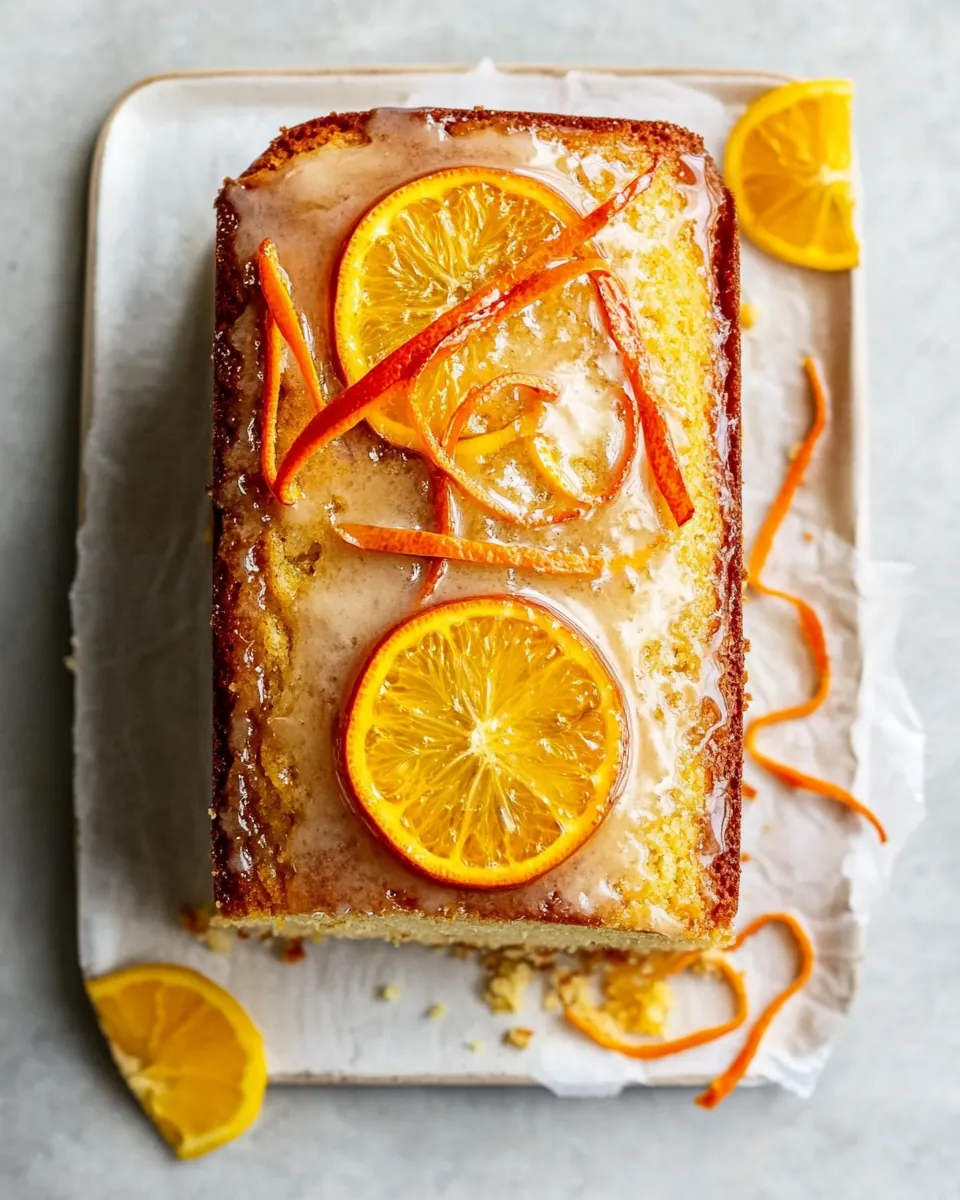
This cake responds well to small technique tweaks and simple swaps, and these tips will help you get a bakery quality loaf at home. Read each note and apply what fits your pantry and preferences.
- Measure flours accurately, spoon and level your all purpose flour when measuring to avoid a dry, dense loaf; too much flour is the most common cause of dryness.
- Use room temperature eggs, they incorporate more readily with the olive oil and yogurt, producing a smoother batter and better rise.
- Reserve glaze, pour half the glaze while the cake is warm so it soaks in, then finish with the thicker glaze for shine and texture contrast.
- Fresh zest matters, zest the lemon and blood orange right before baking to capture volatile oils that fade quickly when zested in advance.
- Test for doneness, insert a toothpick or skewer into the center; if it comes out with a few moist crumbs the cake is done and will continue to set as it cools.
Perfect Pairings for Lemon Poppy Seed Cake
This loaf is versatile as a breakfast treat, afternoon snack, or light dessert. It pairs beautifully with bright, simple accompaniments and occasions where citrus notes shine. Below are serving suggestions, storage notes, and ideas for occasions where this cake feels at home.
- Serve with a cup of tea, particularly green or Earl Grey, which complements the citrus and honey without overwhelming the subtle almond notes.
- Brunch centerpiece, present slices alongside fresh fruit and yogurt for a relaxed weekend brunch that feels thoughtfully assembled.
- Gift for gatherings, wrap a cooled loaf in parchment and twine for a charming host gift during springtime events or small celebrations.
- Storage tip, keep the cake at room temperature for up to three to four days wrapped tightly to preserve moisture; freeze wrapped slices for longer storage up to four months.
- Occasions, this loaf is ideal for spring gatherings, casual get togethers, and anytime you want a bright, not overly sweet dessert.
- Serving style, warm slightly before serving to revive the glaze and soften the crumb, or slice at room temperature for cleaner presentation.
- Portioning, cut into thin slices for tea service or larger pieces for a dessert offering, adjusting to the number of guests.
FAQ
Conclusion
This Lemon Poppy Seed Cake stands out because it balances bright citrus, nutty almond depth, and sticky honey glaze into a tender loaf that feels both homey and refined. It’s approachable enough for a weekday baking session, yet pretty enough for guests and small celebrations. Give it a try when you want something that smells like sunshine and rewards a little patience with truly comforting slices. I hope you enjoy baking and sharing it as much as I do; every time I make this loaf it becomes the centerpiece of relaxed conversations and slow moments.

Lemon Poppy Seed Cake
Equipment
- 9 x 5-inch loaf pan
- Mixing Bowls
- Whisk
- Spatula
- Microplane or peeler
Ingredients
- 1/2 cup extra virgin olive oil Provide a neutral, fruity-fat base that tenderizes crumb and keeps cake moist; works well at room temperature for even mixing and helps carry flavors like lemon and vanilla throughout the batter.
- 1/2 cup honey Add a natural liquid sweetener and subtle floral notes while contributing moisture and chewiness; balances acidity from yogurt and lemon and helps the cake brown gently during baking.
- 2 teaspoons vanilla extract Impart warm, sweet aromatic character that enhances the overall flavor profile; use a pure extract for a clean taste that complements citrus and honey without overpowering them.
- 2 eggs at room temperature Bind ingredients and add structure while promoting lift; room-temperature eggs emulsify with oil and yogurt to create a smooth, stable batter for uniform crumb.
- 3/4 cup plain Greek Yogurt Contribute tender, tangy moisture and add protein for structure; plain Greek yogurt also reacts with baking powder to aid leavening and enrich flavor without thinning the batter.
- 1 tablespoon Meyer (or regular) lemon zest and 1/4 cup juice Provide bright citrus aroma and acidity that cuts through sweetness while contributing liquid for balance; zest offers concentrated lemon oils and juice adds fresh tang to the cake.
- 1 1/4 cups all-purpose or white whole wheat flour (for GF see note) Offer the primary structure and bulk with moderate protein content suitable for tender cakes; choose a swap as noted for dietary needs while maintaining crumb and texture.
- 1 cup almond flour/meal Introduce tender, nutty richness and a slightly coarse texture that keeps the cake moist; almond flour also reduces gluten intensity and adds flavor complexity to the crumb.
- 2 teaspoons baking powder Create chemical leavening to produce lift and a light, airy crumb when combined with moisture and agitation; measure precisely to avoid over-rise or metallic aftertaste.
- 1 tablespoon poppy seeds Add subtle crunch and nutty flavor while providing a visual contrast; stir poppy seeds into the batter to distribute tiny bursts of texture throughout the cake.
- 1/2 teaspoon kosher salt Enhance and balance sweetness by amplifying flavors and controlling bitterness; kosher salt strengthens gluten network slightly and brightens citrus and honey notes when dissolved.
- 2 tablespoons honey Provide additional sweetness and gloss for finishing glazes or batters; a small amount of honey can be used to adjust sweetness level and help create a sticky, shiny top.
- 1 Meyer or regular lemon Serve as a finishing citrus garnish and juice source when needed; zest and segments can enhance aroma and presentation while a whole fruit supplies extra juice.
- 1 blood orange Supply vibrant, tangy-sweet juice and colorful garnish options; blood orange offers aromatic complexity and can be segmented or juiced for a striking syrup or drizzle.
- 3/4 cup powdered sugar, using more as needed Function as a sweet, dusting or glaze thickener when sifted and combined with citrus juice; powdered sugar smooths and sweetens any glaze while allowing control over consistency.
Instructions
- Preheat the oven to 350 degrees F. Line a 9 x 5 inch loaf pan with parchment paper. In a large bowl, whisk together the olive oil, honey, eggs, yogurt, vanilla, lemon zest, and juice, mix until smooth and creamy. Add the all-purpose flour, almond flour, baking powder, and salt. Mix until just combined, being sure the batter is completely mixed. Stir in the poppy seeds. Pour the batter into the prepared bread pan. Bake for 40-45 minutes or until a toothpick inserted into the center comes out clean. Meanwhile, make the glaze. Remove the zest from the remaining lemon and the blood orange with a vegetable peeler in wide strips. Then thinly slice the strips. Alternately, you can just zest the lemon and orange on a Microplane. In a medium bowl, mix together the honey and about 1/4 cup lemon juice. Drizzle 1/2 the glaze over the warm cake. To the remaining glaze, add 1 tablespoon blood orange juice and the powdered sugar, whisk until smooth. Stir in 1/2 the lemon zest and 1/2 of the orange zest. If needed, thin the glaze by adding additional citrus juice, 1 tablespoon at a time, until drizzly. Pour the glaze over the cake, letting it fall down the sides. Let set 5 minutes, slice and enjoy warm or at room temp.: The moment the oven warms you should smell a faint dry heat, and the rack should be centered to ensure even browning. Preheating guarantees the batter springs properly when it hits heat, producing an even rise and set crumb. A common mistake is placing the pan in before the oven reaches temperature, which can cause uneven baking and sinking. If your oven runs hot, monitor the cake after 30 minutes to prevent overbrowning.
- Line a 9 x 5 inch loaf pan with parchment paper.: The parchment creates a smooth release and prevents tearing the cake when you lift it out; it also aids even sides that brown consistently. Press the paper into the pan and leave an overhang on the long sides so you can later lift the loaf out easily. One frequent slip up is skipping parchment and risking the cake sticking and breaking apart when removed. If you don't have parchment, grease the pan thoroughly and dust with flour for release.
- In a large bowl, whisk together the olive oil, honey, eggs, yogurt, vanilla, lemon zest, and juice, mix until smooth and creamy.: As you whisk, you'll notice the mixture go from separated to glossy and slightly emulsified, and the lemon aroma will become prominent. This emulsification traps tiny air bubbles that help create a tender crumb, and the combined liquids ensure even distribution of flavor. Overwhisking after adding flour can develop gluten, so stop once the batter is smooth. If the mixture looks curdled before it smooths, check egg temperature; very cold eggs can impede emulsification.
- Add the all-purpose flour, almond flour, baking powder, and salt.: When the dry ingredients meet the wet, the batter will thicken and lose some shine, taking on a uniform texture. The flours provide structure while the baking powder aerates during baking. Stir just until you can't see streaks of flour, then stop; overworking creates a dense loaf. If you see pockets of dry flour, fold gently with a spatula rather than vigorous stirring to avoid toughness.
- Mix until just combined, being sure the batter is completely mixed.: The batter should be thick but pourable, dotted with poppy seeds and glossy from the olive oil . Complete mixing ensures even crumb and flavor distribution. A common error is leaving lumps of flour near the sides of the bowl which can bake into dry pockets; scrape the bowl once or twice and fold gently to incorporate. If batter seems too thick, a tablespoon or two of milk or additional yogurt can loosen it slightly while preserving texture.
- Stir in the poppy seeds.: As you fold the poppy seeds in, note the small, dark flecks peppering the pale batter, promising both texture and visual contrast. They won't change the batter's moisture but will lend tiny crunchy bites and a mild nuttiness. Avoid overmixing at this step, as vigorous stirring can break down the air bubbles you created. If the seeds cluster, use a gentle folding motion until they are evenly dispersed.
- Pour the batter into the prepared bread pan.: The batter should slide off the spatula in a thick ribbon and settle evenly in the pan; level it with a spatula for consistent rise. Smooth top ensures even crust and an attractive loaf. A mistake people make is filling pans unevenly, which leads to domed or lopsided loaves. Tap the pan gently on the counter to release large air pockets before baking.
- Bake for 40 to 45 minutes or until a toothpick inserted into the center comes out clean.: As the cake bakes you'll notice the kitchen fill with citrus and honey aromas, and the top will turn a light golden color. The internal temperature should rise steadily, and the center will spring back slightly to the touch when done. If you underbake, the center will be gummy and collapse, while overbaking dries the crumb. If the top browns too quickly, tent with foil for the remaining bake time.
- Meanwhile, make the glaze.: While the cake bakes the glaze process keeps you productive and fills the kitchen with fresh citrus scent. Using a bowl, whisk honey with about 1/4 cup lemon juice until glossy and slightly runny; this first drizzle will soak into the warm loaf for shine and moisture. The key is balancing thickness so it soaks in without making the cake soggy. If your glaze is too thin, it will run off the sides; if too thick it will sit on top and not penetrate. Adjust consistency with juice or powdered sugar, one tablespoon at a time.
- Remove the zest from the remaining lemon and the blood orange with a vegetable peeler in wide strips.: Peeling wide strips produces striking ribbons that you can slice thinly for garnish, and they release aromatic oils that brighten the glaze. Thin slices will soften as they sit in glaze, becoming jewel like. Avoid removing too much pith, which tastes bitter, and if you prefer, use a Microplane for fine zest. A common oversight is using the white pith, so take care to use mostly colored zest.
- Then thinly slice the strips.: Thin slices of zest become tender and almost candied when combined with glaze, adding both visual elegance and chewy texture. When you add these to the glaze they release extra perfume and a hint of bitterness that balances the sugar. If slices are too thick they'll remain fibrous; slicing thin ensures they soften and integrate. Keep slices uniform in width so they present nicely on the finished cake.
- In a medium bowl, mix together the honey and about 1/4 cup lemon juice.: This creates your base glaze, glossy and fragrant, ready to be split for layering. The acid from the lemon keeps the honey fluid while also cutting sweetness so the cake tastes fresh. If the mixture separates, whisk vigorously and add a small pinch of powdered sugar to stabilize it. Too much lemon will thin the glaze excessively, so add cautiously.
- Drizzle 1/2 the glaze over the warm cake.: Pouring half the glaze while the cake is warm lets it sink into the surface and keeps the crumb moist, adding a sticky sheen. You will hear a faint hiss as warm steam instantaneously interacts with the cool glaze, and the cake will glisten. Avoid pouring all the glaze at once, which can pool and make the loaf soggy; saving some allows for a secondary, more decorative glaze layer.
- To the remaining glaze, add 1 tablespoon blood orange juice and the powdered sugar, whisk until smooth.: Adding blood orange juice deepens color and adds a sweet berry like note, while the powdered sugar thickens the glaze to a pourable, coatable consistency. Whisk until silky; the texture should cling to a spoon and drip slowly. If the glaze is lumpy, sift the sugar before adding. If it becomes too stiff, whisk in a teaspoon of citrus juice until it loosens.
- Stir in 1/2 the lemon zest and 1/2 of the orange zest.: These zesty bits suspend in the glaze, adding bursts of bright oil and pretty flecks on the cake surface. They will soften slightly but still provide aromatic pops and visual contrast once the glaze sets. Avoid adding too much zest, which can make the glaze bitter from pith. If you find bitterness, reduce the amount of zest next time.
- If needed, thin the glaze by adding additional citrus juice, 1 tablespoon at a time, until drizzly.: You want the glaze to flow slowly off the spoon and create thin ribbons down the sides of the loaf. Adding juice a tablespoon at a time prevents over thinning. The right consistency will gloss the cake without running off entirely. If you make it too thin, whisk in a bit more powdered sugar to regain body.
- Pour the glaze over the cake, letting it fall down the sides.: As the glaze lands, it should bead and run in pretty ribbons, creating an inviting, glossy finish. Let it settle for a few minutes so it adheres to the crumb and forms a light crust. A common slip is glazing a cold cake, which prevents absorption and leaves the glaze sitting only on top. Warmth from the loaf draws the glaze in and improves flavor melding.
- Let set 5 minutes, slice and enjoy warm or at room temp.: Allowing a short rest time helps the glaze set slightly and prevents the slices from tearing when cut, while still offering the pleasure of a warm, slightly gooey interior. Slicing too soon can smear the glaze and compress the crumb. Use a sharp serrated knife and a gentle sawing motion for clean slices.
Notes
- Measure flours accurately, spoon and level your all purpose flour when measuring to avoid a dry, dense loaf; too much flour is the most common cause of dryness.
- Use room temperature eggs, they incorporate more readily with the olive oil and yogurt, producing a smoother batter and better rise.
- Reserve glaze, pour half the glaze while the cake is warm so it soaks in, then finish with the thicker glaze for shine and texture contrast.
- Fresh zest matters, zest the lemon and blood orange right before baking to capture volatile oils that fade quickly when zested in advance.
- Test for doneness, insert a toothpick or skewer into the center; if it comes out with a few moist crumbs the cake is done and will continue to set as it cools.