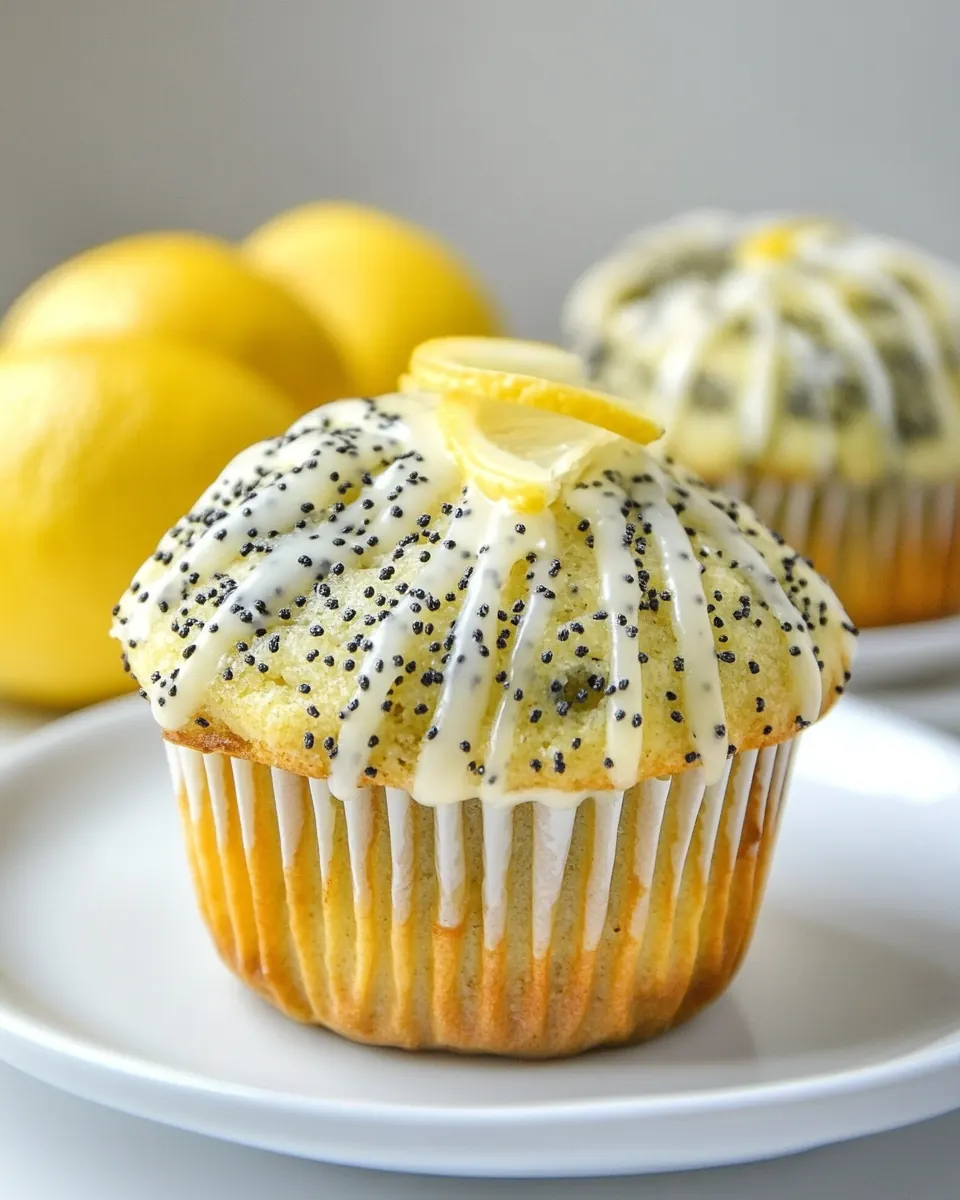
Ultimate Lemon Poppy Seed Muffins
Ultimate Lemon Poppy Seed Muffins are the kind of morning treat I reach for when I want brightness with a tender crumb and a little nostalgic comfort.
I remember the first time I baked these, the kitchen filled with a fresh citrus perfume as I zested lemons over a bowl of sugar, and I kept sneaking tiny spoonfuls of batter while listening to a playlist that made the whole process feel like a ritual. Over the years I tuned the balance of tart and sweet so the muffins stay moist, the poppy seeds add that gentle crunch, and the glaze sings without overpowering the cake.
These muffins have earned a spot in my weekend baking rotation because they travel well, freeze beautifully, and make tea time feel special. I like to make a double batch, stash a dozen in the freezer, and pull them out for busy mornings. They also work brilliantly for gatherings when you want a simple homemade touch that still looks thoughtful.
Recipe Snapshot
35 mins
10 mins
25 mins
Easy
210 kcal
American
Gluten-Free, Low FODMAP
Breakfast
Oven, 12-cup muffin tin, Mixing bowls, Rubber spatula, Whisk, Measuring cups and spoons
Why This Ultimate Lemon Poppy Seed Muffins Shines
Bright, balanced flavor
I love how Ultimate Lemon Poppy Seed Muffins bring a focused citrus note without tasting like a candy. The combination of zest, fresh lemon juice, and a touch of extract layers the lemon flavor so each bite is fragrant, not flat.
Texture contrast
The tender crumb of these Ultimate Lemon Poppy Seed Muffins plays against the tiny pop of poppy seeds. That contrast makes the eating experience interesting, and it keeps each mouthful from feeling one dimensional.
Flexible and forgiving
I find this batter forgiving, so bakers of all skill levels can get reliable results. The method tolerates small timing or mixing variations, which is great when you are juggling kids or a busy morning.
Make ahead friendly
These Ultimate Lemon Poppy Seed Muffins freeze and thaw well, so you can bake ahead for busy weeks or events. The glaze stays lovely when added after thawing, giving a fresh finish.
Celebration ready
Whether you serve them for brunch, a spring gathering, or a casual coffee with friends, these muffins feel elevated without fuss. I often bring them to potlucks because they look pretty and vanish fast.
Ingredients Overview for Ultimate Lemon Poppy Seed Muffins
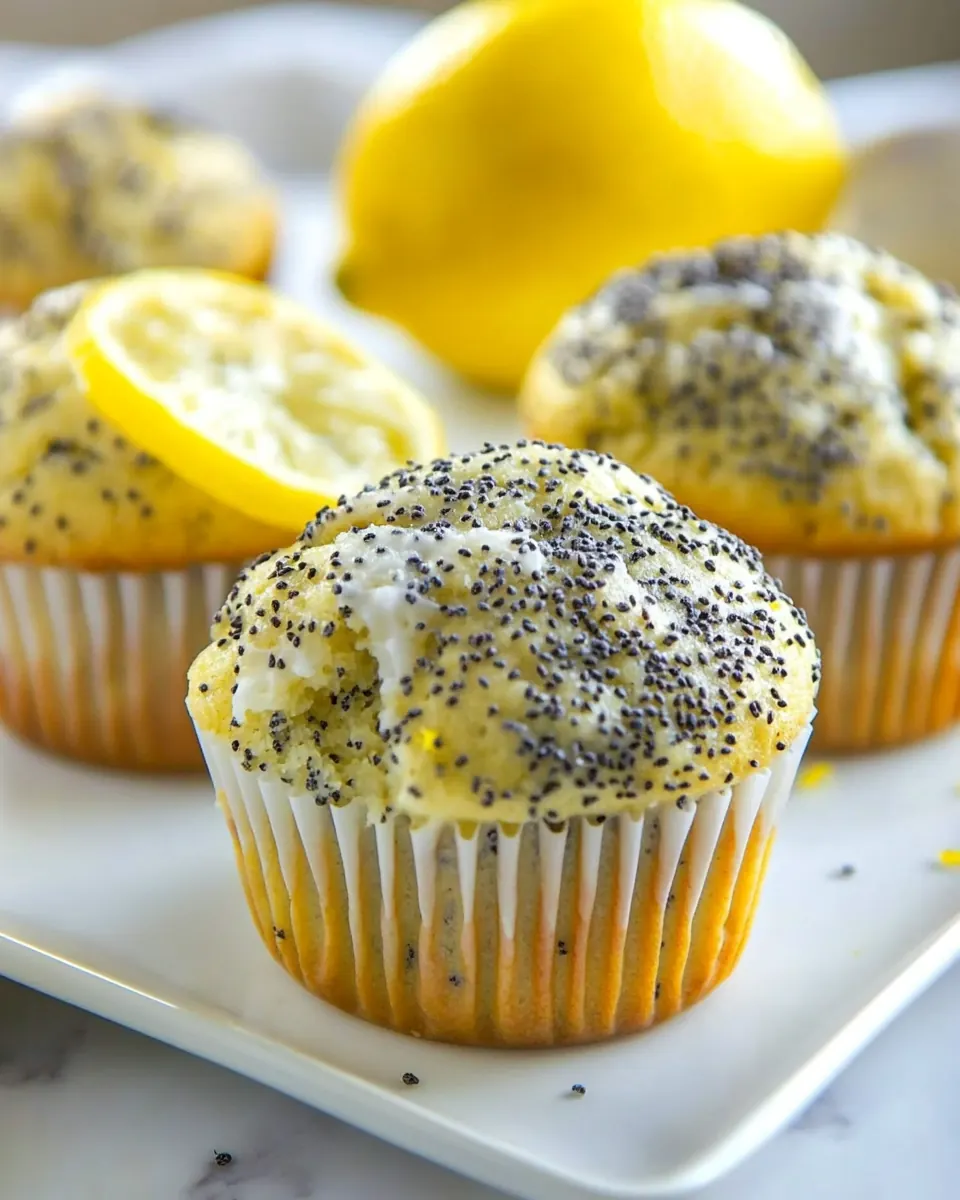
These ingredients come together to produce a lively, tender muffin where citrus and texture shine. The flour and leaveners provide structure and lift, while the sugar and butter keep the crumb moist. The dairy and eggs add richness and help bind everything, and the lemon elements give aroma and brightness. Poppy seeds are the small but crucial textural player that makes each bite memorable.
- 1 cup granulated sugar: Provide sweetness and tenderize the crumb while aiding creaming with butter for structure and lift in the muffins.
- 2 teaspoons lemon zest (usually the zest of two large lemons): Add bright citrus aroma and concentrated lemon oil to enhance overall lemon flavor and balance sweetness throughout the batter.
- 3 cups all-purpose flour (not packed): Create the structural base supplying gluten and bulk, contributing to texture and allowing the leavening agents to produce rise.
- 1 tablespoon baking powder: Leaven the batter by producing carbon dioxide when activated, helping muffins become light and airy with a fine crumb.
- 1/4 teaspoon baking soda: React with acidic ingredients to contribute additional lift and a slightly open crumb while aiding browning on the tops.
- 1/4 teaspoons salt: Enhance and balance flavors while subtly strengthening gluten networks, helping control fermentation and overall taste profile.
- 1 and 1/2 cups WHOLE milk (whole milk or full-fat will yield the best results): Provide fat and moisture, enrich flavor and tenderize crumb while contributing to steam for oven rise and a creamy mouthfeel.
- 2 large eggs, at room temperature: Bind ingredients, help emulsify fats and liquids, and contribute to structure, color, and richness in the final muffins.
- 1/2 teaspoon lemon extract: Concentrate lemon flavor without adding extra liquid, reinforcing citrus notes and deepening the lemon profile in the batter.
- 1 stick (4 ounces) unsalted butter, melted and slightly cooled: Add rich, buttery flavor and moisture while assisting with tender texture and helping the muffins brown evenly.
- 1 teaspoon lemon juice: Introduce bright acidity to balance richness and activate baking soda when present, lifting flavor and freshness in the batter.
- 1/3 cup poppy seeds: Deliver nutty crunch and visual interest while distributing small pockets of texture and carrying subtle flavor without overwhelming.
- 1/4 cup lemon curd: Provide concentrated, tangy lemon flavor and a silky texture for pockets of citrus intensity when swirled or dolloped into batter.
- 1 cup confectioners' sugar: Sweeten and create a smooth glaze texture, helping to balance tartness and add a polished finish to cooled muffins.
- 2 3 tablespoons lemon juice: Adjust glaze consistency and add fresh acidity for brightness, helping to cut sweetness and enhance lemon character.
- 1 teaspoon lemon zest (usually the zest of one lemon): Provide an additional burst of fresh lemon aroma and subtle zesty flavor when added to glazes or finishing touches.
- 1/4 teaspoons salt: Fortify flavor and control seasoning in the glaze or batter, ensuring balanced taste and enhancing other components.
- 1/4 teaspoon lemon extract (I recommend tasting the glaze first before adding this; it may be lemony enough and not need it): Deliver an extra layer of concentrated lemon flavor to the glaze if desired, allowing fine-tuning of citrus intensity and aroma.
Cooking Instructions for Ultimate Lemon Poppy Seed Muffins
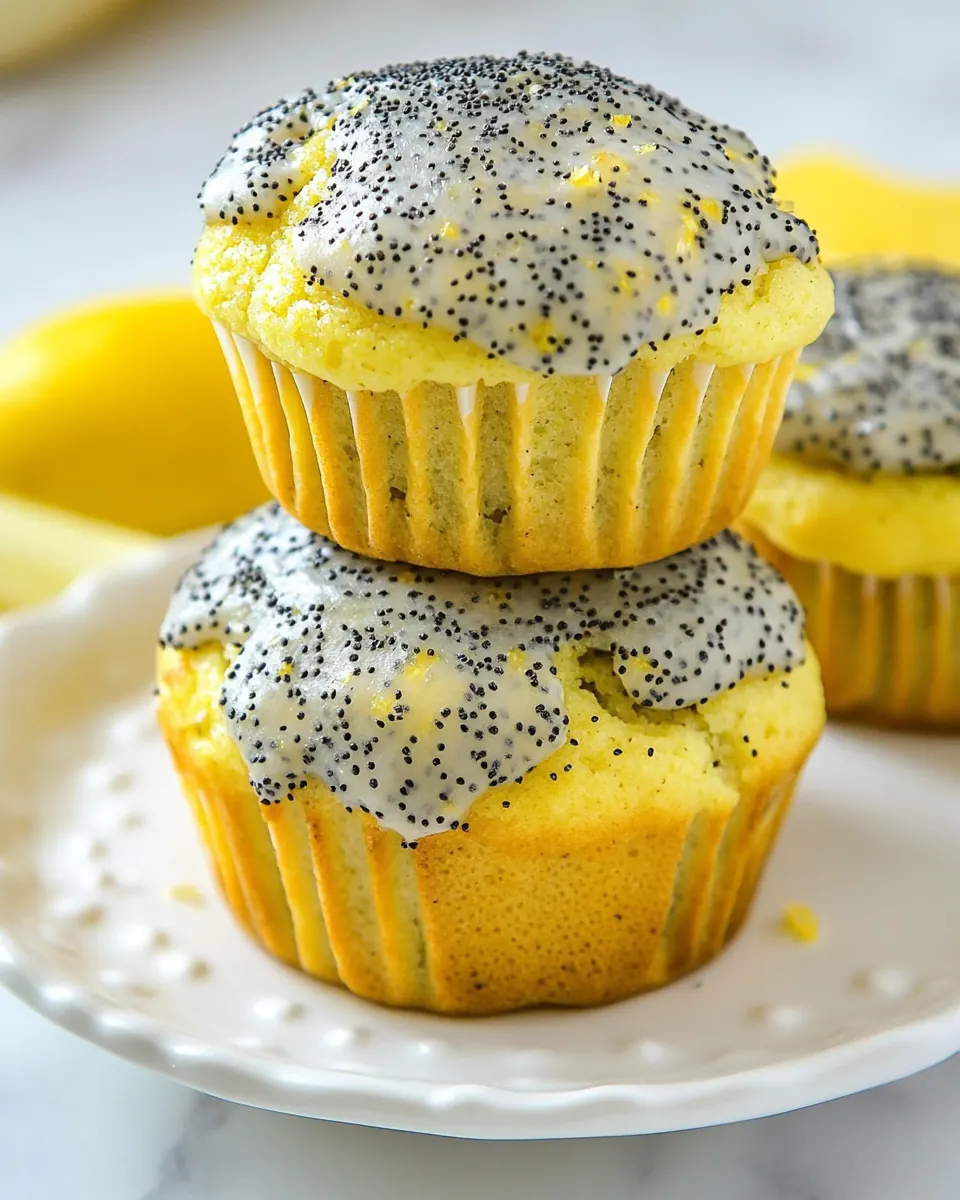
Baking these muffins is a satisfying, hands on experience that rewards gentle mixing and attention to small details. Below, I expand the directions into stepwise guidance that focuses on senses and troubleshooting so you know exactly what to look for at every stage.
- Adjust an oven rack to the middle position; preheat oven to 375 degrees (F). Line a 12-cup muffin tin with paper liners; spray lightly with non-stick spray; set aside.: When you preheat to 375 degrees F the oven reaches an ideal environment for even rising and a golden top. You should hear the faint hum of the oven and feel warmth if you briefly hover your hand near the door, but avoid long exposure. Preheating also ensures the leaveners react immediately, producing a lift in the first minutes of baking. A common mistake is putting batter into a cold oven which results in flat, dense muffins, so always wait until fully preheated.
- Combine sugar and lemon zest in a large bowl; using your fingers rub the lemon zest into the sugar until well combined and fragrant. Add the flour, baking powder, baking soda, and salt into the bowl and mix well to combine.: Lining the tin makes removal effortless and keeps bottoms from overbrowning. The light spray helps the liners hug the batter for a tidy shape. Press liners so they sit evenly; uneven liners cause irregular tops. If you skip liners, use a well greased tin to prevent sticking.
- In a medium-sized bowl combine the milk, eggs, and lemon extract; whisk well until smooth and combined. Gently fold the liquid mixture into the dry mixture, stirring with a rubber spatula until just combined. Fold in melted butter, then quickly fold in lemon juice and poppy seeds.: Rubbing zest into sugar releases aromatic oils, turning the sugar into a fragrant base that perfumes the whole muffin. You should notice the sugar warming slightly between your fingers and smelling boldly of citrus. This technique infuses the batter more effectively than adding zest later. Avoid overdoing it aggressively to prevent losing zest into your palm, which wastes that aromatic oil.
- Scoop two tablespoon sized dollops of batter into the bottom of each cup, top with a teaspoon of lemon curd, then top with another 1 and 1/2 tablespoons of muffin batter.: Once the dry ingredients are added, whisk them together to distribute the baking powder and baking soda evenly, which ensures uniform rise. Visually, the mixture should look homogenous, with no streaks of leavener. A frequent error is under-mixing, which creates uneven pockets of lift, or over-mixing, which develops gluten and yields a tough crumb.
- Bake until set in the center and golden brown; about 22 minutes.: Whisking until smooth creates an emulsion that helps the batter come together cleanly. You should see the eggs fully broken down and the mixture slightly glossy. This step helps avoid streaks of egg in the batter and ensures even hydration of the flour . If the mixture looks curdled, you may have used too-cold eggs; bring them to room temperature next time.
- Allow muffins to cool in the pan 5 minutes, then serve or cool completely and store for later use.: Folding protects the tender texture by minimizing gluten development. The batter should come together with a few streaks of dry flour disappearing as you fold, leaving a lumpy, pillowy consistency. Stop as soon as no large pockets of dry flour remain, because overmixing will produce dense muffins instead of soft, tender ones.
- Fold in melted butter, then quickly fold in lemon juice and poppy seeds: Adding the slightly cooled melted butter enriches the batter and helps tenderize the crumb. After folding, the batter will feel silkier and smell richer. When you add the lemon juice and poppy seeds , mix just enough to distribute them evenly; the poppy seeds should be suspended throughout the batter. A common pitfall is adding hot butter which can cook the eggs, so ensure the butter is just warm.
- Scoop two tablespoon sized dollops of batter into the bottom of each cup, top with a teaspoon of lemon curd, then top with another 1 and 1/2 tablespoons of muffin batter: Layering like this creates a bright pocket of lemon curd inside the muffin. The initial dollop gives the curd a base so it does not sink to the bottom. You should see a small well for the curd and then a gentle crown of batter above it. If you overfill, the curd can leak or the muffin can overflow, so keep to the measured amounts for tidy results.
- Bake until set in the center and golden brown; about 22 minutes: As they bake, sniff for the rising citrus aroma and watch the tops turn a warm golden color. A toothpick inserted near the center should come out with a few moist crumbs but not wet batter. Listen for a quiet, steady oven hum rather than sizzling, which can indicate overheating. Underbaking yields gummy centers, while overbaking dries the crumb, so check at the lower end of the time window.
- Allow muffins to cool in the pan 5 minutes, then serve or cool completely and store for later use: Cooling briefly in the pan allows the crumb to set so the muffins hold their shape when removed; you will feel steam easing away and the tops firming slightly. After five minutes, transfer to a rack to cool completely before glazing, which prevents melting the glaze into the muffin. A common mistake is glazing while the muffin is hot, which makes the glaze runny and lose its sheen.
Expert Tips about Ultimate Lemon Poppy Seed Muffins
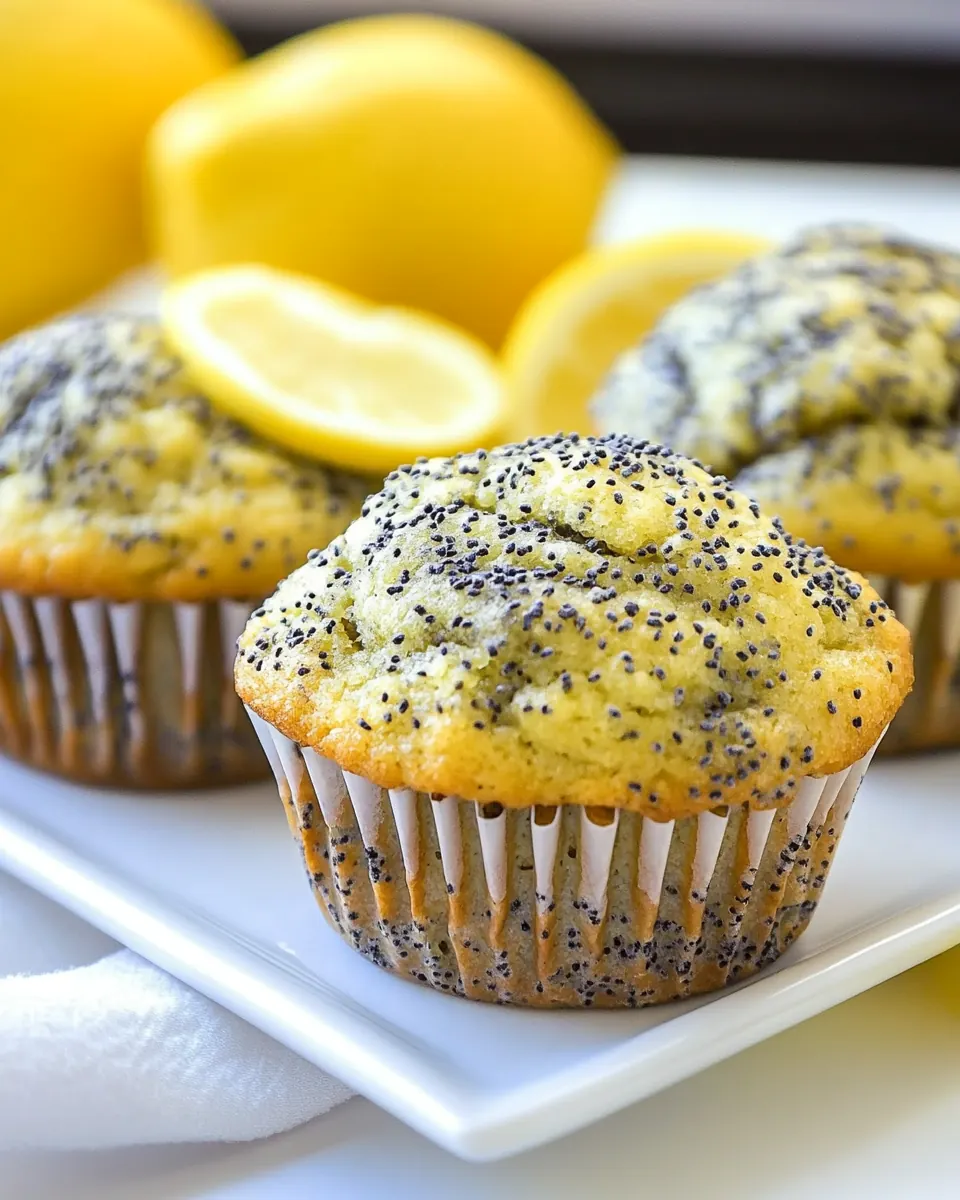
I keep a handful of go to tips that make these muffins consistently successful. They cover measuring, timing, and small touches that lift the final result, so you can rely on them whether you are a weekend baker or making a large batch for guests.
- Measure flour correctly by spooning it into your measuring cup and leveling with a knife to avoid a dry, heavy crumb.
- Rub zest into sugar to release citrus oils and infuse the whole batter with fresh lemon aroma for a deeper flavor.
- Use room temperature eggs so the batter emulsifies smoothly and the texture stays consistent without streaks.
- Cool butter slightly before adding so it does not cook the eggs, which would ruin the emulsion and texture.
- Layer curd carefully to create a neat pocket inside each muffin, using the specified amounts to prevent sinkage.
- Glaze when completely cool so the topping sets with a glossy finish instead of melting into the crumb.
What to Serve With Ultimate Lemon Poppy Seed Muffins
These muffins are versatile and pair with a range of drinks and light dishes for different occasions. Whether it’s a casual brunch or a springtime gathering, choose accompaniments that complement the citrus brightness and tender crumb.
- Morning coffee or tea, a classic pairing that highlights the lemon notes while offering a comforting warm beverage.
- Fresh fruit such as berries or sliced stone fruit provides juicy contrast and a refreshing counterpoint to the sweet glaze.
- Yogurt bowls, where a muffin alongside a creamy yogurt with honey and granola makes for a balanced breakfast plate.
- Light salads for a brunch spread, pairing well when you want a mix of savory and sweet without heaviness.
- Picnic fare, since these muffins travel well and hold up on a casual outdoor spread for a spring or summer outing.
- Make ahead and freeze, store cooled muffins in airtight containers for up to one month; thaw and reheat briefly, then add glaze for just baked appeal.
FAQ
Conclusion
These Ultimate Lemon Poppy Seed Muffins stand out for their bright citrus notes, tender crumb, and the delicate crunch of poppy seeds. They are approachable enough for a relaxed weekend bake and elegant enough to serve at brunch or a spring gathering. Give them a try this weekend, and you might find they become a regular on your baking roster for breakfast, potlucks, or anytime you want a small, cheerful homemade treat.
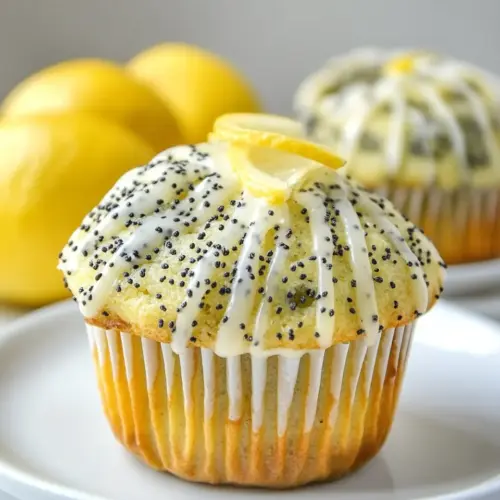
Ultimate Lemon Poppy Seed Muffins
Equipment
- Oven
- 12-cup muffin tin
- Mixing Bowls
- Rubber spatula
- Whisk
- Measuring Cups and Spoons
Ingredients
- 1 cup granulated sugar Provide sweetness and tenderize the crumb while aiding creaming with butter for structure and lift in the muffins.
- 2 teaspoons lemon zest (usually the zest of two large lemons) Add bright citrus aroma and concentrated lemon oil to enhance overall lemon flavor and balance sweetness throughout the batter.
- 3 cups all-purpose flour (not packed) Create the structural base supplying gluten and bulk, contributing to texture and allowing the leavening agents to produce rise.
- 1 tablespoon baking powder Leaven the batter by producing carbon dioxide when activated, helping muffins become light and airy with a fine crumb.
- 1/4 teaspoon baking soda React with acidic ingredients to contribute additional lift and a slightly open crumb while aiding browning on the tops.
- 1/4 teaspoons salt Enhance and balance flavors while subtly strengthening gluten networks, helping control fermentation and overall taste profile.
- 1 and 1/2 cups WHOLE milk (whole milk or full-fat will yield the best results) Provide fat and moisture, enrich flavor and tenderize crumb while contributing to steam for oven rise and a creamy mouthfeel.
- 2 large eggs, at room temperature Bind ingredients, help emulsify fats and liquids, and contribute to structure, color, and richness in the final muffins.
- 1/2 teaspoon lemon extract Concentrate lemon flavor without adding extra liquid, reinforcing citrus notes and deepening the lemon profile in the batter.
- 1 stick (4 ounces) unsalted butter, melted and slightly cooled Add rich, buttery flavor and moisture while assisting with tender texture and helping the muffins brown evenly.
- 1 teaspoon lemon juice Introduce bright acidity to balance richness and activate baking soda when present, lifting flavor and freshness in the batter.
- 1/3 cup poppy seeds Deliver nutty crunch and visual interest while distributing small pockets of texture and carrying subtle flavor without overwhelming.
- 1/4 cup lemon curd Provide concentrated, tangy lemon flavor and a silky texture for pockets of citrus intensity when swirled or dolloped into batter.
- 1 cup confectioners' sugar Sweeten and create a smooth glaze texture, helping to balance tartness and add a polished finish to cooled muffins.
- 2 -3 tablespoons lemon juice Adjust glaze consistency and add fresh acidity for brightness, helping to cut sweetness and enhance lemon character.
- 1 teaspoon lemon zest (usually the zest of one lemon) Provide an additional burst of fresh lemon aroma and subtle zesty flavor when added to glazes or finishing touches.
- 1/4 teaspoons salt Fortify flavor and control seasoning in the glaze or batter, ensuring balanced taste and enhancing other components.
- 1/4 teaspoon lemon extract (I recommend tasting the glaze first before adding this; it may be lemony enough and not need it) Deliver an extra layer of concentrated lemon flavor to the glaze if desired, allowing fine-tuning of citrus intensity and aroma.
Instructions
- Adjust an oven rack to the middle position; preheat oven to 375 degrees (F). Line a 12-cup muffin tin with paper liners; spray lightly with non-stick spray; set aside.: When you preheat to 375 degrees F the oven reaches an ideal environment for even rising and a golden top. You should hear the faint hum of the oven and feel warmth if you briefly hover your hand near the door, but avoid long exposure. Preheating also ensures the leaveners react immediately, producing a lift in the first minutes of baking. A common mistake is putting batter into a cold oven which results in flat, dense muffins, so always wait until fully preheated.
- Combine sugar and lemon zest in a large bowl; using your fingers rub the lemon zest into the sugar until well combined and fragrant. Add the flour, baking powder, baking soda, and salt into the bowl and mix well to combine.: Lining the tin makes removal effortless and keeps bottoms from overbrowning. The light spray helps the liners hug the batter for a tidy shape. Press liners so they sit evenly; uneven liners cause irregular tops. If you skip liners, use a well greased tin to prevent sticking.
- In a medium-sized bowl combine the milk, eggs, and lemon extract; whisk well until smooth and combined. Gently fold the liquid mixture into the dry mixture, stirring with a rubber spatula until just combined. Fold in melted butter, then quickly fold in lemon juice and poppy seeds.: Rubbing zest into sugar releases aromatic oils, turning the sugar into a fragrant base that perfumes the whole muffin. You should notice the sugar warming slightly between your fingers and smelling boldly of citrus. This technique infuses the batter more effectively than adding zest later. Avoid overdoing it aggressively to prevent losing zest into your palm, which wastes that aromatic oil.
- Scoop two tablespoon sized dollops of batter into the bottom of each cup, top with a teaspoon of lemon curd, then top with another 1 and 1/2 tablespoons of muffin batter.: Once the dry ingredients are added, whisk them together to distribute the baking powder and baking soda evenly, which ensures uniform rise. Visually, the mixture should look homogenous, with no streaks of leavener. A frequent error is under-mixing, which creates uneven pockets of lift, or over-mixing, which develops gluten and yields a tough crumb.
- Bake until set in the center and golden brown; about 22 minutes.: Whisking until smooth creates an emulsion that helps the batter come together cleanly. You should see the eggs fully broken down and the mixture slightly glossy. This step helps avoid streaks of egg in the batter and ensures even hydration of the flour . If the mixture looks curdled, you may have used too-cold eggs; bring them to room temperature next time.
- Allow muffins to cool in the pan 5 minutes, then serve or cool completely and store for later use.: Folding protects the tender texture by minimizing gluten development. The batter should come together with a few streaks of dry flour disappearing as you fold, leaving a lumpy, pillowy consistency. Stop as soon as no large pockets of dry flour remain, because overmixing will produce dense muffins instead of soft, tender ones.
- Fold in melted butter, then quickly fold in lemon juice and poppy seeds: Adding the slightly cooled melted butter enriches the batter and helps tenderize the crumb. After folding, the batter will feel silkier and smell richer. When you add the lemon juice and poppy seeds , mix just enough to distribute them evenly; the poppy seeds should be suspended throughout the batter. A common pitfall is adding hot butter which can cook the eggs, so ensure the butter is just warm.
- Scoop two tablespoon sized dollops of batter into the bottom of each cup, top with a teaspoon of lemon curd, then top with another 1 and 1/2 tablespoons of muffin batter: Layering like this creates a bright pocket of lemon curd inside the muffin. The initial dollop gives the curd a base so it does not sink to the bottom. You should see a small well for the curd and then a gentle crown of batter above it. If you overfill, the curd can leak or the muffin can overflow, so keep to the measured amounts for tidy results.
- Bake until set in the center and golden brown; about 22 minutes: As they bake, sniff for the rising citrus aroma and watch the tops turn a warm golden color. A toothpick inserted near the center should come out with a few moist crumbs but not wet batter. Listen for a quiet, steady oven hum rather than sizzling, which can indicate overheating. Underbaking yields gummy centers, while overbaking dries the crumb, so check at the lower end of the time window.
- Allow muffins to cool in the pan 5 minutes, then serve or cool completely and store for later use: Cooling briefly in the pan allows the crumb to set so the muffins hold their shape when removed; you will feel steam easing away and the tops firming slightly. After five minutes, transfer to a rack to cool completely before glazing, which prevents melting the glaze into the muffin. A common mistake is glazing while the muffin is hot, which makes the glaze runny and lose its sheen.
Notes
- Measure flour correctly by spooning it into your measuring cup and leveling with a knife to avoid a dry, heavy crumb.
- Rub zest into sugar to release citrus oils and infuse the whole batter with fresh lemon aroma for a deeper flavor.
- Use room temperature eggs so the batter emulsifies smoothly and the texture stays consistent without streaks.
- Cool butter slightly before adding so it does not cook the eggs, which would ruin the emulsion and texture.
- Layer curd carefully to create a neat pocket inside each muffin, using the specified amounts to prevent sinkage.
- Glaze when completely cool so the topping sets with a glossy finish instead of melting into the crumb.
