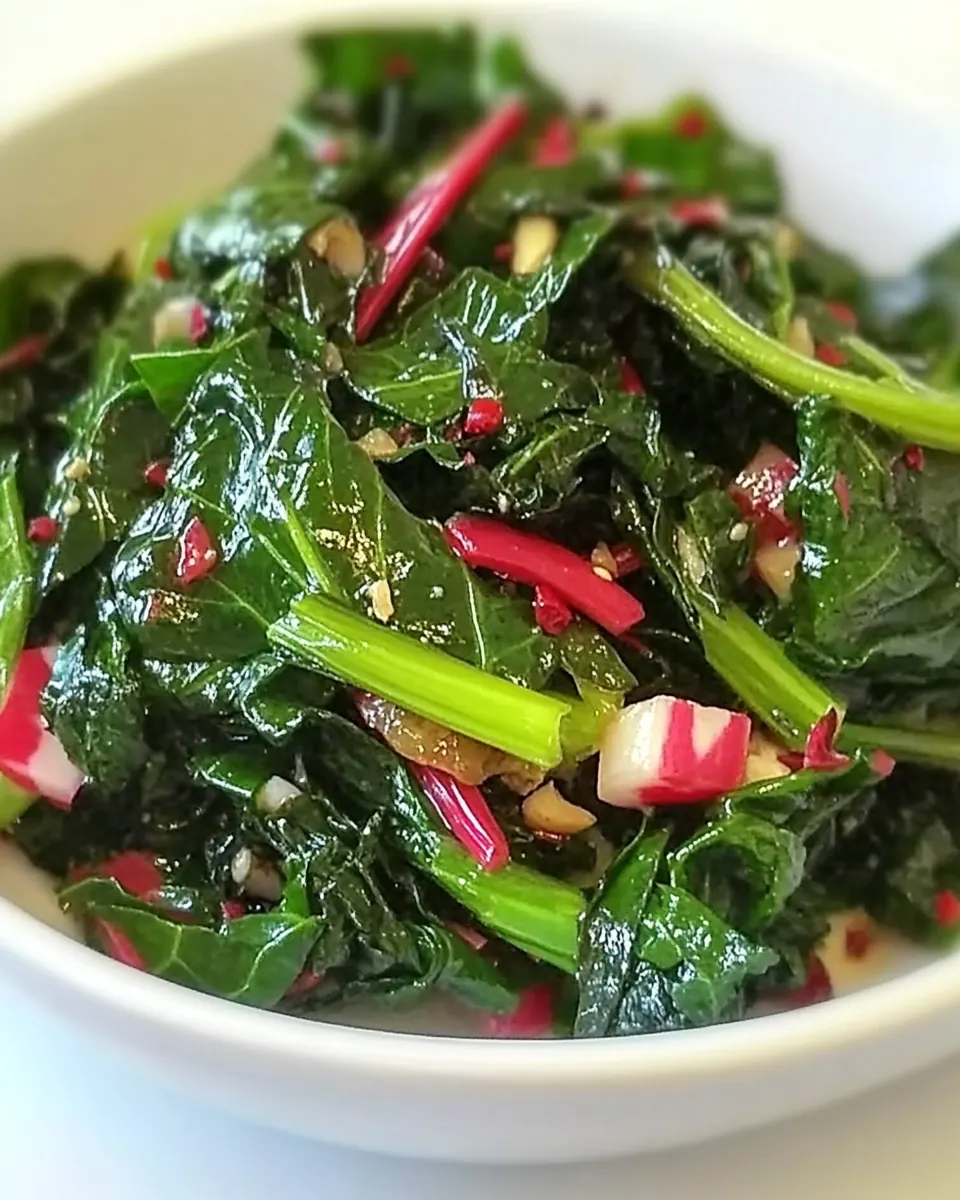
Stir Fried Radish Greens or Swiss Chard
Stir Fried Radish Greens or Swiss Chard is one of those simple vegetable dishes that turned my weeknight dinners from routine to lively almost overnight. The first time I made it I had a bag of peppery radish greens that would have wilted in the crisper drawer, so I tossed them in a hot pan with a whisper of oil and garlic and felt instantly better about dinner. That sizzling, quick toss gave me bright green leaves that still had a little snap, and the aroma of toasted garlic filled the kitchen in a way that felt both humble and celebratory.
I remember standing at the stove, phone propped against a jar, flipping leaves with the spatula and thinking how forgiving this recipe is. It asks for very little fuss, yet rewards you with vibrant color and a clean, savory finish. Over time I swapped in Swiss chard when radish greens were not available, and the result is equally comforting, with slightly earthier flavor and tender stalks that hold up to stir frying. This is a recipe I turn to when I want vegetables to feel like a main character rather than a sidekick.
What keeps me coming back is how this dish showcases the ingredient rather than covering it up. With just a couple of pantry items and a hot pan you get texture and aroma that pair well with so many meals. I often make it for a quick lunch with rice, or alongside another protein for dinner. It has become my go to when the farmers market calls my name and I come home with bundles of leafy greens.
Recipe Snapshot
35 mins
30 mins
5 mins
Medium
150 kcal
American
Vegan, Gluten-Free
Side Dishes
Wok or large heavy frying pan, Spatula, Salad spinner or colander
What We Adore About This Stir Fried Radish Greens or Swiss Chard
Bright, fast flavor
I love that Stir Fried Radish Greens or Swiss Chard delivers immediate payoff. The quick stir fry concentrates flavors while keeping the leaves lively. You get that toasted garlic scent up front, and the greens finish with a gentle bite that feels fresh, not mushy. For busy evenings, this is an instant mood lifter.
Minimal ingredients, maximal result
One reason I keep returning to this dish is its thriftiness. Radish greens or Swiss chard take center stage with only a few supporting players like oil and garlic. That means less chopping, fewer bowls, and a straightforward cleanup. When I want good food without fuss, this recipe delivers.
Versatile side or simple main
I often serve this as a vibrant side, but it also stands on its own with rice or grains. The texture and mild bitterness of the greens pair wonderfully with starches, making it easy to adapt for lunch or dinner. I’ve brought it to potlucks and it disappears fast, which says a lot about its broad appeal.
Perfect for seasonal eating
Because the recipe uses leafy greens, it’s ideal for spring produce trips. I savor the peppery lift from radish greens in early spring, and when chard comes into season the earthier tones are equally welcome. This dish helps me enjoy what’s fresh without heavy sauces masking the produce.
Fast technique builds confidence
Stir frying is an approachable technique, and this recipe is forgiving. As I taught friends to cook it, they gained confidence with heat control and timing. The method reinforces the idea that quick cooking can yield big flavor, which makes home cooking feel more enjoyable overall.
Essential Ingredients for Stir Fried Radish Greens or Swiss Chard
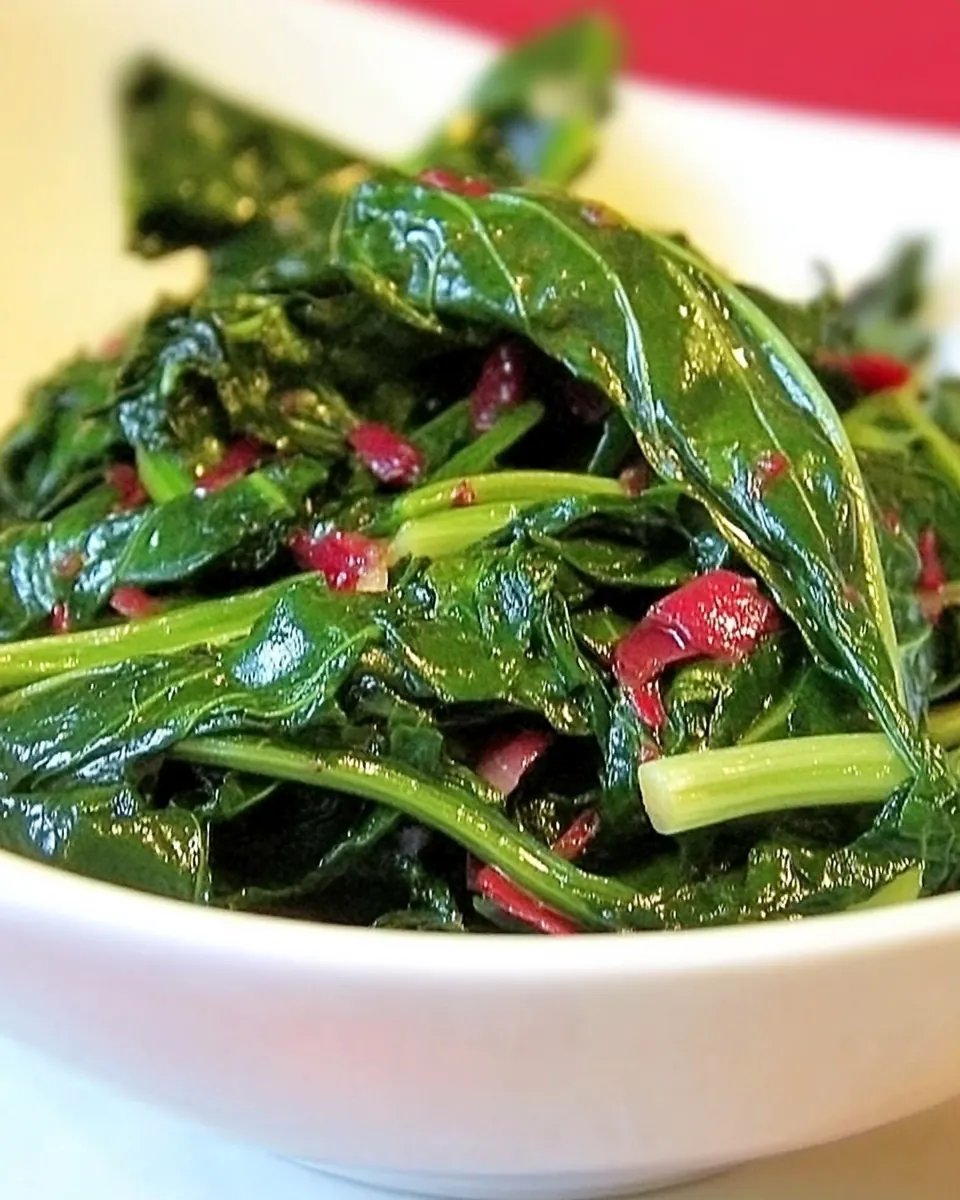
These ingredients are deliberately few, because the goal is to celebrate the greens. Each element has a clear role: the leaves bring texture and freshness, the oil transfers heat and adds a toasty note, and the garlic perfumes the dish. Together they create a simple harmony where technique matters more than complexity.
- 12 ounce s radish greens or Swiss Chard, washed and cut into 1/2 inch slices (see notes): Provide leafy greens with tender texture and mild, slightly peppery flavor when sliced into 1/2 inch pieces; contributes bulk, color, and nutrition to the stir-fry and wilts quickly when cooked. Retain some stems for textural contrast and ensure even cooking by washing thoroughly to remove grit or sand.
- 2 tsp . peanut oil: Supply high-heat cooking oil that helps prevent sticking and promotes quick, even sautéing; add shortly before the garlic to heat until shimmering but not smoking. Impart a subtle nutty aroma while carrying flavors throughout the pan without overpowering the vegetables.
- 2 large garlic cloves: Deliver sharp aromatic flavor that seasons the dish with pungent, savory notes when finely chopped or smashed; bloom briefly in hot oil to release fragrance and deepen overall taste. Avoid overcooking to prevent bitterness and add near the beginning to infuse the oil.
Making This Stir Fried Radish Greens or Swiss Chard
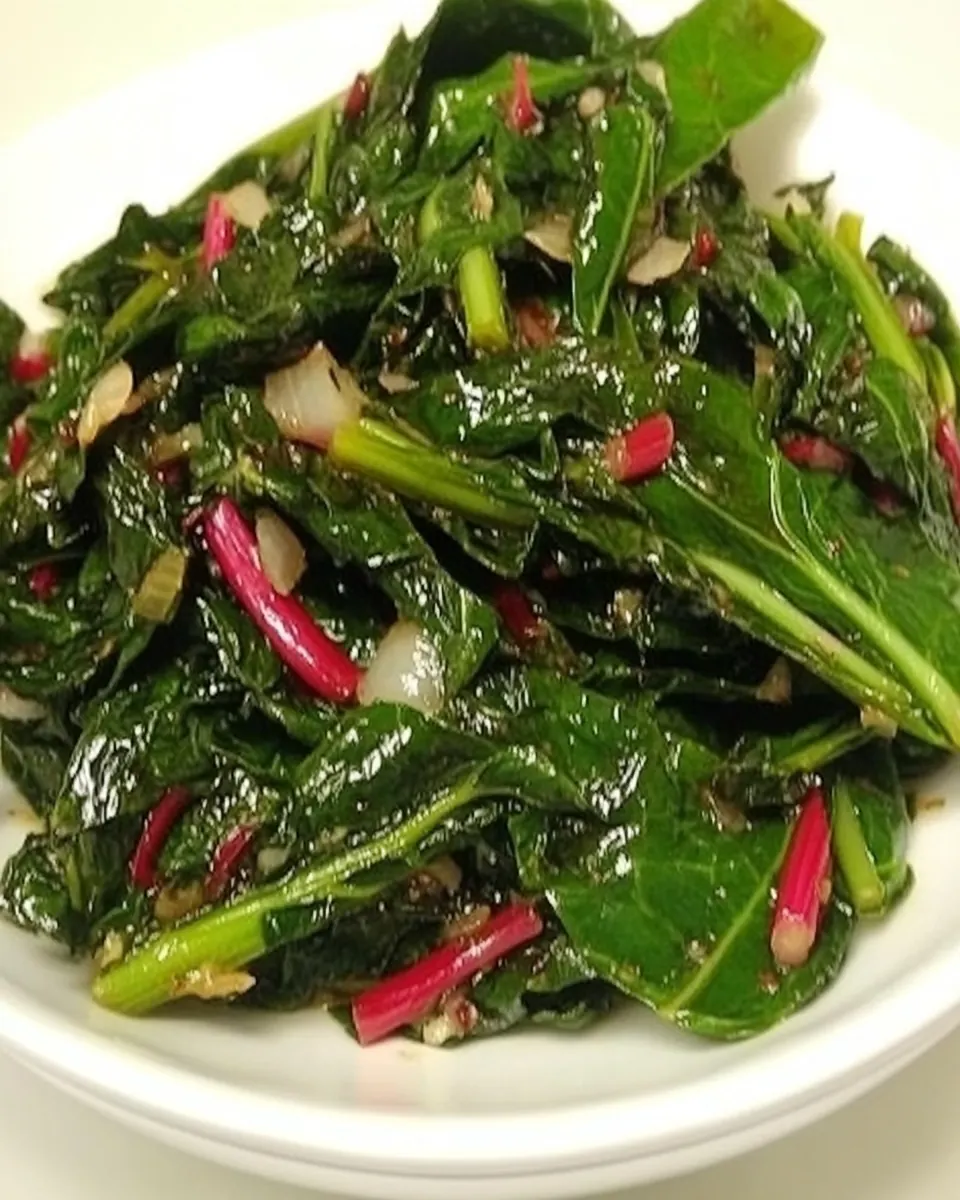
This is a dish about speed and attention. Once your pan is hot, everything moves quickly, so clear your mise en place in advance. I like to have the cleaned and sliced greens, measured oil, and garlic ready to go so the cooking sequence flows without pause.
- Wash and dry radish greens and/or swiss chard. (I used a salad spinner.): The first sensory cue is cool water sliding off the leaves and a faint earthy scent of soil loosening. Patting or spinning the greens dry is crucial because excess water will steam rather than sear, resulting in limp texture. I use a salad spinner for efficiency, and I can feel the weight of the water lift as it spins, which tells me when the greens are acceptably dry. Common mistake to avoid here is skipping the drying step, which causes the pan temperature to drop and the greens to stew.
- If desired, soak greens for about 30 minutes in very cold water. (This makes sure they’re crisp for the quick stir-frying.): After soaking, the greens are noticeably crisper, with a refreshing coolness when you lift them. This step tightens the leaves and helps release embedded grit. I sometimes hear a faint rustle as I transfer the leaves from water to colander, a sign they are turgid and ready. One pitfall is leaving them too long and making them waterlogged, which will dilute flavor during the stir fry.
- Working in batches, cut greens crosswise into 1/2 inch slices.: As you slice, the sound of the knife on the board and the uniform ribbons tell you the pieces will cook evenly. The cut edges expose fresh leaf surfaces that will wilt quickly under heat. I favor consistent size because uneven pieces create a mix of undercooked and overcooked bites. Avoid rushing this step, as haphazard cuts lead to uneven texture.
- Mix together sauce ingredients and set aside.: When the sauce comes together, its aroma is often bright or savory depending on what was included, and having it ready prevents any delay at the stove. I stir the components until they are homogenous and the liquid has a sheen, signalling it will coat the greens evenly. A common error is mixing too late, which interrupts the quick cooking rhythm and can result in uneven seasoning.
- Preheat the wok or large, heavy frying pan until it feels very hot when you hold your hand there, then add the oil.: The pan should emit a faint heat shimmer and you can smell a dry, metallic warmth. Adding oil to a properly heated surface allows it to thin and move quickly, giving the leaves an immediate sizzle on contact. I often test by tilting the pan slightly to watch the oil form a glossy sheet, a visual cue that it is ready. A mistake here is underheating the pan, which causes the greens to steam rather than fry.
- When oil looks shimmery, add the garlic cloves (for seasoning the oil) and cook about 30 seconds, making sure garlic doesn’t start to brown. Remove garlic and discard.: As the garlic warms, it releases a nutty, fragrant note that scents the oil. You will see tiny bubbles around the cloves and catch a sweet, toasted aroma; remove them before browning to keep the flavor clean. If the garlic browns, it becomes bitter, which can overpower the greens. The common slip is leaving the garlic too long, so stay attentive.
- Add chopped radish greens and/or swiss chard all at once and immediately begin to stir-fry, turning greens over and over just until they are almost all wilted. (For me this was only one minute, but I have a great gas stove with a burner with really high heat.): At contact the greens will vocalize with an immediate sizzle and a bright vegetal steam will rise. Rapid tossing ensures each leaf hits the hot surface, softening edges while keeping color vivid. I aim to stop tossing when most pieces are pliant but still retain slight body, which gives the dish a lively mouthfeel. Overcooking here creates a limp, dull result, so avoid lingering in the pan.
- When greens are almost all wilted, add sauce ingredients, stir, and cook 30 seconds more.: The sauce should sizzle briefly and cling to the leaves, amplifying savory notes and adding a glossy finish. You will hear a quick hiss as liquids hit the hot pan, and steam will carry concentrated aromatics. This short finish melds flavors without softening everything further. A mistake to watch for is adding too much liquid, which can dilute flavor and cool the pan.
- Serve hot.: Serve immediately while the leaves are bright and the aroma is at its peak, the texture will be tender with a slight snap in the stems. Hot plating preserves the contrast between warm leaves and any accompanying elements. If you wait too long, residual heat softens the greens further and the experience becomes less vibrant.
Ways to Customize
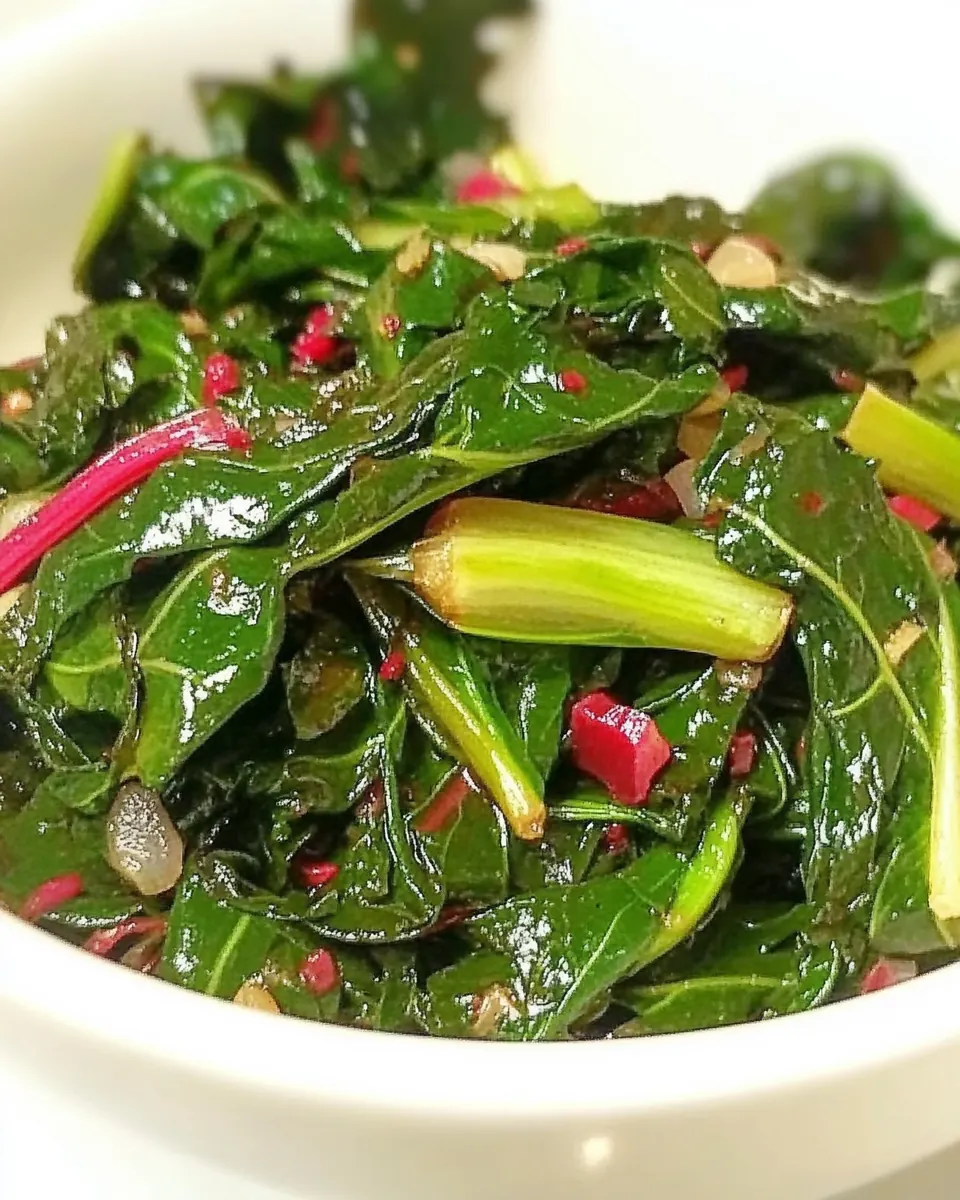
There are small changes you can make to tailor this dish while keeping its simple soul. Below are thoughtful options to adjust texture, aroma, and overall balance without complicating the technique.
- Adjust heat level: Increase or decrease the pan temperature to control char and tenderness, aiming for a quick sear rather than a slow steam.
- Swap the greens: Use either the peppery flavor of radish greens or the milder, earthier tone of Swiss chard depending on what you prefer that day.
- Oil choice matters: Peanut oil withstands high heat well, but if you need a different neutral oil in the ingredient list, be sure it is also suited for stir frying.
- Timing the sauce: Hold the sauce until the greens are nearly done so the finish brightens the leaves without making them soggy.
- Garlic handling: Briefly infuse the oil and remove the cloves to keep flavor clean and avoid any bitter notes from overcooked garlic.
What to Pair With Stir Fried Radish Greens or Swiss Chard
This dish is versatile and pairs well with many meals. It works as a crisp accompaniment to simple grains, or as part of a larger spread. Below I outline pairings and serving occasions to help you make the most of it.
- Serve with steamed rice: A bowl of warm rice provides a neutral base that soaks up any sauce and complements the greens’ texture, making it suitable for a quick lunch or weeknight dinner.
- Accompany roasted proteins: Pair the greens with mild roasted proteins for contrast in texture and a balanced plate, ideal for casual dinners.
- Seasonal occasions: Because the recipe highlights fresh produce, it is excellent in spring when radish greens are abundant, or anytime chard is in season for a lighter meal.
- Storage tips: Cool leftovers quickly, store in an airtight container, and reheat briefly in a hot pan to preserve texture rather than microwave stewing.
- Serving style: Present the greens in a shallow bowl so the glossy leaves and any sauce are visible, encouraging family style sharing at the table.
FAQ
Conclusion
What makes this recipe special is how quickly it transforms simple leafy greens into a flavorful, textured dish with very little fuss. Give it a try on a busy night when you want something bright and satisfying with minimal prep. You might find it becoming a regular because it’s fast, forgiving, and lets fresh produce shine.
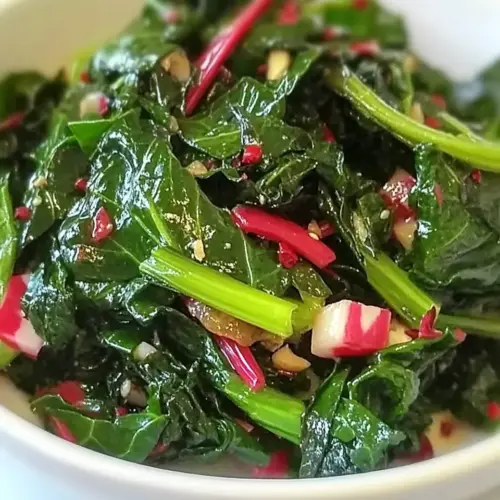
Stir Fried Radish Greens or Swiss Chard
Equipment
- Wok or large heavy frying pan
- Spatula
- Salad spinner or colander
Ingredients
- 12 ounce s radish greens or Swiss Chard, washed and cut into 1/2 inch slices (see notes) Provide leafy greens with tender texture and mild, slightly peppery flavor when sliced into 1/2 inch pieces; contributes bulk, color, and nutrition to the stir-fry and wilts quickly when cooked. Retain some stems for textural contrast and ensure even cooking by washing thoroughly to remove grit or sand.
- 2 tsp . peanut oil Supply high-heat cooking oil that helps prevent sticking and promotes quick, even sautéing; add shortly before the garlic to heat until shimmering but not smoking. Impart a subtle nutty aroma while carrying flavors throughout the pan without overpowering the vegetables.
- 2 large garlic cloves Deliver sharp aromatic flavor that seasons the dish with pungent, savory notes when finely chopped or smashed; bloom briefly in hot oil to release fragrance and deepen overall taste. Avoid overcooking to prevent bitterness and add near the beginning to infuse the oil.
Instructions
- Wash and dry radish greens and/or swiss chard. (I used a salad spinner.): The first sensory cue is cool water sliding off the leaves and a faint earthy scent of soil loosening. Patting or spinning the greens dry is crucial because excess water will steam rather than sear, resulting in limp texture. I use a salad spinner for efficiency, and I can feel the weight of the water lift as it spins, which tells me when the greens are acceptably dry. Common mistake to avoid here is skipping the drying step, which causes the pan temperature to drop and the greens to stew.
- If desired, soak greens for about 30 minutes in very cold water. (This makes sure they’re crisp for the quick stir-frying.): After soaking, the greens are noticeably crisper, with a refreshing coolness when you lift them. This step tightens the leaves and helps release embedded grit. I sometimes hear a faint rustle as I transfer the leaves from water to colander, a sign they are turgid and ready. One pitfall is leaving them too long and making them waterlogged, which will dilute flavor during the stir fry.
- Working in batches, cut greens crosswise into 1/2 inch slices.: As you slice, the sound of the knife on the board and the uniform ribbons tell you the pieces will cook evenly. The cut edges expose fresh leaf surfaces that will wilt quickly under heat. I favor consistent size because uneven pieces create a mix of undercooked and overcooked bites. Avoid rushing this step, as haphazard cuts lead to uneven texture.
- Mix together sauce ingredients and set aside.: When the sauce comes together, its aroma is often bright or savory depending on what was included, and having it ready prevents any delay at the stove. I stir the components until they are homogenous and the liquid has a sheen, signalling it will coat the greens evenly. A common error is mixing too late, which interrupts the quick cooking rhythm and can result in uneven seasoning.
- Preheat the wok or large, heavy frying pan until it feels very hot when you hold your hand there, then add the oil.: The pan should emit a faint heat shimmer and you can smell a dry, metallic warmth. Adding oil to a properly heated surface allows it to thin and move quickly, giving the leaves an immediate sizzle on contact. I often test by tilting the pan slightly to watch the oil form a glossy sheet, a visual cue that it is ready. A mistake here is underheating the pan, which causes the greens to steam rather than fry.
- When oil looks shimmery, add the garlic cloves (for seasoning the oil) and cook about 30 seconds, making sure garlic doesn’t start to brown. Remove garlic and discard.: As the garlic warms, it releases a nutty, fragrant note that scents the oil. You will see tiny bubbles around the cloves and catch a sweet, toasted aroma; remove them before browning to keep the flavor clean. If the garlic browns, it becomes bitter, which can overpower the greens. The common slip is leaving the garlic too long, so stay attentive.
- Add chopped radish greens and/or swiss chard all at once and immediately begin to stir-fry, turning greens over and over just until they are almost all wilted. (For me this was only one minute, but I have a great gas stove with a burner with really high heat.): At contact the greens will vocalize with an immediate sizzle and a bright vegetal steam will rise. Rapid tossing ensures each leaf hits the hot surface, softening edges while keeping color vivid. I aim to stop tossing when most pieces are pliant but still retain slight body, which gives the dish a lively mouthfeel. Overcooking here creates a limp, dull result, so avoid lingering in the pan.
- When greens are almost all wilted, add sauce ingredients, stir, and cook 30 seconds more.: The sauce should sizzle briefly and cling to the leaves, amplifying savory notes and adding a glossy finish. You will hear a quick hiss as liquids hit the hot pan, and steam will carry concentrated aromatics. This short finish melds flavors without softening everything further. A mistake to watch for is adding too much liquid, which can dilute flavor and cool the pan.
- Serve hot.: Serve immediately while the leaves are bright and the aroma is at its peak, the texture will be tender with a slight snap in the stems. Hot plating preserves the contrast between warm leaves and any accompanying elements. If you wait too long, residual heat softens the greens further and the experience becomes less vibrant.
Notes
- Adjust heat level: Increase or decrease the pan temperature to control char and tenderness, aiming for a quick sear rather than a slow steam.
- Swap the greens: Use either the peppery flavor of radish greens or the milder, earthier tone of Swiss chard depending on what you prefer that day.
- Oil choice matters: Peanut oil withstands high heat well, but if you need a different neutral oil in the ingredient list, be sure it is also suited for stir frying.
- Timing the sauce: Hold the sauce until the greens are nearly done so the finish brightens the leaves without making them soggy.
- Garlic handling: Briefly infuse the oil and remove the cloves to keep flavor clean and avoid any bitter notes from overcooked garlic.