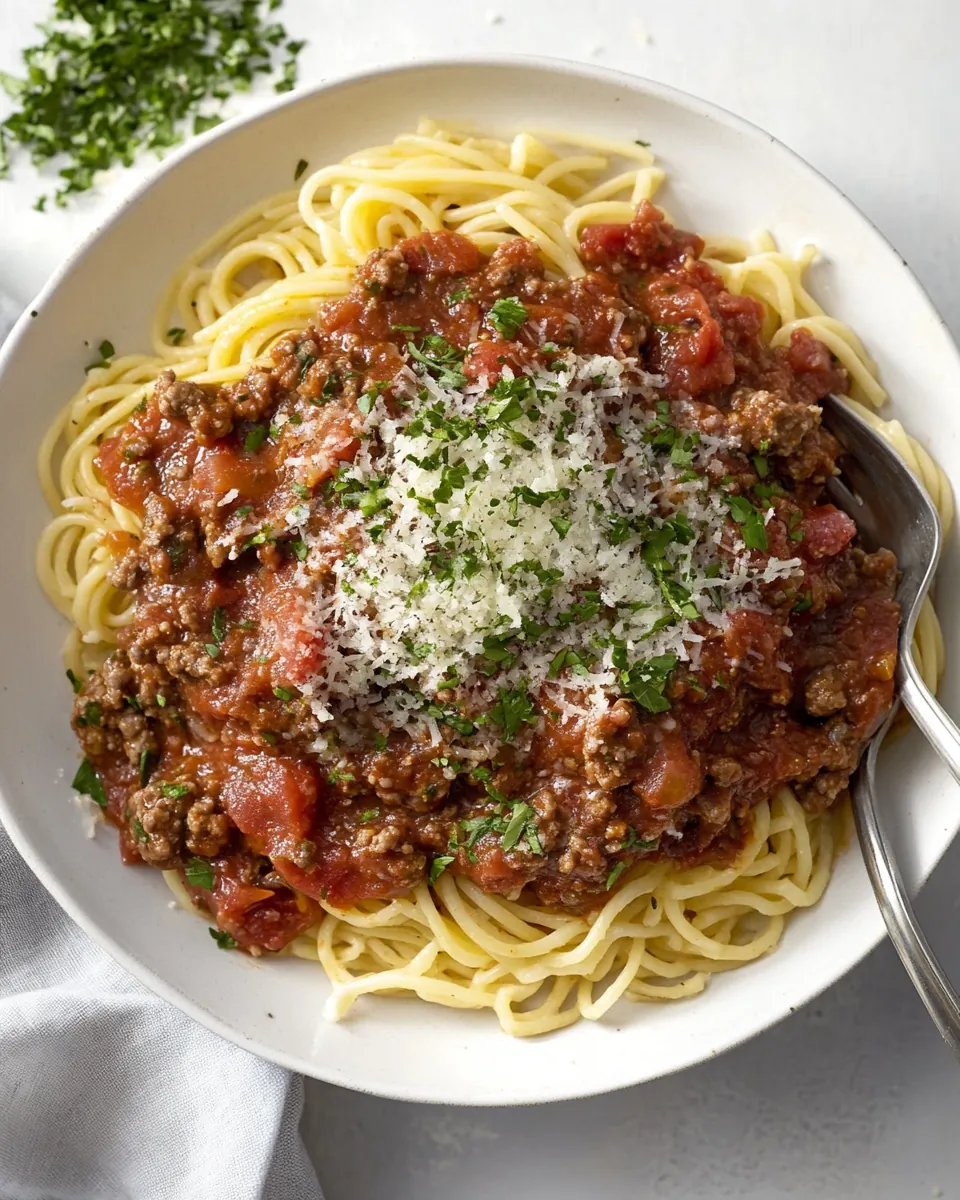
Crock Pot Meaty Pasta Sauce
Crock Pot Meaty Pasta Sauce has been my go to for chilly evenings when I want something warm, comforting, and utterly forgiving. The first time I made it I was juggling a work call and a grocery run, and this sauce rescued dinner without any drama. Ever since, it has that cozy, slow cooked vibe that makes the house smell like home, and I reach for it when friends swing by unannounced because it scales so well.
One weekend I decided to test it on a crowd of friends who all claimed they hated store bought sauces. I browned the meat, let the sauce bubble gently in the crock pot, and the verdict was unanimous everyone asked for the recipe. I loved watching how the grated carrots melted into the sauce and how the diced onion sweetened the whole pot. It felt like a small kitchen miracle that required almost no babysitting. That memory is why I always keep the ingredients on hand on busy weeks.
Recipe Snapshot
6 hr 10 mins
10 mins
360 mins
Hard
350 kcal
Italian
Paleo, Whole30
Dinner
Slow Cooker
Why Try This Crock Pot Meaty Pasta Sauce
Hearty, not heavy
I love how Crock Pot Meaty Pasta Sauce gives you big flavor without feeling greasy. The combination of lean ground beef and a long, slow cook time lets the meat meld into the tomatoes, creating a dense, satisfying sauce that still feels balanced on the plate. I often spoon a little over steaming pasta and the sauce hugs every strand.
Hands off convenience
What sold me was how simple it is to set up and forget. After a short sauté, everything goes into the crock pot and you walk away. That ease is a lifesaver on busy days, and I appreciate that I can start it in the morning and come back to a dinner that tastes like I spent hours on it.
Vegetable stealth
I respect that this recipe hides extra vegetables so you can sneak in nutrition without changing the flavor kids or picky eaters will notice. The grated carrots dissolve and add natural sweetness, while the diced red bell pepper softens into the background. It is my quiet trick for getting more color and vitamins into weeknight meals.
Flexible and forgiving
One of the biggest reasons I keep this in my rotation is how forgiving it is. If you need to let it cook a bit longer, or you want to up the batch size for leftovers, the base keeps improving. I once doubled it for a family gathering and it froze and reheated beautifully, which made life so much easier the week after.
Classic flavor profile
The blend of tomato paste, canned diced tomatoes, and tomato puree with dried Italian herbs creates a familiar, beloved flavor. It is rooted in classic Italian inspired pantry ingredients so it pairs perfectly with pasta, lasagna, or as a base for other dishes. I always find that little things like the bay leaf make a noticeable difference in depth, and I never skip it.
What You’ll Need for Crock Pot Meaty Pasta Sauce
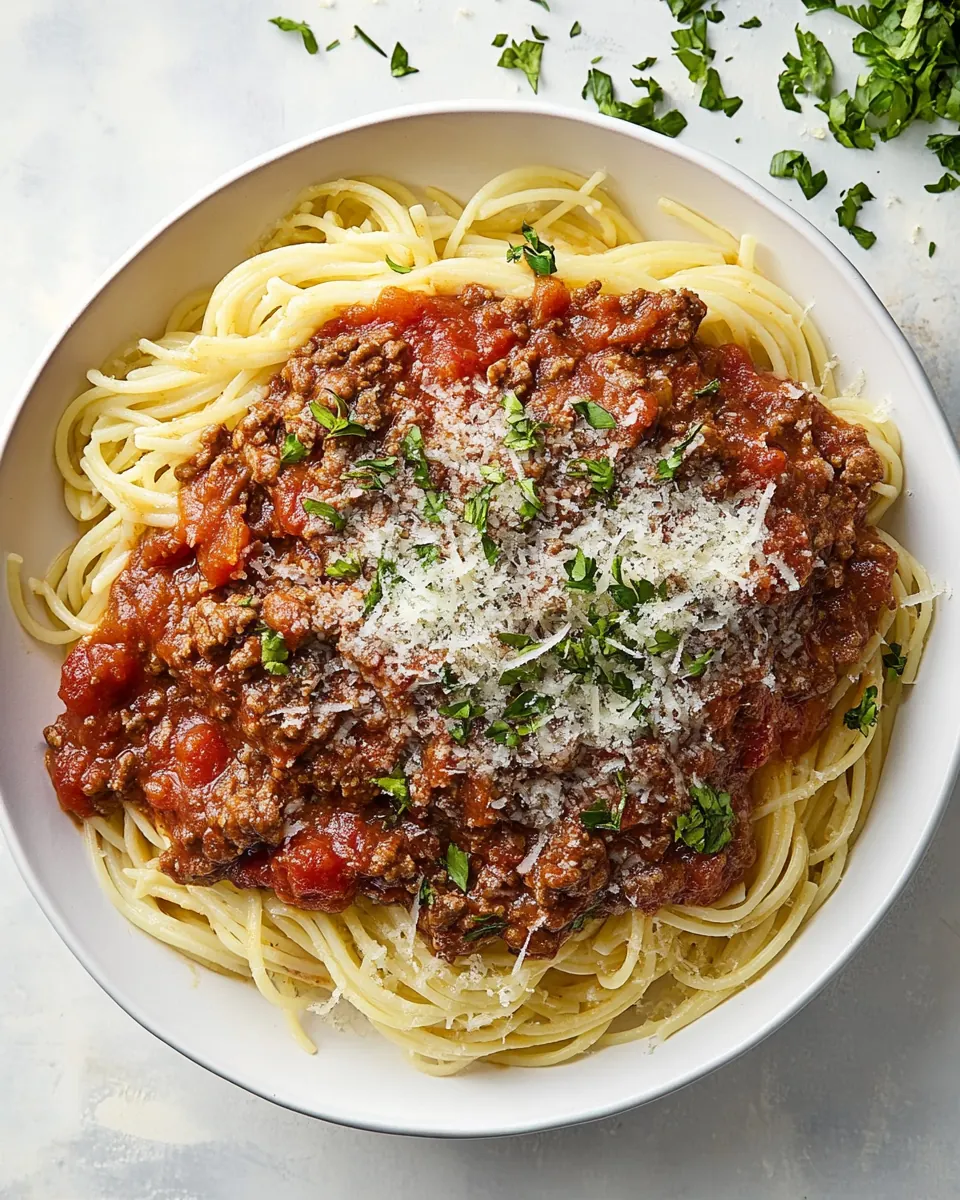
These ingredients are designed to build a sauce with depth and balance. The key players are the canned tomatoes that provide body and acidity, the ground beef for savory richness, and aromatics like the onion and grated carrots that lend sweetness and texture. The dried Italian herbs and bay leaf round everything out, creating a robust, layered sauce that simmers into comfort.
- 1 tablespoon olive oil: Sauté briefly in a skillet to add a fruity, peppery base that helps carry aromatics and prevents sticking in the pan before slow cooking; adds healthy monounsaturated fats and a silky mouthfeel to the sauce.
- 1 onion, diced: Sweat until translucent to build natural sweetness and depth, releasing moisture and enhancing overall sauce flavor; provides texture and savory backbone that complements long-simmered tomatoes.
- 1 pound lean ground beef: Brown thoroughly to develop rich Maillard flavors and concentrated meatiness; contributes substantial protein, savory umami, and body to create a hearty, satisfying sauce.
- 2 teaspoons kosher salt, divided: Season gradually and strategically to enhance all other flavors without overwhelming them, using half early for seasoning during browning and the remainder later to adjust taste; helps balance acidity and sweetness in the finished sauce.
- 2 tablespoons tomato paste: Concentrate and deepen tomato flavor by briefly cooking to caramelize sugars and boost umami; adds intense tomato richness that anchors the sauce’s savory profile.
- 1 cup water: Adjust consistency and deglaze the pan to lift browned bits while providing necessary liquid for slow cooking; helps ensure even heat transfer and creates a cohesive sauce texture.
- 128 ounce can diced tomatoes: Provide chunky tomato body, sweetness, and acidity that form the bulk of the sauce; contributes tomato solids and texture that make the sauce robust and hearty.
- 15 ounce can tomato puree: Supply smooth tomato flavor and thickness to round out texture and meld with diced tomatoes; enhances overall tomato intensity and creates a more unified sauce.
- 1 cup carrots, grated: Introduce subtle sweetness, natural pectin, and slight texture when grated, which balances acidity and adds nutritional value; helps thicken the sauce gently as it simmers.
- 1 medium red bell pepper, diced (orange or yellow bell pepper would work too): Add crunchy-sweet pepper notes and a touch of brightness when softened, contributing layered vegetable flavor and color contrast; enhances complexity and freshness in the finished sauce.
- 1 teaspoon garlic powder: Impart warm, savory garlic essence in a convenient dry form that disperses evenly, boosting overall aroma and umami without overpowering delicate flavors; helps season uniformly during the long cook.
- 1 teaspoon onion powder: Deliver mild, rounded onion-like sweetness in powdered form to reinforce savory layers without adding moisture or texture; blends easily into slow-cooked sauces to elevate depth.
- 1 tablespoon dried Italian herbs: Provide an herbal Mediterranean blend that lends aromatic complexity, balancing tomatoes and meat with oregano, basil, and thyme-like notes; infuses the sauce during the long, slow simmer.
- 1 bay leaf: Add a subtle, woodsy bitterness and fragrant depth when simmered, helping to round and unify flavors over time; can be removed before serving to leave a nuanced background note.
The Process for Making Crock Pot Meaty Pasta Sauce
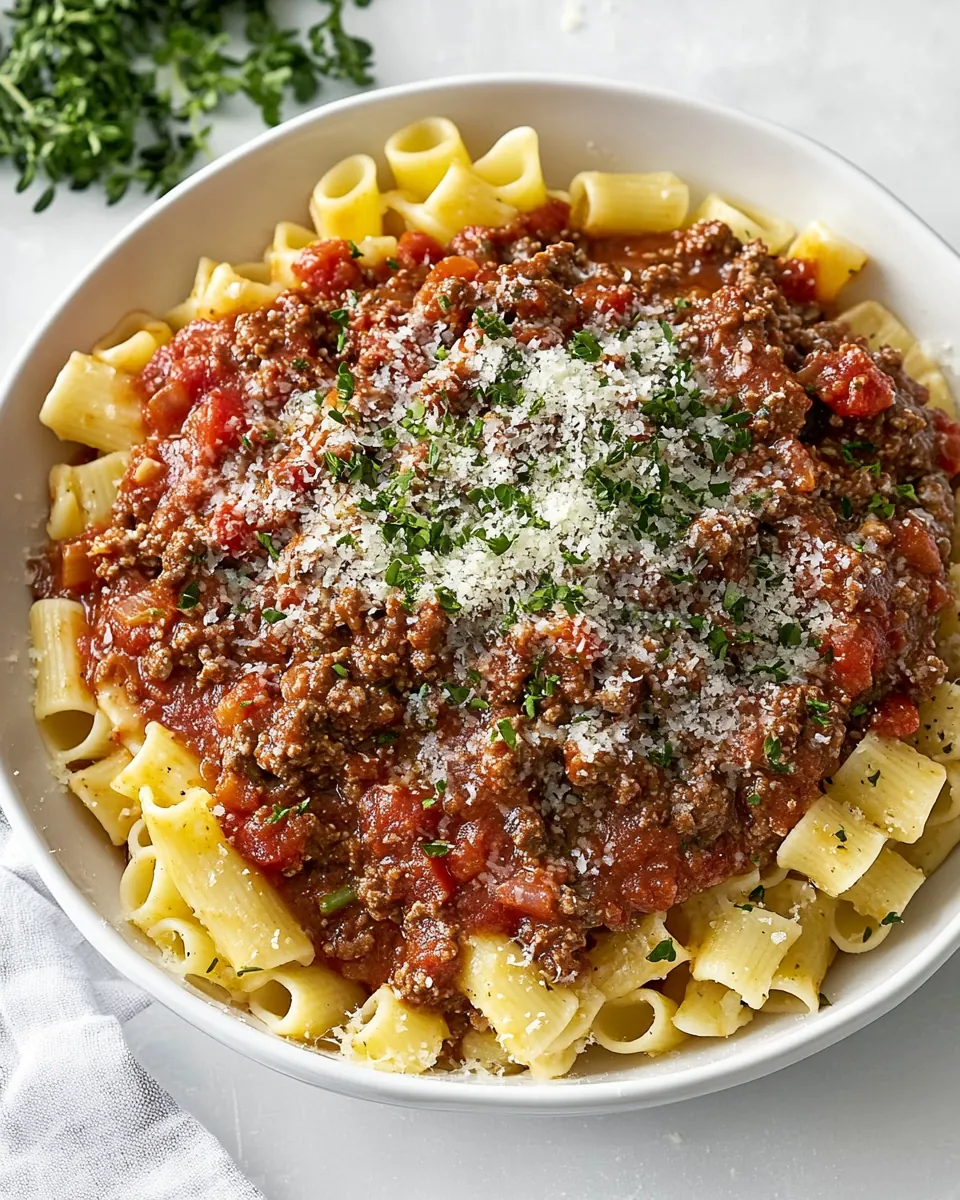
I like to keep the instructions conversational and clear, because the slow cooker does a lot of the heavy lifting. Below I expand each direction into a detailed, sensory rich step so you know exactly what to watch for and how to avoid common missteps. Follow the order, and you will end up with a deeply flavored sauce that clings to pasta and reheats like a dream.
- Heat 1 tablespoon of olive oil in a medium sauté pan and sauté onions for 4 minutes. Add the ground beef and 1 teaspoon of salt and sauté for 4 more minutes, breaking apart the meat as it cooks. Add the bell peppers and saute an additional 2-3 minutes.: The hot oil should shimmer and smell faintly fruity right before you add the onion . As the onion hits the pan you will hear a gentle sizzle, and within a couple minutes the pieces will soften and lose their raw edge. You want them to become translucent and slightly glossy, not crispy or brown, because those softened sugars will lend a natural sweetness to the sauce. Stir occasionally so no pieces stick to the pan, and lower the heat if they start to brown too fast. A common mistake is rushing this step on high heat which leads to burned edges and bitter notes; take your time and keep the heat moderate.
- Add the sautéed meat, onions and bell pepper to the crock pot along with the remaining ingredients and stir to combine.: When you add the ground beef , increase your attention to sound and color. The meat should sizzle and begin to brown, releasing juices and a rich aroma that signals the Maillard reaction is happening. Use a wooden spoon or spatula to break the meat into small crumbles so it cooks evenly and distributes through the sauce. The salt helps draw moisture out and seasons the meat from the start. Avoid overcrowding the pan, because if the meat steams instead of browns you will lose depth. If you see lots of liquid pooling, tilt the pan and spoon it away, or let the pan heat up a touch more to promote better browning.
- Cook on low for 360 minutes or high for 240 minutes.: When the diced red bell pepper hits the pan you will notice a fresh, sweet scent that complements the browned meat. Sauté them just until they begin to soften and their edges become tender but not mushy, so they keep a bit of texture in the final sauce. The peppers add a subtle sweetness and bright color that improves both taste and appearance. Overcooking them to mush at this stage can lead to a flat texture, so watch for a slight give and a glossy sheen as your cue to stop.
- Serve over cooked pasta or use in any recipe that calls for meat sauce.: As you transfer the cooked mixture into the crock pot, note the layered aromas that rise from the pan a savory mix of browned ground beef , softened onion , and sweet red bell pepper . Add the canned diced tomatoes , tomato puree , tomato paste , grated carrots , the remaining 1 teaspoon of salt, garlic powder , onion powder , Italian herbs , bay leaf , and 1 cup water . Stir until the tomato paste is fully distributed and there are no concentrated pockets, this prevents an unpleasant pastey bite in the finished sauce. Make sure the ingredients are mixed evenly so flavors meld during the slow cook. A trap to avoid is adding too much water which dilutes flavor; the 1 cup is calibrated so the sauce reduces to a clingy texture that coats pasta nicely.
- Cook on low for 360 minutes or high for 240 minutes.: Set the crock pot to the chosen temperature and let time do the work. On low the flavors develop slowly and harmonize beautifully, producing a deeper, more cohesive sauce. On high you will still get great results in less time, but the slow low simmer is ideal for maximum depth. You will notice during the long cook that aromas in your kitchen will evolve from bright tomato notes to a richer, mellowed profile, and the sauce will thicken and darken slightly. Resist the urge to lift the lid frequently, because heat loss lengthens cooking time and can prevent proper reduction. A common misstep is stirring constantly which interrupts the gentle simmer; only stir once or twice if needed near the end to check texture.
- Serve over cooked pasta or use in any recipe that calls for meat sauce.: When the sauce is ready it should be thick enough to cling to pasta, with tender bits of ground beef and softened vegetable pieces creating a satisfying mouthfeel. Spoon it hot over your favorite cooked pasta and watch how it coats each strand or shape. If you plan to use it in recipes like baked pasta or lasagna, let it cool slightly before assembling to avoid excess moisture. A common issue is underseasoning after long cooks, so taste and adjust salt toward the end if needed, and remember to remove the bay leaf before serving.
Recipe Variations about Crock Pot Meaty Pasta Sauce
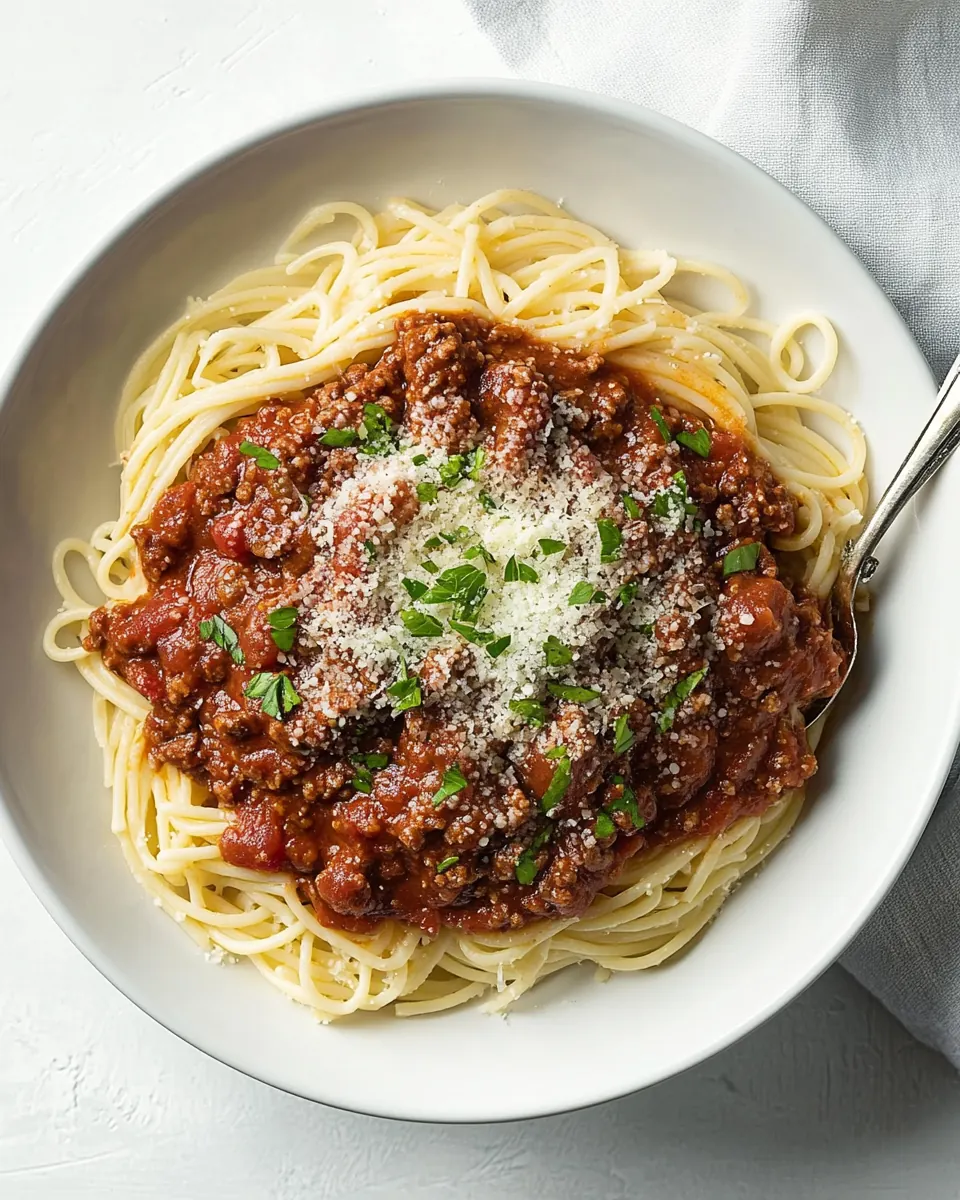
This section explores ways I like to adapt the base while keeping the heart of the recipe intact. The tips below expand on options for texture, batch size, and reheating, all built from the provided notes and my own experience. Each list item highlights a main idea and details you can try.
- Double the Batch This meaty pasta sauce freezes like a dream. I always portion into single or family size containers before freezing so I can thaw exactly what I need. Properly cooled and sealed, it keeps up to three months, and reheats evenly from frozen in the microwave or on the stovetop over low heat. Label containers with the date so you rotate through your stash, and when reheating add a splash of water if it seems too thick.
- Don’t Skip the Sauté Browning the ground beef and softening the onion first builds foundational flavor you simply cannot get by tossing raw ingredients straight into the crock pot. If your slow cooker has a sauté function, use it to do everything in one pot which saves cleanup and preserves flavor. Avoid underbrowning which yields a flatter taste, and scrape up browned bits from the pan into the crock pot for extra richness.
- Let It Simmer The longer the sauce cooks on low, the more the flavors meld and sweeten, and the texture becomes thick and clingy. If you have time, choose the low setting for that slow developed flavor. Keep an eye on consistency toward the end and thicken by removing the lid for the last 30 minutes if you prefer a reduced sauce that adheres to pasta better.
- Batch and Freeze Smart Divide cooled sauce into portion sizes that match your household needs. I use vacuum seal bags for long term storage and freezer safe containers for short term. Thaw overnight in the fridge for best texture, and reheat gently to avoid splattering. When reheating on the stovetop stir often and add a bit of water if it has tightened too much in the freezer.
- Adjust Salt Late Because flavors concentrate during the long cook, wait until near the end to finish seasoning with the remaining salt. Taste after the sauce has simmered for several hours, and add the second portion of salt to fine tune the balance. This avoids an over salted result which can be hard to correct once it develops.
Best Served With
This sauce pairs beautifully with a range of pastas and meal occasions. Below I describe favorite serving styles, side choices, and storage tips so you can choose what fits your weeknight or weekend plans. Serving is flexible, and small adjustments can change the whole meal vibe.
- Classic Pasta Pairing Serve the sauce over hot cooked pasta such as spaghetti, penne, or rigatoni so it clings to the shapes. Toss the pasta with a ladle of sauce before plating to ensure every bite is coated evenly.
- Baked Pasta Casseroles Use the sauce in lasagna or baked ziti for a comforting oven baked dinner. Combine with cooked pasta and a little extra sauce in a casserole dish, cover tightly for the first part of baking to keep it moist, then uncover to brown the top.
- Meal Occasions Ideal for weeknight dinners, casual family gatherings, or wintertime meals when you want something warming and filling. It scales well for potlucks and feeds a crowd without much fuss.
- Storage Tips Refrigerate leftovers in airtight containers for up to four days, or freeze in meal sized portions for up to three months. Thaw overnight in the fridge for best texture and reheat on low, stirring occasionally.
- Seasonal Pairings This sauce feels especially right in colder months when you crave heartier foods. Pair with a crisp green salad or roasted vegetables to add brightness and balance to the plate.
FAQ
Conclusion
This recipe stands out for its deep, slow cooked flavor and effortless, set it and forget it approach. I encourage you to try it on a busy weeknight or when you want to feed a crowd with minimal fuss, because it rewards patience with a hearty, comforting sauce that reheats beautifully. Let the long simmer work its magic, and enjoy how the simple pantry ingredients transform into something soulful and satisfying.
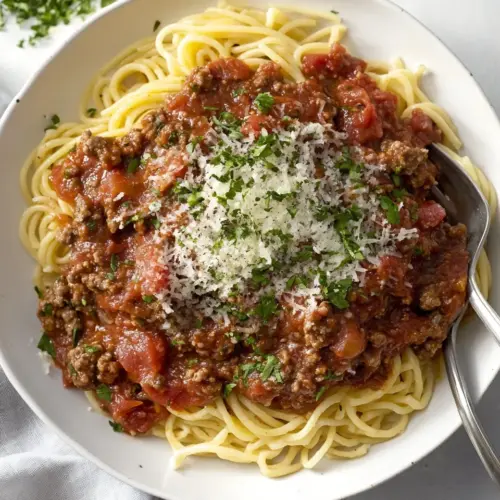
Crock Pot Meaty Pasta Sauce
Equipment
- Slow Cooker
Ingredients
- 1 tablespoon olive oil Sauté briefly in a skillet to add a fruity, peppery base that helps carry aromatics and prevents sticking in the pan before slow cooking; adds healthy monounsaturated fats and a silky mouthfeel to the sauce.
- 1 onion, diced Sweat until translucent to build natural sweetness and depth, releasing moisture and enhancing overall sauce flavor; provides texture and savory backbone that complements long-simmered tomatoes.
- 1 pound lean ground beef Brown thoroughly to develop rich Maillard flavors and concentrated meatiness; contributes substantial protein, savory umami, and body to create a hearty, satisfying sauce.
- 2 teaspoons kosher salt, divided Season gradually and strategically to enhance all other flavors without overwhelming them, using half early for seasoning during browning and the remainder later to adjust taste; helps balance acidity and sweetness in the finished sauce.
- 2 tablespoons tomato paste Concentrate and deepen tomato flavor by briefly cooking to caramelize sugars and boost umami; adds intense tomato richness that anchors the sauce’s savory profile.
- 1 cup water Adjust consistency and deglaze the pan to lift browned bits while providing necessary liquid for slow cooking; helps ensure even heat transfer and creates a cohesive sauce texture.
- 128 ounce can diced tomatoes Provide chunky tomato body, sweetness, and acidity that form the bulk of the sauce; contributes tomato solids and texture that make the sauce robust and hearty.
- 15 ounce can tomato puree Supply smooth tomato flavor and thickness to round out texture and meld with diced tomatoes; enhances overall tomato intensity and creates a more unified sauce.
- 1 cup carrots, grated Introduce subtle sweetness, natural pectin, and slight texture when grated, which balances acidity and adds nutritional value; helps thicken the sauce gently as it simmers.
- 1 medium red bell pepper, diced (orange or yellow bell pepper would work too) Add crunchy-sweet pepper notes and a touch of brightness when softened, contributing layered vegetable flavor and color contrast; enhances complexity and freshness in the finished sauce.
- 1 teaspoon garlic powder Impart warm, savory garlic essence in a convenient dry form that disperses evenly, boosting overall aroma and umami without overpowering delicate flavors; helps season uniformly during the long cook.
- 1 teaspoon onion powder Deliver mild, rounded onion-like sweetness in powdered form to reinforce savory layers without adding moisture or texture; blends easily into slow-cooked sauces to elevate depth.
- 1 tablespoon dried Italian herbs Provide an herbal Mediterranean blend that lends aromatic complexity, balancing tomatoes and meat with oregano, basil, and thyme-like notes; infuses the sauce during the long, slow simmer.
- 1 bay leaf Add a subtle, woodsy bitterness and fragrant depth when simmered, helping to round and unify flavors over time; can be removed before serving to leave a nuanced background note.
Instructions
- Heat 1 tablespoon of olive oil in a medium sauté pan and sauté onions for 4 minutes. Add the ground beef and 1 teaspoon of salt and sauté for 4 more minutes, breaking apart the meat as it cooks. Add the bell peppers and saute an additional 2-3 minutes.: The hot oil should shimmer and smell faintly fruity right before you add the onion . As the onion hits the pan you will hear a gentle sizzle, and within a couple minutes the pieces will soften and lose their raw edge. You want them to become translucent and slightly glossy, not crispy or brown, because those softened sugars will lend a natural sweetness to the sauce. Stir occasionally so no pieces stick to the pan, and lower the heat if they start to brown too fast. A common mistake is rushing this step on high heat which leads to burned edges and bitter notes; take your time and keep the heat moderate.
- Add the sautéed meat, onions and bell pepper to the crock pot along with the remaining ingredients and stir to combine.: When you add the ground beef , increase your attention to sound and color. The meat should sizzle and begin to brown, releasing juices and a rich aroma that signals the Maillard reaction is happening. Use a wooden spoon or spatula to break the meat into small crumbles so it cooks evenly and distributes through the sauce. The salt helps draw moisture out and seasons the meat from the start. Avoid overcrowding the pan, because if the meat steams instead of browns you will lose depth. If you see lots of liquid pooling, tilt the pan and spoon it away, or let the pan heat up a touch more to promote better browning.
- Cook on low for 360 minutes or high for 240 minutes.: When the diced red bell pepper hits the pan you will notice a fresh, sweet scent that complements the browned meat. Sauté them just until they begin to soften and their edges become tender but not mushy, so they keep a bit of texture in the final sauce. The peppers add a subtle sweetness and bright color that improves both taste and appearance. Overcooking them to mush at this stage can lead to a flat texture, so watch for a slight give and a glossy sheen as your cue to stop.
- Serve over cooked pasta or use in any recipe that calls for meat sauce.: As you transfer the cooked mixture into the crock pot, note the layered aromas that rise from the pan a savory mix of browned ground beef , softened onion , and sweet red bell pepper . Add the canned diced tomatoes , tomato puree , tomato paste , grated carrots , the remaining 1 teaspoon of salt, garlic powder , onion powder , Italian herbs , bay leaf , and 1 cup water . Stir until the tomato paste is fully distributed and there are no concentrated pockets, this prevents an unpleasant pastey bite in the finished sauce. Make sure the ingredients are mixed evenly so flavors meld during the slow cook. A trap to avoid is adding too much water which dilutes flavor; the 1 cup is calibrated so the sauce reduces to a clingy texture that coats pasta nicely.
- Cook on low for 360 minutes or high for 240 minutes.: Set the crock pot to the chosen temperature and let time do the work. On low the flavors develop slowly and harmonize beautifully, producing a deeper, more cohesive sauce. On high you will still get great results in less time, but the slow low simmer is ideal for maximum depth. You will notice during the long cook that aromas in your kitchen will evolve from bright tomato notes to a richer, mellowed profile, and the sauce will thicken and darken slightly. Resist the urge to lift the lid frequently, because heat loss lengthens cooking time and can prevent proper reduction. A common misstep is stirring constantly which interrupts the gentle simmer; only stir once or twice if needed near the end to check texture.
- Serve over cooked pasta or use in any recipe that calls for meat sauce.: When the sauce is ready it should be thick enough to cling to pasta, with tender bits of ground beef and softened vegetable pieces creating a satisfying mouthfeel. Spoon it hot over your favorite cooked pasta and watch how it coats each strand or shape. If you plan to use it in recipes like baked pasta or lasagna, let it cool slightly before assembling to avoid excess moisture. A common issue is underseasoning after long cooks, so taste and adjust salt toward the end if needed, and remember to remove the bay leaf before serving.
Notes
- Double the Batch This meaty pasta sauce freezes like a dream. I always portion into single or family size containers before freezing so I can thaw exactly what I need. Properly cooled and sealed, it keeps up to three months, and reheats evenly from frozen in the microwave or on the stovetop over low heat. Label containers with the date so you rotate through your stash, and when reheating add a splash of water if it seems too thick.
- Don’t Skip the Sauté Browning the ground beef and softening the onion first builds foundational flavor you simply cannot get by tossing raw ingredients straight into the crock pot. If your slow cooker has a sauté function, use it to do everything in one pot which saves cleanup and preserves flavor. Avoid underbrowning which yields a flatter taste, and scrape up browned bits from the pan into the crock pot for extra richness.
- Let It Simmer The longer the sauce cooks on low, the more the flavors meld and sweeten, and the texture becomes thick and clingy. If you have time, choose the low setting for that slow developed flavor. Keep an eye on consistency toward the end and thicken by removing the lid for the last 30 minutes if you prefer a reduced sauce that adheres to pasta better.
- Batch and Freeze Smart Divide cooled sauce into portion sizes that match your household needs. I use vacuum seal bags for long term storage and freezer safe containers for short term. Thaw overnight in the fridge for best texture, and reheat gently to avoid splattering. When reheating on the stovetop stir often and add a bit of water if it has tightened too much in the freezer.
- Adjust Salt Late Because flavors concentrate during the long cook, wait until near the end to finish seasoning with the remaining salt. Taste after the sauce has simmered for several hours, and add the second portion of salt to fine tune the balance. This avoids an over salted result which can be hard to correct once it develops.
