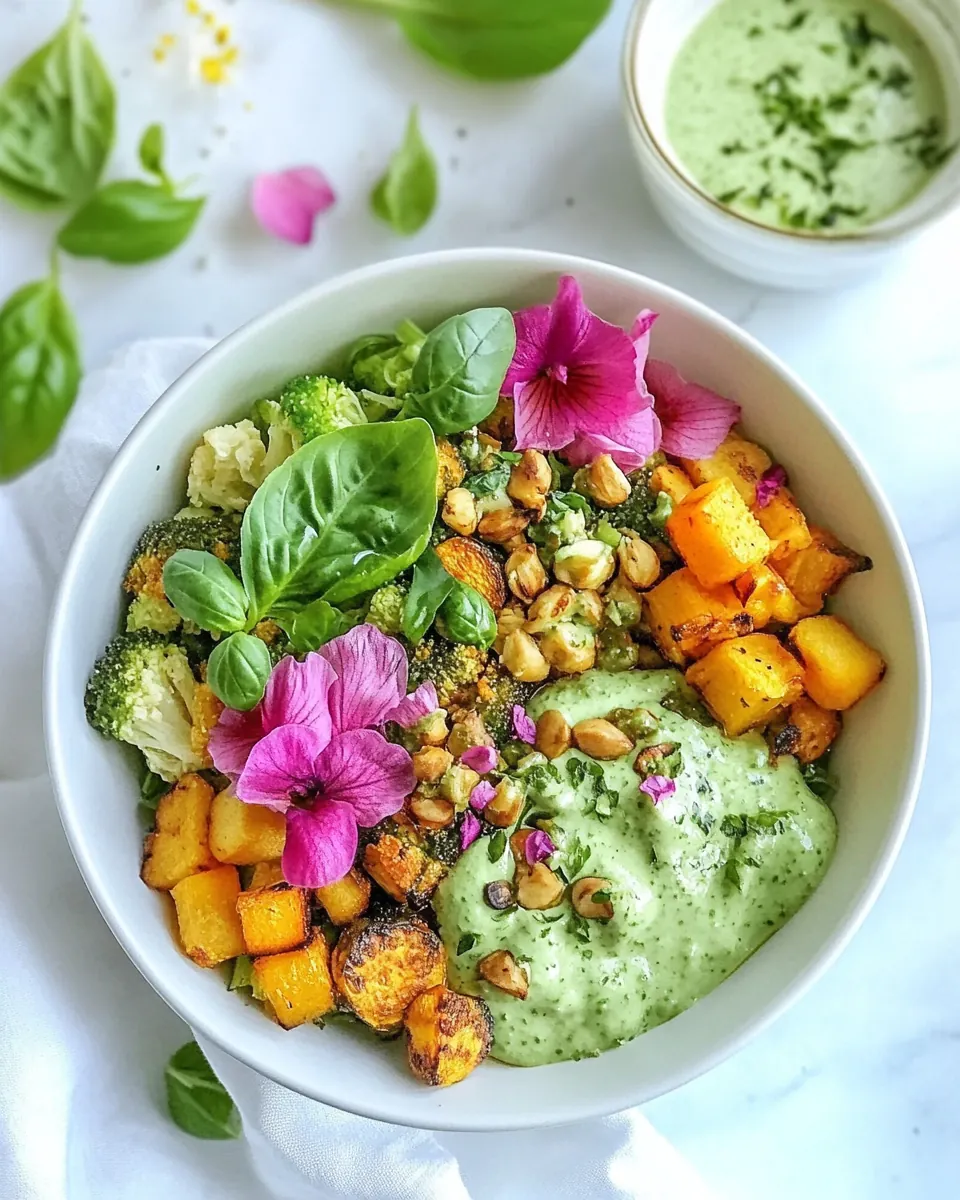
Spring Vegetable Buddha Bowls with Goddess Dressing
Spring Vegetable Buddha Bowls with Goddess Dressing felt like the first meal I wanted to celebrate after a long, gray winter. The first time I made these bowls I remember coming home with a bag of tiny radishes and a bunch of asparagus, eager to turn bright spring produce into something that felt both nourishing and joyful. I layered colors and textures until the counter looked like a farmer market still life, and that hands on, tactile process is the reason I keep returning to this bowl again and again.
Over the years I have adjusted the components based on what I find at the market, but the heart of the dish stays the same: hearty grains, crunchy roasted vegetables, peppery greens, and a creamy, herb forward dressing that ties everything together. When I serve Spring Vegetable Buddha Bowls with Goddess Dressing to friends they always notice how each bite changes with different combinations of veggies, and how the dressing somehow makes even the simplest components feel decadent.
There is something ritualistic about assembling bowls, arranging slices of golden beet next to warm roasted potatoes, tucking sprigs of fresh herbs into the rice, and finishing with a generous drizzle of dressing. I love that this is both a weeknight workhorse and a centerpiece for casual entertaining. I also appreciate how forgiving the recipe is, so you can wander from the written ingredient list while keeping the spirit intact. For me, the real joy comes at the table, watching people mix a forkful that has a little bit of everything, then close their eyes and smile. It feels like the season in edible form, and that keeps me making it again and again.
Recipe Snapshot
50 mins
20 mins
30 mins
Medium
450 kcal
Mediterranean
Vegan, Gluten-Free
Dinner
Oven, Baking sheet, Foil, Food processor, Mixing bowl
The Best Thing About This Spring Vegetable Buddha Bowls with Goddess Dressing
Bright seasonal produce that sings
I adore how Spring Vegetable Buddha Bowls with Goddess Dressing lets the vegetables shine. When asparagus and radishes are roasted just long enough they develop a subtle caramelized edge that adds sweet notes without masking their fresh flavors. I notice the contrast between tender roasted beets and crisp sunflower seeds, and that contrast is what keeps my fork moving.
Balanced textures and flavors
Every bowl combines creamy, crunchy, soft, and peppery elements. The brown rice provides a chewy foundation, roasted potatoes bring savory heft, while the watercress or microgreens add a bright, peppery lift. The Goddess Dressing acts like a flavor conductor, melding the herbs, acid, and fat into a cohesive bite.
Adaptable and forgiving
I love that this recipe handles swaps like a champ. If I find extra herbs at the market I pack them into the dressing, and if I want more protein I can add extra seeds. The technique for roasting is liberal, so if you prefer vegetables with more char you can give them a few extra minutes without breaking the dish.
Visually stunning yet simple to build
People respond to color, and these bowls are reliably beautiful. Arranging the radishes, beets, and avocado in distinct piles makes each bowl look intentional. I enjoy that the plating elevates an easy meal, making it feel special even on an ordinary evening.
Make ahead friendly and meal prep wise
One of my favorite things is making the dressing ahead and roasting a larger batch of vegetables for lunches later in the week. The dressing keeps well, and the rice reheats nicely, so you get delicious bowls with very little fuss on busy days.
Ingredients Required for Spring Vegetable Buddha Bowls with Goddess Dressing
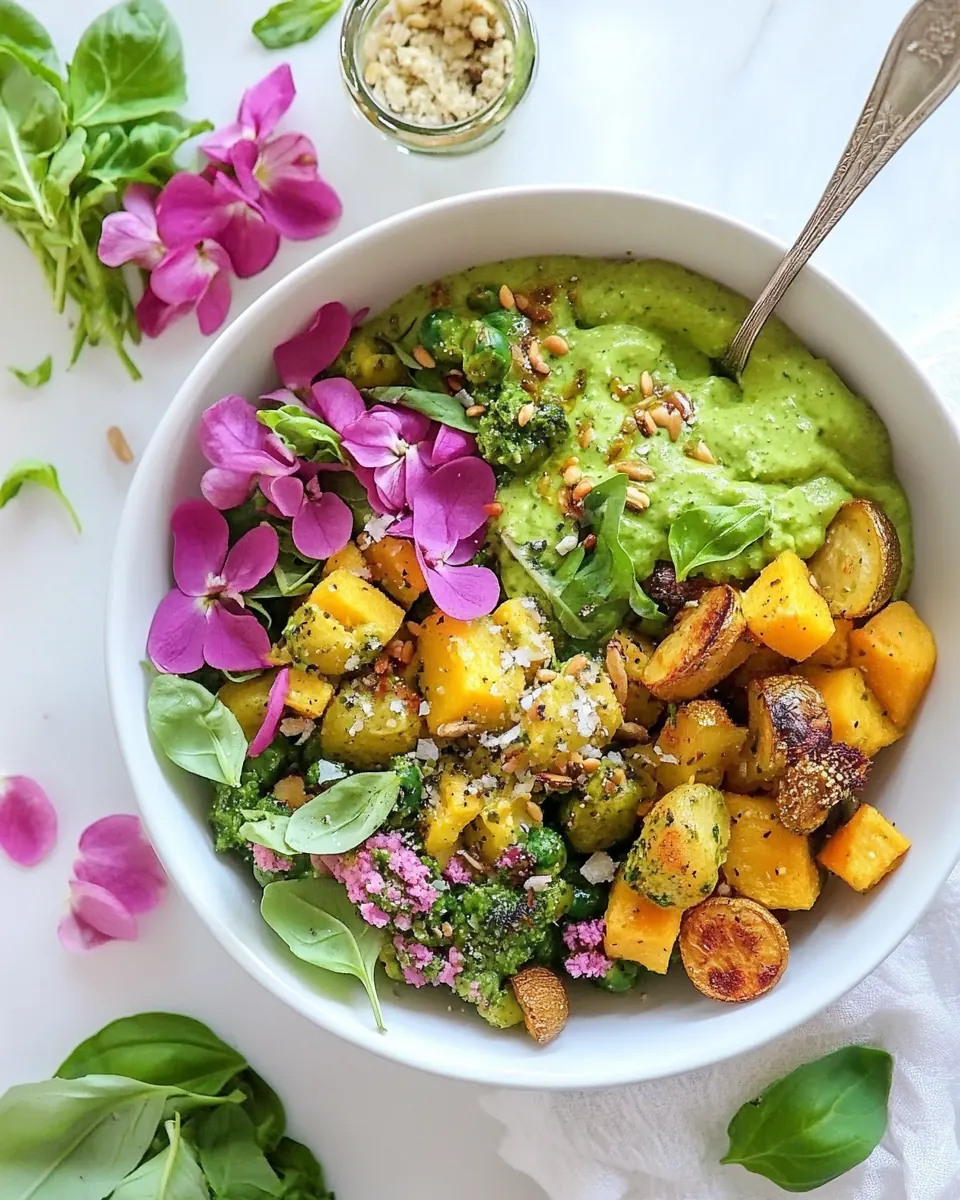
These ingredients are selected for harmony and contrast. The base of brown rice gives comforting chew, while a medley of spring vegetables adds seasonal brightness. The key players are the roasted vegetables for texture, the fresh herbs for aromatic lift, and the creamy herb dressing that turns disparate components into a unified bowl.
- 4 cups cooked brown rice: Provide a hearty, whole-grain base that soaks up dressings and balances vegetable textures; keeps the bowls filling and nutritious for a complete meal. Offer a neutral, chewy foundation that pairs well with crisp and roasted spring produce while contributing fiber and sustained energy.
- 1 bunch radishes: Add a peppery, crunchy component that brightens flavors and provides a crisp bite; slice or halve for visual appeal and textural contrast. Supply a colorful, slightly spicy element that refreshes the palate between richer bites.
- 1 bunch asparagus trimmed and chopped: Contribute a tender, grassy stalk texture when trimmed and chopped; roast or sauté to develop sweetness and slight char. Deliver a vibrant, seasonal vegetable note that pairs well with lemony or acidic dressings and adds green color.
- 1 small head cauliflower chopped into florets: Bring a mild, nutty flavor and firm florets that roast to golden crispness; chop into uniform pieces for even cooking. Provide an absorbent surface for seasonings and savory caramelization that adds depth to the bowl.
- 1/2 pound fingerling potatoes chopped: Supply a buttery, earthy base when chopped and roasted or boiled; offer a dense texture that contrasts with leafy greens and tender vegetables. Add comforting starchiness and a potassium-rich component to round out the meal.
- 2 medium golden beets sliced: Offer an earthy-sweet root vegetable sliced thin for tender, colorful layers; roast to intensify sweetness and develop caramelized edges. Provide vibrant magenta color and a subtle, mellow flavor that complements lighter herbs and dressings.
- 1 cup peas: Introduce bright, sweet pops of green that can be blanched or steamed quickly to retain fresh color and texture. Give a delicate, springtime element that contrasts with roasted vegetables and enhances overall balance.
- 1 large avocado: Contribute creamy, rich texture and healthy fats when sliced or cubed; use to add silkiness and a satisfying mouthfeel. Provide a cooling element that mellows acidic dressings and increases satiety with monounsaturated fats.
- 1/4 cup cider vinegar: Add a tangy, acidic punch that brightens the entire bowl and helps balance richer components; use to deglaze or mix into dressings for sharpness. Provide a crisp apple-cider note that lifts flavors and aids in preserving brightness.
- 1/4 cup fresh lime juice: Provide bright, citrus acidity that sharpens and elevates flavors in the dressing; squeeze fresh for clean, zesty notes. Offer a green, aromatic citrus element that complements herbs and cuts through richer textures.
- 1/3 cup olive oil: Contribute a smooth, fruity fat component essential for emulsifying dressings and carrying flavors; whisk with acids to create a cohesive sauce. Offer a heart-healthy oil that adds glossy mouthfeel and richness to the goddess dressing.
- 2 teaspoons pure maple syrup: Introduce a touch of sweetness and depth to balance acids in the dressing; dissolve into the vinaigrette to round flavors. Provide a natural sweetener option that smooths sharp edges without refined sugars.
- 1 cup fresh herbs see note: Bring a bright, herbaceous mixture used to infuse the dressing with layered fresh flavors; chop or blend for maximum release. Provide aromatic complexity and vibrant green color that defines the dressing’s character.
- 2 tablespoons fresh chives chopped: Add a mild onion-like note and tender green texture when finely chopped; sprinkle over bowls for delicate flavor and visual appeal. Supply a soft, allium element that complements herbs and enhances savory depth in the dressing.
- 1 clove garlic minced: Introduce a pungent, savory kick when minced and incorporated into the dressing or vegetables; cook lightly to mellow if desired. Provide aromatic depth and umami-enhancing qualities that lift the overall flavor profile.
- 1/2 teaspoons ea salt to taste: Provide essential seasoning to enhance and harmonize all flavors across the bowl; adjust amounts to taste for balance. Deliver mineral and saline notes that make each component more flavorful and satisfy palate expectations.
- 2 ounces mixed greens see note: Contribute a leafy, mixed base to add volume and varying textures; toss gently to retain structure and prevent wilting. Supply tender, nutrient-dense greens that introduce bitterness and freshness to contrast roasted items.
- 1/2 cup watercress or microgreens of choice: Offer a peppery, delicate microgreen or small-leaf element that adds freshness and a crisp bite when layered into bowls. Provide concentrated flavor bursts and attractive presentation while increasing the salad’s visual appeal.
- 1/3 cups sunflower seeds: Provide a crunchy, nutty garnish that adds texture and toasting potential; scatter or toast lightly to intensify flavor. Offer a nutritious seed option delivering additional healthy fats, minerals, and satisfying crunch.
The Process for Making Spring Vegetable Buddha Bowls with Goddess Dressing
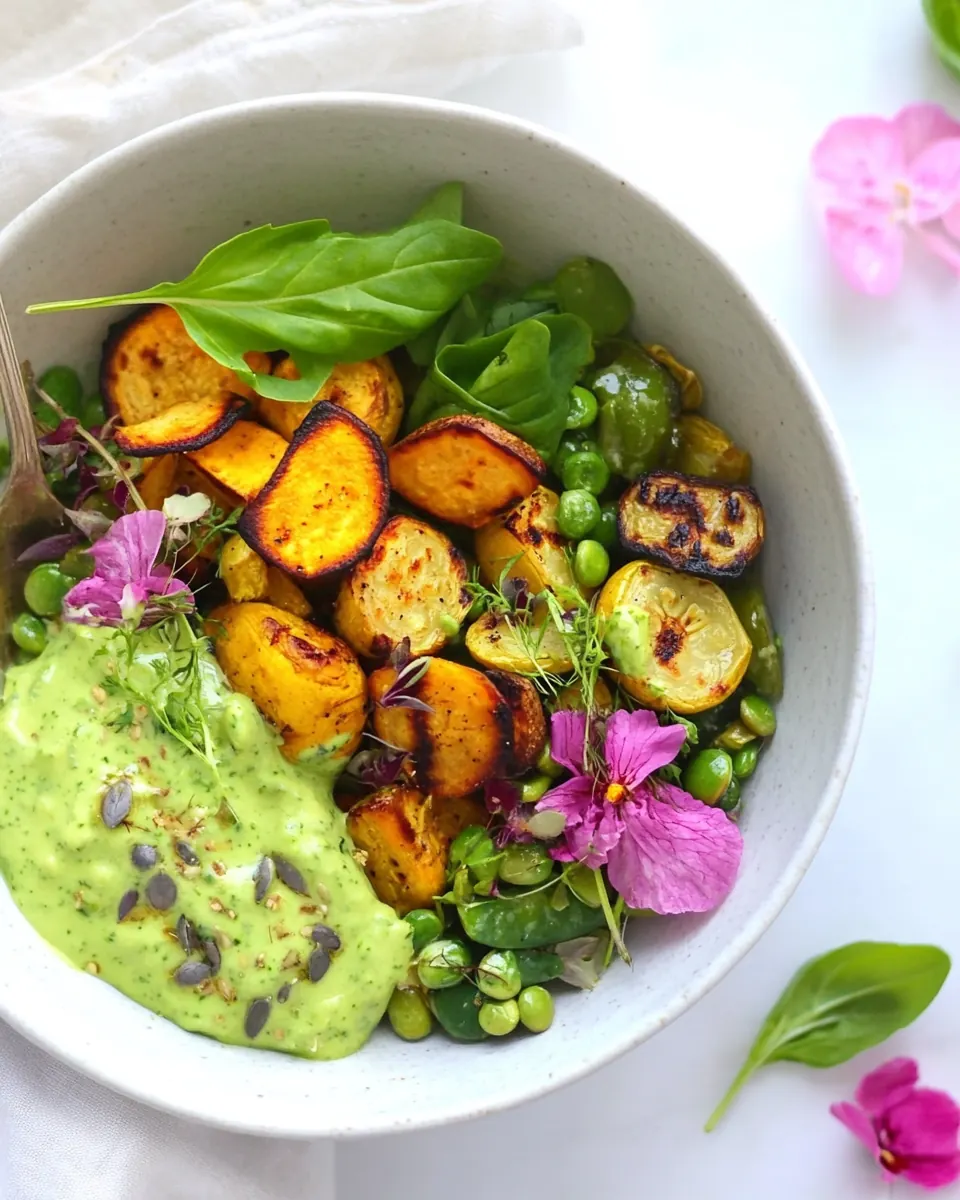
This is a relaxed, rhythmic process that moves from prepping to roasting to assembling. I like to get the rice started first, then prep and roast the vegetables while I blend the dressing. The final assembly is flexible, so you can arrange each bowl to your liking and finish with a generous drizzle of dressing.
- Preheat the oven to 400 degrees F. And cook rice according to package instructions.: The fragrant warmth of the oven signals the start of the meal, and while it heats you will hear the kettle hum or the rice cooker click as the brown rice begins to steam, releasing a nutty aroma. Preparing the rice early ensures it is fluffy and slightly chewy, so each spoonful contrasts with roasted vegetables, and it also allows you to focus on the vegetables without rushing. A common mistake is under rinsing rice, which can result in gummy grains, so rinse until the water runs clear. If you use a pot on the stove, watch for gentle bubbling at a consistent simmer rather than a vigorous boil, which can cause uneven cooking. Once cooked, fluff the rice with a fork and keep it covered so it stays warm while you roast.
- Spread the radishes, cauliflower, asparagus, and potatoes over one or two large baking sheets. Drizzle vegetables with olive oil, sprinkle with sea salt, and use your hands to toss everything together to make sure all of the vegetables are coated (Note: you can also add various spices or dried herbs for more flavor – try paprika, dried oregano, thyme, garlic or onion powder, etc).: you can also add various spices or dried herbs for more flavor, try paprika, dried oregano, thyme, garlic or onion powder, etc). : You will feel the slightly slick surface of the olive oil as you toss, and the salt will start to draw out moisture, helping the edges to brown in the oven. Proper spacing on the sheets is key for even roasting, as crowded pans steam instead of roast, producing a softer texture. Tossing by hand ensures each piece is evenly coated and seasoned, which leads to uniform caramelization and richer flavors. A typical pitfall is overloading the pan; if the vegetables touch heavily they will not crisp up. Instead, give them breathing room and rotate the pans halfway for even color.
- Place the sliced beets on a long sheet of foil, then wrap them into a foil packet. Place the foil packet on the baking sheet with the other vegetables.: Wrapping the golden beets in foil traps steam, creating a tender interior that contrasts with the more textured roasted pieces. When you slice them before roasting you will notice a faint sweet aroma that intensifies as they cook, and the foil helps concentrate that sweetness. The packet method also prevents beet juices from bleeding all over the pan, keeping flavors distinct. A common error is leaving the packet too tight without a bit of space for steam to circulate, which can yield overly steamed beets; leave a little pocket for air to move.
- Roast the vegetables for 20 to 30 minutes, stirring once halfway through, or until vegetables are cooked to desired doneness (Note: if you like your beets very soft, leave the foil packet in the oven another 10 minutes).: if you like your beets very soft, leave the foil packet in the oven another 10 minutes). : As the oven works, you will hear a gentle hiss and sense a caramel aroma filling the kitchen, and visual cues like golden edges and slight charring indicate readiness. Stirring once creates even roasting and prevents sticking, while an additional 10 minutes in the foil softens the beets into buttery tenderness. The roasting process deepens the vegetables' natural sugars, adding complexity and depth that raw veggies lack. Avoid opening the oven too often, which lowers the internal temperature and extends cooking time; instead rely on the halfway check to monitor progress. When done, the vegetables should present a mix of crisp edges and tender centers.
- Divide the cooked rice between 3 or 4 bowls. Add desired amount of mixed greens (or beet greens), followed by roasted vegetables, watercress, and sunflower seeds. Drizzle desired amount of green goddess dressing on top, and enjoy!: The assembly is where the bowl comes to life, and you will enjoy the interplay of textures as you layer brown rice , leafy greens, and roasted vegetables, finishing with the crisp sunflower seeds for contrast. Presentation matters here, placing colors in distinct groups makes each bowl inviting, and the aroma of herbs from the dressing will mingle with the roasted notes. A frequent slip is overdressing early, which can make the rice soggy; reserve most of the dressing to offer at the table so each diner controls the amount. Serve immediately so you keep contrasts between warm roasted items and cool fresh greens.
- Add all of the ingredients for the green goddess dressing to a food processor or blender. Process until completely combined and creamy (Note: dressing will be very thick… for a thinner consistency, add 2 to 3 tablespoons of water). Transfer to a sealable container or jar and refrigerate until ready to use.: dressing will be very thick, for a thinner consistency, add 2 to 3 tablespoons of water). Transfer to a sealable container or jar and refrigerate until ready to use. : Blending the dressing releases a wave of herbal perfume and creates a luscious texture that coats vegetables and grains evenly. You will notice a bright green color from the herbs and a smooth, velvety mouthfeel thanks to the olive oil and avocado components. The reason this technique matters is that emulsifying at high speed integrates the acids and oils into a cohesive sauce, rather than a separated vinaigrette. One common mistake is over thinning; add water sparingly to avoid losing the concentrated herb flavor. Chill the dressing so flavors meld and the texture firms slightly for easy drizzling.
Ways to Adapt This Recipe
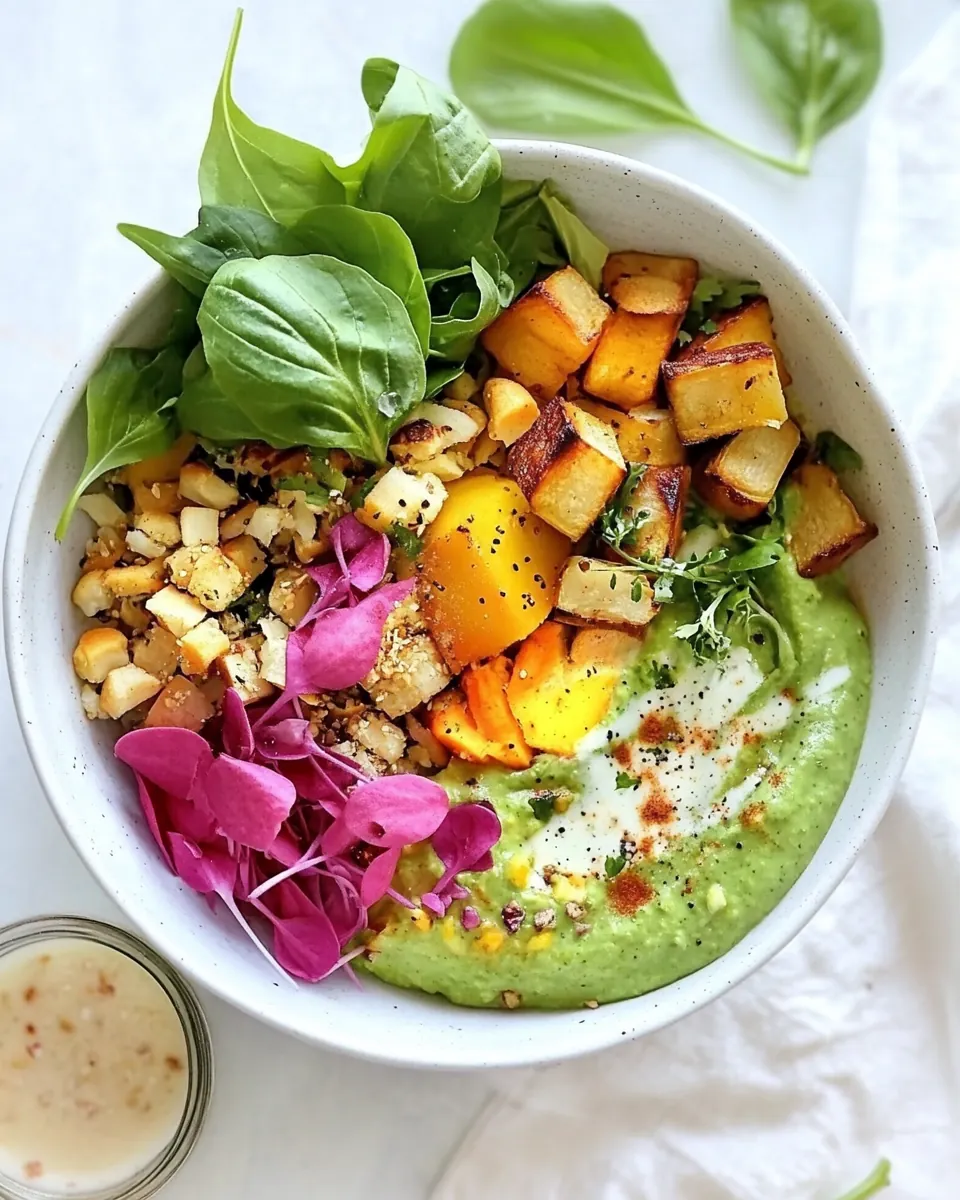
This recipe is a flexible template you can tailor to seasonal produce and personal preferences. Below are detailed tips and variations to help you adapt the bowls while keeping the soul of Spring Vegetable Buddha Bowls with Goddess Dressing intact.
- Swap grains: Try quinoa or farro instead of brown rice for a different texture and added protein, cooking them according to package directions so they stay fluffy and separate rather than clumping.
- Make it nut free: If you need to avoid nuts, omit any nutty additions and rely on seeds like the included sunflower seeds for crunch and a toasty profile.
- Herb variations: Adjust the dressing herb mix to include more basil, mint, or parsley depending on what’s freshest at the market, which will shift the dressing from bright and peppery to sweet and aromatic.
- Dressing texture: For a thinner dressing consistency, add 2 to 3 tablespoons of water gradually while blending, tasting to keep the flavor balanced and avoid diluting the herbs.
- Make it ahead: Roast the vegetables in a larger batch and store them in the fridge for easy assembly throughout the week, reheating briefly to regain some roast warmth before serving.
Serve This Spring Vegetable Buddha Bowls with Goddess Dressing With
These bowls work well as a satisfying lunch or a light dinner, and they complement a range of occasions from casual weeknights to seasonal gatherings. Below are serving suggestions and pairing ideas to help you present the bowl beautifully and practically.
- Casual lunch: Serve the bowls with extra dressing on the side so guests can customize moisture levels, and offer lemon or lime wedges for an optional bright finish.
- Spring dinner: Arrange bowls on a communal table with roasted vegetables in a large platter for family style assembly, letting diners add greens and seeds to taste.
- Meal prep: Store roasted vegetables and cooked brown rice separately, then assemble bowls the day you plan to eat to retain contrast between warm and cool elements.
- Occasions: These bowls are great for spring brunches, light dinners during Ramadan Iftar where fresh produce is appreciated, or picnic style meals when you want something portable and nourishing.
- Seasonal pairing: Add a crisp citrus salad or a simple fruit plate to echo the bright herbal notes of the dressing, enhancing the meal’s springtime feel.
- Storage tips: Keep the Goddess Dressing chilled in a sealed jar for up to five days, and refrigerate roasted vegetables in an airtight container for three to four days for easy reheats.
FAQ
Conclusion
What makes this recipe special is how it celebrates spring produce with a satisfying mix of textures and a herb packed dressing that unifies every bite. I encourage you to try these bowls when seasonal vegetables are at their peak, and to play with the herb mix to make the dressing your own. Assemble them for a relaxed dinner or batch roast for meal prep, and enjoy the way bright flavors and simple techniques come together to create a memorable, nourishing meal.
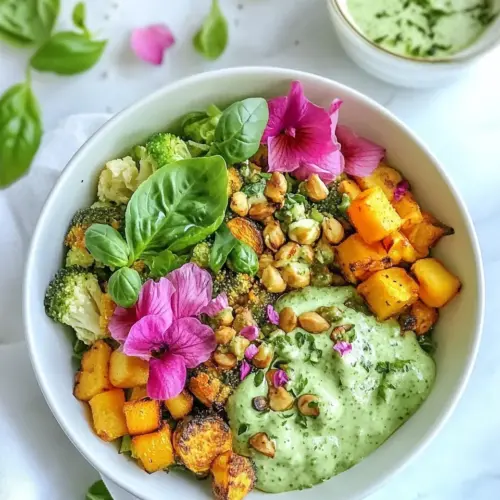
Spring Vegetable Buddha Bowls with Goddess Dressing
Equipment
- Oven
- Baking Sheet
- Foil
- Food Processor
- Mixing Bowl
Ingredients
- 4 cups cooked brown rice Provide a hearty, whole-grain base that soaks up dressings and balances vegetable textures; keeps the bowls filling and nutritious for a complete meal. Offer a neutral, chewy foundation that pairs well with crisp and roasted spring produce while contributing fiber and sustained energy.
- 1 bunch radishes Add a peppery, crunchy component that brightens flavors and provides a crisp bite; slice or halve for visual appeal and textural contrast. Supply a colorful, slightly spicy element that refreshes the palate between richer bites.
- 1 bunch asparagus trimmed and chopped Contribute a tender, grassy stalk texture when trimmed and chopped; roast or sauté to develop sweetness and slight char. Deliver a vibrant, seasonal vegetable note that pairs well with lemony or acidic dressings and adds green color.
- 1 small head cauliflower chopped into florets Bring a mild, nutty flavor and firm florets that roast to golden crispness; chop into uniform pieces for even cooking. Provide an absorbent surface for seasonings and savory caramelization that adds depth to the bowl.
- 1/2 pound fingerling potatoes chopped Supply a buttery, earthy base when chopped and roasted or boiled; offer a dense texture that contrasts with leafy greens and tender vegetables. Add comforting starchiness and a potassium-rich component to round out the meal.
- 2 medium golden beets sliced Offer an earthy-sweet root vegetable sliced thin for tender, colorful layers; roast to intensify sweetness and develop caramelized edges. Provide vibrant magenta color and a subtle, mellow flavor that complements lighter herbs and dressings.
- 1 cup peas Introduce bright, sweet pops of green that can be blanched or steamed quickly to retain fresh color and texture. Give a delicate, springtime element that contrasts with roasted vegetables and enhances overall balance.
- 1 large avocado Contribute creamy, rich texture and healthy fats when sliced or cubed; use to add silkiness and a satisfying mouthfeel. Provide a cooling element that mellows acidic dressings and increases satiety with monounsaturated fats.
- 1/4 cup cider vinegar Add a tangy, acidic punch that brightens the entire bowl and helps balance richer components; use to deglaze or mix into dressings for sharpness. Provide a crisp apple-cider note that lifts flavors and aids in preserving brightness.
- 1/4 cup fresh lime juice Provide bright, citrus acidity that sharpens and elevates flavors in the dressing; squeeze fresh for clean, zesty notes. Offer a green, aromatic citrus element that complements herbs and cuts through richer textures.
- 1/3 cup olive oil Contribute a smooth, fruity fat component essential for emulsifying dressings and carrying flavors; whisk with acids to create a cohesive sauce. Offer a heart-healthy oil that adds glossy mouthfeel and richness to the goddess dressing.
- 2 teaspoons pure maple syrup Introduce a touch of sweetness and depth to balance acids in the dressing; dissolve into the vinaigrette to round flavors. Provide a natural sweetener option that smooths sharp edges without refined sugars.
- 1 cup fresh herbs see note Bring a bright, herbaceous mixture used to infuse the dressing with layered fresh flavors; chop or blend for maximum release. Provide aromatic complexity and vibrant green color that defines the dressing’s character.
- 2 tablespoons fresh chives chopped Add a mild onion-like note and tender green texture when finely chopped; sprinkle over bowls for delicate flavor and visual appeal. Supply a soft, allium element that complements herbs and enhances savory depth in the dressing.
- 1 clove garlic minced Introduce a pungent, savory kick when minced and incorporated into the dressing or vegetables; cook lightly to mellow if desired. Provide aromatic depth and umami-enhancing qualities that lift the overall flavor profile.
- 1/2 teaspoons ea salt to taste Provide essential seasoning to enhance and harmonize all flavors across the bowl; adjust amounts to taste for balance. Deliver mineral and saline notes that make each component more flavorful and satisfy palate expectations.
- 2 ounces mixed greens see note Contribute a leafy, mixed base to add volume and varying textures; toss gently to retain structure and prevent wilting. Supply tender, nutrient-dense greens that introduce bitterness and freshness to contrast roasted items.
- 1/2 cup watercress or microgreens of choice Offer a peppery, delicate microgreen or small-leaf element that adds freshness and a crisp bite when layered into bowls. Provide concentrated flavor bursts and attractive presentation while increasing the salad’s visual appeal.
- 1/3 cups sunflower seeds Provide a crunchy, nutty garnish that adds texture and toasting potential; scatter or toast lightly to intensify flavor. Offer a nutritious seed option delivering additional healthy fats, minerals, and satisfying crunch.
Instructions
- Preheat the oven to 400 degrees F. And cook rice according to package instructions.: The fragrant warmth of the oven signals the start of the meal, and while it heats you will hear the kettle hum or the rice cooker click as the brown rice begins to steam, releasing a nutty aroma. Preparing the rice early ensures it is fluffy and slightly chewy, so each spoonful contrasts with roasted vegetables, and it also allows you to focus on the vegetables without rushing. A common mistake is under rinsing rice, which can result in gummy grains, so rinse until the water runs clear. If you use a pot on the stove, watch for gentle bubbling at a consistent simmer rather than a vigorous boil, which can cause uneven cooking. Once cooked, fluff the rice with a fork and keep it covered so it stays warm while you roast.
- Spread the radishes, cauliflower, asparagus, and potatoes over one or two large baking sheets. Drizzle vegetables with olive oil, sprinkle with sea salt, and use your hands to toss everything together to make sure all of the vegetables are coated (Note: you can also add various spices or dried herbs for more flavor - try paprika, dried oregano, thyme, garlic or onion powder, etc).: you can also add various spices or dried herbs for more flavor, try paprika, dried oregano, thyme, garlic or onion powder, etc). : You will feel the slightly slick surface of the olive oil as you toss, and the salt will start to draw out moisture, helping the edges to brown in the oven. Proper spacing on the sheets is key for even roasting, as crowded pans steam instead of roast, producing a softer texture. Tossing by hand ensures each piece is evenly coated and seasoned, which leads to uniform caramelization and richer flavors. A typical pitfall is overloading the pan; if the vegetables touch heavily they will not crisp up. Instead, give them breathing room and rotate the pans halfway for even color.
- Place the sliced beets on a long sheet of foil, then wrap them into a foil packet. Place the foil packet on the baking sheet with the other vegetables.: Wrapping the golden beets in foil traps steam, creating a tender interior that contrasts with the more textured roasted pieces. When you slice them before roasting you will notice a faint sweet aroma that intensifies as they cook, and the foil helps concentrate that sweetness. The packet method also prevents beet juices from bleeding all over the pan, keeping flavors distinct. A common error is leaving the packet too tight without a bit of space for steam to circulate, which can yield overly steamed beets; leave a little pocket for air to move.
- Roast the vegetables for 20 to 30 minutes, stirring once halfway through, or until vegetables are cooked to desired doneness (Note: if you like your beets very soft, leave the foil packet in the oven another 10 minutes).: if you like your beets very soft, leave the foil packet in the oven another 10 minutes). : As the oven works, you will hear a gentle hiss and sense a caramel aroma filling the kitchen, and visual cues like golden edges and slight charring indicate readiness. Stirring once creates even roasting and prevents sticking, while an additional 10 minutes in the foil softens the beets into buttery tenderness. The roasting process deepens the vegetables' natural sugars, adding complexity and depth that raw veggies lack. Avoid opening the oven too often, which lowers the internal temperature and extends cooking time; instead rely on the halfway check to monitor progress. When done, the vegetables should present a mix of crisp edges and tender centers.
- Divide the cooked rice between 3 or 4 bowls. Add desired amount of mixed greens (or beet greens), followed by roasted vegetables, watercress, and sunflower seeds. Drizzle desired amount of green goddess dressing on top, and enjoy!: The assembly is where the bowl comes to life, and you will enjoy the interplay of textures as you layer brown rice , leafy greens, and roasted vegetables, finishing with the crisp sunflower seeds for contrast. Presentation matters here, placing colors in distinct groups makes each bowl inviting, and the aroma of herbs from the dressing will mingle with the roasted notes. A frequent slip is overdressing early, which can make the rice soggy; reserve most of the dressing to offer at the table so each diner controls the amount. Serve immediately so you keep contrasts between warm roasted items and cool fresh greens.
- Add all of the ingredients for the green goddess dressing to a food processor or blender. Process until completely combined and creamy (Note: dressing will be very thick... for a thinner consistency, add 2 to 3 tablespoons of water). Transfer to a sealable container or jar and refrigerate until ready to use.: dressing will be very thick, for a thinner consistency, add 2 to 3 tablespoons of water). Transfer to a sealable container or jar and refrigerate until ready to use. : Blending the dressing releases a wave of herbal perfume and creates a luscious texture that coats vegetables and grains evenly. You will notice a bright green color from the herbs and a smooth, velvety mouthfeel thanks to the olive oil and avocado components. The reason this technique matters is that emulsifying at high speed integrates the acids and oils into a cohesive sauce, rather than a separated vinaigrette. One common mistake is over thinning; add water sparingly to avoid losing the concentrated herb flavor. Chill the dressing so flavors meld and the texture firms slightly for easy drizzling.
Notes
- Swap grains: Try quinoa or farro instead of brown rice for a different texture and added protein, cooking them according to package directions so they stay fluffy and separate rather than clumping.
- Make it nut free: If you need to avoid nuts, omit any nutty additions and rely on seeds like the included sunflower seeds for crunch and a toasty profile.
- Herb variations: Adjust the dressing herb mix to include more basil, mint, or parsley depending on what’s freshest at the market, which will shift the dressing from bright and peppery to sweet and aromatic.
- Dressing texture: For a thinner dressing consistency, add 2 to 3 tablespoons of water gradually while blending, tasting to keep the flavor balanced and avoid diluting the herbs.
- Make it ahead: Roast the vegetables in a larger batch and store them in the fridge for easy assembly throughout the week, reheating briefly to regain some roast warmth before serving.