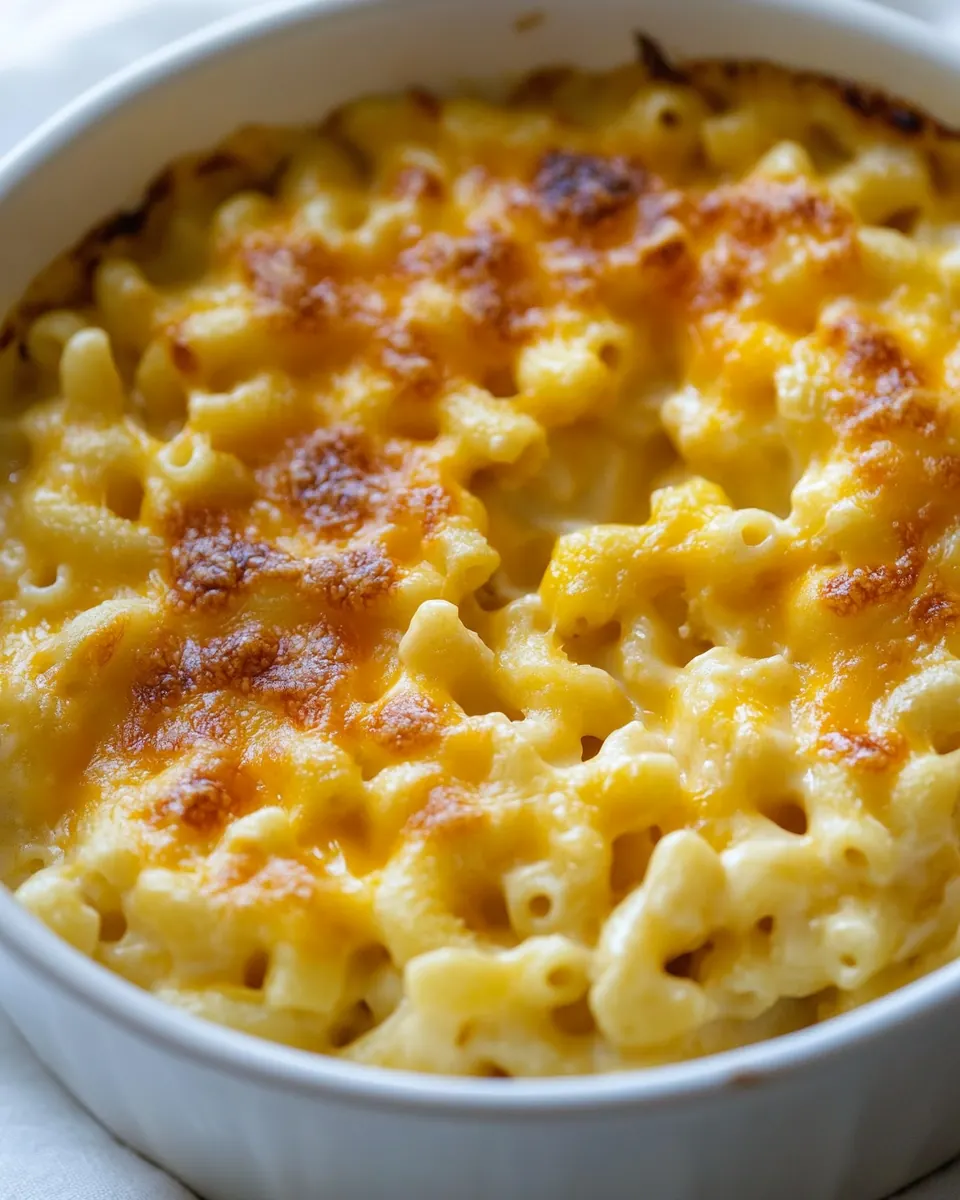
Homemade Mac and Cheese
Homemade Mac and Cheese has been my go to for cozy nights when I want comfort food that feels like a warm kitchen hug.
I first learned this version from a friend who carried an old family notebook filled with smudged notes and ribboned recipes. That particular afternoon we stood over a stove, stirring a silky sauce while sunlight pooled on the counter. The memory of the thick, creamy texture and the way the baked top bubbled inspired me to refine the recipe into something I make whenever I crave simplicity and rich flavor. Over time I tweaked little things, like when to remove the pan from heat and how long to let the cheese rest, and those small changes made an unexpectedly big difference.
When my kids were toddlers this was the meal that helped me feel like I could balance a busy week and still serve something homemade and satisfying. Now I bring it to potlucks and casual dinners because it travels well and almost everyone smiles when it appears at the table. I love how a few pantry staples transform into something decadent yet unfussy. If you value texture, warmth, and that nostalgic, cheesy aroma, this dish is a favorite that I keep returning to and refining.
Recipe Snapshot
30 mins
15 mins
15 mins
Easy
400 kcal
American
Gluten-Free, Low FODMAP
Dinner
oven safe skillet, 8×8 dish, rotary cheese grater
Why This Homemade Mac and Cheese Works
Classic comfort with a homemade soul
I adore Homemade Mac and Cheese because it delivers a familiar, comforting flavor profile while still feeling crafted. The balance between the creamy sauce and the al dente pasta is what keeps me coming back. I like that it is both reassuring and impressive, the sort of recipe you can pull out to calm a hectic evening or bring to a family gathering.
Simple ingredients, big payoff
We use straightforward pantry items to achieve a rich outcome. With just butter, flour, and a combination of milk and half and half, the sauce becomes velvety and satisfying. The real star is shredded cheddar cheese, which melts into pockets of savory bliss. This means you do not need fancy or obscure components to get a standout dish.
Reliable techniques that teach texture
I love the method because it shows how small techniques matter. Making a proper roux and tempering the dairy teaches patience, and the reward is a sauce that clings beautifully to each piece of macaroni. These techniques make the difference between a grainy sauce and one that is glossy and smooth.
Versatile for weeknight dinners or gatherings
This recipe scales nicely and is forgiving, so I often double it for company. It fits into quick family dinners yet holds its own on a potluck table. That flexibility means it serves multiple roles in my home kitchen, from a solo indulgence to a reliable crowd pleaser.
Memories baked in the top
There is something nostalgic about the bubbling, golden top after a short bake. The final bake step melts the remaining cheese into a beautifully cohesive surface, creating both aroma and texture that bring people to the table. I find that small rituals like letting the cheese rest for a minute before serving intensify the enjoyment.
Everything You Need for Homemade Mac and Cheese
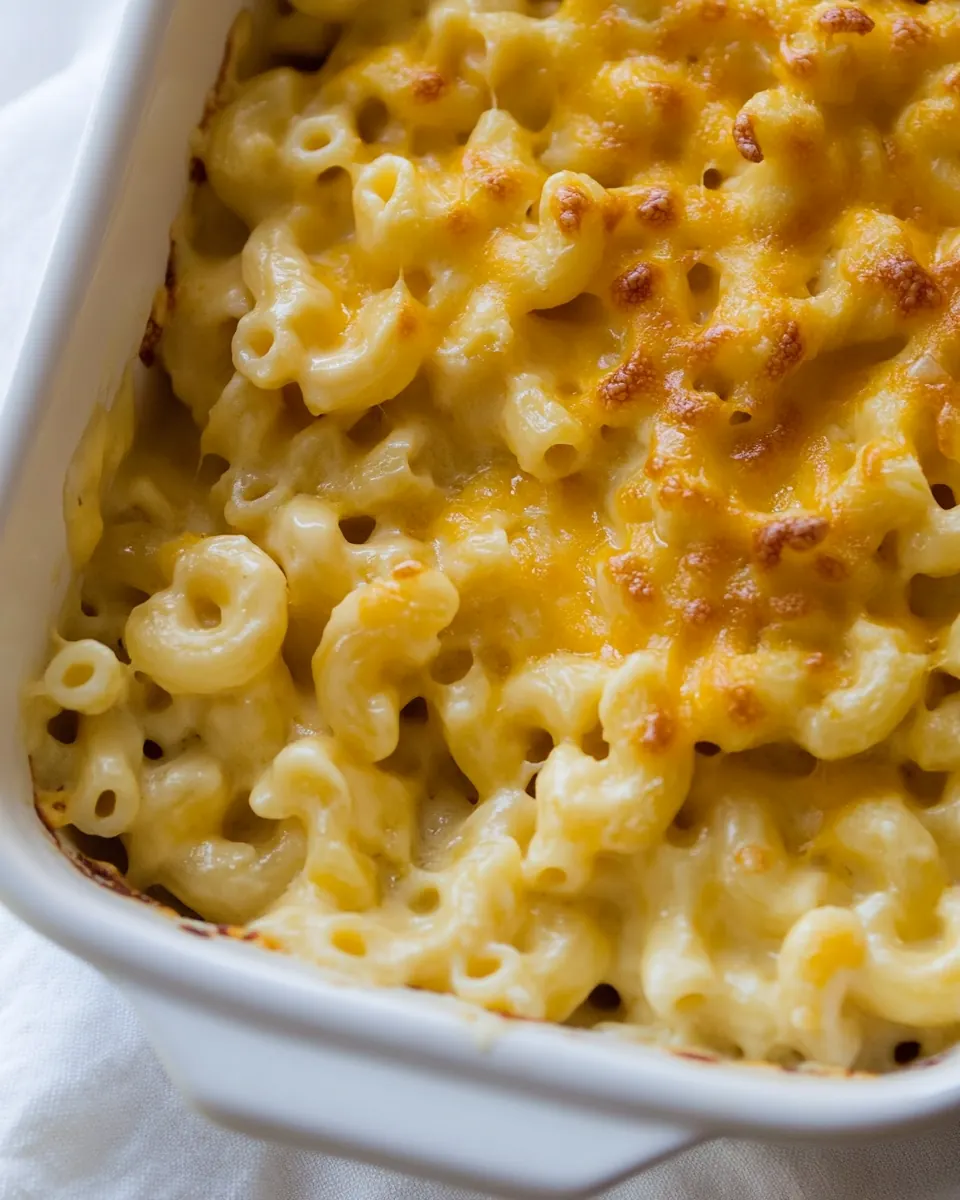
These ingredients form a simple, harmonious ensemble. The starch in the macaroni provides structure, while the butter and flour build the base for a silky sauce. The dairy trio of milk, half and half, and shredded cheddar cheese supply body, creaminess, and flavor depth. Together they create a sauce that clings, melts, and bakes into a comforting, cohesive dish.
- 1/2 lb uncooked elbow macaroni* (225 g): Provides the pasta base and structure for the dish, supplying starchy texture that holds sauce; cook to al dente to avoid mushiness and allow for further baking or mixing with the cheese sauce.
- 3 tablespoons butter (43 g): Adds rich fat for a smooth roux and glossy sauce, contributing buttery flavor and mouthfeel; melt gently to avoid browning before whisking in flour to thicken.
- 2 tablespoons all-purpose flour (16 g): Acts as the thickening agent when combined with butter to form a roux, giving body and stability to the cheese sauce; whisk thoroughly to eliminate lumps for a silky texture.
- 1/2 teaspoons salt: Seasons the sauce to balance and enhance flavors, preventing the dish from tasting flat; adjust slightly to taste, remembering cheese also brings salinity.
- 1/8 teaspoon ground black pepper: Adds mild heat and aromatic depth to the sauce, sharpening the cheese flavors; use freshly ground for best aromatic impact and adjust amount to preference.
- 1 1/2 cups milk, any kind (360 ml): Provides the liquid backbone of the sauce and contributes creaminess and moisture; warm slightly before adding to the roux to prevent curdling and ensure smooth integration.
- 3/4 cup half and half (180 ml): Contributes extra creaminess and richness to the sauce, boosting mouthfeel and preventing a thin texture; combine with milk for a balanced, luxurious consistency.
- 2 1/2 cups shredded cheddar cheese* (250 g): Delivers the primary flavor and meltability, creating the characteristic cheesy sauce; grate finely for even melting and stir into the hot sauce until fully smooth.
The Method for Homemade Mac and Cheese
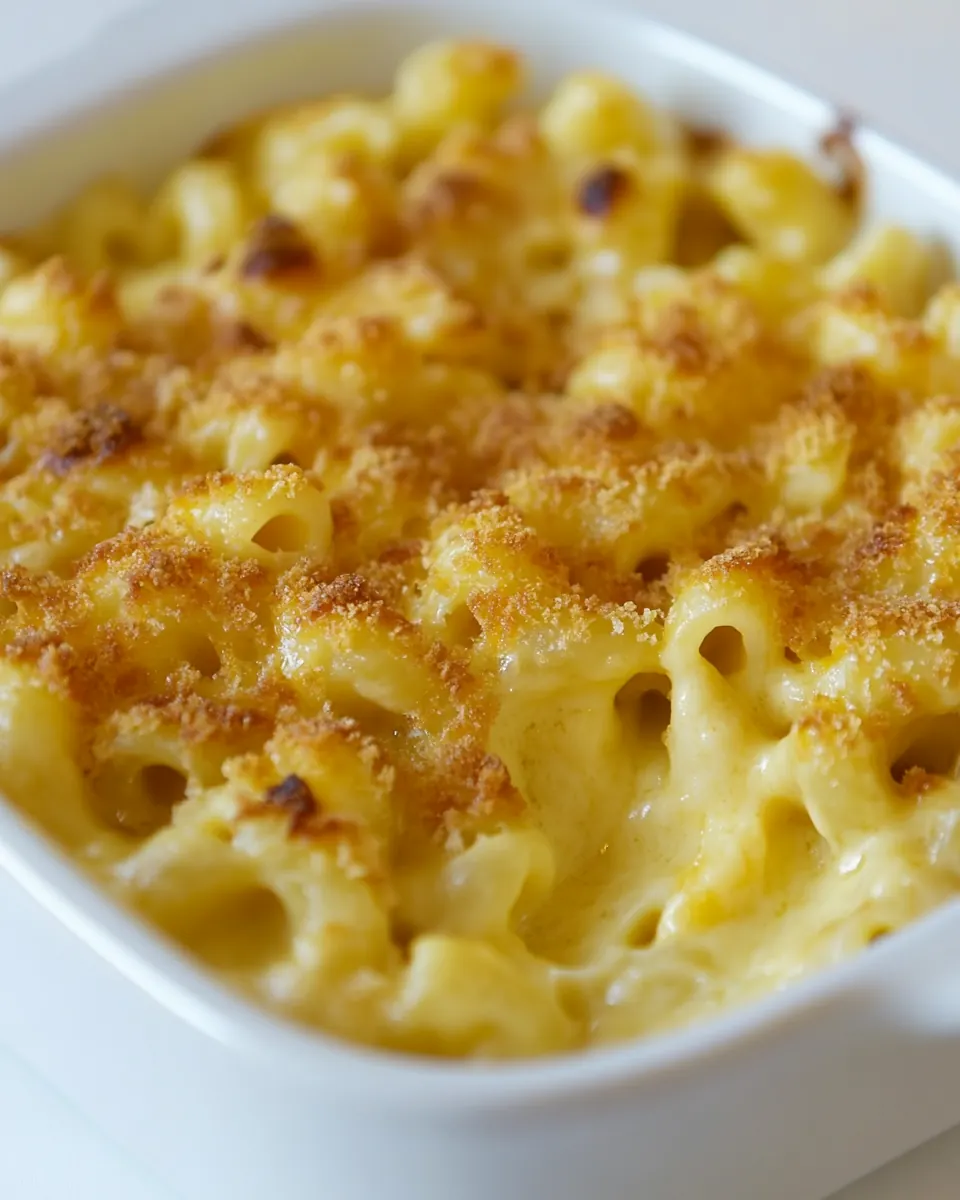
This method walks you from preheating to a short bake, highlighting how small choices shape the final texture. I like to move intentionally through each stage, because timing and heat control determine the silky consistency you want. Follow the steps and pay attention to sensory cues like bubbling, thickening, and aroma.
- Preheat the oven to 325 degrees F and lightly grease an 8' square (or similar size) baking dish.: The oven will give you a gentle, even bake that melts the top without drying the interior. You should feel a mild warmth from the oven as it reaches temperature, and the light greasing prevents sticking while adding a bit of buttery aroma. Doing this step ahead keeps you from scrambling later, which helps maintain smooth assembly. A common misstep is preheating to a much higher temperature, which can cause the top to brown too quickly while the interior remains underheated.
- Cook the macaroni to al dente, according to package instructions. Drain and set aside.: The pasta should be firm to the bite yet tender, offering a slight resistance when you chew. While boiling you will notice the water roiling and a faint starch scent; when you taste the pasta it should not be chalky. Drain promptly to stop cooking and avoid a waterlogged bake. Overcooking here results in a mushy texture after baking, and undercooking will make the macaroni feel gummy in the finished dish.
- Make the sauce: Melt the butter in a medium saucepan over medium heat. Blend in the flour, salt, and pepper. Cook for 2 minutes. Slowly add the milk and half and half, stirring constantly, and cook over medium-low heat for a few minutes until the mixture has thickened like the consistency of gravy, about 5-7 minutes. Remove from heat and stir in 1 cup shredded cheese, stirring just until melted.: Melt the butter in a medium saucepan over medium heat. Blend in the flour, salt, and pepper. Cook for 2 minutes. Slowly add the milk and half and half, stirring constantly, and cook over medium-low heat for a few minutes until the mixture has thickened like the consistency of gravy, about 5 to 7 minutes. Remove from heat and stir in 1 cup shredded cheese, stirring just until melted. : As the butter melts you will hear a soft sizzle and see a glossy pool form, then the flour will bloom into a fragrant, toasty base. When you add the dairy gradually you will notice the sauce thicken and develop a velvety sheen; it should coat the back of a spoon. Stirring constantly prevents lumps and helps the starches hydrate evenly, producing a cohesive texture. If the heat is too high the milk can scald, creating off flavors, so keep the temperature controlled and remove from heat before adding most of the cheese. A typical error is adding all the cheese while the sauce is too hot, which can cause separation or a grainy texture.
- Combine: Add the cooked macaroni noodles and toss to coat. Pour half of the pasta mixture into the prepared baking dish. Sprinkle 1/2 cup cheese over the top. Add remaining pasta and sprinkle with remaining cheese.: Add the cooked macaroni noodles and toss to coat. Pour half of the pasta mixture into the prepared baking dish. Sprinkle 1/2 cup cheese over the top. Add remaining pasta and sprinkle with remaining cheese. : When you fold the macaroni into the sauce you should see glossy strands and pockets of rich cream; each noodle should be evenly coated. Layering the pasta and cheese ensures pockets of melted cheese on top and in the interior, creating contrast between gooey and slightly baked textures. Press gently so the sauce seeps into the pasta crevices. Avoid packing the dish too tightly, as dense layers can prevent even heating during the short bake.
- Bake for 15-20 minutes or until cheese is melted on top.: In the oven the surface will shift from glossy to a gentle bubbling and the cheese will become uniformly melted, emitting a warm, savory aroma. Look for small, golden spots and a consistent melt across the top to know it is ready. Let the dish rest for a couple of minutes after removing it, because the sauce will set slightly and be easier to portion. A frequent mistake is leaving it in longer than necessary, which can dry the sauce and reduce creaminess.
Substitutions and Tips
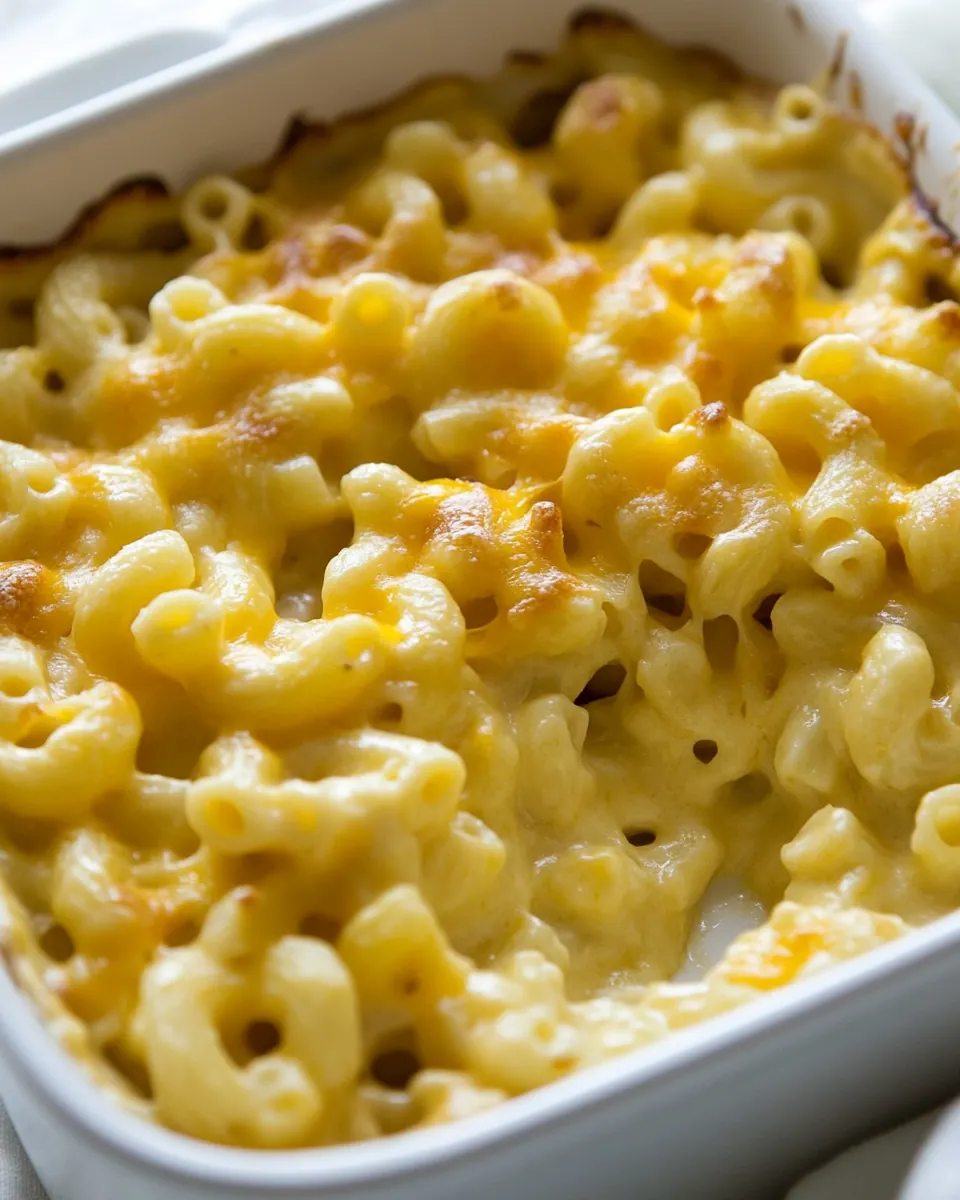
I like to offer practical notes that respect the recipe’s simplicity while giving room for small adjustments. These tips emphasize texture, timing, and ingredient quality to help you get consistent results every time.
- Choose good cheddar: High quality aged cheddar provides sharper flavor and a smoother melt than mild, inexpensive versions, which can taste grainy.
- Freshly grate the cheese: Grating your own eliminates anti caking additives, allowing the cheese to melt uniformly into a glossy sauce.
- Room temperature cheese: Allow grated cheese to sit at room temperature briefly so it melts more predictably when added to the warm sauce.
- Low heat when finishing: Remove the sauce from direct heat before adding most of the cheese, then stir gently to prevent separation and control the final texture.
- Adjust salt at the end: Because cheese varies in saltiness, taste at the finish and add more salt sparingly if needed.
- Timing matters: Keep an eye on the oven during the short bake window to avoid drying the sauce while still achieving an appealing melted top.
Serving Suggestions
This dish fits many occasions, from weeknight dinners to casual gatherings, and serves well with simple sides that contrast texture and freshness. Think about balancing the rich creaminess with bright or crisp accompaniments to round out the meal.
- Serve warm and fresh: Spoon portions into bowls or onto plates right after a brief rest so the sauce holds together and the top remains glossy and inviting.
- Complement with acid: A simple green salad with a light vinaigrette cuts the richness and introduces a crisp counterpoint.
- Occasion ready: For a potluck bring the dish warm in an insulated carrier, then reheat gently if needed to regain a melted top.
- Family friendly: This recipe is ideal for casual dinners where comfort and familiarity matter, making it a reliable choice for busy nights.
- Storage tips: Cool to room temperature, cover tightly, and refrigerate for up to three days. Reheat gently in a low oven to restore creaminess and melt the top again.
- Seasonal pairing: In colder months I appreciate the cozy, heartwarming nature of this dish, serving it as a center side for winter dinners.
FAQ
Conclusion
What makes this recipe special is its ability to transform everyday pantry items into a deeply comforting dish with a creamy, satisfying texture. It balances straightforward technique with impactful results, so a modest investment of attention returns a reliably rich and nostalgic meal. Try it when you want food that feels like a warm, familiar hug, and enjoy the layered flavors that come from good cheese and careful technique. Share it with family or keep it as your quiet weeknight indulgence, and you will likely find it becoming a regular in your rotation.
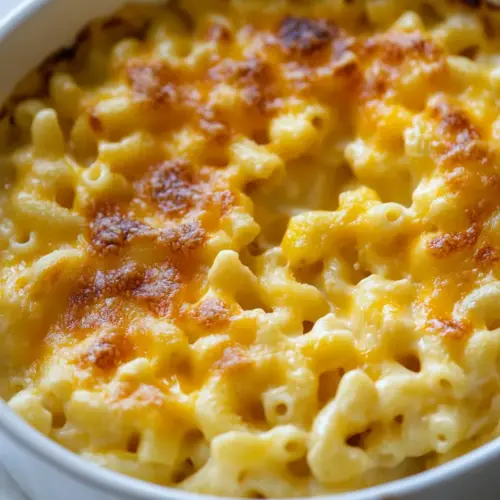
Homemade Mac and Cheese
Equipment
- Oven-safe skillet
- 8x8 dish
- Rotary Cheese Grater
Ingredients
- 1/2 lb uncooked elbow macaroni* (225 g) Provides the pasta base and structure for the dish, supplying starchy texture that holds sauce; cook to al dente to avoid mushiness and allow for further baking or mixing with the cheese sauce.
- 3 tablespoons butter (43 g) Adds rich fat for a smooth roux and glossy sauce, contributing buttery flavor and mouthfeel; melt gently to avoid browning before whisking in flour to thicken.
- 2 tablespoons all-purpose flour (16 g) Acts as the thickening agent when combined with butter to form a roux, giving body and stability to the cheese sauce; whisk thoroughly to eliminate lumps for a silky texture.
- 1/2 teaspoons salt Seasons the sauce to balance and enhance flavors, preventing the dish from tasting flat; adjust slightly to taste, remembering cheese also brings salinity.
- 1/8 teaspoon ground black pepper Adds mild heat and aromatic depth to the sauce, sharpening the cheese flavors; use freshly ground for best aromatic impact and adjust amount to preference.
- 1 1/2 cups milk, any kind (360 ml) Provides the liquid backbone of the sauce and contributes creaminess and moisture; warm slightly before adding to the roux to prevent curdling and ensure smooth integration.
- 3/4 cup half and half (180 ml) Contributes extra creaminess and richness to the sauce, boosting mouthfeel and preventing a thin texture; combine with milk for a balanced, luxurious consistency.
- 2 1/2 cups shredded cheddar cheese* (250 g) Delivers the primary flavor and meltability, creating the characteristic cheesy sauce; grate finely for even melting and stir into the hot sauce until fully smooth.
Instructions
- Preheat the oven to 325 degrees F and lightly grease an 8' square (or similar size) baking dish.: The oven will give you a gentle, even bake that melts the top without drying the interior. You should feel a mild warmth from the oven as it reaches temperature, and the light greasing prevents sticking while adding a bit of buttery aroma. Doing this step ahead keeps you from scrambling later, which helps maintain smooth assembly. A common misstep is preheating to a much higher temperature, which can cause the top to brown too quickly while the interior remains underheated.
- Cook the macaroni to al dente, according to package instructions. Drain and set aside.: The pasta should be firm to the bite yet tender, offering a slight resistance when you chew. While boiling you will notice the water roiling and a faint starch scent; when you taste the pasta it should not be chalky. Drain promptly to stop cooking and avoid a waterlogged bake. Overcooking here results in a mushy texture after baking, and undercooking will make the macaroni feel gummy in the finished dish.
- Make the sauce: Melt the butter in a medium saucepan over medium heat. Blend in the flour, salt, and pepper. Cook for 2 minutes. Slowly add the milk and half and half, stirring constantly, and cook over medium-low heat for a few minutes until the mixture has thickened like the consistency of gravy, about 5-7 minutes. Remove from heat and stir in 1 cup shredded cheese, stirring just until melted.: Melt the butter in a medium saucepan over medium heat. Blend in the flour, salt, and pepper. Cook for 2 minutes. Slowly add the milk and half and half, stirring constantly, and cook over medium-low heat for a few minutes until the mixture has thickened like the consistency of gravy, about 5 to 7 minutes. Remove from heat and stir in 1 cup shredded cheese, stirring just until melted. : As the butter melts you will hear a soft sizzle and see a glossy pool form, then the flour will bloom into a fragrant, toasty base. When you add the dairy gradually you will notice the sauce thicken and develop a velvety sheen; it should coat the back of a spoon. Stirring constantly prevents lumps and helps the starches hydrate evenly, producing a cohesive texture. If the heat is too high the milk can scald, creating off flavors, so keep the temperature controlled and remove from heat before adding most of the cheese. A typical error is adding all the cheese while the sauce is too hot, which can cause separation or a grainy texture.
- Combine: Add the cooked macaroni noodles and toss to coat. Pour half of the pasta mixture into the prepared baking dish. Sprinkle 1/2 cup cheese over the top. Add remaining pasta and sprinkle with remaining cheese.: Add the cooked macaroni noodles and toss to coat. Pour half of the pasta mixture into the prepared baking dish. Sprinkle 1/2 cup cheese over the top. Add remaining pasta and sprinkle with remaining cheese. : When you fold the macaroni into the sauce you should see glossy strands and pockets of rich cream; each noodle should be evenly coated. Layering the pasta and cheese ensures pockets of melted cheese on top and in the interior, creating contrast between gooey and slightly baked textures. Press gently so the sauce seeps into the pasta crevices. Avoid packing the dish too tightly, as dense layers can prevent even heating during the short bake.
- Bake for 15-20 minutes or until cheese is melted on top.: In the oven the surface will shift from glossy to a gentle bubbling and the cheese will become uniformly melted, emitting a warm, savory aroma. Look for small, golden spots and a consistent melt across the top to know it is ready. Let the dish rest for a couple of minutes after removing it, because the sauce will set slightly and be easier to portion. A frequent mistake is leaving it in longer than necessary, which can dry the sauce and reduce creaminess.
Notes
- Choose good cheddar: High quality aged cheddar provides sharper flavor and a smoother melt than mild, inexpensive versions, which can taste grainy.
- Freshly grate the cheese: Grating your own eliminates anti caking additives, allowing the cheese to melt uniformly into a glossy sauce.
- Room temperature cheese: Allow grated cheese to sit at room temperature briefly so it melts more predictably when added to the warm sauce.
- Low heat when finishing: Remove the sauce from direct heat before adding most of the cheese, then stir gently to prevent separation and control the final texture.
- Adjust salt at the end: Because cheese varies in saltiness, taste at the finish and add more salt sparingly if needed.
- Timing matters: Keep an eye on the oven during the short bake window to avoid drying the sauce while still achieving an appealing melted top.
