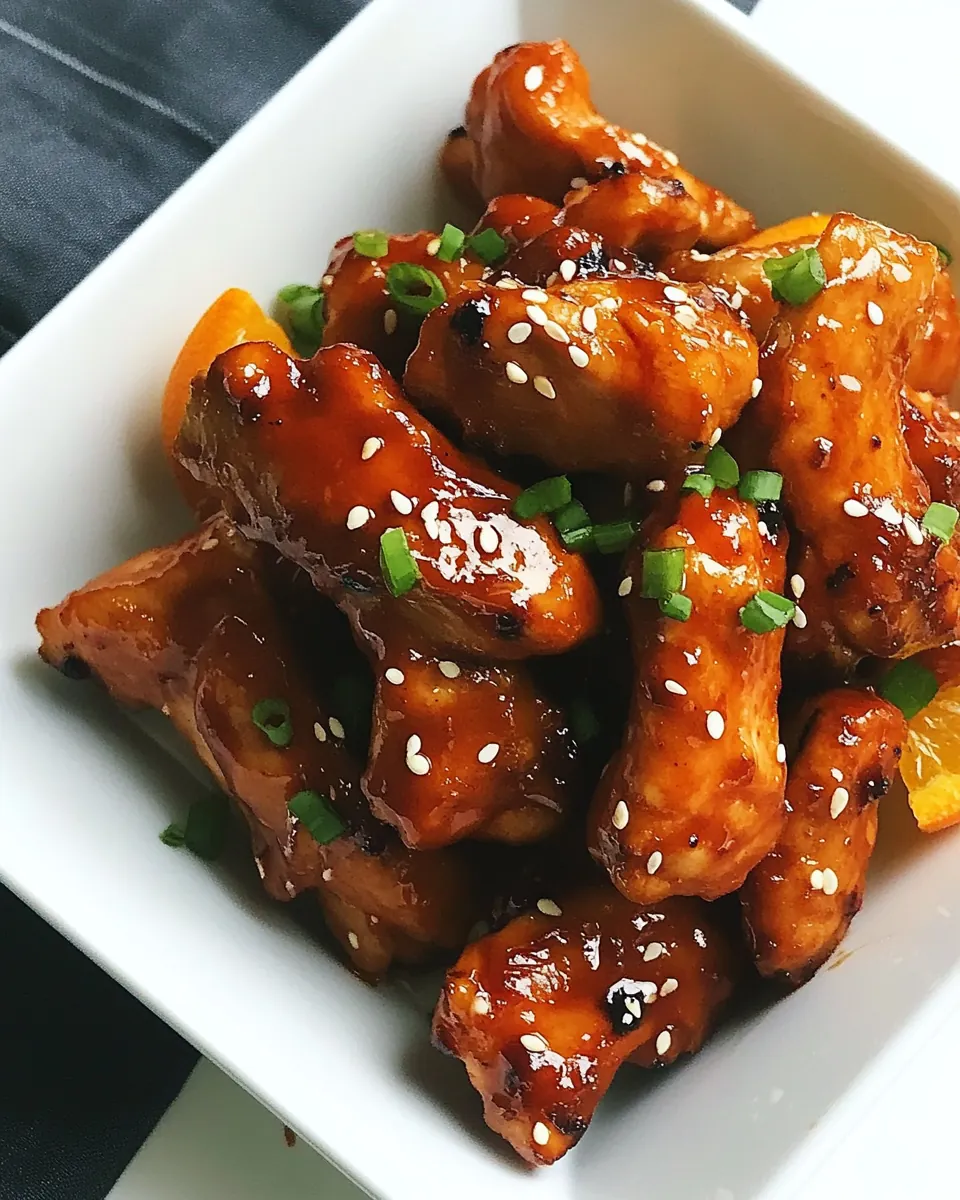
Orange Sriracha Chicken
Orange Sriracha Chicken is one of those dinners I turn to when I want big flavor with almost zero fuss. The first time I made it I was chasing a citrus hit that would wake up a weeknight, and the heat from the sriracha balanced the bright orange juice in a way that felt both comforting and exciting. I remember the kitchen filling with the aroma of caramelizing sugars, the chatter of family around the table, and the drumsticks disappearing faster than I expected.
That evening taught me how a few simple swaps and a short marinating window can change everything. The recipe leans on pantry staples, but it still feels special enough for guests. I love how the glaze becomes glossy and sticky, clinging to the skin so each bite delivers a tangy, spicy punch followed by a hint of sweet. It’s the sort of dish that makes people ask for seconds without prompting.
Over time I’ve nudged the balance here and there, learning when to reduce the sauce to the right sheen and how long to roast so the skin crisps without drying the meat. Each time I prepare Orange Sriracha Chicken I notice different aromas coming through, from the warm sweetness of honey to the savory bite of garlic. It’s become my go to when I want to impress without spending hours in the kitchen.
Recipe Snapshot
60 mins
15 mins
45 mins
Medium
350 kcal
American
Whole30, Paleo
Dinner
Wire rack, Baking sheet, Food processor, Small saucepan, Brush
Why Try This Orange Sriracha Chicken
Bold, balanced flavors
I love how Orange Sriracha Chicken plays a reliable flavor game. The sweet citrus rounds out the heat from the sriracha, creating a glaze that is lively but not aggressive. Every time I taste it I’m reminded that contrast is what keeps a simple meal interesting.
Simple technique, big payoff
Marinating and roasting are straightforward, yet the payoff is huge. A short marinate lets the flavors sink in without being fussy, and roasting on a rack concentrates the juices while promoting crisp skin. I appreciate recipes that respect my time, and this one does exactly that.
Flexible and family friendly
I find this dish adapts to different heat preferences easily. I can dial the sriracha up or down, and the rest of the sauce maintains its character. That makes it great for family dinners where tastes vary, because everyone can customize their plate.
Great for weeknight entertaining
When friends drop by, I’ll make a tray of these drumsticks and let the sauce do the talking. The shiny, sticky glaze looks impressive and serves well as a centerpiece, while the prep is relaxed enough that I can socialize instead of hovering over the stove.
Textural contrast
The combination of roasted chicken skin and the reduced glaze gives you both crispness and a lacquered finish. That texture contrast elevates every bite and keeps things interesting from the first to the last drumstick.
Ingredients Overview for Orange Sriracha Chicken
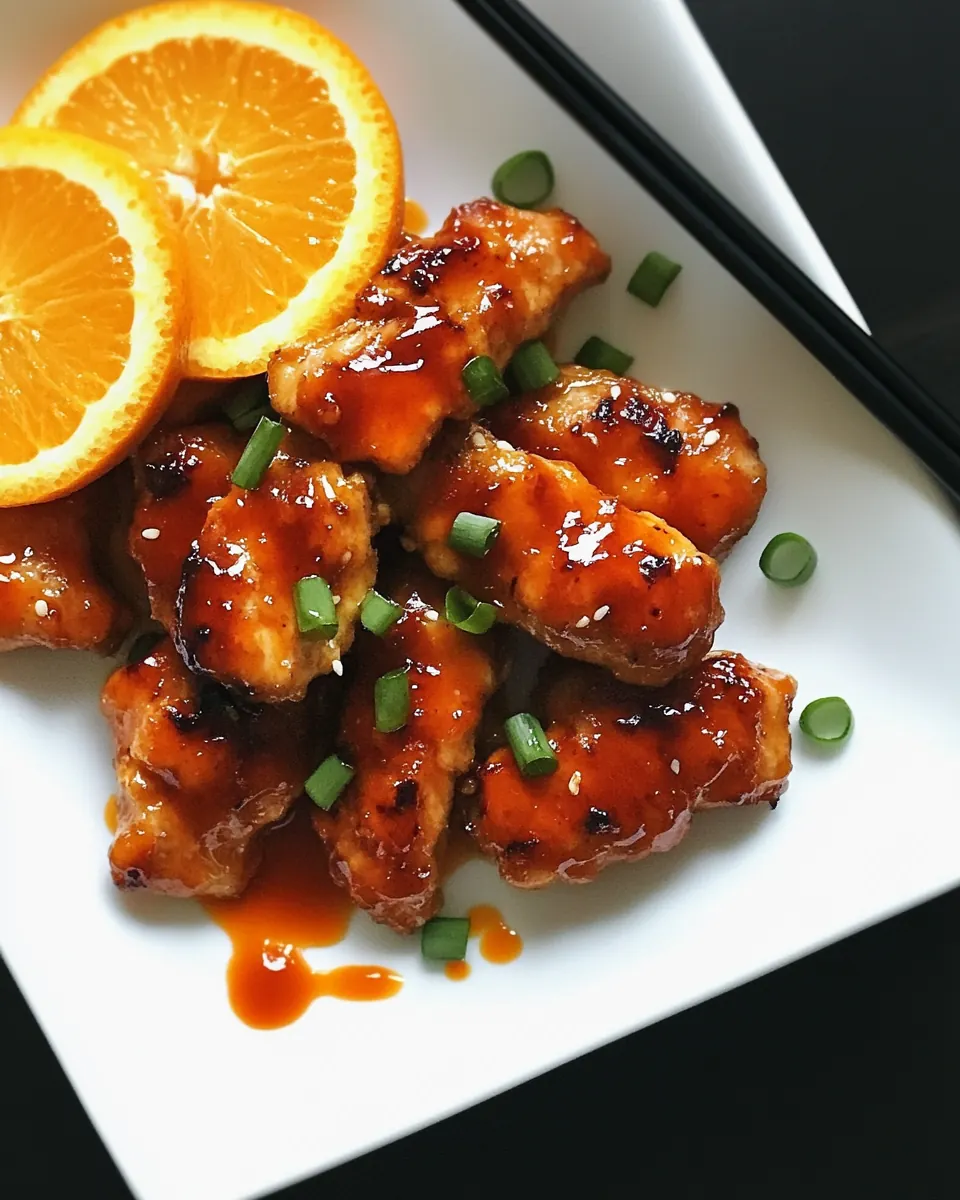
These ingredients work together to create a balance of sweet citrus, savory depth, and gentle heat. The key players are the chicken drumsticks for hearty texture, the orange juice for acidity and brightness, and the sriracha for a spicy backbone. Aromatics like onion and garlic melt into the marinade, while touches like honey and ghee help the glaze caramelize and shine.
- 10 chicken drumsticks about 3 1/2 pounds: Provide hearty, meaty flavor and substantial protein for the dish; drumsticks offer skin-on richness that crisps when roasted or seared, and their bone-in structure helps retain moisture during cooking for tender results.
- 2 teaspoons kosher salt but remember: not all kosher salts are the same: I use Diamond Crystal brand—if you’re using Morton’s kosher salt, use 1 to 1 1/2 teaspoons instead: Enhance overall seasoning and balance; kosher salt controls and elevates flavors without overpowering, and adjusting the amount based on your brand ensures proper salting and avoids an overly salty or underseasoned final dish.
- 1 medium yellow onion roughly chopped: Add savory aromatics and sweetness when cooked; roughly chopped onion softens and caramelizes, building a flavorful base that complements the sweet-tart orange and spicy elements in the sauce.
- 1 cup fresh basil leaves packed: Introduce bright, herbaceous freshness and aromatic lift; packed basil leaves bring a peppery-sweet complexity that contrasts the heat and citrus, and they can be torn or chiffonaded to release essential oils.
- 1/2 cup orange juice: Contribute bright citrus acidity and sweetness; orange juice balances the spicy and umami components while providing liquid for the sauce reduction and tenderizing the chicken slightly.
- 4 cloves garlic roughly chopped: Deliver pungent depth and aromatic bite; roughly chopped garlic mellows with cooking, infusing the sauce with savory complexity and enhancing the overall umami profile.
- 1 tablespoon fish sauce: Provide concentrated umami and saltiness; fish sauce deepens savory notes and adds an oceanic savor that rounds out sweet, spicy, and acidic flavors in the sauce.
- 1 tablespoon balsamic vinegar: Add sweet-tart complexity and rounded acidity; balsamic vinegar brings depth and a touch of molasses-like sweetness that balances the citrus and heat components.
- 1 teaspoon tomato paste: Supply concentrated tomato richness and body; tomato paste adds umami, color, and thickness to the sauce, helping it cling to the chicken as it reduces.
- 1/2 teaspoon freshly ground black pepper: Contribute warming spice and aromatic depth; freshly ground black pepper adds subtle heat and complexity that complements the sriracha without overwhelming other flavors.
- 1/2 cup orange juice: Provide additional bright citrus volume and sweetness; a second measure of orange juice allows for a larger batch of sauce and helps achieve the desired reduction and glaze consistency.
- 2 tablespoons honey: Introduce natural sweetness and caramelization; honey balances the heat and acidity while helping create a sticky, glossy glaze as the sauce reduces.
- 1 tablespoon Whole30 Sriracha or Paleo Sriracha hey, hotheads: you can add more, but just know that you’ll be reducing the sauce and therefore concentrating the heat: Deliver concentrated chili heat and flavor profile; Whole30 or Paleo Sriracha adds smoky, garlicky spice and can be adjusted to taste, but reduction will intensify its heat.
- 1 tablespoon ghee: Supply rich, nutty fat for sautéing and flavor; ghee tolerates higher cooking temperatures than butter and adds a buttery, slightly caramelized aroma to the seared chicken or sauce base.
- 1 teaspoon coconut aminos: Offer mild sweetness and savory depth as a soy alternative; coconut aminos provide umami and saltiness with a lower-sodium profile that blends smoothly into the sauce.
- 1 teaspoon toasted sesame seeds (optional): Add subtle crunch and toasty aroma as a finishing touch; toasted sesame seeds contribute visual appeal and a nutty accent when sprinkled over the finished dish.
- Kosher salt: Allow for final seasoning adjustments to taste; kosher salt is used at the end to correct seasoning after reduction and cooking, ensuring the flavors are balanced before serving.
Making Orange Sriracha Chicken
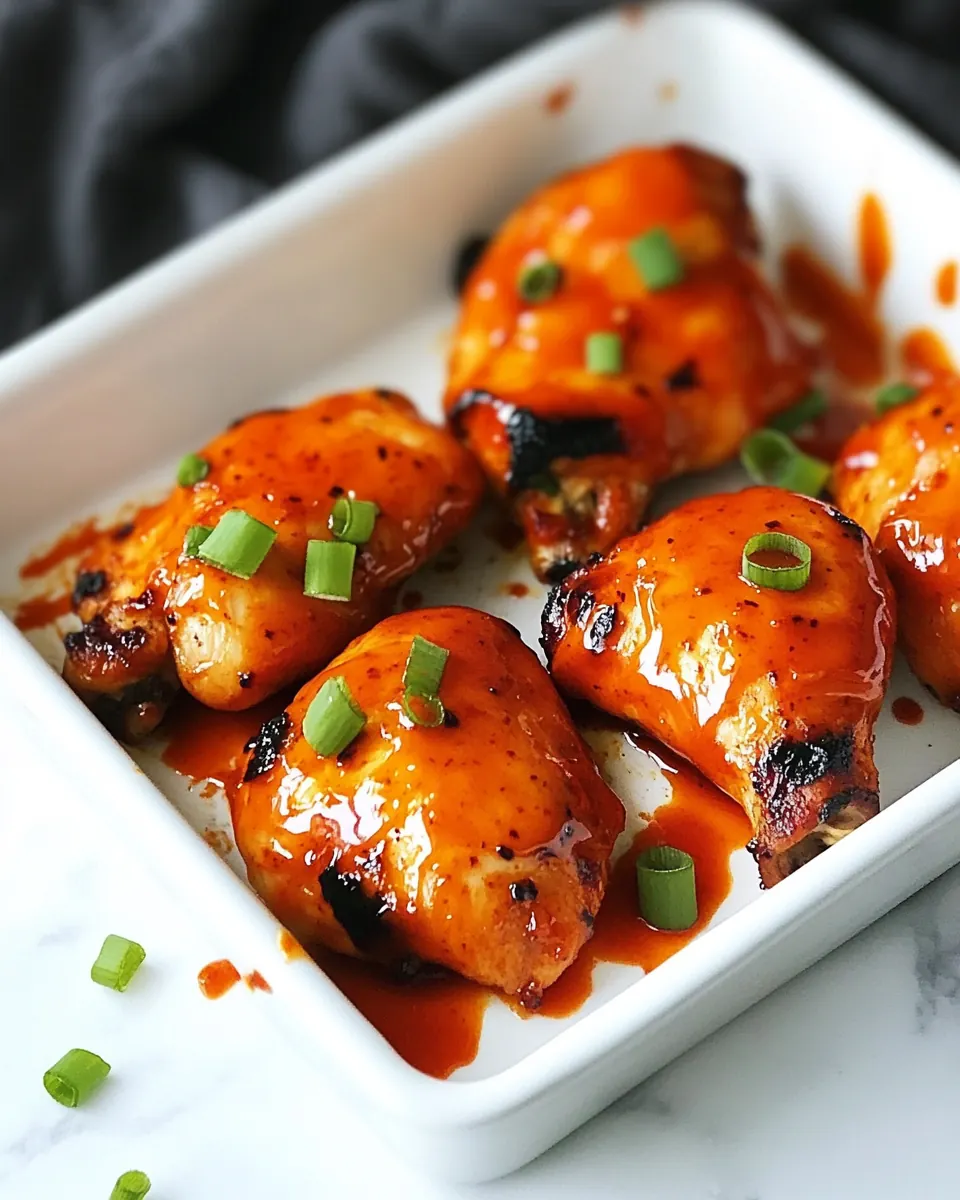
I like to approach the cooking in a relaxed, confident manner. The process moves from marinating to roasting and then finishing with a reduced glaze, each stage adding layers of flavor. Plan to watch the glaze as it reduces so you get a glossy finish without burning.
- In a large bowl, sprinkle the salt on the chicken, and set aside.: The room fills with the faint scent of seasoned meat and you will notice the salt drawing moisture to the surface, helping the skin tighten and season through. This step matters because early salting gives deeper seasoning and aids browning during roasting. If you skip it, the final result may taste flat. A common mistake is using too much salt at once, so measure carefully and give the salt a few minutes to work before proceeding.
- To make the marinade, toss the onion, basil, orange juice, garlic, fish sauce, balsamic vinegar, tomato paste, and pepper in a food processor or high-powered blender. Purée until smooth.: As you blend, aromas shift from sharp raw onion to herbaceous basil and bright citrus, creating a vibrant, aromatic purée. Puréeing produces a sauce that clings to the chicken , promoting even flavor distribution. This technique ensures the aromatics will dissolve into the marinade instead of sitting on the surface. A common issue is overblending until the mixture warms, which can slightly cook delicate herbs; pulse to control heat and texture.
- Pour the mixture over the chicken, making sure that all the drumsticks are well-coated. Cover and marinate the chicken in the refrigerator for at least an hour and up to 12 hours.: You will notice the marinade darkening the surface and the smell of citrus mingling with herbs as the flavors begin to mingle. Marinating allows acids to gently penetrate, tenderizing and infusing taste. I prefer at least an hour for noticeable flavor, and up to 12 hours if I have time. Avoid marinating too long in very acidic mixtures, which can make the meat mushy; stick to the specified window.
- When you’re ready to cook, take the bowl of chicken out of the fridge and preheat the oven to 400°F. Place a wire rack on top of a foil-lined baking sheet.: Warming the kitchen, you will sense the oven breathing heat and the marinade relaxing. Preheating to the right temperature ensures the skin starts crisping immediately and helps render fat under the skin. A wire rack is crucial so air circulates and juices drip away, preserving crispness. The error I see often is skipping the rack, which leads to steamed skin and soggier texture.
- Transfer the drumsticks to the wire rack. Spoon some extra marinade onto each piece of chicken. Bake for 40 minutes or until cooked through and the skin is golden brown, flipping each piece and turning the baking sheet at the halfway point.: As the drumsticks roast, you will hear a gentle sizzle and see the skin tighten and blister into golden brown patches. Spooned marinade helps form a flavorful crust as sugars caramelize. Turning the tray ensures even browning, and flipping prevents one side from overbrowning. A key why here is to allow consistent heat exposure so moisture escapes evenly. The typical mistake is opening the oven too often which drops temperature and prolongs cooking.
- While the chicken’s in the oven, make the Orange Sriracha Sauce. In a small saucepan, stir together the orange juice, honey, sriracha, ghee, and coconut aminos.: The saucepan will begin to steam and the honey dissolves into the liquid, releasing a fragrant, sticky aroma. Combining these ingredients creates the base for a glossy glaze that will thicken quickly. This mixture is built for reduction, so having it ready while the chicken roasts saves time. Overcrowding the pan or heating too aggressively here risks uneven reduction or burnt sugars.
- Cook over high heat. Once it’s at a boil, turn down the heat to low, and reduce the sauce until it’s thickened (about 3 to 5 minutes). Taste and—if necessary—season with salt to taste.: You will notice the sauce bubbling energetically, then calming as it thickens into a syrupy consistency that coats a spoon. Reducing concentrates the citrus and spice, giving the glaze its concentrated personality. The reason we reduce is to remove excess water so the glaze adheres and glossy sugars develop. Watch for scorching, and stir frequently because sugars can burn in an instant.
- After 40 minutes in the oven, brush a thin layer of the Orange Sriracha Sauce on each drumstick, and then roast for 5 more minutes.: The moment you brush the glaze the aroma brightens and the surface will begin to shimmer. That short return to the oven helps the glaze set and tack onto the skin, creating a lacquered finish. This technique is essential for texture contrast between crisp skin and sticky glaze. The common mistake is applying too thick a layer, which can pool and burn during the final roast.
- Then, take the tray out of the oven, and use a brush to glaze the chicken with the remaining sauce.: The brushed-on sauce will glisten and the kitchen will fill with a concentrated mix of sweet citrus and warm spice. Glazing after roasting adds a glossy, layered finish and intensifies flavor at the surface. Doing this at the end preserves the bright orange notes that prolonged heat could dull. Avoid overbrushing while hot which can remove crispness if you saturate the skin.
- If desired, add a sprinkle of toasted sesame seeds.: The tiny seeds add a toasty crunch and an appealing visual finish, while their aroma complements the glaze. Sprinkling them last retains their texture and prevents burning. One misstep is to toast sesame seeds too long ahead of time so they lose fragrance, so toast briefly and add right before serving.
Ways to Customize
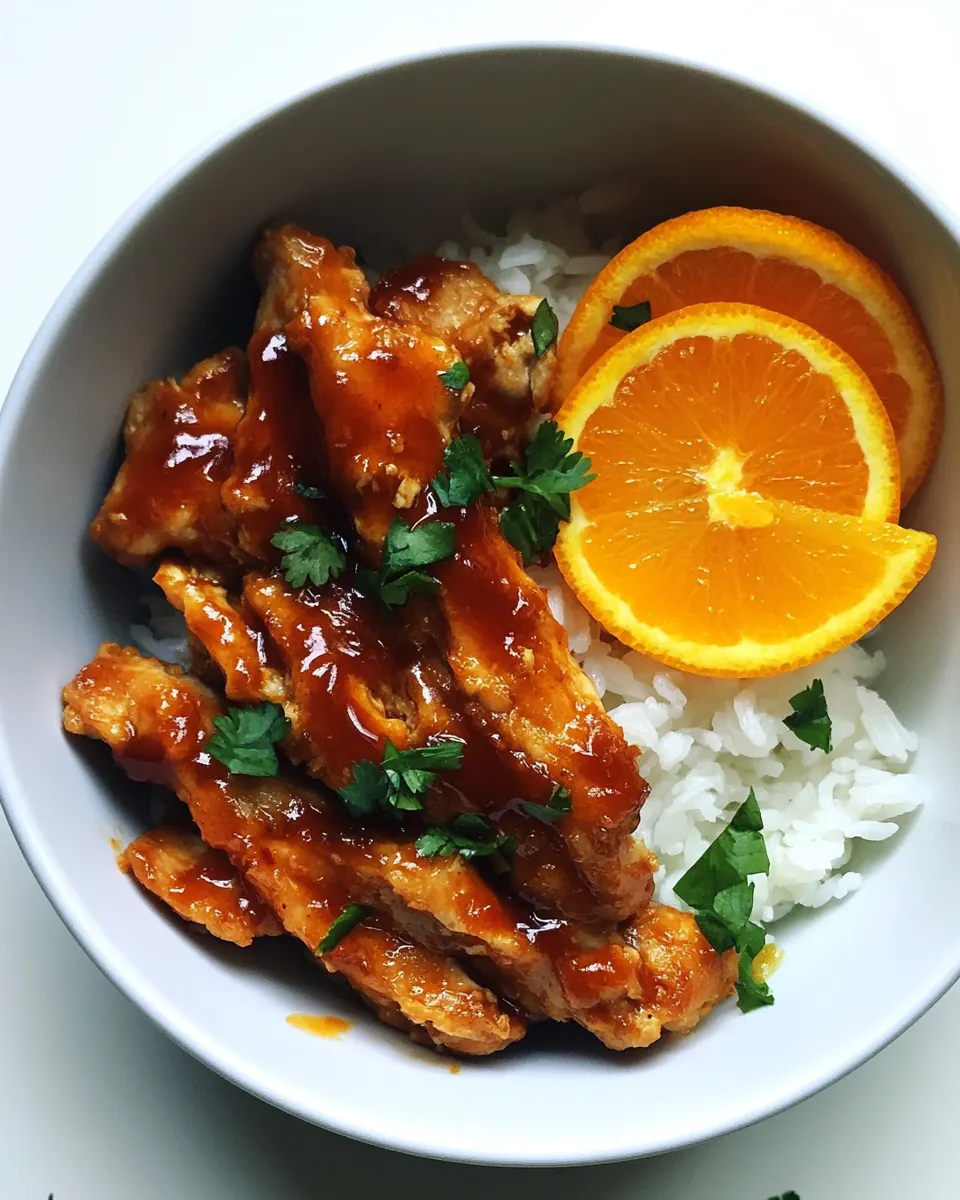
I like offering a few customization ideas so you can make this recipe work for your pantry and palate. Small swaps change the dish’s character, and each tip below helps you tailor heat, sweetness, or texture without losing the core identity.
- Adjust the heat: If you want it milder, start with half the sriracha amount and add more after tasting the reduced sauce. Because reduction concentrates spice, it is best to err on the side of less and build up.
- Swap the sweetener: You can replace honey with an equal amount of maple syrup for a deeper, woodsy sweetness. The glaze will still caramelize, but the final flavor will be slightly earthier.
- Make it Whole30 compliant: Use a compliant sriracha and ensure your ghee and other components meet the plan requirements. The sauce reduces the same way and retains its bright profile.
- Control saltiness: If using Morton’s kosher salt, reduce the initial salt by roughly half as noted, and adjust after reduction to avoid oversalting the glaze.
- Toast seeds at the end: Lightly toast the sesame seeds and sprinkle them just before serving for maximum aroma and crunch.
Serving Options for Orange Sriracha Chicken
This dish is flexible across occasions, from casual weeknights to informal gatherings. The sticky, glossy drumsticks pair nicely with simple sides and can be plated for family style sharing or portioned for a composed meal.
- Weeknight dinner: Serve the drumsticks with steamed rice and a side of lightly sautéed greens for a balanced meal that soaks up the glaze.
- Casual entertaining: Arrange the drumsticks on a platter with small bowls of extra sauce, allowing guests to help themselves while you mingle.
- Meal prep: Roast the drumsticks and store in an airtight container, reserving glaze separately to reheat and brush on before serving to revive the finish.
- Ramadan or special occasions: These drumsticks work well for evening meals when you want something satisfying and shareable that can be prepped ahead.
- Storage tips: Refrigerate leftovers up to four days, and reheat gently in a 350°F oven to preserve skin texture; microwaving will soften the crispness.
- Seasonal pairing: In summer I lean into fresh herbs and a bright side salad, while in cooler months a warm grain bowl complements the rich glaze.
FAQ
Conclusion
Orange Sriracha Chicken stands out for its combination of bright citrus, savory depth, and a sticky, spicy glaze that elevates simple roasted drumsticks. The technique is approachable yet delivers a restaurant worthy finish, making it ideal for weeknights and casual entertaining alike. Give it a try and you may find it becomes a regular in your rotation; the flavors are bold but balanced, and the method rewards minimal fuss with satisfying results. I hope you enjoy the glossy finish and the way each bite balances sweet, tangy, and heat.
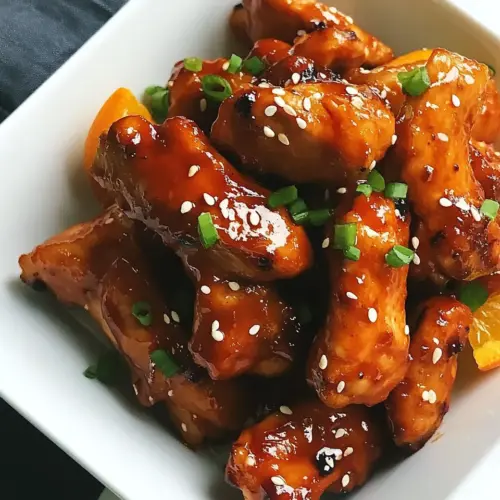
Orange Sriracha Chicken
Equipment
- Wire Rack
- Baking Sheet
- Food Processor
- Small Saucepan
- Brush
Ingredients
- 10 chicken drumsticks about 3 1/2 pounds Provide hearty, meaty flavor and substantial protein for the dish; drumsticks offer skin-on richness that crisps when roasted or seared, and their bone-in structure helps retain moisture during cooking for tender results.
- 2 teaspoons kosher salt but remember: not all kosher salts are the same: I use Diamond Crystal brand—if you’re using Morton’s kosher salt, use 1 to 1 1/2 teaspoons instead Enhance overall seasoning and balance; kosher salt controls and elevates flavors without overpowering, and adjusting the amount based on your brand ensures proper salting and avoids an overly salty or underseasoned final dish.
- 1 medium yellow onion roughly chopped Add savory aromatics and sweetness when cooked; roughly chopped onion softens and caramelizes, building a flavorful base that complements the sweet-tart orange and spicy elements in the sauce.
- 1 cup fresh basil leaves packed Introduce bright, herbaceous freshness and aromatic lift; packed basil leaves bring a peppery-sweet complexity that contrasts the heat and citrus, and they can be torn or chiffonaded to release essential oils.
- 1/2 cup orange juice Contribute bright citrus acidity and sweetness; orange juice balances the spicy and umami components while providing liquid for the sauce reduction and tenderizing the chicken slightly.
- 4 cloves garlic roughly chopped Deliver pungent depth and aromatic bite; roughly chopped garlic mellows with cooking, infusing the sauce with savory complexity and enhancing the overall umami profile.
- 1 tablespoon fish sauce Provide concentrated umami and saltiness; fish sauce deepens savory notes and adds an oceanic savor that rounds out sweet, spicy, and acidic flavors in the sauce.
- 1 tablespoon balsamic vinegar Add sweet-tart complexity and rounded acidity; balsamic vinegar brings depth and a touch of molasses-like sweetness that balances the citrus and heat components.
- 1 teaspoon tomato paste Supply concentrated tomato richness and body; tomato paste adds umami, color, and thickness to the sauce, helping it cling to the chicken as it reduces.
- 1/2 teaspoon freshly ground black pepper Contribute warming spice and aromatic depth; freshly ground black pepper adds subtle heat and complexity that complements the sriracha without overwhelming other flavors.
- 1/2 cup orange juice Provide additional bright citrus volume and sweetness; a second measure of orange juice allows for a larger batch of sauce and helps achieve the desired reduction and glaze consistency.
- 2 tablespoons honey Introduce natural sweetness and caramelization; honey balances the heat and acidity while helping create a sticky, glossy glaze as the sauce reduces.
- 1 tablespoon Whole30 Sriracha or Paleo Sriracha hey, hotheads: you can add more, but just know that you’ll be reducing the sauce and therefore concentrating the heat Deliver concentrated chili heat and flavor profile; Whole30 or Paleo Sriracha adds smoky, garlicky spice and can be adjusted to taste, but reduction will intensify its heat.
- 1 tablespoon ghee Supply rich, nutty fat for sautéing and flavor; ghee tolerates higher cooking temperatures than butter and adds a buttery, slightly caramelized aroma to the seared chicken or sauce base.
- 1 teaspoon coconut aminos Offer mild sweetness and savory depth as a soy alternative; coconut aminos provide umami and saltiness with a lower-sodium profile that blends smoothly into the sauce.
- 1 teaspoon toasted sesame seeds optional Add subtle crunch and toasty aroma as a finishing touch; toasted sesame seeds contribute visual appeal and a nutty accent when sprinkled over the finished dish.
- Kosher salt Allow for final seasoning adjustments to taste; kosher salt is used at the end to correct seasoning after reduction and cooking, ensuring the flavors are balanced before serving.
Instructions
- In a large bowl, sprinkle the salt on the chicken, and set aside.: The room fills with the faint scent of seasoned meat and you will notice the salt drawing moisture to the surface, helping the skin tighten and season through. This step matters because early salting gives deeper seasoning and aids browning during roasting. If you skip it, the final result may taste flat. A common mistake is using too much salt at once, so measure carefully and give the salt a few minutes to work before proceeding.
- To make the marinade, toss the onion, basil, orange juice, garlic, fish sauce, balsamic vinegar, tomato paste, and pepper in a food processor or high-powered blender. Purée until smooth.: As you blend, aromas shift from sharp raw onion to herbaceous basil and bright citrus, creating a vibrant, aromatic purée. Puréeing produces a sauce that clings to the chicken , promoting even flavor distribution. This technique ensures the aromatics will dissolve into the marinade instead of sitting on the surface. A common issue is overblending until the mixture warms, which can slightly cook delicate herbs; pulse to control heat and texture.
- Pour the mixture over the chicken, making sure that all the drumsticks are well-coated. Cover and marinate the chicken in the refrigerator for at least an hour and up to 12 hours.: You will notice the marinade darkening the surface and the smell of citrus mingling with herbs as the flavors begin to mingle. Marinating allows acids to gently penetrate, tenderizing and infusing taste. I prefer at least an hour for noticeable flavor, and up to 12 hours if I have time. Avoid marinating too long in very acidic mixtures, which can make the meat mushy; stick to the specified window.
- When you’re ready to cook, take the bowl of chicken out of the fridge and preheat the oven to 400°F. Place a wire rack on top of a foil-lined baking sheet.: Warming the kitchen, you will sense the oven breathing heat and the marinade relaxing. Preheating to the right temperature ensures the skin starts crisping immediately and helps render fat under the skin. A wire rack is crucial so air circulates and juices drip away, preserving crispness. The error I see often is skipping the rack, which leads to steamed skin and soggier texture.
- Transfer the drumsticks to the wire rack. Spoon some extra marinade onto each piece of chicken. Bake for 40 minutes or until cooked through and the skin is golden brown, flipping each piece and turning the baking sheet at the halfway point.: As the drumsticks roast, you will hear a gentle sizzle and see the skin tighten and blister into golden brown patches. Spooned marinade helps form a flavorful crust as sugars caramelize. Turning the tray ensures even browning, and flipping prevents one side from overbrowning. A key why here is to allow consistent heat exposure so moisture escapes evenly. The typical mistake is opening the oven too often which drops temperature and prolongs cooking.
- While the chicken’s in the oven, make the Orange Sriracha Sauce. In a small saucepan, stir together the orange juice, honey, sriracha, ghee, and coconut aminos.: The saucepan will begin to steam and the honey dissolves into the liquid, releasing a fragrant, sticky aroma. Combining these ingredients creates the base for a glossy glaze that will thicken quickly. This mixture is built for reduction, so having it ready while the chicken roasts saves time. Overcrowding the pan or heating too aggressively here risks uneven reduction or burnt sugars.
- Cook over high heat. Once it’s at a boil, turn down the heat to low, and reduce the sauce until it’s thickened (about 3 to 5 minutes). Taste and—if necessary—season with salt to taste.: You will notice the sauce bubbling energetically, then calming as it thickens into a syrupy consistency that coats a spoon. Reducing concentrates the citrus and spice, giving the glaze its concentrated personality. The reason we reduce is to remove excess water so the glaze adheres and glossy sugars develop. Watch for scorching, and stir frequently because sugars can burn in an instant.
- After 40 minutes in the oven, brush a thin layer of the Orange Sriracha Sauce on each drumstick, and then roast for 5 more minutes.: The moment you brush the glaze the aroma brightens and the surface will begin to shimmer. That short return to the oven helps the glaze set and tack onto the skin, creating a lacquered finish. This technique is essential for texture contrast between crisp skin and sticky glaze. The common mistake is applying too thick a layer, which can pool and burn during the final roast.
- Then, take the tray out of the oven, and use a brush to glaze the chicken with the remaining sauce.: The brushed-on sauce will glisten and the kitchen will fill with a concentrated mix of sweet citrus and warm spice. Glazing after roasting adds a glossy, layered finish and intensifies flavor at the surface. Doing this at the end preserves the bright orange notes that prolonged heat could dull. Avoid overbrushing while hot which can remove crispness if you saturate the skin.
- If desired, add a sprinkle of toasted sesame seeds.: The tiny seeds add a toasty crunch and an appealing visual finish, while their aroma complements the glaze. Sprinkling them last retains their texture and prevents burning. One misstep is to toast sesame seeds too long ahead of time so they lose fragrance, so toast briefly and add right before serving.
Notes
- Adjust the heat: If you want it milder, start with half the sriracha amount and add more after tasting the reduced sauce. Because reduction concentrates spice, it is best to err on the side of less and build up.
- Swap the sweetener: You can replace honey with an equal amount of maple syrup for a deeper, woodsy sweetness. The glaze will still caramelize, but the final flavor will be slightly earthier.
- Make it Whole30 compliant: Use a compliant sriracha and ensure your ghee and other components meet the plan requirements. The sauce reduces the same way and retains its bright profile.
- Control saltiness: If using Morton’s kosher salt, reduce the initial salt by roughly half as noted, and adjust after reduction to avoid oversalting the glaze.
- Toast seeds at the end: Lightly toast the sesame seeds and sprinkle them just before serving for maximum aroma and crunch.