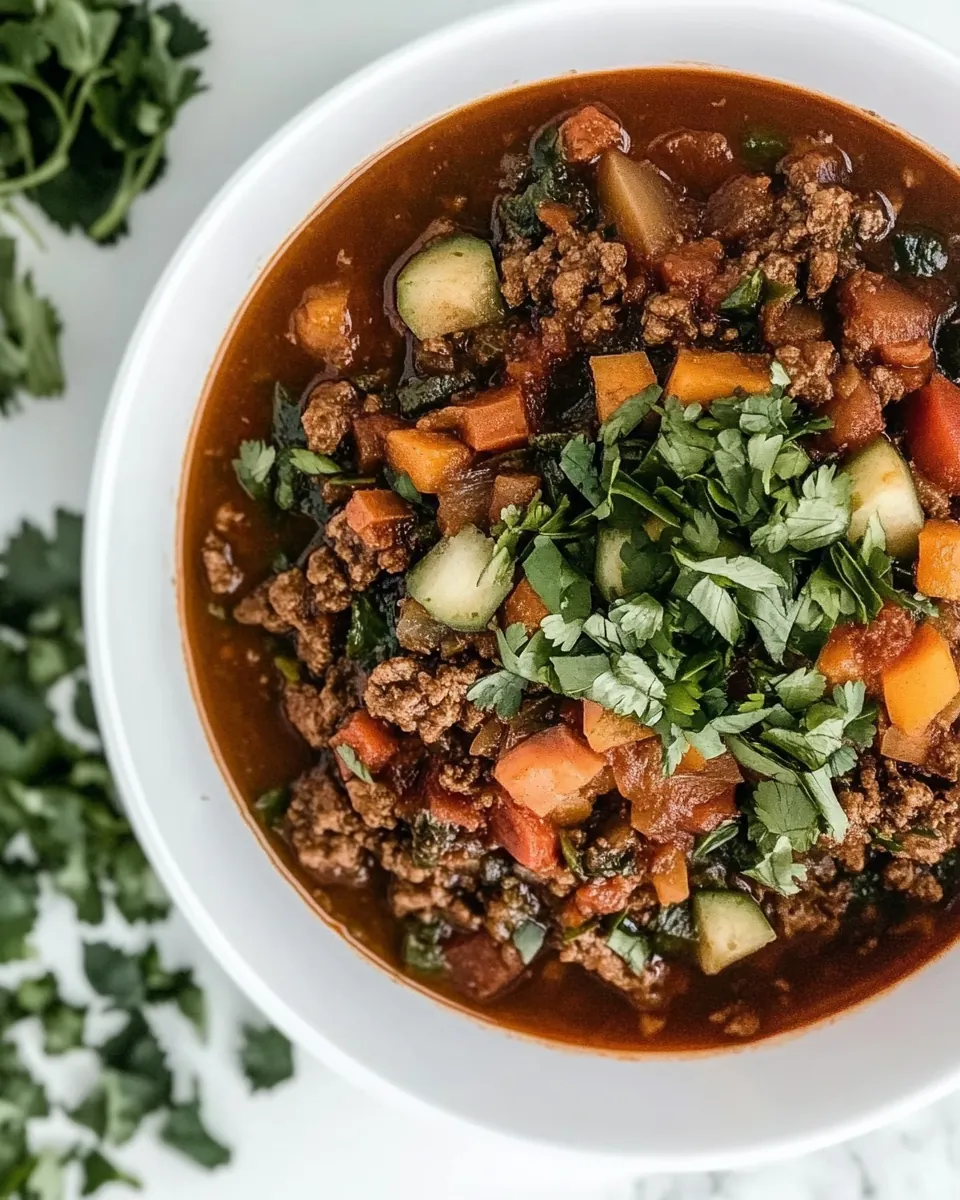
Mexican Picadillo Recipe
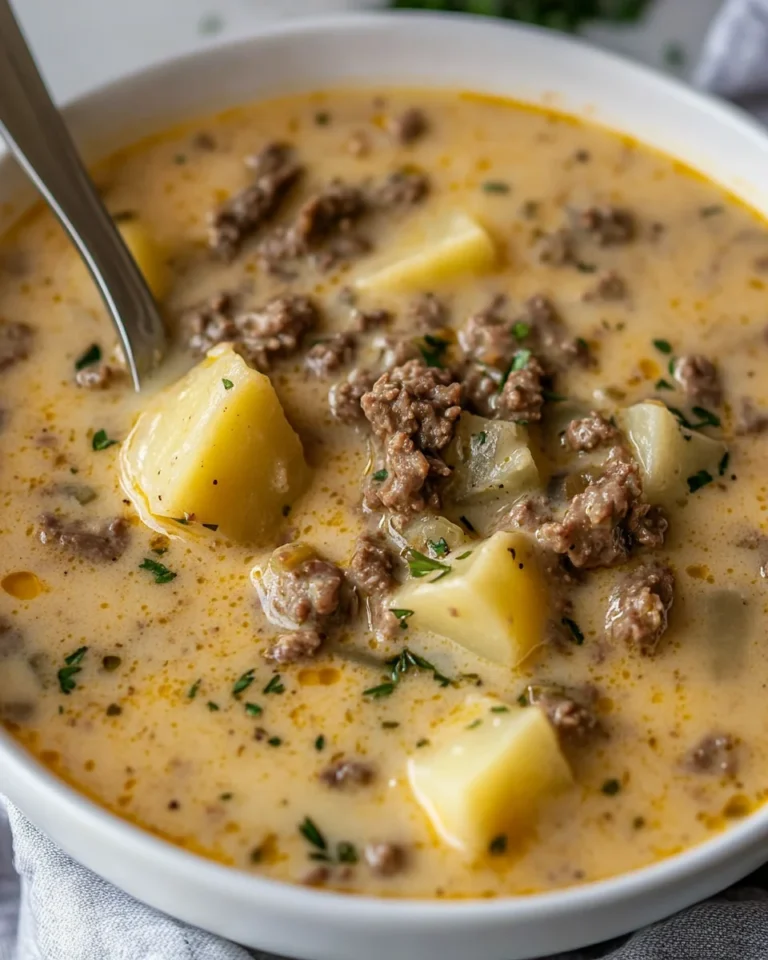
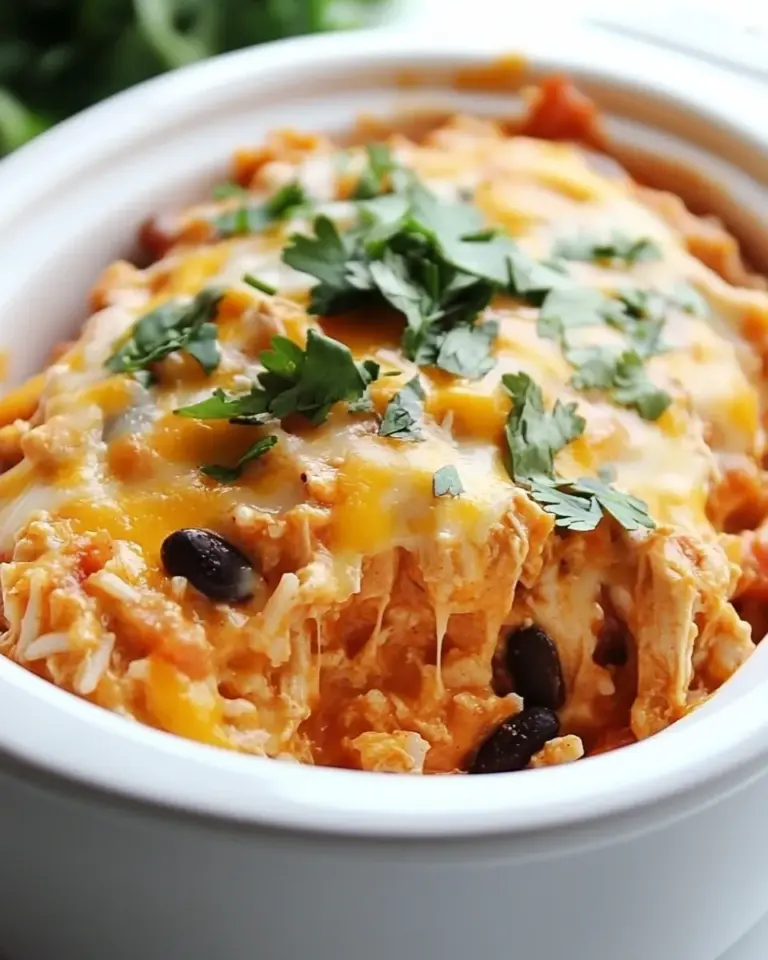
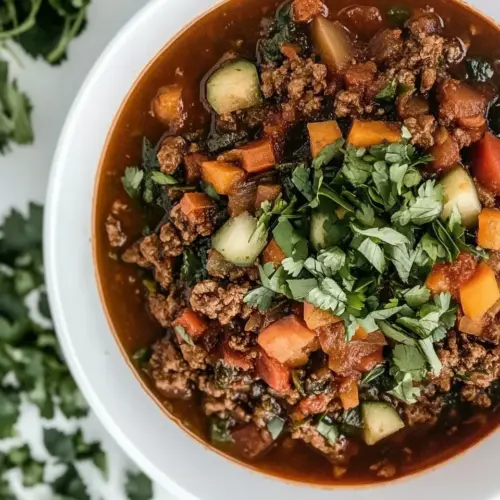
Mexican Picadillo Recipe has been one of those dishes that always brings people into my kitchen, the aroma drawing them from other rooms like a homing signal. The first time I made this version I was juggling a winter market haul and a hungry group of friends, and the way the warm, herbaceous broth mingled with the browned beef and tender vegetables felt like handing everyone a small, savory celebration in a bowl.
Years later I still come back to this preparation when I want something that is both rustic and comforting. The texture contrasts of soft shredded top round beef with slightly crisped potatoes and melting zucchinis always make me smile, and the roasted tomatoes and tangy tomatillos give the stew a bright backbone that stops it from feeling heavy. I cherish those quiet evenings when the house is full of low conversation and the simmering pot becomes the evening’s soundtrack, a steady promise that dinner will be worth the wait.
Recipe Snapshot
2 hr 50 mins
20 mins
150 mins
Hard
500 kcal
Mexican
Paleo, Whole30
Dinner
Rondeau pot, Blender, Two forks
What We Adore About This Mexican Picadillo Recipe
It balances comfort and brightness
I love how Mexican Picadillo Recipe delivers warmth without becoming cloying. The roasted tomatoes and tomatillos provide an uplifting acidity that keeps each spoonful lively, while the shredded top round beef gives the bowl grounding richness. That interplay keeps you spooning back for more.
Layered techniques build deep flavor
We toast and brown at multiple stages, and each little caramelized edge matters. I often tell guests that the time spent searing the beef and roasting the vegetables is where the recipe earns its soul. You can taste the difference between rushed and patient cooking.
Vegetables make it feel like a meal
This picadillo is generous with vegetables, and that is intentional. The crispy edges on the sautéed potatoes and the tender bite of carrots and zucchinis give the dish pleasing variety. To me, a one pot meal should still have contrast, and this one delivers.
Scalable and family friendly
I often make a double batch because it reheats beautifully. Whether you are feeding a crowd or planning lunches for the week, this recipe adapts easily. The flavors deepen after a day in the fridge, which makes leftovers something to look forward to.
Textural and aromatic complexity
The tiny pop of toasted cumin seed, the soft surrender of shredded beef, and the roasted allium notes from the onions and garlic create a layered mouthfeel. Every spoonful offers a slightly different combination of textures and aromas, and that keeps the eating experience continuously interesting.
Essential Ingredients for Mexican Picadillo Recipe
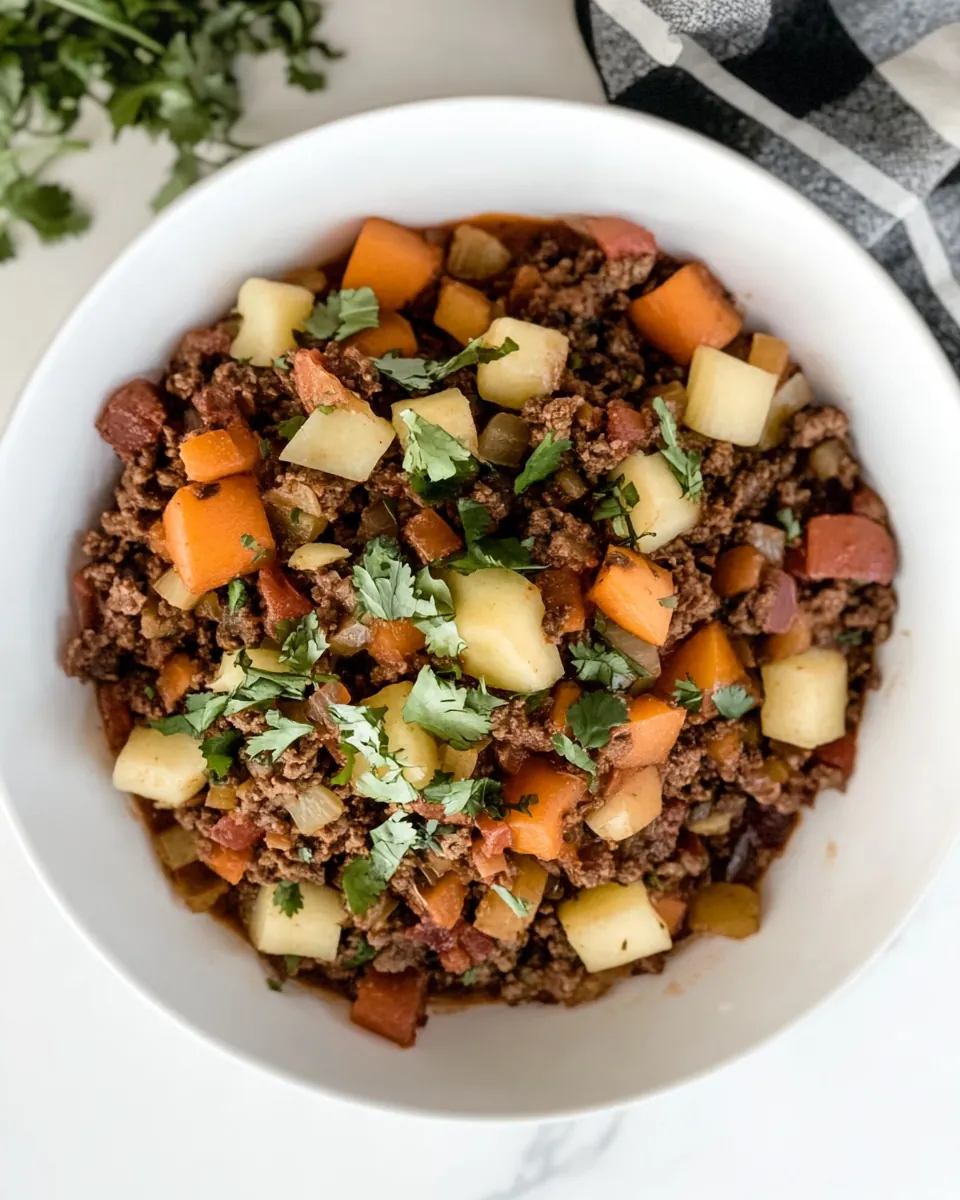
The ingredient list here is purposeful, each item contributing a distinct role. The aromatics set the savory stage, the chiles contribute depth and gentle heat, the beef brings protein and richness, while the medley of vegetables creates texture and color. Together they form a cohesive stew that feels homely and celebratory at once.
- 6 tablespoons oil: Heat and coat the pan to provide a cooking medium and help brown aromatics and meat evenly; oil also carries fat-soluble flavors and prevents sticking during sautéing and simmering. Use a neutral oil suitable for high heat to achieve proper caramelization without burning.
- 2 large tomatoes, stems removed: Provide fresh acidity and body to the sauce when roasted or blended; tomatoes contribute sweetness, umami, and color that balance the savory beef. Remove stems and cook until softened to release juices and integrate into the stew base.
- 2 peeled yellow onions: Add savory sweetness and foundation flavor when sautéed; onions create depth through caramelization and help thicken the final broth. Peel and slice before cooking until translucent to build the aromatic base.
- 3 garlic cloves: Deliver pungent, aromatic intensity and savory umami when minced and sautéed; garlic enhances overall flavor complexity and pairs with onion and spices. Crush or mince and cook briefly to release oils without burning.
- 2 peeled and stemmed tomatillos: Introduce bright, citrusy-tart notes when roasted or simmered; tomatillos add acidity and a slightly fruity tang that lifts the sauce. Peel and stem them before cooking to integrate their green flavor into the dish.
- 1 tablespoon cumin seed: Provide warm, earthy, and slightly bitter spice when toasted and ground; cumin seeds offer aromatic backbone and complement the chiles and beef. Toast lightly to release essential oils then grind or add whole depending on desired texture.
- 2 pounds top round beef, cut into large chunks: Supply hearty, protein-rich main component that becomes tender with long simmering; top round yields robust beef flavor and shreds well for picadillo. Cut into large chunks to braise slowly in stock until fork-tender.
- 8 cups beef stock: Create a flavorful braising liquid and deepen savory character; beef stock supplies body, salt balance, and umami for cooking the meat and vegetables. Use simmering stock to ensure even cooking and to concentrate flavors during reduction.
- 1 seeded chile de arbol: Contribute concentrated smoky heat and fruity flavor when rehydrated or toasted; chile de arbol adds chile heat and a slightly smoky note to the sauce. Seed before using to control the level of spiciness and bitterness.
- 1 seeded guajillo chile: Offer mild, sweet, and fruity chile flavor with moderate heat when rehydrated and blended; guajillo complements other chiles and deepens color and complexity. Remove seeds and soak or toast before incorporating to mellow bitterness.
- 4 peeled and large diced large Yukon potatoes: Provide starchy body and creamy texture when peeled and diced; Yukon potatoes help thicken the stew and absorb surrounding flavors. Cut into large pieces to hold shape during long simmering and to deliver tender bites.
- 2 large diced green zucchinis: Bring mild, slightly sweet, and moist texture to the stew when diced; green zucchini adds vegetal freshness and lightness to balance root vegetables. Dice into large pieces so they remain distinct after simmering.
- 4 peeled and large diced large carrots: Add earthy sweetness, color, and textural contrast when peeled and diced; carrots contribute natural sugars that enrich the broth and complement the beef. Cut into large chunks to soften yet retain bite during cooking.
- 4 thickly sliced leaves of swiss chard: Supply tender leafy texture and a subtle bitter-green flavor when thickly sliced; swiss chard leaves add nutrients and brighten the finished dish. Add toward the end of cooking so leaves wilt but maintain some structure.
- salt and pepper to taste: Adjust and balance all flavors to personal taste; salt and pepper enhance natural tastes, define seasoning, and control overall savoriness. Add gradually and taste during cooking to achieve desired intensity.
Cooking Method for Mexican Picadillo Recipe
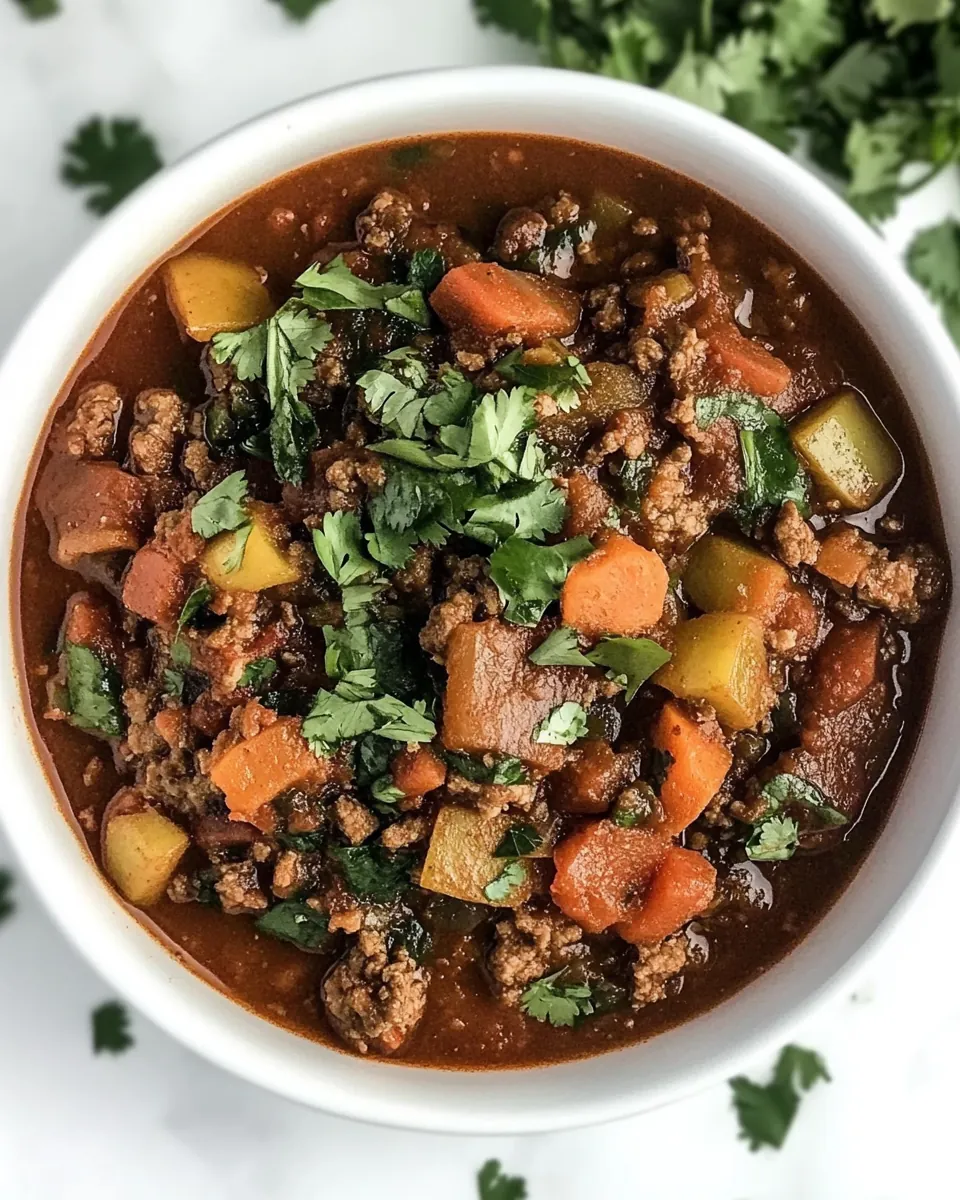
This method layers techniques to build complex flavor. Roasting, toasting, searing, braising, blending, and sautéing each have a role, so patience pays off. Follow the progression and tune your senses to the visual and aromatic cues, and you will be rewarded with a rich, balanced picadillo.
- Add 2 tablespoons of oil to a large rondeau pot over medium-high heat and roast the tomatoes, tomatillos, garlic, and onion sliced in half until browned on all sides, which takes about 10 to 15 minutes total.: The scent of roasting vegetables will become sweet and slightly caramelized, and you should hear gentle sizzling as juices evaporate and edges char. This step builds concentrated umami and smoky notes that define the sauce. Why it matters, the browning creates flavor compounds you cannot get from raw vegetables. A common mistake is overcrowding the pan, which causes steaming instead of roasting, so space the vegetables and turn them occasionally to get even color.
- Remove the vegetables and then add the cumin seeds and cook over low heat just for 1 to 2 minutes until lightly toasted. Set aside on top of the vegetables.: You will smell a warm, nutty perfume as the cumin seed releases its oils, a small but crucial aroma boost. This quick toasting brightens the spice without burning it, as burnt cumin becomes bitter. The reason this short step matters is it layers an aromatic component that will harmonize with the roasted vegetables. Watch them closely, and stir constantly to avoid scorching which ruins the flavor.
- Next, season some top round beef that has been cut into smaller chunks with salt and pepper.: At this point the seasoned top round beef should smell savory and be evenly coated, which promotes even browning. Salting early helps draw flavor into the meat, but avoid over-salting since braising will concentrate flavors. A typical error is under-seasoning the meat before searing, which results in a flat core flavor, so be generous and even.
- Add 2 more tablespoons of oil to that same rondeau pan over medium-high heat and sear those chunks of beef until they are well browned on all sides, which takes about 10 to 15 minutes. Set the beef aside.: Searing creates a deeply browned crust that adds meaty, roasted notes and a textural contrast to the eventual shredded texture. You'll hear a loud, satisfying sizzle and see fond form on the pan bottom, which is flavor gold. This step matters because those pan browned bits will enrich the braising liquid. Avoid moving the meat too frequently which prevents good crust formation.
- In that same pan add a peeled onion that has been medium-diced and brown well for about 20 minutes over low to medium heat.: Slow browning of the diced onion yields sweet, jammy layers that thicken the stew naturally. The aroma should turn sweet and mellow, and the onions should develop deep golden edges rather than simply softening. That slow cook adds concentrated sweetness to the dish. A frequent mistake is using too high heat which burns the onions instead of coaxing out their sweetness, so keep the temperature moderate and stir occasionally.
- Deglaze the pan with beef stock and season well with salt and pepper.: When you pour in the hot beef stock you will see the browned bits lift from the pan and create a glossy, savory base. This releases all the fond flavors into the liquid, which becomes the braising medium for the meat. The sound will be a soft bubbling as the liquid hits hot metal, and the aroma deepens immediately. Failing to deglaze properly loses that depth, so scrape the pan thoroughly to incorporate those savory pieces.
- Add the seared beef back into the pan and cover and cook on medium heat for about 60 minutes or until the meat easily shreds apart.: As the beef gently simmers, collagen dissolves and the meat softens into tender shreds, releasing concentrated savory juices into the broth. You should see gentle simmering bubbles and smell the melded aromas of meat and stock. This slow braise is essential for tender texture and integrated flavor. A common problem is boiling aggressively which toughens the meat, so maintain a gentle simmer and check for tenderness toward the end of the time.
- With about 20 minutes or so left in the beef braising process, remove the seeds from some chiles de arbol and guajillo chile and add them to the rondeau pan with the beef and cook just until reconstituted and softened.: The chiles will rehydrate and release a smoky, fruity heat into the braise, subtly coloring the broth and amplifying warmth. You'll notice the fragrance of chile oils and a deepening of the liquid color. This matters because it layers chili character without overpowering. Be cautious not to overcook the chiles which can make the broth bitter.
- Set the beef to the side on a plate and add the softened chiles to a blender along with the original roasted tomatoes, tomatillos, garlic, onions, and cumin seeds, as well as about 1 cup of the braising broth and puree until completely smooth. Set aside. See notes.: The pureed mixture should be glossy and pourable, smelling concentrated and vegetal with a spicy warmth from the chiles . Blending hot ingredients needs care, so leave the blender cap off or vented slightly and start on low to prevent pressure buildup. The puree binds the stew and distributes roasted flavors evenly. A typical oversight is blending at high speed from cold which can damage the blender blades or splatter hot liquid, so always start low and increase gradually.
- Pour out the remaining broth into another pot and keep warm.: Setting the extra braising liquid aside preserves its clarified savor and allows you to control final texture when recombining the components. The aroma will remain meaty and concentrated, and keeping it warm helps prevent shocking the vegetables when they are combined later. If you skip saving the broth you may end up with an overly diluted final stew, so keep it warm and ready to adjust consistency.
- In the same pot add the remaining 2 tablespoons of oil and sauté the potatoes, zucchinis, carrots, and swiss chard over medium-high heat until very lightly browned, which takes about 5-7 minutes.: You want the potatoes to develop a thin, golden crust while the zucchinis and carrots gain color without becoming mushy, adding texture and visual contrast. The sound should be lively sizzling and the aroma slightly sweet and toasty from the caramelization. This contrast keeps the stew lively. Avoid overcrowding which leads to steaming rather than browning.
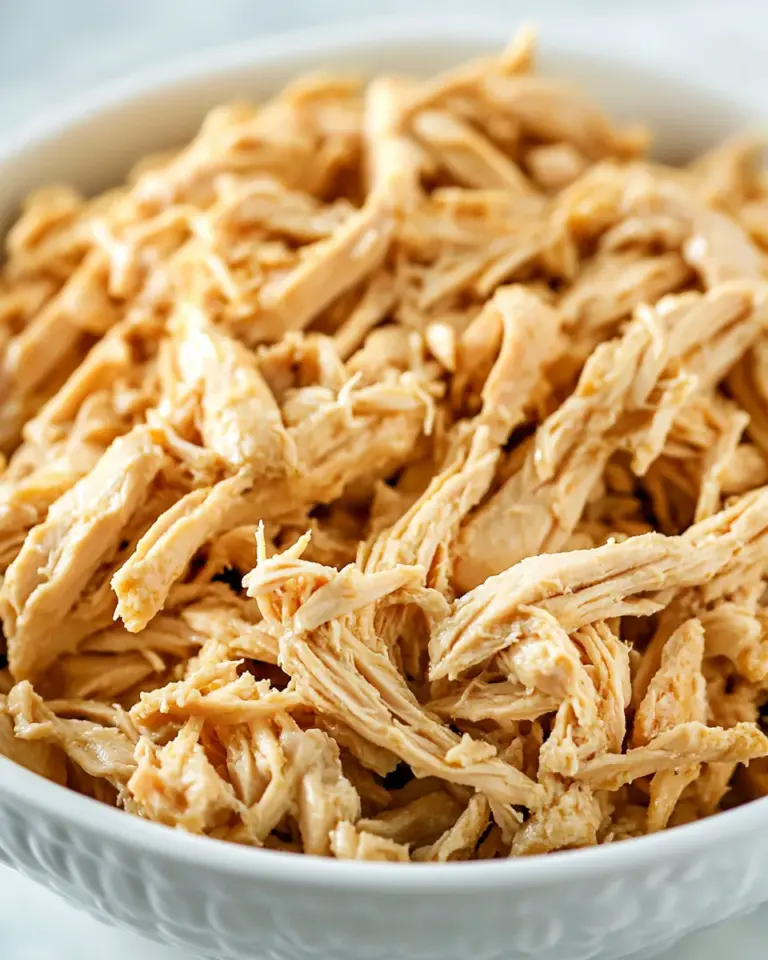
- While the vegetables are sautéing, shred the beef with two forks.: The shredded beef should be tender strands that soak up sauce and broth. Shredding at this point ensures the meat integrates evenly with the vegetables. Doing this while the vegetables cook saves time and keeps the meat warm. A common misstep is shredding cold meat which makes the texture less supple, so pull it warm from the plate.
- Once the vegetables are lightly browned, add in the shredded beef, warm braising beef broth, and pureed vegetable mixture. Adjust the seasonings with salt and pepper.: When combined, the stew should be glossy and cohesive, the sauce clinging to shredded beef and tender vegetables. Taste and tweak seasoning, as flavors concentrate differently after recombining. The final simmer allows everything to marry and the aroma will deepen and round out. Over seasoning at this stage is a risk, so add salt incrementally and taste as you go.
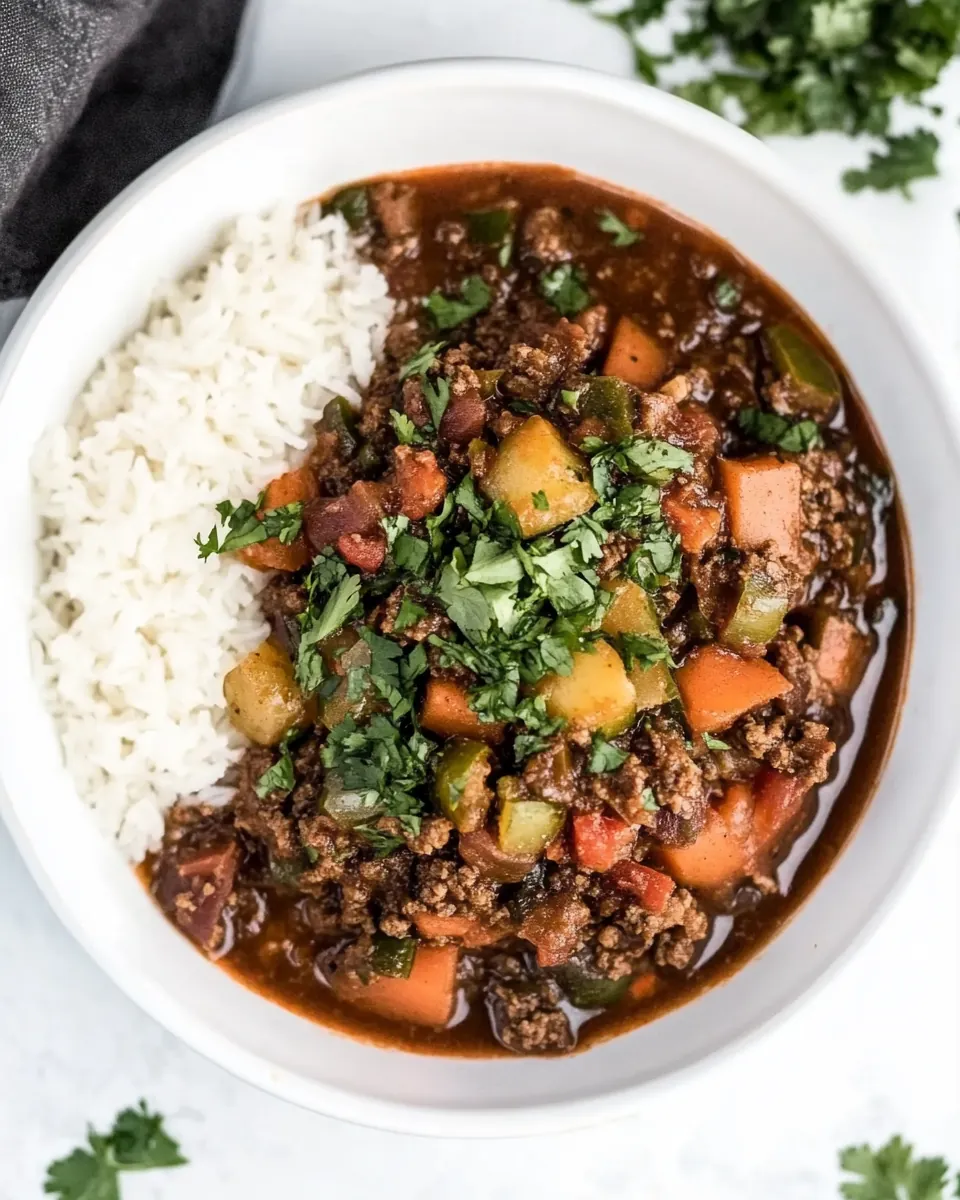
- Serve in a bowl by itself or alongside some Mexican rice and hot corn tortillas.: The finished dish should be steaming, aromatic, and inviting, with a balance of savory, sweet, and bright acidic notes. I love serving it with warm corn tortillas to scoop and with a side of simple rice for absorbing the sauce. Avoid serving it cold as the flavors and textures are best enjoyed hot and freshly combined.
Making Adjustments
This section helps you adapt the recipe to your needs while maintaining the core identity of the dish. Below are practical, detailed tips drawn from the notes and my own kitchen experiments to make the cooking process smoother.
- Make ahead: Prepare the dish up to one day before serving and refrigerate. Reheat gently over low heat, stirring occasionally, to preserve texture and prevent the vegetables from breaking down.
- Storage: Store the picadillo covered in the refrigerator for four to five days. For longer storage, freeze in portioned containers for up to six months, and thaw overnight in the fridge before reheating.
- Reheating: Warm the desired portion in a medium saucepan over low heat, adding a splash of reserved braising broth if the texture seems thick. Stir frequently to ensure even heating and taste for seasoning before serving.
- Meat swap: Substitute the top round beef with ground beef to shorten cooking time, but be mindful that texture and depth will shift slightly compared to the slow braised shreds.
- Vegetable variations: You can add green beans, chayote, mushrooms, cabbage, or peas for variety. Add sturdier vegetables earlier and delicate ones later so they retain texture.
Accompaniments for Mexican Picadillo Recipe
This dish pairs well with simple sides and can suit many occasions, from casual weeknight dinners to festive gatherings. Use these serving suggestions to shape the meal, whether you want something cozy for family or a spread for guests.
- Served with warm corn tortillas: Use tortillas to scoop the tender beef and sauce, creating a hand friendly presentation ideal for relaxed dinners or casual parties.
- Mexican rice on the side: A fluffy, lightly seasoned rice soaks up the broth and makes the meal heartier, suitable for family dinners or when feeding a crowd.
- Weeknight dinner presentation: Serve a generous ladle in bowls with tortillas and a wedge of lime for a quick, satisfying meal that comes together after a day of braising.
- Meal prep and storage: Portion into containers for lunches; the flavors deepen after a day, making it a great make ahead option for busy weeks.
- Seasonal pairing: In colder months, highlight the stew nature of the dish and serve with warm sides and pickled onions to cut through the richness.
- Occasion ideas: For a low stress gathering, offer bowls of picadillo with a small toppings bar of chopped onions, cilantro, and lime wedges so guests can customize.
- Serving temperature: Always serve hot, straight from a gentle reheat, as the aromatics and textures are most inviting warm.
FAQ
Conclusion
This Mexican Picadillo Recipe stands out for its layered techniques, rich braised beef, and bright roasted vegetable sauce that together create a comforting yet lively stew. I hope you feel encouraged to try this method, because the patient steps reward you with deep, soulful flavors and satisfying textures. Bring this dish to your table for a family dinner or batch cook for easy, delicious meals through the week, and enjoy the way flavors deepen over time.
Mexican Picadillo Recipe
Equipment
- Rondeau pot
- Blender
- Two forks
Ingredients
- 6 tablespoons oil Heat and coat the pan to provide a cooking medium and help brown aromatics and meat evenly; oil also carries fat-soluble flavors and prevents sticking during sautéing and simmering. Use a neutral oil suitable for high heat to achieve proper caramelization without burning.
- 2 large tomatoes, stems removed Provide fresh acidity and body to the sauce when roasted or blended; tomatoes contribute sweetness, umami, and color that balance the savory beef. Remove stems and cook until softened to release juices and integrate into the stew base.
- 2 peeled yellow onions Add savory sweetness and foundation flavor when sautéed; onions create depth through caramelization and help thicken the final broth. Peel and slice before cooking until translucent to build the aromatic base.
- 3 garlic cloves Deliver pungent, aromatic intensity and savory umami when minced and sautéed; garlic enhances overall flavor complexity and pairs with onion and spices. Crush or mince and cook briefly to release oils without burning.
- 2 peeled and stemmed tomatillos Introduce bright, citrusy-tart notes when roasted or simmered; tomatillos add acidity and a slightly fruity tang that lifts the sauce. Peel and stem them before cooking to integrate their green flavor into the dish.
- 1 tablespoon cumin seed Provide warm, earthy, and slightly bitter spice when toasted and ground; cumin seeds offer aromatic backbone and complement the chiles and beef. Toast lightly to release essential oils then grind or add whole depending on desired texture.
- 2 pounds top round beef, cut into large chunks Supply hearty, protein-rich main component that becomes tender with long simmering; top round yields robust beef flavor and shreds well for picadillo. Cut into large chunks to braise slowly in stock until fork-tender.
- 8 cups beef stock Create a flavorful braising liquid and deepen savory character; beef stock supplies body, salt balance, and umami for cooking the meat and vegetables. Use simmering stock to ensure even cooking and to concentrate flavors during reduction.
- 1 seeded chile de arbol Contribute concentrated smoky heat and fruity flavor when rehydrated or toasted; chile de arbol adds chile heat and a slightly smoky note to the sauce. Seed before using to control the level of spiciness and bitterness.
- 1 seeded guajillo chile Offer mild, sweet, and fruity chile flavor with moderate heat when rehydrated and blended; guajillo complements other chiles and deepens color and complexity. Remove seeds and soak or toast before incorporating to mellow bitterness.
- 4 peeled and large diced large Yukon potatoes Provide starchy body and creamy texture when peeled and diced; Yukon potatoes help thicken the stew and absorb surrounding flavors. Cut into large pieces to hold shape during long simmering and to deliver tender bites.
- 2 large diced green zucchinis Bring mild, slightly sweet, and moist texture to the stew when diced; green zucchini adds vegetal freshness and lightness to balance root vegetables. Dice into large pieces so they remain distinct after simmering.
- 4 peeled and large diced large carrots Add earthy sweetness, color, and textural contrast when peeled and diced; carrots contribute natural sugars that enrich the broth and complement the beef. Cut into large chunks to soften yet retain bite during cooking.
- 4 thickly sliced leaves of swiss chard Supply tender leafy texture and a subtle bitter-green flavor when thickly sliced; swiss chard leaves add nutrients and brighten the finished dish. Add toward the end of cooking so leaves wilt but maintain some structure.
- salt and pepper to taste Adjust and balance all flavors to personal taste; salt and pepper enhance natural tastes, define seasoning, and control overall savoriness. Add gradually and taste during cooking to achieve desired intensity.
Instructions
- Add 2 tablespoons of oil to a large rondeau pot over medium-high heat and roast the tomatoes, tomatillos, garlic, and onion sliced in half until browned on all sides, which takes about 10 to 15 minutes total.: The scent of roasting vegetables will become sweet and slightly caramelized, and you should hear gentle sizzling as juices evaporate and edges char. This step builds concentrated umami and smoky notes that define the sauce. Why it matters, the browning creates flavor compounds you cannot get from raw vegetables. A common mistake is overcrowding the pan, which causes steaming instead of roasting, so space the vegetables and turn them occasionally to get even color.
- Remove the vegetables and then add the cumin seeds and cook over low heat just for 1 to 2 minutes until lightly toasted. Set aside on top of the vegetables.: You will smell a warm, nutty perfume as the cumin seed releases its oils, a small but crucial aroma boost. This quick toasting brightens the spice without burning it, as burnt cumin becomes bitter. The reason this short step matters is it layers an aromatic component that will harmonize with the roasted vegetables. Watch them closely, and stir constantly to avoid scorching which ruins the flavor.
- Next, season some top round beef that has been cut into smaller chunks with salt and pepper.: At this point the seasoned top round beef should smell savory and be evenly coated, which promotes even browning. Salting early helps draw flavor into the meat, but avoid over-salting since braising will concentrate flavors. A typical error is under-seasoning the meat before searing, which results in a flat core flavor, so be generous and even.
- Add 2 more tablespoons of oil to that same rondeau pan over medium-high heat and sear those chunks of beef until they are well browned on all sides, which takes about 10 to 15 minutes. Set the beef aside.: Searing creates a deeply browned crust that adds meaty, roasted notes and a textural contrast to the eventual shredded texture. You'll hear a loud, satisfying sizzle and see fond form on the pan bottom, which is flavor gold. This step matters because those pan browned bits will enrich the braising liquid. Avoid moving the meat too frequently which prevents good crust formation.
- In that same pan add a peeled onion that has been medium-diced and brown well for about 20 minutes over low to medium heat.: Slow browning of the diced onion yields sweet, jammy layers that thicken the stew naturally. The aroma should turn sweet and mellow, and the onions should develop deep golden edges rather than simply softening. That slow cook adds concentrated sweetness to the dish. A frequent mistake is using too high heat which burns the onions instead of coaxing out their sweetness, so keep the temperature moderate and stir occasionally.
- Deglaze the pan with beef stock and season well with salt and pepper.: When you pour in the hot beef stock you will see the browned bits lift from the pan and create a glossy, savory base. This releases all the fond flavors into the liquid, which becomes the braising medium for the meat. The sound will be a soft bubbling as the liquid hits hot metal, and the aroma deepens immediately. Failing to deglaze properly loses that depth, so scrape the pan thoroughly to incorporate those savory pieces.
- Add the seared beef back into the pan and cover and cook on medium heat for about 60 minutes or until the meat easily shreds apart.: As the beef gently simmers, collagen dissolves and the meat softens into tender shreds, releasing concentrated savory juices into the broth. You should see gentle simmering bubbles and smell the melded aromas of meat and stock. This slow braise is essential for tender texture and integrated flavor. A common problem is boiling aggressively which toughens the meat, so maintain a gentle simmer and check for tenderness toward the end of the time.
- With about 20 minutes or so left in the beef braising process, remove the seeds from some chiles de arbol and guajillo chile and add them to the rondeau pan with the beef and cook just until reconstituted and softened.: The chiles will rehydrate and release a smoky, fruity heat into the braise, subtly coloring the broth and amplifying warmth. You'll notice the fragrance of chile oils and a deepening of the liquid color. This matters because it layers chili character without overpowering. Be cautious not to overcook the chiles which can make the broth bitter.
- Set the beef to the side on a plate and add the softened chiles to a blender along with the original roasted tomatoes, tomatillos, garlic, onions, and cumin seeds, as well as about 1 cup of the braising broth and puree until completely smooth. Set aside. See notes.: The pureed mixture should be glossy and pourable, smelling concentrated and vegetal with a spicy warmth from the chiles . Blending hot ingredients needs care, so leave the blender cap off or vented slightly and start on low to prevent pressure buildup. The puree binds the stew and distributes roasted flavors evenly. A typical oversight is blending at high speed from cold which can damage the blender blades or splatter hot liquid, so always start low and increase gradually.
- Pour out the remaining broth into another pot and keep warm.: Setting the extra braising liquid aside preserves its clarified savor and allows you to control final texture when recombining the components. The aroma will remain meaty and concentrated, and keeping it warm helps prevent shocking the vegetables when they are combined later. If you skip saving the broth you may end up with an overly diluted final stew, so keep it warm and ready to adjust consistency.
- In the same pot add the remaining 2 tablespoons of oil and sauté the potatoes, zucchinis, carrots, and swiss chard over medium-high heat until very lightly browned, which takes about 5-7 minutes.: You want the potatoes to develop a thin, golden crust while the zucchinis and carrots gain color without becoming mushy, adding texture and visual contrast. The sound should be lively sizzling and the aroma slightly sweet and toasty from the caramelization. This contrast keeps the stew lively. Avoid overcrowding which leads to steaming rather than browning.
- While the vegetables are sautéing, shred the beef with two forks.: The shredded beef should be tender strands that soak up sauce and broth. Shredding at this point ensures the meat integrates evenly with the vegetables. Doing this while the vegetables cook saves time and keeps the meat warm. A common misstep is shredding cold meat which makes the texture less supple, so pull it warm from the plate.
- Once the vegetables are lightly browned, add in the shredded beef, warm braising beef broth, and pureed vegetable mixture. Adjust the seasonings with salt and pepper.: When combined, the stew should be glossy and cohesive, the sauce clinging to shredded beef and tender vegetables. Taste and tweak seasoning, as flavors concentrate differently after recombining. The final simmer allows everything to marry and the aroma will deepen and round out. Over seasoning at this stage is a risk, so add salt incrementally and taste as you go.
- Serve in a bowl by itself or alongside some Mexican rice and hot corn tortillas.: The finished dish should be steaming, aromatic, and inviting, with a balance of savory, sweet, and bright acidic notes. I love serving it with warm corn tortillas to scoop and with a side of simple rice for absorbing the sauce. Avoid serving it cold as the flavors and textures are best enjoyed hot and freshly combined.
Notes
- Make ahead: Prepare the dish up to one day before serving and refrigerate. Reheat gently over low heat, stirring occasionally, to preserve texture and prevent the vegetables from breaking down.
- Storage: Store the picadillo covered in the refrigerator for four to five days. For longer storage, freeze in portioned containers for up to six months, and thaw overnight in the fridge before reheating.
- Reheating: Warm the desired portion in a medium saucepan over low heat, adding a splash of reserved braising broth if the texture seems thick. Stir frequently to ensure even heating and taste for seasoning before serving.
- Meat swap: Substitute the top round beef with ground beef to shorten cooking time, but be mindful that texture and depth will shift slightly compared to the slow braised shreds.
- Vegetable variations: You can add green beans, chayote, mushrooms, cabbage, or peas for variety. Add sturdier vegetables earlier and delicate ones later so they retain texture.