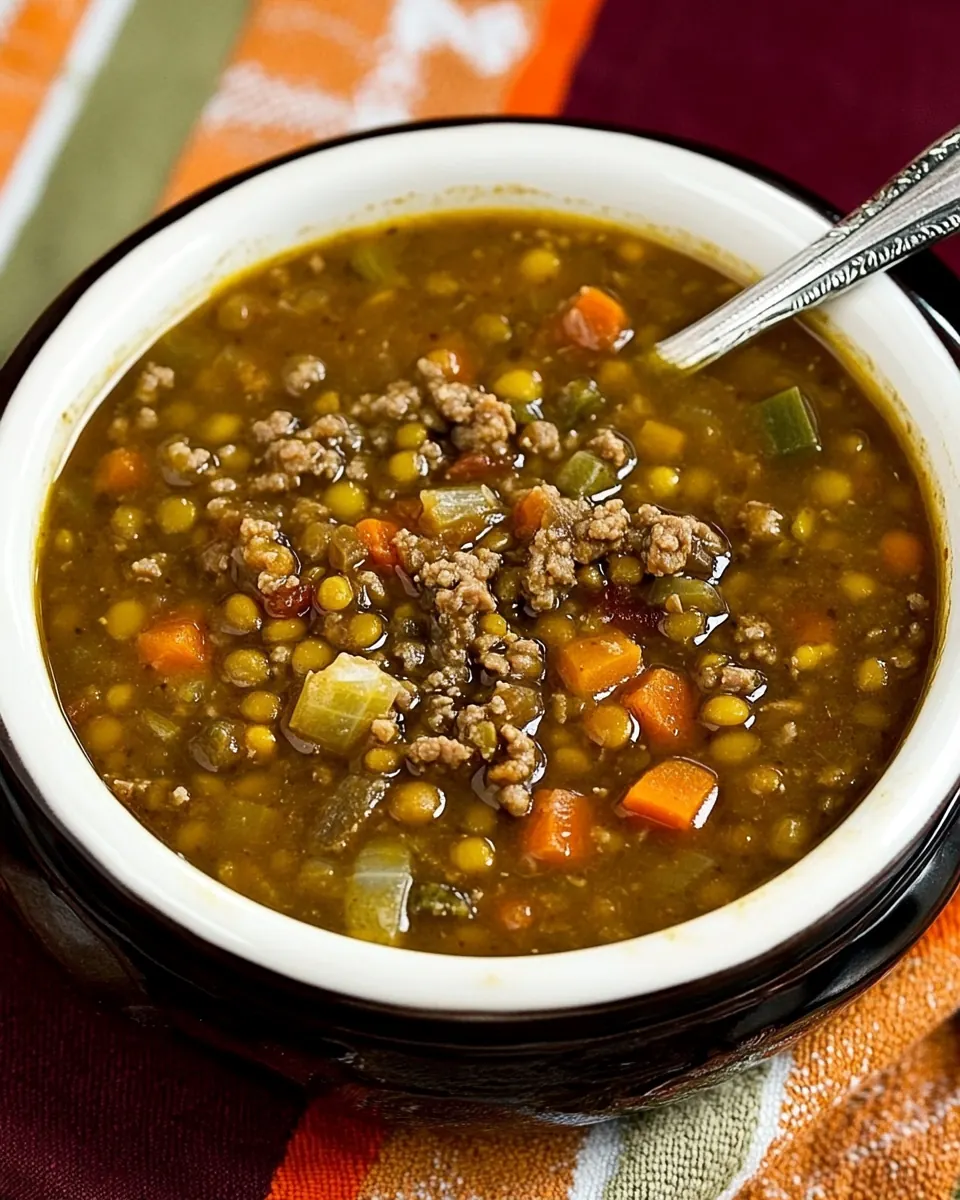
Lentil Soup with Ground Beef
Lentil Soup with Ground Beef is the kind of bowl I reach for when the weather leans cold and I want something honest, warming, and reliably satisfying.
Years ago I learned to make this soup on an evening when everything else on the calendar felt loud and complicated. I had a modest amount of ground beef in the fridge and a forgotten bag of brown lentils in the pantry. I ended up creating a pot of soup that felt like a slow exhale, savory and layered, the kind that filled the whole kitchen with a meaty, herby aroma while the rice softened to a tender chew.
Since then I return to this recipe when I want comfort without fuss. I love how the simple trio of beef, lentils, and rice makes a complete, filling meal. Every spoonful has texture from the softened carrots and celery, and a subtle warmth from the ground cumin and dried thyme. It’s a pot you can tweak easily, and it scales up without losing its soul.
Recipe Snapshot
1 hr 55 mins
15 mins
100 mins
Medium
350 kcal
American
Gluten-Free, Paleo
Soups
Heavy frying pan, Heavy soup pot, Turner, Ladle
The Beauty of This Lentil Soup with Ground Beef
Hearty, filling, and budget friendly
I adore this soup because it turns humble pantry staples into a bowl that truly satisfies. The combination of lentils and ground beef gives a great balance of protein and texture, so it stands in as a full meal. When I want an easy weeknight dinner that feeds a few people and leaves comforting leftovers, this is my go to.
Layered savory flavor
The way I brown the ground beef and then saute the aromatics builds depth that you can smell as soon as you lift the pot lid. The dried thyme, parsley, and ground cumin add subtle savory notes that keep the broth interesting for every spoonful. I like that the flavors evolve as the soup simmers, so seconds taste slightly different from the first bowl.
Textural contrast that comforts
Some soups flatten out after reheating, but the mix of lentils, chewy brown rice, softened carrots, and small pieces of browned ground beef keeps each bite lively. I appreciate how the lentils almost melt into the broth while still offering tiny pops of texture, and the rice gives a pleasant chew that makes the soup feel substantial.
Flexible and forgiving
One of the reasons I keep this in my rotation is how forgiving it is. You can lengthen or shorten simmer times, add a splash of balsamic vinegar at the end for brightness, or thin it with water if needed. I often adjust liquid levels mid simmer, and the recipe responds well without losing flavor. For family meals or batch cooking, this adaptability is invaluable.
Warmth for cold seasons
Because it’s packed with comforting ingredients and slow simmered, this soup really shines in cool months. I tend to serve it when friends drop by or when I want a fuss free, nourishing bowl after a long day. It keeps in the fridge well, and the flavors deepen overnight, making it even better as leftovers.
Ingredients to Make Lentil Soup with Ground Beef
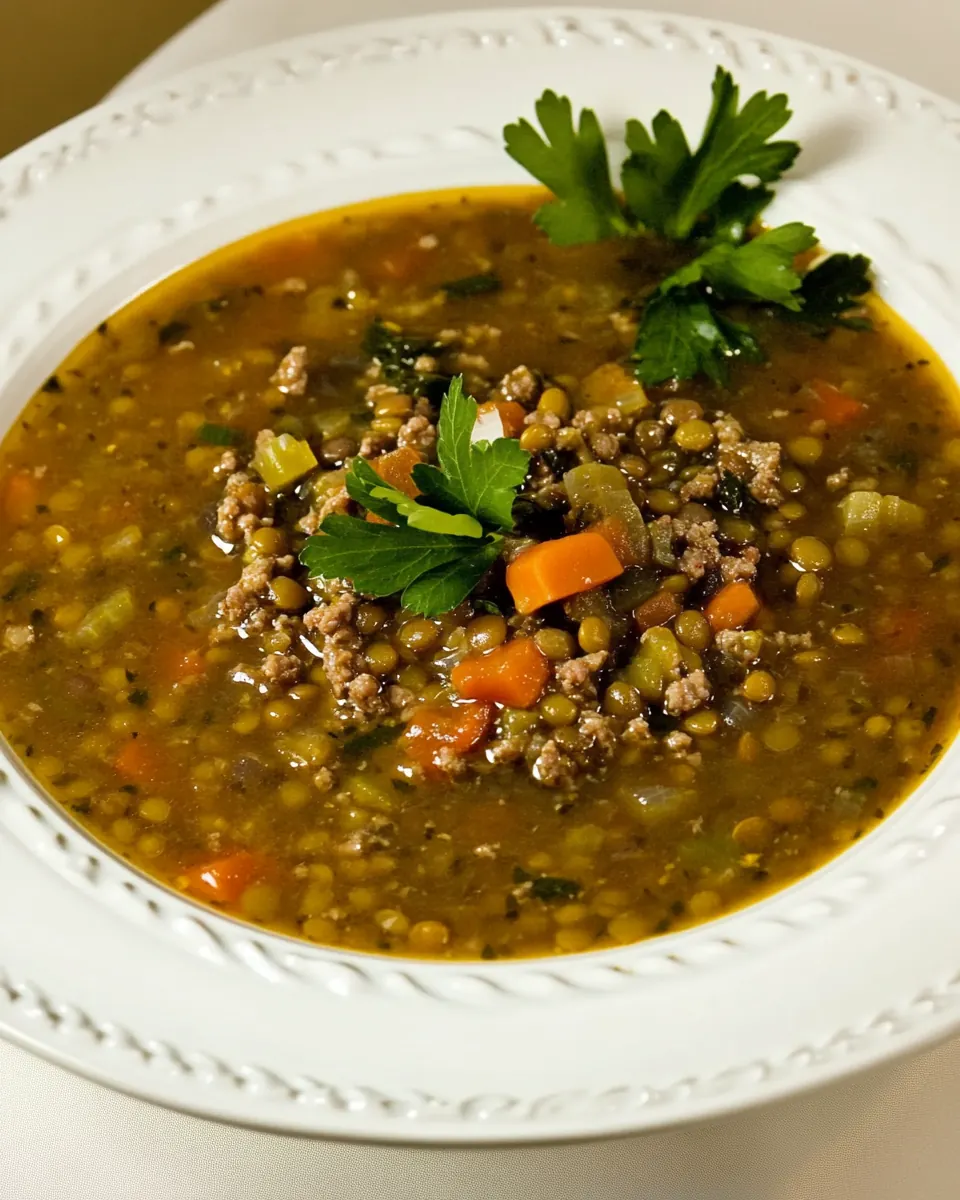
The philosophy here is simple: combine sturdy proteins, earthy legumes, and aromatic vegetables so each ingredient plays a clear role. The ground beef provides savory body, the lentils and brown rice add substance and texture, and the mirepoix of onion, celery, and carrots gives the broth a gentle sweetness. The stocks create a rich base that lets the spices sing.
- 1 lb . ground beef: Brown and crumble to develop rich savory flavor and create a hearty protein base for the soup; drain excess fat if desired to control richness and texture; season while cooking to build depth and a meaty backbone for the broth.
- 2 tsp . olive oil (or more, depending on your pan): Heat to sauté aromatics and prevent sticking while adding a subtle fruity note; use enough to coat the pan for even browning and to help tenderize vegetables; adjust quantity based on pan size and desired mouthfeel.
- 1/2 cup finely chopped onion: Sweat until translucent to release natural sugars and provide a sweet aromatic foundation; finely chopping ensures even cooking and integration into the broth; cook until softened to enhance overall flavor depth.
- 1/2 cup finely chopped celery: Sauté until softened to add mild earthy crunch and aromatic complexity; finely chopped celery contributes savory moisture and classical mirepoix balance; cook with onions to create a cohesive flavor base.
- 1 T minced garlic or garlic puree (or less if you don’t like garlic as much as I do): Mincede or stir in to impart bright pungent garlic aroma and savory umami; use the amount specified for pronounced garlic character or reduce to taste; add later in cooking to preserve fresh flavor or earlier for a sweeter, mellowed note.
- 1 T dried parsley: Sprinkle to introduce herbaceous green notes and a gentle leafy aroma; dried parsley helps brighten and balance richer elements in the soup; add during cooking to rehydrate and release mellow flavor.
- 1 tsp . dried thyme: Stir in to contribute warm, slightly floral, and woodsy undertones; dried thyme pairs well with beef and lentils, offering savory complexity; add early so its flavor infuses the broth.
- 1/2 tsp . ground cumin: Season lightly to add warm, earthy, and slightly smoky depth that complements legumes; ground cumin enhances savory profile without overpowering; incorporate early for integrated flavor.
- 4 cups beef broth (see notes): Pour in as the primary savory liquid to build a robust, beefy broth; adds depth and richness that complements the ground beef and lentils; use as specified to achieve desired soup body and mouthfeel.
- 2 cups chicken broth (see notes): Add to increase volume and balance flavors with a lighter poultry base; chicken broth complements beef broth to round out the stock without overpowering; use as directed for balanced savory complexity.
- 2 cups water, plus more as needed: Combine as neutral liquid to adjust consistency and control concentration; water helps reach desired soup thickness and dilute saltiness if necessary; add more as needed during cooking for correct texture.
- 2/3 cup brown lentils: Rinse and add to provide hearty texture, protein, and earthy flavor while thickening the soup; brown lentils hold shape well and cook relatively quickly, absorbing surrounding flavors; measure precisely for balanced lentil-to-liquid ratio.
- 1/2 cup finely chopped carrots: Stir in to offer slight sweetness, color, and tender bite that complements the mirepoix; finely chopped carrots bring natural sugars that enhance savory depth; add early enough to soften through simmering.
- 1/2 cup brown rice: Measure and cook to supply nutty, chewy body and additional fiber; brown rice absorbs liquid and adds hearty texture to the soup; monitor cooking time to ensure rice is tender but not mushy.
- salt and fresh ground black pepper to taste: Season generously to adjust and enhance overall flavor balance to personal preference; salt brings out natural tastes while black pepper adds mild heat and aromatic sharpness; taste and adjust near the end of cooking.
- 2 T balsamic vinegar () (optional): Finish with for a bright, tangy lift that balances richness and enhances savory notes; balsamic vinegar adds subtle sweetness and acidity when stirred in at the end; use optionally to taste for added complexity.
How to Prepare Lentil Soup with Ground Beef
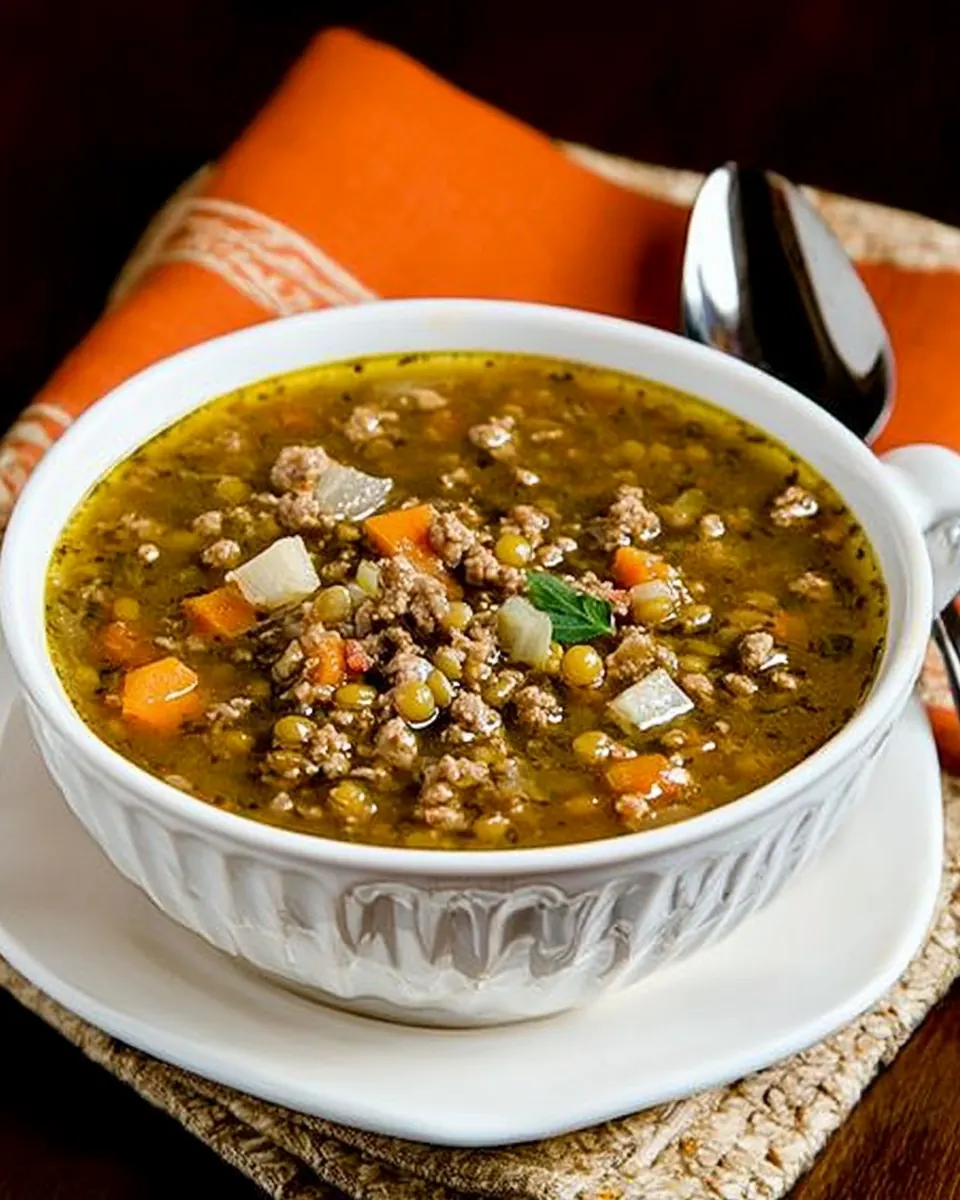
I like to walk through the process slowly, savoring the aromas and paying attention to texture. Proper techniques ensure the flavors deepen and the final bowl feels cohesive. Below I expand each original direction into detailed steps that help you get the right visual and sensory cues, and avoid common mistakes.
- Heat 1 tsp. olive oil in heavy frying pan, add ground beef and cook until meat is well browned, using a turner to break up into small pieces.: You will notice the oil shimmering before you add the ground beef , then within a few minutes small brown bits will start to form on the pan surface and the meat will release savory juices. The sizzling sound should be steady but not violent, and the meat will change from pink to rich brown. Browning well creates deep flavor that carries into the soup, it is the foundation. A common mistake is overcrowding the pan, which steams the meat rather than browns it, so work in batches or use a large pan.
- Remove meat to heavy soup pot.: As you transfer the browned ground beef , you will notice a handful of fond left in the frying pan, full of concentrated flavor. Moving the meat into a heavy soup pot allows the flavors to mingle with the other ingredients as the soup simmers. Don’t leave the browned bits stuck in the pan, however you should reserve them to deglaze later. Avoid rushing this transfer and spilling juices, which loses flavor.
- Add another tsp. olive oil to frying pan and add onions and celery and cook 3-5 minutes, until vegetables are starting to soften.: The pan will sound different with the vegetables, a gentler sizzle, and the smell will shift to sweet and vegetal as the onion softens. Look for translucence in the onion and softened edges on the celery . This step builds the aromatic base; if the vegetables brown too quickly, lower the heat to avoid bitterness.
- Add garlic, dried thyme, ground cumin, and dried parsley and saute 1-2 minutes more.: As you add the garlic and dried herbs, the pan will release an immediate fragrant lift. Keep the heat moderate so the garlic softens without burning. These aromatics bloom in the oil and infuse the dish; if the garlic scorches it will introduce a bitter edge, so stir constantly during this short step.
- Add vegetables to soup pot with meat, and rinse out frying pan with the 2 cups of water and add to soup pot.: When you move the softened aromatics into the pot, the smell will deepen as the components mingle. Rinsing the pan with the 2 cups of water captures those browned bits and carries concentrated flavor into the pot. The liquid will shimmer as it loosens the fond, and you should scrape to release every flavorful fragment. Forgetting to deglaze wastes flavor and yields a less complex broth.
- Add beef stock, chicken stock, lentils, and chopped carrots to pot and cook at a very low simmer about 60 minutes, or until lentils are quite soft.: As the pot comes to a low simmer you will see tiny bubbles rising and a steady steam. The broth will darken slightly and smell richer as the lentils hydrate and the carrots soften. This long gentle simmer lets the lentils release starch and integrate into the liquid for body. A common error is boiling vigorously, which can break apart the lentils unevenly and make the texture mushy instead of velvety.
- Taste soup and decide whether to add a small amount of water. (There should be quite a bit of liquid, and the broth should be flavorful but not too strong tasting. If there isn’t very much liquid or broth seems too strong add more water at this point.): After the initial simmer the broth concentrates and you will be able to detect if it is too salty or too intense. Run a spoonful across your tongue to evaluate salt and richness. If it tastes overly strong or the liquid level is low, add measured amounts of water and simmer briefly until balanced. Avoid adding salt before this check, because concentrated stock can easily over season the pot.
- Add brown rice and continue to simmer soup 30-40 more minutes, or until rice is done but still a bit chewy.: As the brown rice cooks the soup will thicken and the aroma will deepen further. Expect a faint nutty scent from the rice and a gentle clouding of the broth as starch releases. Aim for rice that is tender with a little bite, if you overcook it the grains will burst and alter the mouthfeel. If the soup looks too thick, add water in small increments to maintain a spoonable consistency.
- Season to taste with salt and fresh ground black pepper (I did not add salt.): Once the components are cooked you can properly season. Add a pinch of salt, then taste and adjust gradually until the flavors sing together. Fresh ground black pepper adds a finishing warmth. The wrong move here is to oversalt early and then be stuck, so always season incrementally and taste between additions.
- Stir in balsamic vinegar if desired. Serve hot.: If you choose to add the optional balsamic vinegar , stir a small amount in and let the soup sit for a minute before tasting. The vinegar should add a bright, rounded acidity that lifts the savory notes without making the broth tangy. Start small because a little goes a long way, and avoid adding too much at once which will mask the other flavors.
- Serve hot: Ladle the soup into bowls while it is steaming, and notice the balanced aroma and the comforting weight of the broth. Serving hot brings the textures and flavors to their best, while letting it sit will meld the flavors further. A common serving mistake is letting it cool too long, which flattens the experience, so keep bowls warm if possible.
Make It Your Own
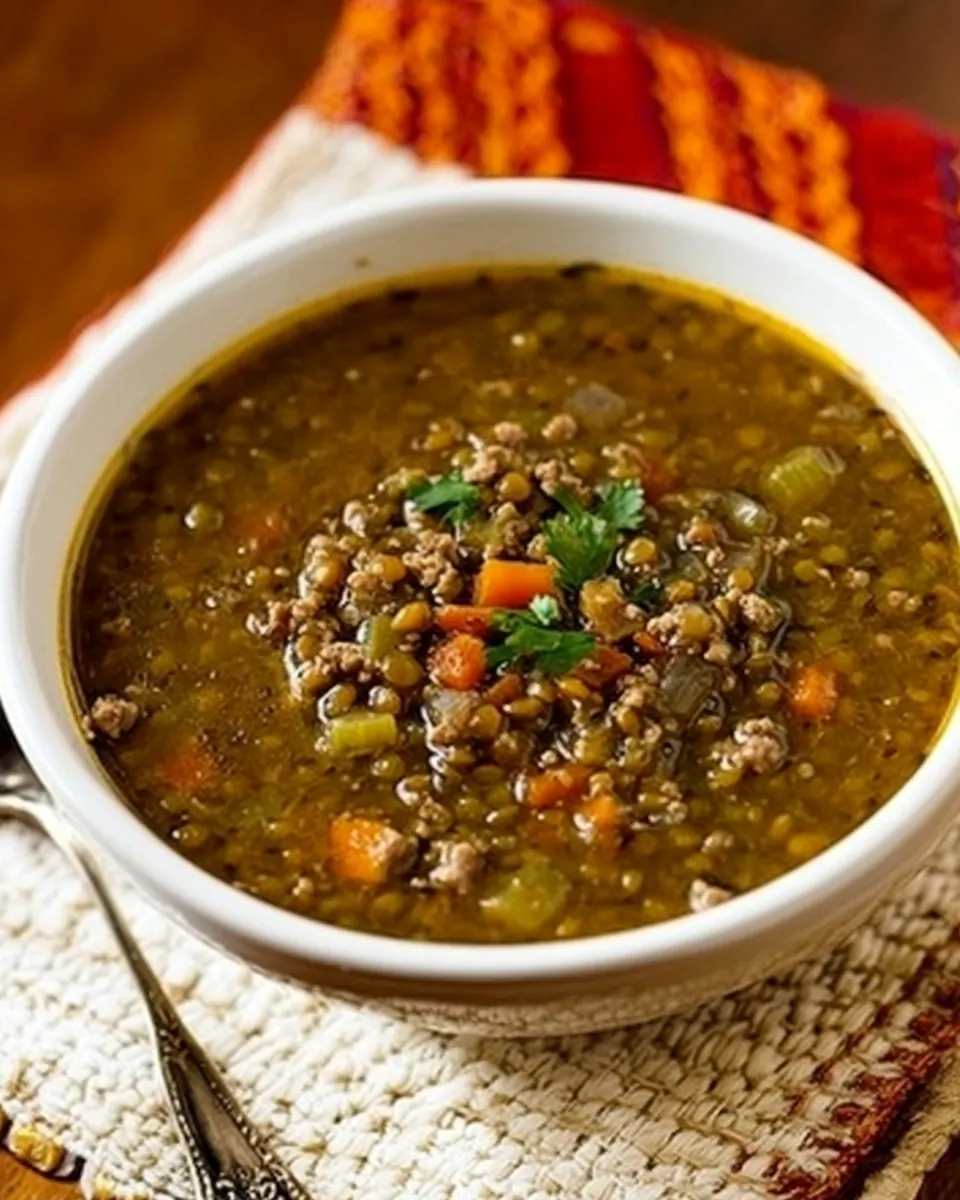
I like to think of this section as permission to experiment. Small adjustments can personalize the bowl without changing its comforting essence. Below are practical ideas and variations to help you adapt the soup to your pantry and preferences.
- Swap oil and heat — Use a neutral oil if you prefer a cleaner flavor, and keep the pan heat moderate to avoid burning aromatics.
- Control garlic intensity — If you love garlic, keep the full tablespoon, otherwise reduce it to half for a milder background note.
- Monitor liquid level — Add water incrementally after the first simmer rather than all at once, so you keep the broth flavorful without diluting it.
- Adjust rice timing — If you want a softer rice texture, add it earlier and cook until tender; for more bite, add it at the end of the simmer window.
- Finish with acid — A small splash of balsamic vinegar brightens the pot. Add sparingly and taste, because a little lifts flavors dramatically.
Serving Ideas for Lentil Soup with Ground Beef
This soup is versatile in how you serve it, from casual family dinners to simple meal prep. Think about pairing textures and temperatures so the bowl feels balanced. Below are many ideas for sides, occasions, storage, and seasonal touches to make the meal fit your table.
- Casual weeknight meal — Serve bowls with warm bread for dipping or a simple green salad to add crispness alongside the warm, spoonable soup.
- Family dinner — Make a large pot and let family members add a splash of vinegar or extra black pepper at the table for customized bowls.
- Cold weather comfort — This recipe shines in winter, offering hearty warmth and easy leftovers that taste better the next day after flavors meld.
- Meal prep and leftovers — Store cooled soup in airtight containers for up to four days in the refrigerator. When reheating, add a splash of water if it thickened in the fridge.
- Occasions — Great for simple dinners after busy days, for casual gatherings, or anytime you want a nourishing, low fuss main course.
- Portion and storage tips — Freeze individual portions for quick lunches; thaw overnight in the fridge and reheat gently on the stovetop.
- Seasonal pairings — In cooler months pair with roasted root vegetables; in transitional seasons serve with a tangy side salad for brightness.
FAQ
Conclusion
This recipe stands out because it transforms simple pantry staples into a deeply flavored, nourishing bowl that comforts and satisfies. The combination of browned ground beef, tender lentils, and nutty brown rice gives you a complete meal with layered savory notes and heartwarming textures. I encourage you to give it a try on a chilly evening or when you need a straightforward, reliable dinner. It scales easily, keeps well, and rewards a little patience at the stove with bowls worth savoring.

Lentil Soup with Ground Beef
Equipment
- Heavy frying pan
- Heavy soup pot
- Turner
- Ladle
Ingredients
- 1 lb . ground beef Brown and crumble to develop rich savory flavor and create a hearty protein base for the soup; drain excess fat if desired to control richness and texture; season while cooking to build depth and a meaty backbone for the broth.
- 2 tsp . olive oil (or more, depending on your pan) Heat to sauté aromatics and prevent sticking while adding a subtle fruity note; use enough to coat the pan for even browning and to help tenderize vegetables; adjust quantity based on pan size and desired mouthfeel.
- 1/2 cup finely chopped onion Sweat until translucent to release natural sugars and provide a sweet aromatic foundation; finely chopping ensures even cooking and integration into the broth; cook until softened to enhance overall flavor depth.
- 1/2 cup finely chopped celery Sauté until softened to add mild earthy crunch and aromatic complexity; finely chopped celery contributes savory moisture and classical mirepoix balance; cook with onions to create a cohesive flavor base.
- 1 T minced garlic or garlic puree (or less if you don’t like garlic as much as I do) Mincede or stir in to impart bright pungent garlic aroma and savory umami; use the amount specified for pronounced garlic character or reduce to taste; add later in cooking to preserve fresh flavor or earlier for a sweeter, mellowed note.
- 1 T dried parsley Sprinkle to introduce herbaceous green notes and a gentle leafy aroma; dried parsley helps brighten and balance richer elements in the soup; add during cooking to rehydrate and release mellow flavor.
- 1 tsp . dried thyme Stir in to contribute warm, slightly floral, and woodsy undertones; dried thyme pairs well with beef and lentils, offering savory complexity; add early so its flavor infuses the broth.
- 1/2 tsp . ground cumin Season lightly to add warm, earthy, and slightly smoky depth that complements legumes; ground cumin enhances savory profile without overpowering; incorporate early for integrated flavor.
- 4 cups beef broth (see notes) Pour in as the primary savory liquid to build a robust, beefy broth; adds depth and richness that complements the ground beef and lentils; use as specified to achieve desired soup body and mouthfeel.
- 2 cups chicken broth (see notes) Add to increase volume and balance flavors with a lighter poultry base; chicken broth complements beef broth to round out the stock without overpowering; use as directed for balanced savory complexity.
- 2 cups water, plus more as needed Combine as neutral liquid to adjust consistency and control concentration; water helps reach desired soup thickness and dilute saltiness if necessary; add more as needed during cooking for correct texture.
- 2/3 cup brown lentils Rinse and add to provide hearty texture, protein, and earthy flavor while thickening the soup; brown lentils hold shape well and cook relatively quickly, absorbing surrounding flavors; measure precisely for balanced lentil-to-liquid ratio.
- 1/2 cup finely chopped carrots Stir in to offer slight sweetness, color, and tender bite that complements the mirepoix; finely chopped carrots bring natural sugars that enhance savory depth; add early enough to soften through simmering.
- 1/2 cup brown rice Measure and cook to supply nutty, chewy body and additional fiber; brown rice absorbs liquid and adds hearty texture to the soup; monitor cooking time to ensure rice is tender but not mushy.
- salt and fresh ground black pepper to taste Season generously to adjust and enhance overall flavor balance to personal preference; salt brings out natural tastes while black pepper adds mild heat and aromatic sharpness; taste and adjust near the end of cooking.
- 2 T balsamic vinegar (optional) Finish with for a bright, tangy lift that balances richness and enhances savory notes; balsamic vinegar adds subtle sweetness and acidity when stirred in at the end; use optionally to taste for added complexity.
Instructions
- Heat 1 tsp. olive oil in heavy frying pan, add ground beef and cook until meat is well browned, using a turner to break up into small pieces.: You will notice the oil shimmering before you add the ground beef , then within a few minutes small brown bits will start to form on the pan surface and the meat will release savory juices. The sizzling sound should be steady but not violent, and the meat will change from pink to rich brown. Browning well creates deep flavor that carries into the soup, it is the foundation. A common mistake is overcrowding the pan, which steams the meat rather than browns it, so work in batches or use a large pan.
- Remove meat to heavy soup pot.: As you transfer the browned ground beef , you will notice a handful of fond left in the frying pan, full of concentrated flavor. Moving the meat into a heavy soup pot allows the flavors to mingle with the other ingredients as the soup simmers. Don’t leave the browned bits stuck in the pan, however you should reserve them to deglaze later. Avoid rushing this transfer and spilling juices, which loses flavor.
- Add another tsp. olive oil to frying pan and add onions and celery and cook 3-5 minutes, until vegetables are starting to soften.: The pan will sound different with the vegetables, a gentler sizzle, and the smell will shift to sweet and vegetal as the onion softens. Look for translucence in the onion and softened edges on the celery . This step builds the aromatic base; if the vegetables brown too quickly, lower the heat to avoid bitterness.
- Add garlic, dried thyme, ground cumin, and dried parsley and saute 1-2 minutes more.: As you add the garlic and dried herbs, the pan will release an immediate fragrant lift. Keep the heat moderate so the garlic softens without burning. These aromatics bloom in the oil and infuse the dish; if the garlic scorches it will introduce a bitter edge, so stir constantly during this short step.
- Add vegetables to soup pot with meat, and rinse out frying pan with the 2 cups of water and add to soup pot.: When you move the softened aromatics into the pot, the smell will deepen as the components mingle. Rinsing the pan with the 2 cups of water captures those browned bits and carries concentrated flavor into the pot. The liquid will shimmer as it loosens the fond, and you should scrape to release every flavorful fragment. Forgetting to deglaze wastes flavor and yields a less complex broth.
- Add beef stock, chicken stock, lentils, and chopped carrots to pot and cook at a very low simmer about 60 minutes, or until lentils are quite soft.: As the pot comes to a low simmer you will see tiny bubbles rising and a steady steam. The broth will darken slightly and smell richer as the lentils hydrate and the carrots soften. This long gentle simmer lets the lentils release starch and integrate into the liquid for body. A common error is boiling vigorously, which can break apart the lentils unevenly and make the texture mushy instead of velvety.
- Taste soup and decide whether to add a small amount of water. (There should be quite a bit of liquid, and the broth should be flavorful but not too strong tasting. If there isn’t very much liquid or broth seems too strong add more water at this point.): After the initial simmer the broth concentrates and you will be able to detect if it is too salty or too intense. Run a spoonful across your tongue to evaluate salt and richness. If it tastes overly strong or the liquid level is low, add measured amounts of water and simmer briefly until balanced. Avoid adding salt before this check, because concentrated stock can easily over season the pot.
- Add brown rice and continue to simmer soup 30-40 more minutes, or until rice is done but still a bit chewy.: As the brown rice cooks the soup will thicken and the aroma will deepen further. Expect a faint nutty scent from the rice and a gentle clouding of the broth as starch releases. Aim for rice that is tender with a little bite, if you overcook it the grains will burst and alter the mouthfeel. If the soup looks too thick, add water in small increments to maintain a spoonable consistency.
- Season to taste with salt and fresh ground black pepper (I did not add salt.): Once the components are cooked you can properly season. Add a pinch of salt, then taste and adjust gradually until the flavors sing together. Fresh ground black pepper adds a finishing warmth. The wrong move here is to oversalt early and then be stuck, so always season incrementally and taste between additions.
- Stir in balsamic vinegar if desired. Serve hot.: If you choose to add the optional balsamic vinegar , stir a small amount in and let the soup sit for a minute before tasting. The vinegar should add a bright, rounded acidity that lifts the savory notes without making the broth tangy. Start small because a little goes a long way, and avoid adding too much at once which will mask the other flavors.
- Serve hot: Ladle the soup into bowls while it is steaming, and notice the balanced aroma and the comforting weight of the broth. Serving hot brings the textures and flavors to their best, while letting it sit will meld the flavors further. A common serving mistake is letting it cool too long, which flattens the experience, so keep bowls warm if possible.
Notes
- Swap oil and heat — Use a neutral oil if you prefer a cleaner flavor, and keep the pan heat moderate to avoid burning aromatics.
- Control garlic intensity — If you love garlic, keep the full tablespoon, otherwise reduce it to half for a milder background note.
- Monitor liquid level — Add water incrementally after the first simmer rather than all at once, so you keep the broth flavorful without diluting it.
- Adjust rice timing — If you want a softer rice texture, add it earlier and cook until tender; for more bite, add it at the end of the simmer window.
- Finish with acid — A small splash of balsamic vinegar brightens the pot. Add sparingly and taste, because a little lifts flavors dramatically.