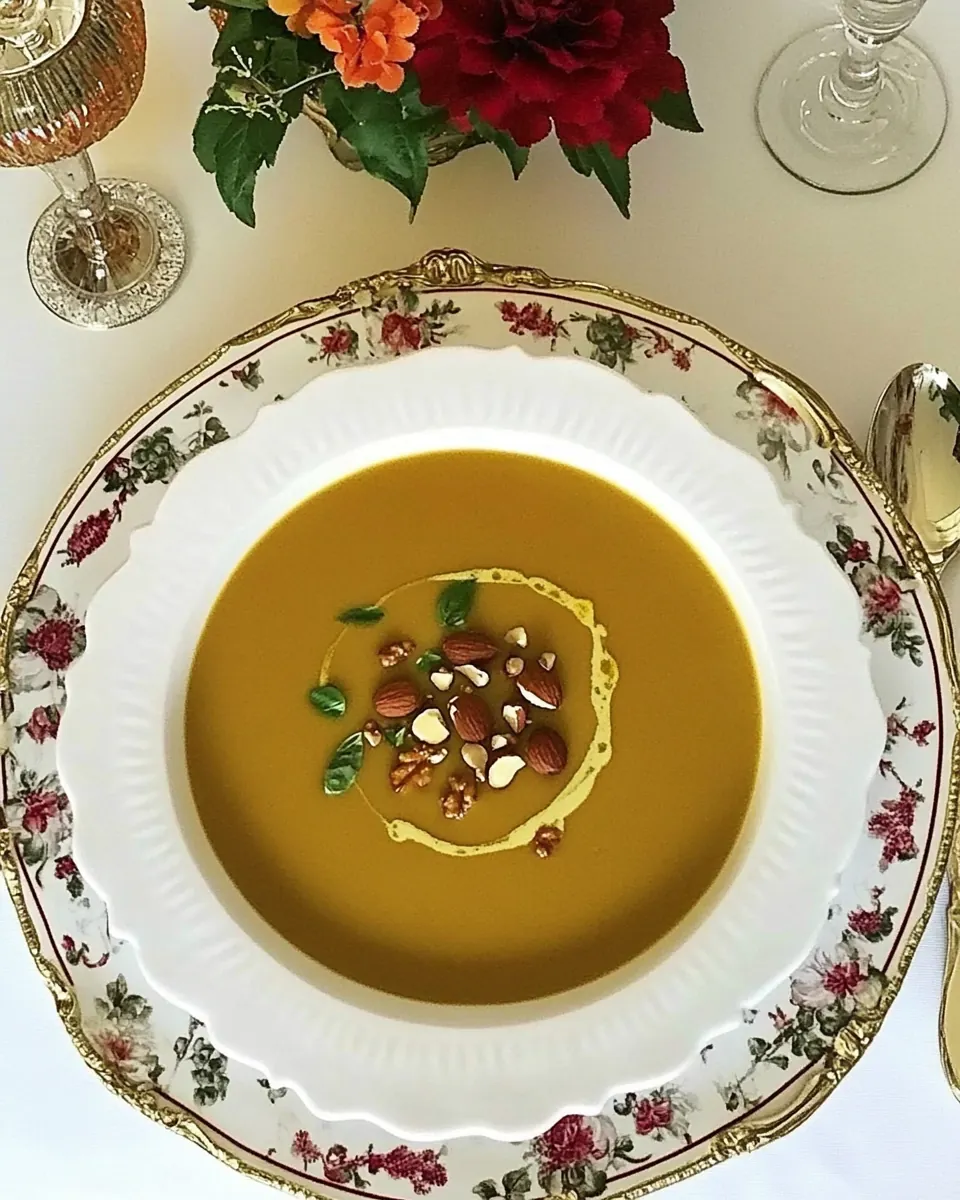
Pumpkin Hazelnut Chai Soup
Pumpkin Hazelnut Chai Soup found its way into my rotation on a blustery October afternoon when the kind of cold that sneaks up on you made me crave something warm but not heavy. I was coming back from the farmers market with a slightly dented can of pumpkin and a bag of hazelnuts, and I wanted to create a bowl that felt like a sweater for my insides. Right away I knew I wanted to marry the earthy warmth of pumpkin with the toasty notes of hazelnut and the spice profile of chai tea, and that curiosity led to the very recipe you see here.
That first batch taught me a lot. The pumpkin needs gentle coaxing so it stays silky rather than grainy, and the chai needs a short, confident steep so it sings without becoming bitter. I learned to trust simple ingredients like coconut milk and a touch of maple syrup to carry the flavors, rather than drowning them in sugar. Over time I adjusted the texture, tried different teas, and settled on a method that is forgiving for weeknights but polished enough for guests.
When I serve Pumpkin Hazelnut Chai Soup I like small bowls that let people linger, spooning slowly while the steam curls up and the chai scent opens up the room. Friends have called it cozy, surprising, and somehow elegant, which I take as a compliment because it began as a stretch of pantry ingredients and a curious mood. If you enjoy warm spice, gentle sweetness, and a velvety mouthfeel, this recipe rewards patience and small, attentive touches.
Recipe Snapshot
40 mins
10 mins
30 mins
Easy
210 kcal
American
Gluten-Free, Vegan
Soups
Saucepan, Spoon, Immersion blender, Ladle
Why This Pumpkin Hazelnut Chai Soup Hits Different
A Comforting, Yet Light Mainstay
I love that Pumpkin Hazelnut Chai Soup gives you deep, dessert like satisfaction without feeling heavy. The body comes from pumpkin and coconut milk, which create a creamy texture that still feels light on the palate. I find it perfect for cozy lunches or a gentle dinner when you want something nourishing but not filling.
Layered Spice From Real Tea
Using hazelnut chai tea sachets adds complexity that powdered mixes cannot match. I can taste cardamom, cinnamon, and black tea notes weaving through the soup, and that creates a sophisticated flavor profile. I often steep the tea slightly longer when I want a bolder chai character, but I always watch for bitterness, because that can dominate very quickly.
Simple Ingredients, Big Impact
What thrills me is how few ingredients you need for dramatic results. The recipe leans on pantry staples like maple syrup and sea salt, and each one pulls its weight. I appreciate dishes where each component matters, because that keeps the cooking honest and approachable.
Flexible and Friendly
I like that this soup adapts to seasonal needs. If I want more richness I might use full fat coconut milk, or if I want to lighten it up I add a bit more water. I also love how the optional trail mix topper provides a textural contrast that makes spoonfuls exciting. This adaptability makes it a go to for small gatherings or quiet nights.
Great for Entertaining
Lastly, I adore serving this when friends drop by on crisp evenings. It looks rustic but tastes intentional, and the chai aroma always sparks conversation. The soup feels like a hug in a bowl, but one that has a thoughtful, layered flavor profile.
Ingredients for Pumpkin Hazelnut Chai Soup
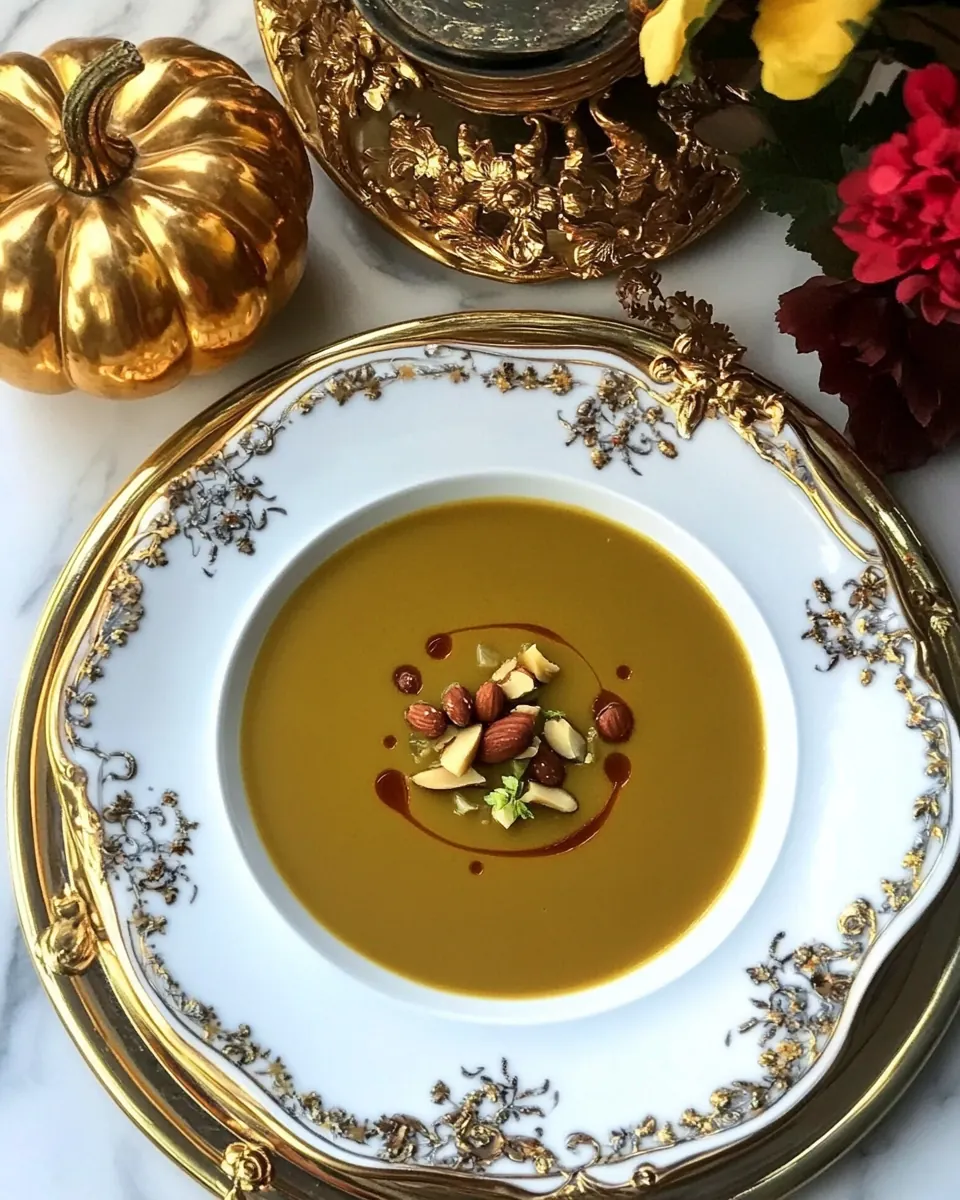
These ingredients were selected to create a balanced, silky soup with warm spice notes and a touch of natural sweetness. The core elements provide body, while the tea infuses aromatic complexity. I think of the pumpkin and coconut milk as the foundation, the hazelnut chai and ginger as the personality, and the maple syrup and sea salt as the final tuning notes.
- 2 1/2 cups lite coconut milk canned, organic unsweetened: Provide a creamy, tropical base that adds richness and subtle sweetness while keeping the soup dairy-free; use full-strength to maintain coconut flavor and a smooth mouthfeel.
- 1 1/2 cups spring water or filtered water: Add a light, neutral liquid to thin the puree and balance the coconut milk, helping adjust consistency and dilute intensity for appropriate soup texture.
- 1 teaspoon ginger root peeled, grated: Contribute a bright, warming heat and fresh aromatic zing when peeled and grated; use sparingly to brighten flavors without overpowering the chai notes.
- 2 hazelnut chai red tea sachets: Infuse deep, spiced hazelnut and black tea flavors when steeped, lending chai aromatics and a toasty nutty background that complements pumpkin and sweeteners.
- 4 cups pumpkin puree or 2 – 15 ounce cans organic pumpkin puree: Provide bulk, velvety body and concentrated pumpkin flavor as the primary base of the soup; use pure pumpkin puree for thick texture and natural color.
- 2 tablespoons organic maple syrup grade B or stevia, to taste: Offer gentle, natural sweetness and caramel notes to round spices and pumpkin; adjust amount to achieve desired balance or substitute with low-calorie stevia sparingly.
- unrefined sea salt to taste: Enhance and balance overall flavor by lifting and intensifying sweetness and spice; season gradually to taste to avoid oversalting the delicate profile.
- 1/2 cup dried fruit and nut trail mix sprouted or raw, (reserve to top soup with) (optional): Add optional crunchy texture and bursts of fruity sweetness when reserved for topping; sprinkle on individual servings to introduce contrast and visual interest.
How to Prepare Pumpkin Hazelnut Chai Soup
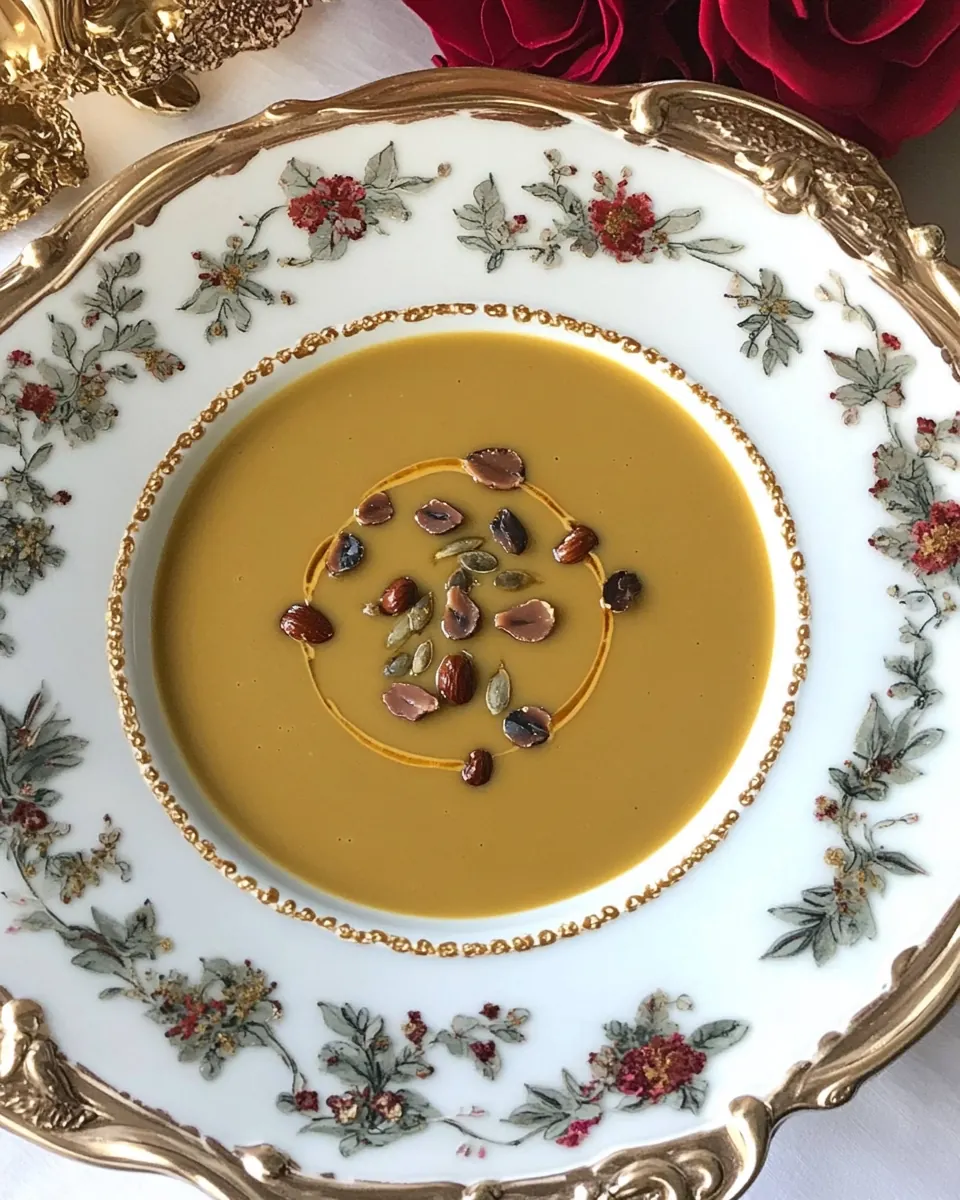
Warming, aromatic, and forgiving, this recipe is a straightforward simmer and blend routine that rewards attention to texture and timing. I like to work in stages so each element gets its moment to shine, and I always taste as I go to keep the balance of spice and sweetness in check. Ready your blender and a fine mesh strainer if you prefer an ultra smooth finish.
- In a medium-size saucepan, heat coconut milk, water, and ginger over medium heat until the mixture starts to simmer but not boil. Once the mixture is hot add the tea sachets and stir. Turn heat to low and let the tea steep for 3–5 minutes.: The first aroma you will notice is the fresh ginger blooming into the coconut milk , a bright, slightly peppery scent that tells you the oils have released. Keep the flame at medium so the liquid warms uniformly, and watch the rim for the first tiny bubbles that signal a gentle simmer. You should see the surface move and small steam clouds rising, not a rolling boil which can break the fat emulsion in the coconut milk . If you see vigorous bubbling, lower the heat immediately to prevent a grainy separation. A common error is rushing with higher heat to speed things up, which results in a less silky texture and can scorch the bottom, so patience here preserves creaminess.
- Remove tea sachets and blend in pumpkin purée, maple syrup or stevia, and sea salt to taste. Heat soup over medium-low heat until hot and flavors have a chance to blend together, for around 30 minutes. Stir soup occasionally. Place hot soup in serving bowls and sprinkle with trail mix if using. Enjoy immediately!: When the pot is hot to the touch on the outside and the steam is fragrant, add the hazelnut chai sachets so their spice oils can infuse into the liquid. Give the sachets a gentle stir to ensure full contact with the warm liquid, which helps expedite flavor release. You will smell cinnamon and cardamom almost immediately, and this aroma is an excellent guide; if the scent becomes sharp, reduce steep time next round. Avoid stirring aggressively, which can cause the sachet material to break, releasing sediment that clouds the soup.
- Turn heat to low and let the tea steep for 3 to 5 minutes.: Reducing to low allows the spices to meld slowly, producing a rounder, less astringent chai character. During steeping you should notice the intensity of the chai bloom without bitterness, and the surface will show gentle movement rather than active bubbling. Steeping longer than five minutes risks extracting tannins and bitterness from the tea leaves, which can overpower the pumpkin, so set a timer. If bitterness does occur, a splash more maple syrup can help rebalance the bowl.
- Remove tea sachets and blend in pumpkin purée, maple syrup or stevia, and sea salt to taste.: After taking out the sachets, the pot will carry a spicy, nutty perfume. Add the smooth pumpkin puree in batches so it integrates without clumping. I use an immersion blender for a seamless, velvety finish, moving it slowly for even texture. The maple syrup should be added conservatively and adjusted after tasting, because heat brings out sweetness. Add a pinch of sea salt to wake the flavors, then taste and tweak. Blending at too high a speed can create air bubbles, changing the mouthfeel, so pulse gently if using a countertop blender.
- Heat soup over medium-low heat until hot and flavors have a chance to blend together, for around 30 minutes.: As the soup simmers on medium low you will see the color deepen to a comforting orange and the surface will show soft movement. This resting simmer is where flavors harmonize and the chai melds into the pumpkin . Keep a loose lid to prevent too much evaporation, and stir occasionally to avoid a skin forming. The pot should emit an even, spiced steam rather than aggressive bubbling. A common pitfall is leaving it unattended for long periods, which can reduce the soup too much and concentrate saltiness, so check every five to ten minutes.
- Stir soup occasionally.: Regular stirring keeps the texture uniform and redistributes heat so the bottom does not scorch, especially if your saucepan conducts heat aggressively. Use a wooden spoon or heat proof spatula to feel the thickness developing; a slight resistance on the spoon indicates the body is right. Listen for the faint, steady whisper of movement in the pot rather than loud splashing. Over stirring can cool the soup and slow the melding process, so aim for gentle, periodic turns.
- Place hot soup in serving bowls and sprinkle with trail mix if using.: Ladling into warm bowls enhances the first spoonful, and adding the trail mix at the last moment preserves crunch against the silky base. The toasted nuts and dried fruit will contrast with the velvety soup, offering bites that shift texture and flavor. If you add the trail mix too early, it will soften and lose its intended snap, so reserve it until serving. Also, avoid overly large pieces that make spooning awkward; chop if needed for ease.
- Enjoy immediately!: The ideal time to eat is when the soup is hot and steaming, so the spice aromatics are most pronounced. You will taste the warm chai notes up front, followed by the pumpkin richness and a gentle sweetness from the maple syrup . Let the bowl cool for a minute if it is too hot, and sip slowly to appreciate the layered flavors. Reheating gently on low preserves the texture; rapid reheating can alter the mouthfeel, so take care.
Change It Up
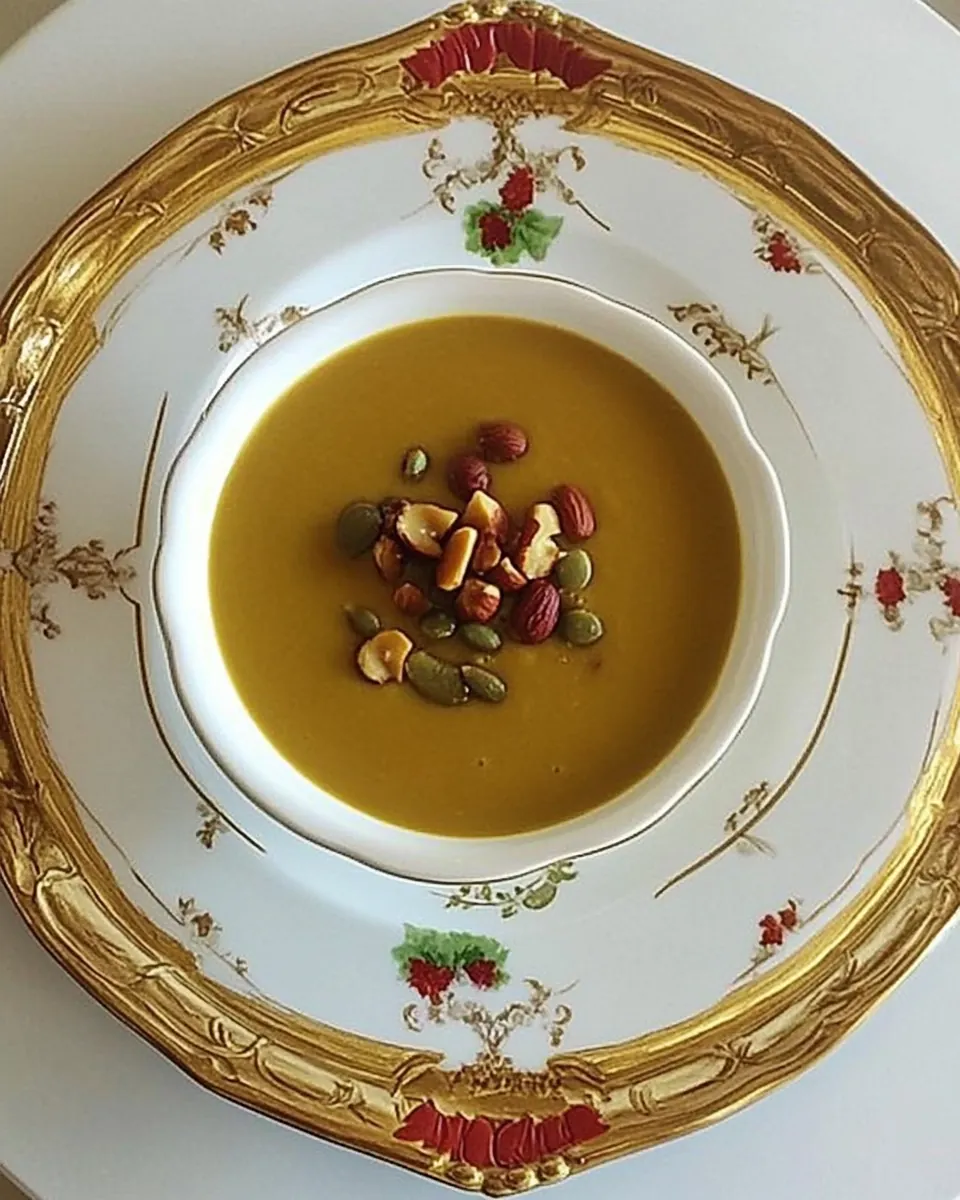
This section shares ways to vary the recipe to suit different moods and occasions. Small changes can shift the bowl from everyday comfort to something more refined, or make it quicker when you are short on time. Below are thoughtful, practical tips you can try.
- Swap the milk base: Try a thicker canned coconut milk for a richer mouthfeel, or increase the spring water to make a lighter, more sip friendly broth.
- Adjust chai intensity: Steep the hazelnut chai sachets for a shorter time for subtle spice, or longer for a bolder infusion, watching for bitterness.
- Sweetener choices: Use maple syrup for warm complexity, or a measured amount of stevia for fewer calories, adding it near the end to control sweetness.
- Texture contrast: Keep the optional trail mix as a topping to add crunch, or pulse a small portion into the soup for nutty flecks throughout.
- Make ahead guidance: Prepare the soup a day in advance and reheat gently, then add crunchy toppings at serving to preserve texture.
What to Serve With Pumpkin Hazelnut Chai Soup
This soup is versatile, so I like pairing it with items that either echo its warmth or add bright contrast. Think about textures and temperatures when planning a small menu. Keep sides simple so the soup remains the star.
- Crusty bread: A warm loaf is ideal for dipping and soaking up the silky soup, providing chewy contrast to the velvety base.
- Light salad: A crisp salad with a citrus vinaigrette refreshes the palate between spoonfuls, offering a bright counterpoint to the spice.
- Roasted vegetables: Serve small roasted root vegetables on the side for an autumnal plate that complements the pumpkin notes.
- Casual gatherings: Offer small bowls with toppings like the optional trail mix and perhaps a sprinkle of toasted seeds so guests can customize textures.
- Occasions: This works well for lunch, a light dinner, or as a starter during Thanksgiving where its flavors feel right at home.
- Storage tips: Refrigerate in an airtight container for up to three days, and reheat on low to preserve texture; add crunchy toppings only at serving.
- Seasonal pairings: Emphasize seasonal produce such as apples or roasted squash in side dishes to keep the menu harmonious.
FAQ
Conclusion
What makes this recipe special is its ability to feel both comforting and refined, blending the velvety richness of pumpkin with the aromatic complexity of hazelnut chai. I encourage you to give it a try on a cool afternoon when you want something soothing yet interesting, and to serve it with simple crunchy toppings so every bite has contrast. It’s the sort of bowl that invites slow eating and conversation, and it rewards small adjustments, so taste as you go and make it your own.

Pumpkin Hazelnut Chai Soup
Equipment
- Saucepan
- Spoon
- Immersion Blender
- Ladle
Ingredients
- 2 1/2 cups lite coconut milk canned, organic unsweetened Provide a creamy, tropical base that adds richness and subtle sweetness while keeping the soup dairy-free; use full-strength to maintain coconut flavor and a smooth mouthfeel.
- 1 1/2 cups spring water or filtered water Add a light, neutral liquid to thin the puree and balance the coconut milk, helping adjust consistency and dilute intensity for appropriate soup texture.
- 1 teaspoon ginger root peeled, grated Contribute a bright, warming heat and fresh aromatic zing when peeled and grated; use sparingly to brighten flavors without overpowering the chai notes.
- 2 hazelnut chai red tea sachets Infuse deep, spiced hazelnut and black tea flavors when steeped, lending chai aromatics and a toasty nutty background that complements pumpkin and sweeteners.
- 4 cups pumpkin puree or 2 - 15 ounce cans organic pumpkin puree Provide bulk, velvety body and concentrated pumpkin flavor as the primary base of the soup; use pure pumpkin puree for thick texture and natural color.
- 2 tablespoons organic maple syrup grade B or stevia, to taste Offer gentle, natural sweetness and caramel notes to round spices and pumpkin; adjust amount to achieve desired balance or substitute with low-calorie stevia sparingly.
- unrefined sea salt to taste Enhance and balance overall flavor by lifting and intensifying sweetness and spice; season gradually to taste to avoid oversalting the delicate profile.
- 1/2 cup dried fruit and nut trail mix sprouted or raw, optional (reserve to top soup with) Add optional crunchy texture and bursts of fruity sweetness when reserved for topping; sprinkle on individual servings to introduce contrast and visual interest.
Instructions
- In a medium-size saucepan, heat coconut milk, water, and ginger over medium heat until the mixture starts to simmer but not boil. Once the mixture is hot add the tea sachets and stir. Turn heat to low and let the tea steep for 3–5 minutes.: The first aroma you will notice is the fresh ginger blooming into the coconut milk , a bright, slightly peppery scent that tells you the oils have released. Keep the flame at medium so the liquid warms uniformly, and watch the rim for the first tiny bubbles that signal a gentle simmer. You should see the surface move and small steam clouds rising, not a rolling boil which can break the fat emulsion in the coconut milk . If you see vigorous bubbling, lower the heat immediately to prevent a grainy separation. A common error is rushing with higher heat to speed things up, which results in a less silky texture and can scorch the bottom, so patience here preserves creaminess.
- Remove tea sachets and blend in pumpkin purée, maple syrup or stevia, and sea salt to taste. Heat soup over medium-low heat until hot and flavors have a chance to blend together, for around 30 minutes. Stir soup occasionally. Place hot soup in serving bowls and sprinkle with trail mix if using. Enjoy immediately!: When the pot is hot to the touch on the outside and the steam is fragrant, add the hazelnut chai sachets so their spice oils can infuse into the liquid. Give the sachets a gentle stir to ensure full contact with the warm liquid, which helps expedite flavor release. You will smell cinnamon and cardamom almost immediately, and this aroma is an excellent guide; if the scent becomes sharp, reduce steep time next round. Avoid stirring aggressively, which can cause the sachet material to break, releasing sediment that clouds the soup.
- Turn heat to low and let the tea steep for 3 to 5 minutes.: Reducing to low allows the spices to meld slowly, producing a rounder, less astringent chai character. During steeping you should notice the intensity of the chai bloom without bitterness, and the surface will show gentle movement rather than active bubbling. Steeping longer than five minutes risks extracting tannins and bitterness from the tea leaves, which can overpower the pumpkin, so set a timer. If bitterness does occur, a splash more maple syrup can help rebalance the bowl.
- Remove tea sachets and blend in pumpkin purée, maple syrup or stevia, and sea salt to taste.: After taking out the sachets, the pot will carry a spicy, nutty perfume. Add the smooth pumpkin puree in batches so it integrates without clumping. I use an immersion blender for a seamless, velvety finish, moving it slowly for even texture. The maple syrup should be added conservatively and adjusted after tasting, because heat brings out sweetness. Add a pinch of sea salt to wake the flavors, then taste and tweak. Blending at too high a speed can create air bubbles, changing the mouthfeel, so pulse gently if using a countertop blender.
- Heat soup over medium-low heat until hot and flavors have a chance to blend together, for around 30 minutes.: As the soup simmers on medium low you will see the color deepen to a comforting orange and the surface will show soft movement. This resting simmer is where flavors harmonize and the chai melds into the pumpkin . Keep a loose lid to prevent too much evaporation, and stir occasionally to avoid a skin forming. The pot should emit an even, spiced steam rather than aggressive bubbling. A common pitfall is leaving it unattended for long periods, which can reduce the soup too much and concentrate saltiness, so check every five to ten minutes.
- Stir soup occasionally.: Regular stirring keeps the texture uniform and redistributes heat so the bottom does not scorch, especially if your saucepan conducts heat aggressively. Use a wooden spoon or heat proof spatula to feel the thickness developing; a slight resistance on the spoon indicates the body is right. Listen for the faint, steady whisper of movement in the pot rather than loud splashing. Over stirring can cool the soup and slow the melding process, so aim for gentle, periodic turns.
- Place hot soup in serving bowls and sprinkle with trail mix if using.: Ladling into warm bowls enhances the first spoonful, and adding the trail mix at the last moment preserves crunch against the silky base. The toasted nuts and dried fruit will contrast with the velvety soup, offering bites that shift texture and flavor. If you add the trail mix too early, it will soften and lose its intended snap, so reserve it until serving. Also, avoid overly large pieces that make spooning awkward; chop if needed for ease.
- Enjoy immediately!: The ideal time to eat is when the soup is hot and steaming, so the spice aromatics are most pronounced. You will taste the warm chai notes up front, followed by the pumpkin richness and a gentle sweetness from the maple syrup . Let the bowl cool for a minute if it is too hot, and sip slowly to appreciate the layered flavors. Reheating gently on low preserves the texture; rapid reheating can alter the mouthfeel, so take care.
Notes
- Swap the milk base: Try a thicker canned coconut milk for a richer mouthfeel, or increase the spring water to make a lighter, more sip friendly broth.
- Adjust chai intensity: Steep the hazelnut chai sachets for a shorter time for subtle spice, or longer for a bolder infusion, watching for bitterness.
- Sweetener choices: Use maple syrup for warm complexity, or a measured amount of stevia for fewer calories, adding it near the end to control sweetness.
- Texture contrast: Keep the optional trail mix as a topping to add crunch, or pulse a small portion into the soup for nutty flecks throughout.
- Make ahead guidance: Prepare the soup a day in advance and reheat gently, then add crunchy toppings at serving to preserve texture.
