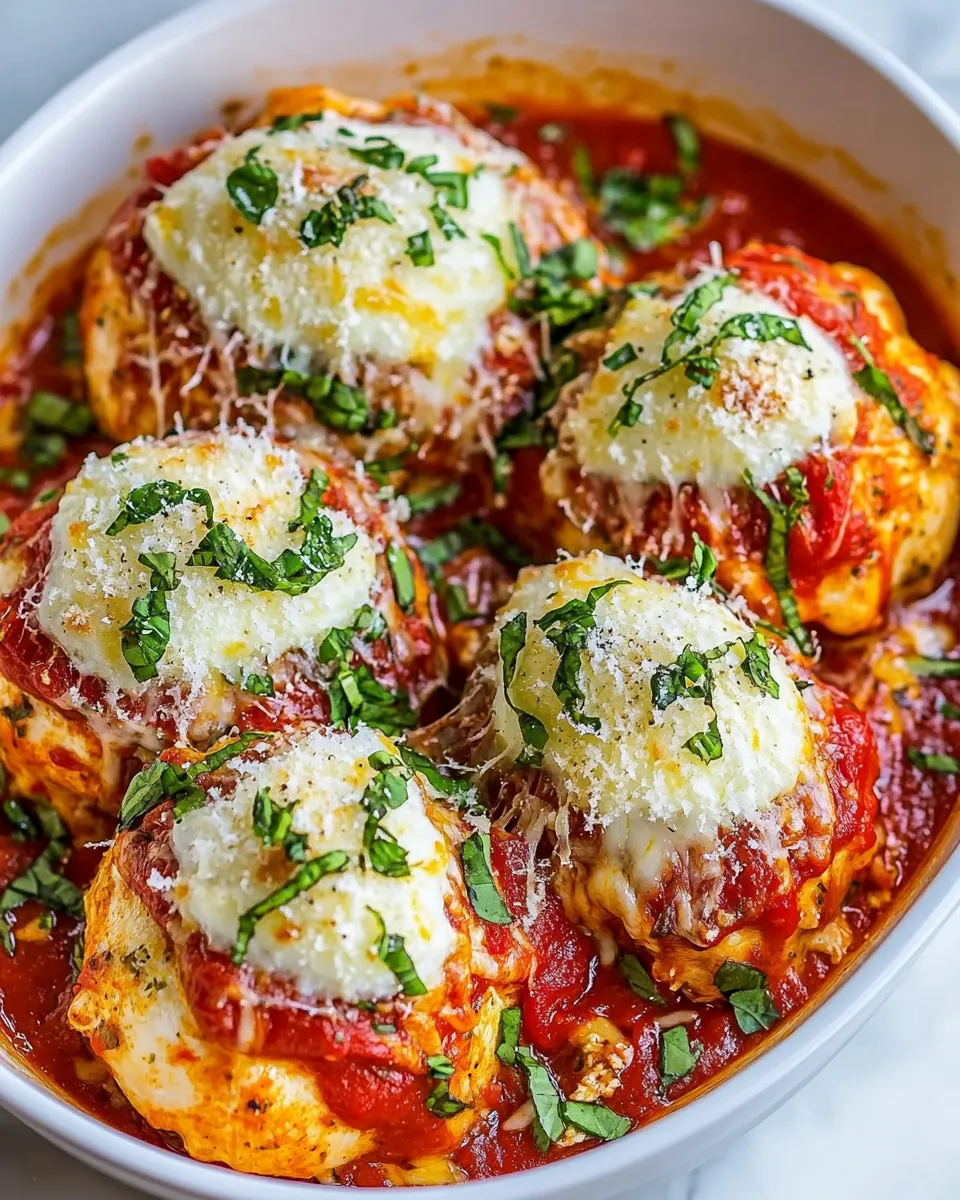
Stuffed Chicken Parmesan Recipe
Stuffed Chicken Parmesan Recipe has been one of those dishes I reach for when I want something comforting yet a little showy, a meal that says I cared without keeping me in the kitchen all night.
I still remember the first time I tried stuffing a chicken breast with oozy mozzarella, sealing it up and giving it a crunchy coat before nestling it into a bright marinara bath. The scent of frying chicken and bubbling tomato sauce filled my kitchen, and guests kept asking for the recipe. Over the years I tweaked the breading to be lighter, learned how to keep the pockets sealed, and found the perfect balance of cheese to sauce so each bite is molten and satisfying.
On weeknights I make a simplified version for the family, and on weekends I take the extra three minutes to stuff each piece more deliberately, knowing that the payoff is that glorious stretch of mozzarella when you slice in. This recipe is forgiving, adaptable for gluten free needs, and always earns a second helping. It’s the kind of recipe I’ll happily bring to a casual dinner where comfort matters more than fuss.
Recipe Snapshot
30 mins
7 mins
23 mins
Easy
450 kcal
Italian
Gluten-Free, Low FODMAP
Dinner
Large deep pan, Dutch oven, Three large bowls, Instant read thermometer
Why Try This Stuffed Chicken Parmesan Recipe
Melty stuffed center that delights every bite
I love how Stuffed Chicken Parmesan Recipe delivers a surprise at the center, a pillow of hot mozzarella that oozes when cut. That molten texture contrasts with the crisp exterior, giving a delightful mouthfeel. When I serve it, people always pause for that first pull of cheese, and it makes the meal feel special without being showy.
Crunchy exterior with tender chicken inside
The triple station of flour, egg, and crumbs creates a crust that browns beautifully in a skillet, locking in juices. I appreciate that you get that satisfying sizzle on the stovetop and then a gentle finish in the oven so the inside reaches the safe temperature while staying juicy. It’s a straightforward technique that rewards attention to heat and timing.
Flexible for dietary preferences
I often cook for mixed tables, so the way this recipe easily adapts to gluten free flours and crumbs is a win. The flavor is not compromised when you swap to a quality GF flour and cracker crumb, and the assembly and cooking method remain identical. That flexibility means less stress at the stove and happier guests.
Layered tomato and cheese flavors
The combination of bright marinara and nutty parmesan under a blanket of melted mozzarella gives the dish classic, familiar Italian flavors. I appreciate that each element plays a distinct role, the sauce keeping the baked chicken from drying while adding acidity to cut through the richness.
Reliable, weeknight friendly, yet impressive
What I really love is that this feels special, but it comes together in under an hour. With a little mise en place and a simple three bowl breading station, the process is paced and calming like a small ritual. I know that when I follow these steps, the results are consistent and crowd pleasing.
What Goes Into Stuffed Chicken Parmesan Recipe
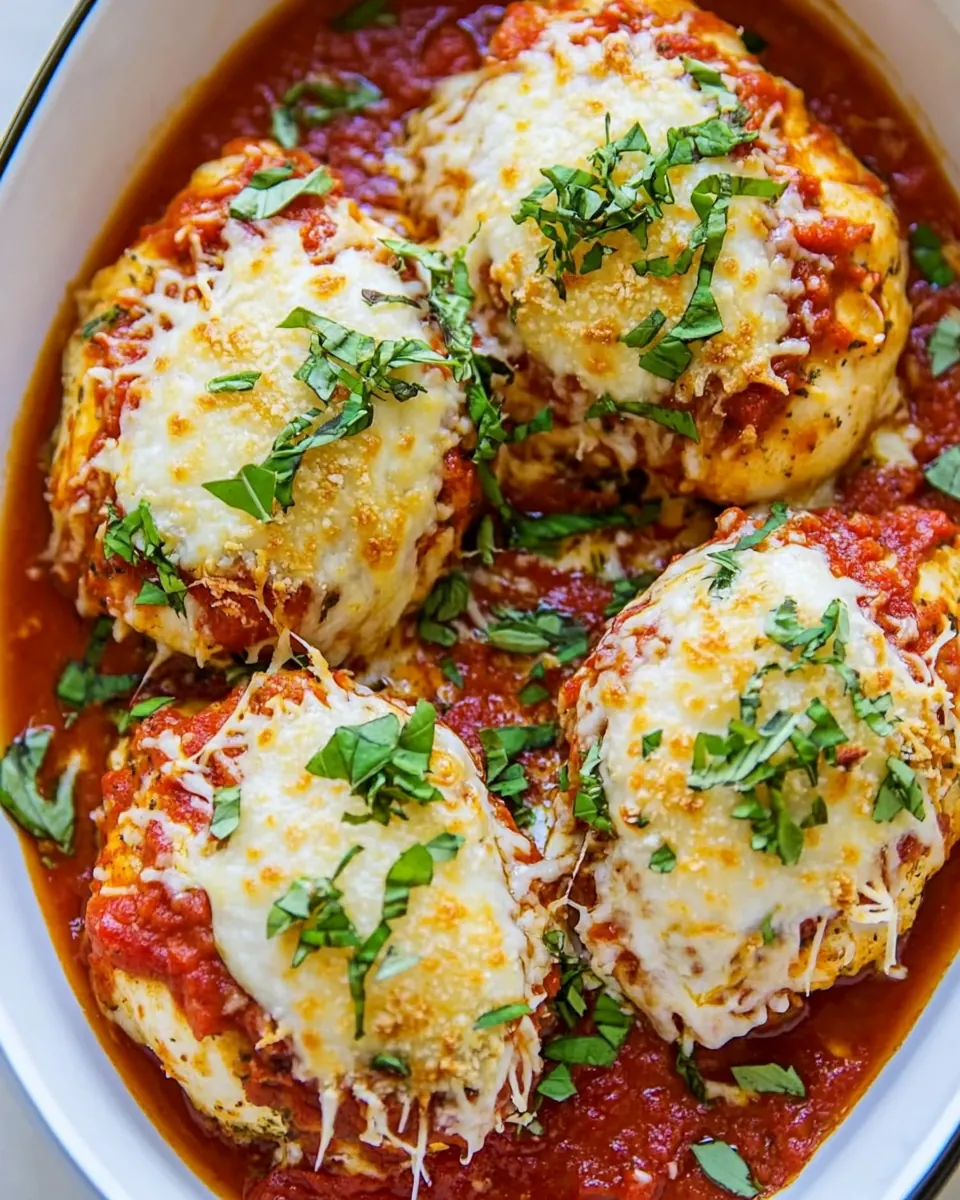
I think of these ingredients as a small orchestra where each player supports the others. The chicken provides the canvas, the flour and egg create adhesion for the crumbs, and the bread crumbs plus parmesan give a crisp, savory crust. The marinara brings acidity and moisture, while the mozzarella gives that indulgent stretch that makes every bite sing.
- 1 1/2 lbs chicken breasts, (4 medium): Trimmed and pounded thin for even cooking; provides lean protein and forms the stuffed chicken base that absorbs flavors during baking or pan-frying.
- 1/2 cup all-purpose flour, *or gluten free flour: Used to dredge the chicken before breading; creates a dry surface that helps the egg and breadcrumbs adhere and yields a light crust when cooked.
- 3/4 tsp salt: Added to season the flour and coatings; enhances overall flavor balance and helps bring out the savory components of the dish.
- 1/2 tsp black pepper: Ground and mixed into the coating; contributes a subtle heat and depth that complements the cheese and tomato sauce.
- 2 large eggs, well beaten with a fork: Beaten and used as a binding wash; helps breadcrumbs adhere to the chicken and creates a moist interior when cooked.
- 1/2 cup plain bread crumbs such as panko, **see notes for GF option: Coats the chicken for a crunchy exterior; provides texture contrast to the tender interior and crisps nicely when pan-fried or baked.
- 1/3 cup parmesan cheese, finely grated: Mixed into the breadcrumb coating for savory umami; adds a nutty, salty finish that boosts the overall cheese flavor in the crust.
- 3 tbsp extra light olive oil, plus more as needed: Used for browning the chicken in the pan and adding moisture; imparts a light, neutral oiliness for sautéing without overpowering flavors.
- 2 cups marinara sauce: Poured over or alongside the stuffed chicken; adds acidity, sweetness, and moisture while creating the classic tomato base for Chicken Parmesan.
- 6 oz mozzarella cheese, divided, (1 1/2 cups shredded): Stuffed and melted inside the chicken and sprinkled on top; provides creamy, gooey texture and mild milky flavor when heated.
- 6 fresh basil leaves, finely chopped, to garnish: Sprinkled over the finished dish as a bright garnish; adds fresh herbal aroma and a pop of color while enhancing overall flavor.
Step by Step Guide for Stuffed Chicken Parmesan Recipe
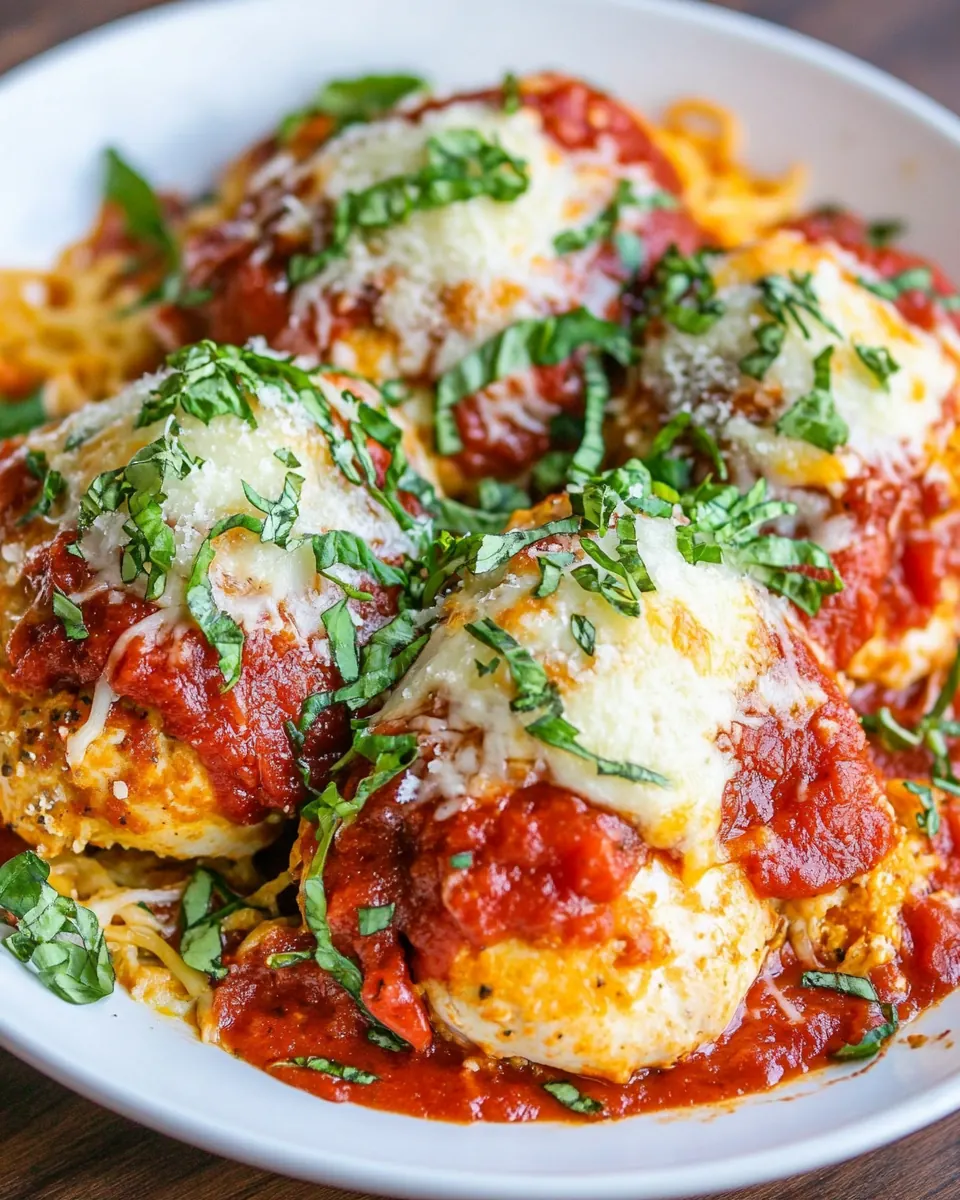
I like to think of the cooking as a short performance where prep is the rehearsal. With your station set up, the process flows quickly, and the combination of stovetop searing and oven finishing ensures crisp crusts and juicy interiors.
- Season chicken breasts with 3/4 tsp salt and 1/2 tsp black pepper or to taste. Cut a deep slit into each breast without cutting all the way through and stuff each with 2-3 Tbsp of mozzarella, closing the edges to seal.: The aroma of seasoned chicken is the first signal that dinner is starting to come together, a subtle salty and peppery note that primes the palate. I press the seasoning into the meat so it adheres, then take a moment to rub it gently around the pocket area so the interior is seasoned as well. This step is crucial because even light seasoning early on builds layered flavor that penetrates as the chicken cooks. A common mistake is underseasoning only the surface, which leaves the center bland, so be mindful to season both sides and the pocket interior. If you overdo the salt, balance it later with a slightly tangier marinara .
- Set up 3 large bowls. In the first, pour 1/2 cup flour. In the second, beat 2 large eggs thoroughly with a fork. In the third, stir together 1/2 cup bread crumbs and 1/3 cup parmesan cheese.: When you hear the faint tearing of the meat as you make the pocket, you know you are creating space for molten mozzarella , and the promise of that ooze later is worth the careful work. I use my fingers to create a clean cavity and then tuck the cheese in, pressing the edges to close them snugly. Keeping the pocket compact helps prevent leakage during cooking, and gentle pressure seals the seam. A typical error is overfilling, which causes escaping cheese and a soggy exterior, so measure the filling and leave room to close the edges securely.
- Working with 1 stuffed chicken breast at a time, carefully dredge in flour, tapping off any excess. Then dip into the beaten eggs, letting any excess egg drip back into the bowl. Finally dip in bread crumbs, turning a couple times to get a good coating.: The scent of beaten eggs and the dry dust of flour creates a tactile rhythm to the preparation that I enjoy. Flouring first removes surface moisture so the eggs cling, and the egg wash then acts as glue for the crumb and parmesan mixture. I mix the parmesan into the crumbs with my fingers to help it distribute evenly. A pitfall here is having bowls that are too small, leading to messy transfers; use large bowls so you can turn each breast easily.
- Place a large, deep pan or dutch oven over medium heat and add 3 Tbsp olive oil to lightly coat the pan. Once oil is hot, add the breaded chicken in a single layer and sauté 4 min per side or until golden brown on each side.: You’ll feel the dry texture of the flour coat the surface, creating a base layer that keeps the egg from soaking into the meat. I tap gently to remove excess so the breading stays light and not clumpy. This dry coat is essential to getting a crisp final crust. If you skip the tapping, you risk a heavy, doughy coating that will not brown properly in the pan.
- Pour 2 cups of marinara sauce around the chicken and spoon some of the marinara onto the center of each chicken breast. Sprinkle remaining mozzarella over the stuffed chicken then bake uncovered at 400˚F for 15-20 min, or until an instant read thermometer reads 165˚F when inserted into the chicken (mine was ready at 15 min). Garnish with freshly chopped basil.: The glossy sheen of the egg wash signals that the breast is ready to receive the crumb coating, and you’ll notice a faint metallic tang from the eggs mixing with the seasoned chicken . Letting excess drip back ensures the crumbs adhere without becoming pasty. I swirl the breast in the egg, lift it, and wait a beat to let gravity do the work. Overloading with egg can make the crumb coating detach while frying, so be patient about draining.
- Finally dip in bread crumbs, turning a couple times to get a good coating: You’ll hear the soft rustle of crumbs as they grab onto the wet surface, forming a textured shell. Press gently so the mixture of bread crumbs and parmesan binds, covering seams and edges where cheese could escape. A well coated breast will have an even, dry appearance ready for the pan. One mistake is not pressing the crumbs enough, which leads to patches that will not brown evenly, so be thorough but gentle.
- Place a large, deep pan or dutch oven over medium heat and add 3 Tbsp olive oil to lightly coat the pan: When the oil begins to shimmer, you can sense the surface readiness by the wavering reflections, and that’s when to add the chicken. The right temperature ensures immediate searing and prevents the coating from absorbing too much oil. I use an extra light olive oil so the flavor stays neutral and the crust browns cleanly. If the oil smokes, the pan is too hot; reduce heat to avoid burning the crumbs and creating bitter notes.
- Once oil is hot, add the breaded chicken in a single layer and sauté 4 min per side or until golden brown on each side: As the breasts hit the pan you’ll hear a lively sizzle that indicates proper contact and crust formation, and soon the aroma of toasted crumbs and olive oil will fill the kitchen. Turning at about four minutes yields a deep golden color while leaving juices intact. I avoid crowding the pan because that lowers the oil temperature and produces soggy crusts. A common slip is moving the pieces too soon; if you try to flip before a crust forms, the coating will tear, so wait until it releases easily from the pan.
- Pour 2 cups of marinara sauce around the chicken and spoon some of the marinara onto the center of each chicken breast: The bright tang of the marinara cutting through the warm, savory crust is an aromatic turning point, and spooning sauce over the centers ensures the top does not dry out in the oven. I listen for a gentle bubbling as the sauce warms, and I watch for the sauce to reduce slightly along the edges, concentrating flavor. Avoid drowning the pan with too much sauce as excessive liquid can make the crust soft and weigh down the pieces.
- Sprinkle remaining mozzarella over the stuffed chicken then bake uncovered at 400˚F for 15-20 min, or until an instant read thermometer reads 165˚F when inserted into the chicken (mine was ready at 15 min): In the oven the smell evolves into a sweet roasted tomato and melted cheese perfume, and you can watch the cheese bubble and brown in places, forming appealing golden spots. The oven finish ensures the interior reaches a safe temperature while the exterior remains crisp. Use an instant read thermometer to confirm 165˚F , and do not overbake, which dries the chicken . A typical mistake is relying on visual cues alone, so check temperature to ensure both safety and juiciness.
- Garnish with freshly chopped basil: The final bright leaf scent of chopped basil is the finishing note, releasing volatile oils that wake up the whole plate. I sprinkle it just before serving to preserve its color and freshness. If you add it too early, the herb will wilt and lose vibrancy, so time it as the last flourish.
Recipe Notes about Stuffed Chicken Parmesan Recipe
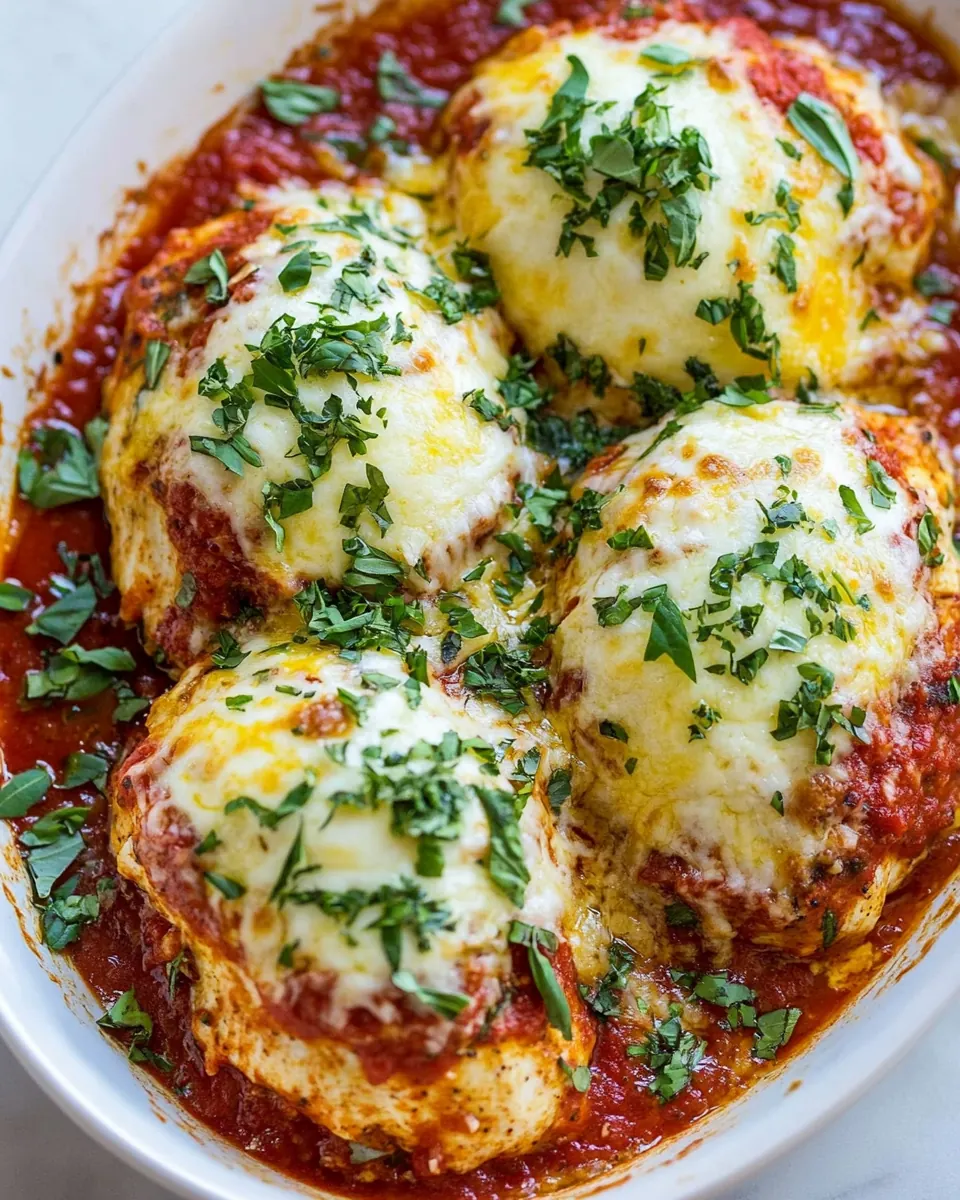
I like to offer clear, practical notes that help the recipe perform reliably in home kitchens. These tips expand on technique, ingredient swaps, and timing so you can feel confident whether you are making the classic or the gluten free option.
- Use even thickness — If your breasts are uneven, gently pound them to even thickness or select similar sized pieces; this helps them cook evenly and avoids undercooked centers or overcooked edges.
- Choose the right crumbs — Panko gives a light, flaky crust while finer crumbs create a denser coating; for gluten free, finely crushed GF crackers mimic the texture best.
- Seal the pockets well — Press the opening edges firmly and consider a light dab of egg wash on the seam to help the breading hold the pocket closed during frying and baking.
- Control pan temperature — Medium heat gives a golden crust without burning; if the oil smokes, lower the heat, because burnt crumbs taste bitter and detract from the dish.
- Use quality marinara — Since the sauce plays a starring role, select one you enjoy or make a simple homemade version; flavorful sauce balances the richness of cheese and crust.
- Check internal temperature — Use an instant read thermometer to confirm 165˚F, this prevents both undercooking and dryness from overbaking.
What to Serve With Stuffed Chicken Parmesan Recipe
This dish pairs beautifully with simple sides that complement the rich cheese and tomato. Think light salads, garlicky greens, or a bed of tender pasta to collect the sauce. It’s versatile enough for weeknight dinners and special occasions alike.
- Classic pasta — Serve over spaghetti or penne tossed lightly with olive oil to catch extra marinara and create a satisfying, classic plate appropriate for dinner or a weekend meal.
- Fresh green salad — A crisp salad with a bright vinaigrette cuts through richness and makes the meal feel balanced for lunch or dinner.
- Sautéed vegetables — Lightly garlicky greens or roasted seasonal vegetables provide texture contrast and color, ideal for family dinners and gatherings.
- Occasion suggestions — Great for cozy weeknight dinners, small dinner parties, or a comforting Ramadan iftar where a warm, filling main feels just right.
- Storage tips — Store leftovers in an airtight container in the refrigerator for up to three days, reheating gently in a low oven to preserve crispness and melt the cheese without drying the chicken.
- Seasonal pairing — In cooler months, serve with roasted root vegetables, while in warmer months keep sides light and herb forward to play off the fresh basil.
FAQ
Conclusion
Stuffed Chicken Parmesan Recipe stands out for its combination of crunchy breadcrumb crust, molten mozzarella center, and bright marinara that together create a satisfying, comforting plate. Give it a try this weeknight or for a small gathering, because it’s impressive yet approachable. I love how it balances simple technique with delicious results, and I think once you make it you will reach for it whenever you want a reliably crowd pleasing meal.
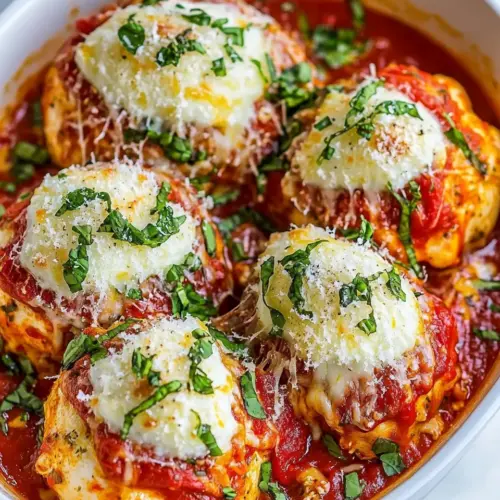
Stuffed Chicken Parmesan Recipe
Equipment
- Large deep pan
- Dutch Oven
- Three large bowls
- Instant read thermometer
Ingredients
- 1 1/2 lbs chicken breasts, (4 medium) Trimmed and pounded thin for even cooking; provides lean protein and forms the stuffed chicken base that absorbs flavors during baking or pan-frying.
- 1/2 cup all-purpose flour, *or gluten free flour Used to dredge the chicken before breading; creates a dry surface that helps the egg and breadcrumbs adhere and yields a light crust when cooked.
- 3/4 tsp salt Added to season the flour and coatings; enhances overall flavor balance and helps bring out the savory components of the dish.
- 1/2 tsp black pepper Ground and mixed into the coating; contributes a subtle heat and depth that complements the cheese and tomato sauce.
- 2 large eggs, well beaten with a fork Beaten and used as a binding wash; helps breadcrumbs adhere to the chicken and creates a moist interior when cooked.
- 1/2 cup plain bread crumbs such as panko, **see notes for GF option Coats the chicken for a crunchy exterior; provides texture contrast to the tender interior and crisps nicely when pan-fried or baked.
- 1/3 cup parmesan cheese, finely grated Mixed into the breadcrumb coating for savory umami; adds a nutty, salty finish that boosts the overall cheese flavor in the crust.
- 3 tbsp extra light olive oil, plus more as needed Used for browning the chicken in the pan and adding moisture; imparts a light, neutral oiliness for sautéing without overpowering flavors.
- 2 cups marinara sauce Poured over or alongside the stuffed chicken; adds acidity, sweetness, and moisture while creating the classic tomato base for Chicken Parmesan.
- 6 oz mozzarella cheese, divided, (1 1/2 cups shredded) Stuffed and melted inside the chicken and sprinkled on top; provides creamy, gooey texture and mild milky flavor when heated.
- 6 fresh basil leaves, finely chopped, to garnish Sprinkled over the finished dish as a bright garnish; adds fresh herbal aroma and a pop of color while enhancing overall flavor.
Instructions
- Season chicken breasts with 3/4 tsp salt and 1/2 tsp black pepper or to taste. Cut a deep slit into each breast without cutting all the way through and stuff each with 2-3 Tbsp of mozzarella, closing the edges to seal.: The aroma of seasoned chicken is the first signal that dinner is starting to come together, a subtle salty and peppery note that primes the palate. I press the seasoning into the meat so it adheres, then take a moment to rub it gently around the pocket area so the interior is seasoned as well. This step is crucial because even light seasoning early on builds layered flavor that penetrates as the chicken cooks. A common mistake is underseasoning only the surface, which leaves the center bland, so be mindful to season both sides and the pocket interior. If you overdo the salt, balance it later with a slightly tangier marinara .
- Set up 3 large bowls. In the first, pour 1/2 cup flour. In the second, beat 2 large eggs thoroughly with a fork. In the third, stir together 1/2 cup bread crumbs and 1/3 cup parmesan cheese.: When you hear the faint tearing of the meat as you make the pocket, you know you are creating space for molten mozzarella , and the promise of that ooze later is worth the careful work. I use my fingers to create a clean cavity and then tuck the cheese in, pressing the edges to close them snugly. Keeping the pocket compact helps prevent leakage during cooking, and gentle pressure seals the seam. A typical error is overfilling, which causes escaping cheese and a soggy exterior, so measure the filling and leave room to close the edges securely.
- Working with 1 stuffed chicken breast at a time, carefully dredge in flour, tapping off any excess. Then dip into the beaten eggs, letting any excess egg drip back into the bowl. Finally dip in bread crumbs, turning a couple times to get a good coating.: The scent of beaten eggs and the dry dust of flour creates a tactile rhythm to the preparation that I enjoy. Flouring first removes surface moisture so the eggs cling, and the egg wash then acts as glue for the crumb and parmesan mixture. I mix the parmesan into the crumbs with my fingers to help it distribute evenly. A pitfall here is having bowls that are too small, leading to messy transfers; use large bowls so you can turn each breast easily.
- Place a large, deep pan or dutch oven over medium heat and add 3 Tbsp olive oil to lightly coat the pan. Once oil is hot, add the breaded chicken in a single layer and sauté 4 min per side or until golden brown on each side.: You’ll feel the dry texture of the flour coat the surface, creating a base layer that keeps the egg from soaking into the meat. I tap gently to remove excess so the breading stays light and not clumpy. This dry coat is essential to getting a crisp final crust. If you skip the tapping, you risk a heavy, doughy coating that will not brown properly in the pan.
- Pour 2 cups of marinara sauce around the chicken and spoon some of the marinara onto the center of each chicken breast. Sprinkle remaining mozzarella over the stuffed chicken then bake uncovered at 400˚F for 15-20 min, or until an instant read thermometer reads 165˚F when inserted into the chicken (mine was ready at 15 min). Garnish with freshly chopped basil.: The glossy sheen of the egg wash signals that the breast is ready to receive the crumb coating, and you’ll notice a faint metallic tang from the eggs mixing with the seasoned chicken . Letting excess drip back ensures the crumbs adhere without becoming pasty. I swirl the breast in the egg, lift it, and wait a beat to let gravity do the work. Overloading with egg can make the crumb coating detach while frying, so be patient about draining.
- Finally dip in bread crumbs, turning a couple times to get a good coating: You’ll hear the soft rustle of crumbs as they grab onto the wet surface, forming a textured shell. Press gently so the mixture of bread crumbs and parmesan binds, covering seams and edges where cheese could escape. A well coated breast will have an even, dry appearance ready for the pan. One mistake is not pressing the crumbs enough, which leads to patches that will not brown evenly, so be thorough but gentle.
- Place a large, deep pan or dutch oven over medium heat and add 3 Tbsp olive oil to lightly coat the pan: When the oil begins to shimmer, you can sense the surface readiness by the wavering reflections, and that’s when to add the chicken. The right temperature ensures immediate searing and prevents the coating from absorbing too much oil. I use an extra light olive oil so the flavor stays neutral and the crust browns cleanly. If the oil smokes, the pan is too hot; reduce heat to avoid burning the crumbs and creating bitter notes.
- Once oil is hot, add the breaded chicken in a single layer and sauté 4 min per side or until golden brown on each side: As the breasts hit the pan you’ll hear a lively sizzle that indicates proper contact and crust formation, and soon the aroma of toasted crumbs and olive oil will fill the kitchen. Turning at about four minutes yields a deep golden color while leaving juices intact. I avoid crowding the pan because that lowers the oil temperature and produces soggy crusts. A common slip is moving the pieces too soon; if you try to flip before a crust forms, the coating will tear, so wait until it releases easily from the pan.
- Pour 2 cups of marinara sauce around the chicken and spoon some of the marinara onto the center of each chicken breast: The bright tang of the marinara cutting through the warm, savory crust is an aromatic turning point, and spooning sauce over the centers ensures the top does not dry out in the oven. I listen for a gentle bubbling as the sauce warms, and I watch for the sauce to reduce slightly along the edges, concentrating flavor. Avoid drowning the pan with too much sauce as excessive liquid can make the crust soft and weigh down the pieces.
- Sprinkle remaining mozzarella over the stuffed chicken then bake uncovered at 400˚F for 15-20 min, or until an instant read thermometer reads 165˚F when inserted into the chicken (mine was ready at 15 min): In the oven the smell evolves into a sweet roasted tomato and melted cheese perfume, and you can watch the cheese bubble and brown in places, forming appealing golden spots. The oven finish ensures the interior reaches a safe temperature while the exterior remains crisp. Use an instant read thermometer to confirm 165˚F , and do not overbake, which dries the chicken . A typical mistake is relying on visual cues alone, so check temperature to ensure both safety and juiciness.
- Garnish with freshly chopped basil: The final bright leaf scent of chopped basil is the finishing note, releasing volatile oils that wake up the whole plate. I sprinkle it just before serving to preserve its color and freshness. If you add it too early, the herb will wilt and lose vibrancy, so time it as the last flourish.
Notes
- Use even thickness — If your breasts are uneven, gently pound them to even thickness or select similar sized pieces; this helps them cook evenly and avoids undercooked centers or overcooked edges.
- Choose the right crumbs — Panko gives a light, flaky crust while finer crumbs create a denser coating; for gluten free, finely crushed GF crackers mimic the texture best.
- Seal the pockets well — Press the opening edges firmly and consider a light dab of egg wash on the seam to help the breading hold the pocket closed during frying and baking.
- Control pan temperature — Medium heat gives a golden crust without burning; if the oil smokes, lower the heat, because burnt crumbs taste bitter and detract from the dish.
- Use quality marinara — Since the sauce plays a starring role, select one you enjoy or make a simple homemade version; flavorful sauce balances the richness of cheese and crust.
- Check internal temperature — Use an instant read thermometer to confirm 165˚F, this prevents both undercooking and dryness from overbaking.