Sourdough Discard Crackers
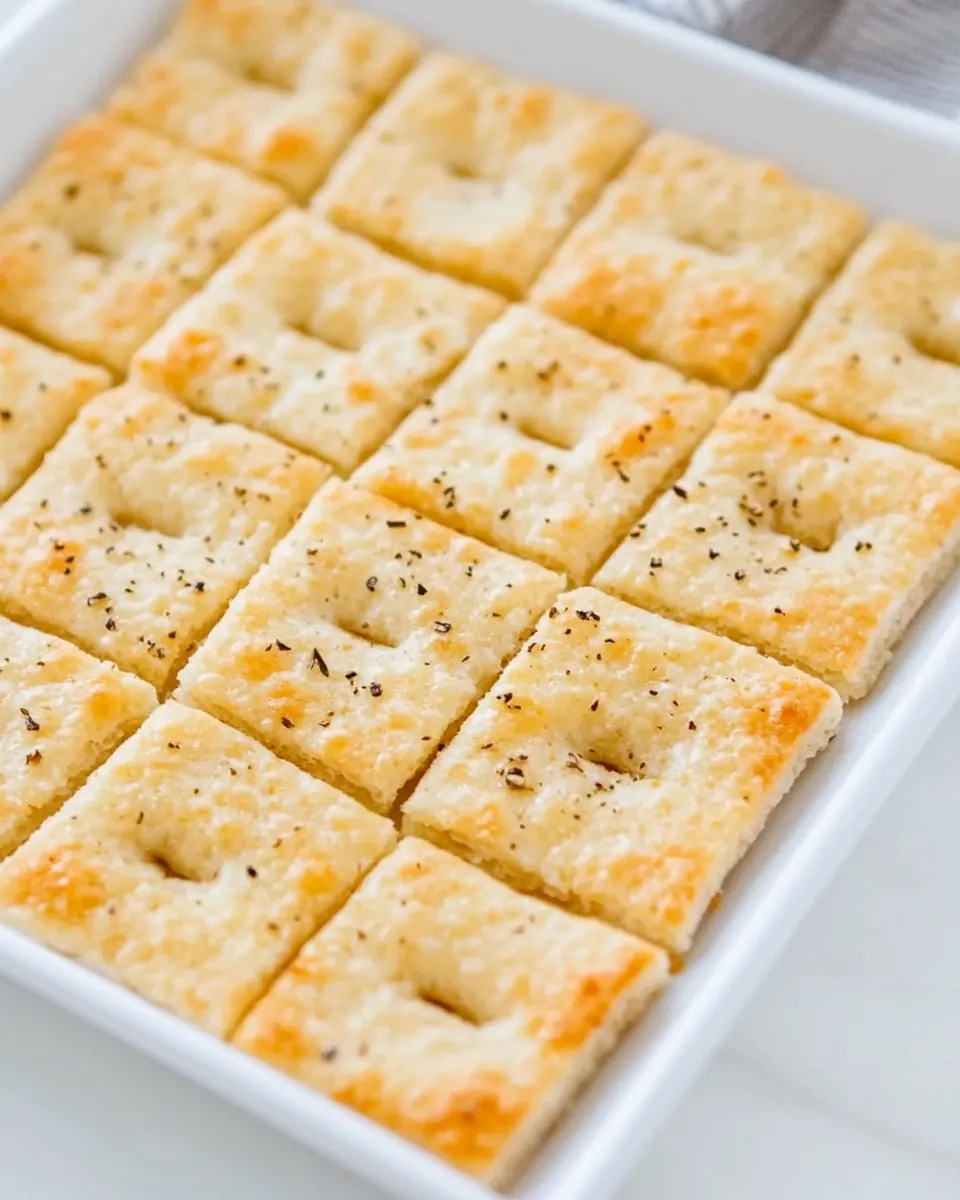
Sourdough Discard Crackers began as a little kitchen experiment one rainy afternoon when my jar of sourdough discard was threatening to take over the fridge. I wanted something crisp, simple, and a bit cheeky, a snack that turned waste into wonder. I rolled up my sleeves, pulled out a sheet of parchment, and set to work. The first batch left the house smelling savory and faintly tangy, and my partner declared them officially snackable in record time.
Every time I make these crackers, I remember that satisfying crackle when you break one in half, the tiny flecks of parmesan glinting like confetti, and the way the olive oil brings everything together. There is comfort in the ritual of rolling the dough paper thin, brushing with oil, and watching the edges brown until they sing with toasted aroma. These crackers have become my go to when I want something to nibble on while cooking, or when guests drop by unexpectedly.
Recipe Snapshot
25 mins
5 mins
20 mins
Easy
120 kcal
American
Gluten-Free, Low FODMAP
Appetizers
Oven, Baking sheet, Parchment paper, Rolling pin, Pizza cutter
The Charm of This Sourdough Discard Crackers
They rescue sourdough discard
I keep a jar of sourdough discard in the fridge like a little bakery insurance policy, and turning it into Sourdough Discard Crackers feels resourceful. Instead of tossing that tangy batter, you fold in a few pantry staples, and suddenly you have a crunchy snack. The transformation from slack batter to crisp cracker is oddly satisfying, and I love how this makes me feel thrifty and creative.
Textural contrast that sings
The texture is the real showstopper. Rolled paper thin, these crackers go from pliable to impossibly crisp as they bake, offering a delicate snap that pairs beautifully with soft cheeses or dips. The lightness comes from rolling technique and the dry flour dusting while the butter and olive oil give a tender bite. I always appreciate a snack that is both airy and sturdy enough to scoop hummus without crumbling.
Customizable flavor profile
With just a sprinkle of Italian seasoning or a dusting of grated parmesan, these crackers can fit many moods. I sometimes lean into more herbaceous notes for an afternoon nibble, and other times I go for a salty parmesan finish for an apéritif vibe. The recipe is forgiving, so you can make small adjustments and still get reliable results.
Fast and low fuss
What I adore about Sourdough Discard Crackers is how quickly they come together. From jar to oven takes minutes, and the baking window is short, so you get fresh crackers without a huge time investment. Whenever I need a last minute snack or a quick homemade gift, these crackers deliver, giving you crunch without a full baking project.
Perfect for sharing
These crackers scale up easily, so when friends pop in, I double or triple the batch. They travel well in an airtight tin, and the savory notes pair with a range of cheeses and spreads. I enjoy handing over a plate and watching people taste them for the first time, noting the tang from the discard and the golden brown edges.
Sourdough Discard Crackers Shopping List
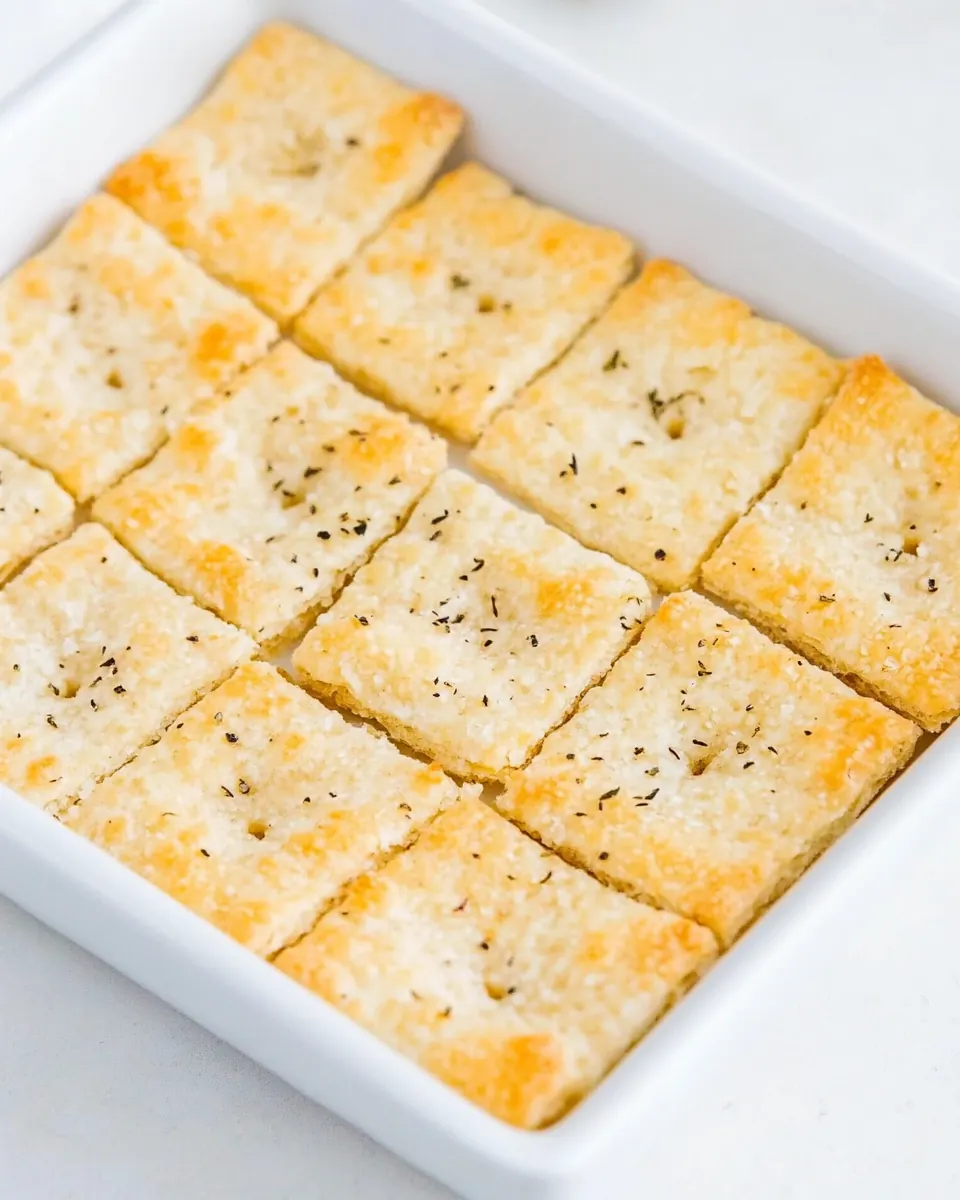
These ingredients are straightforward and pantry friendly. The philosophy here is minimalism for maximum effect. A few simple players take center stage and interact in predictable ways, producing that delicate snap and savory finish we crave. The discard gives tang and structure, butter adds richness, flour dries things out for crispness, and the finishing oils and seasonings elevate every bite.
- 1 cup (200 g) sourdough discard, unfed: Provide a tangy, fermented base that adds depth and a subtle sour note to the crackers; contributes moisture and structure while reducing the need for additional leavening. Use at room temperature so it incorporates evenly into the dough and helps create a tender, crisp texture after baking.
- 3 tablespoons butter, unsalted and melted: Add richness and tenderize the dough by coating flour proteins and inhibiting gluten formation, resulting in flakier crackers; melted form ensures easy mixing and even distribution. Use unsalted butter to control overall seasoning and adjust salt separately to taste.
- 1/4 teaspoons salt: Enhance overall flavor balance by bringing slight savory brightness and helping to season the dough; small amount prevents the crackers from tasting flat. Dissolve evenly into the mixture to ensure consistent seasoning throughout.
- 1 tablespoon all-purpose flour: Help bind dough and absorb excess moisture from the discard, contributing light structure and crispness without altering flavor significantly. Use measured amounts to avoid a dry or overly dense cracker while achieving the desired dough consistency.
- olive oil, for brushing: Provide a light coating to promote browning and crisp edges while preventing dough from drying; brushed sparingly it adds sheen and helps toppings adhere. Use a neutral extra-virgin or regular olive oil depending on desired flavor intensity.
- 1 2 teaspoons Italian seasoning: Impart a blend of dried herbs and aromatic notes that complement the sourdough tang and parmesan; sprinkle according to preference for herby complexity. Use a balanced mix to avoid overpowering the base flavors and to create an appealing aroma.
- 1 2 tablespoons grated parmesan: Deliver savory, nutty, umami-rich flavor and a hint of salty complexity that enhances overall taste; grated form melts slightly and creates small pockets of concentrated cheesiness. Use freshly grated parmesan for best texture and flavor impact on the crackers.
- 1/2 teaspoon flaked sea salt: Provide a final crunchy burst of saline that elevates flavor and contrasts the cracker’s crispness; sprinkle after brushing with oil so flakes adhere well. Use sparingly to avoid over-salting and to preserve the delicate balance of flavors.
Putting Together Sourdough Discard Crackers
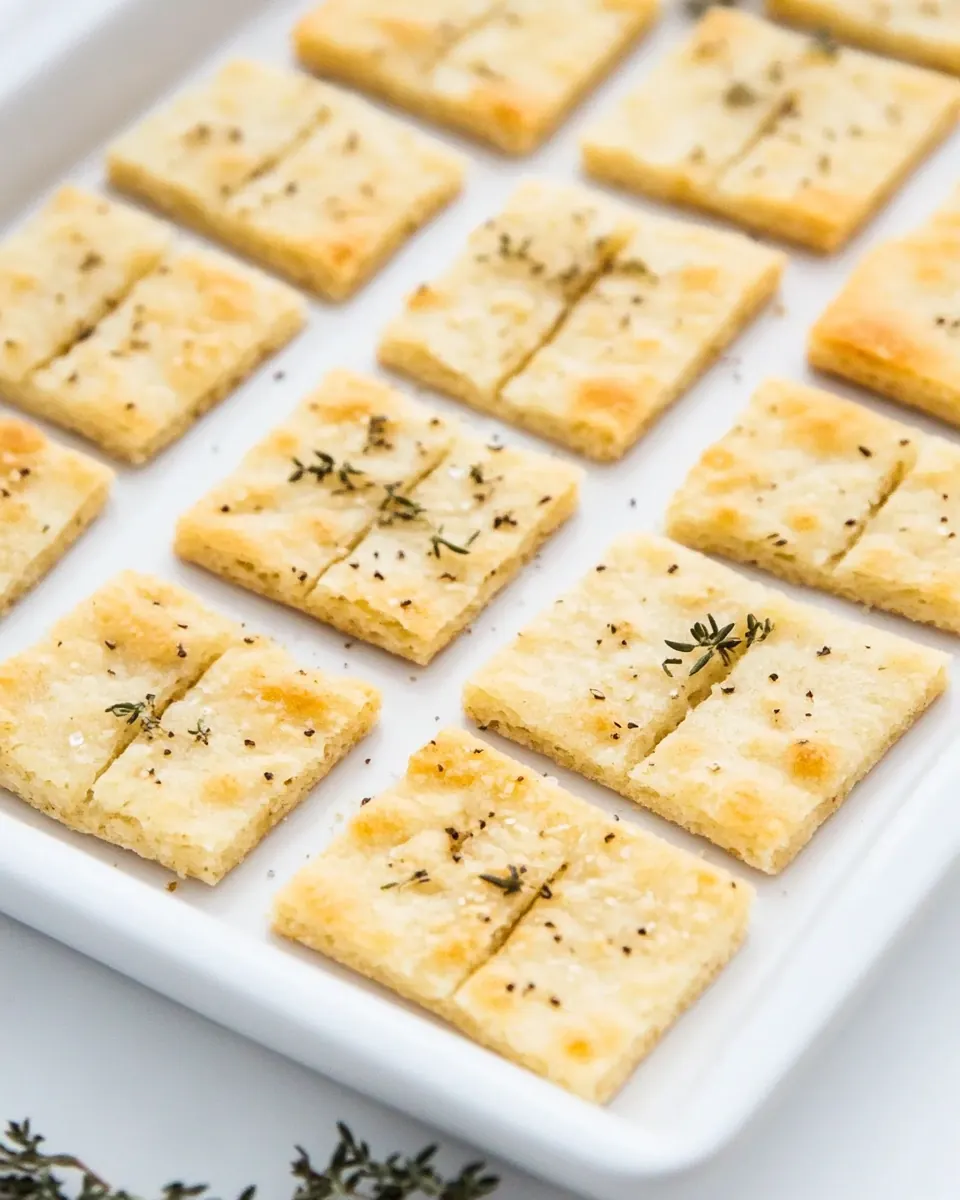
I like to keep the instruction phase conversational and encouraging, because rolling these crackers thin is part technique and part meditative kitchen therapy. Follow the steps in order, and pay attention to the sensory cues I describe so you know you are on track. Take your time when rolling and watch for even browning while baking.
- Preheat the oven to 350°F.: You will notice a warm wave of anticipation as the oven climbs to 350°F , and a faint toasty smell begins to develop. Getting the oven temperature stable matters for even browning, so allow the preheat cycle to complete before baking. If you slide the tray in too early the crackers may bake unevenly, with some areas underbaked. A common mistake is assuming the oven is hot enough before the indicator beeps, which can leave crackers limp.
- Mix together the 1 cup sourdough discard, 1 tablespoon flour, 3 tablespoons melted butter and 1/4 teaspoon salt until well combined.: As you stir, feel the tacky, elastic texture of the sourdough discard give way to a cohesive dough. You will see glints of melted butter disappear into the batter and a subtle sheen form on the surface. This melding creates a dough that can be handled, and it matters because uniform mixing ensures even flavor and consistent baking. If the mixture seems overly wet, resist adding extra flour beyond what is listed, instead use a light dusting during rolling. Overmixing can develop too much gluten, which makes the crackers tougher.
- Place the dough on a lightly floured sheet of parchment paper. Roll out the dough until it's very thin, about 1/16 inch.: When you press the rolling pin down, you should hear a soft whisper as the dough thins under your hands and the parchment slides smoothly. The right thinness is critical for a crisp snap, and at roughly 1/16 inch you should start to see faint translucence where the dough is thinnest. If it resists stretching, let it rest five minutes and try again, as the discard can relax and become more workable. A common pitfall is rushing and leaving the dough too thick, which yields soft, cracker like biscuits instead of shards of crispness.
- Transfer the parchment paper to a baking sheet. Sprinkle dough with Italian seasoning or parmesan cheese.: As you move the parchment, you will notice the dough settle into a flat, even plane, and the sheet will begin to look like the promise of crackers. Sprinkle Italian seasoning or parmesan in an even layer so each piece gets flavor, and gently press the toppings so they adhere to the oiled surface later. Even distribution matters because concentrated piles of cheese can burn and leave bitter notes. Avoid overloading one side, which can cause uneven browning and flavor pockets.
- Bake for 15 minutes and then pull out of the oven. Using a pizza cutter, cut the dough into squares. Return to oven and cook another 10-15 minutes, or until they are browned around the edges.: The first bake softens and sets the dough, and you will smell a warm, toasty aroma as the edges begin to firm. Pulling the tray at the fifteen minute mark gives you the perfect window to score the crackers cleanly with a pizza cutter , and the scoring creates guide lines for even pieces. Returning them to the oven crisps the edges, and you want to watch closely for golden patches appearing at the corners. Listen for a faint popping or crackle as moisture escapes. A common error is cutting too late, which can lead to cracked shapes rather than neat squares, and cutting too early can smear the toppings.
- Cool and serve.: As the crackers cool, they give off an inviting aroma of toasted butter and cheese, and you will hear that satisfying snap when you break one. Cooling is essential because residual heat continues to cook them a touch, and cooling on a rack prevents steam from softening the bottoms. If you try to bag them while they are still warm you risk condensation making them limp, which is the most frequent mistake here. Store cooled crackers in an airtight container to preserve that crisp texture.
Tips and Variations
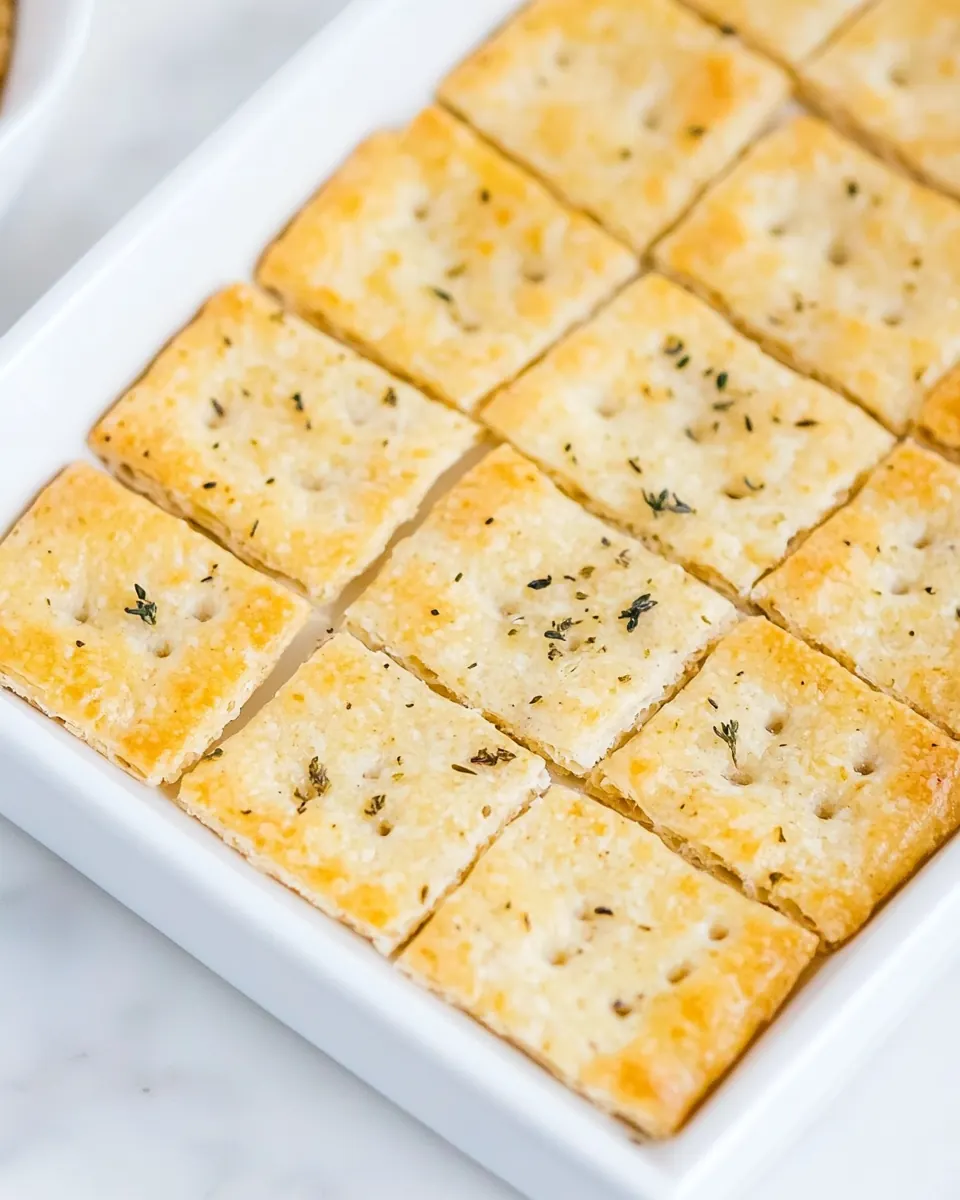
Small tweaks make these crackers sing, and with a little experimentation you can tailor them to many occasions. Below are practical tips and variations I use when making Sourdough Discard Crackers at home.
- Texture control: Roll the dough until it is nearly translucent for the crispest results, and if you want slightly chewier crackers, leave them a hair thicker.
- Flavor boost: Sprinkle freshly grated parmesan during the second stage of baking for concentrated pockets of umami without burning the cheese.
- Herb swap: If you do not have Italian seasoning, crumble a mix of dried oregano and basil to achieve a similar herbaceous note.
- Oil application: Use a light brush of olive oil to help toppings adhere and to encourage even browning, but avoid puddling which causes soggy spots.
- Storage tip: Once cooled, store the crackers in an airtight container at room temperature to maintain crispness for up to a week.
- Batch scaling: Double or triple the ingredients to make a large batch, and bake on multiple sheets in consecutive rounds for a party friendly supply.
Serving Options for Sourdough Discard Crackers
These crackers are versatile, and they can be a casual snack or part of a composed platter. Below are thoughtful serving approaches that cover occasions, pairings, and storage guidance to help you make the most of each batch.
- Cheese board companion: Arrange with soft cheeses like ricotta or spreadable goat cheese, placing crackers around to provide textural contrast and a savory vehicle for spreads.
- Everyday nibble: Keep a jar of crackers in the pantry for lunchtime nibbling, pairing them with sliced vegetables or a small bowl of olives to create a simple snack plate.
- Entertaining: For gatherings, present crackers on a large wooden board with bowls of hummus and tapenade, labeling each element for a polished touch that makes hosting easier.
- Seasonal pairing: During cooler months, serve with a warm dip like baked artichoke dip, and in warmer weather pair with chilled spreads and fresh herbs for a bright contrast.
- Storage and gifting: Store in an airtight container for up to one week, and for gifting, stack crackers in parchment lined tins tied with twine for a homemade edible present.
- Occasion ideas: Perfect for casual lunches, appetizer courses, picnic snacks, or as a thoughtful addition to a Ramadan iftar spread where savory nibbles are appreciated.
FAQ
Conclusion
These Sourdough Discard Crackers transform leftover starter into a crunchy, savory snack that is easy, flavorful, and surprisingly elegant. They are quick to assemble, bake to golden perfection, and offer a lovely contrast of tangy crumb and crisp texture. Give them a try the next time your discard jar grows, and enjoy turning what might be waste into something delicious and shareable. I hope these crackers become one of your favorite ways to use up discard and impress friends with something homemade and thoughtful.
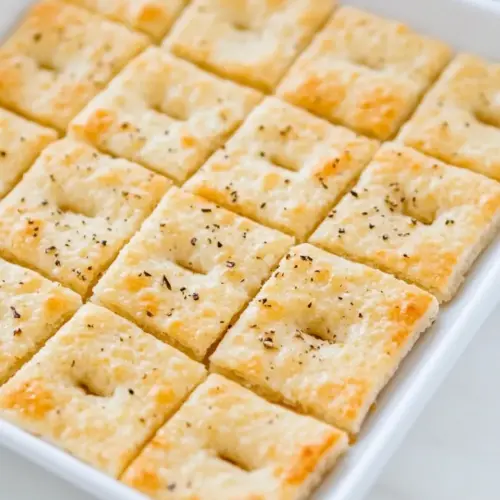
Sourdough Discard Crackers
Equipment
- Oven
- Baking Sheet
- Parchment Paper
- Rolling Pin
- Pizza Cutter
Ingredients
- 1 cup (200 g) sourdough discard, unfed Provide a tangy, fermented base that adds depth and a subtle sour note to the crackers; contributes moisture and structure while reducing the need for additional leavening. Use at room temperature so it incorporates evenly into the dough and helps create a tender, crisp texture after baking.
- 3 tablespoons butter, unsalted and melted Add richness and tenderize the dough by coating flour proteins and inhibiting gluten formation, resulting in flakier crackers; melted form ensures easy mixing and even distribution. Use unsalted butter to control overall seasoning and adjust salt separately to taste.
- 1/4 teaspoons salt Enhance overall flavor balance by bringing slight savory brightness and helping to season the dough; small amount prevents the crackers from tasting flat. Dissolve evenly into the mixture to ensure consistent seasoning throughout.
- 1 tablespoon all-purpose flour Help bind dough and absorb excess moisture from the discard, contributing light structure and crispness without altering flavor significantly. Use measured amounts to avoid a dry or overly dense cracker while achieving the desired dough consistency.
- olive oil, for brushing Provide a light coating to promote browning and crisp edges while preventing dough from drying; brushed sparingly it adds sheen and helps toppings adhere. Use a neutral extra-virgin or regular olive oil depending on desired flavor intensity.
- 1 -2 teaspoons Italian seasoning Impart a blend of dried herbs and aromatic notes that complement the sourdough tang and parmesan; sprinkle according to preference for herby complexity. Use a balanced mix to avoid overpowering the base flavors and to create an appealing aroma.
- 1 -2 tablespoons grated parmesan Deliver savory, nutty, umami-rich flavor and a hint of salty complexity that enhances overall taste; grated form melts slightly and creates small pockets of concentrated cheesiness. Use freshly grated parmesan for best texture and flavor impact on the crackers.
- 1/2 teaspoon flaked sea salt Provide a final crunchy burst of saline that elevates flavor and contrasts the cracker’s crispness; sprinkle after brushing with oil so flakes adhere well. Use sparingly to avoid over-salting and to preserve the delicate balance of flavors.
Instructions
- Preheat the oven to 350°F.: You will notice a warm wave of anticipation as the oven climbs to 350°F , and a faint toasty smell begins to develop. Getting the oven temperature stable matters for even browning, so allow the preheat cycle to complete before baking. If you slide the tray in too early the crackers may bake unevenly, with some areas underbaked. A common mistake is assuming the oven is hot enough before the indicator beeps, which can leave crackers limp.
- Mix together the 1 cup sourdough discard, 1 tablespoon flour, 3 tablespoons melted butter and 1/4 teaspoon salt until well combined.: As you stir, feel the tacky, elastic texture of the sourdough discard give way to a cohesive dough. You will see glints of melted butter disappear into the batter and a subtle sheen form on the surface. This melding creates a dough that can be handled, and it matters because uniform mixing ensures even flavor and consistent baking. If the mixture seems overly wet, resist adding extra flour beyond what is listed, instead use a light dusting during rolling. Overmixing can develop too much gluten, which makes the crackers tougher.
- Place the dough on a lightly floured sheet of parchment paper. Roll out the dough until it's very thin, about 1/16 inch.: When you press the rolling pin down, you should hear a soft whisper as the dough thins under your hands and the parchment slides smoothly. The right thinness is critical for a crisp snap, and at roughly 1/16 inch you should start to see faint translucence where the dough is thinnest. If it resists stretching, let it rest five minutes and try again, as the discard can relax and become more workable. A common pitfall is rushing and leaving the dough too thick, which yields soft, cracker like biscuits instead of shards of crispness.
- Transfer the parchment paper to a baking sheet. Sprinkle dough with Italian seasoning or parmesan cheese.: As you move the parchment, you will notice the dough settle into a flat, even plane, and the sheet will begin to look like the promise of crackers. Sprinkle Italian seasoning or parmesan in an even layer so each piece gets flavor, and gently press the toppings so they adhere to the oiled surface later. Even distribution matters because concentrated piles of cheese can burn and leave bitter notes. Avoid overloading one side, which can cause uneven browning and flavor pockets.
- Bake for 15 minutes and then pull out of the oven. Using a pizza cutter, cut the dough into squares. Return to oven and cook another 10-15 minutes, or until they are browned around the edges.: The first bake softens and sets the dough, and you will smell a warm, toasty aroma as the edges begin to firm. Pulling the tray at the fifteen minute mark gives you the perfect window to score the crackers cleanly with a pizza cutter , and the scoring creates guide lines for even pieces. Returning them to the oven crisps the edges, and you want to watch closely for golden patches appearing at the corners. Listen for a faint popping or crackle as moisture escapes. A common error is cutting too late, which can lead to cracked shapes rather than neat squares, and cutting too early can smear the toppings.
- Cool and serve.: As the crackers cool, they give off an inviting aroma of toasted butter and cheese, and you will hear that satisfying snap when you break one. Cooling is essential because residual heat continues to cook them a touch, and cooling on a rack prevents steam from softening the bottoms. If you try to bag them while they are still warm you risk condensation making them limp, which is the most frequent mistake here. Store cooled crackers in an airtight container to preserve that crisp texture.
Notes
- Texture control: Roll the dough until it is nearly translucent for the crispest results, and if you want slightly chewier crackers, leave them a hair thicker.
- Flavor boost: Sprinkle freshly grated parmesan during the second stage of baking for concentrated pockets of umami without burning the cheese.
- Herb swap: If you do not have Italian seasoning, crumble a mix of dried oregano and basil to achieve a similar herbaceous note.
- Oil application: Use a light brush of olive oil to help toppings adhere and to encourage even browning, but avoid puddling which causes soggy spots.
- Storage tip: Once cooled, store the crackers in an airtight container at room temperature to maintain crispness for up to a week.
- Batch scaling: Double or triple the ingredients to make a large batch, and bake on multiple sheets in consecutive rounds for a party friendly supply.