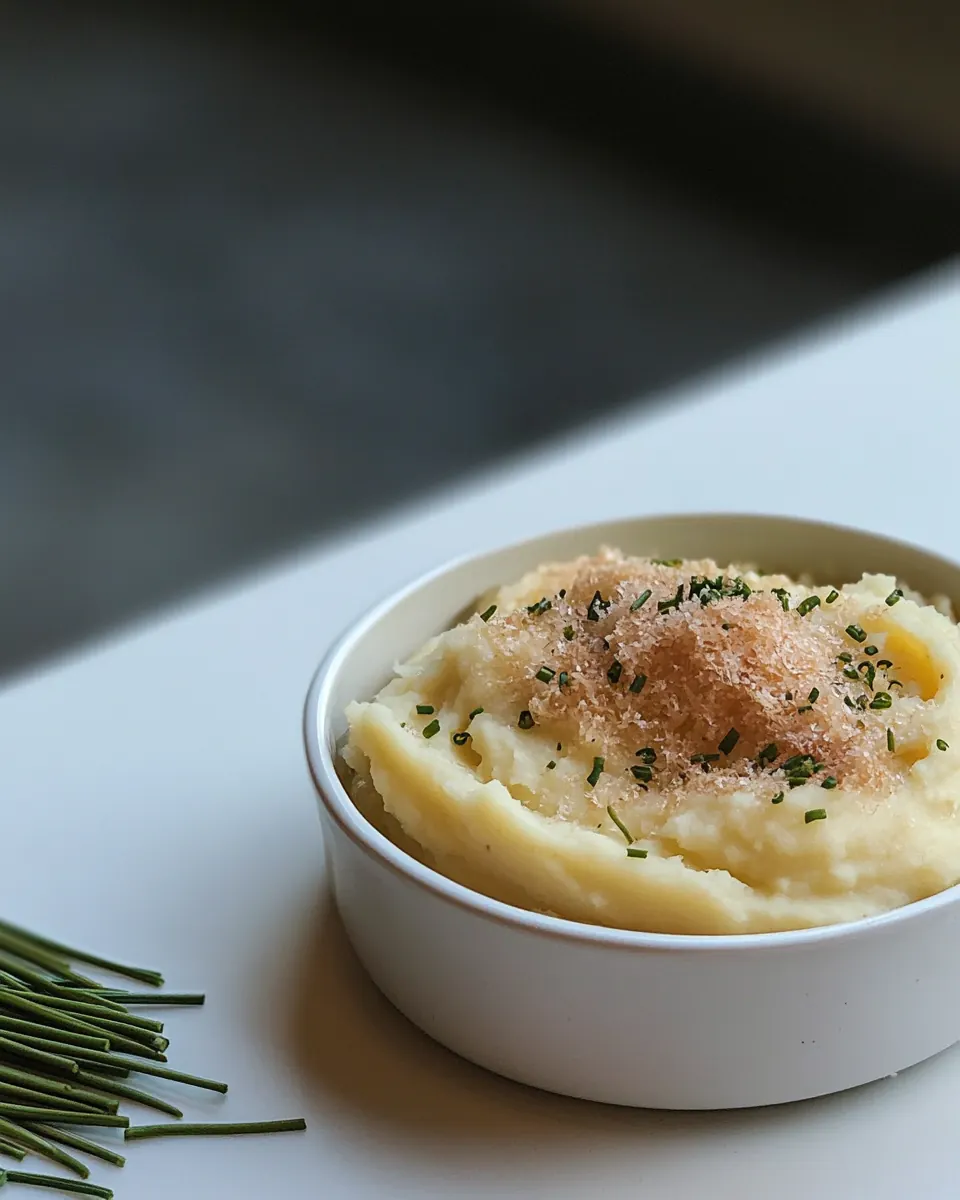
Smoked Gouda Creamy Mashed Potatoes
Smoked Gouda Creamy Mashed Potatoes became my go to side when I wanted something luxurious yet unfussy for weeknight dinners. The first time I made this I was aiming to elevate a simple meal into something that felt celebratory without fuss, and the combination of velvety texture and that smoky, cheesy note landed with everyone at the table. I find these potatoes especially comforting on cold evenings, when you want food that wraps around you like a warm blanket.
Years of tweaking have taught me to respect the rhythm of the process, from boiling the potatoes to coaxing the perfect brown butter. I love how the russet potatoes soften into a cloud when handled gently, and how the smoked gouda folds in to give a mellow, savory depth. Each component, even the tiny handful of chives, plays a deliberate role, and watching it come together has become a small ritual for me.
Recipe Snapshot
30 mins
10 mins
20 mins
Easy
250 kcal
American
Gluten-Free, Low FODMAP
Side Dishes
Pot, Colander, Potato ricer, Small saucepan, Wooden spoon
Why This Smoked Gouda Creamy Mashed Potatoes Hits Different
Comfort with a gourmet touch
I adore how Smoked Gouda Creamy Mashed Potatoes take an everyday ingredient like potatoes and give it a restaurant worthy finish. The smoked cheese adds a gentle smokiness that feels elevated but never overwrought, so you get comfort food with an elegant wink.
Texture that sings
Using a ricer creates an exceptionally smooth mouthfeel, and the addition of milk or half and half plus creme fraiche keeps the mash luxuriously creamy. I appreciate that the texture is plush but still holds shape, which matters when you spoon it next to a main.
Simple ingredients, big payoff
There are no obscure pantry items here, which is why I reach for this recipe often. With unsalted butter and a touch of pepper, the flavors are straightforward yet layered. This is the kind of recipe that rewards good ingredients without demanding them.
Versatile for many occasions
I’ll serve these for a cozy weeknight dinner, and I’ll also bring them to a holiday table when I want something familiar but special. The dish pairs beautifully with roasted proteins or a simple vegetable main, so it fits multiple menus and moods.
Finishing flourish matters
The brown butter drizzle and a scattering of chives make a dramatic difference. That warm nutty aroma from browned butter lifts the whole dish, and I always notice how guests comment on the extra depth even before they taste it.
Smoked Gouda Creamy Mashed Potatoes Shopping List
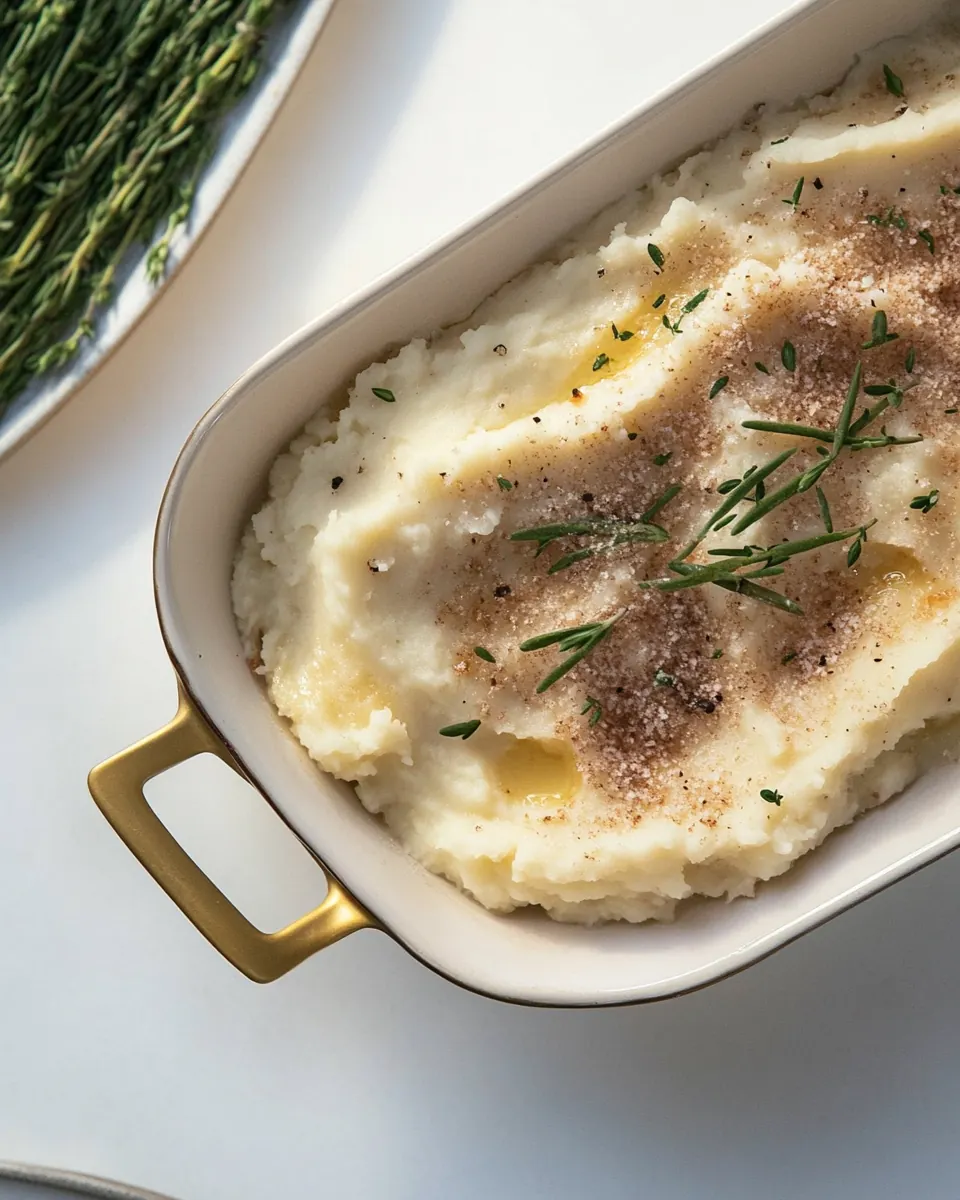
These components are chosen to create a balance of creaminess, savory depth, and subtle brightness. The stars are the russet potatoes for their fluffy texture, and the smoked gouda which brings a warm, mellow smokiness. The dairy elements, including creme fraiche or sour cream, and the milk or half and half, give silkiness while unsalted butter and chives add richness and freshness.
- 2 medium-sized russet potatoes, peeled and diced: Provide a starchy base that becomes fluffy when boiled and mashed; peeled and diced to ensure even cooking and smooth texture. Russet potatoes absorb butter and milk well, creating a creamy mouthfeel while holding structure to support the smoked cheese. Use medium size for consistent cooking time and to avoid excess moisture that can thin the mash.
- 1/2 cup finely grated Happy Farms Preferred Smoked Gouda: Add a smoky, nutty, and melty flavor that enriches the potatoes; finely grating helps it incorporate evenly for a silky, cohesive mash. Smoked Gouda contributes depth and a subtle smokiness that balances the richness of butter and creme fraiche. Keep it at room temperature before folding in to melt smoothly without overworking the potatoes.
- 2 tablespoons creme fraiche or Friendly Farm’s sour cream: Contribute tangy creaminess and slight acidity to brighten the rich potato and cheese flavors; substitute options provide similar texture and taste. Creme fraiche or sour cream adds silky richness and helps stabilize the mashed potatoes for a luscious finish. Fold in gently to maintain a light, airy consistency while adding a pleasant tang.
- 1/2 cup Friendly Farm’s milk or Countryside Creamery half and half: Supply creamy liquid to loosen the mash and create a smooth, velvety consistency; choosing milk or half and half adjusts the richness. Warmer milk blends more easily into hot potatoes and helps achieve the desired creaminess without cooling the dish. Use the choice of dairy to balance heaviness with a silky mouthfeel.
- 1 teaspoon freshly ground pepper: Season with a sharp, aromatic bite that enhances overall flavor without overwhelming the dish; freshly ground pepper offers brighter, more complex heat than pre-ground. Add gradually and taste to ensure it complements the smoked cheese and tangy creme fraiche. Pepper also provides subtle contrast to the dish's richness.
- 6 tablespoons Countryside Creamery unsalted butter, divided: Impart rich, buttery flavor and silky texture while melting into the mash; dividing allows some for cooking and some for finishing touch. Unsalted butter lets you control seasoning and prevents the dish from becoming too salty when combined with cheese. Use softened butter for easy incorporation and glossy mouthfeel.
- 2 tablespoons chives: Provide a fresh, mild onion-like finish and vibrant color contrast when finely chopped; chives add delicate herbal notes without overpowering. Sprinkle or fold in at the end to preserve their brightness and subtle crunch. Chives brighten the rich, smoky, and creamy components of the mashed potatoes.
Instructions for Smoked Gouda Creamy Mashed Potatoes
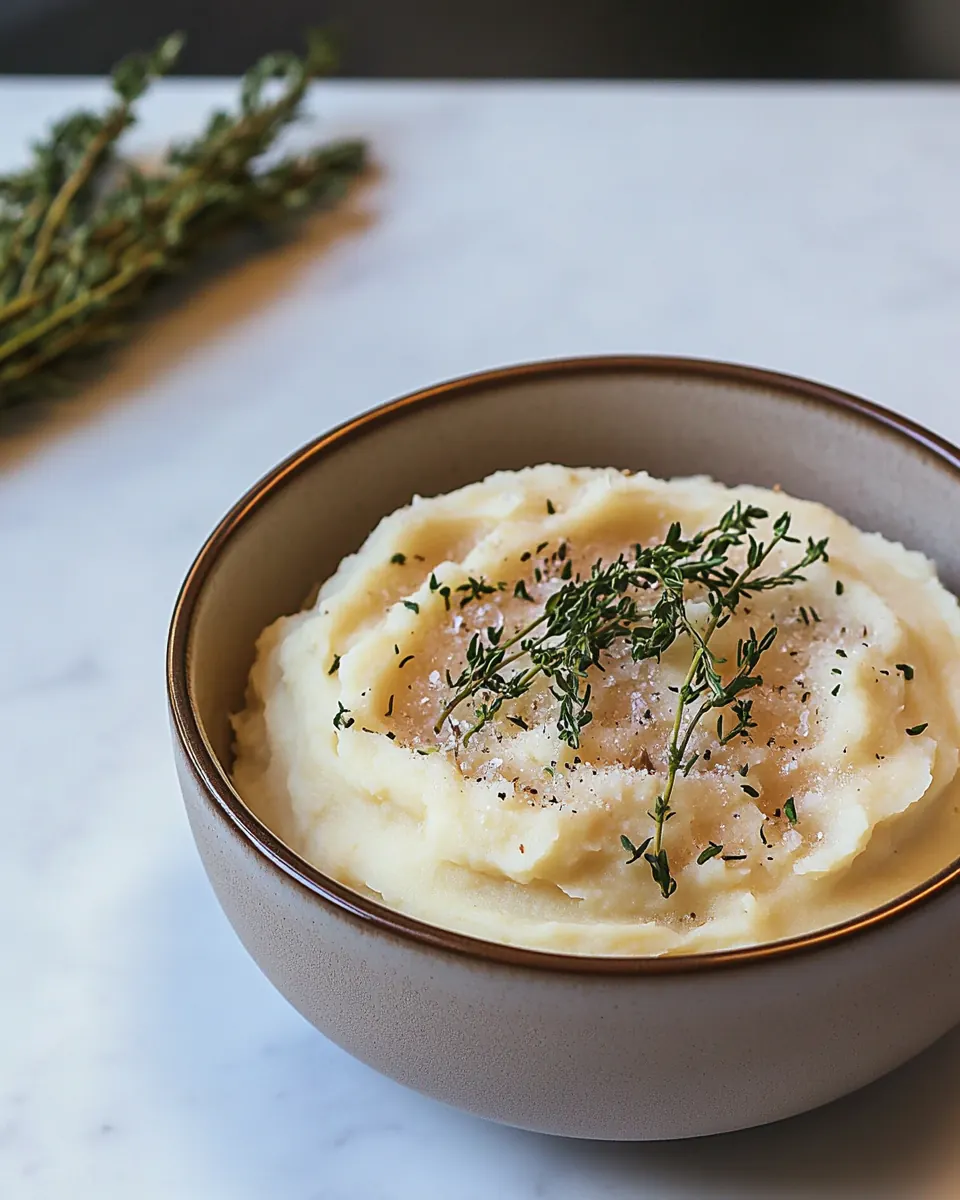
These instructions guide you through building flavor step by step, with attention to texture and timing. I’ll walk you through sensory cues so you know when each phase is complete, and I’ll flag common missteps to avoid so your final mash comes out silky and deeply flavored.
- In a medium pot filled with boiling water, add the diced potato. Cook until very tender, about 15 to 20 minutes.: You will hear the water return to a gentle rolling simmer after adding the potatoes , and the surface will sparkle with steady movement. After about 15 to 20 minutes the pieces should be tender enough that a fork slides through with no resistance, which signals they have surrendered their structure and are ready for ricing. This tenderness is crucial to avoid grainy lumps once mashed. A frequent mistake is undercooking, which leaves firm cores and a chunky texture; if you find resistance, keep simmering and test every few minutes. Drain promptly to stop cooking, because overcooking can waterlog the starch and make the mash gluey.
- Drain the potatoes and let them stand and air dry for a bit in a colander, about 5 minutes. Using a potato ricer, run the potatoes, a few scoops at a time, through the ricer and back into the pot. Repeat until you’ve worked your way through all of the potatoes.: The potatoes will steam in the colander and the surface will appear matte rather than glossy, indicating excess water has evaporated. That slight drying step prevents excess moisture from thinning the mash, which helps the final texture stay plush and fluffy. You will notice a subtle steam aroma as the water escapes, and this pause also cools them enough to handle during ricing. Avoid rushing into ricing while they are waterlogged, as that will produce a watery, gummy result rather than a light mash.
- Turn the flame up to medium low. Add the smoked gouda, creme fraiche or sour cream, milk or half and half, freshly ground pepper and two tablespoons butter, along with a few pinches of salt. Give it a stir and allow to warm through, about 1 to 2 minutes. Stir until everything is incorporated. Give it a taste and adjust for salt. Turn the heat to low and cover with a lid so it can stay warm while you make the browned butter.: As you press the potatoes through the ricer, you will see a soft, snowy mass fall into the pot, creating an even bed of fine strands. This method minimizes overworking, preserving a delicate, airy structure that a masher can sometimes compress into a dense paste. Work in small batches to keep the ricer from clogging and to maintain uniform texture. If you press too forcefully or try to rice large chunks, the ricer can jam and yield uneven pieces, so clean it between batches if necessary. The visual cue is a light, fluffy pile with no large lumps present.
- In a small saucepan, set over medium heat, add the butter and swirl until melted. The butter will go from all foamy to having little speckles of brown bits. Continue to stir until it’s mostly brown. Immediately remove from the heat and set aside.: You should feel a gentle warmth coming from the pot and see small wisps of steam as you add ingredients. Warming the base gently before adding the dairy helps the smoked gouda melt smoothly without seizing, and it keeps the mash at a serving temperature. A common error is overheating, which can break the texture or cause dairy to separate; keep it at medium low so the mixture warms through gradually and integrates.
- Serve the potatoes with a drizzle of brown butter on top and a sprinkling of fresh chives: When these ingredients hit the warm potatoes, you will notice a soft sigh as the cheese melts and ribbons into the mash, releasing a toasty, smoky aroma. Stir with a wooden spoon or spatula to coax the dairy into a silky emulsion, watching for glossy sheen which indicates proper incorporation. Taste early and adjust salt and pepper because cheeses often carry salt that shifts the balance. The misstep to avoid here is adding cold dairy straight from the fridge which can cool the mash too much and make the cheese clump; temper dairy slightly by leaving it at room temperature for a short time if possible.
- Give it a stir and allow to warm through, about 1 to 2 minutes: During this short interval you will hear faint bubbling and see the mixture become uniformly smoother. That 1 to 2 minute window is about coaxing everything to meld, not cooking further, so resist the urge to boil. The visual cue is a cohesive, creamy surface with occasional steam, and the smell will blossom as cheese and butter perfume the air. Overcooking at this stage can thicken the mash irreversibly and dull the fresh notes of creme fraiche , so keep the heat moderate.
- Stir until everything is incorporated: As you stir, the mash should move like soft silk, with the smoked gouda fully dissolved into gentle rivulets of flavor. This tactile moment tells you the emulsion has formed correctly, which is why stirring technique matters; gentle folding preserves air while distributing the dairy evenly. A common issue is aggressive mixing, which knocks out air and yields a denser texture, so use smooth, decisive strokes. If you encounter small pockets of unmelted cheese, keep the pot on low and stir until they vanish.
- Give it a taste and adjust for salt: Place a small spoonful on your palate to evaluate seasoning and heat balance; the smoked gouda may already add salt, so add only modestly. Look for a balance of creamy, savory, and a whisper of tang from the creme fraiche . If it tastes flat, a tiny pinch of salt will lift the flavors; if it feels too salty, a splash more milk can soften the intensity. Common mistakes include over salting early on, so season gradually and taste between adjustments.
- Turn the heat to low and cover with a lid so it can stay warm while you make the browned butter: The covered pot will trap gentle steam and keep the temperature even without continuing to cook aggressively. The goal is to maintain warmth rather than to finish cooking, preserving the smooth texture you just achieved. Avoid leaving it uncovered where the surface can form a skin or dry out; a snug lid keeps the mash invitingly moist.
- In a small saucepan, set over medium heat, add the butter and swirl until melted: As the unsalted butter melts it will foam and then settle, releasing a rich, dairy perfume. Swirling helps distribute heat evenly so the milk solids brown uniformly rather than burning. Listen for a gentle sizzle and watch for foam subsiding, which signals progression. A common pitfall is walking away and letting the butter go too dark or scorch, which imparts a bitter taste; stay attentive and keep the pan moving.
- The butter will go from all foamy to having little speckles of brown bits: You will smell a toasty, nutty note as the milk solids caramelize; the color shifts from pale gold to a warm amber. This stage happens quickly, so be ready to remove the pan from heat when you see small brown flecks and the aroma turns pleasantly nutty. If you wait too long it can tip into burnt territory, producing an acrid flavor, so transfer immediately when you reach the amber stage.
- Continue to stir until it’s mostly brown: The sizzling quiets and the butter looks translucent with tiny brown flecks, and that is your cue to stop. Remove from heat to prevent residual cooking from taking it too far. That deepened butter flavor is why this finishing touch works so well, imparting complexity without extra salt. Avoid simmering aggressively at high heat which can accelerate burning and spoil the delicate nutty notes.
- Immediately remove from the heat and set aside: Placing the pan off the burner arrests the browning process, preserving the ideal amber tone and aroma. You will see the butter settle and a glossy film will remain, which you will later drizzle over the mash for a finishing contrast of warm nuttiness. A mistake to avoid is letting it cool too long before serving, because the butter can congeal and lose that fluid sheen that makes the dish look and taste elevated.
- Serve the potatoes with a drizzle of brown butter on top and a sprinkling of fresh chives: The final presentation offers visual contrast the way the amber butter gleams and the green chives pop. As you drizzle, you will smell the toasted butter melding with the smoky cheese, and the first bite should marry creamy texture with nutty finish and a hint of freshness from the chives . Plate immediately, because the warmth of the butter and the steam from the mash are part of the experience. A common oversight is prepping far in advance then serving lukewarm, which diminishes the aroma; serve while piping hot for best impact.
Tips and Variations
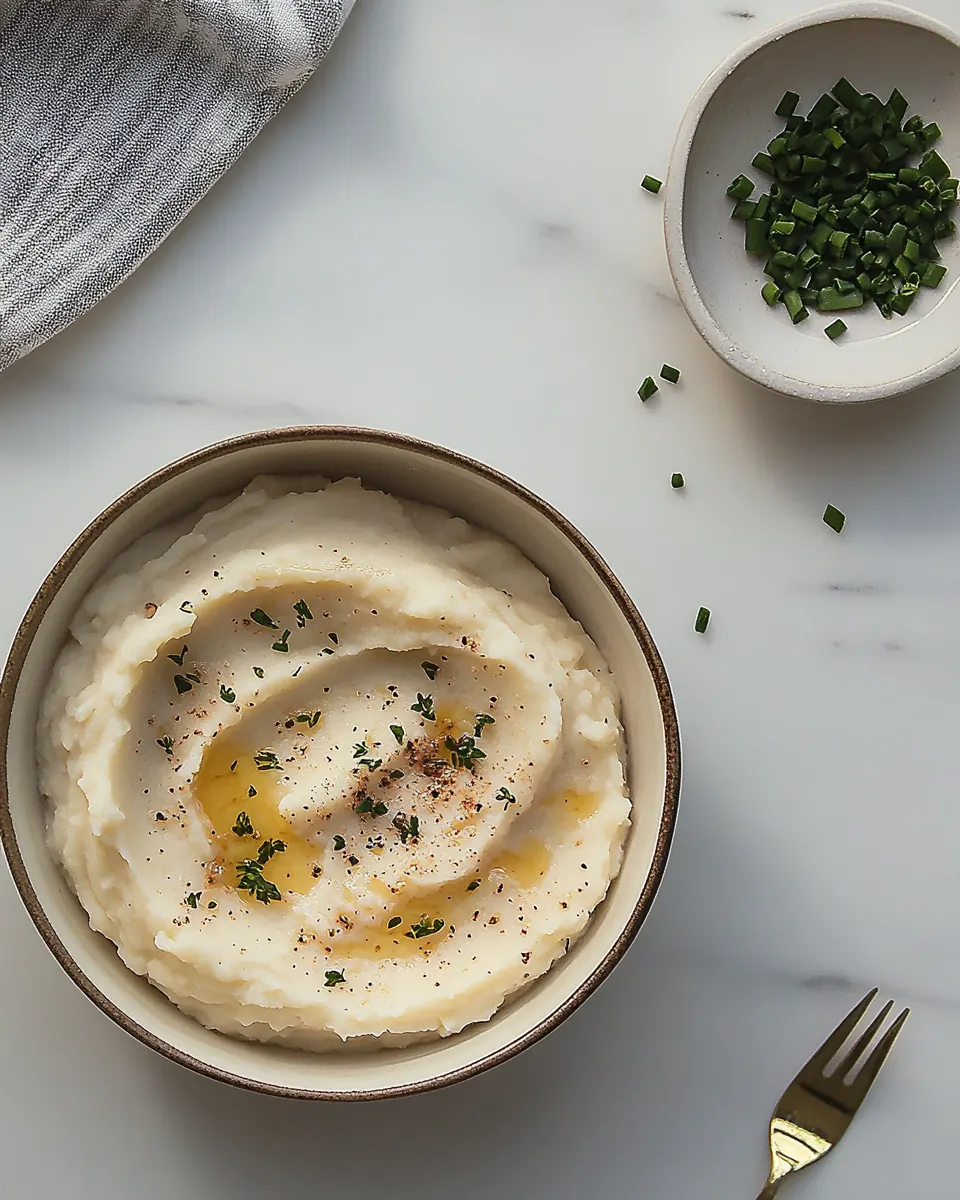
This section collects thoughtful ways to adapt and perfect the recipe, whether you are feeding a crowd or dialing textures. Each tip starts with a bold phrase to highlight the main idea, followed by practical detail to help you make the best possible mash.
- Choose the right potato Choose starchy russet potatoes to achieve a light, fluffy texture; waxy varieties will yield a denser, gluey result and are best avoided for this preparation.
- Grate the cheese finely Finely grated smoked gouda melts more quickly and integrates evenly into the warm potatoes, preventing stringy pockets of cheese in the mash.
- Temper cold dairy If your creme fraiche or milk is very cold, warm it slightly before adding so the temperature of the mash stays steady and dairy blends smoothly.
- Brown butter last Make the brown butter just before serving to retain its glossy texture and nutty aroma, which provides a layered finish that feels luxurious.
- Adjust salt mindfully Because the smoked gouda can be salty, add only small increments of salt and taste after each addition to avoid over seasoning.
- Chives for brightness Scatter fresh chives at the end for a fresh herbal contrast; add them too early and they will wilt and lose their crispness.
What to Serve Alongside Smoked Gouda Creamy Mashed Potatoes
The rich, smoky creaminess of these mashed potatoes pairs well with a range of mains and occasions. Below are thoughtful serving suggestions, storage tips, and pairing ideas so you can plan an entire meal around this comforting side.
- Roast or grilled proteins These potatoes complement roasted beef or grilled chicken beautifully, their creamy texture balancing charred surfaces and bold seasonings.
- Vegetable mains Pair with roasted root vegetables or a pan seared green vegetable for a dinner that feels refined yet homey, suitable for family meals or more formal dinners.
- Holiday menus Serve these on a holiday table as a cozy, indulgent side; their comforting profile makes them ideal for winter gatherings and festive dinners.
- Weeknight dinners For an easy weeknight approach, plate a modest portion alongside a simply seasoned protein and a green salad for a balanced plate in minutes.
- Storage and reheating Store leftovers in an airtight container for up to three days; reheat gently over low heat with a splash of milk to restore creaminess, stirring occasionally to re emulsify.
- Seasonal pairing In colder months these potatoes feel particularly appropriate, offering hearty texture and warm flavors that match winter produce and richer mains.
FAQ
Conclusion
Smoked Gouda Creamy Mashed Potatoes stand out because they combine the familiar comfort of mashed potatoes with the smoky depth of grated cheese and the nutty flourish of brown butter. This recipe is approachable, yet it reads like a special occasion side due to the layers of texture and flavor. Give it a try when you want a reliable dish that feels elevated but remains simple to execute. I hope you find the process satisfying and that this becomes one of those dishes you reach for whenever you want to make dinner feel a little more memorable.
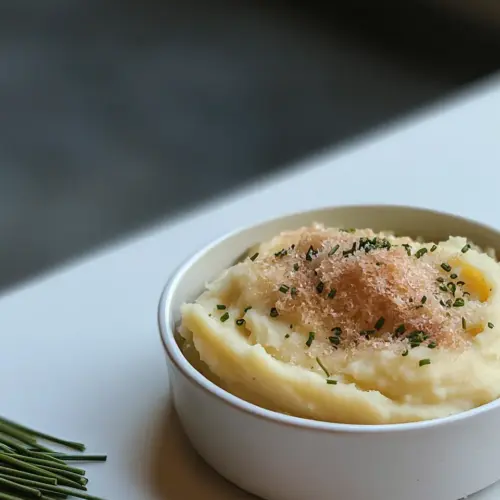
Smoked Gouda Creamy Mashed Potatoes
Equipment
- Pot
- Colander
- Potato ricer
- Small Saucepan
- Wooden Spoon
Ingredients
- 2 medium-sized russet potatoes, peeled and diced Provide a starchy base that becomes fluffy when boiled and mashed; peeled and diced to ensure even cooking and smooth texture. Russet potatoes absorb butter and milk well, creating a creamy mouthfeel while holding structure to support the smoked cheese. Use medium size for consistent cooking time and to avoid excess moisture that can thin the mash.
- 1/2 cup finely grated Happy Farms Preferred Smoked Gouda Add a smoky, nutty, and melty flavor that enriches the potatoes; finely grating helps it incorporate evenly for a silky, cohesive mash. Smoked Gouda contributes depth and a subtle smokiness that balances the richness of butter and creme fraiche. Keep it at room temperature before folding in to melt smoothly without overworking the potatoes.
- 2 tablespoons creme fraiche or Friendly Farm’s sour cream Contribute tangy creaminess and slight acidity to brighten the rich potato and cheese flavors; substitute options provide similar texture and taste. Creme fraiche or sour cream adds silky richness and helps stabilize the mashed potatoes for a luscious finish. Fold in gently to maintain a light, airy consistency while adding a pleasant tang.
- 1/2 cup Friendly Farm’s milk or Countryside Creamery half and half Supply creamy liquid to loosen the mash and create a smooth, velvety consistency; choosing milk or half and half adjusts the richness. Warmer milk blends more easily into hot potatoes and helps achieve the desired creaminess without cooling the dish. Use the choice of dairy to balance heaviness with a silky mouthfeel.
- 1 teaspoon freshly ground pepper Season with a sharp, aromatic bite that enhances overall flavor without overwhelming the dish; freshly ground pepper offers brighter, more complex heat than pre-ground. Add gradually and taste to ensure it complements the smoked cheese and tangy creme fraiche. Pepper also provides subtle contrast to the dish's richness.
- 6 tablespoons Countryside Creamery unsalted butter, divided Impart rich, buttery flavor and silky texture while melting into the mash; dividing allows some for cooking and some for finishing touch. Unsalted butter lets you control seasoning and prevents the dish from becoming too salty when combined with cheese. Use softened butter for easy incorporation and glossy mouthfeel.
- 2 tablespoons chives Provide a fresh, mild onion-like finish and vibrant color contrast when finely chopped; chives add delicate herbal notes without overpowering. Sprinkle or fold in at the end to preserve their brightness and subtle crunch. Chives brighten the rich, smoky, and creamy components of the mashed potatoes.
Instructions
- In a medium pot filled with boiling water, add the diced potato. Cook until very tender, about 15 to 20 minutes.: You will hear the water return to a gentle rolling simmer after adding the potatoes , and the surface will sparkle with steady movement. After about 15 to 20 minutes the pieces should be tender enough that a fork slides through with no resistance, which signals they have surrendered their structure and are ready for ricing. This tenderness is crucial to avoid grainy lumps once mashed. A frequent mistake is undercooking, which leaves firm cores and a chunky texture; if you find resistance, keep simmering and test every few minutes. Drain promptly to stop cooking, because overcooking can waterlog the starch and make the mash gluey.
- Drain the potatoes and let them stand and air dry for a bit in a colander, about 5 minutes. Using a potato ricer, run the potatoes, a few scoops at a time, through the ricer and back into the pot. Repeat until you’ve worked your way through all of the potatoes.: The potatoes will steam in the colander and the surface will appear matte rather than glossy, indicating excess water has evaporated. That slight drying step prevents excess moisture from thinning the mash, which helps the final texture stay plush and fluffy. You will notice a subtle steam aroma as the water escapes, and this pause also cools them enough to handle during ricing. Avoid rushing into ricing while they are waterlogged, as that will produce a watery, gummy result rather than a light mash.
- Turn the flame up to medium low. Add the smoked gouda, creme fraiche or sour cream, milk or half and half, freshly ground pepper and two tablespoons butter, along with a few pinches of salt. Give it a stir and allow to warm through, about 1 to 2 minutes. Stir until everything is incorporated. Give it a taste and adjust for salt. Turn the heat to low and cover with a lid so it can stay warm while you make the browned butter.: As you press the potatoes through the ricer, you will see a soft, snowy mass fall into the pot, creating an even bed of fine strands. This method minimizes overworking, preserving a delicate, airy structure that a masher can sometimes compress into a dense paste. Work in small batches to keep the ricer from clogging and to maintain uniform texture. If you press too forcefully or try to rice large chunks, the ricer can jam and yield uneven pieces, so clean it between batches if necessary. The visual cue is a light, fluffy pile with no large lumps present.
- In a small saucepan, set over medium heat, add the butter and swirl until melted. The butter will go from all foamy to having little speckles of brown bits. Continue to stir until it’s mostly brown. Immediately remove from the heat and set aside.: You should feel a gentle warmth coming from the pot and see small wisps of steam as you add ingredients. Warming the base gently before adding the dairy helps the smoked gouda melt smoothly without seizing, and it keeps the mash at a serving temperature. A common error is overheating, which can break the texture or cause dairy to separate; keep it at medium low so the mixture warms through gradually and integrates.
- Serve the potatoes with a drizzle of brown butter on top and a sprinkling of fresh chives: When these ingredients hit the warm potatoes, you will notice a soft sigh as the cheese melts and ribbons into the mash, releasing a toasty, smoky aroma. Stir with a wooden spoon or spatula to coax the dairy into a silky emulsion, watching for glossy sheen which indicates proper incorporation. Taste early and adjust salt and pepper because cheeses often carry salt that shifts the balance. The misstep to avoid here is adding cold dairy straight from the fridge which can cool the mash too much and make the cheese clump; temper dairy slightly by leaving it at room temperature for a short time if possible.
- Give it a stir and allow to warm through, about 1 to 2 minutes: During this short interval you will hear faint bubbling and see the mixture become uniformly smoother. That 1 to 2 minute window is about coaxing everything to meld, not cooking further, so resist the urge to boil. The visual cue is a cohesive, creamy surface with occasional steam, and the smell will blossom as cheese and butter perfume the air. Overcooking at this stage can thicken the mash irreversibly and dull the fresh notes of creme fraiche , so keep the heat moderate.
- Stir until everything is incorporated: As you stir, the mash should move like soft silk, with the smoked gouda fully dissolved into gentle rivulets of flavor. This tactile moment tells you the emulsion has formed correctly, which is why stirring technique matters; gentle folding preserves air while distributing the dairy evenly. A common issue is aggressive mixing, which knocks out air and yields a denser texture, so use smooth, decisive strokes. If you encounter small pockets of unmelted cheese, keep the pot on low and stir until they vanish.
- Give it a taste and adjust for salt: Place a small spoonful on your palate to evaluate seasoning and heat balance; the smoked gouda may already add salt, so add only modestly. Look for a balance of creamy, savory, and a whisper of tang from the creme fraiche . If it tastes flat, a tiny pinch of salt will lift the flavors; if it feels too salty, a splash more milk can soften the intensity. Common mistakes include over salting early on, so season gradually and taste between adjustments.
- Turn the heat to low and cover with a lid so it can stay warm while you make the browned butter: The covered pot will trap gentle steam and keep the temperature even without continuing to cook aggressively. The goal is to maintain warmth rather than to finish cooking, preserving the smooth texture you just achieved. Avoid leaving it uncovered where the surface can form a skin or dry out; a snug lid keeps the mash invitingly moist.
- In a small saucepan, set over medium heat, add the butter and swirl until melted: As the unsalted butter melts it will foam and then settle, releasing a rich, dairy perfume. Swirling helps distribute heat evenly so the milk solids brown uniformly rather than burning. Listen for a gentle sizzle and watch for foam subsiding, which signals progression. A common pitfall is walking away and letting the butter go too dark or scorch, which imparts a bitter taste; stay attentive and keep the pan moving.
- The butter will go from all foamy to having little speckles of brown bits: You will smell a toasty, nutty note as the milk solids caramelize; the color shifts from pale gold to a warm amber. This stage happens quickly, so be ready to remove the pan from heat when you see small brown flecks and the aroma turns pleasantly nutty. If you wait too long it can tip into burnt territory, producing an acrid flavor, so transfer immediately when you reach the amber stage.
- Continue to stir until it’s mostly brown: The sizzling quiets and the butter looks translucent with tiny brown flecks, and that is your cue to stop. Remove from heat to prevent residual cooking from taking it too far. That deepened butter flavor is why this finishing touch works so well, imparting complexity without extra salt. Avoid simmering aggressively at high heat which can accelerate burning and spoil the delicate nutty notes.
- Immediately remove from the heat and set aside: Placing the pan off the burner arrests the browning process, preserving the ideal amber tone and aroma. You will see the butter settle and a glossy film will remain, which you will later drizzle over the mash for a finishing contrast of warm nuttiness. A mistake to avoid is letting it cool too long before serving, because the butter can congeal and lose that fluid sheen that makes the dish look and taste elevated.
- Serve the potatoes with a drizzle of brown butter on top and a sprinkling of fresh chives: The final presentation offers visual contrast the way the amber butter gleams and the green chives pop. As you drizzle, you will smell the toasted butter melding with the smoky cheese, and the first bite should marry creamy texture with nutty finish and a hint of freshness from the chives . Plate immediately, because the warmth of the butter and the steam from the mash are part of the experience. A common oversight is prepping far in advance then serving lukewarm, which diminishes the aroma; serve while piping hot for best impact.
Notes
- Choose the right potato Choose starchy russet potatoes to achieve a light, fluffy texture; waxy varieties will yield a denser, gluey result and are best avoided for this preparation.
- Grate the cheese finely Finely grated smoked gouda melts more quickly and integrates evenly into the warm potatoes, preventing stringy pockets of cheese in the mash.
- Temper cold dairy If your creme fraiche or milk is very cold, warm it slightly before adding so the temperature of the mash stays steady and dairy blends smoothly.
- Brown butter last Make the brown butter just before serving to retain its glossy texture and nutty aroma, which provides a layered finish that feels luxurious.
- Adjust salt mindfully Because the smoked gouda can be salty, add only small increments of salt and taste after each addition to avoid over seasoning.
- Chives for brightness Scatter fresh chives at the end for a fresh herbal contrast; add them too early and they will wilt and lose their crispness.