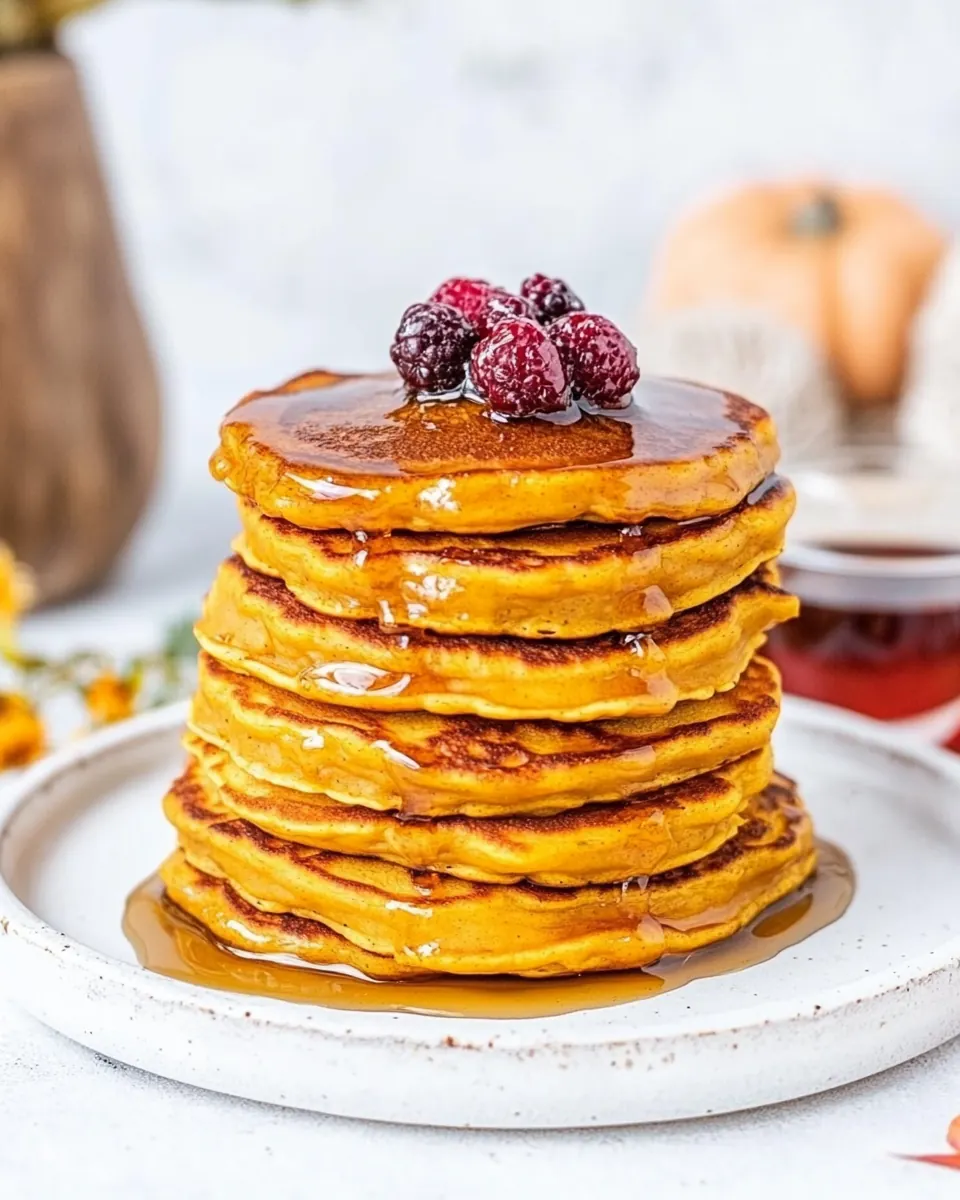
Pumpkin Pancakes
Pumpkin Pancakes have been my cozy weekend ritual since the first cool morning I tried adding canned pumpkin to a simple batter. The first bite felt like a warm sweater for my mouth, the cinnamon and nutmeg singing together while the texture remained tender and slightly fluffy. I remember serving them to friends who assumed they were from a fancy brunch spot, and they kept asking for the recipe between mouthfuls.
One chilly October, I flipped a stack while listening to rain on the windowsill, and that slow, homey morning sealed my love for this batter. Over the years I tweaked the balance so the pancakes stay light, never gummy, and the pumpkin never overwhelms the other flavors. Now when I make Pumpkin Pancakes, I think about comforting breakfasts, quick treats after a morning run, and the little ritual of mixing wet and dry bowls while the house warms up.
Recipe Snapshot
20 mins
10 mins
10 mins
Easy
250 kcal
American
Gluten-Free, Low FODMAP
Breakfast
Griddle, Large bowl, Medium bowl, Ladle, Whisk
What Sets This Pumpkin Pancakes Apart
Seasonal Comfort
I adore how Pumpkin Pancakes capture the essence of fall without being fussy. The aroma of cinnamon and nutmeg right off the griddle makes a kitchen feel festive, and I often reach for them when I want an instant cozy moment.
Simple Pantry Staples
These pancakes rely on pantry-friendly items like all purpose flour, canned pumpkin, and basic leaveners, so I can pull them together even when the grocery run is overdue. That makes them perfect for spur of the moment breakfasts and relaxed weekends.
Flexible and Forgiving
I love that the batter is forgiving. If your milk is a little less, or you whisk a touch more aggressively, the end result still becomes pillowy pancakes. That forgiving nature gives me confidence to improvise when I am short on time or ingredients.
Balanced Flavor Profile
The spices in these Pumpkin Pancakes are there to support, not to dominate. The subtle warmth of ginger and cloves plays nicely with the pumpkin and brown sugar, and when served hot they make every bite layered and interesting.
Make Ahead and Store Friendly
Because these pancakes freeze well and reheat easily, I often make a big batch and stash extras for busy mornings. That practical advantage means I can enjoy a special breakfast without the extra morning fuss.
Ingredients You’ll Need for Pumpkin Pancakes
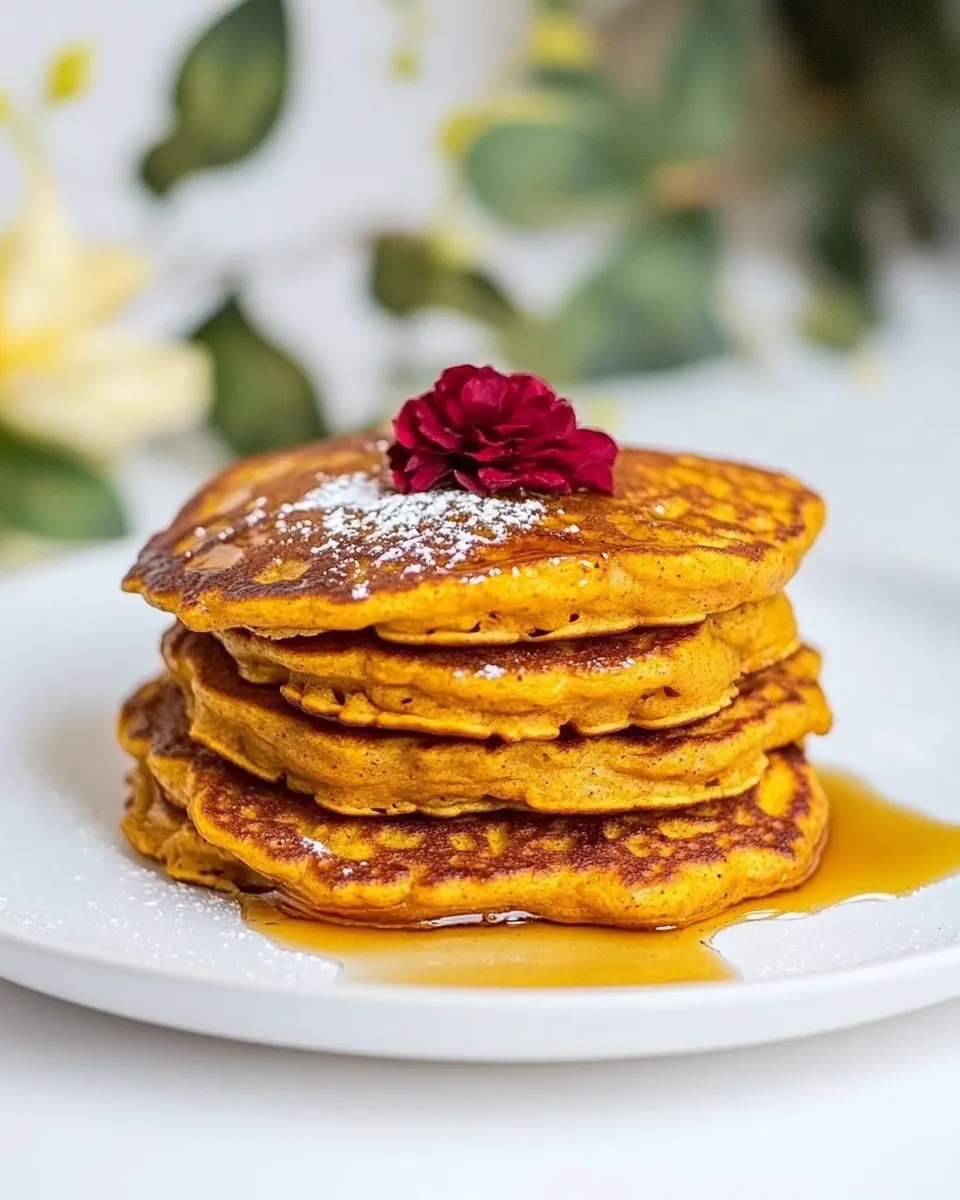
These ingredients form a simple, balanced batter where the dry components provide structure and lift, while the wet ingredients keep the pancakes tender and moist. The spices are small in quantity but essential, acting as subtle amplifiers of the pumpkin‘s natural sweetness. Together they create a fluffy, warmly spiced pancake that is both comforting and reliable.
- 1 1/4 cup (156.25 g) all-purpose flour: Provide structure and bulk to the batter, forming the base of the pancakes; gluten development gives chew and helps trap air for lightness when mixed gently. Combine with leavening and liquids to create the proper consistency and texture, ensuring even cooking and golden edges.
- 2 tablespoons light brown sugar: Add sweetness and a touch of moisture while enhancing flavor depth; caramelized notes from brown sugar complement the pumpkin and warm spices. Help tenderize the crumb slightly and balance the overall sweetness without overpowering other flavors.
- 2 teaspoons baking powder: Lighten and aerate the batter by producing carbon dioxide when activated, contributing to fluffy pancakes and a tender crumb. Work in tandem with mixing technique and other dry ingredients to ensure even rise and avoid dense spots.
- 1/4 teaspoon (0.25 teaspoon) salt: Enhance flavor balance by bringing out the savory and sweet elements while moderating sweetness; also stabilize the batter’s proteins and strengthen structure. Assist in controlling the activation of leavening for predictable rise and improved shelf life when stored briefly.
- 1 teaspoon ground cinnamon: Provide warm, aromatic flavor that complements pumpkin and other spices; add depth and familiar holiday character to the pancakes. Pair with the sugar and pumpkin for a balanced spice profile that enhances overall aroma and taste.
- 1/4 teaspoon (0.25 teaspoon) ground nutmeg: Contribute sweet, nutty warmth and a hint of earthiness that pairs well with pumpkin and cinnamon; helps create a complex spice profile. Use sparingly to avoid overpowering other spices, lending subtle depth to each bite.
- 1/8 teaspoon (0.13 teaspoon) ground ginger: Deliver a bright, slightly peppery warmth that cuts through richness and refreshes the palate; keeps the spice blend balanced and lively. Small amounts provide background complexity without dominating the pumpkin-forward flavor.
- 1/8 teaspoon (0.13 teaspoon) ground cloves: Introduce a pungent, aromatic warmth with slight sweetness to round out the spice blend; supports the other spices and enhances overall complexity. Apply in tiny quantities for a hint of exotic depth without becoming clove-forward.
- 1 cup (244 ml) milk, whole or 2%: Provide moisture and richness while dissolving dry ingredients; helps produce a smooth batter and tender crumb depending on fat content. Offer slight flavor influence—creamier with whole milk, lighter with 2%—and assist in browning during cooking.
- 1/2 cup (122.5 g) canned pumpkin: Contribute concentrated pumpkin flavor, moisture, and natural sweetness while adding fiber and color to the batter; binds with other ingredients for cohesive texture. Help create the signature seasonal profile and keep pancakes tender when used in appropriate proportion.
- 1 egg: Bind the batter and add richness, structure, and stability; proteins coagulate during cooking to help set the pancake shape and trap air for lift. Also contribute to color, mouthfeel, and overall tenderness depending on size and freshness.
- 2 tablespoons vegetable oil: Introduce fat for tenderness, moisture, and a slightly glossy texture; help prevent sticking during cooking and improve mouthfeel. Aid in heat transfer and browning while keeping pancakes soft and pliable rather than dry.
- 1 teaspoon vanilla extract: Provide aromatic sweetness and enhance other flavors with a familiar vanilla note; round out the spice and pumpkin combination. Small amount elevates overall flavor complexity and adds a pleasant scent during cooking.
Cooking Instructions for Pumpkin Pancakes
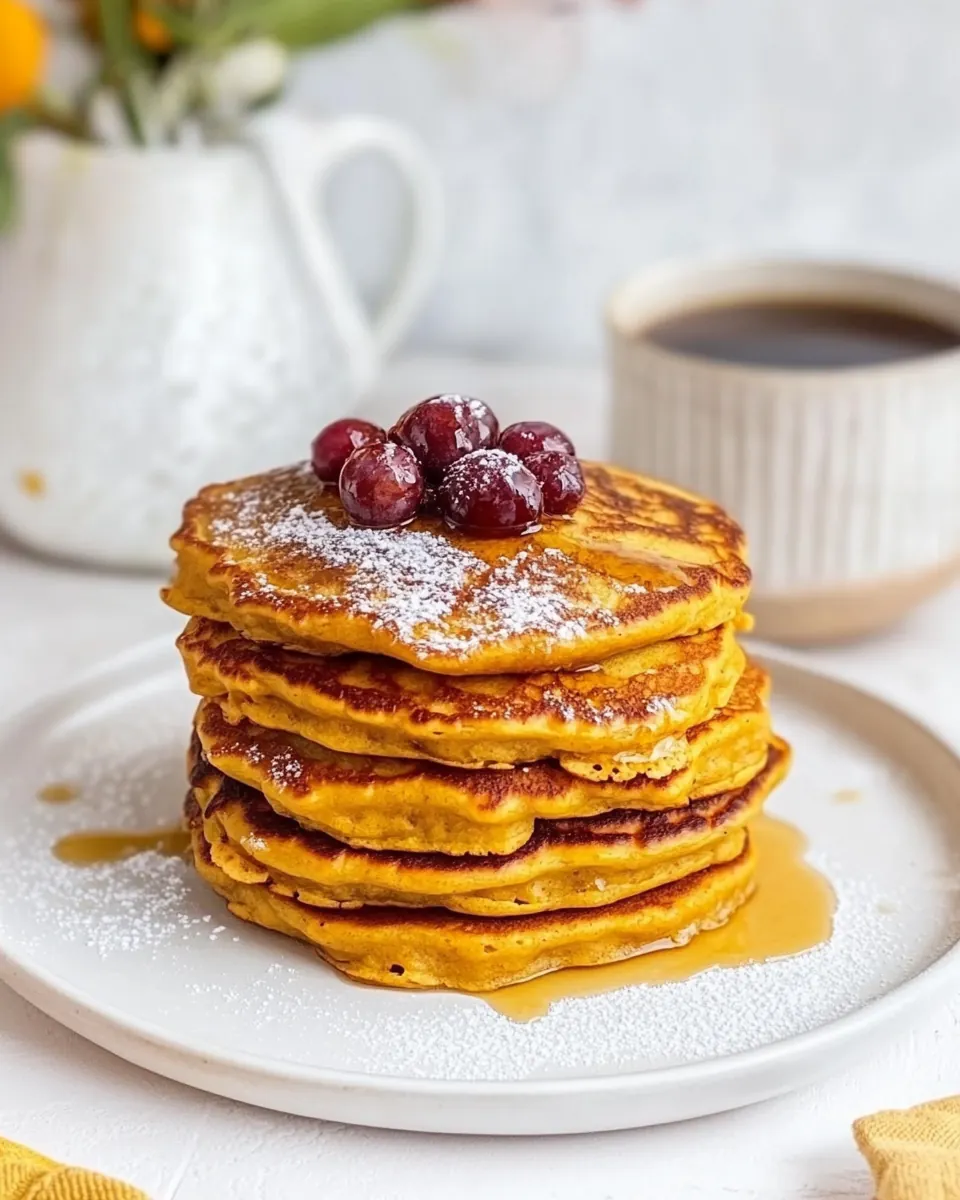
These instructions guide you from warming the griddle to serving a hot stack. I like to work methodically so the batter rests and the griddle develops an even temperature, which guarantees consistent color and texture across each pancake.
- Preheat a griddle to medium heat.: The air will begin to shimmer slightly above the cooking surface and you may hear a faint hiss when a drop of water sizzles, indicating it is hot enough. Getting the temperature right ensures a golden exterior without overcooking the inside, and maintains a steady cooking rhythm so pancakes brown evenly. A common mistake is starting on too high heat, which leads to dark exteriors and undercooked centers; if that happens, lower the heat and allow the griddle to cool for a minute.
- In a large bowl, whisk together the flour, brown sugar, baking powder, salt, cinnamon, nutmeg, ginger and cloves; set aside.: As you whisk, small clouds of spice aroma will lift from the bowl, signaling an even distribution. Combining the dry components first prevents clumps of baking powder and patches of spice, which would create uneven flavor pockets. Be careful not to overblend once the wet ingredients join the mix, because overmixing develops gluten and can produce tougher pancakes.
- In a medium bowl, whisk together the milk, pumpkin, egg, vegetable oil and vanilla extract. Pour the wet ingredients over the flour mixture and whisk gently until completely combined. Set aside for 5 minutes.: The batter will smell warmly spiced and appear slightly thick with visible streaks of pumpkin before it rests. This brief rest lets the flour hydrate and allows bubbles to form, contributing to a lighter texture. A frequent error is vigorous whisking that creates elastic batter; whisk just until homogenous and let the rest do the work.
- Once the griddle comes to temperature, drizzle with vegetable oil and wipe off excess with a paper towel.: You should see a thin, glossy film on the surface but no puddles, which helps pancakes develop an even, golden crust without frying. The paper towel method prevents pooling oil that causes uneven frying and soggy edges. Avoid using too much oil, as that can make the pancakes greasy and interfere with browning.
- Ladle 1/3-cup of the batter onto the griddle for each pancake. Cook for 2 to 3 minutes, or until the edges are set and the bubbles around the edges are open and set. Flip and cook on the second side for an additional 2 minutes, or until golden brown. Serve immediately. Leftover pancakes can be frozen for up to 1 month.: The batter will spread slightly into round discs, and you will notice small bubbles beginning to form at the surface within the first minute. Using a consistent ladle amount ensures uniformity so stacks finish cooking at roughly the same time. A typical misstep is crowding the griddle, which reduces heat and leads to uneven cooking; leave space between pancakes.
- Cook for 2 to 3 minutes, or until the edges are set and the bubbles around the edges are open and set: You'll hear a gentle sizzle and see the batter become matte around the edges, an indication the internal structure is setting. The bubbles that form and then stabilize are your visual cue that the pancake is ready to flip, delivering an airy interior. Flipping too early yields a doughy center, while flipping too late can cause dryness, so watch those bubbles closely.
- Flip and cook on the second side for an additional 2 minutes, or until golden brown: After flipping, the second side will take color quickly, so listen for the sound change from active sizzle to a softer hiss; that hints the moisture is evaporating and the crust is forming. The final color should be an even golden brown across the surface. Pressing down or flattening the pancake is a common error that compresses the structure, leading to dense results, so resist the urge to pat them.
- Serve immediately: Serve while the pancakes are warm and release a fragrant steam of cinnamon and pumpkin . Hot pancakes have a tender, slightly springy interior with a pleasant surface caramelization from the sugars. Waiting too long can cause them to cool and lose fluffiness, so plan to stack and serve right away for the best texture.
- Leftover pancakes can be frozen for up to 1 month: Cool completely before stacking with parchment between layers to prevent sticking, then transfer to an airtight container or plastic bag for freezing. When reheated, their texture and flavor remain surprisingly close to fresh, making them an excellent make ahead breakfast option. A pitfall is freezing while still warm, which traps steam and creates ice crystals that degrade texture on thawing, so always cool thoroughly.
Helpful Notes about Pumpkin Pancakes
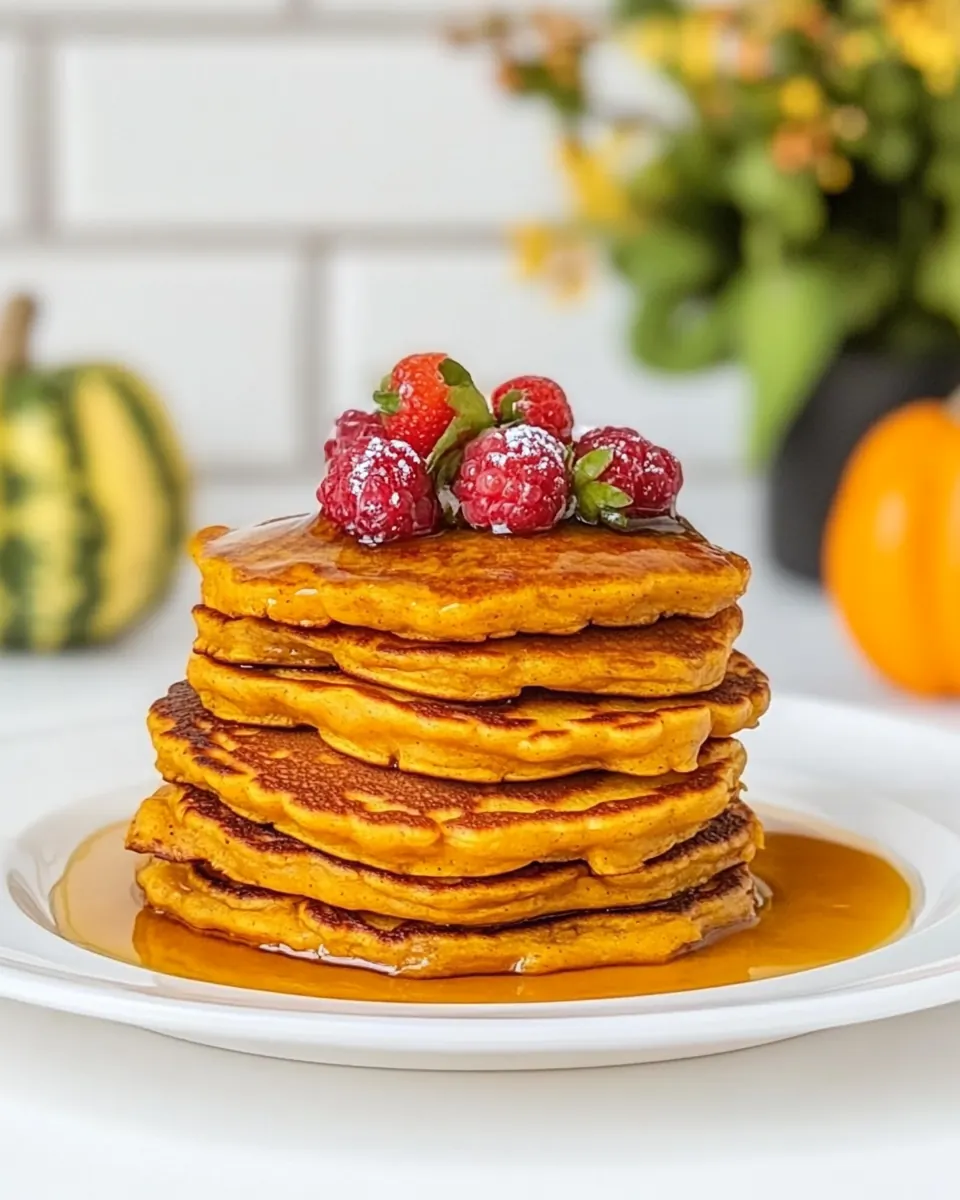
I keep notes handy for consistent results and for those moments when guests ask how I get such tender pancakes. Below are practical tips that I rely on every time I cook this batter, expanded from simple reminders into full explanations you can use at the griddle.
- Check your baking powder to ensure it is fresh by testing a quarter teaspoon in hot water; it should bubble vigorously, otherwise replace it to avoid flat pancakes.
- Whisk dry ingredients thoroughly so spices and leavening agents are evenly distributed, which prevents pockets of intense flavor or uneven rising in each pancake.
- Let the batter rest for five minutes after mixing to hydrate the flour and allow small gas bubbles to form, contributing to a lighter interior and better mouthfeel.
- Keep the griddle temperature steady by making adjustments between batches, because a consistently warm surface yields uniform browning and prevents undercooked centers.
- Store cooked pancakes properly by layering with parchment and refrigerating or freezing in an airtight container, which preserves texture and makes reheating simple.
What Goes Well With This Pumpkin Pancakes
These pancakes are versatile for casual breakfasts or cozy brunches, and they pair particularly well with bright, creamy, or crunchy accompaniments. Below I outline serving styles, seasonal suggestions, and storage notes so you can craft the perfect presentation.
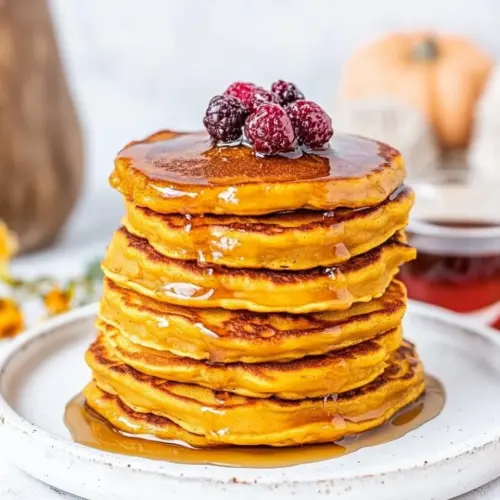
- Maple syrup and butter provide classic sweetness and richness, making a warm stack feel indulgent without masking the pumpkin and spice balance.
- Fresh fruit such as sliced apples or pears adds a crisp contrast that highlights the warm spices and keeps the plate feeling light for daytime meals.
- Yogurt or whipped cream offers a creamy tang or airiness that complements the denser, tender crumb of the pancakes, creating a pleasing textural interplay.
- Holiday brunch occasions like Thanksgiving are perfect for these pancakes, where the seasonal flavors echo other dishes while providing a comforting breakfast option for guests.
- Make ahead and reheat by freezing individual pancakes with parchment layers, then reheating in the microwave or toaster for quick weekday breakfasts without losing much of the fresh texture.
- Presentation tip Stack pancakes slightly off center, garnish with a dusting of cinnamon or a small dollop of pumpkin puree, and serve with small bowls of toppings so guests can customize.
- Storage guidance Keep cooked pancakes in an airtight container in the refrigerator for up to three days, or freeze for up to one month to maintain convenience for busy mornings.
- Seasonal pairing Serve alongside warm beverages on chilly days and pair with crisp autumn salads or roasted fruit for a brunch menu that feels cohesive and thoughtful.
- Occasion ideas These are great for relaxed weekend breakfasts, small holiday gatherings, or as a make ahead treat for a busy weekday when you want something special without fuss.
FAQ
Conclusion
These Pumpkin Pancakes stand out because they turn simple pantry staples into a warmly spiced, tender breakfast that feels both special and approachable. Try making them on a cool morning to enjoy the comforting aromas and the contrast of a golden exterior with a soft, pumpkin rich interior. They freeze and reheat well, making them practical for busy schedules while still delivering an indulgent bite. I hope you enjoy the ritual of mixing, flipping, and sharing these pancakes as much as I do.
Pumpkin Pancakes
Equipment
- Griddle
- Large Bowl
- Medium Bowl
- Ladle
- Whisk
Ingredients
- 1 1/4 cup (156.25 g) all-purpose flour Provide structure and bulk to the batter, forming the base of the pancakes; gluten development gives chew and helps trap air for lightness when mixed gently. Combine with leavening and liquids to create the proper consistency and texture, ensuring even cooking and golden edges.
- 2 tablespoons light brown sugar Add sweetness and a touch of moisture while enhancing flavor depth; caramelized notes from brown sugar complement the pumpkin and warm spices. Help tenderize the crumb slightly and balance the overall sweetness without overpowering other flavors.
- 2 teaspoons baking powder Lighten and aerate the batter by producing carbon dioxide when activated, contributing to fluffy pancakes and a tender crumb. Work in tandem with mixing technique and other dry ingredients to ensure even rise and avoid dense spots.
- 1/4 teaspoon (0.25 teaspoon) salt Enhance flavor balance by bringing out the savory and sweet elements while moderating sweetness; also stabilize the batter’s proteins and strengthen structure. Assist in controlling the activation of leavening for predictable rise and improved shelf life when stored briefly.
- 1 teaspoon ground cinnamon Provide warm, aromatic flavor that complements pumpkin and other spices; add depth and familiar holiday character to the pancakes. Pair with the sugar and pumpkin for a balanced spice profile that enhances overall aroma and taste.
- 1/4 teaspoon (0.25 teaspoon) ground nutmeg Contribute sweet, nutty warmth and a hint of earthiness that pairs well with pumpkin and cinnamon; helps create a complex spice profile. Use sparingly to avoid overpowering other spices, lending subtle depth to each bite.
- 1/8 teaspoon (0.13 teaspoon) ground ginger Deliver a bright, slightly peppery warmth that cuts through richness and refreshes the palate; keeps the spice blend balanced and lively. Small amounts provide background complexity without dominating the pumpkin-forward flavor.
- 1/8 teaspoon (0.13 teaspoon) ground cloves Introduce a pungent, aromatic warmth with slight sweetness to round out the spice blend; supports the other spices and enhances overall complexity. Apply in tiny quantities for a hint of exotic depth without becoming clove-forward.
- 1 cup (244 ml) milk, whole or 2% Provide moisture and richness while dissolving dry ingredients; helps produce a smooth batter and tender crumb depending on fat content. Offer slight flavor influence—creamier with whole milk, lighter with 2%—and assist in browning during cooking.
- 1/2 cup (122.5 g) canned pumpkin Contribute concentrated pumpkin flavor, moisture, and natural sweetness while adding fiber and color to the batter; binds with other ingredients for cohesive texture. Help create the signature seasonal profile and keep pancakes tender when used in appropriate proportion.
- 1 egg Bind the batter and add richness, structure, and stability; proteins coagulate during cooking to help set the pancake shape and trap air for lift. Also contribute to color, mouthfeel, and overall tenderness depending on size and freshness.
- 2 tablespoons vegetable oil Introduce fat for tenderness, moisture, and a slightly glossy texture; help prevent sticking during cooking and improve mouthfeel. Aid in heat transfer and browning while keeping pancakes soft and pliable rather than dry.
- 1 teaspoon vanilla extract Provide aromatic sweetness and enhance other flavors with a familiar vanilla note; round out the spice and pumpkin combination. Small amount elevates overall flavor complexity and adds a pleasant scent during cooking.
Instructions
- Preheat a griddle to medium heat.: The air will begin to shimmer slightly above the cooking surface and you may hear a faint hiss when a drop of water sizzles, indicating it is hot enough. Getting the temperature right ensures a golden exterior without overcooking the inside, and maintains a steady cooking rhythm so pancakes brown evenly. A common mistake is starting on too high heat, which leads to dark exteriors and undercooked centers; if that happens, lower the heat and allow the griddle to cool for a minute.
- In a large bowl, whisk together the flour, brown sugar, baking powder, salt, cinnamon, nutmeg, ginger and cloves; set aside.: As you whisk, small clouds of spice aroma will lift from the bowl, signaling an even distribution. Combining the dry components first prevents clumps of baking powder and patches of spice, which would create uneven flavor pockets. Be careful not to overblend once the wet ingredients join the mix, because overmixing develops gluten and can produce tougher pancakes.
- In a medium bowl, whisk together the milk, pumpkin, egg, vegetable oil and vanilla extract. Pour the wet ingredients over the flour mixture and whisk gently until completely combined. Set aside for 5 minutes.: The batter will smell warmly spiced and appear slightly thick with visible streaks of pumpkin before it rests. This brief rest lets the flour hydrate and allows bubbles to form, contributing to a lighter texture. A frequent error is vigorous whisking that creates elastic batter; whisk just until homogenous and let the rest do the work.
- Once the griddle comes to temperature, drizzle with vegetable oil and wipe off excess with a paper towel.: You should see a thin, glossy film on the surface but no puddles, which helps pancakes develop an even, golden crust without frying. The paper towel method prevents pooling oil that causes uneven frying and soggy edges. Avoid using too much oil, as that can make the pancakes greasy and interfere with browning.
- Ladle 1/3-cup of the batter onto the griddle for each pancake. Cook for 2 to 3 minutes, or until the edges are set and the bubbles around the edges are open and set. Flip and cook on the second side for an additional 2 minutes, or until golden brown. Serve immediately. Leftover pancakes can be frozen for up to 1 month.: The batter will spread slightly into round discs, and you will notice small bubbles beginning to form at the surface within the first minute. Using a consistent ladle amount ensures uniformity so stacks finish cooking at roughly the same time. A typical misstep is crowding the griddle, which reduces heat and leads to uneven cooking; leave space between pancakes.
- Cook for 2 to 3 minutes, or until the edges are set and the bubbles around the edges are open and set: You'll hear a gentle sizzle and see the batter become matte around the edges, an indication the internal structure is setting. The bubbles that form and then stabilize are your visual cue that the pancake is ready to flip, delivering an airy interior. Flipping too early yields a doughy center, while flipping too late can cause dryness, so watch those bubbles closely.
- Flip and cook on the second side for an additional 2 minutes, or until golden brown: After flipping, the second side will take color quickly, so listen for the sound change from active sizzle to a softer hiss; that hints the moisture is evaporating and the crust is forming. The final color should be an even golden brown across the surface. Pressing down or flattening the pancake is a common error that compresses the structure, leading to dense results, so resist the urge to pat them.
- Serve immediately: Serve while the pancakes are warm and release a fragrant steam of cinnamon and pumpkin . Hot pancakes have a tender, slightly springy interior with a pleasant surface caramelization from the sugars. Waiting too long can cause them to cool and lose fluffiness, so plan to stack and serve right away for the best texture.
- Leftover pancakes can be frozen for up to 1 month: Cool completely before stacking with parchment between layers to prevent sticking, then transfer to an airtight container or plastic bag for freezing. When reheated, their texture and flavor remain surprisingly close to fresh, making them an excellent make ahead breakfast option. A pitfall is freezing while still warm, which traps steam and creates ice crystals that degrade texture on thawing, so always cool thoroughly.
Notes
- Check your baking powder to ensure it is fresh by testing a quarter teaspoon in hot water; it should bubble vigorously, otherwise replace it to avoid flat pancakes.
- Whisk dry ingredients thoroughly so spices and leavening agents are evenly distributed, which prevents pockets of intense flavor or uneven rising in each pancake.
- Let the batter rest for five minutes after mixing to hydrate the flour and allow small gas bubbles to form, contributing to a lighter interior and better mouthfeel.
- Keep the griddle temperature steady by making adjustments between batches, because a consistently warm surface yields uniform browning and prevents undercooked centers.
- Store cooked pancakes properly by layering with parchment and refrigerating or freezing in an airtight container, which preserves texture and makes reheating simple.
