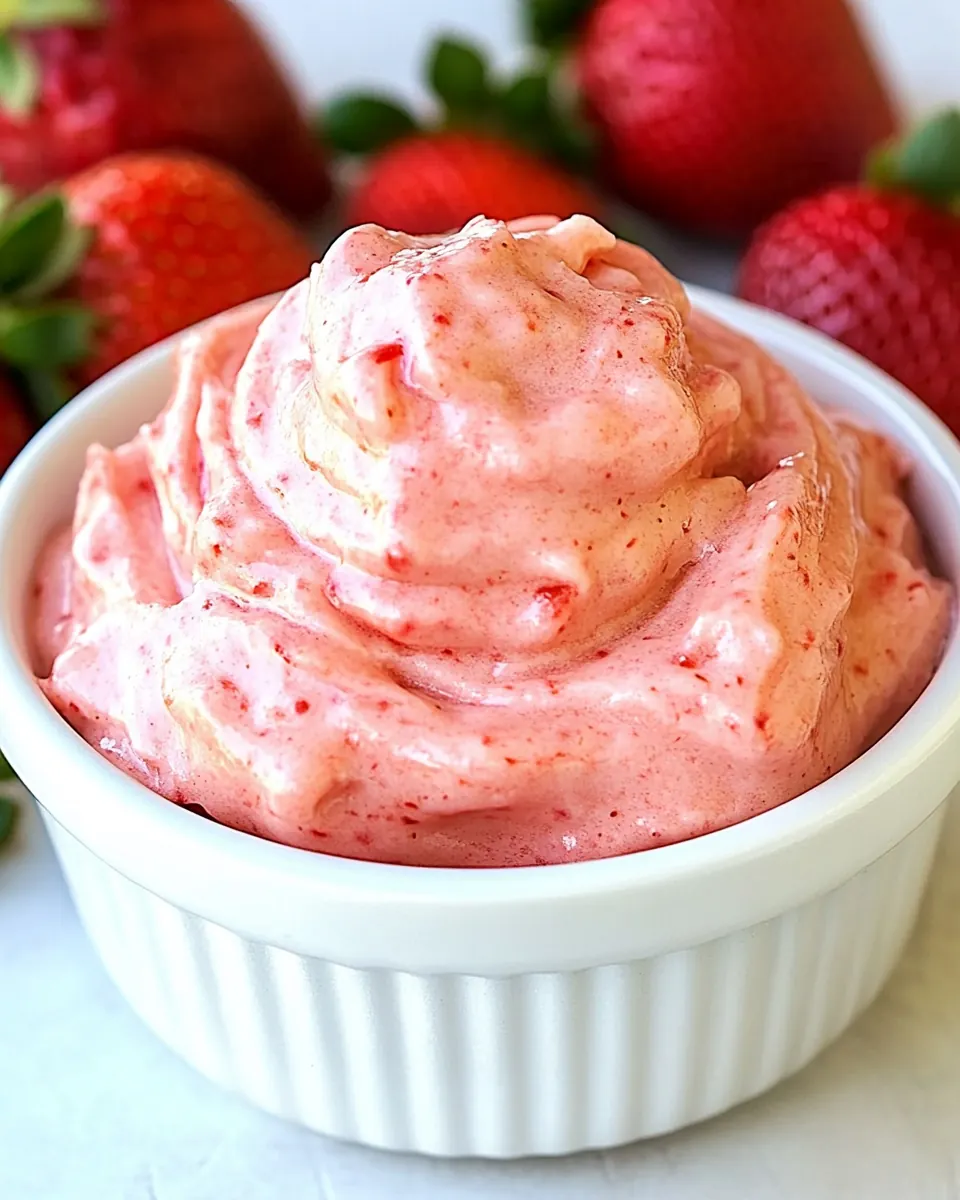
Fresh Strawberry Butter
Fresh Strawberry Butter is one of those small luxuries I keep stashed in my fridge for mornings when I want to turn ordinary toast into something memorable. The first time I made Fresh Strawberry Butter I was racing the clock between school drop off and a client call, yet I lingered because the scent of roasted strawberries filled the kitchen and I could not help but pause. I remember thinking that a simple spread could feel celebratory, as if I had more time than I actually did.
A few weeks later I brought a jar to a weekend brunch with friends, and watching them smear the silky spread over warm biscuits felt like a secret passed between us. I like how the recipe is forgiving, you can dial the sweetness up or down, and the butter gives the fruit a rich, creamy mouthfeel that makes everything taste homemade. I often make a double batch when strawberries are plentiful, because the jar disappears fast. The technique is straightforward, and the result is an elegant, spreadable treat that shines on toast, pancakes, or warm muffins.
Recipe Snapshot
25 mins
10 mins
15 mins
Medium
150 kcal
American
Gluten-Free, Low FODMAP
Desserts
Oven, Baking sheet, Mixing bowl, Fork, Whisk or hand mixer
Why You’ll Love This Fresh Strawberry Butter
Flavor that Feels Fancy with Little Effort
I adore how Fresh Strawberry Butter transforms two very simple elements into something that tastes special. Roasting the strawberries concentrates their natural sugars and adds a light caramel note, while the butter wraps them in creaminess. The contrast between bright fruit and rich fat is why I reach for this spread when I want an easy wow factor.
Perfect Texture Control
One of the reasons I keep coming back to this method is how easy it is to dial the texture. Mash the roasted strawberries lightly for a chunky spread, or whisk until ultra smooth for a silky consistency. Because I like to serve it for different occasions, this flexibility helps me adapt the same recipe for casual mornings or more formal breakfasts.
Fast to Make, Great to Store
This is a recipe you can pull together in under an hour of active time, and then it chills into something you can use for days. I love recipes that reward a small upfront effort with many payoff moments, and Fresh Strawberry Butter is exactly that. It keeps well refrigerated, so it becomes a quick go to for impromptu guests.
Kid Friendly and Crowd Approved
I’ve made this batch for kids who love fruit on toast and for adults who appreciate a grown up touch. It satisfies both crowds because it is naturally fruity and buttery without being overly sweet. When I bring this to gatherings, people always ask for the recipe or more jars to take home.
Customizable Sweetness
Finally, the ability to tweak sweetness is a real winner. I frequently adjust sugar depending on how ripe the strawberries are, and sometimes I fold in a little extra fruit juice if I want a looser spread. That control makes this recipe adaptable across seasons and palates.
Main Ingredients for Fresh Strawberry Butter
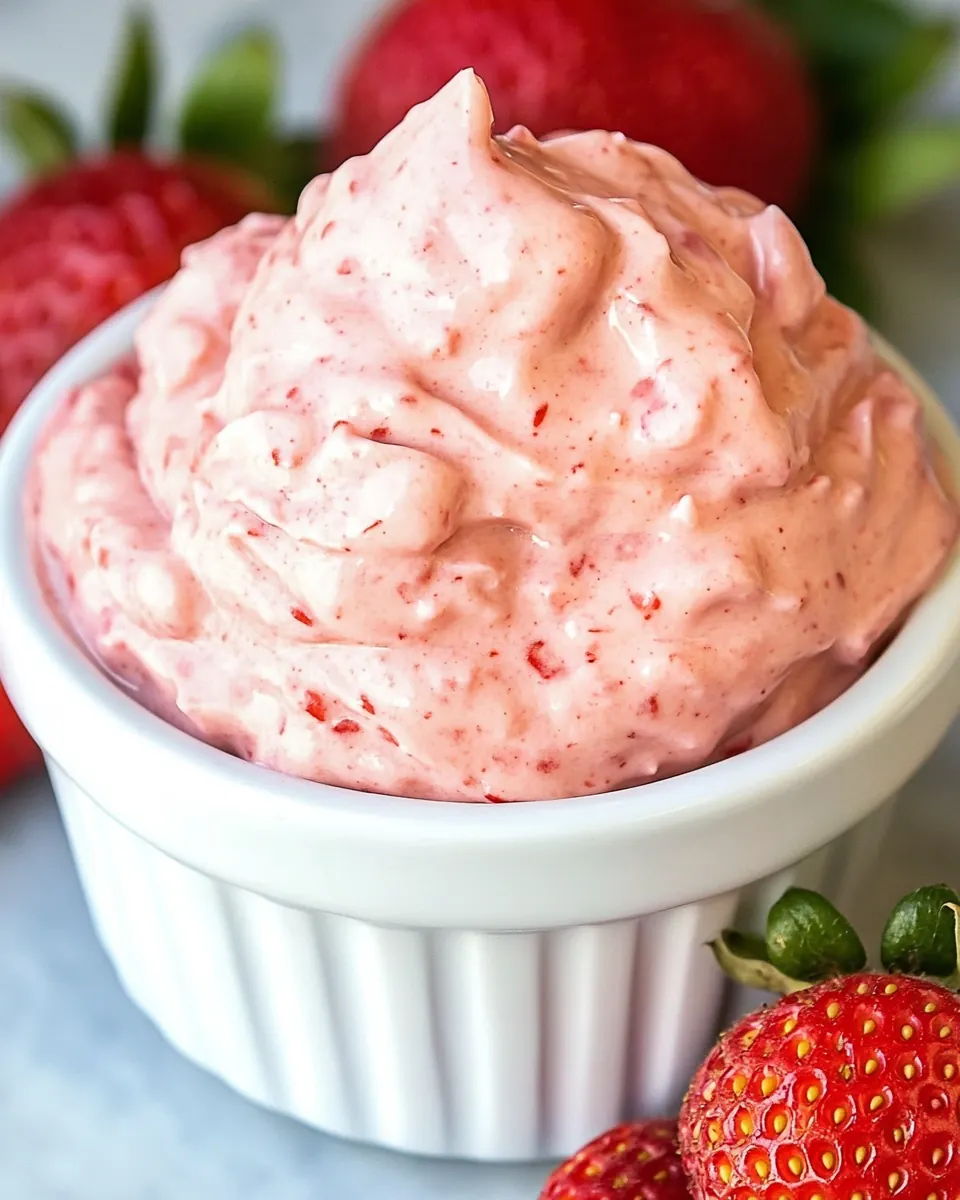
These ingredients are the heart of the recipe, and their roles are simple and complementary. The strawberries bring bright acidity and natural sweetness, the granulated sugar helps macerate and caramelize the fruit, and the butter provides the creamy, spreadable base. Together they create a balance of flavor, texture, and shelf stability that makes the spread both indulgent and practical.
- 1/2 lb . fresh strawberries room temperature: Mashed and macerated to release bright, sweet juice and tiny fruit pieces that infuse the butter with fresh strawberry flavor and natural color; provide a fragrant, slightly acidic note that balances richness. Allow to sit briefly with sugar to draw out moisture and concentrate the taste before folding into softened butter for even distribution. Use room temperature fruit to ensure smooth blending without large cold chunks.
- 1/4 cup granulated sugar: Crystallized to sweeten and help macerate the fruit while stabilizing the finished butter; adds clean sweetness that preserves the strawberry's natural character without overpowering. Dissolves into the softened butter to create a smooth, spreadable texture and helps control overall sweetness level. Adjust amount to taste but maintain enough to enhance flavor and aid in moisture extraction from the berries.
- 1 cup real butter softened, room temperature: Softened to a spreadable consistency that emulsifies with the mashed strawberries and sugar, creating a creamy, rich base that carries flavor across the palate. Provides the luxurious mouthfeel and fat needed to bind the fruit and sugar into a stable compound butter that can be chilled or served immediately. Bring fully to room temperature so it incorporates smoothly and yields an even, fluffy texture.
Fresh Strawberry Butter Instructions
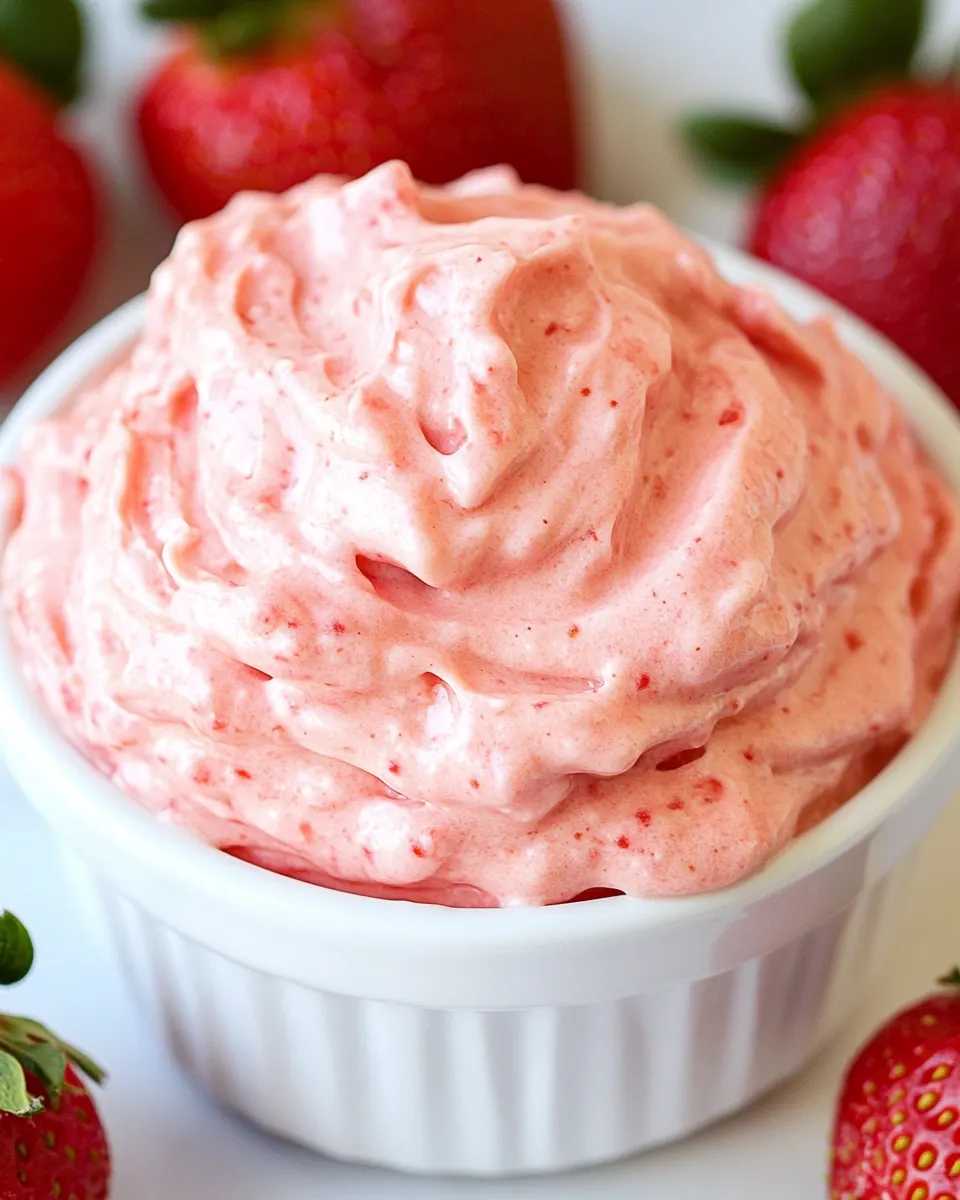
I like to think of these steps as a relaxed rhythm in the kitchen, where roasting and cooling create the right moment for combining. The directions below walk you through preparing, roasting, mashing, and blending so you end up with a silky, fruity spread. Take your time with texture and temperature for the best result.
- Preheat your oven: Set it to 400°F (200°C).: The smell of warm air fills the kitchen as the oven comes up to temperature, a subtle promise that the strawberries will transform. Preheating to the correct heat ensures even roasting, creating gentle caramelization on the fruit edges. If you skip preheating you can end up with unevenly roasted berries, some underdone and some overbrowned. A common oversight is placing the tray in too soon, which lengthens cooking time and can dry the fruit.
- Unwrap and place butter on counter to bring to room temperature and soften for later use. Do not put too close to oven or it could melt.: As the butter sits at room temperature it attains a spreadable softness, which helps it blend smoothly with the cooled fruit juices. You will notice the butter lose its firmness, making it easy to press with a fingertip. Avoid letting it get too warm or it will melt and separate when mixed, which leads to a greasy texture in the final spread.
- Wash and slice your fresh strawberries, then toss them with the granulated sugar until they’re well coated.: Fresh strawberries being tossed release a bright, fruity aroma as the granulated sugar draws out their juices. Coating ensures even roasting and helps the berries soften uniformly on the pan. A common mistake is slicing too thickly, which slows caramelization; aim for evenly sized slices so they roast consistently.
- Spread the strawberries on a baking sheet in a single layer. Roast for about 15 minutes. They should be soft and slightly caramelized when done. Please see full article on notes regarding burned sugar and cleaning your pan. Carefully scrape the hot roasted strawberries and their juices into a mixing bowl.: Arranging the strawberries in a single layer allows hot air to circulate around each piece, producing even browning and preventing steaming. During roasting you will see bubbling juices and notice a deepening color, signals that sugars are concentrating. Overcrowding the pan leads to soggy fruit because the pieces steam instead of roast, which dulls flavor development.
- Use a fork to gently mash the strawberries into smaller pieces. You’re looking for a texture that’s not completely pureed but still fairly smooth. Set aside to cool while you prepare the butter.: While roasting, the kitchen will fill with a sweet, toasted fruit aroma and the edges of the strawberries will take on a slightly caramelized sheen. This step is crucial because it deepens the fruit flavor and softens the flesh for easy mashing. Watch carefully near the end of the time to avoid burning the sugars, which can turn bitter and stick to the pan.
- If your butter isn’t already at room temperature, soften it in the microwave at 50% power for about 30-60 seconds. It should be soft enough to press into with a finger, but not melted.: As you transfer the hot fruit you will notice thickened juices and a glossy syrup. Transferring promptly preserves those concentrated flavors for the spread. A common error is leaving the fruit on the hot pan too long, which can lead to excessive browning and an off flavor in the final butter.
- Add the softened butter to the cooled, mashed strawberries. Start blending with a fork, then switch to a whisk or hand mixer until it’s smooth and creamy. If butter is cold or stiff, it won't incorporate.: When you mash the strawberries you will feel a pleasing resistance as the fruit breaks down into a pulpy, jam like texture. Aim for a balance between small chunks and smoothness so the spread has body but is not lumpy. Overmashing can make the mixture too watery, while undermashing leaves large chunks that may not incorporate well with the butter .
- Spoon your finished whipped strawberry butter into a serving bowl. Cover and refrigerate for at least 4 hours or overnight.: Cooling the mashed strawberries prevents the hot fruit from melting the butter when combined, which helps keep the emulsion stable. You will notice the steam dissipate and the aroma calm as it comes to room temperature. Mixing the fruit while warm is a common slip up that can create separation and a greasy texture.
- When you’re ready, bring it to room temperature for a few minutes for easier spreading. Spoon onto toast, English muffins, or warm biscuits. This batch makes about 1 cup (16 tablespoons) total.: Softening in short bursts yields a tactile change where the butter becomes yielding to a fingertip but not liquid. This controlled warming is important to avoid melting. The mistake to avoid is overheating which creates melted butter that will not hold the mixture together properly.
- Add the softened butter to the cooled, mashed strawberries: When you combine the two, start blending with a fork and then switch to a whisk or hand mixer for a creamy finish, and you will notice the mixture become glossy and uniform. The blending disperses butter fat droplets throughout the fruit puree, creating a smooth, spreadable emulsion. If the butter is too cold it will clump, and if it is too warm the spread will be loose and hard to chill properly.
- Spoon your finished whipped strawberry butter into a serving bowl: Filling the container, you will see the spread hold its shape neatly, with small flecks of roasted strawberries visible throughout. Chilling helps the flavors meld and the texture firm up to a perfect spreadable consistency. A frequent oversight is not covering the container, which can lead to off odors in the fridge or surface drying.
- Cover and refrigerate for at least 4 hours or overnight: As it chills, the flavors marry and the texture becomes firmer and more cohesive, making it ideal for spreading. Refrigeration also extends shelf life by slowing microbial growth. Beware of trying to use it straight from the fridge before it has softened a bit, because it can be too stiff to spread smoothly.
- When you’re ready, bring it to room temperature for a few minutes for easier spreading: Warming it slightly loosens the butter so you get that silky mouthfeel when spreading on warm items. The aroma will reawaken and the color will look glossy again. A common mistake is leaving it out too long, which can allow it to soften excessively and lose structure, especially in warm kitchens.
- Spoon onto toast, English muffins, or warm biscuits: The combination of toasted bread heat and the creamy butter makes the spread melt into the surface, creating a luscious bite. Watching it bloom on warm bread is one of my favorite parts of serving this recipe. Serving on a very thin cracker can overwhelm the spread, so choose sturdy warm carriers for best effect.
Ways to Adapt This Recipe
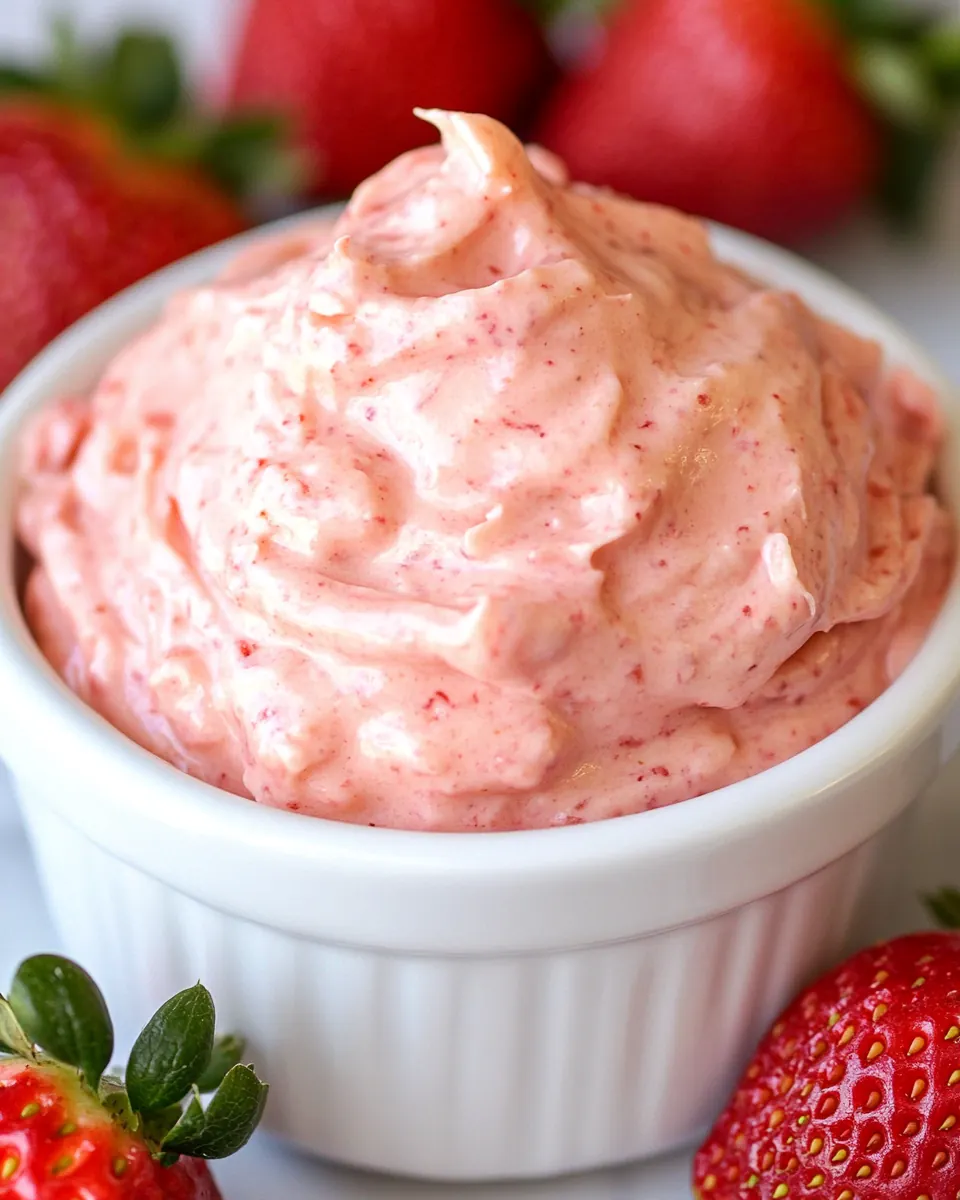
I like to experiment with texture and sweetness when I make Fresh Strawberry Butter, and these adaptations help tailor the spread for different uses. Whether you prefer a chunkier jam like spread or a silky whipped version, the tips below will help you customize the result.
- Adjust the sweetness Use a little more granulated sugar or a teaspoon of powdered sugar if you want a sweeter spread, especially when berries are tart.
- Chunky versus smooth Mash the roasted strawberries lightly for a chunky texture, or blend longer with a hand mixer for a smooth, creamy consistency.
- Serve warm For an extra decadent experience, spoon slightly warmed Fresh Strawberry Butter over pancakes or waffles so it melts into the surface.
- Make ahead Prepare the spread a day in advance and refrigerate overnight to let flavors meld for a deeper taste the next morning.
- Portion and gift Spoon into small jars and refrigerate, they make lovely edible gifts for neighbors or brunch hosts.
Great Combinations for Fresh Strawberry Butter
Fresh Strawberry Butter pairs beautifully with a variety of warm breads and breakfast items, and it also works as a finishing touch for sweet brunch dishes. Think about textures and temperatures when serving, because the contrast of warm baked goods and silky spread is what makes these pairings sing. Below are serving ideas and occasions where this spread shines.
- Warm toast and English muffins Spread on warm buttered toast or an English muffin for a classic breakfast that highlights the fruit and creamy fat.
- Warm biscuits and scones Slather on freshly baked biscuits or scones right out of the oven so the spread melts into the crumb.
- Pancakes and waffles Use as a flavorful topping for pancakes or waffles instead of syrup to add texture and richness.
- Brunch occasions Bring Fresh Strawberry Butter to a brunch gathering as an easy, elegant option that pairs well with a variety of baked goods.
- Storage advice Keep refrigerated in an airtight container and use within one to two weeks, or freeze in small portions for longer storage.
- Seasonal pairing This spread is perfect in spring when strawberries are at their peak, contributing bright flavor to seasonal menus.
FAQ
Conclusion
What makes Fresh Strawberry Butter special is how a few simple ingredients transform into a luxuriously spreadable treat, where roasted fruit meets creamy butter for a memorable bite. I encourage you to give it a try, even on a busy morning, because the small extra effort returns big flavor rewards. Once you taste the melded sweetness and silky texture, you may find yourself reaching for this jar again and again to elevate breakfasts and brunches with minimal fuss.
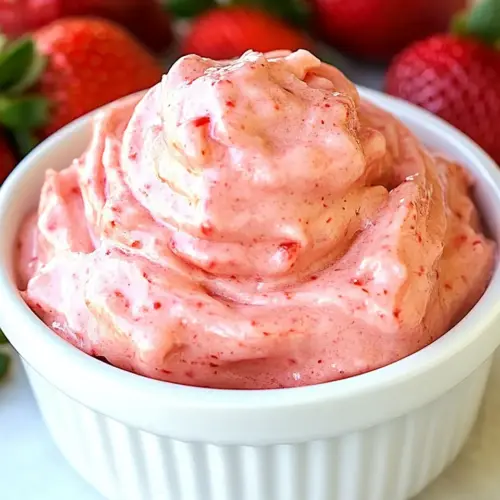
Fresh Strawberry Butter
Equipment
- Oven
- Baking Sheet
- Mixing Bowl
- Fork
- Whisk or hand mixer
Ingredients
- 1/2 lb . fresh strawberries room temperature Mashed and macerated to release bright, sweet juice and tiny fruit pieces that infuse the butter with fresh strawberry flavor and natural color; provide a fragrant, slightly acidic note that balances richness. Allow to sit briefly with sugar to draw out moisture and concentrate the taste before folding into softened butter for even distribution. Use room temperature fruit to ensure smooth blending without large cold chunks.
- 1/4 cup granulated sugar Crystallized to sweeten and help macerate the fruit while stabilizing the finished butter; adds clean sweetness that preserves the strawberry's natural character without overpowering. Dissolves into the softened butter to create a smooth, spreadable texture and helps control overall sweetness level. Adjust amount to taste but maintain enough to enhance flavor and aid in moisture extraction from the berries.
- 1 cup real butter softened, room temperature Softened to a spreadable consistency that emulsifies with the mashed strawberries and sugar, creating a creamy, rich base that carries flavor across the palate. Provides the luxurious mouthfeel and fat needed to bind the fruit and sugar into a stable compound butter that can be chilled or served immediately. Bring fully to room temperature so it incorporates smoothly and yields an even, fluffy texture.
Instructions
- Preheat your oven: Set it to 400°F (200°C).: The smell of warm air fills the kitchen as the oven comes up to temperature, a subtle promise that the strawberries will transform. Preheating to the correct heat ensures even roasting, creating gentle caramelization on the fruit edges. If you skip preheating you can end up with unevenly roasted berries, some underdone and some overbrowned. A common oversight is placing the tray in too soon, which lengthens cooking time and can dry the fruit.
- Unwrap and place butter on counter to bring to room temperature and soften for later use. Do not put too close to oven or it could melt.: As the butter sits at room temperature it attains a spreadable softness, which helps it blend smoothly with the cooled fruit juices. You will notice the butter lose its firmness, making it easy to press with a fingertip. Avoid letting it get too warm or it will melt and separate when mixed, which leads to a greasy texture in the final spread.
- Wash and slice your fresh strawberries, then toss them with the granulated sugar until they’re well coated.: Fresh strawberries being tossed release a bright, fruity aroma as the granulated sugar draws out their juices. Coating ensures even roasting and helps the berries soften uniformly on the pan. A common mistake is slicing too thickly, which slows caramelization; aim for evenly sized slices so they roast consistently.
- Spread the strawberries on a baking sheet in a single layer. Roast for about 15 minutes. They should be soft and slightly caramelized when done. Please see full article on notes regarding burned sugar and cleaning your pan. Carefully scrape the hot roasted strawberries and their juices into a mixing bowl.: Arranging the strawberries in a single layer allows hot air to circulate around each piece, producing even browning and preventing steaming. During roasting you will see bubbling juices and notice a deepening color, signals that sugars are concentrating. Overcrowding the pan leads to soggy fruit because the pieces steam instead of roast, which dulls flavor development.
- Use a fork to gently mash the strawberries into smaller pieces. You’re looking for a texture that’s not completely pureed but still fairly smooth. Set aside to cool while you prepare the butter.: While roasting, the kitchen will fill with a sweet, toasted fruit aroma and the edges of the strawberries will take on a slightly caramelized sheen. This step is crucial because it deepens the fruit flavor and softens the flesh for easy mashing. Watch carefully near the end of the time to avoid burning the sugars, which can turn bitter and stick to the pan.
- If your butter isn’t already at room temperature, soften it in the microwave at 50% power for about 30-60 seconds. It should be soft enough to press into with a finger, but not melted.: As you transfer the hot fruit you will notice thickened juices and a glossy syrup. Transferring promptly preserves those concentrated flavors for the spread. A common error is leaving the fruit on the hot pan too long, which can lead to excessive browning and an off flavor in the final butter.
- Add the softened butter to the cooled, mashed strawberries. Start blending with a fork, then switch to a whisk or hand mixer until it’s smooth and creamy. If butter is cold or stiff, it won't incorporate.: When you mash the strawberries you will feel a pleasing resistance as the fruit breaks down into a pulpy, jam like texture. Aim for a balance between small chunks and smoothness so the spread has body but is not lumpy. Overmashing can make the mixture too watery, while undermashing leaves large chunks that may not incorporate well with the butter .
- Spoon your finished whipped strawberry butter into a serving bowl. Cover and refrigerate for at least 4 hours or overnight.: Cooling the mashed strawberries prevents the hot fruit from melting the butter when combined, which helps keep the emulsion stable. You will notice the steam dissipate and the aroma calm as it comes to room temperature. Mixing the fruit while warm is a common slip up that can create separation and a greasy texture.
- When you’re ready, bring it to room temperature for a few minutes for easier spreading. Spoon onto toast, English muffins, or warm biscuits. This batch makes about 1 cup (16 tablespoons) total.: Softening in short bursts yields a tactile change where the butter becomes yielding to a fingertip but not liquid. This controlled warming is important to avoid melting. The mistake to avoid is overheating which creates melted butter that will not hold the mixture together properly.
- Add the softened butter to the cooled, mashed strawberries: When you combine the two, start blending with a fork and then switch to a whisk or hand mixer for a creamy finish, and you will notice the mixture become glossy and uniform. The blending disperses butter fat droplets throughout the fruit puree, creating a smooth, spreadable emulsion. If the butter is too cold it will clump, and if it is too warm the spread will be loose and hard to chill properly.
- Spoon your finished whipped strawberry butter into a serving bowl: Filling the container, you will see the spread hold its shape neatly, with small flecks of roasted strawberries visible throughout. Chilling helps the flavors meld and the texture firm up to a perfect spreadable consistency. A frequent oversight is not covering the container, which can lead to off odors in the fridge or surface drying.
- Cover and refrigerate for at least 4 hours or overnight: As it chills, the flavors marry and the texture becomes firmer and more cohesive, making it ideal for spreading. Refrigeration also extends shelf life by slowing microbial growth. Beware of trying to use it straight from the fridge before it has softened a bit, because it can be too stiff to spread smoothly.
- When you’re ready, bring it to room temperature for a few minutes for easier spreading: Warming it slightly loosens the butter so you get that silky mouthfeel when spreading on warm items. The aroma will reawaken and the color will look glossy again. A common mistake is leaving it out too long, which can allow it to soften excessively and lose structure, especially in warm kitchens.
- Spoon onto toast, English muffins, or warm biscuits: The combination of toasted bread heat and the creamy butter makes the spread melt into the surface, creating a luscious bite. Watching it bloom on warm bread is one of my favorite parts of serving this recipe. Serving on a very thin cracker can overwhelm the spread, so choose sturdy warm carriers for best effect.
Notes
- Adjust the sweetness Use a little more granulated sugar or a teaspoon of powdered sugar if you want a sweeter spread, especially when berries are tart.
- Chunky versus smooth Mash the roasted strawberries lightly for a chunky texture, or blend longer with a hand mixer for a smooth, creamy consistency.
- Serve warm For an extra decadent experience, spoon slightly warmed Fresh Strawberry Butter over pancakes or waffles so it melts into the surface.
- Make ahead Prepare the spread a day in advance and refrigerate overnight to let flavors meld for a deeper taste the next morning.
- Portion and gift Spoon into small jars and refrigerate, they make lovely edible gifts for neighbors or brunch hosts.