Slow Cooker Tri Tip
Slow Cooker Tri Tip is the kind of meal I turn to when life is busy and I want something deeply savory with hardly any fuss.
Years ago, I brought a slow cooked tri tip to a snowy family potluck and watched it disappear within minutes, the crusty edges and tender center earning instant praise. I remember the aroma of garlic and thyme filling the house while I chatted with relatives, and that memory is why this recipe feels like comfort to me. I love how a simple spice rub and patient heat transform a modest cut of beef into something that tastes like celebration.
When I make Slow Cooker Tri Tip at home, I often build tiny rituals around it, like warming the buns and slicing a sharp knife of cheese for melting on top, or reserving the cooking liquid to serve as a dipping sauce that keeps every bite juicy. You can rely on familiar pantry spices, and the slow cooker does the heavy lifting so you can be present with guests instead of glued to the stove. That relaxed approach to entertaining is exactly why this roast keeps showing up on my weekend menu.
Recipe Snapshot
7 hr 10 mins
10 mins
420 mins
Hard
400 kcal
American
Gluten-Free, Keto
Dinner
Slow Cooker, Mixing Bowl, Forks, Strainer
The Appeal of This Slow Cooker Tri Tip
Deep, hands off flavor
I love that Slow Cooker Tri Tip develops a rich, concentrated taste without constant stirring or babysitting. The slow heat coaxes collagen from the beef so the meat becomes tender and moist, while the spice rub forms that whisper of crust you want when shredding. For busy evenings, this method is a lifesaver because I can start it in the morning and come home to a dinner that smells like I slaved over it.
Versatile serving options
One reason I keep returning to this recipe is how adaptable it is. Serve the shredded beef on toasted buns for sandwiches, pile it over rice, or present it on a platter for family style eating. The reserved cooking liquid doubles as a dipping sauce or a base to simmer vegetables, which stretches the dish across multiple courses without extra work.
Pantry friendly and budget wise
The spice mix is built from staples I usually have on hand, like salt, black pepper, dried thyme, and oregano. Using a tri tip roast is economical compared to more premium steaks, and slow cooking makes every dollar count by turning connective tissue into silk. I appreciate recipes that respect both time and budget, and this one does both.
Comfort food with a refined edge
There is a satisfying contrast between the rustic, shredded beef and the elegant aroma of rosemary and smoked paprika. It hits that cozy, stick to your ribs spot while still tasting thoughtful. When I want something approachable but still impressive, this preparation hits the mark.
Reliable results for hosts
This dish is forgiving. Even if you leave it on low a bit longer, the texture stays tender rather than drying out, as long as there is enough beef broth to keep things moist. For a host who juggles guests and timing, predictability matters, and this roast delivers consistently.
What You Need for Slow Cooker Tri Tip
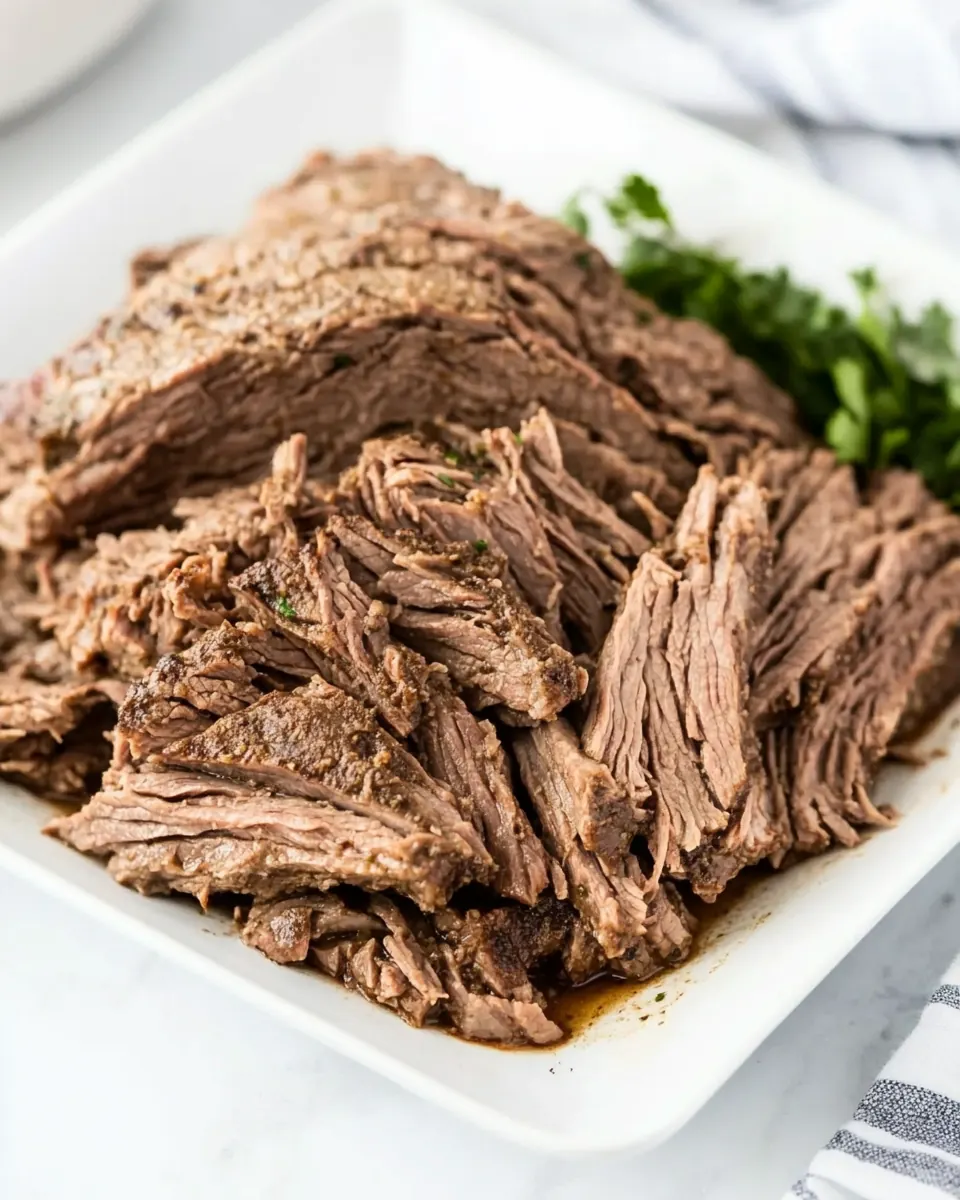
The ingredient list for Slow Cooker Tri Tip is intentionally straightforward. Each component plays a specific role: the spices create a fragrant, savory crust, the garlic and aromatics deepen flavor, and the beef broth plus Worcestershire provide moisture and umami during the long, slow cook. These parts combine to coax tenderness from the tri tip while keeping the final meat juicy and flavorful.
- 1 1/4 teaspoons salt: Season liberally to enhance overall flavor and help tenderize the meat during slow cooking; dissolve into juices to create a balanced base for the sauce. Add early to ensure even distribution and proper seasoning throughout the roast.
- 1/2 teaspoon black pepper: Crack freshly or use preground to provide sharp, warming heat and contrast to richer elements; helps brighten the dish’s flavor profile. Sprinkle to taste before cooking and adjust at the end if needed.
- 3/4 teaspoon dried thyme: Add dried to contribute an earthy, slightly floral note that complements beef; holds up well in long, slow cooking without becoming bitter. Rehydrate in the cooking liquid to release aromatic oils into the sauce.
- 1/2 teaspoon dried rosemary: Crush or chop dried to deliver piney, resinous undertones that pair well with roasted meat; small amount goes a long way in slow braises. Infuse into broth early so flavor mellows and integrates.
- 4 cloves garlic minced: Mince finely to provide pungent, savory depth and aromatic sharpness; melds into the sauce to enhance umami and complexity. Add with other aromatics early so garlic flavors mellow and permeate the roast.
- 1 teaspoon onion powder: Sprinkle as a concentrated savory seasoning that adds subtle sweetness and oniony depth; helps round out savory layers in the braising liquid. Mix into dry rub or broth for even flavor release during cooking.
- 3/4 teaspoon dried oregano: Include dried to supply warm, slightly bitter herbal character that supports tomato and meat flavors; blends with other Mediterranean herbs for complexity. Allow time in the slow cooker for its flavors to develop and soften.
- 1/2 teaspoon smoked paprika: Add smoked to introduce gentle smoky warmth and color without using a grill; complements roasted beef and enhances savory richness. Use sparingly to avoid overpowering more delicate herbs and aromatics.
- 3 pound tri-tip beef roast trimmed: Trim and place in the slow cooker as the main protein; provides hearty, flavorful beef suitable for shredding or slicing after long, gentle cooking. Brown briefly if desired to develop a deeper crust before braising for added flavor.
- 2 cups beef broth: Pour into the cooker to supply savory liquid for braising and to deglaze browned bits; contributes body and beefy flavor to the sauce. Use low-sodium broth if monitoring salt and adjust seasoning later as needed.
- 1 1/2 tablespoons Worcestershire sauce: Stir in to add tangy, savory depth and umami; helps balance richness and enhances overall meaty flavor in the cooking liquid. Add during cooking so its flavors meld with broth and aromatics.
- 6 sandwich buns (optional): Serve as optional vessels for sliced or shredded beef to turn the roast into sandwiches; provide a soft, neutral base that soaks up saucy juices. Warm slightly before serving to improve texture and prevent cooling the meat.
- 6 slices Swiss cheese (optional): Top sandwiches as an optional melty, creamy element that adds nutty, salty richness; slices melt nicely over warm beef for added indulgence. Place on buns near the end of serving so cheese softens without fully disintegrating.
Step by Step Guide for Slow Cooker Tri Tip
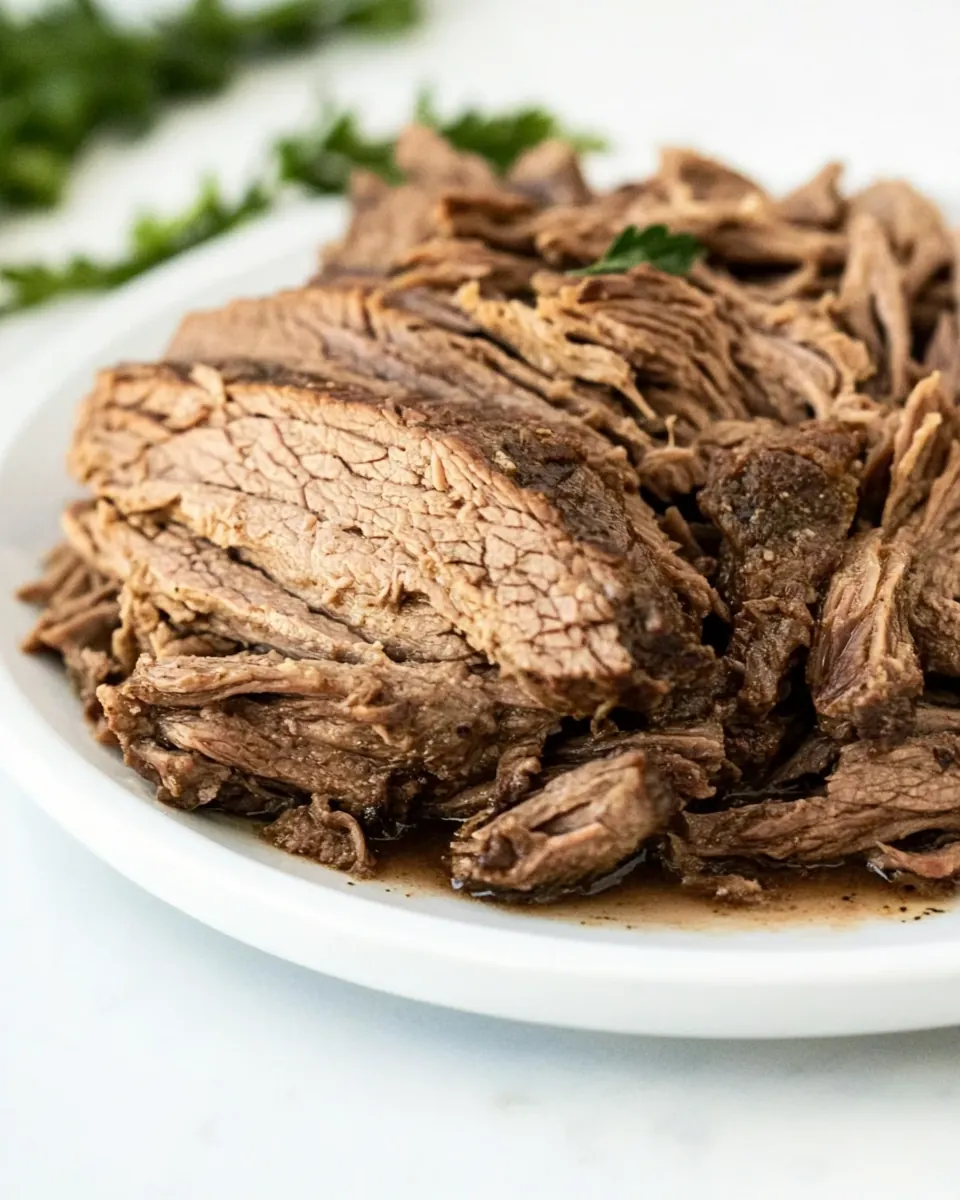
I like to walk through the process slowly, because the slow cooker rewards patience. Below, each core direction from the original recipe is expanded with sensory cues, reasons why the step matters, and troubleshooting notes so you can be confident every time.
- In a small bowl, mix salt, black pepper, dried thyme, dried rosemary, minced garlic, onion powder, dried oregano, and smoked paprika. Rub the spice mix evenly over the tri-tip roast.: The spice mix should look evenly combined, a dusty mosaic of red and green flecks that smell fragrant when you bring the bowl close. As you rub the mixture into the tri tip , press firmly so the rub adheres and creates a thin crust that will brown slightly as it cooks slowly. You should notice the perfume of garlic , the piney note of rosemary , and the warm sweetness of smoked paprika all at once. This contact between seasoning and meat is crucial because the long cook time draws those flavors inward; if the rub sits for even 10 to 15 minutes, it starts to penetrate the surface. A frequent misstep is applying too little pressure or not spreading the rub uniformly, which leads to uneven seasoning where some bites taste muted. If your rub feels damp, pat it dry with a paper towel and re apply so it clings rather than sliding off.
- Place the seasoned tri-tip into the slow cooker. Carefully pour beef broth and Worcestershire sauce around the meat to keep the seasoning intact.: When lowering the roast into the cooker, you want to avoid disturbing the seasoned surface, so tilt and nestle it gently. Pouring the beef broth and Worcestershire sauce around the edges, rather than straight onto the top, preserves that seasoning crust while still providing the moisture needed for connective tissue to break down. You will hear a soft wet sound as the liquid settles, and steam will begin to rise as the cooker warms. This liquid acts like a flavor reservoir, bathing the meat and concentrating as it reduces; without it the roast can dry at the exposed top. A common oversight is adding the liquid on top which makes the rub slide off and dilutes the concentrated flavors.
- Cover the slow cooker and set it on low for 6-7 hours, or until the meat is tender and easily shreds with a fork.: As the cooker warms, you will notice a gentle, building aroma in the kitchen that shifts from the sharpness of raw garlic to a rounder, savory stew like scent. The long low heat allows collagen in the tri tip to convert into gelatin, giving the meat that melt in your mouth texture. Resist the urge to lift the lid often, because every peek releases heat and lengthens cooking time; only check in the final hour. A telltale sign of readiness is when the meat yields easily to a fork and the edges appear frayed, glossy from the rendered juices. If after the stated time it still resists shredding, continue to cook in 30 minute increments, as undercooking is the most common mistake here.
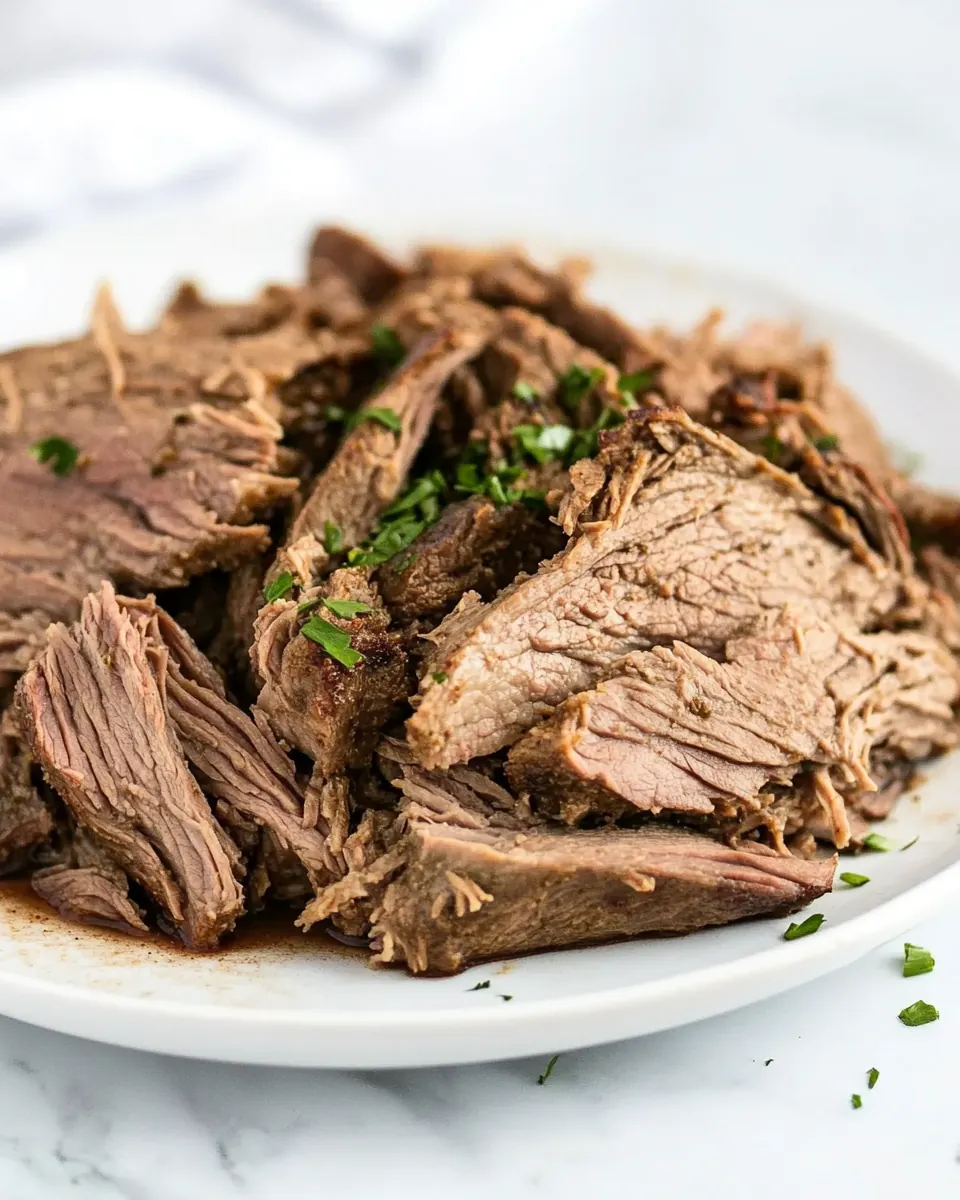
- Remove the tri-tip from the slow cooker and shred it using two forks. For a sandwich option, lightly butter and toast buns, layer with shredded meat, and top with a slice of Swiss cheese; place under a broiler just until the cheese melts. Serve with a small bowl of the strained cooking liquid as a dipping sauce if desired.: When you lift the roast from the cooker, it should come away in large, tender pieces that pull apart with little effort. The texture is glossy and moist, and the aroma is intensified when you shred, releasing the concentrated juices. Shredding with two forks creates irregular strands that trap sauce and melt slightly when paired with toasted buns. For the sandwich finishing, the tiny sizzle as buttered buns hit the pan is a sensory cue that the bread is crisping properly, while the brief broil to melt the Swiss cheese should be watched carefully because cheese can go from oozy to scorched in seconds. Straining the cooking liquid removes solids and gives you a silky dipping sauce, which elevates each bite by adding moistened richness. A common error is letting the shredded meat sit too long without moisture, which can make it seem dry; reserve some liquid and toss gently before serving.
Substitutions and Tips
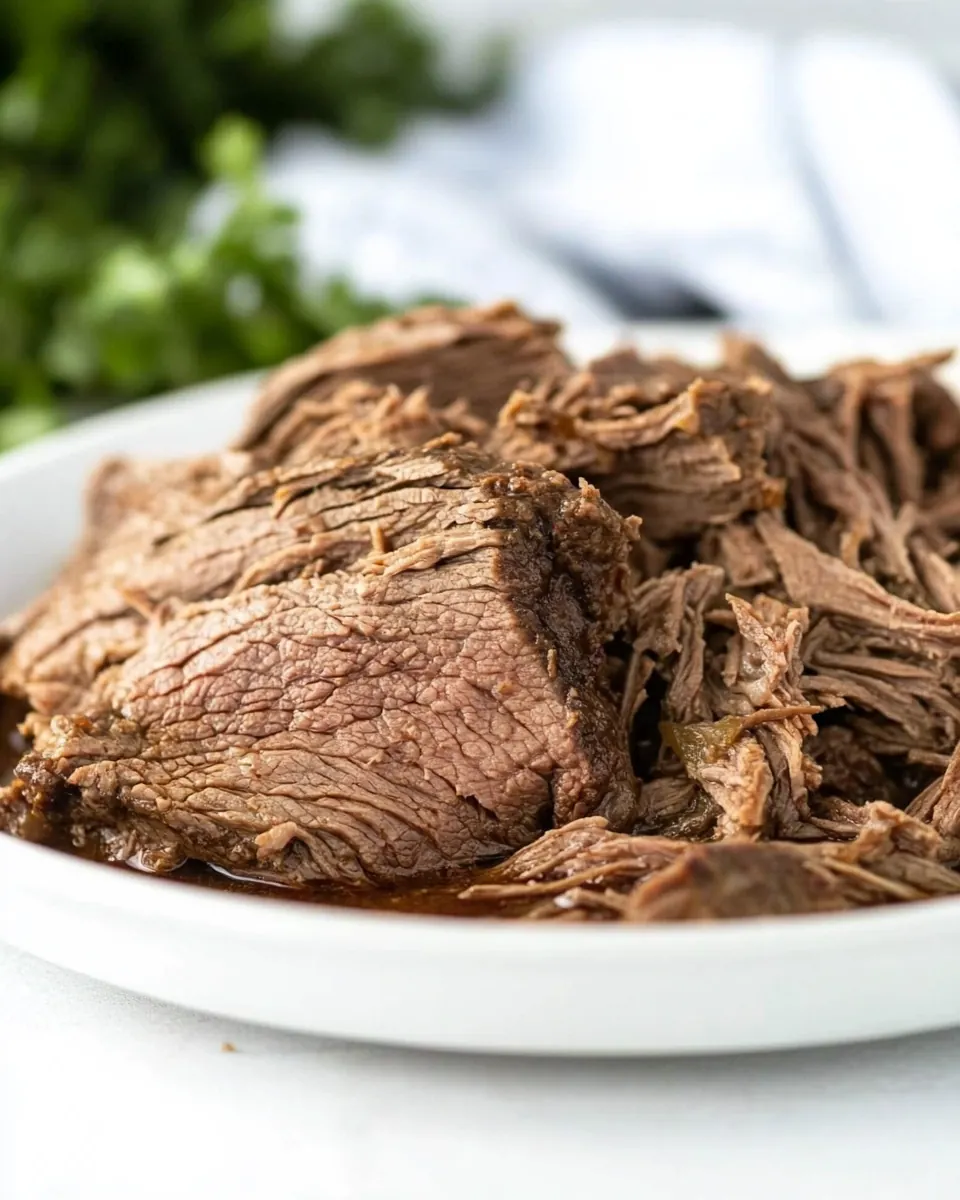
I like to keep substitutions minimal so the essence of Slow Cooker Tri Tip remains intact, but a few thoughtful swaps can tailor the dish to what you have on hand. Below are practical tips and small alternatives that preserve the texture and flavor while offering flexibility.
- Swap for low sodium: If your beef broth is high in salt, choose a low sodium version to control saltiness, then adjust seasoning at the end.
- Herb flexibility: If you are out of one dried herb, increase another complementary herb slightly, for example use a touch more thyme if you do not have oregano.
- Cheese option: If you do not have Swiss cheese, pick any mild melting cheese you enjoy, keeping in mind the final flavor balance.
- Broth alternatives: If beef broth is not available, a light, well seasoned stock will do, but avoid anything overly salty or strongly flavored which can overpower the roast.
- Worcestershire intensity: If you prefer a subtler tang, reduce the Worcestershire sauce slightly and taste the finished jus before serving.
How to Enjoy Slow Cooker Tri Tip
Slow Cooker Tri Tip is an ideal center for casual or celebratory meals. It works beautifully for family dinners, weekend gatherings, or when you want a warm, satisfying plate on a chilly evening. Below are many ideas for serving, pairing, and storing so every meal feels intentional.
- Classic sandwiches: Pile shredded beef on toasted buns with a slice of melted Swiss cheese, and serve with the warm strained cooking liquid on the side as a dip.
- Family style platter: Serve the shredded roast on a large board with bowls of warmed cooking liquid, so guests can assemble their own portions and control moisture and seasoning.
- Weeknight bowl: Spoon the shredded beef over steamed rice or mashed potatoes and drizzle with the cooking liquid for a quick, satisfying dinner.
- Occasions: This recipe suits casual celebrations, cold weather dinners, and gatherings where you want a hearty, comforting main without last minute fuss.
- Leftovers: Store cooled shredded beef in an airtight container with a splash of the reserved cooking liquid to keep it moist. It will last three to four days in the refrigerator, or freeze for up to three months.
- Reheating: Warm gently in a covered skillet with a few tablespoons of the reserved liquid to avoid drying, or reheat in a low oven until just hot through.
FAQ
Conclusion
What makes this recipe special is its ability to transform a modest roast into deeply flavored, tender meat with very little active effort. Give Slow Cooker Tri Tip a try on a weekend or a busy weekday where you want a warming, satisfying meal without the fuss. The combination of pantry spices, slow heat, and a simple finishing step creates a dish that is reliably comforting and crowd pleasing, so gather some buns, melt a slice of cheese, and enjoy the ease of a great slow cooked roast.
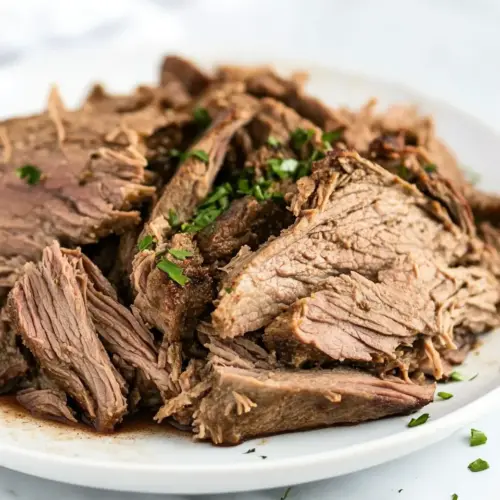
Slow Cooker Tri Tip
Equipment
- Slow Cooker
- Mixing Bowl
- Forks
- Strainer
Ingredients
- 1 1/4 teaspoons salt Season liberally to enhance overall flavor and help tenderize the meat during slow cooking; dissolve into juices to create a balanced base for the sauce. Add early to ensure even distribution and proper seasoning throughout the roast.
- 1/2 teaspoon black pepper Crack freshly or use preground to provide sharp, warming heat and contrast to richer elements; helps brighten the dish’s flavor profile. Sprinkle to taste before cooking and adjust at the end if needed.
- 3/4 teaspoon dried thyme Add dried to contribute an earthy, slightly floral note that complements beef; holds up well in long, slow cooking without becoming bitter. Rehydrate in the cooking liquid to release aromatic oils into the sauce.
- 1/2 teaspoon dried rosemary Crush or chop dried to deliver piney, resinous undertones that pair well with roasted meat; small amount goes a long way in slow braises. Infuse into broth early so flavor mellows and integrates.
- 4 cloves garlic minced Mince finely to provide pungent, savory depth and aromatic sharpness; melds into the sauce to enhance umami and complexity. Add with other aromatics early so garlic flavors mellow and permeate the roast.
- 1 teaspoon onion powder Sprinkle as a concentrated savory seasoning that adds subtle sweetness and oniony depth; helps round out savory layers in the braising liquid. Mix into dry rub or broth for even flavor release during cooking.
- 3/4 teaspoon dried oregano Include dried to supply warm, slightly bitter herbal character that supports tomato and meat flavors; blends with other Mediterranean herbs for complexity. Allow time in the slow cooker for its flavors to develop and soften.
- 1/2 teaspoon smoked paprika Add smoked to introduce gentle smoky warmth and color without using a grill; complements roasted beef and enhances savory richness. Use sparingly to avoid overpowering more delicate herbs and aromatics.
- 3 pound tri-tip beef roast trimmed Trim and place in the slow cooker as the main protein; provides hearty, flavorful beef suitable for shredding or slicing after long, gentle cooking. Brown briefly if desired to develop a deeper crust before braising for added flavor.
- 2 cups beef broth Pour into the cooker to supply savory liquid for braising and to deglaze browned bits; contributes body and beefy flavor to the sauce. Use low-sodium broth if monitoring salt and adjust seasoning later as needed.
- 1 1/2 tablespoons Worcestershire sauce Stir in to add tangy, savory depth and umami; helps balance richness and enhances overall meaty flavor in the cooking liquid. Add during cooking so its flavors meld with broth and aromatics.
- 6 sandwich buns optional Serve as optional vessels for sliced or shredded beef to turn the roast into sandwiches; provide a soft, neutral base that soaks up saucy juices. Warm slightly before serving to improve texture and prevent cooling the meat.
- 6 slices Swiss cheese optional Top sandwiches as an optional melty, creamy element that adds nutty, salty richness; slices melt nicely over warm beef for added indulgence. Place on buns near the end of serving so cheese softens without fully disintegrating.
Instructions
- In a small bowl, mix salt, black pepper, dried thyme, dried rosemary, minced garlic, onion powder, dried oregano, and smoked paprika. Rub the spice mix evenly over the tri-tip roast.: The spice mix should look evenly combined, a dusty mosaic of red and green flecks that smell fragrant when you bring the bowl close. As you rub the mixture into the tri tip , press firmly so the rub adheres and creates a thin crust that will brown slightly as it cooks slowly. You should notice the perfume of garlic , the piney note of rosemary , and the warm sweetness of smoked paprika all at once. This contact between seasoning and meat is crucial because the long cook time draws those flavors inward; if the rub sits for even 10 to 15 minutes, it starts to penetrate the surface. A frequent misstep is applying too little pressure or not spreading the rub uniformly, which leads to uneven seasoning where some bites taste muted. If your rub feels damp, pat it dry with a paper towel and re apply so it clings rather than sliding off.
- Place the seasoned tri-tip into the slow cooker. Carefully pour beef broth and Worcestershire sauce around the meat to keep the seasoning intact.: When lowering the roast into the cooker, you want to avoid disturbing the seasoned surface, so tilt and nestle it gently. Pouring the beef broth and Worcestershire sauce around the edges, rather than straight onto the top, preserves that seasoning crust while still providing the moisture needed for connective tissue to break down. You will hear a soft wet sound as the liquid settles, and steam will begin to rise as the cooker warms. This liquid acts like a flavor reservoir, bathing the meat and concentrating as it reduces; without it the roast can dry at the exposed top. A common oversight is adding the liquid on top which makes the rub slide off and dilutes the concentrated flavors.
- Cover the slow cooker and set it on low for 6-7 hours, or until the meat is tender and easily shreds with a fork.: As the cooker warms, you will notice a gentle, building aroma in the kitchen that shifts from the sharpness of raw garlic to a rounder, savory stew like scent. The long low heat allows collagen in the tri tip to convert into gelatin, giving the meat that melt in your mouth texture. Resist the urge to lift the lid often, because every peek releases heat and lengthens cooking time; only check in the final hour. A telltale sign of readiness is when the meat yields easily to a fork and the edges appear frayed, glossy from the rendered juices. If after the stated time it still resists shredding, continue to cook in 30 minute increments, as undercooking is the most common mistake here.
- Remove the tri-tip from the slow cooker and shred it using two forks. For a sandwich option, lightly butter and toast buns, layer with shredded meat, and top with a slice of Swiss cheese; place under a broiler just until the cheese melts. Serve with a small bowl of the strained cooking liquid as a dipping sauce if desired.: When you lift the roast from the cooker, it should come away in large, tender pieces that pull apart with little effort. The texture is glossy and moist, and the aroma is intensified when you shred, releasing the concentrated juices. Shredding with two forks creates irregular strands that trap sauce and melt slightly when paired with toasted buns. For the sandwich finishing, the tiny sizzle as buttered buns hit the pan is a sensory cue that the bread is crisping properly, while the brief broil to melt the Swiss cheese should be watched carefully because cheese can go from oozy to scorched in seconds. Straining the cooking liquid removes solids and gives you a silky dipping sauce, which elevates each bite by adding moistened richness. A common error is letting the shredded meat sit too long without moisture, which can make it seem dry; reserve some liquid and toss gently before serving.
Notes
- Swap for low sodium: If your beef broth is high in salt, choose a low sodium version to control saltiness, then adjust seasoning at the end.
- Herb flexibility: If you are out of one dried herb, increase another complementary herb slightly, for example use a touch more thyme if you do not have oregano.
- Cheese option: If you do not have Swiss cheese, pick any mild melting cheese you enjoy, keeping in mind the final flavor balance.
- Broth alternatives: If beef broth is not available, a light, well seasoned stock will do, but avoid anything overly salty or strongly flavored which can overpower the roast.
- Worcestershire intensity: If you prefer a subtler tang, reduce the Worcestershire sauce slightly and taste the finished jus before serving.