Apple Bread
Apple Bread was the kind of recipe that followed me home from a fall farmers market, wrapped in the scent of orchard apples and the hum of conversation as vendors wrapped their best produce for the week. The first time I baked Apple Bread I had a small loaf pan and a stack of slightly bruised green apples that begged for a second life. I remember pressing my palm to the cool counter while the batter came together, thinking about how food can rescue fruit and turn a hectic afternoon into something cozy and calm.
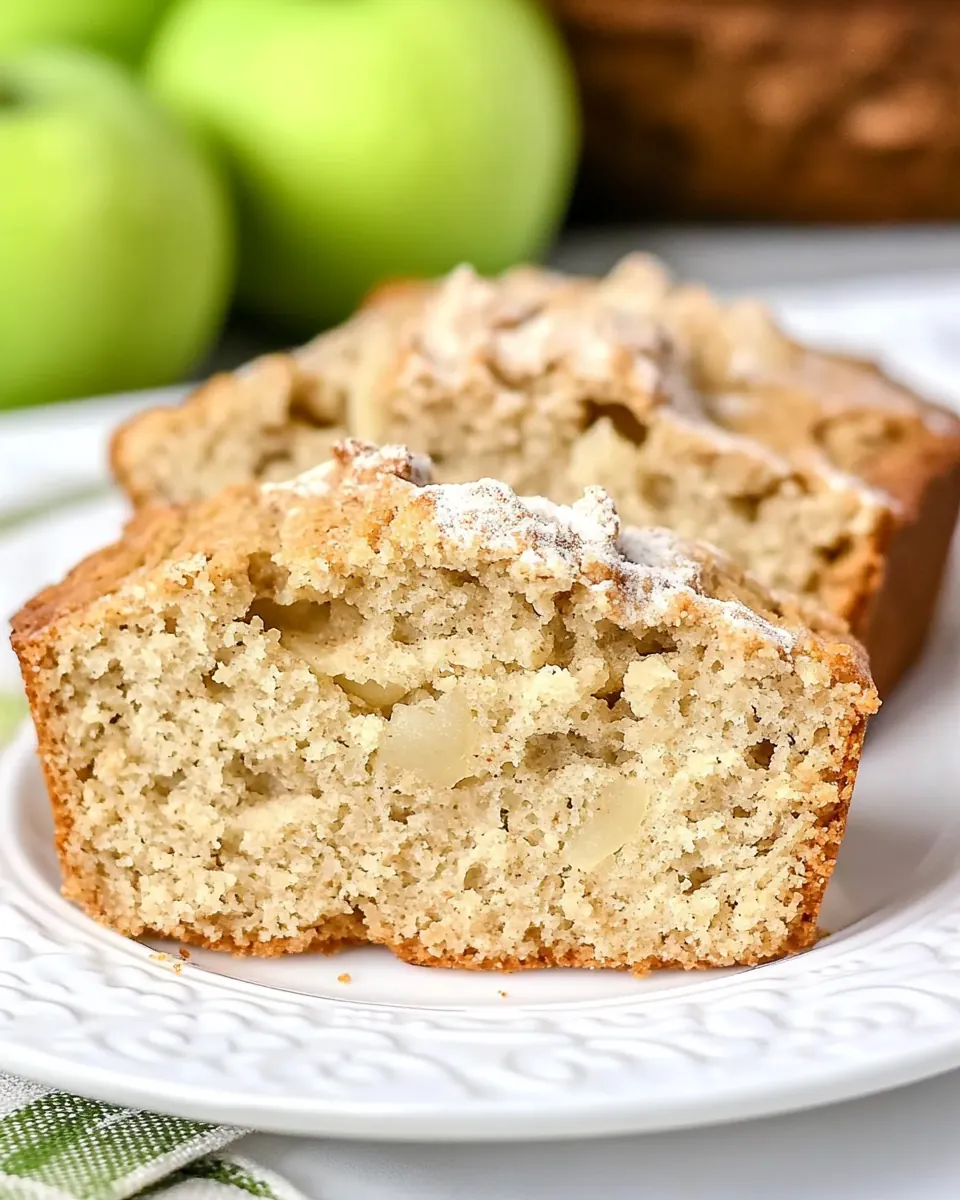
I like to bake things that feel both familiar and a little surprising, and Apple Bread fits that bill. Each slice brings soft crumb, flecks of warm spice, and a crunchy pecan surprise. I often make this loaf when we need a calm weekend ritual, the kind where someone volunteers to brew coffee and another person peels apples. It’s open to small moments, from a brisk breakfast to an afternoon with tea. Over the years I refined the crumb so it stays tender, and the streusel so it shatters underneath a powdered sugar glaze that isn’t shy but also doesn’t hide the apples.
When I serve Apple Bread I enjoy watching how people linger over the first piece, noting the cinnamon and the little pockets of apple that still have a hint of juiciness. It’s a loaf that carries memory and comfort without fuss, the kind that invites conversation and second helpings. I hope when you bake it you’ll find that same small calm, and maybe a new favorite for holiday mornings or simple weekend rituals.
Recipe Snapshot
1 hr 10 mins
15 mins
55 mins
Medium
250 kcal
American
Gluten-Free, Low FODMAP
Desserts
Loaf pan, Parchment paper, Hand mixer, Mixing bowls, Wire rack
What We Adore About This Apple Bread
Comforting texture that holds together
I love how Apple Bread balances a tender crumb with just enough structure to slice easily. The combination of all-purpose flour and properly creamed unsalted butter builds a loaf that is soft, yet resilient when you cut into it. I find that this makes the bread ideal for both morning toast and dessert plates, because it won’t crumble into a mess.
Warm, layered spice profile
The blend of ground cinnamon and nutmeg gives the loaf a classic spice backbone that never feels one note. I like that the spices pair with diced green apples to create bright pops of flavor, and that the streusel amplifies the cinnamon for a satisfying contrast. When I taste it fresh, the spice is noticeable but not overpowering.
Textural contrast with fruit and nuts
Adding chopped pecans to the batter and a crumbly topping gives this bread real dimension. I enjoy the way the nuts offer a toasty crunch next to tender apple pieces, it keeps every bite interesting. I usually opt for pecans for their buttery flavor, but the main idea is crunchy versus soft, and that contrast elevates a simple loaf.
Easy to adapt and make ahead
This recipe is wonderfully forgiving, and I often make it a day ahead for gatherings. The loaf actually benefits from resting, flavors marry, and glazing it the next morning keeps the top glossy without sogginess. I like having a recipe that can be prepped in one afternoon and enjoyed across several occasions.
Retro appeal with a modern twist
There is something nostalgic about a fruit loaf, yet this version feels current thanks to the streusel and glaze. I cherish recipes that connect generations, and Apple Bread is easy enough for a beginner while offering small techniques for more confident bakers to tweak and make their own.
What You’ll Need for Apple Bread
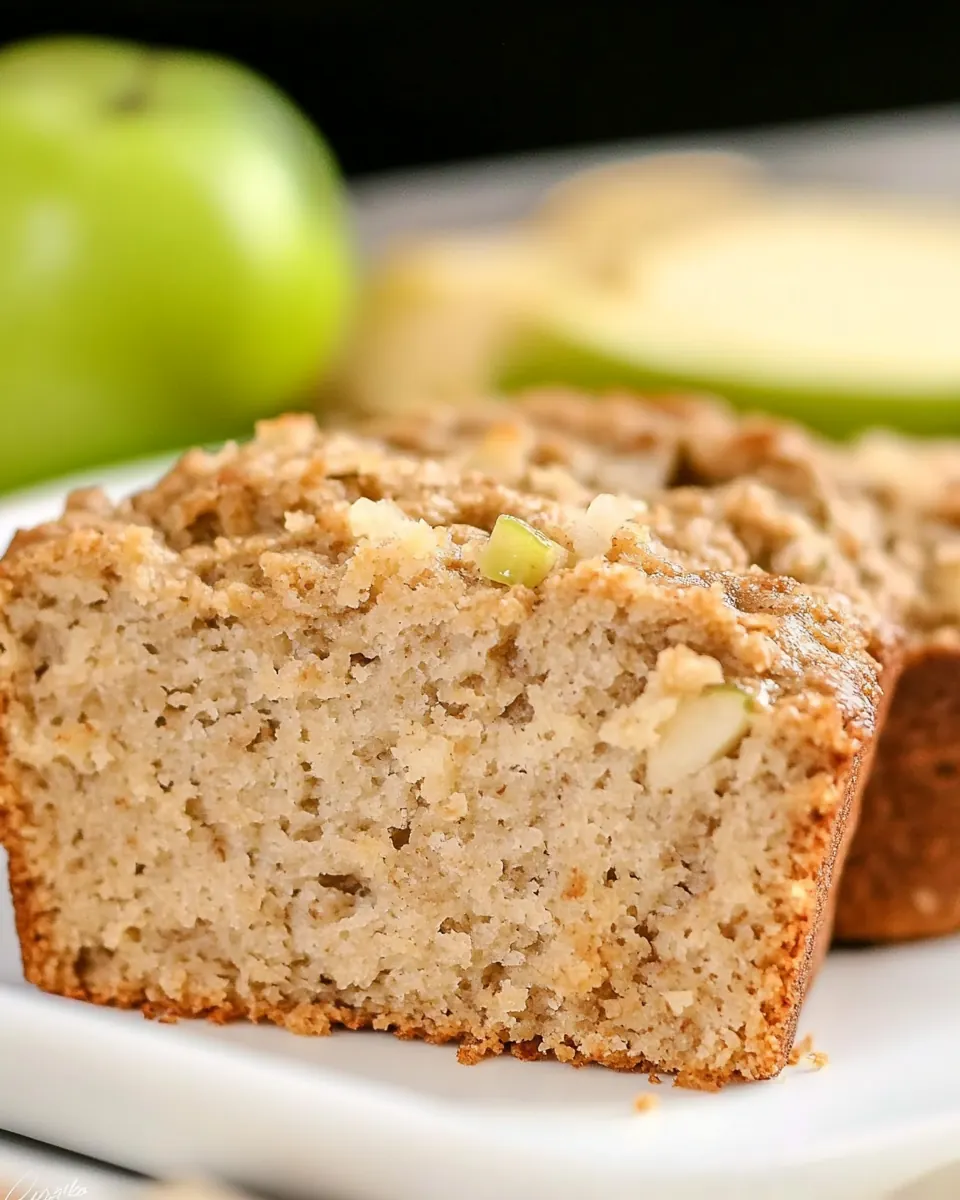
These ingredients come together with a clear purpose. The loaf relies on a balance of fat, sugar, and flour to create a tender crumb, while the green apples and pecans provide moisture and texture. The streusel and glaze add a final layer of sweetness and crunch, making each slice feel composed and deliberate.
- 1/2 cup unsalted butter softened: Creamed to provide richness and moisture while contributing a tender crumb and golden color to the loaf; softened texture makes it easy to incorporate air when beaten with sugars.
- 3/4 cup granulated sugar: Added to sweeten and help with browning; granulated texture assists in creating a fine crumb and stabilizes the batter when creamed with butter.
- 1/4 cup light brown sugar: Used to add a deeper, caramel-like sweetness and moisture; light brown sugar also contributes a slight chewiness and richer flavor to the bread.
- 2 eggs large: Beaten in to bind ingredients and provide structure through coagulated proteins; large size offers predictable volume and helps with leavening and moisture.
- 1/2 cup milk: Poured in to hydrate the dry ingredients and loosen the batter for proper consistency; milk also contributes tenderness and a mild dairy flavor.
- 1 teaspoon vanilla extract: Stirred in to impart aromatic sweetness and enhance other flavors; vanilla extract rounds out the overall taste profile of the bread.
- 2 cups all-purpose flour: Sifted or whisked to form the bulk of the dry structure, providing gluten for chew and stability; all-purpose flour balances tenderness and support.
- 1/2 teaspoon salt: Sprinkled in to enhance and balance flavors while controlling yeast or chemical leavening; salt also strengthens gluten and improves overall taste.
- 1 teaspoon baking powder: Folded into the dry mix to provide lift via carbon dioxide release during baking; baking powder ensures a light, tender texture in the quick bread.
- 1 teaspoon ground cinnamon: Mixed to infuse warm, fragrant spice notes that complement apples; ground cinnamon contributes aromatic depth and pairs well with nuts and sugars.
- 1/2 teaspoon nutmeg: Blended for warm, sweet spice with slightly nutty undertones; nutmeg adds complexity and enhances the overall autumnal flavor.
- 1 1/2 cups diced green apples: Tossed into the batter to deliver fresh apple bursts, moisture, and texture contrast; diced green apples add bright acidity that balances sweetness.
- 1/2 cup pecans chopped: Folded in for crunchy texture and nutty flavor that contrast the soft crumb; chopped pecans also contribute richness and visual interest.
- 6 tablespoons butter cold: Grated or cubed and used cold for a streusel topping to create flaky, buttery pockets that melt into the surface while baking.
- 1/3 cup flour: Whisked into the streusel to provide structure and bulk; this flour helps bind the cold butter and sugars into crumbly topping pieces.
- 2 tablespoons white granulated sugar: Sprinkled into the streusel mix to add surface sweetness and a slight crunch when baked; white granulated sugar helps caramelize the topping edges.
- 2 tablespoons light brown sugar: Combined into the streusel for a deeper caramel note and added moisture; light brown sugar creates a more cohesive, flavorful crumble.
- 1 teaspoon ground cinnamon: Sprinkled into the streusel to enhance warm spice character and complement the apples; ground cinnamon ties the topping to the loaf’s flavors.
- 1/2 teaspoon nutmeg: Measured into the streusel for additional nutmeg warmth that echoes the batter flavors; nutmeg contributes subtle aromatic complexity.
- 1 cup powdered sugar: Whisked into a glaze to provide a sweet, smooth finish that contrasts the dense bread; powdered sugar dissolves easily for a glossy coating.
- 1 tablespoon milk: Stirred into the glaze to reach a desired pourable consistency and add a touch of creaminess; milk helps thin the powdered sugar without graininess.
- 1/4 teaspoon vanilla extract: Added to the glaze to impart a tiny boost of aromatic warmth and round out sweetness; vanilla extract elevates the final flavor profile.
How to Assemble Apple Bread
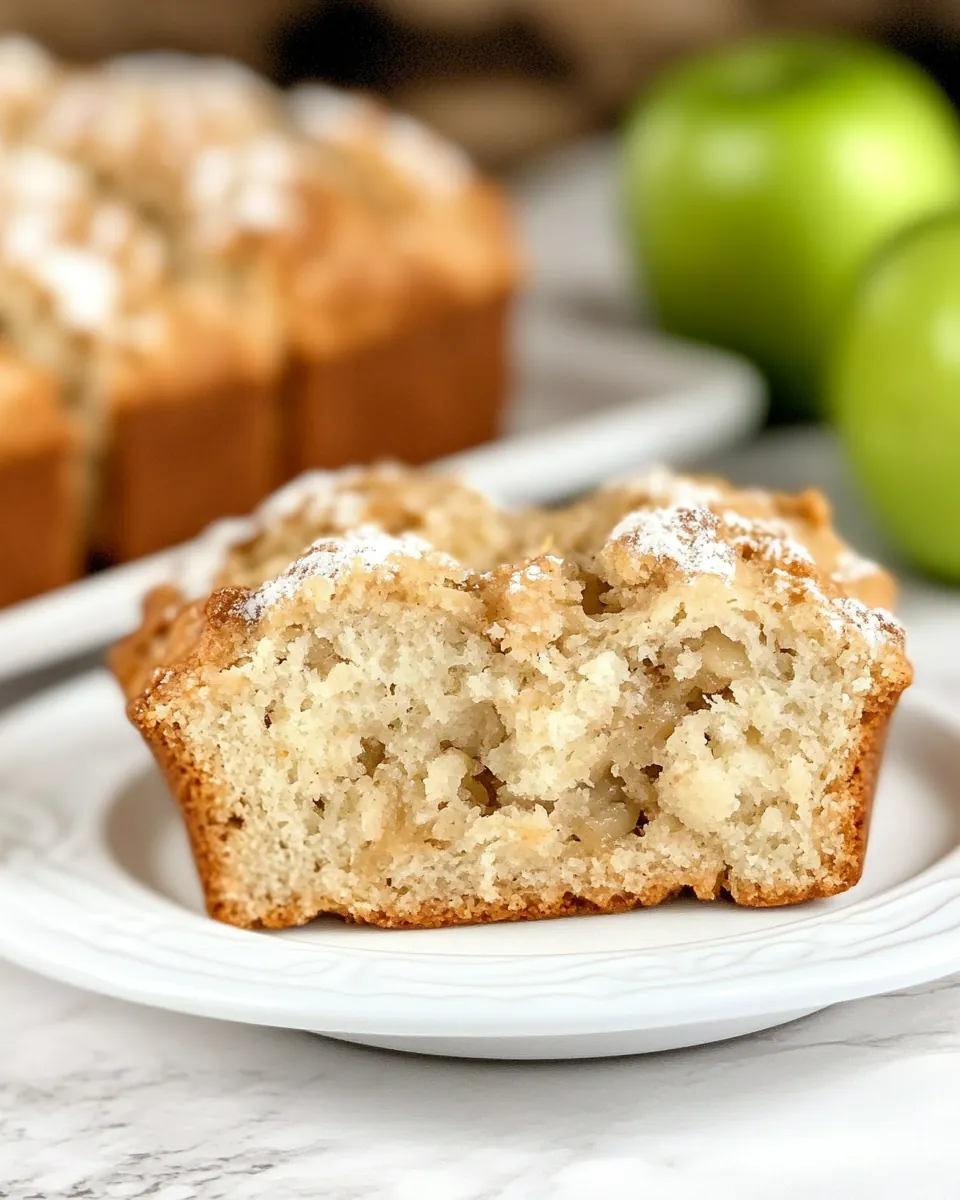
Get comfortable, because assembling this loaf is a satisfying process of layering textures and aromas. I like to set everything out first, so the rhythm of mixing and folding feels calm. Below are the steps rewritten into detailed, sensory-driven directions to help you bake with confidence.
- Preheat oven to 350 degrees F.: The warm, steady heat of an oven brought to 350 degrees F gives the loaf an even golden rise and a tender interior, you should notice a faint warm oven scent as it reaches temperature. This step matters because starting with the correct oven temperature ensures the loaf structure sets at the right pace, preventing a gummy center or crust that browns too fast. A common mistake is rushing this step, putting the batter into an oven that is still heating, which can lead to uneven rising or soggy texture at the center. If your oven runs hot, use an oven thermometer and adjust slightly downward to avoid overly browned edges.
- Line a loaf pan with parchment paper so it overhangs on the size for easy bread removal. Also, you can spray the pan with baking spray.: The parchment creates a smooth release and the overhang gives you easy leverage to lift the loaf out once cooled, you may hear the faint crinkle of paper when you press it into the pan. This protects the loaf from sticking and helps keep the crust intact while you invert it. A common pitfall is not greasing the pan lightly if the parchment shifts, which can let batter slip under and create uneven edges. Ensure the parchment is snug and, if desired, spray the pan lightly so the paper adheres.
- Using a hand mixer, cream butter and both sugars in a large mixing bowl.: As you beat unsalted butter with granulated sugar and light brown sugar , you will see the mixture go from glossy to light and airy, and the bowl will smell subtly sweet with caramel notes. Proper creaming traps air that helps the loaf rise, which is why you should mix until pale and slightly fluffy. Overmixing can cause the butter to break down, and undermixing leaves a dense loaf, so aim for a balance. Scrape the bowl sides so no unmixed pockets of butter remain.
- Add in eggs, milk, and vanilla and whisk to combine.: When you add the eggs , milk , and vanilla extract , the batter will loosen and become glossy, and you may hear a gentle hum from the mixer as the ingredients come together. These wet ingredients help emulsify the fats and sugars, creating a smooth texture. If your eggs are cold, the batter may seize slightly and look uneven, so room temperature eggs blend best. Avoid adding all liquid at once if your mixture looks curdled, instead beat gently to bring it back together.
- Mix in flour, salt, baking powder, cinnamon, and nutmeg.: Folding the dry mix in will transform the batter into a thicker, silky mass speckled with cinnamon and nutmeg , and you will smell the spice bloom as it moistens. This step builds the loaf’s structure, so mix until just combined to prevent gluten overdevelopment which can make the bread tough. A frequent error is vigorous mixing; stop when you no longer see streaks of flour. If the batter seems too stiff, a tablespoon of milk can be added to loosen it slightly.
- Fold in apples and pecans.: When the diced green apples and chopped pecans go into the batter, you will notice a contrast of colors and textures, and a crisp apple scent. Folding gently preserves the apple pieces so they remain distinct instead of breaking down and turning the batter wet. This keeps pockets of fruit that add moisture and bursts of flavor during baking. Beware of overmixing at this stage, which can bruise the apples and muddy the texture; fold with a spatula until evenly distributed.
- Transfer mixture into the prepared baking pan.: As you scrape the batter into the pan, you will notice its weight and a glossy sheen; smooth the top lightly so the streusel can adhere. A flat, even surface allows an attractive rise and consistent crumb. Pressing too hard can compress the batter and make the center dense, so use gentle, even movements. If the batter feels cold from the fruit, give it a minute at room temperature to relax so it bakes evenly.
- Combine all ingredients in a bowl and mix with a fork until crumbly. Sprinkle over the bread batter.: For the streusel, rubbing cold butter into flour , white granulated sugar , light brown sugar , ground cinnamon , and nutmeg with a fork creates small, pebble like crumbs that sizzle and brown on top of the loaf. The texture should be like coarse sand with little butter bits; these melt and caramelize during baking for a crunchy top. Avoid letting the butter warm too much, or the crumbs will turn into a paste rather than discrete pieces.
- Bake for 55-60 minutes, until a toothpick inserted in the center of the bread, comes out clean.: As the streusel lands on the batter, you will see a patchwork of crumbs that promise crunch after baking, and their placement affects browning. Scatter evenly for balanced texture and press lightly so some crumbs adhere. Too much heavy pressing buries the crumbs and prevents crisping, while too light a dusting can blow off during baking, so aim for gentle distribution.
- Let fully cool on a wire rack, after that remove from pan.: During baking you will notice the kitchen filling with warm spice aromas and the top developing a deep golden color, the streusel will brown into crisp pockets. The toothpick test is crucial because ovens vary, and it ensures the center is set without overbaking. A common mistake is relying on color alone; if the center is still wet, tent with foil and give it more time. Start checking at 50 minutes to prevent overbrowning.
- Whisk all the glaze ingredients in a bowl until smooth and drizzle the top of the bread. Slice and serve.: Cooling on a wire rack lets air circulate under the loaf so condensation does not make the crust soggy, you will notice the loaf firming as it cools. Patience here allows the crumb to set, making cleaner slices. Removing the loaf too soon can cause it to fall apart; wait until it is warm to the touch but not hot before lifting using the parchment overhang.
- Store leftovers in an airtight container.: As you whisk powdered sugar , milk , and vanilla extract into a glossy glaze, it will smell sweet and look silky. Drizzle while the loaf is cool to avoid the glaze melting away and soaking in; the final shine enhances presentation. If the glaze is too thin it will run off, too thick it will clump, so adjust with tiny additions of milk to reach a ribbon like consistency.
- Slice and serve.: When you slice into the loaf, expect a tender crumb flecked with apple and pecan , and a crisp streusel top that contrasts the soft interior. Use a serrated knife and a gentle sawing motion for clean slices, and arrange them so everyone gets a piece with topping. Cutting too aggressively can compress the loaf, so let the knife do the work and move slowly.
- Store leftovers in an airtight container.: Proper storage keeps slices moist and prevents the streusel from absorbing humidity, you should notice the loaf staying soft for several days when sealed. Refrigeration can dry the crumb, so I prefer a cool pantry if serving quickly. A common oversight is wrapping while warm, which traps steam and softens the topping, so always cool fully before sealing.
Helpful Notes about Apple Bread
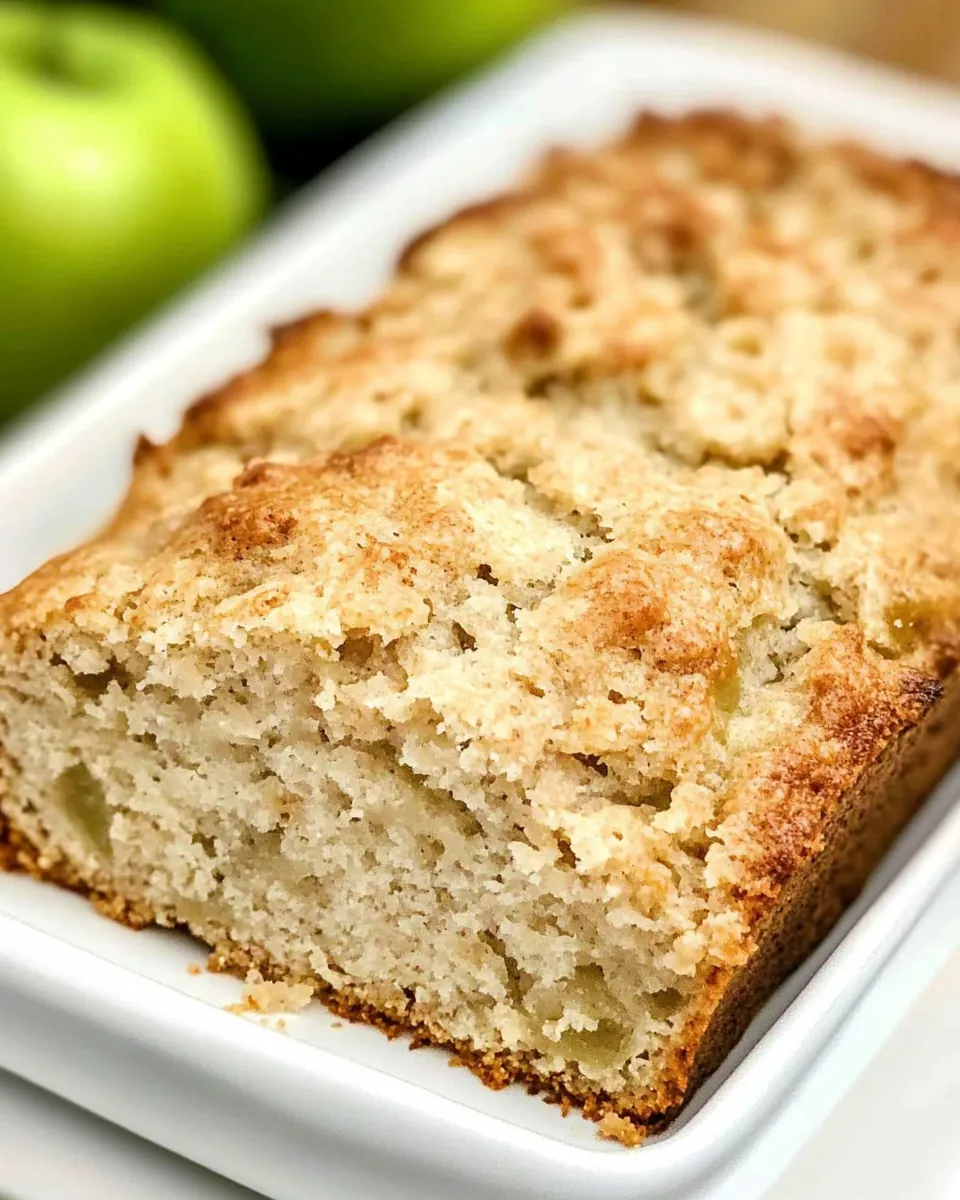
These notes will help you refine the loaf and troubleshoot common baking quirks. I like to group practical tips so you can reference them quickly while baking, and use the list below when you want the loaf to turn out reliably.
- Bring ingredients to room temperature, especially eggs and butter. This promotes even mixing and a smoother batter which improves texture and rise.
- Measure flour correctly by spooning it into the cup and leveling off. Packing flour will yield a dry, dense loaf, while aerated flour gives a lighter crumb.
- Even apple dice size matters, about quarter inch pieces distribute evenly and keep some bite, ensuring consistent pockets of moisture throughout the bread.
- Keep the streusel cold until you’re ready to sprinkle it on top. Cold butter creates the signature crumbly texture during baking that melts into crunchy pockets.
- Use a serrated knife for slicing and a gentle sawing motion to preserve the loaf shape and keep slices neat without compressing the crumb.
Side Dish Ideas for Apple Bread
Apple Bread is versatile and pairs beautifully with many simple accompaniments. Serve it for breakfast, a light lunch, or an easy dessert, and consider how seasonal beverages and spreads can elevate each slice. Below are ideas for serving, storage, and occasions where the loaf fits particularly well.
- Breakfast spread, serve slices with a smear of softened butter and a steaming mug of coffee for a cozy morning that highlights the loaf’s tender crumb and warm spices.
- Brunch companion, pair with a fruit salad and yogurt for a balanced brunch plate that lets the loaf shine without overpowering other dishes.
- Afternoon tea, present with black or spiced tea; the loaf’s cinnamon and nutmeg complement brewed tea and make for a comforting midafternoon treat.
- Holiday table, bring the loaf to a holiday gathering as an easy sweet option; its autumnal flavors suit fall celebrations and casual family breakfasts.
- Storage tips, wrap cooled slices in plastic wrap or place in an airtight container for up to three days at room temperature, or freeze slices for up to one month to preserve freshness.
- Seasonal pairing, enjoy during fall when apples are at their peak, but this loaf works year round as a simple, satisfying baked good.
FAQ
Conclusion
This Apple Bread stands out for its balance of tender crumb, bright diced apples, and a crunchy streusel crown that makes every slice comforting and memorable. Give it a try for a relaxed breakfast, a brunch addition, or an easy dessert, and notice how the warm spices and nutty crunch make it feel just a bit special. I hope baking this loaf brings the calm rhythm of mixing and the pleasure of passing around warm slices, it’s a simple joy worth repeating.
Apple Bread
Equipment
- Loaf Pan
- Parchment Paper
- Hand Mixer
- Mixing Bowls
- Wire Rack
Ingredients
- 1/2 cup unsalted butter softened Creamed to provide richness and moisture while contributing a tender crumb and golden color to the loaf; softened texture makes it easy to incorporate air when beaten with sugars.
- 3/4 cup granulated sugar Added to sweeten and help with browning; granulated texture assists in creating a fine crumb and stabilizes the batter when creamed with butter.
- 1/4 cup light brown sugar Used to add a deeper, caramel-like sweetness and moisture; light brown sugar also contributes a slight chewiness and richer flavor to the bread.
- 2 eggs large Beaten in to bind ingredients and provide structure through coagulated proteins; large size offers predictable volume and helps with leavening and moisture.
- 1/2 cup milk Poured in to hydrate the dry ingredients and loosen the batter for proper consistency; milk also contributes tenderness and a mild dairy flavor.
- 1 teaspoon vanilla extract Stirred in to impart aromatic sweetness and enhance other flavors; vanilla extract rounds out the overall taste profile of the bread.
- 2 cups all-purpose flour Sifted or whisked to form the bulk of the dry structure, providing gluten for chew and stability; all-purpose flour balances tenderness and support.
- 1/2 teaspoon salt Sprinkled in to enhance and balance flavors while controlling yeast or chemical leavening; salt also strengthens gluten and improves overall taste.
- 1 teaspoon baking powder Folded into the dry mix to provide lift via carbon dioxide release during baking; baking powder ensures a light, tender texture in the quick bread.
- 1 teaspoon ground cinnamon Mixed to infuse warm, fragrant spice notes that complement apples; ground cinnamon contributes aromatic depth and pairs well with nuts and sugars.
- 1/2 teaspoon nutmeg Blended for warm, sweet spice with slightly nutty undertones; nutmeg adds complexity and enhances the overall autumnal flavor.
- 1 1/2 cups diced green apples Tossed into the batter to deliver fresh apple bursts, moisture, and texture contrast; diced green apples add bright acidity that balances sweetness.
- 1/2 cup pecans chopped Folded in for crunchy texture and nutty flavor that contrast the soft crumb; chopped pecans also contribute richness and visual interest.
- 6 tablespoons butter cold Grated or cubed and used cold for a streusel topping to create flaky, buttery pockets that melt into the surface while baking.
- 1/3 cup flour Whisked into the streusel to provide structure and bulk; this flour helps bind the cold butter and sugars into crumbly topping pieces.
- 2 tablespoons white granulated sugar Sprinkled into the streusel mix to add surface sweetness and a slight crunch when baked; white granulated sugar helps caramelize the topping edges.
- 2 tablespoons light brown sugar Combined into the streusel for a deeper caramel note and added moisture; light brown sugar creates a more cohesive, flavorful crumble.
- 1 teaspoon ground cinnamon Sprinkled into the streusel to enhance warm spice character and complement the apples; ground cinnamon ties the topping to the loaf’s flavors.
- 1/2 teaspoon nutmeg Measured into the streusel for additional nutmeg warmth that echoes the batter flavors; nutmeg contributes subtle aromatic complexity.
- 1 cup powdered sugar Whisked into a glaze to provide a sweet, smooth finish that contrasts the dense bread; powdered sugar dissolves easily for a glossy coating.
- 1 tablespoon milk Stirred into the glaze to reach a desired pourable consistency and add a touch of creaminess; milk helps thin the powdered sugar without graininess.
- 1/4 teaspoon vanilla extract Added to the glaze to impart a tiny boost of aromatic warmth and round out sweetness; vanilla extract elevates the final flavor profile.
Instructions
- Preheat oven to 350 degrees F.: The warm, steady heat of an oven brought to 350 degrees F gives the loaf an even golden rise and a tender interior, you should notice a faint warm oven scent as it reaches temperature. This step matters because starting with the correct oven temperature ensures the loaf structure sets at the right pace, preventing a gummy center or crust that browns too fast. A common mistake is rushing this step, putting the batter into an oven that is still heating, which can lead to uneven rising or soggy texture at the center. If your oven runs hot, use an oven thermometer and adjust slightly downward to avoid overly browned edges.
- Line a loaf pan with parchment paper so it overhangs on the size for easy bread removal. Also, you can spray the pan with baking spray.: The parchment creates a smooth release and the overhang gives you easy leverage to lift the loaf out once cooled, you may hear the faint crinkle of paper when you press it into the pan. This protects the loaf from sticking and helps keep the crust intact while you invert it. A common pitfall is not greasing the pan lightly if the parchment shifts, which can let batter slip under and create uneven edges. Ensure the parchment is snug and, if desired, spray the pan lightly so the paper adheres.
- Using a hand mixer, cream butter and both sugars in a large mixing bowl.: As you beat unsalted butter with granulated sugar and light brown sugar , you will see the mixture go from glossy to light and airy, and the bowl will smell subtly sweet with caramel notes. Proper creaming traps air that helps the loaf rise, which is why you should mix until pale and slightly fluffy. Overmixing can cause the butter to break down, and undermixing leaves a dense loaf, so aim for a balance. Scrape the bowl sides so no unmixed pockets of butter remain.
- Add in eggs, milk, and vanilla and whisk to combine.: When you add the eggs , milk , and vanilla extract , the batter will loosen and become glossy, and you may hear a gentle hum from the mixer as the ingredients come together. These wet ingredients help emulsify the fats and sugars, creating a smooth texture. If your eggs are cold, the batter may seize slightly and look uneven, so room temperature eggs blend best. Avoid adding all liquid at once if your mixture looks curdled, instead beat gently to bring it back together.
- Mix in flour, salt, baking powder, cinnamon, and nutmeg.: Folding the dry mix in will transform the batter into a thicker, silky mass speckled with cinnamon and nutmeg , and you will smell the spice bloom as it moistens. This step builds the loaf’s structure, so mix until just combined to prevent gluten overdevelopment which can make the bread tough. A frequent error is vigorous mixing; stop when you no longer see streaks of flour. If the batter seems too stiff, a tablespoon of milk can be added to loosen it slightly.
- Fold in apples and pecans.: When the diced green apples and chopped pecans go into the batter, you will notice a contrast of colors and textures, and a crisp apple scent. Folding gently preserves the apple pieces so they remain distinct instead of breaking down and turning the batter wet. This keeps pockets of fruit that add moisture and bursts of flavor during baking. Beware of overmixing at this stage, which can bruise the apples and muddy the texture; fold with a spatula until evenly distributed.
- Transfer mixture into the prepared baking pan.: As you scrape the batter into the pan, you will notice its weight and a glossy sheen; smooth the top lightly so the streusel can adhere. A flat, even surface allows an attractive rise and consistent crumb. Pressing too hard can compress the batter and make the center dense, so use gentle, even movements. If the batter feels cold from the fruit, give it a minute at room temperature to relax so it bakes evenly.
- Combine all ingredients in a bowl and mix with a fork until crumbly. Sprinkle over the bread batter.: For the streusel, rubbing cold butter into flour , white granulated sugar , light brown sugar , ground cinnamon , and nutmeg with a fork creates small, pebble like crumbs that sizzle and brown on top of the loaf. The texture should be like coarse sand with little butter bits; these melt and caramelize during baking for a crunchy top. Avoid letting the butter warm too much, or the crumbs will turn into a paste rather than discrete pieces.
- Bake for 55-60 minutes, until a toothpick inserted in the center of the bread, comes out clean.: As the streusel lands on the batter, you will see a patchwork of crumbs that promise crunch after baking, and their placement affects browning. Scatter evenly for balanced texture and press lightly so some crumbs adhere. Too much heavy pressing buries the crumbs and prevents crisping, while too light a dusting can blow off during baking, so aim for gentle distribution.
- Let fully cool on a wire rack, after that remove from pan.: During baking you will notice the kitchen filling with warm spice aromas and the top developing a deep golden color, the streusel will brown into crisp pockets. The toothpick test is crucial because ovens vary, and it ensures the center is set without overbaking. A common mistake is relying on color alone; if the center is still wet, tent with foil and give it more time. Start checking at 50 minutes to prevent overbrowning.
- Whisk all the glaze ingredients in a bowl until smooth and drizzle the top of the bread. Slice and serve.: Cooling on a wire rack lets air circulate under the loaf so condensation does not make the crust soggy, you will notice the loaf firming as it cools. Patience here allows the crumb to set, making cleaner slices. Removing the loaf too soon can cause it to fall apart; wait until it is warm to the touch but not hot before lifting using the parchment overhang.
- Store leftovers in an airtight container.: As you whisk powdered sugar , milk , and vanilla extract into a glossy glaze, it will smell sweet and look silky. Drizzle while the loaf is cool to avoid the glaze melting away and soaking in; the final shine enhances presentation. If the glaze is too thin it will run off, too thick it will clump, so adjust with tiny additions of milk to reach a ribbon like consistency.
- Slice and serve.: When you slice into the loaf, expect a tender crumb flecked with apple and pecan , and a crisp streusel top that contrasts the soft interior. Use a serrated knife and a gentle sawing motion for clean slices, and arrange them so everyone gets a piece with topping. Cutting too aggressively can compress the loaf, so let the knife do the work and move slowly.
- Store leftovers in an airtight container.: Proper storage keeps slices moist and prevents the streusel from absorbing humidity, you should notice the loaf staying soft for several days when sealed. Refrigeration can dry the crumb, so I prefer a cool pantry if serving quickly. A common oversight is wrapping while warm, which traps steam and softens the topping, so always cool fully before sealing.
Notes
- Bring ingredients to room temperature, especially eggs and butter. This promotes even mixing and a smoother batter which improves texture and rise.
- Measure flour correctly by spooning it into the cup and leveling off. Packing flour will yield a dry, dense loaf, while aerated flour gives a lighter crumb.
- Even apple dice size matters, about quarter inch pieces distribute evenly and keep some bite, ensuring consistent pockets of moisture throughout the bread.
- Keep the streusel cold until you’re ready to sprinkle it on top. Cold butter creates the signature crumbly texture during baking that melts into crunchy pockets.
- Use a serrated knife for slicing and a gentle sawing motion to preserve the loaf shape and keep slices neat without compressing the crumb.