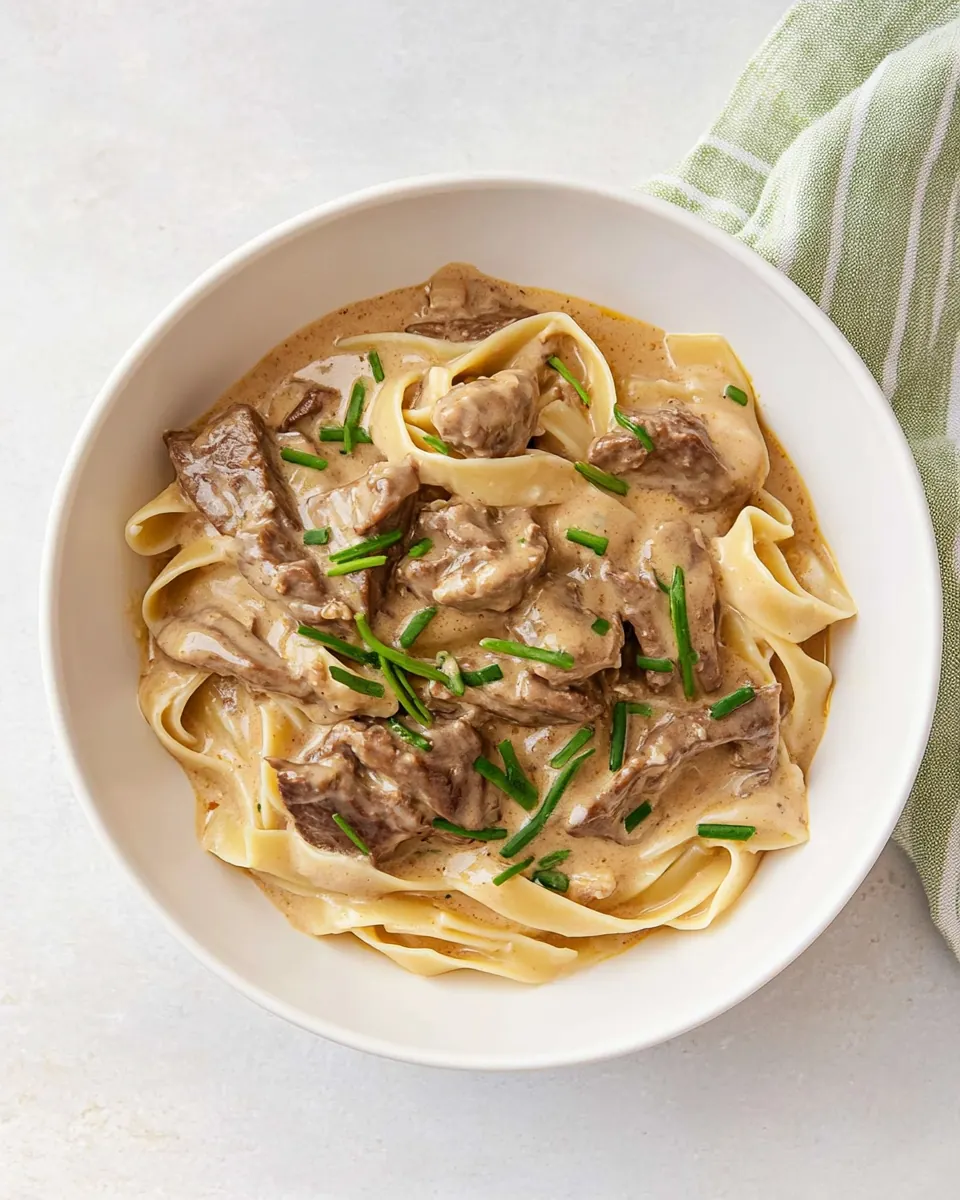
Instant Pot Beef Stroganoff
Instant Pot Beef Stroganoff is one of those dinners I turn to when the week has been long and I want something that feels indulgent without a lot of fuss.
I remember the first time I adapted my grandmother’s stovetop method for an electric pressure cooker, and the house filled with the savory scent of seared beef and softened onion. That evening I sat at the table with a bowl of glossy sauce and wide noodles, and it felt like comfort and celebration at once. Over the years I tinker with texture, timing, and how to coax the most savory depth from simple pantry items. The Instant Pot Beef Stroganoff in this recipe is the result of those experiments, balancing a rich, velvety sauce with tender chunks of beef and the earthy bite of mushrooms.
What I love most is how the method transforms inexpensive beef stew meat into something fork tender, while the quick addition of wide egg noodles finishes the meal in minutes. Each ingredient plays a clear role, and I’ll walk you through the small techniques that add big impact so you can recreate that cozy bowl at home. Whether you want a weeknight winner or a weekend supper to savor, this version simplifies the process without sacrificing flavor. I hope this becomes one of your go to recipes as it has been for me.
Recipe Snapshot
35 mins
15 mins
20 mins
Easy
450 kcal
American
Gluten-Free, Keto
Dinner
Instant Pot, Wooden spoon, Measuring cups, Knife
Why This Instant Pot Beef Stroganoff Stands Out
Deep, reliable flavor
I find that the combination of searing and pressure cooking gives the sauce a depth you do not get from braising alone. Searing the beef and sautéing the onion and mushrooms first creates browned bits that the beef broth pulls into a concentrated, savory base. This builds an umami backbone that carries through every bite.
Comfort with speed
What sold me on this approach was the ability to produce a tender, slow cooked texture in a fraction of the time. The pressure setting turns a tougher cut of beef into melt in your mouth pieces in minutes, so you get that comforting result without the long wait. For busy weeknights, that is a game changer.
Texture control
I love how the recipe separates the protein cooking from the noodle cooking. That means the egg noodles end up perfectly soft but not mushy, and the sauce keeps a luscious consistency after you stir in the sour cream. You can nudge the creaminess by adding a little more sour cream at the end for a silkier finish.
Kitchen friendly ingredients
Everything here is pantry accessible, from the flour that helps thicken the sauce to the Worcestershire that layers in savory complexity. That makes this Instant Pot Beef Stroganoff both approachable and pantry friendly, so you can pull it together without exotic shopping trips.
Versatility and crowd appeal
This recipe scales well and is forgiving of small swaps in texture and timing, which is why I turn to it for family dinners and casual gatherings. The resulting dish feels special, yet it is straightforward enough for a novice to follow confidently.
Essential Ingredients for Instant Pot Beef Stroganoff
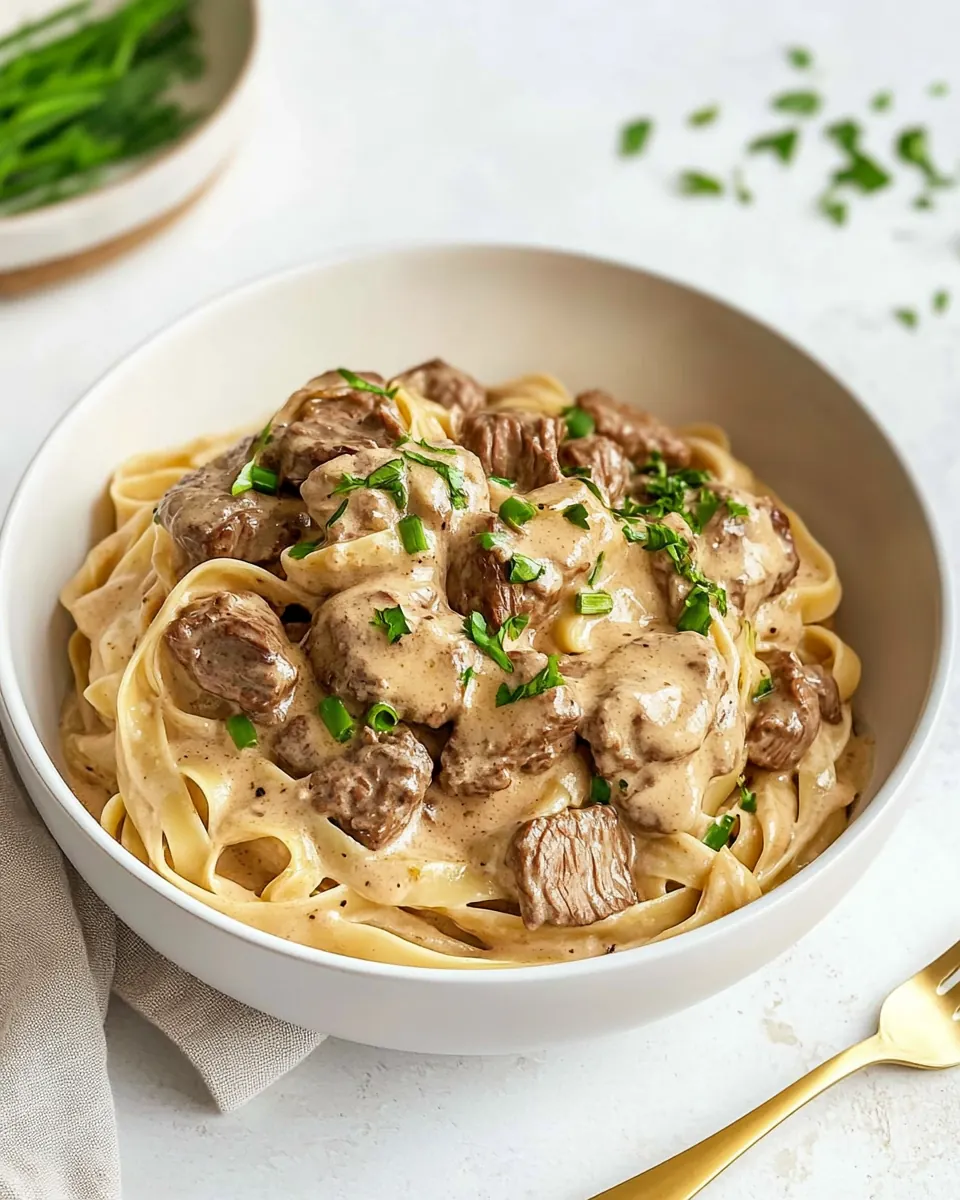
These ingredients work in harmony to create a sauce that is rich, savory, and silky. The key players are the beef for hearty flavor, the mushrooms and onion for earthiness and aromatics, and the combination of flour and beef broth to form the body of the sauce. Finishing with sour cream brings tang and a velvety mouthfeel that ties everything together.
- 2 teaspoons olive oil: Sizzle in the pot to create a flavorful base and help brown other ingredients; contributes healthy fats and a subtle fruitiness that balances richness in the dish. Use it to prevent sticking and to carry aromatics like onions and garlic as they soften. Adjust amount to taste but maintain enough to coat the bottom for proper sautéing.
- 1 tablespoon unsalted butter: Add to enrich and provide a silky mouthfeel while aiding in browning when combined with oil; melts quickly to help develop a nutty, savory backbone. Incorporate early so it can foam and meld with aromatics, contributing to a more complex, rounded flavor. Unsalted butter allows precise control of salt levels later in cooking.
- 1 small onion diced: Sweat until translucent to release sweetness and aromatic depth; adds mild sharpness and textural contrast to the sauce. Dice small for even cooking and to integrate smoothly into the finished stroganoff. Cook gently to avoid caramelization that could overpower the dish.
- 3 cloves garlic minced: Mince finely to infuse the dish with pungent, savory aroma and to brighten flavors; provides a warm, garlicky backbone that complements beef and mushrooms. Add during sautéing to mellow harshness and develop a rich, savory foundation. Monitor briefly while cooking to prevent burning and bitterness.
- 6 ounces mushrooms sliced: Sauté until golden to contribute earthy, umami depth and tender texture; mushrooms absorb braising liquids and enhance the sauce's savory complexity. Slice uniformly so they cook evenly and release moisture that blends with beef broth for a robust base. Brown for added caramelized flavor or cook gently for a softer result.
- 2 pounds beef stew meat cut into 1-inch cubes: Brown thoroughly to build deep, meaty flavor and act as the main protein and hearty focal point of the stroganoff. Cut into uniform 1-inch cubes to ensure even cooking and tender results after pressure cooking. Season and sear well to develop fond that enriches the sauce.
- Salt and pepper to taste: Season generously to enhance and balance all flavors throughout the dish; adjust at different stages to taste, especially after adding broth and sour cream. Use salt to amplify savory notes and pepper to introduce mild heat and complexity. Apply conservatively when using low-sodium broth to avoid over-salting.
- 5 tablespoons all-purpose flour: Dust over meat and vegetables to thicken the sauce and help create a velvety, cohesive consistency; coats beef and absorbs pan juices for a richer mouthfeel. Whisk into a bit of liquid if needed to prevent lumps before adding to the pot, and cook briefly to remove raw flour taste. Quantity controls final sauce thickness.
- 4 cups low-sodium beef broth: Pour in to deglaze the pot, build a savory braising liquid, and provide a beefy depth that defines stroganoff; serves as the primary cooking liquid for tenderizing the meat. Use low-sodium to control overall salt while concentrating flavors during pressure cooking. Combine with fond to produce a robust, well-balanced sauce.
- 1 tablespoon Worcestershire sauce: Stir in to introduce tangy, savory complexity and umami that deepens the sauce profile; complements beef and mushrooms while rounding out richer elements. Worcestershire adds subtle sweetness and fermented depth, enhancing overall savoriness. Use sparingly and taste-adjust as it concentrates under heat.
- 1 teaspoon Dijon mustard: Whisk into the sauce to add bright, sharp mustardy notes that lift heavy flavors and bind the sauce slightly; contributes a gentle tang and complexity without overwhelming. Dijon also helps emulsify the sauce with sour cream for a smoother finish. Add toward the end to preserve its nuanced flavor.
- 12 ounces wide egg noodles: Boil until tender to provide a comforting, starchy base that soaks up the rich stroganoff sauce; wide egg noodles offer a classic texture contrast to the creamy meat mixture. Cook to al dente and combine with sauce so they absorb flavors without becoming mushy. Serve immediately for best texture.
- 3/4 cups sour cream plus more to taste: Fold in to enrich the sauce with creamy tang and smoothness, adding a luscious finish while tempering acidity from mustard and Worcestershire. Use 3/4 cup for a balanced creaminess and reserve extra to taste for serving, stirring gently off heat to prevent curdling. Adjust amount for desired richness.
- Chopped fresh parsley (optional): Garnish sparingly to add bright herbal freshness and visual appeal, cutting through the dish's richness with a clean, grassy note. Chop just before serving to preserve color and aroma, and sprinkle over individual portions for contrast. Use as optional according to personal preference.
How to Cook Instant Pot Beef Stroganoff
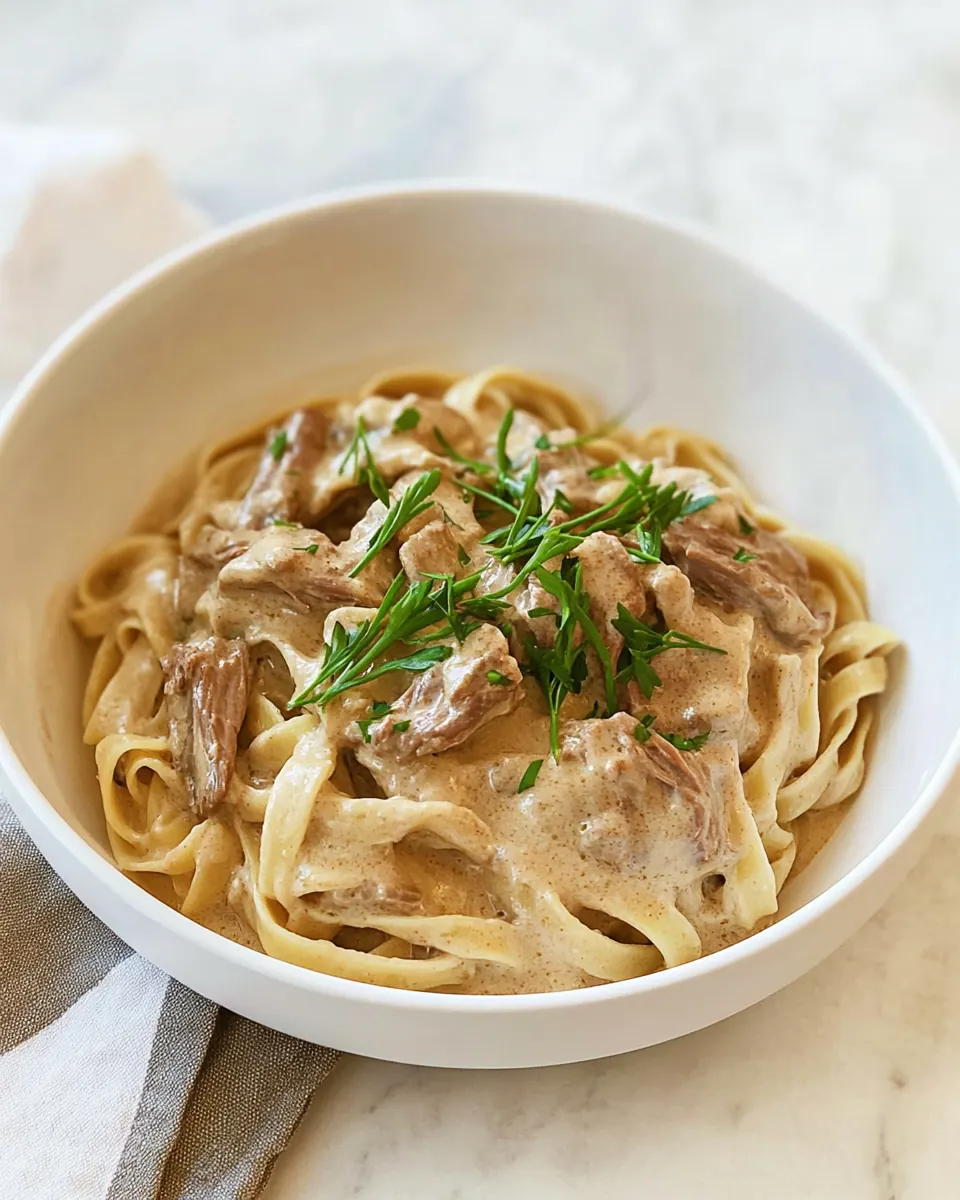
This method is straightforward but there are small sensory cues that tell you when you are on track. I like to move quickly through the sauté stage so we get good browning, then let the pressure do the heavy lifting for tender beef. The final noodle step is fast and the finish with sour cream is key to a silky sauce.
- Set the Instant Pot to Sauté. Add the olive oil and butter. Once melted, add the diced onion and minced garlic. Cook for 3-4 minutes until the onion softens, then add the sliced mushrooms and cook for an additional 2 minutes.: You will notice the pot warming and a faint shimmer forming on the surface of the oil, which is the cue to add fats. The sizzle when you add the olive oil and butter should be immediate and lively; that sound signals the pan is hot enough to brown rather than steam the aromatics. Browning builds flavor through the Maillard reaction, which is why this step matters for a rich sauce. Be careful not to leave the pot unattended, since butter can brown quickly and burn, imparting bitterness. If you smell anything acrid, lower the heat or wipe the base and start again with fresh fats.
- Season the beef with salt and pepper. Add the beef in batches to avoid overcrowding and sear on all sides until browned.: When the fats have melted and are shimmering, add the diced onion and minced garlic . You will see the onion edges turn translucent and then a light golden color within a few minutes, and the aroma will shift from sharp to sweet and rounded. This gentle caramelization adds complexity to the finished sauce, helping balance the richness of the beef . Avoid turning the heat too high to prevent the garlic from burning, which would give a bitter aftertaste. Stir frequently for even color.
- Sprinkle the flour over the beef and vegetables, stirring for 1 minute to coat them lightly. Pour in the beef broth, Worcestershire sauce, and Dijon mustard, scraping the bottom of the pot to deglaze.: As the onion softens, introduce the sliced mushrooms . They will release moisture and begin to shrink and concentrate in flavor; watch for a change in smell to a deeper, savory note. Mushrooms that are given a moment to brown will contribute a rich, roasted quality to the sauce. A common pitfall is overcrowding, which causes steaming instead of browning. If the mushrooms puddle excessively, give them a little more time to evaporate, or sauté in thinner batches.
- Secure the lid and set the Instant Pot to High Pressure for 14 minutes. Once done, perform a quick release of the pressure.: You should see the onion become soft and slightly golden, and the mushrooms reduce and take on color at the edges. The smell at this point turns deeply savory and slightly sweet from the browned aromatics. This aromatic base is crucial for a well rounded sauce because it provides both savory depth and sweetness to offset the tang of the sour cream . Avoid overcooking to the point of dryness, which will rob the dish of moisture and make the final sauce thinner than desired.
- Add the egg noodles, making sure they are fully submerged in the liquid. Reseal the lid and cook on High Pressure for 3 minutes, then manually release the pressure.: When you season the beef evenly, the salt starts to draw out surface moisture which helps create a better sear. The sound of pieces hitting the hot surface should be a clear, confident sizzle, not a soft simmer. If you hear more of a wet hiss, the pan is not hot enough and you will not get proper browning. Do not crowd the pot; sear in batches if needed to maintain high heat. Crowding cools the pot and causes steaming, which prevents flavorful browning.
- Stir in the sour cream, adding more if you prefer a creamier texture, and adjust salt and pepper to taste. Garnish with chopped parsley if desired.: Watch for deep, caramelized edges on the beef , and a savory, roasted aroma that differs from raw meat. Searing locks in flavor and creates fond on the bottom of the pot that will flavor the broth. If the pieces are pale rather than browned, raise the heat slightly and give them a little more time; just watch to prevent burning. A frequent misstep is tossing the pieces too soon, which interrupts browning. Let them develop color before turning.
- Sprinkle the flour over the beef and vegetables, stirring for 1 minute to coat them lightly: As the flour toasts briefly, you will notice a faint toasty scent that signals the raw flour taste is cooking away. This brief toast helps the flour blend smoothly into the liquids later, producing a velvety sauce rather than a raw floury one. Stirring continuously prevents clumping and ensures an even film coats the beef and vegetables. One mistake is adding liquid too quickly; that can create lumps. To avoid this, ensure the flour is well distributed and slightly golden before proceeding.
- Pour in the beef broth, Worcestershire sauce, and Dijon mustard, scraping the bottom of the pot to deglaze: When you pour in the beef broth , listen for the hiss as it hits the hot surface and watch the browned fond lift from the pot bottom as you scrape, dissolving into the liquid. Those dissolved bits are flavor gold, essential for a deep sauce. The Worcestershire and Dijon mustard integrate quickly, adding an umami and tangy backbone. If you do not deglaze thoroughly, you risk a burn notice on the Instant Pot or uneven flavor. Take your time scraping well so nothing sticky remains.
- Secure the lid and set the Instant Pot to High Pressure for 14 minutes: You will feel the pot building pressure with a faint mechanical hum, and steam will be directed through the valve until it seals. The pressurized environment breaks down connective tissue in the beef , making it fork tender while concentrating flavors. Avoid opening the lid early, as that interrupts the cooking process and can leave beef tougher than intended. A common error is not ensuring the sealing ring is properly seated, which prevents pressure from holding.
- Once done, perform a quick release of the pressure: The sudden release produces a rush of steam and a lively hiss; be careful to keep hands and face away. Quick releasing stops cooking immediately, which preserves texture and prevents the noodles or meat from overcooking. If you prefer slightly more tender beef , allow a natural release for a few minutes, but be aware this changes timing and moisture concentration.
- Add the egg noodles, making sure they are fully submerged in the liquid: The visual cue here is that the pot should be glossy with a bubbling broth that easily covers the egg noodles . Press the noodles gently so they lie beneath the surface; this ensures even cooking. If noodles are left dry on top, they will cook unevenly and remain chewy. Adjust their placement with a spoon so none poke above the liquid line.
- Reseal the lid and cook on High Pressure for 3 minutes, then manually release the pressure: The short, intense burst of pressure cooks the wide egg noodles quickly, and when you release, you should see plump, tender noodles that hold their shape. The texture will be noticeably soft but not falling apart when done correctly. Overcooking will make them mushy, so adhere to the timing and perform a prompt release. A common pitfall is leaving them sealed too long, which causes a gummy texture.
- Stir in the sour cream, adding more if you prefer a creamier texture, and adjust salt and pepper to taste: Off heat, fold in the sour cream so it blends into the sauce without curdling, producing a rich, tangy finish with a glossy sheen. The aroma should turn slightly bright and tangy, signaling a harmonious balance of savory and creamy. Taste and tweak the seasoning to let the flavors sing. If the sauce seems too thick, a splash of reserved broth will loosen it gently. Avoid high heat when adding sour cream , as it can split and become grainy.
- Garnish with chopped parsley if desired: A scatter of fresh parsley provides a visual contrast and a clean, herbaceous note on the palate. It brightens each bite and adds a final layer of freshness to the rich, creamy profile. Add it just before serving so it stays vibrant and does not wilt.
Ways to Customize
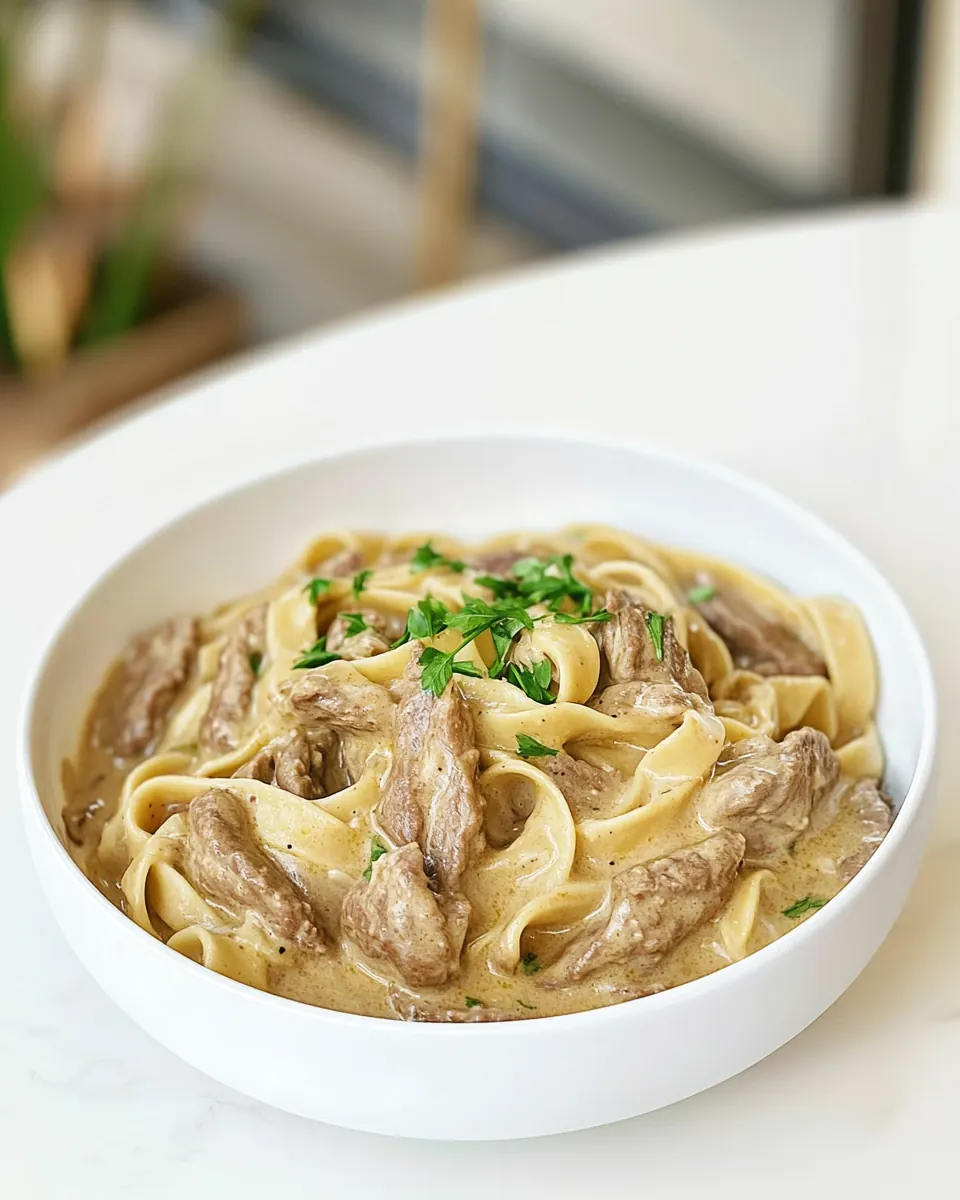
I like to offer small adjustments that let you tailor the dish to your pantry and preferences. Below are practical, tested customizations that maintain the core personality of the recipe while allowing variety.
- Swap the mushroom type — Use cremini or shiitake for a deeper umami note, slicing them evenly so they cook at the same rate as in the base recipe.
- Adjust the creaminess — Increase the sour cream slightly for a silkier, richer sauce, stirring it in off heat to prevent separation.
- Noodle alternatives — If you prefer a different texture, try a narrower egg noodle variety but watch the pressure cook time closely to avoid overcooking.
- Make it lighter — Reduce the sour cream slightly and add a splash more beef broth for a lighter, soupier consistency while preserving flavor.
- Herb finishing — Add chopped parsley at the end for freshness, or omit if you prefer a purely savory, rustic presentation.
Serving Options for Instant Pot Beef Stroganoff
This dish works beautifully for many occasions, and small serving choices will change the meal’s tone. Whether you are feeding family for a weeknight supper or serving guests for a casual dinner, the following suggestions will help you present it thoughtfully.
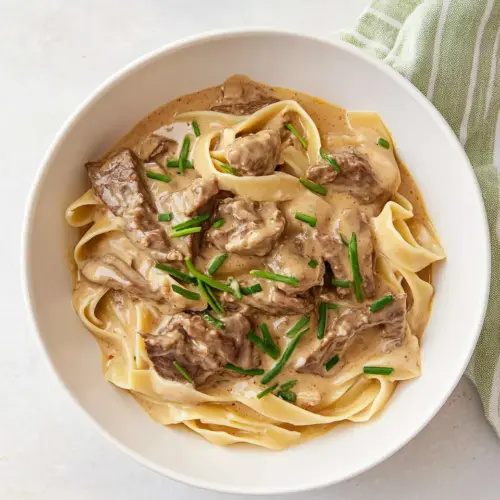
- Classic family dinner — Serve the stroganoff in large shallow bowls so the thick sauce pools around the wide egg noodles, making it easy for everyone to get a hearty portion.
- Weekend comfort — Plate with extra chopped parsley on top and place a small bowl of extra sour cream at the table for guests who want a creamier finish.
- Meal prepping — Store cooled portions in airtight containers and refrigerate up to four days; reheat gently in a skillet with a splash of beef broth to loosen the sauce and maintain a creamy consistency.
- Holiday or gathering — This recipe adapts well for a buffet style service where guests serve themselves over noodles or mashed potatoes, and a ladle keeps portions neat and warm.
- Seasonal pairings — In winter, pair it with steamed winter greens or roasted root vegetables, while in milder months a simple side salad with a bright vinaigrette complements the rich sauce.
- Storage tips — Freeze individual portions without the chopped parsley, and thaw overnight in the refrigerator before reheating. Add a splash of beef broth when warming to revive the sauce texture.
- Presentation idea — For a rustic look, serve directly from a warmed pot and allow guests to scoop their own portions, which keeps the noodles and sauce hot and inviting.
FAQ
Conclusion
This Instant Pot Beef Stroganoff stands out because it marries the convenience of pressure cooking with the deep, layered flavors of a classic comfort dish. The result is tender beef, a rich, creamy sauce, and perfectly cooked wide egg noodles that come together with minimal hands on time. I encourage you to give it a try on a busy weeknight or a cozy weekend supper, because it reliably delivers big flavor from straightforward steps. Enjoy the warmth and ease this recipe brings to your table.
Instant Pot Beef Stroganoff
Equipment
- Instant Pot
- Wooden Spoon
- Measuring Cups
- Knife
Ingredients
- 2 teaspoons olive oil Sizzle in the pot to create a flavorful base and help brown other ingredients; contributes healthy fats and a subtle fruitiness that balances richness in the dish. Use it to prevent sticking and to carry aromatics like onions and garlic as they soften. Adjust amount to taste but maintain enough to coat the bottom for proper sautéing.
- 1 tablespoon unsalted butter Add to enrich and provide a silky mouthfeel while aiding in browning when combined with oil; melts quickly to help develop a nutty, savory backbone. Incorporate early so it can foam and meld with aromatics, contributing to a more complex, rounded flavor. Unsalted butter allows precise control of salt levels later in cooking.
- 1 small onion diced Sweat until translucent to release sweetness and aromatic depth; adds mild sharpness and textural contrast to the sauce. Dice small for even cooking and to integrate smoothly into the finished stroganoff. Cook gently to avoid caramelization that could overpower the dish.
- 3 cloves garlic minced Mince finely to infuse the dish with pungent, savory aroma and to brighten flavors; provides a warm, garlicky backbone that complements beef and mushrooms. Add during sautéing to mellow harshness and develop a rich, savory foundation. Monitor briefly while cooking to prevent burning and bitterness.
- 6 ounces mushrooms sliced Sauté until golden to contribute earthy, umami depth and tender texture; mushrooms absorb braising liquids and enhance the sauce's savory complexity. Slice uniformly so they cook evenly and release moisture that blends with beef broth for a robust base. Brown for added caramelized flavor or cook gently for a softer result.
- 2 pounds beef stew meat cut into 1-inch cubes Brown thoroughly to build deep, meaty flavor and act as the main protein and hearty focal point of the stroganoff. Cut into uniform 1-inch cubes to ensure even cooking and tender results after pressure cooking. Season and sear well to develop fond that enriches the sauce.
- Salt and pepper to taste Season generously to enhance and balance all flavors throughout the dish; adjust at different stages to taste, especially after adding broth and sour cream. Use salt to amplify savory notes and pepper to introduce mild heat and complexity. Apply conservatively when using low-sodium broth to avoid over-salting.
- 5 tablespoons all-purpose flour Dust over meat and vegetables to thicken the sauce and help create a velvety, cohesive consistency; coats beef and absorbs pan juices for a richer mouthfeel. Whisk into a bit of liquid if needed to prevent lumps before adding to the pot, and cook briefly to remove raw flour taste. Quantity controls final sauce thickness.
- 4 cups low-sodium beef broth Pour in to deglaze the pot, build a savory braising liquid, and provide a beefy depth that defines stroganoff; serves as the primary cooking liquid for tenderizing the meat. Use low-sodium to control overall salt while concentrating flavors during pressure cooking. Combine with fond to produce a robust, well-balanced sauce.
- 1 tablespoon Worcestershire sauce Stir in to introduce tangy, savory complexity and umami that deepens the sauce profile; complements beef and mushrooms while rounding out richer elements. Worcestershire adds subtle sweetness and fermented depth, enhancing overall savoriness. Use sparingly and taste-adjust as it concentrates under heat.
- 1 teaspoon Dijon mustard Whisk into the sauce to add bright, sharp mustardy notes that lift heavy flavors and bind the sauce slightly; contributes a gentle tang and complexity without overwhelming. Dijon also helps emulsify the sauce with sour cream for a smoother finish. Add toward the end to preserve its nuanced flavor.
- 12 ounces wide egg noodles Boil until tender to provide a comforting, starchy base that soaks up the rich stroganoff sauce; wide egg noodles offer a classic texture contrast to the creamy meat mixture. Cook to al dente and combine with sauce so they absorb flavors without becoming mushy. Serve immediately for best texture.
- 3/4 cups sour cream plus more to taste Fold in to enrich the sauce with creamy tang and smoothness, adding a luscious finish while tempering acidity from mustard and Worcestershire. Use 3/4 cup for a balanced creaminess and reserve extra to taste for serving, stirring gently off heat to prevent curdling. Adjust amount for desired richness.
- Chopped fresh parsley optional Garnish sparingly to add bright herbal freshness and visual appeal, cutting through the dish's richness with a clean, grassy note. Chop just before serving to preserve color and aroma, and sprinkle over individual portions for contrast. Use as optional according to personal preference.
Instructions
- Set the Instant Pot to Sauté. Add the olive oil and butter. Once melted, add the diced onion and minced garlic. Cook for 3-4 minutes until the onion softens, then add the sliced mushrooms and cook for an additional 2 minutes.: You will notice the pot warming and a faint shimmer forming on the surface of the oil, which is the cue to add fats. The sizzle when you add the olive oil and butter should be immediate and lively; that sound signals the pan is hot enough to brown rather than steam the aromatics. Browning builds flavor through the Maillard reaction, which is why this step matters for a rich sauce. Be careful not to leave the pot unattended, since butter can brown quickly and burn, imparting bitterness. If you smell anything acrid, lower the heat or wipe the base and start again with fresh fats.
- Season the beef with salt and pepper. Add the beef in batches to avoid overcrowding and sear on all sides until browned.: When the fats have melted and are shimmering, add the diced onion and minced garlic . You will see the onion edges turn translucent and then a light golden color within a few minutes, and the aroma will shift from sharp to sweet and rounded. This gentle caramelization adds complexity to the finished sauce, helping balance the richness of the beef . Avoid turning the heat too high to prevent the garlic from burning, which would give a bitter aftertaste. Stir frequently for even color.
- Sprinkle the flour over the beef and vegetables, stirring for 1 minute to coat them lightly. Pour in the beef broth, Worcestershire sauce, and Dijon mustard, scraping the bottom of the pot to deglaze.: As the onion softens, introduce the sliced mushrooms . They will release moisture and begin to shrink and concentrate in flavor; watch for a change in smell to a deeper, savory note. Mushrooms that are given a moment to brown will contribute a rich, roasted quality to the sauce. A common pitfall is overcrowding, which causes steaming instead of browning. If the mushrooms puddle excessively, give them a little more time to evaporate, or sauté in thinner batches.
- Secure the lid and set the Instant Pot to High Pressure for 14 minutes. Once done, perform a quick release of the pressure.: You should see the onion become soft and slightly golden, and the mushrooms reduce and take on color at the edges. The smell at this point turns deeply savory and slightly sweet from the browned aromatics. This aromatic base is crucial for a well rounded sauce because it provides both savory depth and sweetness to offset the tang of the sour cream . Avoid overcooking to the point of dryness, which will rob the dish of moisture and make the final sauce thinner than desired.
- Add the egg noodles, making sure they are fully submerged in the liquid. Reseal the lid and cook on High Pressure for 3 minutes, then manually release the pressure.: When you season the beef evenly, the salt starts to draw out surface moisture which helps create a better sear. The sound of pieces hitting the hot surface should be a clear, confident sizzle, not a soft simmer. If you hear more of a wet hiss, the pan is not hot enough and you will not get proper browning. Do not crowd the pot; sear in batches if needed to maintain high heat. Crowding cools the pot and causes steaming, which prevents flavorful browning.
- Stir in the sour cream, adding more if you prefer a creamier texture, and adjust salt and pepper to taste. Garnish with chopped parsley if desired.: Watch for deep, caramelized edges on the beef , and a savory, roasted aroma that differs from raw meat. Searing locks in flavor and creates fond on the bottom of the pot that will flavor the broth. If the pieces are pale rather than browned, raise the heat slightly and give them a little more time; just watch to prevent burning. A frequent misstep is tossing the pieces too soon, which interrupts browning. Let them develop color before turning.
- Sprinkle the flour over the beef and vegetables, stirring for 1 minute to coat them lightly: As the flour toasts briefly, you will notice a faint toasty scent that signals the raw flour taste is cooking away. This brief toast helps the flour blend smoothly into the liquids later, producing a velvety sauce rather than a raw floury one. Stirring continuously prevents clumping and ensures an even film coats the beef and vegetables. One mistake is adding liquid too quickly; that can create lumps. To avoid this, ensure the flour is well distributed and slightly golden before proceeding.
- Pour in the beef broth, Worcestershire sauce, and Dijon mustard, scraping the bottom of the pot to deglaze: When you pour in the beef broth , listen for the hiss as it hits the hot surface and watch the browned fond lift from the pot bottom as you scrape, dissolving into the liquid. Those dissolved bits are flavor gold, essential for a deep sauce. The Worcestershire and Dijon mustard integrate quickly, adding an umami and tangy backbone. If you do not deglaze thoroughly, you risk a burn notice on the Instant Pot or uneven flavor. Take your time scraping well so nothing sticky remains.
- Secure the lid and set the Instant Pot to High Pressure for 14 minutes: You will feel the pot building pressure with a faint mechanical hum, and steam will be directed through the valve until it seals. The pressurized environment breaks down connective tissue in the beef , making it fork tender while concentrating flavors. Avoid opening the lid early, as that interrupts the cooking process and can leave beef tougher than intended. A common error is not ensuring the sealing ring is properly seated, which prevents pressure from holding.
- Once done, perform a quick release of the pressure: The sudden release produces a rush of steam and a lively hiss; be careful to keep hands and face away. Quick releasing stops cooking immediately, which preserves texture and prevents the noodles or meat from overcooking. If you prefer slightly more tender beef , allow a natural release for a few minutes, but be aware this changes timing and moisture concentration.
- Add the egg noodles, making sure they are fully submerged in the liquid: The visual cue here is that the pot should be glossy with a bubbling broth that easily covers the egg noodles . Press the noodles gently so they lie beneath the surface; this ensures even cooking. If noodles are left dry on top, they will cook unevenly and remain chewy. Adjust their placement with a spoon so none poke above the liquid line.
- Reseal the lid and cook on High Pressure for 3 minutes, then manually release the pressure: The short, intense burst of pressure cooks the wide egg noodles quickly, and when you release, you should see plump, tender noodles that hold their shape. The texture will be noticeably soft but not falling apart when done correctly. Overcooking will make them mushy, so adhere to the timing and perform a prompt release. A common pitfall is leaving them sealed too long, which causes a gummy texture.
- Stir in the sour cream, adding more if you prefer a creamier texture, and adjust salt and pepper to taste: Off heat, fold in the sour cream so it blends into the sauce without curdling, producing a rich, tangy finish with a glossy sheen. The aroma should turn slightly bright and tangy, signaling a harmonious balance of savory and creamy. Taste and tweak the seasoning to let the flavors sing. If the sauce seems too thick, a splash of reserved broth will loosen it gently. Avoid high heat when adding sour cream , as it can split and become grainy.
- Garnish with chopped parsley if desired: A scatter of fresh parsley provides a visual contrast and a clean, herbaceous note on the palate. It brightens each bite and adds a final layer of freshness to the rich, creamy profile. Add it just before serving so it stays vibrant and does not wilt.
Notes
- Swap the mushroom type — Use cremini or shiitake for a deeper umami note, slicing them evenly so they cook at the same rate as in the base recipe.
- Adjust the creaminess — Increase the sour cream slightly for a silkier, richer sauce, stirring it in off heat to prevent separation.
- Noodle alternatives — If you prefer a different texture, try a narrower egg noodle variety but watch the pressure cook time closely to avoid overcooking.
- Make it lighter — Reduce the sour cream slightly and add a splash more beef broth for a lighter, soupier consistency while preserving flavor.
- Herb finishing — Add chopped parsley at the end for freshness, or omit if you prefer a purely savory, rustic presentation.
