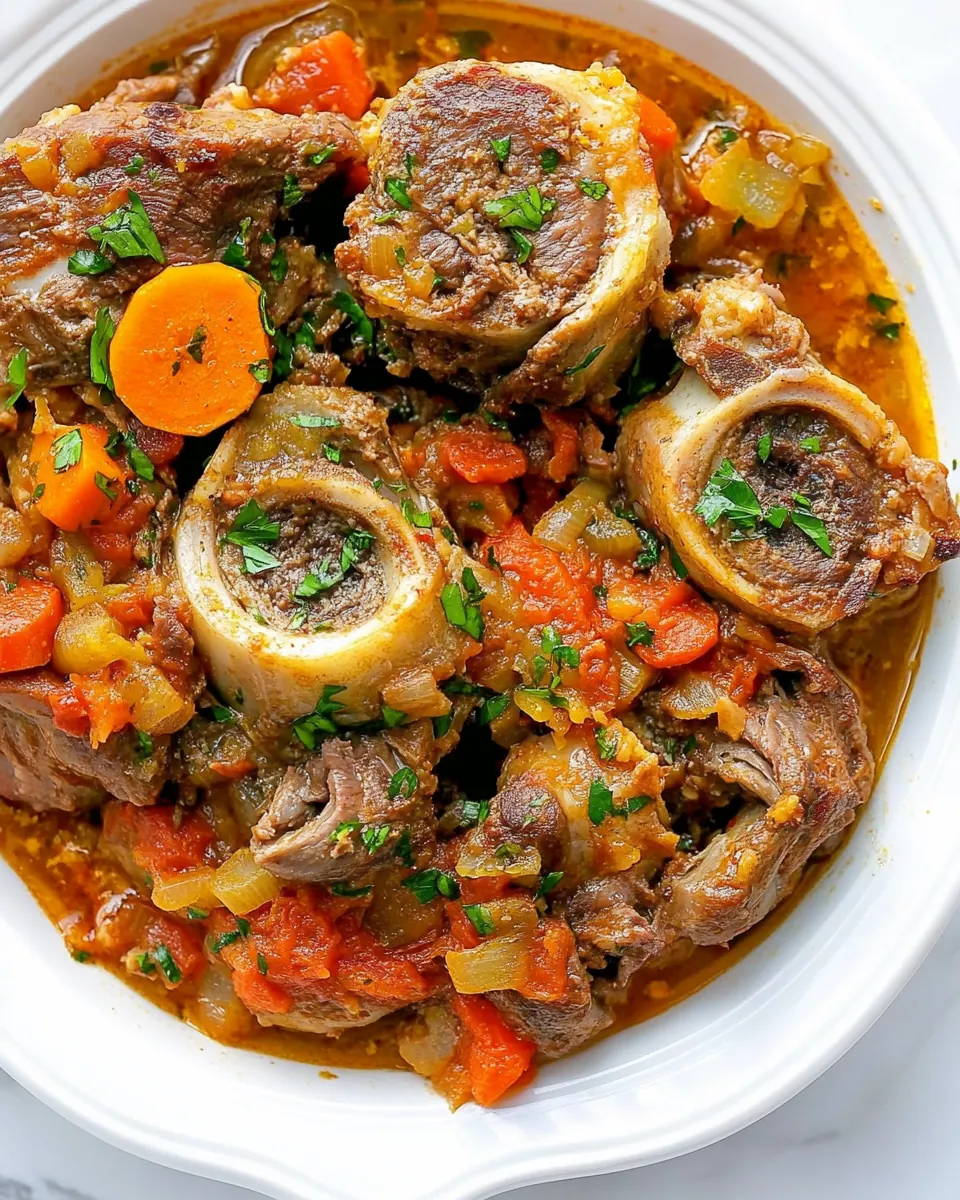
Slow Cooker Osso Buco
Slow Cooker Osso Buco is one of those recipes I turn to when I want something deeply comforting and hands off yet impressive enough for guests. The first time I made it, the house smelled like a cozy trattoria, and I found myself lingering in the kitchen simply to breathe it in. I remember the marrow-soft textures and the way the sauce hugged the veal shanks, calling for a crusty loaf to sop every last drop. That evening, I learned how slow cooking can transform humble ingredients into something soulful and unexpectedly elegant.
Weeks later I replicated the dish for a family dinner, tinkering with aromatics until the balance hit that sweet spot. I like to sear the veal shanks until the edges caramelize, it adds a savory depth that pays off after hours in the pot. The vegetables break down into a lush bed for the meat, and the broth reduces into a glossy, fragrant sauce. Each bite is layered, with bright notes from a finishing sprinkle of fresh parsley that lifts the richness.
Recipe Snapshot
8 hr 20 mins
20 mins
480 mins
Hard
450 kcal
Italian
Paleo, Whole30
Dinner
Skillet, Slow Cooker
What Sets This Slow Cooker Osso Buco Apart
Comforting Slow Cooked Flavor
I adore how Slow Cooker Osso Buco delivers deeply developed taste with very little fuss. After hours on low the veal shanks become fork tender and the marrow yields a silky richness, which makes every spoonful feel indulgent. I often tell friends this is a minimal effort, maximal reward kind of meal.
Hands Off Convenience
One reason I keep coming back to this recipe is the convenience. Once the ingredients are in the slow cooker, you can relax, run errands, or entertain, and come back to a finished masterpiece. That simplicity makes it a go to for busy weeknights and relaxed weekend dinners alike.
Layered Aromatics and Texture
The combination of sautéed onion, celery, carrot, and garlic builds a flavor foundation that is earthy and bright. Browning the veal shanks first adds Maillard complexity, and the long, slow simmer melds everything into a cohesive, silky sauce. I appreciate how the textures interplay, from tender meat to slightly chunky vegetables that melt into the sauce.
Classic Yet Adaptable
This version of Slow Cooker Osso Buco honors tradition while fitting modern kitchens. You can plate it simply over polenta or mashed potatoes, or present it with elegant sides for company. I love that it works for casual family meals and special occasions without fussing with a dozen steps.
Comfort Food with a Fresh Finish
The finishing touch of chopped fresh parsley brightens and balances the dish. It adds color and a herbal lift that cuts through the richness, and I find it essential. That contrast is why I think this recipe sings from first bite to last.
Ingredients Required for Slow Cooker Osso Buco
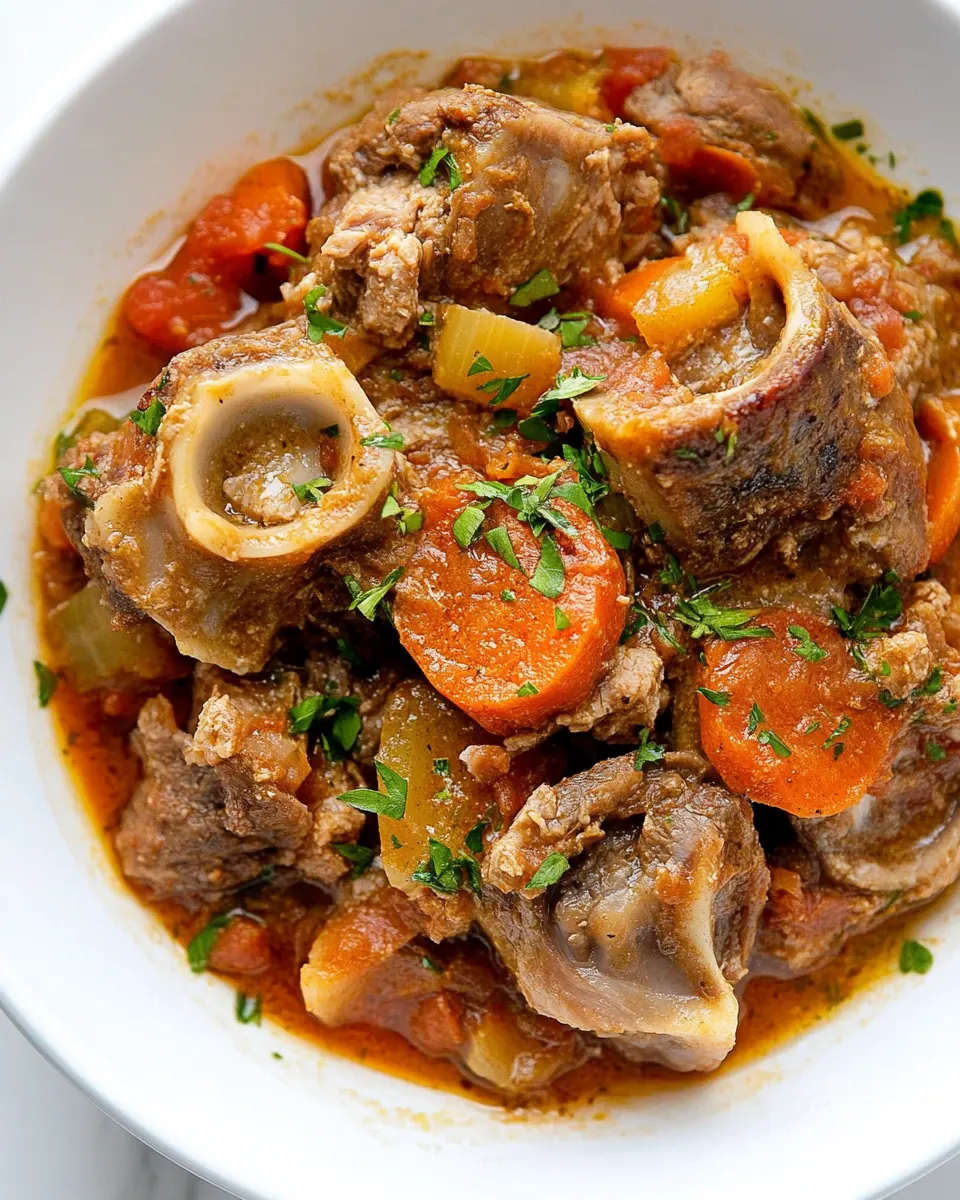
These ingredients create a simple yet classic framework where each component plays a clear role. The veal shanks are the star, offering gelatin and marrow that yield a lush mouthfeel. The mirepoix of onion, celery, and carrot provides sweetness and aromatic depth, while garlic and herbs lift the savory profile. The crushed tomatoes and beef broth form a balanced braising liquid that becomes a concentrated sauce as it cooks low and slow.
- 1 tablespoon olive oil: Add to the pan for sautéing and browning the meat, providing a fruity, smooth-fat base that helps transfer heat and enhance browning; olive oil also contributes a subtle Mediterranean aroma that complements slow-cooked veal.
- 4 veal shanks about 1 1/4 inches thick: Brown in the oil to develop deep, savory flavor and fond on the bottom of the pot; veal shanks become fork-tender during slow cooking and release gelatin that enriches the sauce.
- 1 teaspoon kosher salt: Season the meat to enhance natural flavors and help balance richness, promoting better overall taste; kosher salt also assists in drawing out moisture for improved browning and seasoning penetration.
- 1/4 teaspoon black pepper: Season lightly to provide a mild heat and aromatic contrast that complements the meat and vegetables without overpowering; black pepper adds a subtle pungent warmth to the braise.
- 1/2 cup onion chopped into chunks: Sweat or brown with other aromatics to add sweet, savory depth and body to the sauce; chopped onion contributes natural sugars and texture that helps thicken the braising liquid.
- 1/2 cup celery chopped into chunks: Add to the mirepoix to contribute aromatic, savory notes and a slight vegetal bitterness that balances the dish; chopped celery also adds structure and aromatic moisture during long cooking.
- 1/2 cup carrot chopped into chunks: Combine with other root vegetables to add sweetness, color, and body to the braise; chopped carrot brings natural sugars that caramelize slightly and enrich the sauce.
- 3 cloves garlic minced: Sauté briefly with the aromatics to release pungent, garlicky flavor that infuses the sauce; minced garlic brightens and deepens the overall savory profile of the dish.
- 4 teaspoons tomato paste: Incorporate into the base to add concentrated umami and a sweet-tart tomato backbone; tomato paste deepens color and flavor while helping to thicken the braising liquid.
- 1 cup crushed tomatoes: Pour in to create the tomato component of the braising liquid, offering acidity, sweetness, and texture that balance the rich meat; crushed tomatoes form the primary body of the sauce.
- 1 1/4 teaspoons thyme: Sprinkle in to add a mild, earthy, and slightly floral herb note that pairs well with veal and tomatoes; thyme contributes subtle savory complexity throughout slow cooking.
- 1 1/2 teaspoons dried rosemary: Add for a piney, aromatic herb flavor that stands up to long cooking and complements the meat and tomatoes; dried rosemary infuses the sauce with savory, resinous notes.
- 1 cup beef broth: Pour into the slow cooker to provide a savory liquid base that helps deglaze the pan and simmer the meat gently; beef broth contributes depth, saltiness, and body to the final sauce.
- Fresh parsley chopped (for garnish): Garnish at the end to contribute fresh, bright herbal flavor and color contrast; chopped parsley livens the rich braised dish with a clean, slightly peppery finish.
Preparation Steps for Slow Cooker Osso Buco
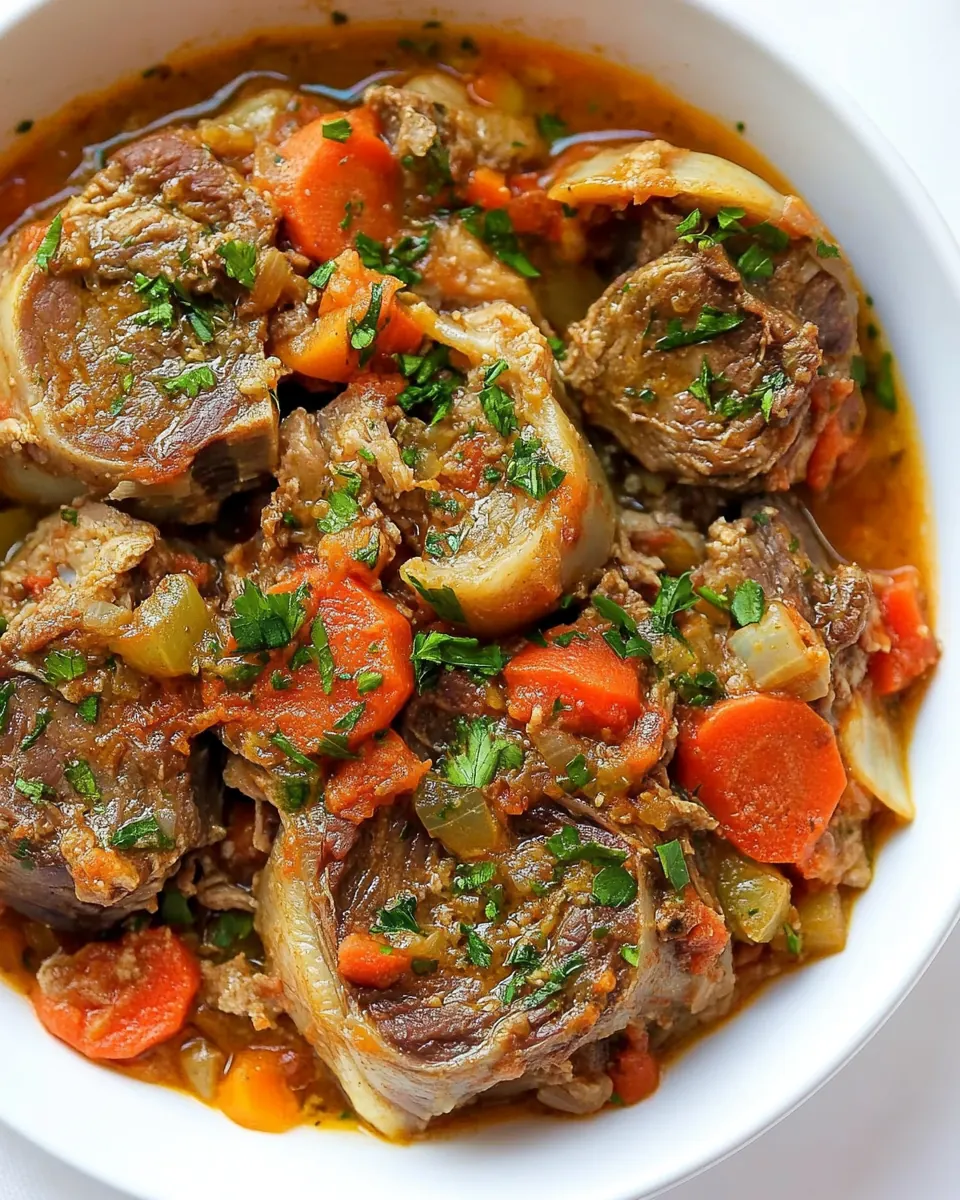
Below are the steps I use when preparing this braise. The slow cooker does the heavy lifting, but the initial browning and sauté create essential flavor layers that make a difference. Read each step slowly and notice the sensory cues as you go.
- In a skillet, heat olive oil over medium-high heat. Season the veal shanks with salt and pepper, then brown them on all sides. Afterward, transfer them to the slow cooker.: The moment the olive oil shimmers and spreads easily across the pan surface, you know the skillet is ready. You should hear a faint ripple as the oil heats, and when a small bit of chopped onion sizzles on contact, that is the cue to add the veal shanks . This quick sear forms a browned crust through the Maillard reaction, which creates deep, savory notes that will infuse the entire dish as it cooks. A common mistake here is using a pan that is too cool, which causes the meat to stew rather than brown, so be patient and let the oil get hot but not smoking.
- In the same skillet, sauté onion, celery, carrots, and garlic until softened. Stir in tomato paste and cook for another minute.: As the veil shanks hit the hot oil, listen for a steady sizzle and watch the edges develop a golden brown color. Turn them carefully so each face gets a good crust; this caramelized surface adds texture and intensified flavor to the final sauce. Browning also helps the meat hold together during the long cook. Avoid crowding the pan, which drops the temperature and prevents proper searing, a frequent pitfall that leads to pale, less flavorful meat.
- Add the sautéed vegetables, crushed tomatoes, thyme, rosemary, and beef broth to the slow cooker.: When you move the browned veal shanks into the slow cooker , you should notice an aromatic richness left in the skillet. Placing the meat into the cooker early ensures the juices and browned bits will mingle with the braising liquid later. Make sure the shanks sit snugly but not tightly packed so heat circulates evenly. A mistake some cooks make is piling the meat, which can lead to uneven cooking and a less tender result.
- Place the lid on the slow cooker and cook on low for 8 hours or until the veal is tender.: As the vegetables hit the residual oil and fond in the skillet, they will sizzle and release a fragrant steam. Stir them until the onion becomes translucent and the carrot and celery begin to soften, which brings out their natural sweetness. Add the minced garlic toward the end so it releases aroma without burning. This step builds the aromatic base; skipping it or rushing will yield a flatter tasting sauce, so take the time to coax the flavors out slowly.
- Garnish with chopped fresh parsley before serving.: When you add the concentrated tomato paste , it may darken slightly and release a richer aroma as it caramelizes. Stir constantly so the paste heats evenly and picks up the browned bits from the pan, which deepens the umami character. The scent will shift from fresh tomato to a roasted, slightly sweet note; that transformation really enriches the later braise. A common error is adding the paste and not cooking it, which can leave a tinny or raw tomato flavor in the final dish.
- Add the sautéed vegetables, crushed tomatoes, thyme, rosemary, and beef broth to the slow cooker: As you transfer these elements, the cooker will start to fill with layers of flavor. The crushed tomatoes and beef broth create the braising liquid while the thyme and rosemary infuse herbal notes. You should see the liquid come up around the shanks, and the aromas will be rich and savory. Ensuring even distribution of herbs prevents pockets of overpowering flavor, which is a common oversight if herbs are not mixed into the liquid.
- Place the lid on the slow cooker and cook on low for 8 hours or until the veal is tender: Over the course of the long, gentle braise the kitchen fills with a slow, fragrant perfume. The meat will become so tender it almost falls off the bone and the marrow will start to loosen into the sauce, giving it a glossy, silky texture. Check for a gentle wobble in the meat as an indicator of doneness rather than relying only on time. One mistake is lifting the lid too often, which lets heat escape and prolongs cooking; trust the low, steady heat to do its work.
- Garnish with chopped fresh parsley before serving: Right before serving, sprinkle the chopped fresh parsley to add a bright herbal contrast and vivid color. The final aroma should be a balance of rich braise and lively herb notes. This finishing touch lifts the whole dish and prevents it from feeling overly heavy. Forgetting the parsley is a small misstep that leaves the flavor one note shy of complete harmony.
Making Adjustments
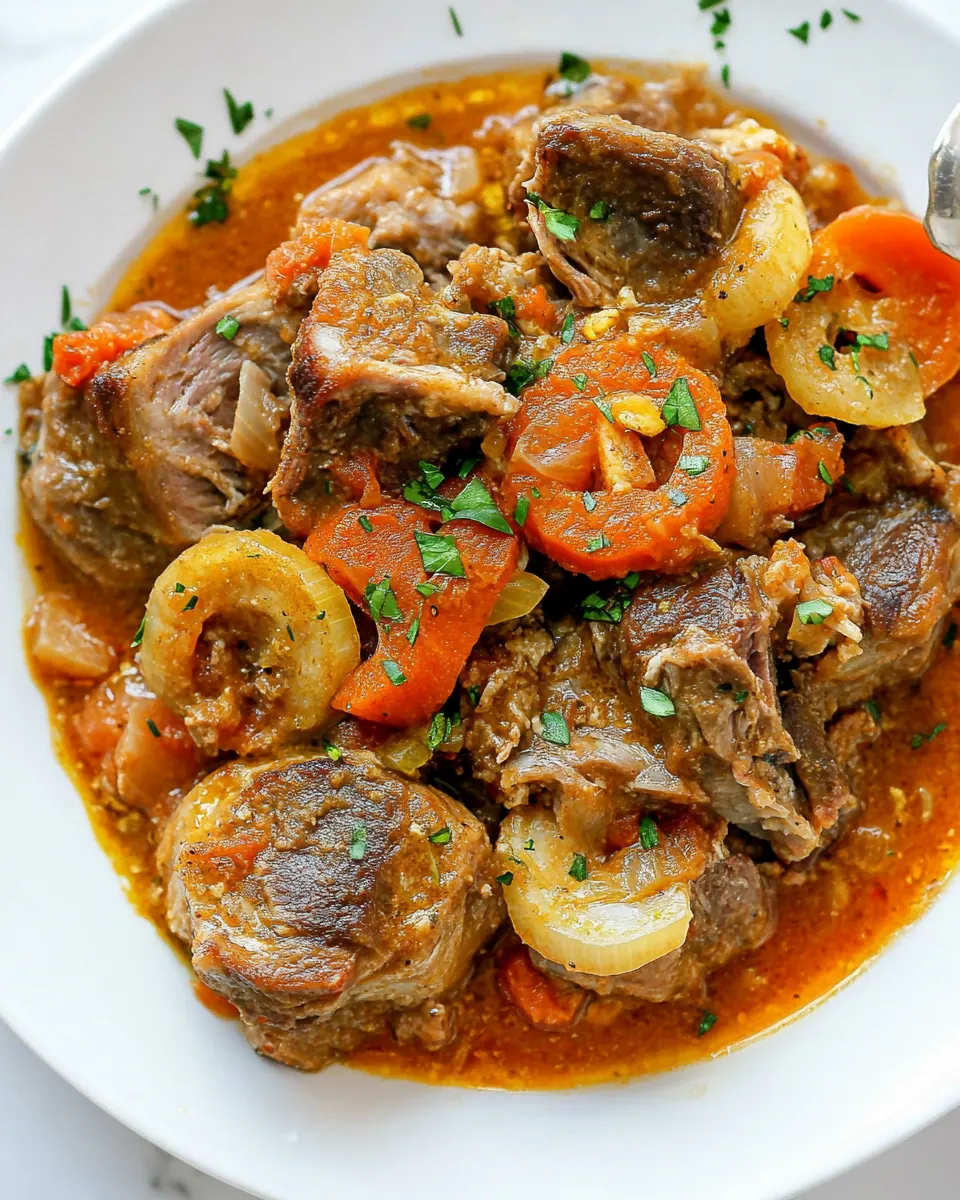
I like to offer tweaks that respect the recipe while letting you adapt to pantry items or preferences. These tips help you maintain the essence of Slow Cooker Osso Buco while making sensible adjustments for texture, flavor, or timing.
- Brown in batches, if you have many shanks brown them in batches so the pan stays hot and each piece develops a proper crust, which deepens the final flavor.
- Adjust herb amounts, reduce the rosemary if you prefer subtler herbal notes, as it can become assertive over long cooking periods.
- Control salt, taste the braising liquid toward the end and adjust seasoning rather than salting heavily at the start, especially if your broth is salted.
- Monitor liquid level, check the sauce near the end of cooking and skim excess fat if desired to keep the texture silky but not greasy.
- Garnish last, add the chopped fresh parsley just before serving to preserve its color and fresh aroma.
Best Served With
This dish pairs wonderfully with simple, comforting sides that soak up the braising sauce. Below I outline pairing ideas, occasions, and storage notes to help you serve Slow Cooker Osso Buco with confidence.
- Creamy polenta – Spoon the tender veal shanks and sauce over warm, creamy polenta, letting the sauce soak in for a comforting, rustic plate suitable for family dinners.
- Mashed potatoes – Smooth mashed potatoes act as a neutral cushion for the rich sauce, making this an ideal hearty dinner option for colder months or cozy gatherings.
- Crusty bread – Serve with a sturdy loaf for sopping, especially when you want to enjoy every last bit of the glossy braising liquid, perfect for casual lunches or relaxed dinners.
- Special occasions – Present it as a centerpiece for a winter dinner, as the slow cooked richness feels celebratory without being fussy, suitable for intimate holiday meals or weekend entertaining.
- Storage tips – Cool leftover portions quickly, refrigerate in airtight containers, and reheat gently on low heat so the sauce stays velvety; it often tastes better the next day once flavors meld.
- Seasonal pairing – The hearty nature of this dish makes it ideal for winter evenings when you want warmth and depth of flavor in a single bowl.
FAQ
Conclusion
Slow Cooker Osso Buco stands out for its deeply developed flavors and effortless technique that transforms simple ingredients into a luxurious, comforting meal. Try it when you want a hands off dinner that still feels special, whether for family weeknights or a cozy dinner with friends. The long braise yields tender meat and a richly flavored sauce that rewards patience, and the final sprinkle of fresh parsley brings everything into balance. Give it a go and enjoy the satisfying, slow cooked result.
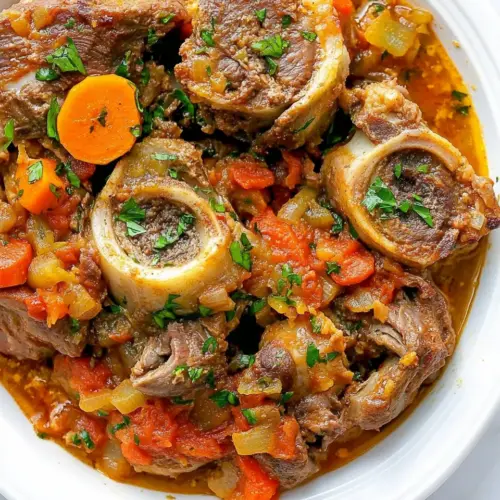
Slow Cooker Osso Buco
Equipment
- Skillet
- Slow Cooker
Ingredients
- 1 tablespoon olive oil Add to the pan for sautéing and browning the meat, providing a fruity, smooth-fat base that helps transfer heat and enhance browning; olive oil also contributes a subtle Mediterranean aroma that complements slow-cooked veal.
- 4 veal shanks about 1 1/4 inches thick Brown in the oil to develop deep, savory flavor and fond on the bottom of the pot; veal shanks become fork-tender during slow cooking and release gelatin that enriches the sauce.
- 1 teaspoon kosher salt Season the meat to enhance natural flavors and help balance richness, promoting better overall taste; kosher salt also assists in drawing out moisture for improved browning and seasoning penetration.
- 1/4 teaspoon black pepper Season lightly to provide a mild heat and aromatic contrast that complements the meat and vegetables without overpowering; black pepper adds a subtle pungent warmth to the braise.
- 1/2 cup onion chopped into chunks Sweat or brown with other aromatics to add sweet, savory depth and body to the sauce; chopped onion contributes natural sugars and texture that helps thicken the braising liquid.
- 1/2 cup celery chopped into chunks Add to the mirepoix to contribute aromatic, savory notes and a slight vegetal bitterness that balances the dish; chopped celery also adds structure and aromatic moisture during long cooking.
- 1/2 cup carrot chopped into chunks Combine with other root vegetables to add sweetness, color, and body to the braise; chopped carrot brings natural sugars that caramelize slightly and enrich the sauce.
- 3 cloves garlic minced Sauté briefly with the aromatics to release pungent, garlicky flavor that infuses the sauce; minced garlic brightens and deepens the overall savory profile of the dish.
- 4 teaspoons tomato paste Incorporate into the base to add concentrated umami and a sweet-tart tomato backbone; tomato paste deepens color and flavor while helping to thicken the braising liquid.
- 1 cup crushed tomatoes Pour in to create the tomato component of the braising liquid, offering acidity, sweetness, and texture that balance the rich meat; crushed tomatoes form the primary body of the sauce.
- 1 1/4 teaspoons thyme Sprinkle in to add a mild, earthy, and slightly floral herb note that pairs well with veal and tomatoes; thyme contributes subtle savory complexity throughout slow cooking.
- 1 1/2 teaspoons dried rosemary Add for a piney, aromatic herb flavor that stands up to long cooking and complements the meat and tomatoes; dried rosemary infuses the sauce with savory, resinous notes.
- 1 cup beef broth Pour into the slow cooker to provide a savory liquid base that helps deglaze the pan and simmer the meat gently; beef broth contributes depth, saltiness, and body to the final sauce.
- Fresh parsley chopped (for garnish) Garnish at the end to contribute fresh, bright herbal flavor and color contrast; chopped parsley livens the rich braised dish with a clean, slightly peppery finish.
Instructions
- In a skillet, heat olive oil over medium-high heat. Season the veal shanks with salt and pepper, then brown them on all sides. Afterward, transfer them to the slow cooker.: The moment the olive oil shimmers and spreads easily across the pan surface, you know the skillet is ready. You should hear a faint ripple as the oil heats, and when a small bit of chopped onion sizzles on contact, that is the cue to add the veal shanks . This quick sear forms a browned crust through the Maillard reaction, which creates deep, savory notes that will infuse the entire dish as it cooks. A common mistake here is using a pan that is too cool, which causes the meat to stew rather than brown, so be patient and let the oil get hot but not smoking.
- In the same skillet, sauté onion, celery, carrots, and garlic until softened. Stir in tomato paste and cook for another minute.: As the veil shanks hit the hot oil, listen for a steady sizzle and watch the edges develop a golden brown color. Turn them carefully so each face gets a good crust; this caramelized surface adds texture and intensified flavor to the final sauce. Browning also helps the meat hold together during the long cook. Avoid crowding the pan, which drops the temperature and prevents proper searing, a frequent pitfall that leads to pale, less flavorful meat.
- Add the sautéed vegetables, crushed tomatoes, thyme, rosemary, and beef broth to the slow cooker.: When you move the browned veal shanks into the slow cooker , you should notice an aromatic richness left in the skillet. Placing the meat into the cooker early ensures the juices and browned bits will mingle with the braising liquid later. Make sure the shanks sit snugly but not tightly packed so heat circulates evenly. A mistake some cooks make is piling the meat, which can lead to uneven cooking and a less tender result.
- Place the lid on the slow cooker and cook on low for 8 hours or until the veal is tender.: As the vegetables hit the residual oil and fond in the skillet, they will sizzle and release a fragrant steam. Stir them until the onion becomes translucent and the carrot and celery begin to soften, which brings out their natural sweetness. Add the minced garlic toward the end so it releases aroma without burning. This step builds the aromatic base; skipping it or rushing will yield a flatter tasting sauce, so take the time to coax the flavors out slowly.
- Garnish with chopped fresh parsley before serving.: When you add the concentrated tomato paste , it may darken slightly and release a richer aroma as it caramelizes. Stir constantly so the paste heats evenly and picks up the browned bits from the pan, which deepens the umami character. The scent will shift from fresh tomato to a roasted, slightly sweet note; that transformation really enriches the later braise. A common error is adding the paste and not cooking it, which can leave a tinny or raw tomato flavor in the final dish.
- Add the sautéed vegetables, crushed tomatoes, thyme, rosemary, and beef broth to the slow cooker: As you transfer these elements, the cooker will start to fill with layers of flavor. The crushed tomatoes and beef broth create the braising liquid while the thyme and rosemary infuse herbal notes. You should see the liquid come up around the shanks, and the aromas will be rich and savory. Ensuring even distribution of herbs prevents pockets of overpowering flavor, which is a common oversight if herbs are not mixed into the liquid.
- Place the lid on the slow cooker and cook on low for 8 hours or until the veal is tender: Over the course of the long, gentle braise the kitchen fills with a slow, fragrant perfume. The meat will become so tender it almost falls off the bone and the marrow will start to loosen into the sauce, giving it a glossy, silky texture. Check for a gentle wobble in the meat as an indicator of doneness rather than relying only on time. One mistake is lifting the lid too often, which lets heat escape and prolongs cooking; trust the low, steady heat to do its work.
- Garnish with chopped fresh parsley before serving: Right before serving, sprinkle the chopped fresh parsley to add a bright herbal contrast and vivid color. The final aroma should be a balance of rich braise and lively herb notes. This finishing touch lifts the whole dish and prevents it from feeling overly heavy. Forgetting the parsley is a small misstep that leaves the flavor one note shy of complete harmony.
Notes
- Brown in batches, if you have many shanks brown them in batches so the pan stays hot and each piece develops a proper crust, which deepens the final flavor.
- Adjust herb amounts, reduce the rosemary if you prefer subtler herbal notes, as it can become assertive over long cooking periods.
- Control salt, taste the braising liquid toward the end and adjust seasoning rather than salting heavily at the start, especially if your broth is salted.
- Monitor liquid level, check the sauce near the end of cooking and skim excess fat if desired to keep the texture silky but not greasy.
- Garnish last, add the chopped fresh parsley just before serving to preserve its color and fresh aroma.