Puerto Rican Rice And Beans
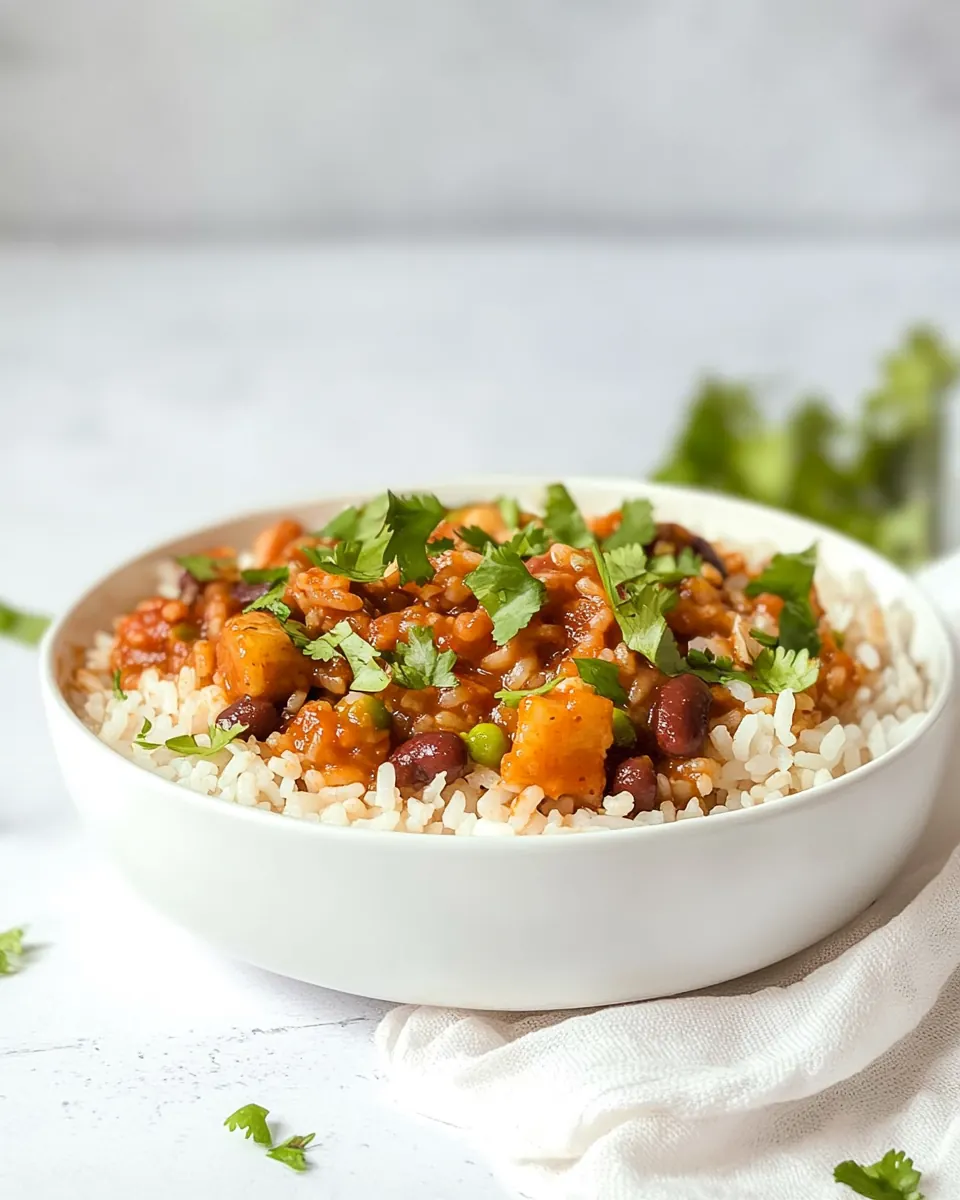
Puerto Rican Rice And Beans feels like a warm handshake from a kitchen that knows how to comfort a crowd. The first time I made this dish I remember the way the aroma of onion and garlic braided with the bright herbaceous note of cilantro, and how everyone drifted toward the stove as if summoned by smell alone.
It was an impromptu weeknight supper that turned into a lesson in simplicity, teaching me that humble pantry staples can coax out complex, soulful flavors. I used pantry kidney beans and a can of tomato sauce alongside long grain rice, and the result was a plate that felt both homey and festive. Family members who rarely agree on dinner plans ended up passing bowls back and forth, each spoonful prompting new stories and laughter.
Over the years I have tweaked the balance of seasoning and timing until the texture and flavor felt right to my palate. The gentle simmer of the rice gives a light, separate grain while the bean mixture stays saucy and aromatic. I love serving this when friends stop by unannounced, because it scales easily and still tastes deliberate. This recipe is one of those dependable anchors in my rotation, the sort of meal that makes weeknights feel a touch more festive.
Recipe Snapshot
45 mins
10 mins
35 mins
Medium
300 kcal
Puerto Rican
Vegan, Gluten-Free
Dinner
Large pot, Large skillet, Fine mesh sieve
Why Try This Puerto Rican Rice And Beans
Comforting simplicity that feeds many
I adore how Puerto Rican Rice And Beans folds basic ingredients into something truly nourishing. With just rice, a can of kidney beans, and a handful of aromatics, you get a meal that stretches to feed a family without losing depth.
Balanced textures and flavors
The dish offers a lovely contrast between the tender, slightly fluffy rice and the saucy, well seasoned bean mix. The acidity from the tomato sauce brightens the earthiness of the kidney beans, while the fresh cilantro lifts the whole plate, so every bite feels complete.
Reliable for gatherings
I often choose this recipe when hosting because it scales effortlessly. It reheats beautifully, and the flavors continue to meld over time, so leftovers can taste even better the next day, which means less fuss for me and more time with guests.
Speed without sacrificing soul
The hands on time is short, but the layering of flavors during the brief simmer creates complexity. A quick sauté of onion and green bell pepper builds a savory base, and a short simmer with seasonings lets the bean mixture absorb aromatic notes without long unattended cooking.
Versatile and forgiving
This recipe tolerates small adjustments, so if you need to tweak seasoning or swap a pantry item, it still holds together. I appreciate that freedom because it makes the dish approachable for cooks at any level.
Ingredients to Make Puerto Rican Rice And Beans
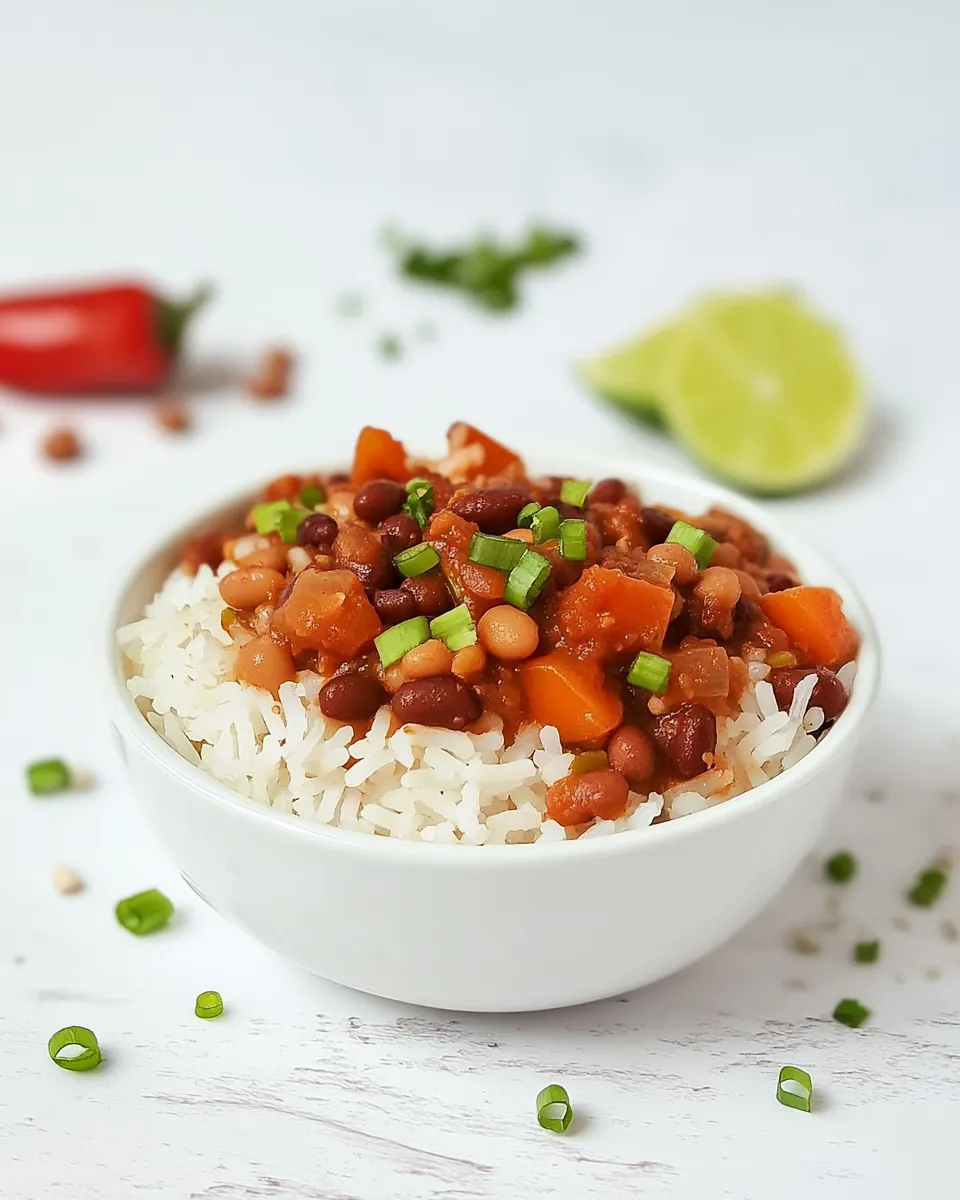
These ingredients come together with a clear philosophy: keep the structure simple, let the aromatics do the heavy lifting, and balance starch with saucy protein for a satisfying plate. The key players are the long grain rice which provides a light base, the canned kidney beans for substance, and the aromatic trio of onion, green bell pepper, and garlic that creates depth. A packet of Sazon seasoning adds traditional flavor notes that tie everything together.
- 2 cups long-grain white rice: Provides the starchy base that soaks up flavors and gives the dish body; rinsing before cooking removes excess surface starch for fluffier grains. Cooks in the simmering liquid until tender and separates into individual grains when properly rested after cooking.
- 4 cups water: Supplies the cooking liquid that hydrates the rice and blends with seasonings; temperature and volume control the rice texture and doneness. Adds a neutral medium that carries dissolved flavors from aromatics and seasonings into the grains.
- 1 tablespoon olive oil: Adds a fruity, slightly bitter fat that helps sauté aromatics and prevents sticking; contributes a subtle Mediterranean flavor that complements the other vegetables. Coats rice grains lightly when added at the start to help them stay separate and adds mouthfeel.
- 1 large onion diced: Contributes sweet and savory aroma when sautéed, forming the flavor base; releases moisture and sugars that caramelize slightly for depth. Provides texture contrast and umami elements that enrich the overall savory profile of the dish.
- 1 green bell pepper diced: Introduces bright, vegetal sweetness and a mild peppery note when softened; adds color and bulk to the flavor base. Balances the richness of tomato sauce and beans while contributing fresh crunch if not overcooked.
- 2 cloves garlic minced: Delivers pungent, aromatic sharpness that enhances savory complexity; quickly softens and mellows when sautéed with oil. Helps brighten and lift the overall flavor, tying together herbs, onions, and peppers.
- 1/4 cup fresh cilantro chopped: Offers fresh, citrusy green herb notes that bring brightness and a hint of herbal complexity; stirred in near the end preserves fragrant oils. Adds visual contrast and a light, leafy texture that complements the heavier elements.
- 1 can kidney beans (15 ounces) drained and rinsed: Provides protein, creaminess, and hearty texture while soaking up surrounding flavors; draining and rinsing removes excess canning liquid and sodium. Adds substance and a familiar legume taste that makes the dish more filling and balanced.
- 18 ounce can tomato sauce: Delivers concentrated tomato flavor and body that forms the saucy backbone; contributes acidity and sweetness that meld with spices. Thickens the cooking liquid and helps coat the rice and beans with a cohesive savory tomato profile.
- 1 packet Sazon seasoning with coriander and annatto: Imparts a distinctive savory color and mild aromatic seasoning with coriander and annatto, enhancing authenticity; dissolves into the liquid to distribute flavor evenly. Adds earthy, slightly floral notes and the characteristic warm color associated with certain Latin cuisines.
- 1 teaspoon dried oregano: Provides a warm, slightly bitter herbal note that layers with other seasonings; sprinkles into the cooking liquid to infuse the dish. Helps evoke classic Mediterranean and Latin flavor profiles and supports the overall savory balance.
- Salt and pepper to taste: Balances and adjusts all flavors to taste, enhancing sweetness, brightness, or savoriness as needed; added gradually to avoid over-salting. Also adjusts perceived seasoning intensity of herbs, aromatics, and tomato components.
Cooking Instructions for Puerto Rican Rice And Beans
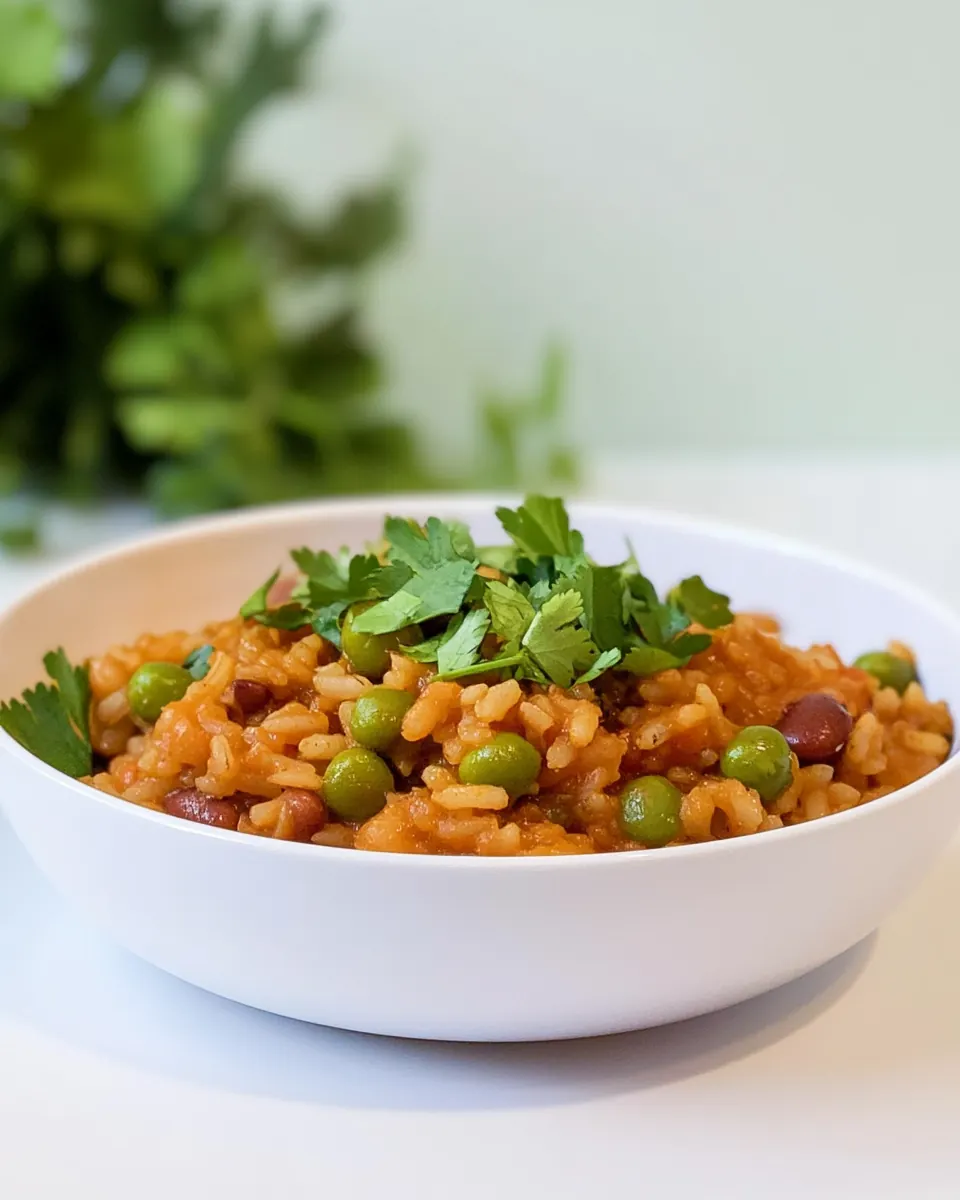
These steps take you from rinsed grains to a saucy, aromatic bean topping. Follow the sequence and watch for the sensory cues I note so your results match mine. Below, each core direction is preserved from the recipe, and I expand on how to do it well and what to avoid.
- Rinse the rice under cold water until the water runs clear to remove excess starch, which helps prevent the rice from becoming sticky.: You should feel the grains between your fingers as you rinse, and notice the water turning from cloudy to clear; that visual cue tells you the excess starch is gone and will help the rice cook into separate, fluffy grains. Do this in a bowl or fine mesh sieve, agitating gently so the surface starch washes away, and avoid smashing the grains which can release more starch. A common mistake is rushing the rinse, which leaves cloudy water and yields clumpy, sticky rice that will not provide the light base this dish needs.
- In a large pot, bring 4 cups of water to a boil. Add the rinsed rice, stir, and reduce heat to low. Cover and simmer for 18-20 minutes or until the water is absorbed and the rice is tender. Remove from heat and let it sit, covered, for 5 minutes.: You will hear a gentle simmer and see steam escaping at the lid edges; that steady, low boil is the right energy to cook the rice evenly. Once the water is absorbed, the surface will look matte rather than wet, and a fork should separate grains easily. Letting it rest covered for 5 minutes lets residual steam finish the job, producing airy texture. Avoid lifting the lid repeatedly which steals steam and interrupts even cooking, often resulting in unevenly cooked rice .
- While the rice is cooking, heat olive oil in a separate large skillet over medium heat. Add the diced onion and green bell pepper and cook until softened, about 5 minutes.: You want the oil to shimmer but not smoke, then add the diced onion and green bell pepper , listening for a quiet sizzle. The vegetables will soften and start to take on a translucent sheen, releasing sweet, savory aromas. This gentle sauté builds flavor, so resist the urge to crank the heat which can burn edges and create bitterness. A misstep is overcrowding the pan, which causes steaming instead of sautéing, leaving the vegetables limp and pale.
- Add minced garlic and chopped cilantro to the skillet and cook for an additional minute until fragrant.: The scent will change quickly to a bright, garlicky note with herbal lift from the cilantro , signaling the flavors are marrying. Stir constantly for that minute so the garlic softens without browning; browned garlic turns bitter and can spoil the delicate balance. If you notice a sharp burnt smell, remove the pan from heat and start the garlic step again to avoid carrying bitter flavors into the bean sauce.
- Stir in the drained kidney beans, tomato sauce, Sazon seasoning, dried oregano, salt, and pepper. Cook for 10 minutes, allowing the flavors to meld.: When you add the rinsed kidney beans and tomato sauce , you will see steam rise and hear a gentle simmer as the sauce thickens slightly. The aroma will pivot toward tomato sweetness and warm spice from the Sazon seasoning . Simmering for about ten minutes allows the beans to absorb the sauce and the spices to bloom. Watch for the mixture sticking to the pan s bottom which can scorch the sauce; stir periodically and lower heat if you see rapid bubbling. A common error is under-seasoning early then over-salting at the end, so taste as you go and adjust gradually.
- Serve the bean mixture over the cooked rice. Garnish with additional fresh cilantro if desired.: Look for a contrast between the saucy, glossy bean mixture and the matte, fluffy bed of rice ; that visual difference makes the dish inviting. Spoon the warm bean topping so it nestles into valleys of the rice , and finish with chopped cilantro for a fresh, green pop. If the sauce seems thin, allow it to reduce a bit longer off the heat to concentrate flavor before plating. Avoid reheating aggressively which can dry out the beans and make them mealy instead of creamy.
Customization Ideas
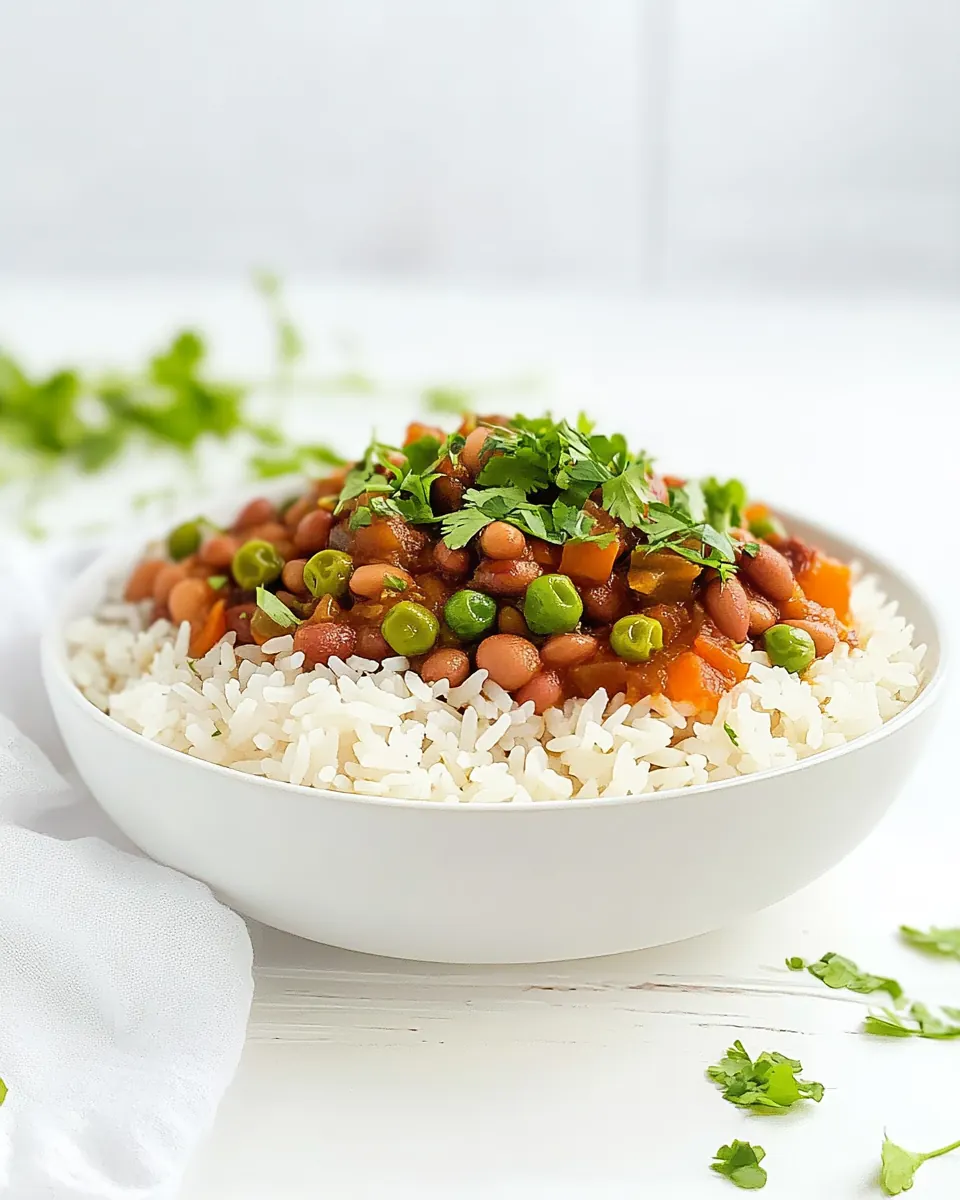
I like to offer ways to personalize this recipe while staying true to its spirit. Below are practical ideas you can try to fit your pantry and preferences. Each tip begins with a bolded phrase to highlight the main suggestion.
- Swap your rice variety: If you prefer a nuttier texture, try brown long grain rice but increase cooking time and liquid accordingly, as it needs more time to soften.
- Boost the freshness: Stir additional chopped cilantro into the bean mixture just before serving to brighten the overall flavor profile without changing the cooking steps.
- Adjust the spice level: If you want a mild kick, add a pinch of crushed red pepper to the sauté step; add gradually and taste as it melds into the sauce.
- Stretch for a crowd: Double the bean mixture and rice quantities proportionally; this recipe scales predictably and reheats well for gatherings.
- Make ahead convenience: Cook the rice and bean mix separately and refrigerate; reheat gently on the stove with a splash of water to revive texture and moisture.
- Texture variation: Lightly mash a portion of the kidney beans against the skillet to create a creamier sauce, while leaving some whole for bite and contrast.
What to Serve Alongside Puerto Rican Rice And Beans
This dish pairs well with bright, crunchy, or acidic sides to balance its comforting body. Below are serving ideas and occasions where this recipe really shines.
- Fresh green salad: A simple tossed salad with a tangy vinaigrette provides a crisp counterpoint to the warm, saucy beans and soft rice, making the meal feel lighter for lunch or dinner.
- Roasted or grilled vegetables: Charred vegetables like zucchini or eggplant echo the smoky notes in the seasoning and add a pleasant textural contrast for a casual dinner gathering.
- Pickled sides: Quick pickled onions or cucumbers add sharp acidity that cuts through the tomato richness, ideal for serving during warm weather or festive meals.
- Simple appetizers: Serve with warm corn or flour tortillas for scooping, turning the meal into a relaxed family style spread suitable for game day or an informal get together.
- Meal occasion ideas: Its perfect for weeknight dinners, potlucks, or Ramadan iftar when you need a filling, easy to scale option that comforts and satisfies many people.
- Storage tips: Store leftovers in airtight containers in the refrigerator for up to three days; reheat gently on the stove with a splash of water to restore sauciness.
- Seasonal pairing: This dish works year round, with lighter sides in summer and heartier roasted vegetables in cooler months, making it versatile for any season.
FAQ
Conclusion
What makes this recipe special is its ability to transform simple pantry items into a satisfying, soulful meal that feeds a crowd with little fuss. Give Puerto Rican Rice And Beans a try when you want something comforting yet flavorful, and let the aromatics and seasoning do the heavy lifting while you relax. I hope it becomes one of your go to dishes for weeknights and gatherings, offering reliable taste, easy scaling, and great leftover potential.

Puerto Rican Rice And Beans
Equipment
- Large Pot
- Large Skillet
- Fine mesh sieve
Ingredients
- 2 cups long-grain white rice Provides the starchy base that soaks up flavors and gives the dish body; rinsing before cooking removes excess surface starch for fluffier grains. Cooks in the simmering liquid until tender and separates into individual grains when properly rested after cooking.
- 4 cups water Supplies the cooking liquid that hydrates the rice and blends with seasonings; temperature and volume control the rice texture and doneness. Adds a neutral medium that carries dissolved flavors from aromatics and seasonings into the grains.
- 1 tablespoon olive oil Adds a fruity, slightly bitter fat that helps sauté aromatics and prevents sticking; contributes a subtle Mediterranean flavor that complements the other vegetables. Coats rice grains lightly when added at the start to help them stay separate and adds mouthfeel.
- 1 large onion diced Contributes sweet and savory aroma when sautéed, forming the flavor base; releases moisture and sugars that caramelize slightly for depth. Provides texture contrast and umami elements that enrich the overall savory profile of the dish.
- 1 green bell pepper diced Introduces bright, vegetal sweetness and a mild peppery note when softened; adds color and bulk to the flavor base. Balances the richness of tomato sauce and beans while contributing fresh crunch if not overcooked.
- 2 cloves garlic minced Delivers pungent, aromatic sharpness that enhances savory complexity; quickly softens and mellows when sautéed with oil. Helps brighten and lift the overall flavor, tying together herbs, onions, and peppers.
- 1/4 cup fresh cilantro chopped Offers fresh, citrusy green herb notes that bring brightness and a hint of herbal complexity; stirred in near the end preserves fragrant oils. Adds visual contrast and a light, leafy texture that complements the heavier elements.
- 1 can kidney beans (15 ounces) drained and rinsed Provides protein, creaminess, and hearty texture while soaking up surrounding flavors; draining and rinsing removes excess canning liquid and sodium. Adds substance and a familiar legume taste that makes the dish more filling and balanced.
- 18 -ounce can tomato sauce Delivers concentrated tomato flavor and body that forms the saucy backbone; contributes acidity and sweetness that meld with spices. Thickens the cooking liquid and helps coat the rice and beans with a cohesive savory tomato profile.
- 1 packet Sazon seasoning with coriander and annatto Imparts a distinctive savory color and mild aromatic seasoning with coriander and annatto, enhancing authenticity; dissolves into the liquid to distribute flavor evenly. Adds earthy, slightly floral notes and the characteristic warm color associated with certain Latin cuisines.
- 1 teaspoon dried oregano Provides a warm, slightly bitter herbal note that layers with other seasonings; sprinkles into the cooking liquid to infuse the dish. Helps evoke classic Mediterranean and Latin flavor profiles and supports the overall savory balance.
- Salt and pepper to taste Balances and adjusts all flavors to taste, enhancing sweetness, brightness, or savoriness as needed; added gradually to avoid over-salting. Also adjusts perceived seasoning intensity of herbs, aromatics, and tomato components.
Instructions
- Rinse the rice under cold water until the water runs clear to remove excess starch, which helps prevent the rice from becoming sticky.: You should feel the grains between your fingers as you rinse, and notice the water turning from cloudy to clear; that visual cue tells you the excess starch is gone and will help the rice cook into separate, fluffy grains. Do this in a bowl or fine mesh sieve, agitating gently so the surface starch washes away, and avoid smashing the grains which can release more starch. A common mistake is rushing the rinse, which leaves cloudy water and yields clumpy, sticky rice that will not provide the light base this dish needs.
- In a large pot, bring 4 cups of water to a boil. Add the rinsed rice, stir, and reduce heat to low. Cover and simmer for 18-20 minutes or until the water is absorbed and the rice is tender. Remove from heat and let it sit, covered, for 5 minutes.: You will hear a gentle simmer and see steam escaping at the lid edges; that steady, low boil is the right energy to cook the rice evenly. Once the water is absorbed, the surface will look matte rather than wet, and a fork should separate grains easily. Letting it rest covered for 5 minutes lets residual steam finish the job, producing airy texture. Avoid lifting the lid repeatedly which steals steam and interrupts even cooking, often resulting in unevenly cooked rice .
- While the rice is cooking, heat olive oil in a separate large skillet over medium heat. Add the diced onion and green bell pepper and cook until softened, about 5 minutes.: You want the oil to shimmer but not smoke, then add the diced onion and green bell pepper , listening for a quiet sizzle. The vegetables will soften and start to take on a translucent sheen, releasing sweet, savory aromas. This gentle sauté builds flavor, so resist the urge to crank the heat which can burn edges and create bitterness. A misstep is overcrowding the pan, which causes steaming instead of sautéing, leaving the vegetables limp and pale.
- Add minced garlic and chopped cilantro to the skillet and cook for an additional minute until fragrant.: The scent will change quickly to a bright, garlicky note with herbal lift from the cilantro , signaling the flavors are marrying. Stir constantly for that minute so the garlic softens without browning; browned garlic turns bitter and can spoil the delicate balance. If you notice a sharp burnt smell, remove the pan from heat and start the garlic step again to avoid carrying bitter flavors into the bean sauce.
- Stir in the drained kidney beans, tomato sauce, Sazon seasoning, dried oregano, salt, and pepper. Cook for 10 minutes, allowing the flavors to meld.: When you add the rinsed kidney beans and tomato sauce , you will see steam rise and hear a gentle simmer as the sauce thickens slightly. The aroma will pivot toward tomato sweetness and warm spice from the Sazon seasoning . Simmering for about ten minutes allows the beans to absorb the sauce and the spices to bloom. Watch for the mixture sticking to the pan s bottom which can scorch the sauce; stir periodically and lower heat if you see rapid bubbling. A common error is under-seasoning early then over-salting at the end, so taste as you go and adjust gradually.
- Serve the bean mixture over the cooked rice. Garnish with additional fresh cilantro if desired.: Look for a contrast between the saucy, glossy bean mixture and the matte, fluffy bed of rice ; that visual difference makes the dish inviting. Spoon the warm bean topping so it nestles into valleys of the rice , and finish with chopped cilantro for a fresh, green pop. If the sauce seems thin, allow it to reduce a bit longer off the heat to concentrate flavor before plating. Avoid reheating aggressively which can dry out the beans and make them mealy instead of creamy.
Notes
- Swap your rice variety: If you prefer a nuttier texture, try brown long grain rice but increase cooking time and liquid accordingly, as it needs more time to soften.
- Boost the freshness: Stir additional chopped cilantro into the bean mixture just before serving to brighten the overall flavor profile without changing the cooking steps.
- Adjust the spice level: If you want a mild kick, add a pinch of crushed red pepper to the sauté step; add gradually and taste as it melds into the sauce.
- Stretch for a crowd: Double the bean mixture and rice quantities proportionally; this recipe scales predictably and reheats well for gatherings.
- Make ahead convenience: Cook the rice and bean mix separately and refrigerate; reheat gently on the stove with a splash of water to revive texture and moisture.
- Texture variation: Lightly mash a portion of the kidney beans against the skillet to create a creamier sauce, while leaving some whole for bite and contrast.