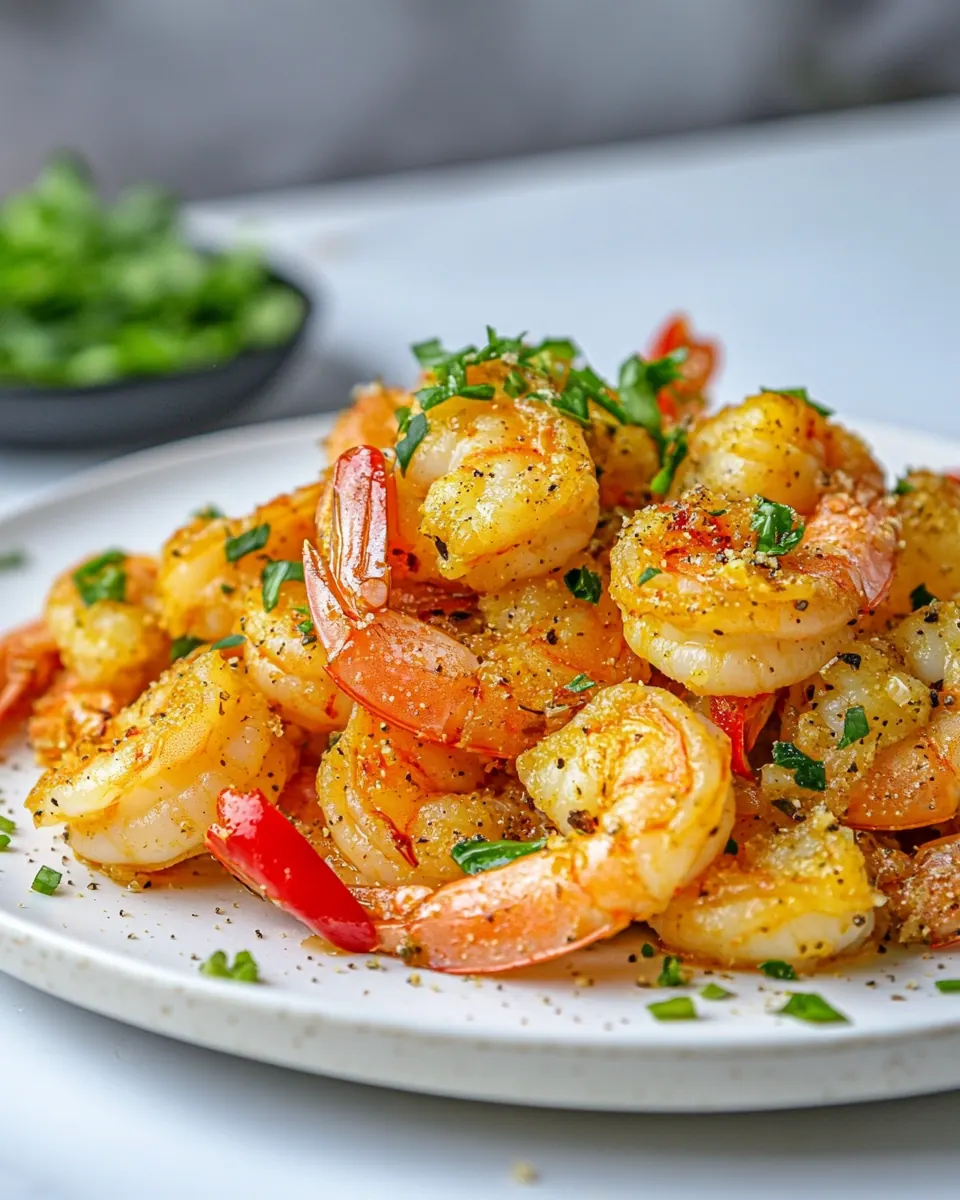
Salt and Pepper Shrimp
Salt and Pepper Shrimp is one of those recipes I turn to when I want something fast, bold, and surprisingly elegant. The first time I made it I was racing the clock before friends arrived, and the way the kitchen filled with the scent of sizzling garlic and toasted cornstarch convinced me I had a winner. Every bite was a textural surprise, the golden crisp exterior giving way to plump, juicy shrimp inside, and the bright sting from the thinly sliced chilies kept us reaching for more.
Over the years I have tweaked the balance of seasoning and technique, learning how crucial it is to pat the shrimp bone dry and to heat the oil properly so that each piece crisps without becoming chewy. I love serving this when I want people to gather around the stove, because it comes together fast and feels like a special treat. Once, I paired it with a simple bowl of steamed rice and fresh cilantro, and the combination was unexpectedly comforting yet festive.
One of my favorite memories with this dish is cooking it on a hot summer evening, windows open, and listening to the soft sizzle as the shrimp hit the pan. The heat from the chilies cut through the richness from frying, and the cornstarch gave the surface a light, glassy crunch. If you enjoy bold, immediate flavors and a cooking process that rewards attention over time, you will enjoy this as much as I do.
Recipe Snapshot
30 mins
20 mins
10 mins
Easy
250 kcal
American
Gluten-Free, Paleo
Dinner
Frying pan, Paper towels, Tongs
What We Adore About This Salt and Pepper Shrimp
Crunchy texture that sings
I adore how the coating creates a crisp shell around each shrimp. The contrast between a brittle exterior and a tender interior is why this recipe stands out, and I always watch for that golden edge that signals perfect doneness. That audible sizzle as the pieces hit hot oil is music to my ears, and it tells you the coating is locking in moisture and flavor. Avoid overcrowding, since steam will ruin the crisp.
Spice with clarity
The thinly sliced red and green chilies give a fresh, bright heat that never overwhelms. I like that the chilies stay somewhat raw, offering a sharp, peppery pop against the fried crust. The addition of garlic sautéed briefly in reserved oil brings aromatic warmth without burning. If you let the garlic brown too much, it will taste bitter, so keep the heat moderate when sautéing.
Simple pantry stars
This recipe relies on a few accessible ingredients like cornstarch, garlic, and kosher salt, yet it tastes sophisticated. The cornstarch is the unsung hero, producing a glassy, ultra crisp crust that flour alone cannot replicate. I appreciate recipes that reward technique over long ingredient lists, and this one does exactly that. Measuring the cornstarch properly will prevent a gummy coating.
Fast, impressive cooking
From start to finish this dish is quick enough for weeknights, yet presentable for guests. It cooks in small batches, so you get consistent color and texture each time. That pacing also gives you time to sauté aromatics and toss everything together for a final, glossy finish. Rushing the batches leads to uneven frying and lost crunch.
Versatile serving options
You can serve this as an appetizer, a main with rice, or alongside simple vegetables. I often sprinkle fresh cilantro at the end to add an herbal lift and to balance the salt and heat. The method is forgiving enough that small variations in chilies or seasoning still produce great results, making it a reliable option for different palates. Just be careful not to oversalt early, since the final toss intensifies seasoning.
Ingredient List for Salt and Pepper Shrimp
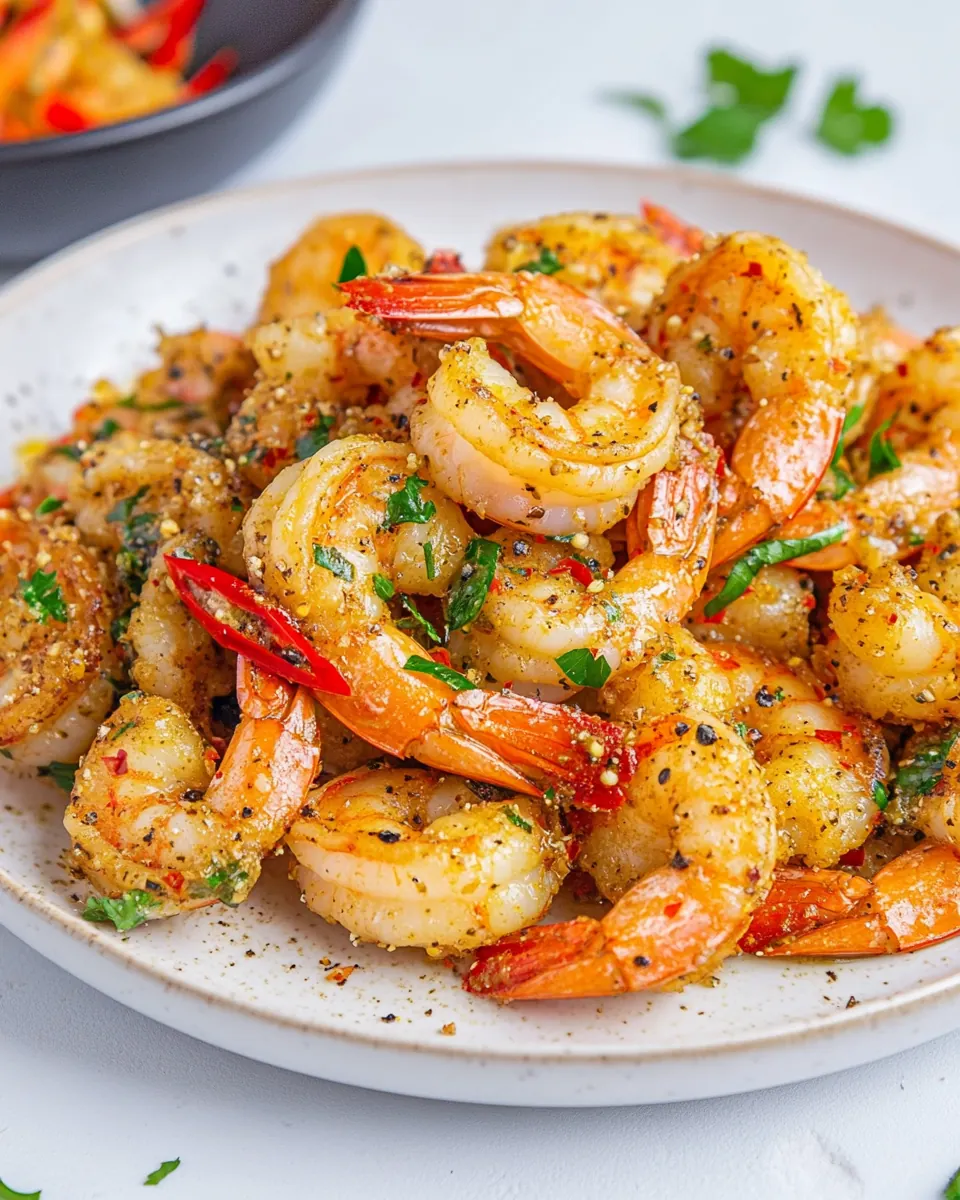
These ingredients are purposeful and pared back, each playing a clear role. The shrimp provides sweet, briny flesh, while cornstarch creates the signature crisp. The aromatics and chilies layer on heat and fragrance, and a final sprinkle of cilantro brightens the plate. Together they form a compact, well balanced profile that highlights texture and seasoning.
- 1 pound large shrimp deveined with shells on: Coat shrimp lightly before frying to create a crispy exterior that locks in juices; provides a slightly crunchy texture that contrasts with the tender interior. Helps the seasoning adhere and gives the finished dish an appealing golden color when deep-fried or shallow-fried.
- 1/3 cup cornstarch: Create a dry batter that crisps quickly in hot oil and forms a light, airy coating on the shrimp; absorbs minimal oil for a cleaner fry. Allows garlic and pepper flavors to cling to the surface and produces the characteristic crunch of salt-and-pepper style seafood.
- Vegetable oil as needed for frying: Provide the frying medium necessary to achieve a crisp crust and even cooking; choose a high-smoke-point oil for consistent temperature. Enables rapid heat transfer so the shrimp cook quickly without becoming greasy, ensuring a snappy texture.
- 4 cloves garlic minced: Impart savory aromatics and a toasty, slightly sweet garlic flavor when briefly sautéed; adds depth and a fragrant base to the seasoning. Releases flavorful oils that mingle with the chilies and salt for a well-rounded taste profile.
- 1 red chili thinly sliced: Add bright heat and a fresh, fruity spice note when sliced thinly and tossed with the shrimp; contributes visual color contrast. Helps balance the saltiness and enhances the overall spicy profile with crisp, vegetal flavor.
- 1 green chili thinly sliced: Contribute a sharper, slightly bitter heat that complements the red chili and adds complexity; thin slices distribute heat evenly. Provide green color contrast and a layered chili heat that intensifies as the dish cools slightly.
- 3/4 teaspoon kosher salt: Season the shrimp to enhance natural flavors and provide a baseline salty savory note; use kosher salt for a clean taste and easy pinch control. Draws out moisture slightly during coating and helps balance the crisp coating and pepper heat.
- 1/2 teaspoon white pepper: Deliver a floral, pungent heat with a warm, slightly citrusy aroma that defines the dish’s characteristic spice; use white pepper for a subtler, less visible fleck. Rounds out the seasoning by adding a mild heat that complements garlic and chilies without overpowering.
- Fresh cilantro chopped, for garnish: Garnish the finished dish with fresh, herbaceous flavor and a bright visual finish; chopped cilantro adds freshness and a hint of citrusy-green aroma. Provides a contrasting coolness to the hot, fried shrimp and helps refresh the palate between bites.
Making This Salt and Pepper Shrimp
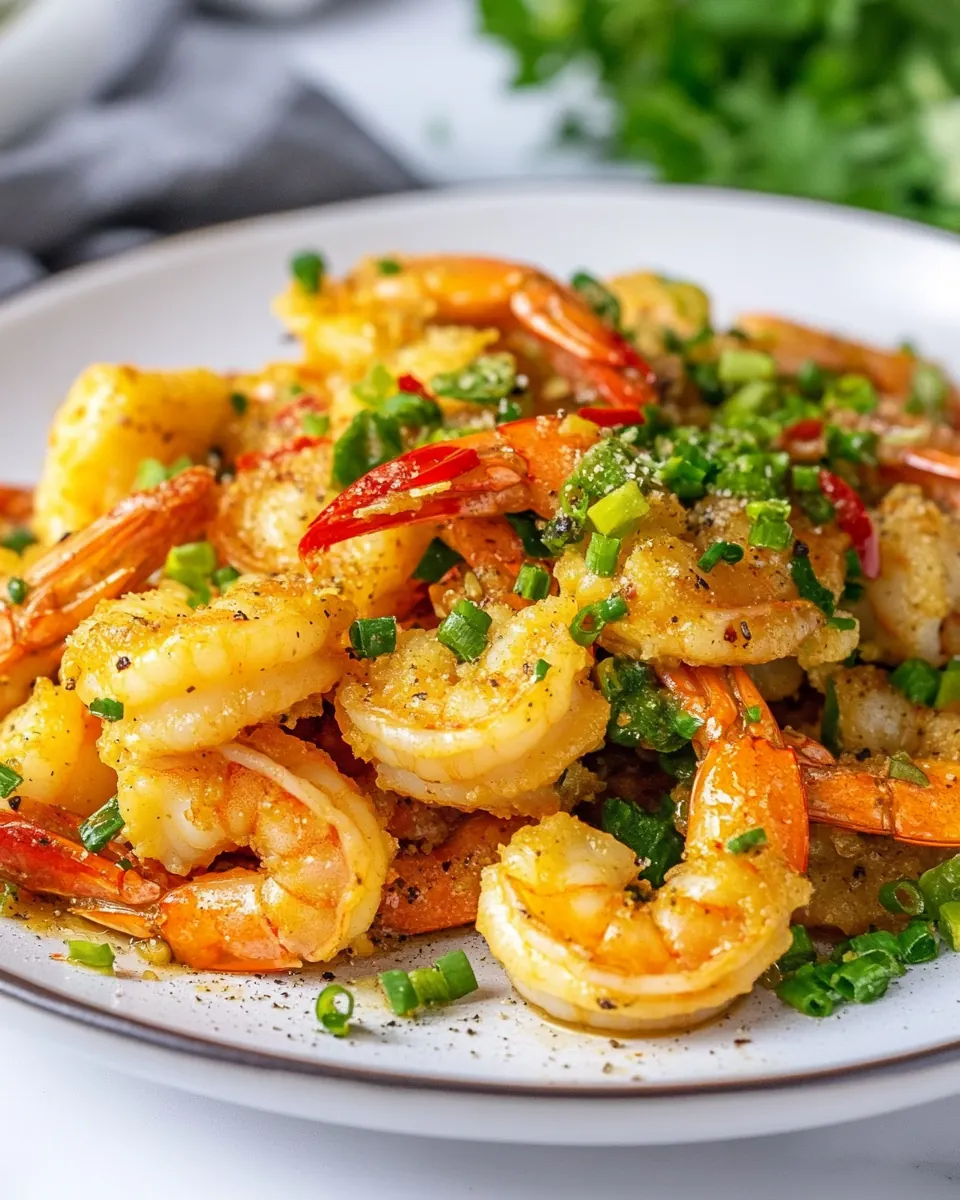
This preparation is energetic and hands on, rewarding attention to detail. Work in batches, keep an eye on oil temperature, and use sensory cues to guide cooking. Below I expand each step with practical notes so you can replicate the exact crisp, aromatic result I chase every time.
- Pat the shrimp dry and toss them with cornstarch until evenly coated.: The moment you pat the shrimp dry you will notice their surface go from glossy to slightly matte, which is essential for the cornstarch to adhere properly. The dry surface sizzles instantly on contact with oil, creating that first audible pop that signals crisping. Use paper towels and press gently, avoiding tearing the flesh. When tossing in cornstarch , aim for a light, even dusting rather than a clumpy paste; excess powder will flake off in the oil and create an uneven crust. A common mistake is starting with damp shrimp , which causes the coating to become gummy. If pieces stick together, separate them and recoat individually to ensure uniform browning and texture.
- Heat oil in a frying pan over medium-high heat. Fry the shrimp in batches until golden and crispy, about 2 to 3 minutes per side. Remove and drain on paper towels.: When the oil is ready it should shimmer, not smoke, and you will hear an energetic sizzle as each coated piece meets the surface. Frying in batches prevents the temperature from dropping, which keeps the crust crisp and prevents sogginess. Watch for a warm golden hue around the edges, and flip when the underside has set; the shrimp should feel firm but springy when done. Drain on paper towels to absorb excess oil and preserve the crisp shell. Overcrowding is a frequent error, leading to steamed, pale coating rather than a crunchy finish. Maintain moderate heat, adjusting the flame so the oil does not burn the cornstarch coating before the inside reaches the proper texture.
- In the same pan, remove any excess oil except for 1 tablespoon and reduce heat to medium. Add garlic and chili, sautéing until fragrant, about 1 minute.: Keeping a tablespoon of oil preserves flavor and allows the garlic to bloom without smoking. As you add the minced garlic and the thinly sliced chilies they will begin to release aromas almost immediately; you should smell a toasty sweetness from the garlic and a bright, peppery note from the chilies. Keep the heat at medium so the garlic softens and becomes fragrant, but do not let it brown deeply, as that produces bitterness. The chilies will slightly soften, turning translucent at the edges while retaining their crisp bite. A common misstep is overheating at this stage, which ruins the delicate aromatics and makes the pan smell burnt.
- Return the shrimp to the pan, sprinkle with salt and pepper, and toss quickly to coat. Adjust seasonings as needed.: As the shrimp returns to the warm pan, the reserved oil and sautéed aromatics will lightly glaze the crust, carrying the flavors into each bite. You will hear a brief renewed sizzle and see the shrimp glisten as they pick up a sheen from the oil and aromatics. Tossing them quickly ensures the seasoning adheres evenly and does not disturb the crisp texture. Taste one and adjust the kosher salt and white pepper if necessary, adding sparingly because the concentrated crust intensifies seasoning. Avoid tossing excessively, which can dislodge the coating and make the surface patchy rather than uniformly golden.
- Serve immediately with fresh cilantro sprinkled on top.: The finishing touch of chopped cilantro brings a cool, herbal contrast to the warm, savory shrimp . Serve right away so the crisp coating stays intact; as the pieces sit they will slowly lose crunch and become softer. The aroma of fried garlic and chilies should still linger, and the bright green flecks of cilantro will provide visual freshness. A common oversight is letting the dish rest too long before serving, which diminishes the textural contrast that makes this preparation special. Plate the shrimp on warm dishes to slow cooling and preserve the sensory balance.
Tips for Success
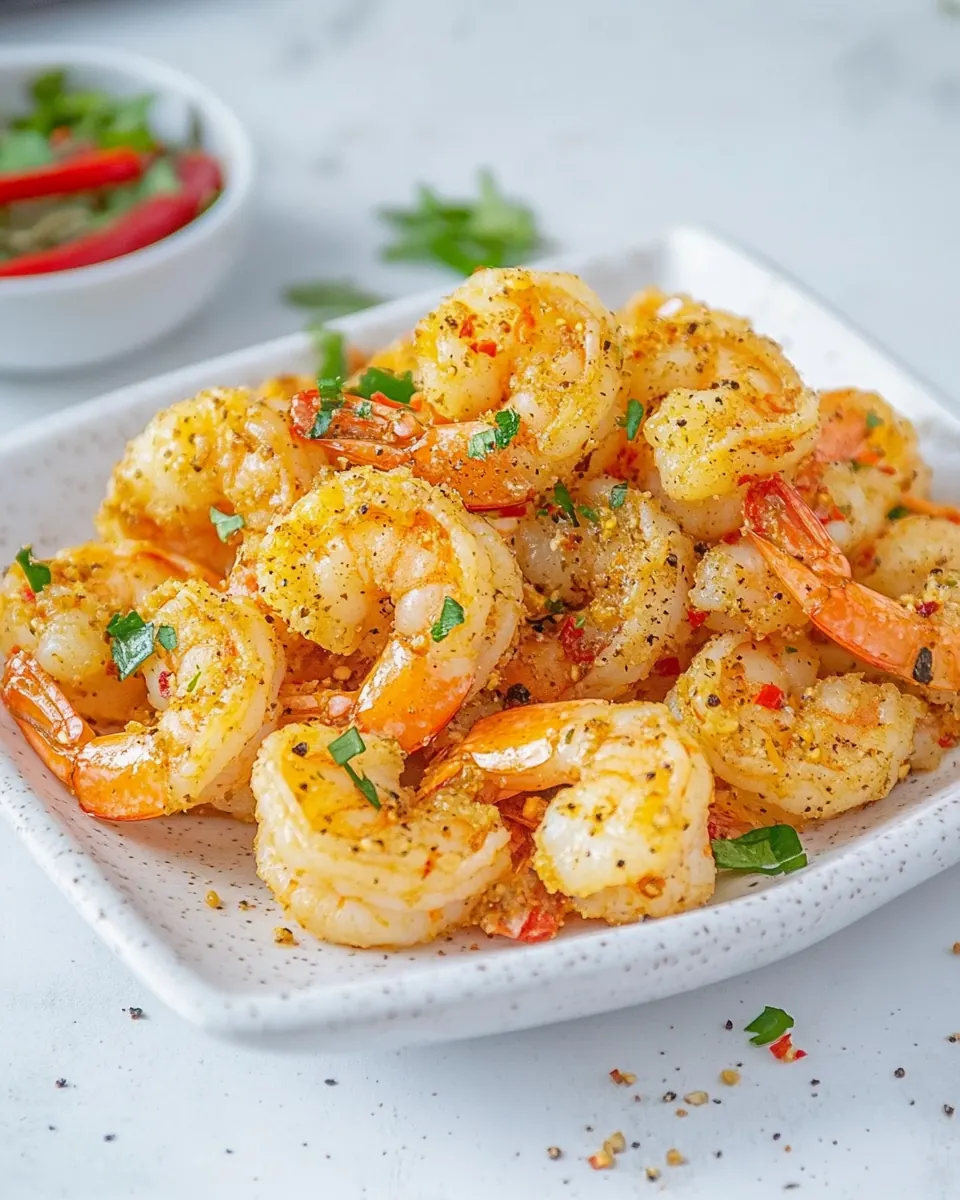
These tips expand on small choices that make a big difference when cooking Salt and Pepper Shrimp. Each item focuses on technique, timing, and sensory cues so you can replicate the best result every time.
- Pat dry first Ensure the shrimp are completely dry before tossing with cornstarch to achieve a light, even crust that crisps instantly in hot oil.
- Control oil temperature Maintain medium high heat so the coating browns quickly without burning, and adjust between batches to keep a steady sizzle.
- Fry in batches Avoid overcrowding the pan; cooking a few pieces at a time preserves oil temperature and prevents steaming of the coating.
- Reserve oil for aromatics Keep a tablespoon of frying oil to sauté the garlic and chilies so you capture concentrated flavor for the final toss.
- Shake off excess starch After coating in cornstarch tap each piece gently to remove clumps, ensuring a uniform, thin crust.
- Watch the garlic Cook minced garlic on medium heat until fragrant only, as overbrowning will introduce bitterness and ruin the delicate aroma.
- Serve immediately Plate the shrimp right away to preserve the crisp texture and the contrast between hot fried crust and cool cilantro.
Serving This Salt and Pepper Shrimp
This section covers how I like to present Salt and Pepper Shrimp and offers several serving ideas to fit different occasions. The suggestions emphasize contrasts in texture and flavor to make the dish feel complete.
- Casual weeknight main Serve the shrimp over a bowl of steamed rice with a scattering of chopped cilantro to soak up the pan juices, creating a satisfying easy weeknight dinner.
- Appetizer for guests Arrange the crisp shrimp on a platter with small bowls for dipping, making it a shareable starter that pairs well with lively conversation.
- Summer gathering Offer the dish at a summer supper where the fresh chilies feel seasonally appropriate, and the quick cooking time keeps the kitchen cool.
- Ramadan or festive table Include the shrimp as part of a larger spread where it complements rice and vegetable sides, providing a flavorful protein option for breaking fast.
- Storage tips Store leftovers in an airtight container in the refrigerator for up to one day, but expect the crust to soften; reheat briefly in a hot skillet to revive some crispiness.
- Seasonal pairings Serve with light, crisp salads or simple steamed greens to balance the fried texture and emphasize fresh contrasts.
FAQ
Conclusion
Salt and Pepper Shrimp stands out because of its extraordinary contrast between a light, glassy crust and tender, flavorful shrimp. The combination of aromatic garlic, lively chilies, and the crisp texture from cornstarch creates a dish that feels both quick and special. I encourage you to try this recipe when you want an easy yet impressive meal, and to pay attention to those small technique choices that deliver the best crunch and balance. Cooking it once will show you how simple steps can transform a handful of ingredients into something memorable.
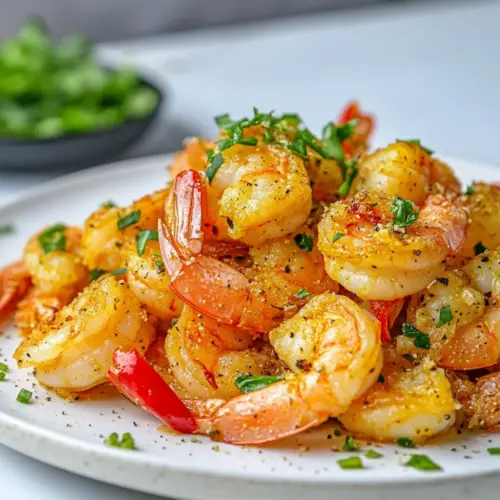
Salt and Pepper Shrimp
Equipment
- Frying Pan
- Paper towels
- Tongs
Ingredients
- 1 pound large shrimp deveined with shells on Coat shrimp lightly before frying to create a crispy exterior that locks in juices; provides a slightly crunchy texture that contrasts with the tender interior. Helps the seasoning adhere and gives the finished dish an appealing golden color when deep-fried or shallow-fried.
- 1/3 cup cornstarch Create a dry batter that crisps quickly in hot oil and forms a light, airy coating on the shrimp; absorbs minimal oil for a cleaner fry. Allows garlic and pepper flavors to cling to the surface and produces the characteristic crunch of salt-and-pepper style seafood.
- Vegetable oil as needed for frying Provide the frying medium necessary to achieve a crisp crust and even cooking; choose a high-smoke-point oil for consistent temperature. Enables rapid heat transfer so the shrimp cook quickly without becoming greasy, ensuring a snappy texture.
- 4 cloves garlic minced Impart savory aromatics and a toasty, slightly sweet garlic flavor when briefly sautéed; adds depth and a fragrant base to the seasoning. Releases flavorful oils that mingle with the chilies and salt for a well-rounded taste profile.
- 1 red chili thinly sliced Add bright heat and a fresh, fruity spice note when sliced thinly and tossed with the shrimp; contributes visual color contrast. Helps balance the saltiness and enhances the overall spicy profile with crisp, vegetal flavor.
- 1 green chili thinly sliced Contribute a sharper, slightly bitter heat that complements the red chili and adds complexity; thin slices distribute heat evenly. Provide green color contrast and a layered chili heat that intensifies as the dish cools slightly.
- 3/4 teaspoon kosher salt Season the shrimp to enhance natural flavors and provide a baseline salty savory note; use kosher salt for a clean taste and easy pinch control. Draws out moisture slightly during coating and helps balance the crisp coating and pepper heat.
- 1/2 teaspoon white pepper Deliver a floral, pungent heat with a warm, slightly citrusy aroma that defines the dish’s characteristic spice; use white pepper for a subtler, less visible fleck. Rounds out the seasoning by adding a mild heat that complements garlic and chilies without overpowering.
- Fresh cilantro chopped, for garnish Garnish the finished dish with fresh, herbaceous flavor and a bright visual finish; chopped cilantro adds freshness and a hint of citrusy-green aroma. Provides a contrasting coolness to the hot, fried shrimp and helps refresh the palate between bites.
Instructions
- Pat the shrimp dry and toss them with cornstarch until evenly coated.: The moment you pat the shrimp dry you will notice their surface go from glossy to slightly matte, which is essential for the cornstarch to adhere properly. The dry surface sizzles instantly on contact with oil, creating that first audible pop that signals crisping. Use paper towels and press gently, avoiding tearing the flesh. When tossing in cornstarch , aim for a light, even dusting rather than a clumpy paste; excess powder will flake off in the oil and create an uneven crust. A common mistake is starting with damp shrimp , which causes the coating to become gummy. If pieces stick together, separate them and recoat individually to ensure uniform browning and texture.
- Heat oil in a frying pan over medium-high heat. Fry the shrimp in batches until golden and crispy, about 2 to 3 minutes per side. Remove and drain on paper towels.: When the oil is ready it should shimmer, not smoke, and you will hear an energetic sizzle as each coated piece meets the surface. Frying in batches prevents the temperature from dropping, which keeps the crust crisp and prevents sogginess. Watch for a warm golden hue around the edges, and flip when the underside has set; the shrimp should feel firm but springy when done. Drain on paper towels to absorb excess oil and preserve the crisp shell. Overcrowding is a frequent error, leading to steamed, pale coating rather than a crunchy finish. Maintain moderate heat, adjusting the flame so the oil does not burn the cornstarch coating before the inside reaches the proper texture.
- In the same pan, remove any excess oil except for 1 tablespoon and reduce heat to medium. Add garlic and chili, sautéing until fragrant, about 1 minute.: Keeping a tablespoon of oil preserves flavor and allows the garlic to bloom without smoking. As you add the minced garlic and the thinly sliced chilies they will begin to release aromas almost immediately; you should smell a toasty sweetness from the garlic and a bright, peppery note from the chilies. Keep the heat at medium so the garlic softens and becomes fragrant, but do not let it brown deeply, as that produces bitterness. The chilies will slightly soften, turning translucent at the edges while retaining their crisp bite. A common misstep is overheating at this stage, which ruins the delicate aromatics and makes the pan smell burnt.
- Return the shrimp to the pan, sprinkle with salt and pepper, and toss quickly to coat. Adjust seasonings as needed.: As the shrimp returns to the warm pan, the reserved oil and sautéed aromatics will lightly glaze the crust, carrying the flavors into each bite. You will hear a brief renewed sizzle and see the shrimp glisten as they pick up a sheen from the oil and aromatics. Tossing them quickly ensures the seasoning adheres evenly and does not disturb the crisp texture. Taste one and adjust the kosher salt and white pepper if necessary, adding sparingly because the concentrated crust intensifies seasoning. Avoid tossing excessively, which can dislodge the coating and make the surface patchy rather than uniformly golden.
- Serve immediately with fresh cilantro sprinkled on top.: The finishing touch of chopped cilantro brings a cool, herbal contrast to the warm, savory shrimp . Serve right away so the crisp coating stays intact; as the pieces sit they will slowly lose crunch and become softer. The aroma of fried garlic and chilies should still linger, and the bright green flecks of cilantro will provide visual freshness. A common oversight is letting the dish rest too long before serving, which diminishes the textural contrast that makes this preparation special. Plate the shrimp on warm dishes to slow cooling and preserve the sensory balance.
Notes
- Pat dry first Ensure the shrimp are completely dry before tossing with cornstarch to achieve a light, even crust that crisps instantly in hot oil.
- Control oil temperature Maintain medium high heat so the coating browns quickly without burning, and adjust between batches to keep a steady sizzle.
- Fry in batches Avoid overcrowding the pan; cooking a few pieces at a time preserves oil temperature and prevents steaming of the coating.
- Reserve oil for aromatics Keep a tablespoon of frying oil to sauté the garlic and chilies so you capture concentrated flavor for the final toss.
- Shake off excess starch After coating in cornstarch tap each piece gently to remove clumps, ensuring a uniform, thin crust.
- Watch the garlic Cook minced garlic on medium heat until fragrant only, as overbrowning will introduce bitterness and ruin the delicate aroma.
- Serve immediately Plate the shrimp right away to preserve the crisp texture and the contrast between hot fried crust and cool cilantro.