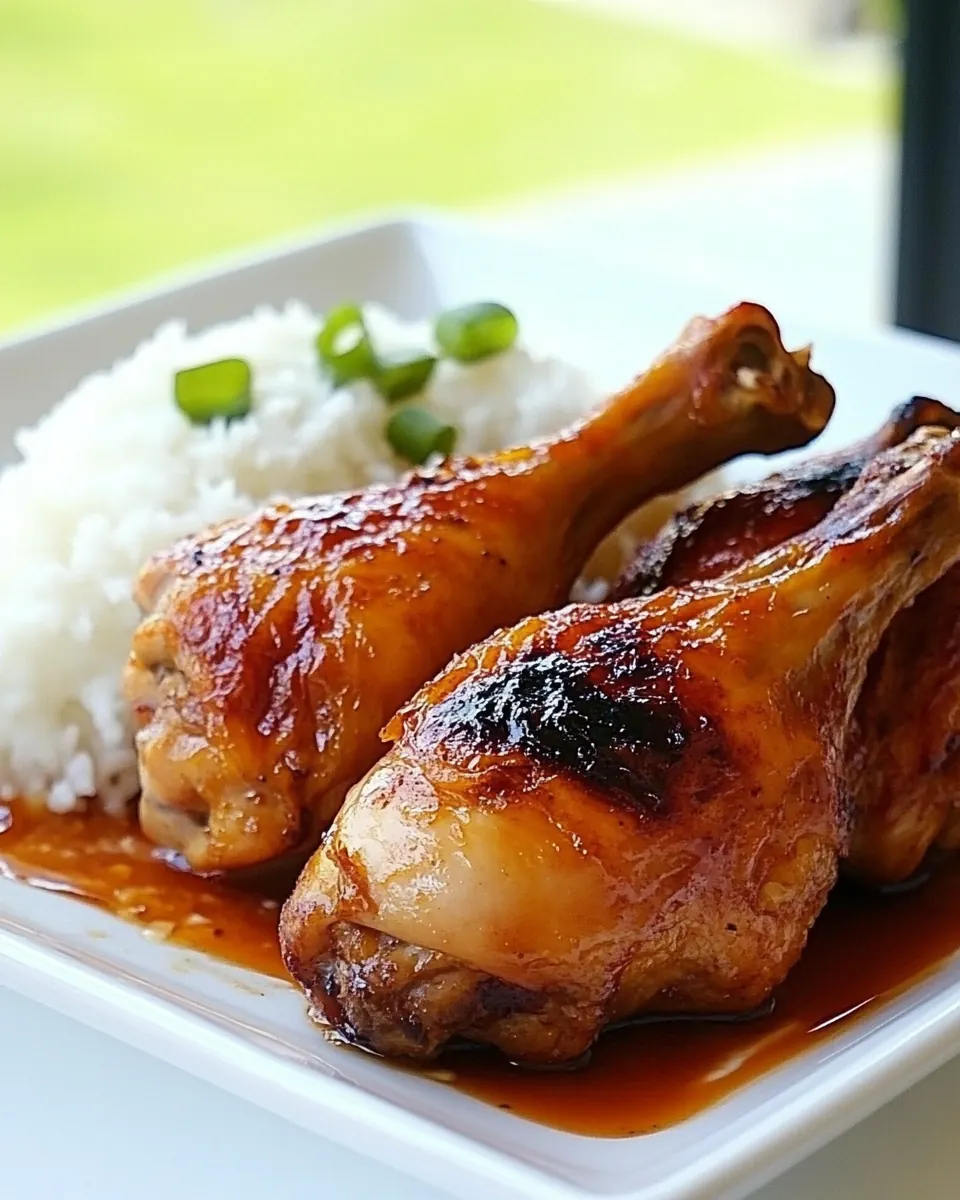
Five Spice Roasted Chicken Legs
Five Spice Roasted Chicken Legs are one of those recipes I come back to when I want bold flavor with zero fuss. The first time I made this dish, the house filled with a warm, aromatic perfume that made everyone wander into the kitchen asking what was cooking. From the moment I tossed the chicken in the savory marinade, I knew this would be a staple for cozy nights when I want something comforting but interesting.
I remember prepping these Five Spice Roasted Chicken Legs for a relaxed family dinner on a chilly evening, and how the kids leaned over the oven door, noses pressed to the glass. The crust that developed on the skin was the kind of golden, caramelized goodness that invites a second helping. I learned early on that a little patience with the marinade and a careful roast yields tender meat that pulls easily from the bone, and a skin that is fragrant and slightly crisp. Over time, I adjusted small things, like trimming extra fat and using a gentle foil tent for the first part of roasting, to keep the legs moist and let the aromatics penetrate deeply.
These days, when friends drop by, I reach for this recipe because it travels well to a casual potluck and pairs beautifully with simple sides. Making Five Spice Roasted Chicken Legs is one of those satisfying rituals where the prep is meditative, the oven does the work, and the results feel like a hug on a plate. I love how the combination of soy, garlic, and five spice creates layers of flavor, warm and a little exotic, without demanding exotic ingredients. This dish has become my go to for evenings when I want something reliably delicious, and I hope it becomes yours too.
Recipe Snapshot
1 hr 25 mins
10 mins
75 mins
Medium
400 kcal
American
Gluten-Free, Paleo
Dinner
Oven, Roasting pan, Wire rack, Blender, Resealable bag, Instant read thermometer
The Magic of This Five Spice Roasted Chicken Legs
Aromatic Complexity That Feels Familiar
I adore how Five Spice Roasted Chicken Legs uses a single, compact blend to add deep flavor. The Chinese five spice brings sweet, warm notes that mingle with the sharpness of garlic and the brightness of fresh ginger. It tastes layered, yet approachable, so you get interest without the need for dozens of pantry items.
Hands Off, Big Payoff
One of the things I appreciate most is how little active time this requires. After a quick blitz in the blender and a good marinade, the oven does the heavy lifting. You can get on with other tasks, and return to a main course that smells like you spent hours preparing it.
Reliable Texture and Juiciness
Roasting the legs on a rack lets air circulate, which encourages even cooking and a pleasing skin texture. The initial tenting with foil helps the meat stay juicy, and removing the foil later promotes that irresistible caramelization. I’ve found this approach consistently produces tender meat that stays moist through serving.
Flexible and Crowd Friendly
This recipe scales without drama, which is why I reach for it for small gatherings. It’s forgiving if you marinate a bit longer, and the flavors actually deepen with extra time. For a weeknight or a weekend, it’s both accessible and impressive.
Minimal, Easy Ingredients
The ingredient list is short and practical, yet yields vibrant results. With pantry staples like reduced sodium soy sauce and a jar of five spice, you can create something that feels special. I love recipes that let a few strong players shine, and this one does just that.
What’s In This Five Spice Roasted Chicken Legs
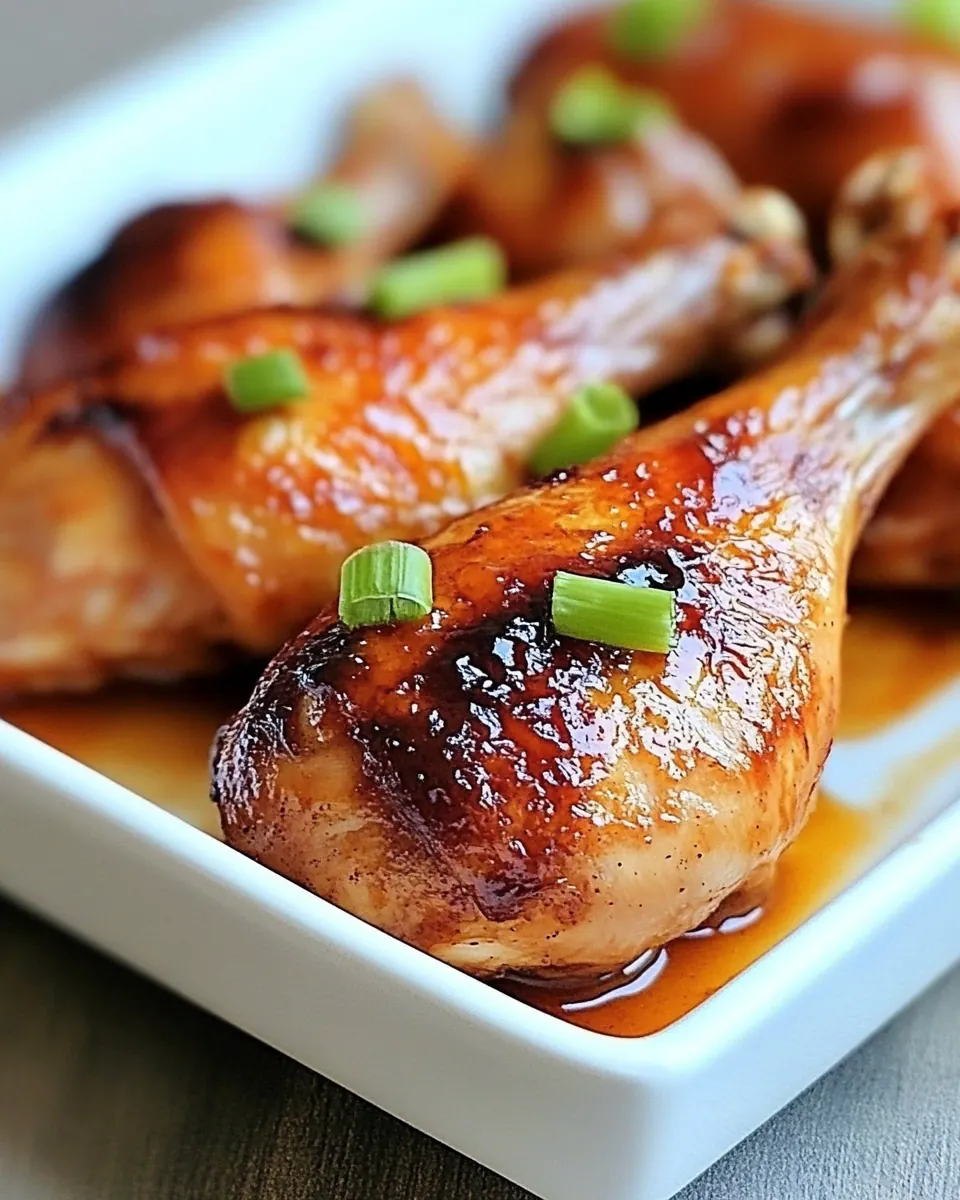
The philosophy behind these ingredients is simple: a few bold elements working together to create deep, balanced flavor. The marinade is built to penetrate the meat, while aromatic players provide warmth and depth. Each component has a role, whether it is to add saltiness, sweetness, heat, or anise like warmth, and together they yield a dish that is greater than the sum of its parts.
- 3 lb s6 chicken legs (thighs and legs attached), fat trimmed: Trimmed and meaty, provides the primary protein and substantial flavor when roasted; holds marinades well and crisps beautifully under high heat. Supplies rich juices and texture contrast between skin, thigh, and drumstick for a satisfying main course.
- 6 cloves of garlic: Pounded or minced to release pungent oils, adds bright aromatic depth and savory bite to the marinade; helps tenderize meat slightly and balances sweet and salty elements. Contributes a sharp, garlicky backbone that enhances the overall savory profile.
- 1 large shallot: Thinly sliced or minced to contribute a mild oniony sweetness and subtle floral aroma to the marinade; softens during cooking and melds with other aromatics. Adds complexity without overpowering, supporting both savory and sweet flavors.
- 1 tbsp grated fresh ginger: Finely grated to deliver warm, citrusy heat and a fresh zing that lifts the marinade; acts as a natural tenderizer and pairs well with soy and garlic. Imparts a vibrant, slightly spicy note that brightens the finished chicken.
- 1 tbsp agave, or sugar: Used as a sweetening agent to balance salty and savory elements while promoting caramelization on the chicken surface; dissolves easily into the marinade for even coating. Adds a subtle sweetness and glossy finish when roasted.
- 1/4 cup reduced sodium soy sauce, tamari for gluten free: Provides the essential salty, umami-rich base for the marinade and helps penetrate the meat for savory depth; choose reduced–sodium to control saltiness and tamari for gluten–free needs. Contributes complex soy flavors that pair with five–spice and aromatics.
- 1/2 tsp Chinese five-spice powder: Added sparingly to introduce warm, slightly sweet licorice and clove notes characteristic of Chinese cuisine; enhances savory-sweet balance and complements ginger and soy. Acts as a signature spice that defines the overall flavor profile.
- freshly ground black pepper: Freshly ground to season and bring a bright peppery heat that rounds out the marinade; applied to taste for mild spice and aromatic lift. Helps sharpen flavors and contrasts the sweet and umami components.
The Process for Making Five Spice Roasted Chicken Legs
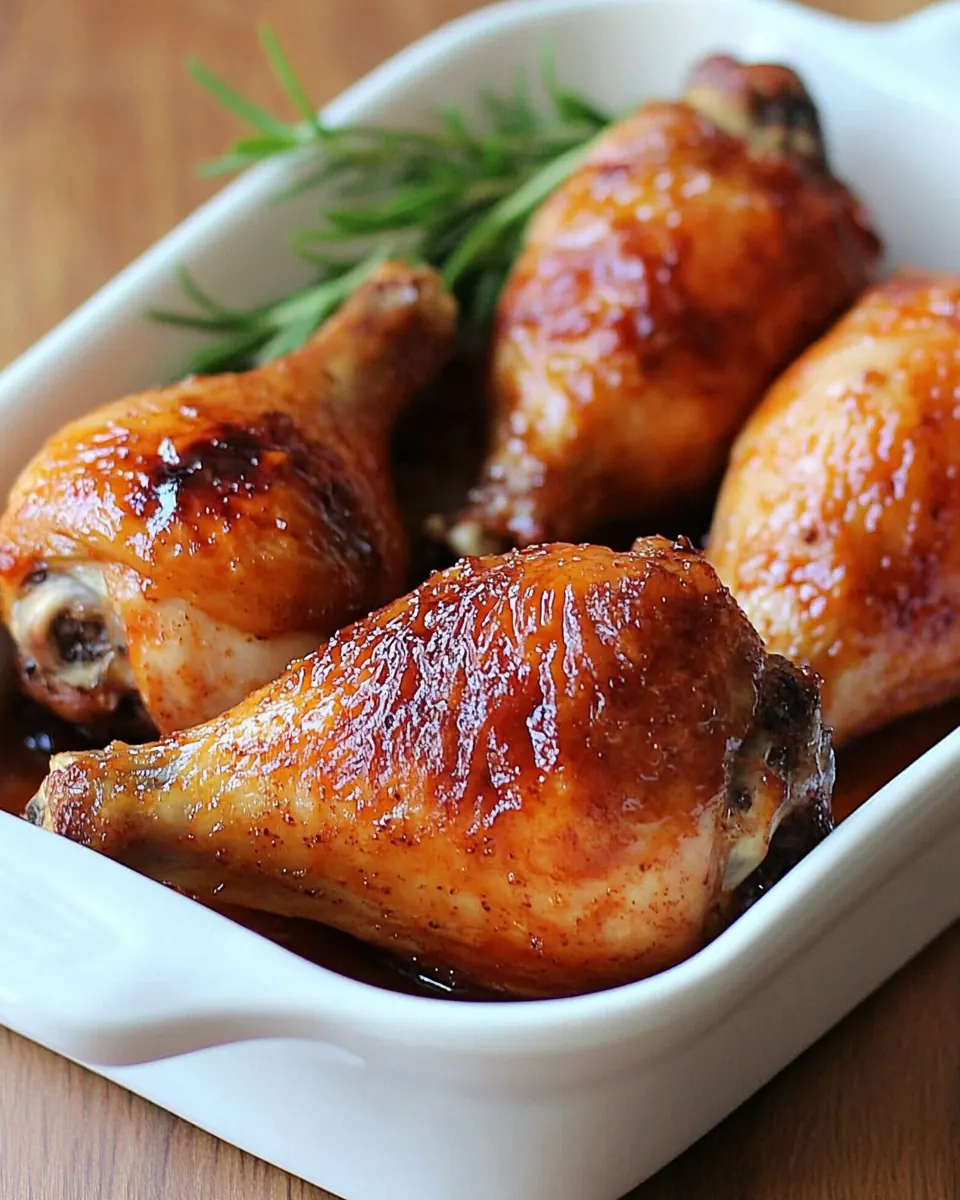
I like to walk through the roast in a relaxed way, because small details make a big difference. The directions below expand each step with sensory cues, the why behind techniques, and troubleshooting so you feel confident at the oven. Let the marinade mingle with the chicken, then roast with patience for the best texture.
- In a blender combine the marinade ingredients; blend until smooth.: As you puree the mixture, inhale the immediate perfume of fresh garlic and ginger mingling with the anise notes from the five spice, which tells you the aromatics are active. The blender creates a silky emulsion so the marinade clings to the chicken , ensuring even flavor penetration. If the mixture seems too thick, a tablespoon of water will help it flow, but avoid watering it down excessively since concentration equals depth. Common mistakes include under blending, which leaves large pieces that do not incorporate evenly, and over blending for too long at high speed, which can slightly warm the mixture and dull volatile aromatics.
- Place the chicken in a large, resealable zip-top bag or container and pour in the marinade. Toss the chicken inside the bag to cover evenly with the marinade and refrigerate for 6-8 hours or as long as overnight.: When you massage the marinade into each piece, you should see the skin become glossed and the meat take on a deeper hue, which indicates good coverage. The cold marinade helps flavors sink in slowly, producing tender, well seasoned meat. Refrigeration also keeps bacteria at bay while the aromatics do their work. A typical error is marinating at room temperature, which can encourage bacterial growth; always refrigerate. Another common issue is using too little marinade, leaving pockets of the chicken unseasoned, so ensure each leg is well coated.
- Preheat oven to 400°F.: You will notice a clean, toasty scent as the oven reaches temperature, which primes the environment for caramelization. Preheating ensures the chicken begins to sear immediately when it goes in, aiding in a nicely browned exterior while locking juices inside. If you skip preheating, the meat may cook unevenly and become tougher. Verify your oven with an oven thermometer if you suspect temperature drift, because inaccurate heat leads to under or overcooked poultry.
- Place the chicken on a rack in a foil lined roasting pan. Create a loose tent over the chicken with foil.: Lifting the legs onto a rack allows hot air to circulate, producing even browning. The foil lined pan keeps cleanup simple, and tenting preserves moisture during the initial roast phase. You should see gentle steam under the tent, which signals the meat is staying hydrated. A pitfall here is wrapping too tightly, which traps steam and prevents the skin from crisping later. Make sure the tent is loose enough to allow some airflow while still protecting the surface.
- Roast the chicken in the center of the oven 30 minutes; remove foil and continue to cook, basting occasionally until the internal temperature is 165°-170°F, about 45 minutes longer (Insert thermometer between the leg and the thigh).: Early in the roast, the kitchen fills with the fragrance of caramelizing sugars and toasted spices, a cue that the exterior is developing color. After removing the foil, the surface will begin to shimmer as fats render and sugars darken, creating audible little pops and a subtle crackle as the skin tightens. Basting adds shine and layers more flavor, though be judicious to avoid cooling the pan significantly each time. Use an instant read thermometer to check doneness by inserting it between the leg and thigh; the correct temperature ensures safety and juiciness. One common mistake is relying solely on color; some well colored pieces can still be underdone, so always verify temperature. Another issue to avoid is overbasting, which prevents the exterior from crisping properly.
Variations to Try
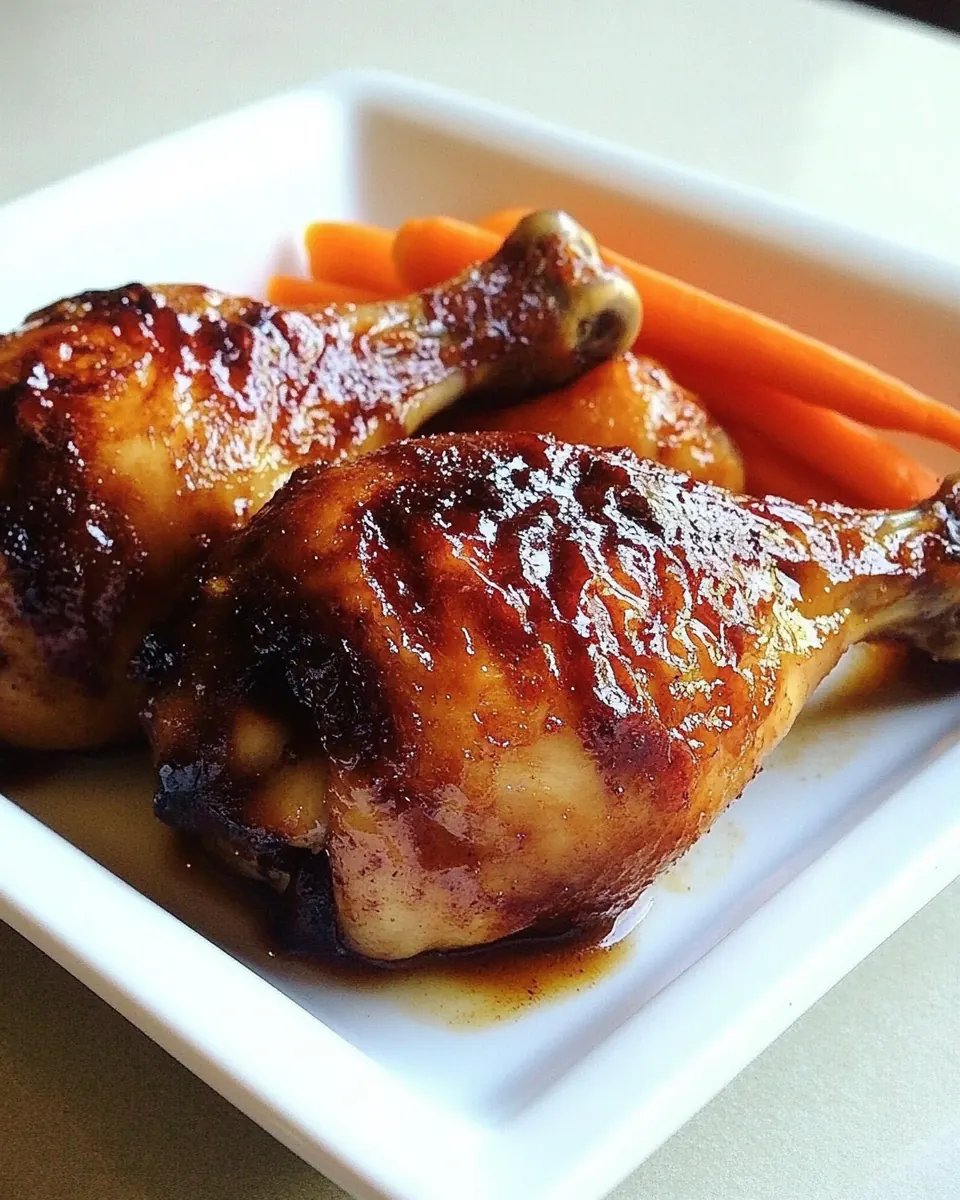
This recipe is a great canvas for small tweaks that shift the flavor profile without changing the process. Below are thoughtful ideas to customize the dish while keeping the core technique intact.
- Swap the sweetener Use the suggested agave or sugar amounts as a baseline and experiment with a touch more for a deeper caramelized finish, but monitor the oven closely to prevent burning.
- Use tamari for gluten free Tamari provides the same umami backbone as reduced sodium soy sauce while accommodating gluten free needs, just watch overall salt if your tamari is not labeled reduced sodium.
- Marinate longer for more depth If you have time, marinate overnight to intensify the aroma and flavor, but avoid exceeding 24 hours to prevent textural breakdown from too much acid exposure.
- Adjust five spice to taste If you prefer a milder anise note, reduce the five spice slightly; conversely, add a pinch more for a bolder, slightly sweet spice character.
- Trim fat for cleaner roasting Trimming excess fat before marinating reduces flare ups and leaves a lighter final dish while still preserving thigh richness.
What to Serve Alongside Five Spice Roasted Chicken Legs
These roasted legs pair well with simple, textural sides that complement the savory sweet glaze and aromatic spices. Below are serving ideas and scenarios for presenting the dish, along with storage and timing suggestions to help you plan meals.
- Steamed rice A neutral, fluffy bed of steamed rice soaks up the juices and balances the intense flavors of the roast, making it ideal for casual dinners and weeknight meals.
- Sautéed greens Lightly wilted greens provide brightness and contrast in texture, offering a fresh counterpoint to the rich roasted chicken, perfect for family dinners.
- Simple salad A crisp green salad with a light citrus dressing cuts through the richness, adding acidity and a refreshing element for warm weather or spring suppers.
- Occasion suggestions This recipe works well for dinner gatherings and informal celebrations, and it can be part of a larger spread for holiday meals in the fall season when its warm spices feel particularly fitting.
- Storage tips Cool leftovers quickly and store in an airtight container in the refrigerator for up to three days; reheat gently in a covered dish in a low oven to preserve moisture.
- Make ahead Marinate the chicken the night before to save time on the day of serving, then roast when you are ready for a relaxed, flavorful meal.
FAQ
Conclusion
What makes this recipe special is the way a few simple ingredients combine to produce rich, layered flavor and reliably tender meat. The method is approachable, and the results feel both homey and a little exotic because of the five spice. Give it a try on a relaxed evening when you want a comforting, fragrant main course with minimal hands on time. I think you will find it earns a spot in your regular rotation, whether for a family dinner or a casual dinner with friends.
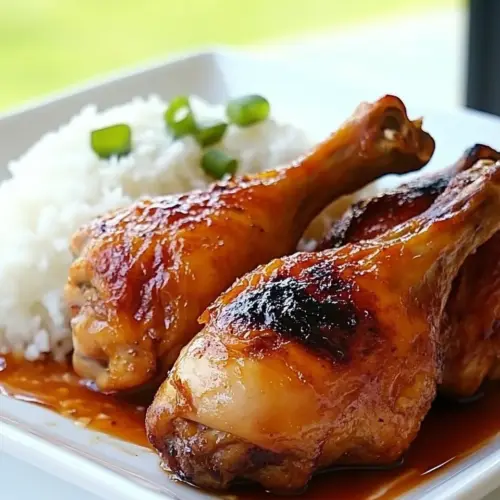
Five Spice Roasted Chicken Legs
Equipment
- Oven
- Roasting Pan
- Wire Rack
- Blender
- Resealable bag
- Instant read thermometer
Ingredients
- 3 lb s6 chicken legs (thighs and legs attached), fat trimmed Trimmed and meaty, provides the primary protein and substantial flavor when roasted; holds marinades well and crisps beautifully under high heat. Supplies rich juices and texture contrast between skin, thigh, and drumstick for a satisfying main course.
- 6 cloves of garlic Pounded or minced to release pungent oils, adds bright aromatic depth and savory bite to the marinade; helps tenderize meat slightly and balances sweet and salty elements. Contributes a sharp, garlicky backbone that enhances the overall savory profile.
- 1 large shallot Thinly sliced or minced to contribute a mild oniony sweetness and subtle floral aroma to the marinade; softens during cooking and melds with other aromatics. Adds complexity without overpowering, supporting both savory and sweet flavors.
- 1 tbsp grated fresh ginger Finely grated to deliver warm, citrusy heat and a fresh zing that lifts the marinade; acts as a natural tenderizer and pairs well with soy and garlic. Imparts a vibrant, slightly spicy note that brightens the finished chicken.
- 1 tbsp agave, or sugar Used as a sweetening agent to balance salty and savory elements while promoting caramelization on the chicken surface; dissolves easily into the marinade for even coating. Adds a subtle sweetness and glossy finish when roasted.
- 1/4 cup reduced sodium soy sauce, tamari for gluten free Provides the essential salty, umami-rich base for the marinade and helps penetrate the meat for savory depth; choose reduced-sodium to control saltiness and tamari for gluten-free needs. Contributes complex soy flavors that pair with five-spice and aromatics.
- 1/2 tsp Chinese five-spice powder Added sparingly to introduce warm, slightly sweet licorice and clove notes characteristic of Chinese cuisine; enhances savory-sweet balance and complements ginger and soy. Acts as a signature spice that defines the overall flavor profile.
- freshly ground black pepper Freshly ground to season and bring a bright peppery heat that rounds out the marinade; applied to taste for mild spice and aromatic lift. Helps sharpen flavors and contrasts the sweet and umami components.
Instructions
- In a blender combine the marinade ingredients; blend until smooth.: As you puree the mixture, inhale the immediate perfume of fresh garlic and ginger mingling with the anise notes from the five spice, which tells you the aromatics are active. The blender creates a silky emulsion so the marinade clings to the chicken , ensuring even flavor penetration. If the mixture seems too thick, a tablespoon of water will help it flow, but avoid watering it down excessively since concentration equals depth. Common mistakes include under blending, which leaves large pieces that do not incorporate evenly, and over blending for too long at high speed, which can slightly warm the mixture and dull volatile aromatics.
- Place the chicken in a large, resealable zip-top bag or container and pour in the marinade. Toss the chicken inside the bag to cover evenly with the marinade and refrigerate for 6-8 hours or as long as overnight.: When you massage the marinade into each piece, you should see the skin become glossed and the meat take on a deeper hue, which indicates good coverage. The cold marinade helps flavors sink in slowly, producing tender, well seasoned meat. Refrigeration also keeps bacteria at bay while the aromatics do their work. A typical error is marinating at room temperature, which can encourage bacterial growth; always refrigerate. Another common issue is using too little marinade, leaving pockets of the chicken unseasoned, so ensure each leg is well coated.
- Preheat oven to 400°F.: You will notice a clean, toasty scent as the oven reaches temperature, which primes the environment for caramelization. Preheating ensures the chicken begins to sear immediately when it goes in, aiding in a nicely browned exterior while locking juices inside. If you skip preheating, the meat may cook unevenly and become tougher. Verify your oven with an oven thermometer if you suspect temperature drift, because inaccurate heat leads to under or overcooked poultry.
- Place the chicken on a rack in a foil lined roasting pan. Create a loose tent over the chicken with foil.: Lifting the legs onto a rack allows hot air to circulate, producing even browning. The foil lined pan keeps cleanup simple, and tenting preserves moisture during the initial roast phase. You should see gentle steam under the tent, which signals the meat is staying hydrated. A pitfall here is wrapping too tightly, which traps steam and prevents the skin from crisping later. Make sure the tent is loose enough to allow some airflow while still protecting the surface.
- Roast the chicken in the center of the oven 30 minutes; remove foil and continue to cook, basting occasionally until the internal temperature is 165°-170°F, about 45 minutes longer (Insert thermometer between the leg and the thigh).: Early in the roast, the kitchen fills with the fragrance of caramelizing sugars and toasted spices, a cue that the exterior is developing color. After removing the foil, the surface will begin to shimmer as fats render and sugars darken, creating audible little pops and a subtle crackle as the skin tightens. Basting adds shine and layers more flavor, though be judicious to avoid cooling the pan significantly each time. Use an instant read thermometer to check doneness by inserting it between the leg and thigh; the correct temperature ensures safety and juiciness. One common mistake is relying solely on color; some well colored pieces can still be underdone, so always verify temperature. Another issue to avoid is overbasting, which prevents the exterior from crisping properly.
Notes
- Swap the sweetener Use the suggested agave or sugar amounts as a baseline and experiment with a touch more for a deeper caramelized finish, but monitor the oven closely to prevent burning.
- Use tamari for gluten free Tamari provides the same umami backbone as reduced sodium soy sauce while accommodating gluten free needs, just watch overall salt if your tamari is not labeled reduced sodium.
- Marinate longer for more depth If you have time, marinate overnight to intensify the aroma and flavor, but avoid exceeding 24 hours to prevent textural breakdown from too much acid exposure.
- Adjust five spice to taste If you prefer a milder anise note, reduce the five spice slightly; conversely, add a pinch more for a bolder, slightly sweet spice character.
- Trim fat for cleaner roasting Trimming excess fat before marinating reduces flare ups and leaves a lighter final dish while still preserving thigh richness.