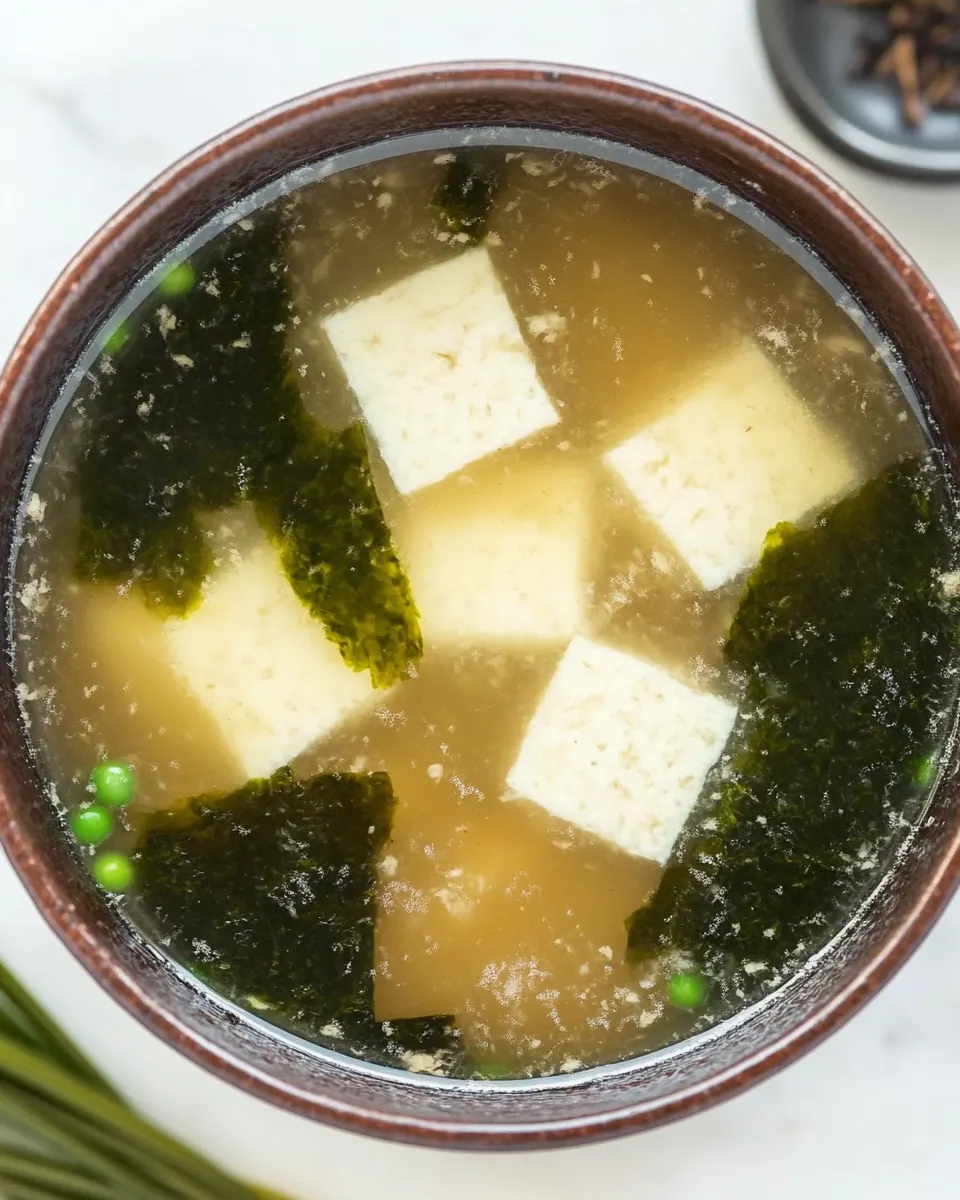
Miso Soup
Miso Soup has been my quiet kitchen companion on chilly nights, the kind of bowl that feels like a soft, warming blanket after a long day. The first time I learned to make it properly, I remember standing over the stove watching the surface of the dashi shimmer, thinking how simple ingredients could make such a soulful sip. I come back to this recipe when I want something honest, restorative, and quick, a ritual that resets the evening.
When friends come over for a low key supper, I always serve a small bowl of Miso Soup before the main course, because it settles the appetite and invites conversation without stealing the show. There is a rhythm to the process that I enjoy, the slow steep of kombu and the delicate fall of bonito flakes, the soft cubes of silken tofu that almost melt on the tongue. Each spoonful feels layered and comforting.
Over time I learned to pay attention to tiny things, like the moment to remove the kombu so bitterness never appears, and how to fold in the white miso paste off the heat so its aromas stay bright. These small decisions make a big difference, and because the recipe moves quickly, it rewards patience and a gentle hand. I love how adaptable it is, yet true to its character; a few careful steps yield a clean, savory bowl that always tastes like home.
Recipe Snapshot
10 mins
5 mins
5 mins
Easy
90 kcal
Japanese
Vegan, Gluten-Free
Soups
Stock pot, Fine sieve, Ladle, Chopsticks
Why This Miso Soup Hits Different
Clean, Umami Forward Flavor
I love Miso Soup because it showcases pure umami from a handful of ingredients, no gimmicks required. The combination of kombu, bonito flakes, and white miso paste creates a layered savory profile that feels both delicate and deeply satisfying. I often tell guests this soup is proof that complexity does not always mean more ingredients, just the right ones.
Speed Without Sacrifice
What excites me is how fast this recipe comes together, yet it never tastes rushed. With about ten minutes of active cooking you get a bowl that smells like slow cooked stock. I reach for Miso Soup when I want impressive results without a long commitment, and it reliably delivers.
Comfort and Versatility
There is a comforting warmth that comes from sipping this soup, and it works in so many situations. I serve it for a solo weeknight dinner, or as the opening act for a more elaborate feast. The texture of silken tofu against the soft seaweed is a small detail that turns every spoonful into a quiet pleasure.
Technique That Makes a Difference
I adore the simple techniques that lift this dish, like removing the kombu before a full boil to avoid bitterness, and dissolving white miso paste off heat to preserve aroma. Learning those tiny moves changed my results overnight, and I like teaching them because they are easy to master yet transformative.
Accessible Ingredients
Finally, I appreciate how approachable the ingredient list is. You can find bonito flakes and white miso paste at many grocery stores, and the rest is pantry simple. That accessibility makes me more likely to make the soup often, and I know you will too after one good bowl.
Shopping List for Miso Soup
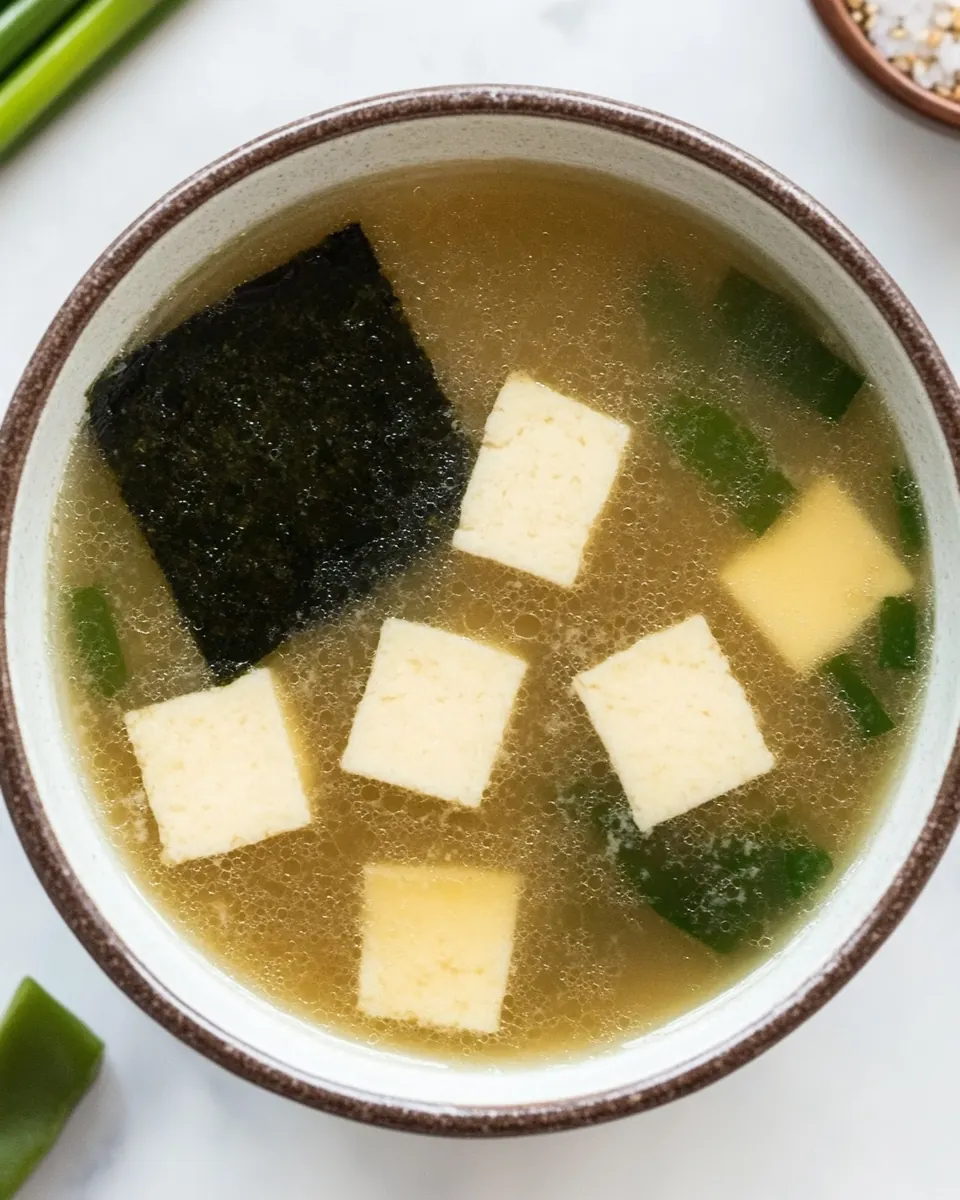
These ingredients are thoughtful and focused, each playing a clear role in building a bright, umami rich bowl of soup. The backbone is the dashi made from kombu and bonito flakes, which gives depth without heaviness. Seaweed and silken tofu add texture and body, while white miso paste brings the signature savory tang. Simple garnishes like scallion add a fresh finish.
- 4 cups water: Simmer with other ingredients to create a light, umami-rich dashi base that imparts subtle oceanic aroma and depth to the soup. Use a gently rinsed piece to avoid grit while extracting gelatinous body and savory minerals during a slow warm-up.
- 6 inch (15 cm) Japanese kombu, or dried kelp, rinsed: Infuse into simmering water to contribute concentrated savory flavor and smoky fish notes characteristic of traditional dashi. Use a measured amount and strain after steeping to achieve clear broth without imparting bitterness from overcooking.
- 1 oz (30 g) bonito flakes, dried, shaved: Sprinkle into strained stock to add immediate, layered umami and delicate texture from the fine flakes; allow them to settle briefly before serving. Use sparingly to control saltiness while boosting savory complexity in the finished soup.
- 1 oz (30 g) dried seaweed, soaked in warm water and drained: Rehydrate and combine with broth to enhance the soup's briny, marine character and provide tender, leafy texture. Rinse and soak appropriately to remove excess salt and restore pliability without overpowering the miso.
- 4 oz (120 g) silken tofu, cut into small pieces: Fold gently into hot broth at the end of cooking to add silky creaminess and mild, neutral protein that contrasts with the salty miso. Cut into small pieces to heat through quickly and maintain soft texture without crumbling.
- 2 1/2 – 3 tablespoons white miso paste: Whisk into strained dashi off the heat to dissolve smoothly and deliver balanced salty, fermented depth that defines the soup's flavor profile. Measure carefully to achieve desired savory intensity without masking delicate dashi notes.
- 1 tablespoon callion, chopped: Garnish over finished soup to bring fresh, oniony aroma and a bright, crisp contrast to the rich broth. Chop finely so the green pieces disperse evenly and add a subtle textural lift to each spoonful.
Cooking Method for Miso Soup
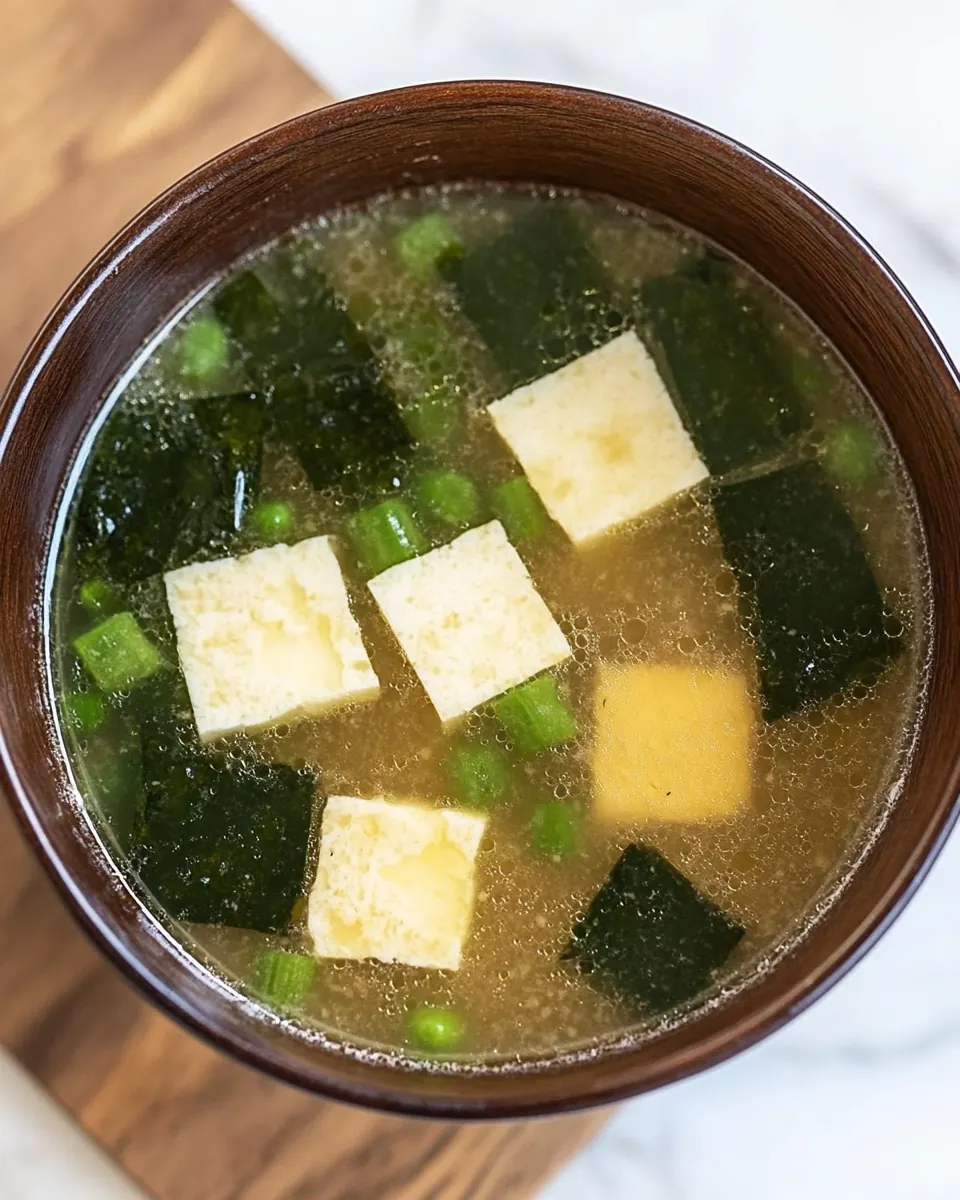
This recipe flows quickly so keep your ingredients prepped and within reach. The following steps turn the simple elements into a layered dashi and a comforting bowl, and each stage has sensory cues to watch for.
- Bring the water and kombu to a boil in a stock pot over medium heat. Remove the kombu and add the bonito flakes, then simmer on low heat for 5 minutes. Use a ladle to remove any foam and scum from the surface.: The moment the surface shows small bubbles around the edge and the water warms with a gentle shimmer, you will smell a faint marine, mineral note from the kombu . This slow warming lets umami leach into the water without extracting bitterness, creating a subtle, salinity balanced foundation. A useful tip is to start with cold water so the kombu releases flavor evenly. One common mistake is letting the pot reach a rolling boil with the kombu still in, which can produce an off tasting, slightly bitter broth. Listen for the soft rising of tiny bubbles rather than a loud bubbling sound, and watch the water surface for that first shimmer to remove the kombu .
- Strain the dashi through a fine sieve without squeezing or pressing the bonito flakes. Discard the bonito flakes. Bring the dashi to a boil, then add the seaweed and tofu, cooking for 3 minutes.: Once the kombu is out, the aroma shifts to a cleaner sea scent, and adding the bonito flakes introduces warm, smoky umami. As the flakes sink and the broth moves to a barely audible simmer, you will notice a delicate, savory perfume. Simmering gently for about five minutes allows the flakes to release their flavor without over extracting stronger, fishy notes. A frequent error is simmering too hard or too long, which can overwhelm the broth with iodine or bitter compounds, so keep the heat low and the motion soft.
- Turn off the heat and add the miso paste to the soup. Stir with a pair of chopsticks until the miso paste is completely dissolved. Top with scallions and serve immediately.: As the bonito flakes steep, tiny bits and foam may rise; skimming them keeps the broth crystal clear and bright. Removing surface scum improves both appearance and mouthfeel, leaving a cleaner tasting soup that highlights the miso later. A lot of cooks skip this step, but leaving that foam can make the final broth cloudy and slightly bitter. Work gently with a spoon or ladle, skimming until the surface is smooth.
- Strain the dashi through a fine sieve without squeezing or pressing the bonito flakes: Pouring the liquid through a fine sieve catches the spent bonito flakes and any particulate, producing a clear golden dashi. Resist the urge to press or squeeze the flakes, because that action forces out bitter, concentrated solids that can taint the broth. The clear, strained liquid should look translucent with a warm, amber tone and smell faintly smoky. A common misstep is squeezing the solids, which yields a muddier tasting broth; simply let gravity do the work and allow the dashi to drip through.
- Discard the bonito flakes: Once strained, the bonito flakes have given up their flavor and should be discarded. At this point the dashi appears clean, and you should detect a balanced sea and smoke aroma. Keeping spent flakes in the pot will not deepen the flavor further, it will only cloud the broth. A typical error is leaving them to continue steeping, which can lead to a sharper, less pleasant taste profile.
- Bring the dashi to a boil, then add the seaweed and tofu, cooking for 3 minutes: When reheated to a gentle boil, the dashi regains warmth and the sensory profile brightens. Adding the rehydrated seaweed now keeps its texture intact, while the diced silken tofu absorbs some warmth and becomes tender without falling apart. As it simmers for about three minutes, you will hear a barely audible soft simmer and see the tofu plump slightly, while the seaweed relaxes into the broth. Overcooking here is common, so avoid prolonged boiling which can make the tofu grainy and the seaweed mushy. Aim for a soft simmer and check the tofu for tenderness.
- Turn off the heat and add the miso paste to the soup: With the heat off, the broth should still be hot but not boiling, which preserves the delicate aroma and beneficial compounds in the white miso paste . Add the miso by scooping a spoonful into a small bowl or ladle and dissolving it into some hot dashi before whisking it into the pot, allowing it to incorporate smoothly. You will notice a fragrant, slightly sweet, and savory lift immediately. A mistake to avoid is adding miso to a rolling boil, which dulls its nuance and can flatten flavor.
- Stir with a pair of chopsticks until the miso paste is completely dissolved: Using chopsticks or a small whisk helps break the miso into fine ribbons that vanish into the broth, creating a silky consistency. You may see tiny clouds as the paste disperses, and the aroma becomes rounder and fuller. If clumps remain, push them gently against the ladle to smooth them out; avoid vigorous agitation which can break up the tofu. Over mixing aggressively can cause the tofu to break and the broth to become slightly cloudy, so be gentle and patient.
- Top with scallions and serve immediately: Finishing with chopped scallion provides a fresh green color and a crisp, onion like snap that contrasts the mellow broth and creamy tofu. Serve right away to enjoy the ideal temperature and texture balance, with the steam carrying fragrant miso notes to the nose. Leaving bowls to sit will soften the scallion and mellow the soup further, so this is best enjoyed immediately. A common oversight is letting the soup sit too long, losing the scallion's brightness and the tofu's fresh texture.
Tips for Success
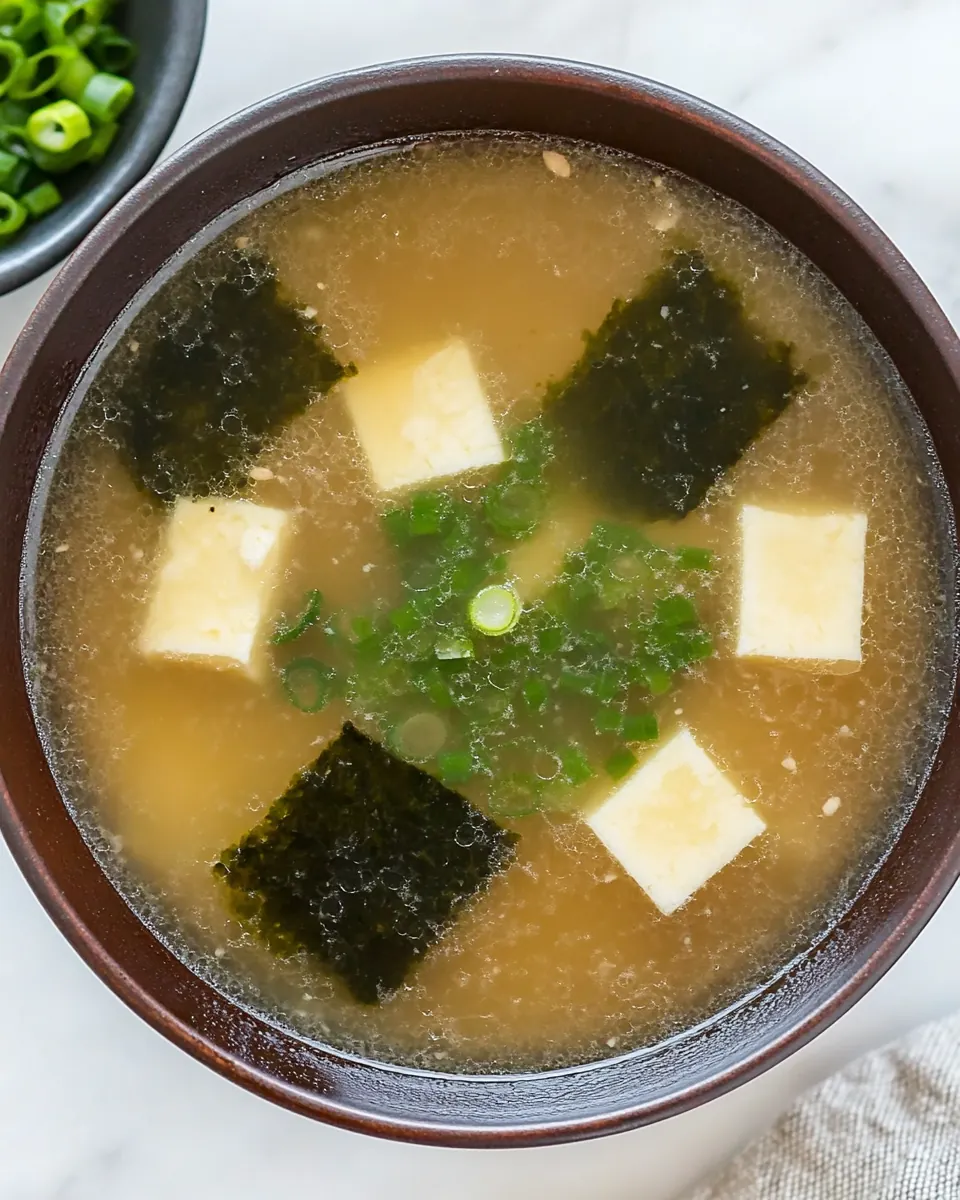
These tips expand on key moments in the recipe and help you avoid small mistakes that affect flavor or texture. Read them before you start, and keep them in mind as you cook.
- Start cold with kombu so the natural glutamates release slowly, giving a balanced dashi without bitterness.
- Skim surface foam to maintain a clear, bright broth and avoid cloudiness that detracts from the soup experience.
- Strain gently and resist pressing the bonito flakes, pressing extracts bitter compounds and clouds the stock.
- Dissolve miso off heat to keep its aromatic top notes and live qualities intact for a fresher tasting soup.
- Soak seaweed briefly in warm water and drain well, adding it late to preserve texture and avoid mushiness.
- Cut tofu into even pieces for consistent texture and an elegant presentation, handling it with care to keep cubes intact.
Perfect Pairings for Miso Soup
This soup pairs beautifully with light, complementary dishes and occasions. Think casual dinners, a simple lunch, or a peaceful moment during colder months. Serve small side plates that echo the clean flavors, and consider seasonal touches to round out the meal.
- Light rice or steamed grains, such as a small bowl of plain steamed rice, pairs well because it soaks up the broth and balances the umami.
- Pickled vegetables offer an acidic counterpoint that refreshes the palate between sips of the savory soup.
- Vegetable side dishes, like lightly sautéed greens, add color and a warm complementary texture to the calming broth.
- Casual occasions including weeknight dinners or a simple lunch, where the soup acts as a cozy starter or a light main.
- Seasonal pairing for winter, when the warmth and umami of the soup feel especially comforting and grounding.
- Storage tips, refrigerate leftover broth separately from tofu and scallions for up to two days, then reheat gently and add fresh tofu and scallion before serving.
FAQ
Conclusion
This Miso Soup stands out for its elegant simplicity and deep umami achieved with just a few ingredients. It is quick to prepare, soothing to eat, and adaptable to many meals, making it a go to for both busy nights and thoughtful gatherings. Give it a try and notice how small, careful steps transform humble pantry items into something deeply satisfying. I hope this recipe becomes a comforting ritual in your kitchen as it has in mine.
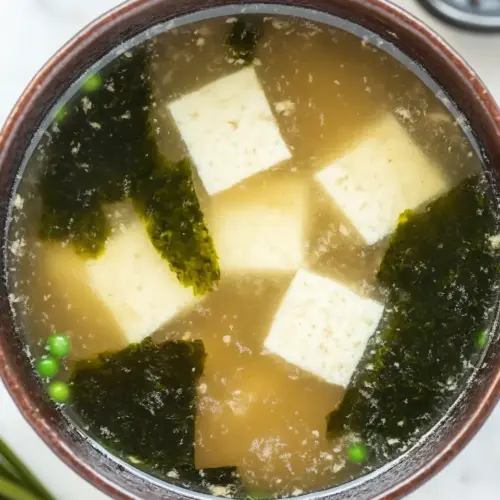
Miso Soup
Equipment
- Stock Pot
- Fine sieve
- Ladle
- Chopsticks
Ingredients
- 4 cups water Simmer with other ingredients to create a light, umami-rich dashi base that imparts subtle oceanic aroma and depth to the soup. Use a gently rinsed piece to avoid grit while extracting gelatinous body and savory minerals during a slow warm-up.
- 6 inch (15 cm) Japanese kombu, or dried kelp, rinsed Infuse into simmering water to contribute concentrated savory flavor and smoky fish notes characteristic of traditional dashi. Use a measured amount and strain after steeping to achieve clear broth without imparting bitterness from overcooking.
- 1 oz (30 g) bonito flakes, dried, shaved Sprinkle into strained stock to add immediate, layered umami and delicate texture from the fine flakes; allow them to settle briefly before serving. Use sparingly to control saltiness while boosting savory complexity in the finished soup.
- 1 oz (30 g) dried seaweed, soaked in warm water and drained Rehydrate and combine with broth to enhance the soup's briny, marine character and provide tender, leafy texture. Rinse and soak appropriately to remove excess salt and restore pliability without overpowering the miso.
- 4 oz (120 g) silken tofu, cut into small pieces Fold gently into hot broth at the end of cooking to add silky creaminess and mild, neutral protein that contrasts with the salty miso. Cut into small pieces to heat through quickly and maintain soft texture without crumbling.
- 2 1/2 – 3 tablespoons white miso paste Whisk into strained dashi off the heat to dissolve smoothly and deliver balanced salty, fermented depth that defines the soup's flavor profile. Measure carefully to achieve desired savory intensity without masking delicate dashi notes.
- 1 tablespoon callion, chopped Garnish over finished soup to bring fresh, oniony aroma and a bright, crisp contrast to the rich broth. Chop finely so the green pieces disperse evenly and add a subtle textural lift to each spoonful.
Instructions
- Bring the water and kombu to a boil in a stock pot over medium heat. Remove the kombu and add the bonito flakes, then simmer on low heat for 5 minutes. Use a ladle to remove any foam and scum from the surface.: The moment the surface shows small bubbles around the edge and the water warms with a gentle shimmer, you will smell a faint marine, mineral note from the kombu . This slow warming lets umami leach into the water without extracting bitterness, creating a subtle, salinity balanced foundation. A useful tip is to start with cold water so the kombu releases flavor evenly. One common mistake is letting the pot reach a rolling boil with the kombu still in, which can produce an off tasting, slightly bitter broth. Listen for the soft rising of tiny bubbles rather than a loud bubbling sound, and watch the water surface for that first shimmer to remove the kombu .
- Strain the dashi through a fine sieve without squeezing or pressing the bonito flakes. Discard the bonito flakes. Bring the dashi to a boil, then add the seaweed and tofu, cooking for 3 minutes.: Once the kombu is out, the aroma shifts to a cleaner sea scent, and adding the bonito flakes introduces warm, smoky umami. As the flakes sink and the broth moves to a barely audible simmer, you will notice a delicate, savory perfume. Simmering gently for about five minutes allows the flakes to release their flavor without over extracting stronger, fishy notes. A frequent error is simmering too hard or too long, which can overwhelm the broth with iodine or bitter compounds, so keep the heat low and the motion soft.
- Turn off the heat and add the miso paste to the soup. Stir with a pair of chopsticks until the miso paste is completely dissolved. Top with scallions and serve immediately.: As the bonito flakes steep, tiny bits and foam may rise; skimming them keeps the broth crystal clear and bright. Removing surface scum improves both appearance and mouthfeel, leaving a cleaner tasting soup that highlights the miso later. A lot of cooks skip this step, but leaving that foam can make the final broth cloudy and slightly bitter. Work gently with a spoon or ladle, skimming until the surface is smooth.
- Strain the dashi through a fine sieve without squeezing or pressing the bonito flakes: Pouring the liquid through a fine sieve catches the spent bonito flakes and any particulate, producing a clear golden dashi. Resist the urge to press or squeeze the flakes, because that action forces out bitter, concentrated solids that can taint the broth. The clear, strained liquid should look translucent with a warm, amber tone and smell faintly smoky. A common misstep is squeezing the solids, which yields a muddier tasting broth; simply let gravity do the work and allow the dashi to drip through.
- Discard the bonito flakes: Once strained, the bonito flakes have given up their flavor and should be discarded. At this point the dashi appears clean, and you should detect a balanced sea and smoke aroma. Keeping spent flakes in the pot will not deepen the flavor further, it will only cloud the broth. A typical error is leaving them to continue steeping, which can lead to a sharper, less pleasant taste profile.
- Bring the dashi to a boil, then add the seaweed and tofu, cooking for 3 minutes: When reheated to a gentle boil, the dashi regains warmth and the sensory profile brightens. Adding the rehydrated seaweed now keeps its texture intact, while the diced silken tofu absorbs some warmth and becomes tender without falling apart. As it simmers for about three minutes, you will hear a barely audible soft simmer and see the tofu plump slightly, while the seaweed relaxes into the broth. Overcooking here is common, so avoid prolonged boiling which can make the tofu grainy and the seaweed mushy. Aim for a soft simmer and check the tofu for tenderness.
- Turn off the heat and add the miso paste to the soup: With the heat off, the broth should still be hot but not boiling, which preserves the delicate aroma and beneficial compounds in the white miso paste . Add the miso by scooping a spoonful into a small bowl or ladle and dissolving it into some hot dashi before whisking it into the pot, allowing it to incorporate smoothly. You will notice a fragrant, slightly sweet, and savory lift immediately. A mistake to avoid is adding miso to a rolling boil, which dulls its nuance and can flatten flavor.
- Stir with a pair of chopsticks until the miso paste is completely dissolved: Using chopsticks or a small whisk helps break the miso into fine ribbons that vanish into the broth, creating a silky consistency. You may see tiny clouds as the paste disperses, and the aroma becomes rounder and fuller. If clumps remain, push them gently against the ladle to smooth them out; avoid vigorous agitation which can break up the tofu. Over mixing aggressively can cause the tofu to break and the broth to become slightly cloudy, so be gentle and patient.
- Top with scallions and serve immediately: Finishing with chopped scallion provides a fresh green color and a crisp, onion like snap that contrasts the mellow broth and creamy tofu. Serve right away to enjoy the ideal temperature and texture balance, with the steam carrying fragrant miso notes to the nose. Leaving bowls to sit will soften the scallion and mellow the soup further, so this is best enjoyed immediately. A common oversight is letting the soup sit too long, losing the scallion's brightness and the tofu's fresh texture.
Notes
- Start cold with kombu so the natural glutamates release slowly, giving a balanced dashi without bitterness.
- Skim surface foam to maintain a clear, bright broth and avoid cloudiness that detracts from the soup experience.
- Strain gently and resist pressing the bonito flakes, pressing extracts bitter compounds and clouds the stock.
- Dissolve miso off heat to keep its aromatic top notes and live qualities intact for a fresher tasting soup.
- Soak seaweed briefly in warm water and drain well, adding it late to preserve texture and avoid mushiness.
- Cut tofu into even pieces for consistent texture and an elegant presentation, handling it with care to keep cubes intact.
