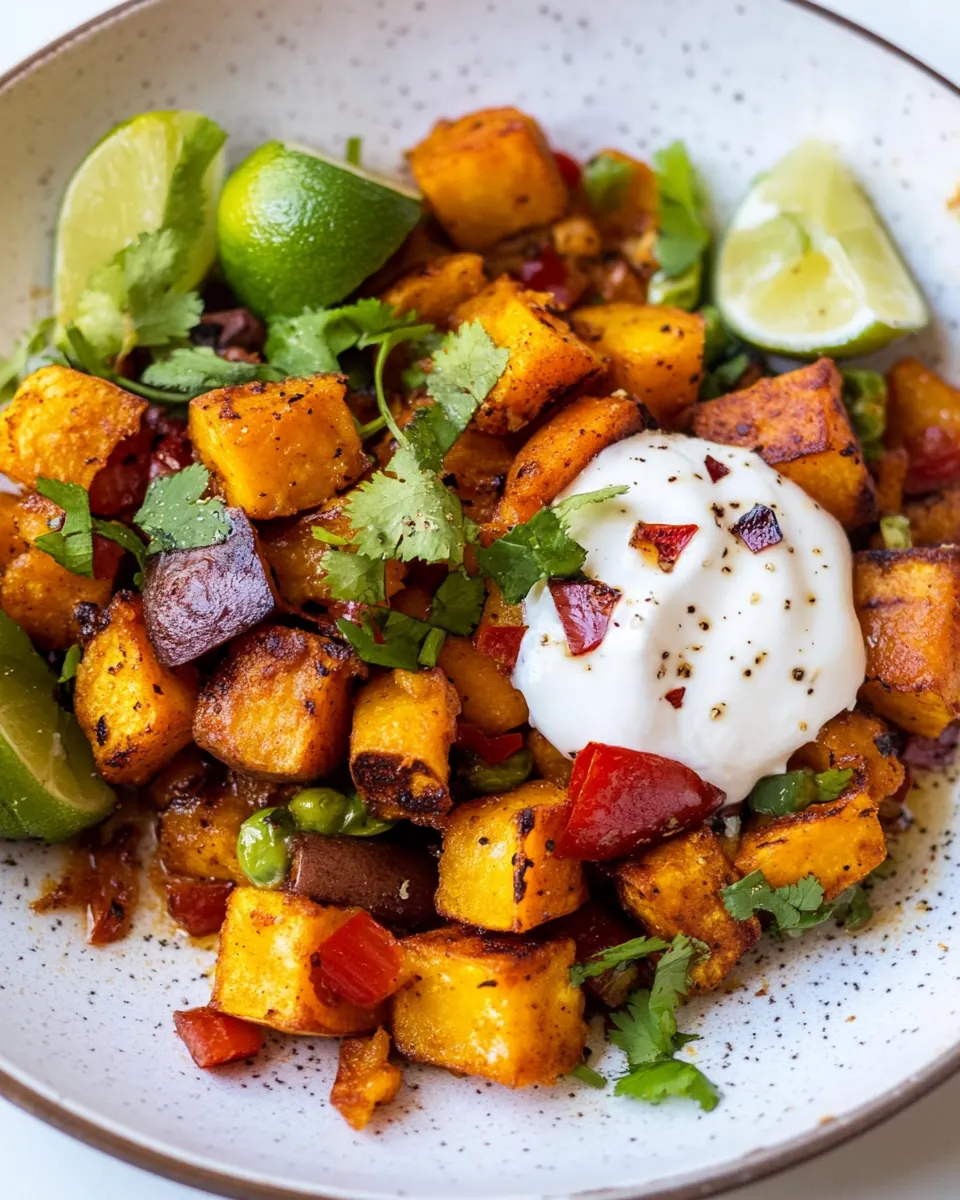
Southwest Sweet Potato Hash
Southwest Sweet Potato Hash is one of those morning recipes I reach for when I want something bright, smoky, and comforting all at once.
One chilly fall morning I had a single sweet potato, a lonely red pepper, and two eggs waiting in the fridge. I turned that sparse lineup into a meal that felt like a warm, savory hug. I roasted the sweet potato until the edges caramelized, tossed in crunchy red onion and bell pepper, then finished it with creamy avocado and a pop of cilantro. After placing a warm poached egg on top, the yolk created a silky sauce that knit everything together.
Recipe Snapshot
35 mins
5 mins
30 mins
Easy
350 kcal
Mexican
Paleo, Whole30
Dinner
Oven, Baking sheet, Mixing bowl, Knife, Cutting board
What Sets This Southwest Sweet Potato Hash Apart
Simple pantry friendly ingredients
I love how Southwest Sweet Potato Hash is mostly made from ingredients I usually have on hand. The humble sweet potato acts as the starchy base, while red bell pepper and red onion bring sweetness and crunch. A few spices lift the dish without needing a long shopping list.
Layered textures and bright contrasts
What gets me every time is the contrast, the crisp browned edges on the sweet potato, the soft interior, and the cool, creamy bite of avocado. The poached eggs add richness while the chopped cilantro adds a fresh finish, so each forkful feels balanced and interesting.
Versatile for meals throughout the day
I frequently make a batch for breakfast but then reheat it for a quick lunch or light dinner. It scales easily, and it pairs well with different proteins or a green salad if I want to dress it up. For rushed weekdays I love how it can be prepped ahead and just finished under the broiler to crisp up again.
Flavor with minimal fuss
The seasoning is straightforward, but it works: chili powder, ground cumin, and a touch of crushed red pepper provide warmth and southwest character without overpowering the vegetables. It feels like a crafted dish without needing advanced techniques, which I always appreciate on busy days.
Comfort food that feels light
There is something comforting about roasted sweet potato and a runny egg, yet the avocado and cilantro keep it feeling fresh rather than heavy. I enjoy serving it to friends who want something nourishing, not too rich, but undeniably satisfying.
Recipe Ingredients for Southwest Sweet Potato Hash
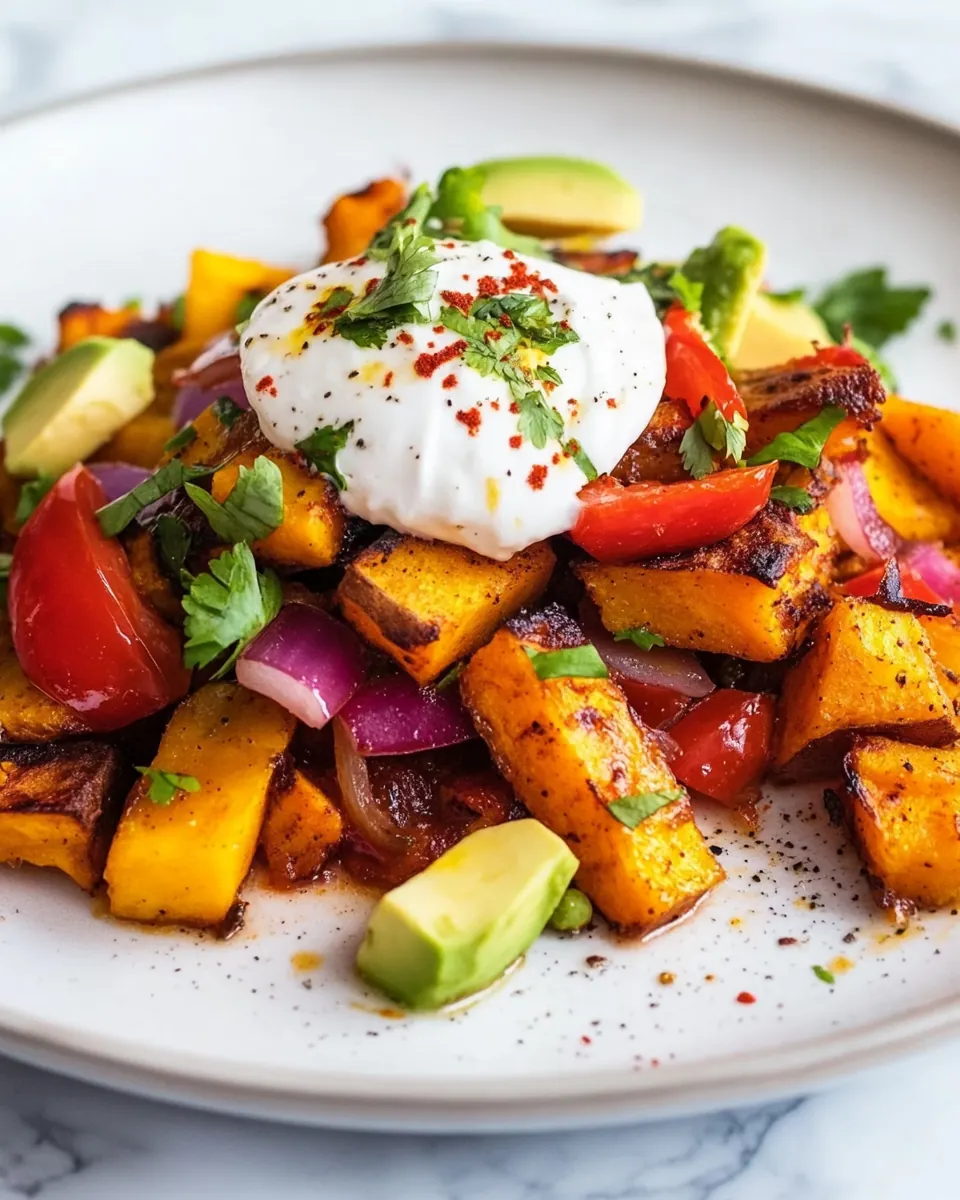
These ingredients are built around the star, the sweet potato, which provides sweetness and body. The spices create the signature southwest profile while the vegetables and avocado bring texture and brightness. The poached eggs finish things with luxurious creaminess, and the cilantro ties it together with a fresh herbal note.
- 1 sweet potato peeled and diced into 1 inch cubes: Provide tender, sweet flesh that caramelizes when roasted or pan-fried; adds hearty texture and natural sweetness to balance smoky spices. Peel and dice into 1-inch cubes to ensure even cooking and a satisfying bite in the hash. Acts as the primary starchy base that soaks up oil and seasonings for rich flavor.
- 1 tablespoon olive oil: Coat the sweet potato and vegetables for even browning and to help release and carry the spices’ flavors during sautéing. Use a tablespoon to create a crisp exterior while preventing sticking in the skillet. Also contributes a subtle fruity note and healthy fats to the dish.
- 1 teaspoon Kosher salt: Season the vegetables to enhance and heighten natural flavors while controlling overall saltiness; measure a teaspoon for balanced seasoning. Dissolve into the cooking oil and vegetable juices to ensure even distribution throughout the hash. Helps draw out moisture and concentrate flavors during cooking.
- 1/4 teaspoon crushed red pepper: Add a touch of heat and a faint smoky bite that complements the chili powder and cumin; use a quarter teaspoon for mild spiciness. Sprinkle in while cooking to allow the flakes to bloom in the oil and meld with other seasonings. Provides depth without overwhelming the dish.
- 1 teaspoon ground cumin: Introduce warm, earthy warmth with subtle bitterness that supports the Southwestern flavor profile; measure a teaspoon for gentle aroma. Toast lightly in the oil to release its essential oils and deepen the hash’s savory notes. Works as a bridge between the chili powder and the sweet potato.
- 2 teaspoons chili powder: Deliver bold, chili-forward flavor with mild smokiness and complexity; two teaspoons bring pronounced Southwestern character. Mix into the oil and vegetables early so the spices release fully and infuse each cube. Enhances color and rounds out the spice blend for authentic taste.
- 1 red bell pepper diced into 1 inch cubes: Contribute bright, crisp sweetness and fresh vegetal texture when diced into 1-inch cubes; pairs well with the sweet potato’s earthiness. Sauté until slightly softened to retain some crunch while absorbing spices and oil. Adds color contrast and a fresh, juicy element to the hash.
- 1/2 cup red onion diced into 1 inch cubes: Provide sharp, savory bite and aromatic depth when diced into uniform 1-inch cubes; helps build savory complexity. Cook until translucent to mellow the raw pungency while allowing natural sugars to develop. Balances sweetness and spice while adding savory backbone to the dish.
- 1 avocado peel and pit removed, diced into 1 inch cubes: Offer creamy, buttery texture and mild flavor contrast when peeled, pitted, and diced into 1-inch cubes; adds richness to each bite. Toss in near the end of cooking or add fresh on top to preserve delicate texture and prevent mushiness. Acts as a cooling, textural counterpoint to warm spices and potatoes.
- 2 tablespoons fresh cilantro chopped: Introduce a bright, herbaceous finish and fresh green aroma when chopped; two tablespoons add lively brightness. Sprinkle over the finished hash to lift and balance the heavier flavors from the potatoes and seasonings. Enhances visual appeal and provides a fresh, citrusy-like note.
- 2 large eggs poached: Provide a silky, rich topping with runny yolk that creates a luxurious sauce when poached and broken over the hash. Place gently on the finished skillet so the yolk seeps into the vegetables, adding protein and velvety mouthfeel. Complements the savory and spicy elements while making the dish more satisfying.
Making This Southwest Sweet Potato Hash
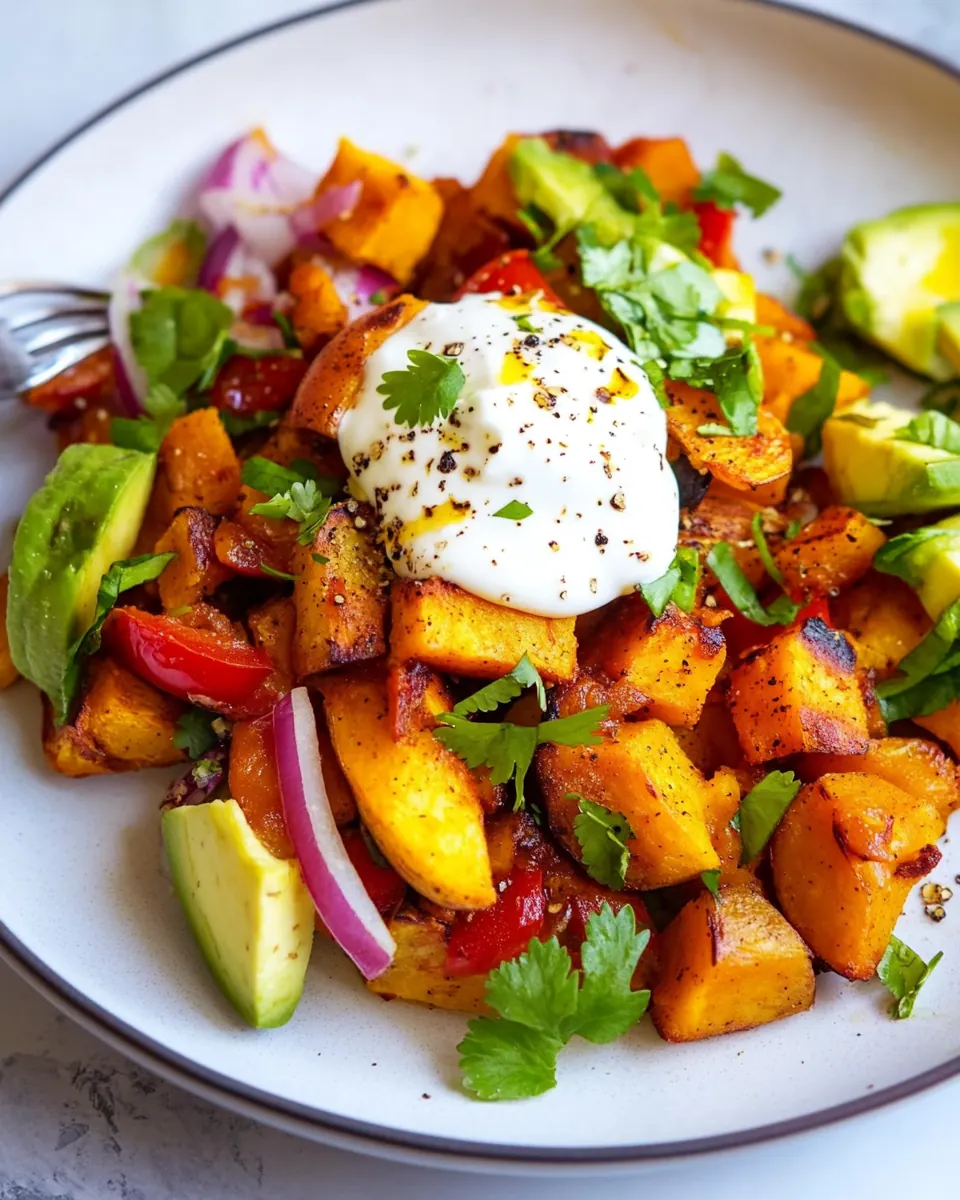
I like to think of the cooking process as a rhythm of roasting, stirring, and finishing. The goal is golden edges on the sweet potato and softened peppers and onions that still have texture. Take your time with the roast step because that is where the flavor builds.
- Preheat the oven to 425 degrees.: You will notice a clean, warm blast when you open the oven, and the high heat is essential for browning the exterior of the sweet potato . That caramelized surface provides a toasty aroma and deeper flavor, which you will detect as the sugars in the potato begin to sing in the heat. To ensure even temperature, place the rack in the center of the oven and give it time to reach the full temperature. A common mistake is not preheating long enough, which causes uneven roasting and limp textures.
- Combine the sweet potato, half the olive oil, half the salt, half the red pepper, half cumin, and half the chili powder. Mix well and spread in an even layer on a baking sheet. Bake for about 15 minutes.: When you toss the cubes with the first portion of olive oil and spices, you should feel each cube evenly coated, and you'll smell the warm notes of ground cumin and chili powder as they bloom in the oil. This initial coating jump starts browning and seasons the interior during cooking. Make sure the pieces are in a single layer on the baking sheet, or they will steam instead of roast. Overcrowding is the usual culprit behind soggy potatoes.
- Meanwhile, combine the red bell pepper and red onion with the remaining salt, red pepper, cumin, and chili powder. Once the potatoes have baked for 15 minutes, add the onion and bell pepper mixture to the sheet pan stirring to combine with the potatoes. Return the pan to the oven and bake for an additional 15 minutes or until the potatoes are soft and begin to brown.: As you spread the cubes, they should sit with a little space between them so hot air can circulate; you will hear a light hiss as they begin to brown. The visual cue to watch for is edges turning golden to amber, not just a uniform color. If the sheet pan is too crowded, transfer to two pans to maintain space, because uneven heat exposure leads to inconsistent doneness.
- Stir in the avocado and fresh cilantro, spoon into serving bowls with the poached egg on top. Serve hot.: During this stage the kitchen fills with a toasty, slightly sweet aroma, and the potatoes will develop a firm crust while the centers stay yielding. Peek at the 12 minute mark to check for progress, but avoid opening the oven repeatedly, which lets heat escape. A common mistake here is relying solely on time; instead look for visual cues, golden edges, and fork tender centers.
- Meanwhile, combine the red bell pepper and red onion with the remaining salt, red pepper, cumin, and chili powder: As you toss these vegetables with the remaining seasonings, the raw onion will release a sharp scent that softens as it roasts. This mixture should look evenly seasoned and moist from the remaining olive oil , ensuring that when added to the potatoes they will pick up flavor without drying out. If you under-season the mix, the peppers and onion can taste flat after roasting.
- Once the potatoes have baked for 15 minutes, add the onion and bell pepper mixture to the sheet pan stirring to combine with the potatoes: When you stir everything together, you will hear a gentle scrape and smell the spices marrying; the colors become vibrant as the peppers and onions nestle between potato cubes. Stir thoroughly so the new vegetables contact the hot sheet and begin to cook. Avoid vigorous stirring that can break the potatoes; gentle folding maintains cube integrity and yields better texture.
- Return the pan to the oven and bake for an additional 15 minutes or until the potatoes are soft and begin to brown: In this final roast, the dish will deepen in aroma and the edges will crisp further, producing a satisfying contrast between tender interior and browned exterior. Look for bubbling around the edges of the vegetables and an overall caramelized sheen. If you remove it too early the potatoes will be underdone, while leaving it too long risks excessive drying.
- Stir in the avocado and fresh cilantro: Right after removing the pan from the oven, fold in the diced avocado and chopped cilantro so they warm slightly but retain their texture and color. The avocado provides a cooling creaminess that balances the roasted spices, while cilantro adds bright, herbal lift. Mixing these in too early will cause the avocado to melt away, losing the pleasant textural contrast.
- Spoon into serving bowls with the poached egg on top: As you plate, nestle a gently poached egg over a mound of hash; when pierced the yolk will create a glossy sauce that coats the vegetables. The sound is subtle, but you can often hear a soft crack as the yolk breaks against the warm hash. A common error is serving with eggs that are overcooked and lacking the luxurious runny yolk that binds the dish.
- Serve hot: The final serving should be warm enough that steam rises and the aromas of chili powder and cumin are pronounced. Eating it hot preserves the contrast between crisped edges and creamy avocado and egg. If it cools too much before serving, the textures flatten and the experience is diminished, so plan to serve promptly.
Variations to Try
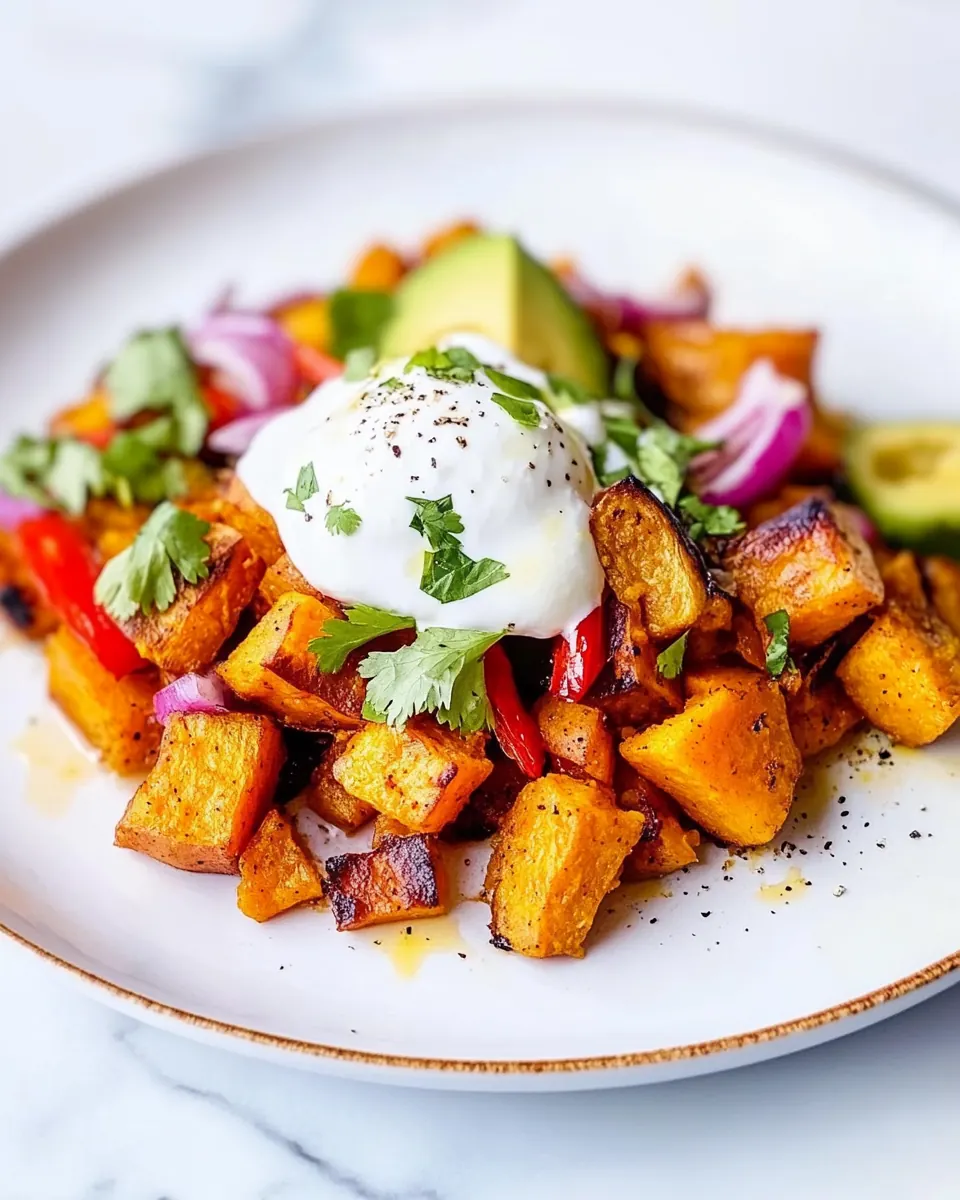
If you want to tweak the dish, small adjustments can change the profile without losing that southwest spirit. Below are practical variations to experiment with based on time, heat preference, and what you have on hand.
- Swap or add different peppers Try yellow or orange bell peppers for a sweeter, milder touch while keeping the same roast time for texture balance.
- Adjust the heat Increase crushed red pepper slightly if you want more kick, or omit it for a gentler flavor suitable for kids.
- Make it herb forward Stir in more chopped cilantro at the end for a brighter, more pronounced herbal lift that pairs well with citrusy sides.
- Change the egg style Use fried or soft baked eggs instead of poached for a different texture contrast, making sure to keep yolks runny for that saucy finish.
- Prep ahead Roast the potatoes and vegetables a day ahead, then reheat in a hot pan to re-crisp before adding avocado and the eggs.
What to Serve Alongside Southwest Sweet Potato Hash
This hash stands well on its own, but pairing it thoughtfully can elevate the meal for different occasions. Below are serving ideas that span breakfast, brunch, lunch, and light dinners, with storage tips and seasonal pairings.
- Fresh green salad A simple tossed salad provides a crisp, cooling counterpoint that complements the warm, roasted flavors and brightens the plate for lunch or dinner.
- Citrus wedges Serve lime or lemon wedges to squeeze over the finished dish, adding a bright acidity that cuts through the richness of the egg and avocado.
- Warm tortillas Offer corn or flour tortillas so guests can scoop the hash, turning it into a casual handheld option for brunch gatherings.
- Yogurt or crema A spoonful of plain yogurt or a light crema on the side can mellow spice and add a tangy creaminess that pairs well with the southwest spices.
- Occasion ideas This is perfect for a relaxed weekend brunch, quick weeknight dinner, or a nourishing Ramadan iftar because it provides warmth and substance without feeling heavy.
- Storage tips Refrigerate leftovers in an airtight container for up to three days; reheat in a skillet over medium heat to restore crisp edges and add fresh cilantro and diced avocado before serving.
- Seasonal pairings In fall, pair with roasted squash or a warm grain salad; in spring, lighter green salads and citrus accents amplify freshness.
FAQ
Conclusion
This recipe shines because it pairs roasted sweet potato with warm southwest spices, creamy avocado, and a runny poached egg for a satisfying texture and flavor contrast. Try it the next time you want a quick meal that feels thoughtful and cozy. It’s forgiving, adaptable, and perfect for mornings, leisurely brunches, or a simple weeknight supper when you want something nourishing with personality.
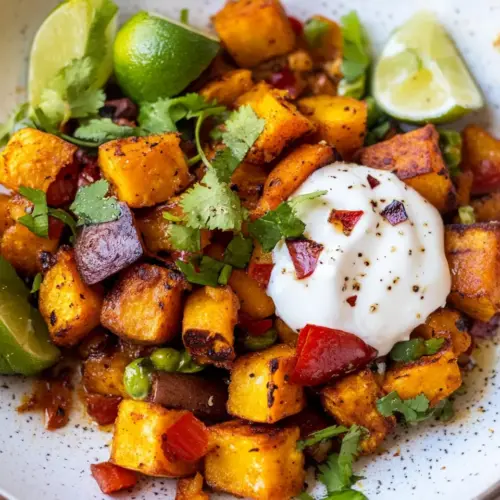
Southwest Sweet Potato Hash
Equipment
- Oven
- Baking Sheet
- Mixing Bowl
- Knife
- Cutting Board
Ingredients
- 1 sweet potato peeled and diced into 1 inch cubes Provide tender, sweet flesh that caramelizes when roasted or pan-fried; adds hearty texture and natural sweetness to balance smoky spices. Peel and dice into 1-inch cubes to ensure even cooking and a satisfying bite in the hash. Acts as the primary starchy base that soaks up oil and seasonings for rich flavor.
- 1 tablespoon olive oil Coat the sweet potato and vegetables for even browning and to help release and carry the spices’ flavors during sautéing. Use a tablespoon to create a crisp exterior while preventing sticking in the skillet. Also contributes a subtle fruity note and healthy fats to the dish.
- 1 teaspoon Kosher salt Season the vegetables to enhance and heighten natural flavors while controlling overall saltiness; measure a teaspoon for balanced seasoning. Dissolve into the cooking oil and vegetable juices to ensure even distribution throughout the hash. Helps draw out moisture and concentrate flavors during cooking.
- 1/4 teaspoon crushed red pepper Add a touch of heat and a faint smoky bite that complements the chili powder and cumin; use a quarter teaspoon for mild spiciness. Sprinkle in while cooking to allow the flakes to bloom in the oil and meld with other seasonings. Provides depth without overwhelming the dish.
- 1 teaspoon ground cumin Introduce warm, earthy warmth with subtle bitterness that supports the Southwestern flavor profile; measure a teaspoon for gentle aroma. Toast lightly in the oil to release its essential oils and deepen the hash’s savory notes. Works as a bridge between the chili powder and the sweet potato.
- 2 teaspoons chili powder Deliver bold, chili-forward flavor with mild smokiness and complexity; two teaspoons bring pronounced Southwestern character. Mix into the oil and vegetables early so the spices release fully and infuse each cube. Enhances color and rounds out the spice blend for authentic taste.
- 1 red bell pepper diced into 1 inch cubes Contribute bright, crisp sweetness and fresh vegetal texture when diced into 1-inch cubes; pairs well with the sweet potato’s earthiness. Sauté until slightly softened to retain some crunch while absorbing spices and oil. Adds color contrast and a fresh, juicy element to the hash.
- 1/2 cup red onion diced into 1 inch cubes Provide sharp, savory bite and aromatic depth when diced into uniform 1-inch cubes; helps build savory complexity. Cook until translucent to mellow the raw pungency while allowing natural sugars to develop. Balances sweetness and spice while adding savory backbone to the dish.
- 1 avocado peel and pit removed, diced into 1 inch cubes Offer creamy, buttery texture and mild flavor contrast when peeled, pitted, and diced into 1-inch cubes; adds richness to each bite. Toss in near the end of cooking or add fresh on top to preserve delicate texture and prevent mushiness. Acts as a cooling, textural counterpoint to warm spices and potatoes.
- 2 tablespoons fresh cilantro chopped Introduce a bright, herbaceous finish and fresh green aroma when chopped; two tablespoons add lively brightness. Sprinkle over the finished hash to lift and balance the heavier flavors from the potatoes and seasonings. Enhances visual appeal and provides a fresh, citrusy-like note.
- 2 large eggs poached Provide a silky, rich topping with runny yolk that creates a luxurious sauce when poached and broken over the hash. Place gently on the finished skillet so the yolk seeps into the vegetables, adding protein and velvety mouthfeel. Complements the savory and spicy elements while making the dish more satisfying.
Instructions
- Preheat the oven to 425 degrees.: You will notice a clean, warm blast when you open the oven, and the high heat is essential for browning the exterior of the sweet potato . That caramelized surface provides a toasty aroma and deeper flavor, which you will detect as the sugars in the potato begin to sing in the heat. To ensure even temperature, place the rack in the center of the oven and give it time to reach the full temperature. A common mistake is not preheating long enough, which causes uneven roasting and limp textures.
- Combine the sweet potato, half the olive oil, half the salt, half the red pepper, half cumin, and half the chili powder. Mix well and spread in an even layer on a baking sheet. Bake for about 15 minutes.: When you toss the cubes with the first portion of olive oil and spices, you should feel each cube evenly coated, and you'll smell the warm notes of ground cumin and chili powder as they bloom in the oil. This initial coating jump starts browning and seasons the interior during cooking. Make sure the pieces are in a single layer on the baking sheet, or they will steam instead of roast. Overcrowding is the usual culprit behind soggy potatoes.
- Meanwhile, combine the red bell pepper and red onion with the remaining salt, red pepper, cumin, and chili powder. Once the potatoes have baked for 15 minutes, add the onion and bell pepper mixture to the sheet pan stirring to combine with the potatoes. Return the pan to the oven and bake for an additional 15 minutes or until the potatoes are soft and begin to brown.: As you spread the cubes, they should sit with a little space between them so hot air can circulate; you will hear a light hiss as they begin to brown. The visual cue to watch for is edges turning golden to amber, not just a uniform color. If the sheet pan is too crowded, transfer to two pans to maintain space, because uneven heat exposure leads to inconsistent doneness.
- Stir in the avocado and fresh cilantro, spoon into serving bowls with the poached egg on top. Serve hot.: During this stage the kitchen fills with a toasty, slightly sweet aroma, and the potatoes will develop a firm crust while the centers stay yielding. Peek at the 12 minute mark to check for progress, but avoid opening the oven repeatedly, which lets heat escape. A common mistake here is relying solely on time; instead look for visual cues, golden edges, and fork tender centers.
- Meanwhile, combine the red bell pepper and red onion with the remaining salt, red pepper, cumin, and chili powder: As you toss these vegetables with the remaining seasonings, the raw onion will release a sharp scent that softens as it roasts. This mixture should look evenly seasoned and moist from the remaining olive oil , ensuring that when added to the potatoes they will pick up flavor without drying out. If you under-season the mix, the peppers and onion can taste flat after roasting.
- Once the potatoes have baked for 15 minutes, add the onion and bell pepper mixture to the sheet pan stirring to combine with the potatoes: When you stir everything together, you will hear a gentle scrape and smell the spices marrying; the colors become vibrant as the peppers and onions nestle between potato cubes. Stir thoroughly so the new vegetables contact the hot sheet and begin to cook. Avoid vigorous stirring that can break the potatoes; gentle folding maintains cube integrity and yields better texture.
- Return the pan to the oven and bake for an additional 15 minutes or until the potatoes are soft and begin to brown: In this final roast, the dish will deepen in aroma and the edges will crisp further, producing a satisfying contrast between tender interior and browned exterior. Look for bubbling around the edges of the vegetables and an overall caramelized sheen. If you remove it too early the potatoes will be underdone, while leaving it too long risks excessive drying.
- Stir in the avocado and fresh cilantro: Right after removing the pan from the oven, fold in the diced avocado and chopped cilantro so they warm slightly but retain their texture and color. The avocado provides a cooling creaminess that balances the roasted spices, while cilantro adds bright, herbal lift. Mixing these in too early will cause the avocado to melt away, losing the pleasant textural contrast.
- Spoon into serving bowls with the poached egg on top: As you plate, nestle a gently poached egg over a mound of hash; when pierced the yolk will create a glossy sauce that coats the vegetables. The sound is subtle, but you can often hear a soft crack as the yolk breaks against the warm hash. A common error is serving with eggs that are overcooked and lacking the luxurious runny yolk that binds the dish.
- Serve hot: The final serving should be warm enough that steam rises and the aromas of chili powder and cumin are pronounced. Eating it hot preserves the contrast between crisped edges and creamy avocado and egg. If it cools too much before serving, the textures flatten and the experience is diminished, so plan to serve promptly.
Notes
- Swap or add different peppers Try yellow or orange bell peppers for a sweeter, milder touch while keeping the same roast time for texture balance.
- Adjust the heat Increase crushed red pepper slightly if you want more kick, or omit it for a gentler flavor suitable for kids.
- Make it herb forward Stir in more chopped cilantro at the end for a brighter, more pronounced herbal lift that pairs well with citrusy sides.
- Change the egg style Use fried or soft baked eggs instead of poached for a different texture contrast, making sure to keep yolks runny for that saucy finish.
- Prep ahead Roast the potatoes and vegetables a day ahead, then reheat in a hot pan to re-crisp before adding avocado and the eggs.