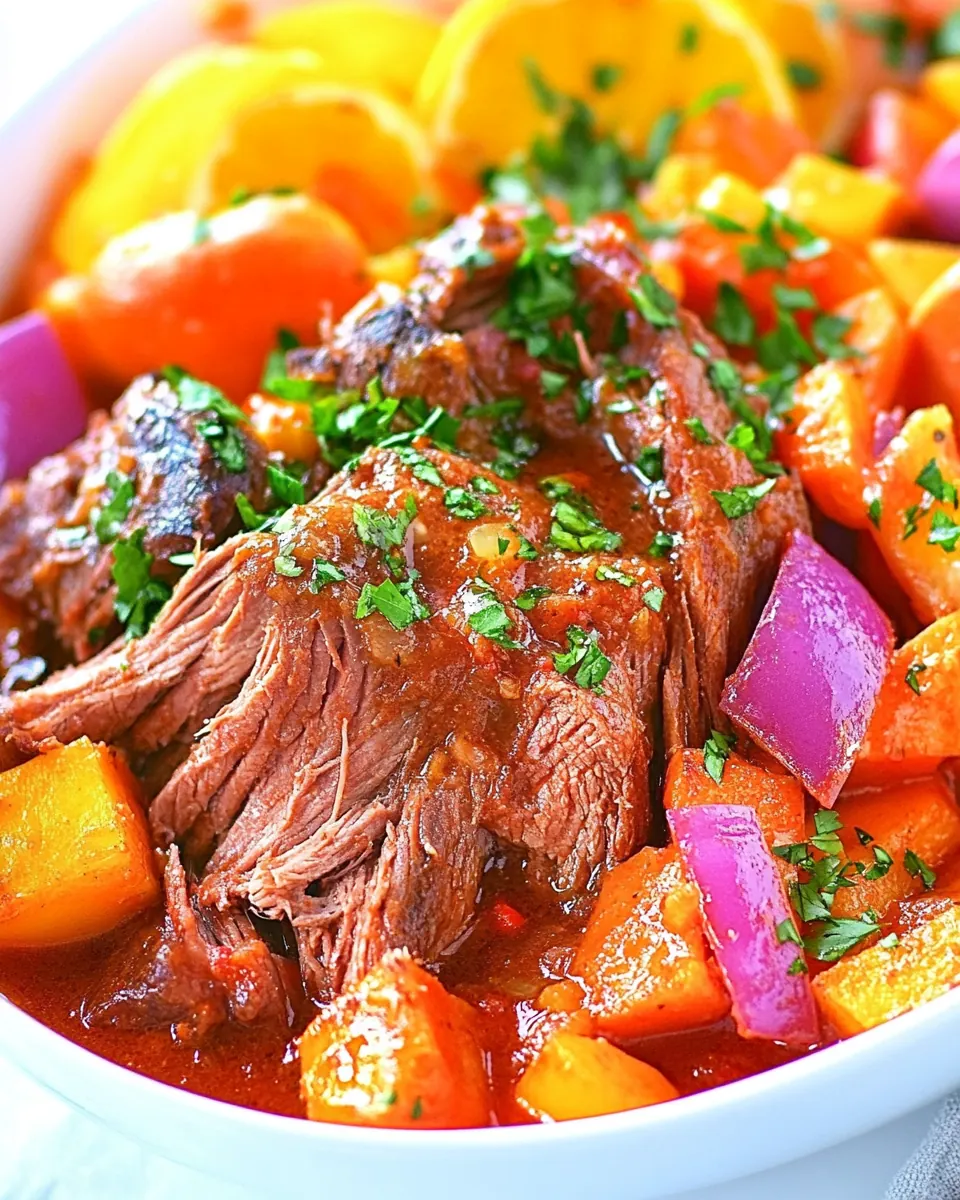
Slow Cooker Caribbean Pot Roast
Slow Cooker Caribbean Pot Roast has been my go to when I want dinner to feel like a warm, comforting hug after a long winter day.
I first learned this version while visiting a friend who loved bold, citrusy flavors paired with the deep, beefy richness of a slow cooked roast. We stood in her cozy kitchen as the aroma of beef, orange zest, and warm spices filled the room, and I remember thinking how smart it was to let a slow cooker marry those tastes for hours. That visit stuck with me, and over time I adjusted the balance of spices and sweet notes to match the way my family eats on weeknights.
When I make Slow Cooker Caribbean Pot Roast I usually prep while listening to a playlist that makes the chopping rhythm feel like part of the ritual. The combination of sweet potatoes and pineapple adds a bright counterpoint to the beef chuck roast, and the tiny pinch of cinnamon and baking cocoa brings depth without overpowering the dish. You can tell a good slow cooked roast by how the juices shimmer and how the meat yields when you nudge it with a fork.
I love serving this at casual Sunday dinners, when everyone lingers at the table and the house smells like a slow simmer. It feels special without being fussy, and it travels well if you need to bring a dish to a potluck. Over the years I’ve learned a few small timing tricks that keep the vegetables from turning to mash, and I always taste the sauce toward the end to adjust the balance of salt and sweetness. That little attention makes a huge difference.
Recipe Snapshot
8 hr 15 mins
15 mins
480 mins
Hard
540 kcal
Caribbean
Gluten-Free, Whole30
Dinner
6 qt slow cooker, Large skillet, Tongs
Why This Slow Cooker Caribbean Pot Roast Is So Good
Bold Caribbean Flavors Without Fuss
I love that Slow Cooker Caribbean Pot Roast delivers complex, tropical influenced flavors with almost no babysitting. Letting the slow cooker do its work concentrates flavors, so the tomato sauce and pineapple chunks meld into a bright, savory base that complements the beef. It feels like an elevated dinner, yet it is one of the easiest dishes to execute.
Textural Harmony
One reason I return to this recipe is the contrast between the tender beef and the yielding but distinct pieces of sweet potatoes and carrots. The vegetables soak up the cooking juices, but when timed right they keep some structure, so each bite gives you both rich meat and pleasant vegetable texture. That balance is what keeps everyone reaching for seconds.
Built In Comfort and Warmth
This roast offers the cozy, slow cooked satisfaction of classic comfort food while introducing bright notes from the orange zest and pineapple. I find it perfect for cold evenings when you want something hearty, but you also want a little brightness to cut the richness. The aromatic spices, including cumin and coriander, make it smell irresistible as it simmers.
Versatile and Family Friendly
I often make a double batch because the leftovers reheat beautifully. The flavors continue to meld overnight, and the dish works well served over rice, mashed tubers, or with simple steamed greens. It is a reliable recipe for feeding a crowd or stretching a weeknight meal into lunches for a few days.
Simple Techniques, Big Impact
The method is straightforward, yet the small steps matter. Browning the beef adds a layer of caramelized flavor, and finishing with a rest period preserves juices. Those minimal technical choices result in a dish that tastes far more refined than the effort suggests.
Ingredients to Make Slow Cooker Caribbean Pot Roast
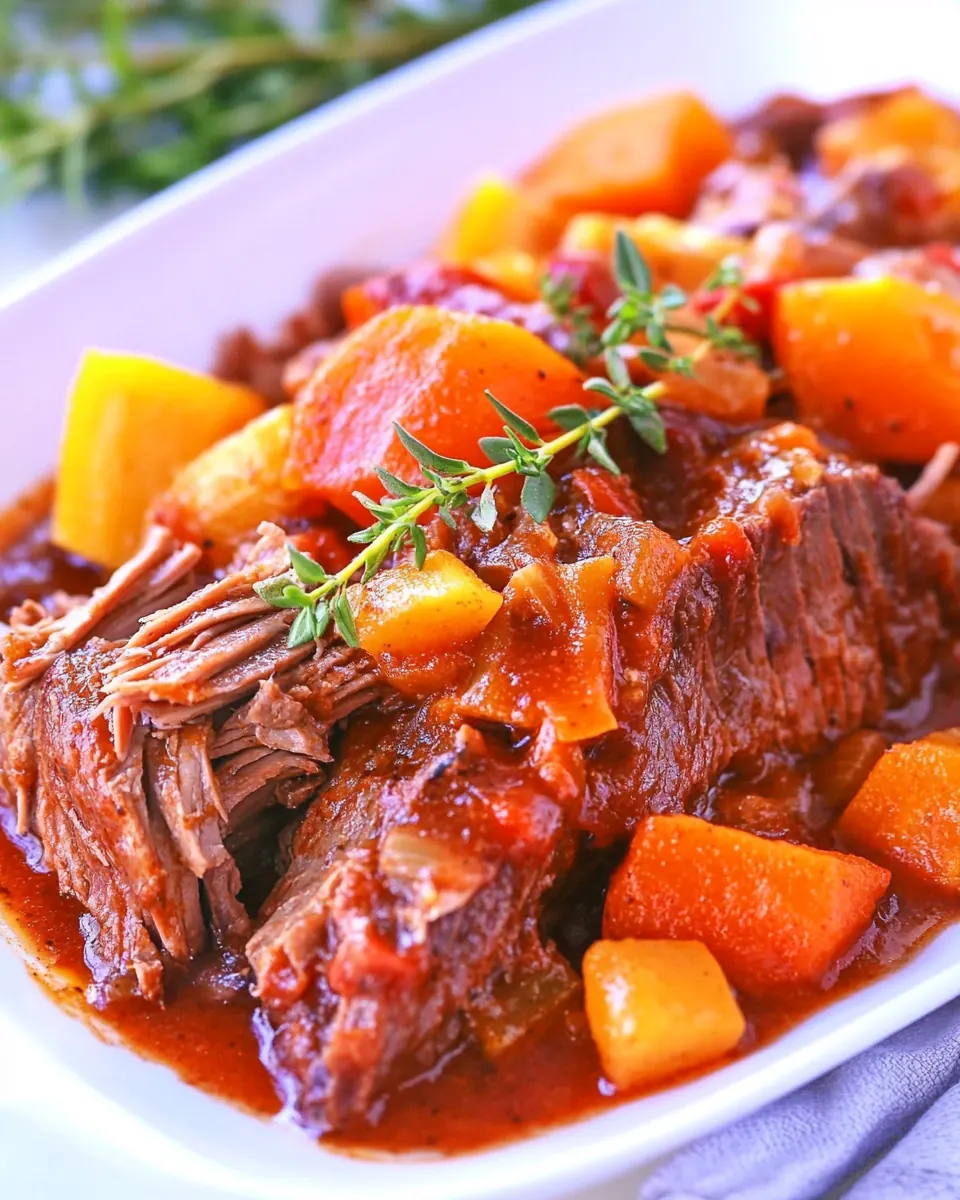
These ingredients are chosen to create a balance between rich, slow cooked beef and bright Caribbean influenced flavors. The vegetables act as both flavor carriers and hearty accompaniments, while the combination of spices, tomato sauce, and pineapple builds a sauce that is savory, slightly sweet, and warmly spiced. The key players are the boneless beef chuck roast for its connective tissue and tenderness, the sweet potatoes for sweetness and body, and the pineapple for acidity and tropical brightness.
- 2 medium sweet potatoes cubed: Provide creamy, naturally sweet base and hearty texture when cubed; roast or simmer until tender to absorb braising juices and add body to the dish. Enhance caramelized flavors when browned briefly to concentrate sweetness and balance savory notes in the pot roast. Serve as a comforting starch that complements the tropical and spiced components of the recipe.
- 2 large carrots sliced: Add earthy sweetness and tender bite when sliced; simmer in the slow cooker until soft to contribute substance and rustic texture to the roast. Caramelize lightly if desired to deepen flavor and provide a sweet counterpoint to savory beef and tangy elements. Pair well with root vegetables to create a balanced, homey accompaniment.
- 1 red onion quartered: Contribute sharp sweetness and aromatic depth when quartered; release mellow onion flavors as it cooks, building savory complexity in the braising liquid. Soften and partly dissolve into the sauce, lending subtle natural sugars that enhance the dish’s caramelization. Provide a fragrant base note that supports the blend of spices and tropical accents.
- 1 boneless beef chuck roast about 2 1/2 pounds: Deliver rich, beefy flavor and tender, pull-apart texture after long, slow cooking; select a well-marbled chuck roast for optimal succulence and flavor infusion. Break down connective tissues into gelatin, enriching the sauce and creating a silky mouthfeel that coats vegetables and starches. Serve shredded or sliced to showcase the deeply developed savory profile.
- 2 tablespoons canola oil: Promote a high-heat sear and prevent sticking when used for browning the roast; heat to shimmering before adding meat to develop flavorful crusts. Prepare to disperse spices evenly and initiate Maillard reactions, which intensify overall savory notes. Maintain neutral flavor so spices and aromatics remain prominent in the finished dish.
- 4 garlic cloves minced: Introduce pungent, aromatic intensity and a savory undertone when minced; distribute evenly throughout the braising liquid to infuse the roast with garlicky warmth. Soften and mellow with long cooking, contributing to depth and complexity without overpowering other flavors. Pair with onions and spices to create a robust aromatic foundation.
- 1 tablespoon all-purpose flour: Thicken braising liquid slightly and help bind seasonings when incorporated; sprinkle over seared meat or mix into sauce to encourage a silky, clingy texture. Absorb excess liquid modestly during slow cooking to concentrate flavors without creating a heavy roux. Work subtly to improve mouthfeel and coat vegetables and beef pieces evenly.
- 2 tablespoons brown sugar: Add molasses-like sweetness and deepen caramelized flavor profiles when dissolved into the sauce; stir into braising liquid to balance acidity and spice. React with savory components to create nuanced sweet-savory interplay that complements tropical notes. Use sparingly to prevent cloying sweetness while enhancing overall complexity.
- 1 teaspoon ground cumin: Provide warm, earthy, and slightly smoky notes that complement beef and tropical flavors; incorporate to lend savory depth and enhance the spice blend’s complexity. Pair with cumin-friendly ingredients like coriander and oregano to reinforce Caribbean-inspired seasoning. Disperse evenly to ensure balanced heat and aromatic presence.
- 1 teaspoon salt: Enhance overall seasoning balance and bring out natural flavors when added; distribute evenly to support other spices and aromatics during slow cooking. Help control taste intensity but adjust as needed for dietary preferences to avoid over-salting. Contribute to proper flavor seasoning that ties the dish components together.
- 1 teaspoon ground coriander: Impart citrusy, floral, and slightly lemony warmth that brightens the spice mix; grind and mix into the rub to create layered aroma with cumin and coriander. Soften during long cooking while still providing subtle savory complexity that complements beef and pineapple. Use to achieve a more rounded and aromatic profile in the pot roast.
- 1 teaspoon chili powder: Bring mild heat and a rounded chili flavor when added; work with other spices to produce a warm, aromatic backbone without excessive spiciness. Blend into the seasoning mix so its chile notes support tropical sweetness and savory beef undertones. Provide familiar southwestern warmth that integrates with Caribbean accents.
- 1 teaspoon dried oregano: Offer herbal, slightly bitter, and savory notes that underscore the Caribbean spice profile; include to add Mediterranean-style depth and aromatic lift. Mellow with long cooking while contributing a subtle green, earthy accent that balances sweeter elements. Combine with oregano-friendly spices for cohesive herbaceousness.
- 1/4 teaspoon ground cinnamon: Introduce a hint of warm, woody sweetness in very small measure; incorporate to add depth and exotic nuance to the spice blend. Meld with cocoa and cinnamon to create a subtly complex backdrop that enhances both meatiness and fruit components. Use sparingly to avoid dominating the overall flavor.
- 1 tablespoon grated orange zest: Provide bright, citrus aroma and essential oils when grated; mix into the seasoning or sauce to lift and freshen the dish with lively orange notes. Cut through richness and intensify other flavors, especially when combined with pineapple and tomato. Add near the start of cooking to infuse the braising liquid with zesty complexity.
- 1 teaspoon baking cocoa: Contribute deep, bitter cocoa notes that enhance savory richness and add subtle chocolatey complexity; whisk into the sauce to amplify umami and counterbalance sweetness. Blend with spices like cinnamon and cumin to create an unexpectedly rounded flavor profile. Use a small amount to avoid overt chocolate flavor while enriching overall depth.
- 1 can tomato sauce 15 ounces: Supply a rich, tangy tomato base and body to the braising liquid; pour in to create a savory sauce that melds with spices and fruit juices. Thicken slightly as it simmers, helping to coat meat and vegetables with cohesive flavor. Act as an acidic component that balances sweetness and enriches mouthfeel.
- 1 can pineapple chunks in juice 15 ounces: Introduce tropical sweetness, acidity, and juicy fruit texture from the pineapple and its juice; add both solids and liquid to sweeten and tenderize the meat during slow cooking. Contribute bright, fruity notes that contrast savory spices and deepen overall flavor complexity. Use the juice to help deglaze and incorporate concentrated pineapple essence.
- 1 tablespoon Worcestershire sauce: Enhance savory umami depth and add subtle tangy complexity when stirred into the sauce; include to round out flavors and boost the meatiness of the braising liquid. React with other seasonings to harmonize sweet, spicy, and acidic elements while adding a familiar savory finish. Adjust slightly to taste for balanced seasoning.
Recipe Directions for Slow Cooker Caribbean Pot Roast
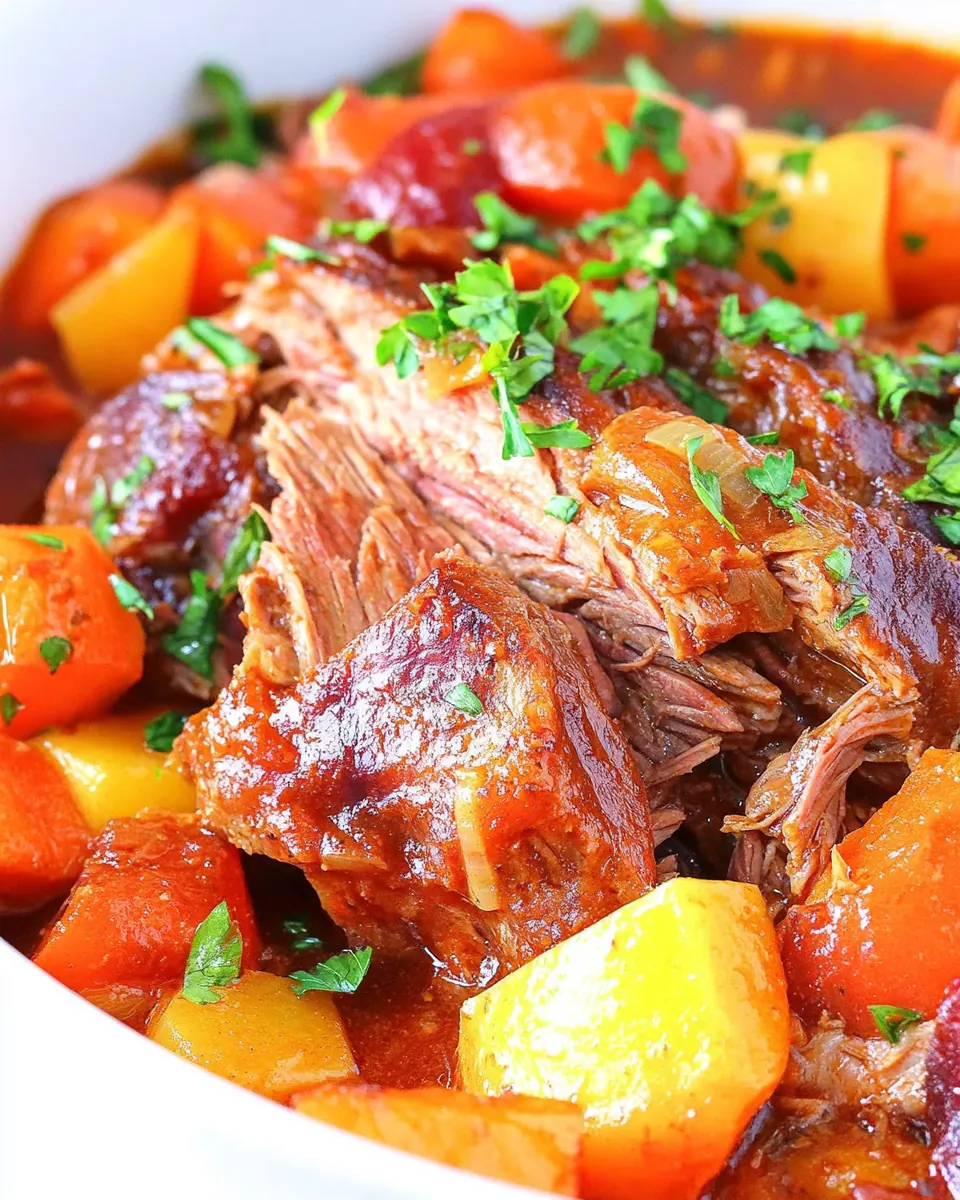
I like to think of the directions as a relaxed, rhythmic process where small moments add up to a deep, layered result. Set aside time to brown and assemble thoughtfully, then let the slow cooker work its magic while you go about your day. Pay attention to visual and aromatic cues so you know the dish is progressing properly.
- Place potatoes, carrots, and onion in a 6-qt. slow cooker.: The first sensory cue when you load the slow cooker is a fresh, crisp aroma from the raw sweet potatoes , carrots , and red onion . You'll notice a clean, earthy scent from the vegetables as you arrange them in the base, and visually they should form an even layer to support the meat. This foundation matters because it lifts the roast slightly, allowing juices to circulate rather than pooling only beneath the meat. A common mistake here is crowding the cooker with unevenly cut pieces, which causes inconsistent cooking. If pieces are different sizes, the smaller ones will be overdone by the time larger ones are tender. Keep cuts uniform and spread them in a single layer for even heat exposure.
- Place a large skillet over medium-high heat and add the oil. Season the beef with salt and pepper. Once the oil is hot, add the beef and brown it on all sides. Transfer the meat to the slow cooker.: When you heat the skillet, the oil will shimmer and give off a faint nutty scent, signaling it is ready. As the beef hits the pan you should hear an immediate, satisfying sizzle; that sound tells you the Maillard reaction is starting, which creates deep, savory flavors and a golden crust. Browning also produces fond, those browned bits that add complexity to the sauce if deglazed. Use tongs to rotate the roast so each face browns evenly, watching for a rich, mahogany color without burning. If you skip this step, the final dish can taste flatter because it misses those caramelized notes. A troubleshooting tip is to avoid overcrowding the skillet, which causes the meat to steam instead of brown. If the pan becomes crowded, brown in batches to preserve intense flavor development.
- Add the rest of the ingredients.: As you add the remaining items into the slow cooker, you'll notice layered aromas combining the tang of tomato sauce , the sweet fragrance of pineapple , and the warm spice notes from cumin , coriander , and cinnamon . The ingredients should nestle around the seared roast so the liquid and juices can circulate and penetrate the meat during the long cook. Stir gently to distribute spices, taking care not to break up the vegetables. A practical mistake to avoid is adding the spices unevenly, which can create pockets of intense flavor. Mix the sauce components thoroughly to ensure an even infusion across the roast and veggies.
- Cover and cook on low for 7-8 hours or on High for 4-5 hours, until the beef and vegetables are tender.: Over the long simmer you will smell the spices deepen and the pineapple will lend a bright, sweet tang that keeps the sauce lively. Visually, the meat will shrink slightly away from the edges, and when it becomes fork tender it will begin to flake gently under pressure. On low, the collagen in the beef chuck roast breaks down slowly into gelatin, resulting in a silky mouthfeel; on high, this process happens faster but requires careful timing to avoid overcooked vegetables. A common hiccup is lifting the lid frequently to check progress, which lengthens cooking time and lets heat escape. Trust the cooker for most of the time, and check only toward the end to judge tenderness. If you notice the liquid is too thin near the finish, you can thicken it with a brief stove top simmer after transferring the juices to a pan, or use a cornstarch slurry to reach the desired consistency.
- Let the meat rest for 15 minutes before serving it.: After cooking, the roast will be incredibly aromatic and the kitchen will be full of layered scents from the spices and pineapple . Resting allows the juices to redistribute throughout the beef , so when you slice or shred it the meat stays moist rather than spilling all its juices onto the cutting board. The internal temperature will also settle, and the texture becomes silkier as the gelatin relaxes. A frequent error is cutting immediately, which causes the juices to run out and leaves the meat drier. Let the roast rest covered gently with foil for the full rest period, then carve or shred against the grain for the most tender bites.
Ways to Adapt This Recipe
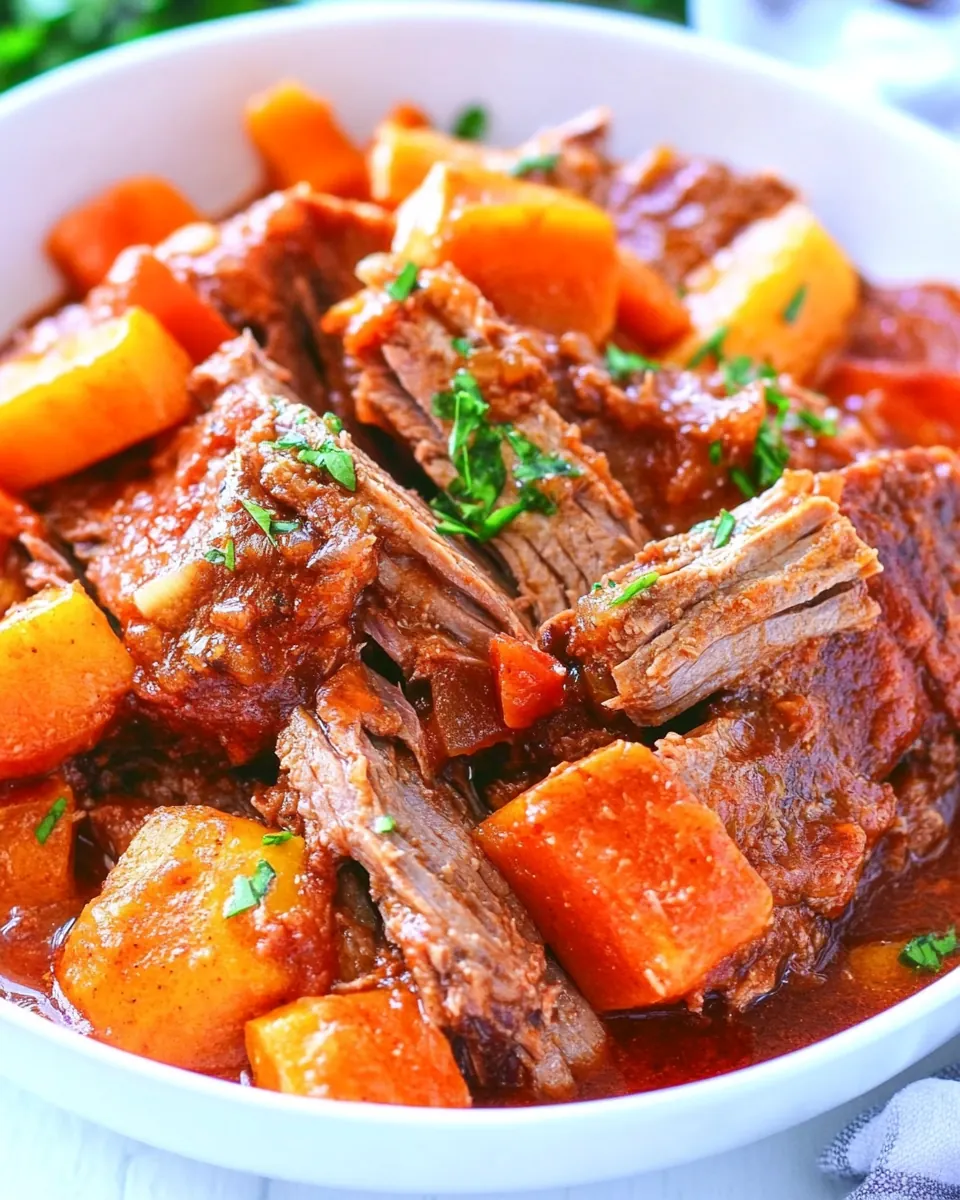
This dish adapts easily to what you have on hand, and small swaps can shift its character while preserving the core Caribbean inspired profile. Below are practical options to tailor texture, spice level, and serving style.
- Swap Cuts Carefully Use bottom round roast or beef brisket in place of chuck if that is what you have, understanding that cooking times may vary slightly because of different connective tissue and fat content.
- Adjust Sweetness Reduce or increase the amount of brown sugar or the pineapple juice to fine tune the sweet versus savory balance, tasting the cooking liquid near the end and adjusting incrementally.
- Thicken the Sauce If the juices are thin, remove some liquid, whisk in a cornstarch slurry, then simmer briefly until it reaches a glossy gravy like consistency before returning it to the slow cooker.
- Maintain Vegetable Texture Cut the sweet potatoes and carrots into larger pieces if you prefer them firmer after long cooking, or add them partway through the cook to preserve more bite.
- Control Spice Level Lower the chili powder slightly for a milder profile, or add a pinch more if you want more warmth; always adjust toward the end so you can taste as you go.
- Finish with Freshness Stir in a small amount of freshly grated orange zest just before serving to brighten the sauce and lift the flavors for a fresher finish.
Serving Ideas for Slow Cooker Caribbean Pot Roast
This roast is wonderfully flexible for different occasions and pairings. Whether you are serving a cozy family dinner, a holiday gathering in winter, or a casual potluck, the dish offers comforting warmth and flavorful depth. Here are ideas to present it, pair it, and store it for best results.
- Serve over fluffy rice Spoon the tender shredded or sliced beef and vegetables over a bed of steamed rice so the sauce can soak into the grains, creating a satisfying, balanced plate.
- Pair with mashed tubers For a heartier presentation, serve alongside creamy mashed potatoes or mashed sweet potatoes, which complement the roast‘s savory and sweet notes.
- Family style on a platter Present the roast whole on a platter surrounded by the cooked vegetables for a warm, communal serving style that encourages sharing and seconds.
- Occasion fit This recipe fits winter dinners and relaxed holiday meals alike, offering comfort and a touch of brightness from the pineapple that makes it feel festive without being heavy.
- Storage tips Cool completely before refrigerating in an airtight container. Leftovers keep well for three to four days, and flavors often deepen, making the second day especially delicious.
- Reheating guidance Reheat gently in a covered skillet over low heat or in the oven to preserve texture, adding a splash of water or broth if the sauce has thickened too much in the refrigerator.
- Seasonal pairing In winter, pair with roasted root vegetables or simple steamed greens; in other seasons, serve with a crisp salad to contrast the warm, spiced profile.
- Portioning for guests Plan for about six servings as noted, and slice or shred just before serving so the meat looks appealing and remains juicy on the plate.
- Presentation tip Garnish with a light sprinkle of freshly grated orange zest or a tiny pinch of extra ground coriander for an aromatic lift on the table.
FAQ
Conclusion
This Slow Cooker Caribbean Pot Roast stands out because it pairs tender, slow cooked beef with bright tropical accents and warm spices for a cozy yet vibrant meal. The low and slow method creates deep savory flavor while the pineapple and orange zest cut through the richness, giving each bite balance and interest. I encourage you to give it a try on a chilly evening when you want something comforting with a hint of sunshine; let the slow cooker do the heavy lifting and enjoy the rewarding aroma that fills your kitchen. Serve it with rice or mashed tubers, and you will likely find leftovers even better the next day.
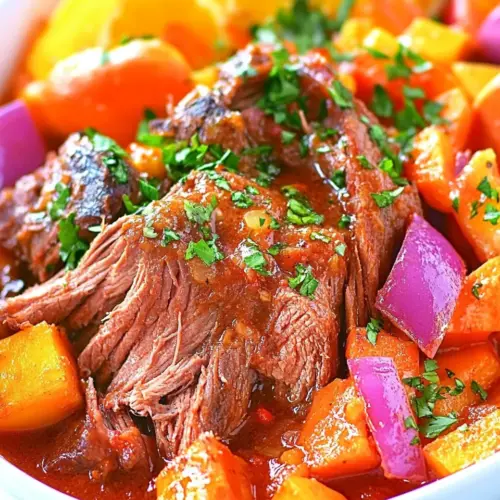
Slow Cooker Caribbean Pot Roast
Equipment
- 6-qt Slow Cooker
- Large Skillet
- Tongs
Ingredients
- 2 medium sweet potatoes cubed Provide creamy, naturally sweet base and hearty texture when cubed; roast or simmer until tender to absorb braising juices and add body to the dish. Enhance caramelized flavors when browned briefly to concentrate sweetness and balance savory notes in the pot roast. Serve as a comforting starch that complements the tropical and spiced components of the recipe.
- 2 large carrots sliced Add earthy sweetness and tender bite when sliced; simmer in the slow cooker until soft to contribute substance and rustic texture to the roast. Caramelize lightly if desired to deepen flavor and provide a sweet counterpoint to savory beef and tangy elements. Pair well with root vegetables to create a balanced, homey accompaniment.
- 1 red onion quartered Contribute sharp sweetness and aromatic depth when quartered; release mellow onion flavors as it cooks, building savory complexity in the braising liquid. Soften and partly dissolve into the sauce, lending subtle natural sugars that enhance the dish’s caramelization. Provide a fragrant base note that supports the blend of spices and tropical accents.
- 1 boneless beef chuck roast about 2 1/2 pounds Deliver rich, beefy flavor and tender, pull-apart texture after long, slow cooking; select a well-marbled chuck roast for optimal succulence and flavor infusion. Break down connective tissues into gelatin, enriching the sauce and creating a silky mouthfeel that coats vegetables and starches. Serve shredded or sliced to showcase the deeply developed savory profile.
- 2 tablespoons canola oil Promote a high-heat sear and prevent sticking when used for browning the roast; heat to shimmering before adding meat to develop flavorful crusts. Prepare to disperse spices evenly and initiate Maillard reactions, which intensify overall savory notes. Maintain neutral flavor so spices and aromatics remain prominent in the finished dish.
- 4 garlic cloves minced Introduce pungent, aromatic intensity and a savory undertone when minced; distribute evenly throughout the braising liquid to infuse the roast with garlicky warmth. Soften and mellow with long cooking, contributing to depth and complexity without overpowering other flavors. Pair with onions and spices to create a robust aromatic foundation.
- 1 tablespoon all-purpose flour Thicken braising liquid slightly and help bind seasonings when incorporated; sprinkle over seared meat or mix into sauce to encourage a silky, clingy texture. Absorb excess liquid modestly during slow cooking to concentrate flavors without creating a heavy roux. Work subtly to improve mouthfeel and coat vegetables and beef pieces evenly.
- 2 tablespoons brown sugar Add molasses-like sweetness and deepen caramelized flavor profiles when dissolved into the sauce; stir into braising liquid to balance acidity and spice. React with savory components to create nuanced sweet-savory interplay that complements tropical notes. Use sparingly to prevent cloying sweetness while enhancing overall complexity.
- 1 teaspoon ground cumin Provide warm, earthy, and slightly smoky notes that complement beef and tropical flavors; incorporate to lend savory depth and enhance the spice blend’s complexity. Pair with cumin-friendly ingredients like coriander and oregano to reinforce Caribbean-inspired seasoning. Disperse evenly to ensure balanced heat and aromatic presence.
- 1 teaspoon salt Enhance overall seasoning balance and bring out natural flavors when added; distribute evenly to support other spices and aromatics during slow cooking. Help control taste intensity but adjust as needed for dietary preferences to avoid over-salting. Contribute to proper flavor seasoning that ties the dish components together.
- 1 teaspoon ground coriander Impart citrusy, floral, and slightly lemony warmth that brightens the spice mix; grind and mix into the rub to create layered aroma with cumin and coriander. Soften during long cooking while still providing subtle savory complexity that complements beef and pineapple. Use to achieve a more rounded and aromatic profile in the pot roast.
- 1 teaspoon chili powder Bring mild heat and a rounded chili flavor when added; work with other spices to produce a warm, aromatic backbone without excessive spiciness. Blend into the seasoning mix so its chile notes support tropical sweetness and savory beef undertones. Provide familiar southwestern warmth that integrates with Caribbean accents.
- 1 teaspoon dried oregano Offer herbal, slightly bitter, and savory notes that underscore the Caribbean spice profile; include to add Mediterranean-style depth and aromatic lift. Mellow with long cooking while contributing a subtle green, earthy accent that balances sweeter elements. Combine with oregano-friendly spices for cohesive herbaceousness.
- 1/4 teaspoon ground cinnamon Introduce a hint of warm, woody sweetness in very small measure; incorporate to add depth and exotic nuance to the spice blend. Meld with cocoa and cinnamon to create a subtly complex backdrop that enhances both meatiness and fruit components. Use sparingly to avoid dominating the overall flavor.
- 1 tablespoon grated orange zest Provide bright, citrus aroma and essential oils when grated; mix into the seasoning or sauce to lift and freshen the dish with lively orange notes. Cut through richness and intensify other flavors, especially when combined with pineapple and tomato. Add near the start of cooking to infuse the braising liquid with zesty complexity.
- 1 teaspoon baking cocoa Contribute deep, bitter cocoa notes that enhance savory richness and add subtle chocolatey complexity; whisk into the sauce to amplify umami and counterbalance sweetness. Blend with spices like cinnamon and cumin to create an unexpectedly rounded flavor profile. Use a small amount to avoid overt chocolate flavor while enriching overall depth.
- 1 can tomato sauce 15 ounces Supply a rich, tangy tomato base and body to the braising liquid; pour in to create a savory sauce that melds with spices and fruit juices. Thicken slightly as it simmers, helping to coat meat and vegetables with cohesive flavor. Act as an acidic component that balances sweetness and enriches mouthfeel.
- 1 can pineapple chunks in juice 15 ounces Introduce tropical sweetness, acidity, and juicy fruit texture from the pineapple and its juice; add both solids and liquid to sweeten and tenderize the meat during slow cooking. Contribute bright, fruity notes that contrast savory spices and deepen overall flavor complexity. Use the juice to help deglaze and incorporate concentrated pineapple essence.
- 1 tablespoon Worcestershire sauce Enhance savory umami depth and add subtle tangy complexity when stirred into the sauce; include to round out flavors and boost the meatiness of the braising liquid. React with other seasonings to harmonize sweet, spicy, and acidic elements while adding a familiar savory finish. Adjust slightly to taste for balanced seasoning.
Instructions
- Place potatoes, carrots, and onion in a 6-qt. slow cooker.: The first sensory cue when you load the slow cooker is a fresh, crisp aroma from the raw sweet potatoes , carrots , and red onion . You'll notice a clean, earthy scent from the vegetables as you arrange them in the base, and visually they should form an even layer to support the meat. This foundation matters because it lifts the roast slightly, allowing juices to circulate rather than pooling only beneath the meat. A common mistake here is crowding the cooker with unevenly cut pieces, which causes inconsistent cooking. If pieces are different sizes, the smaller ones will be overdone by the time larger ones are tender. Keep cuts uniform and spread them in a single layer for even heat exposure.
- Place a large skillet over medium-high heat and add the oil. Season the beef with salt and pepper. Once the oil is hot, add the beef and brown it on all sides. Transfer the meat to the slow cooker.: When you heat the skillet, the oil will shimmer and give off a faint nutty scent, signaling it is ready. As the beef hits the pan you should hear an immediate, satisfying sizzle; that sound tells you the Maillard reaction is starting, which creates deep, savory flavors and a golden crust. Browning also produces fond, those browned bits that add complexity to the sauce if deglazed. Use tongs to rotate the roast so each face browns evenly, watching for a rich, mahogany color without burning. If you skip this step, the final dish can taste flatter because it misses those caramelized notes. A troubleshooting tip is to avoid overcrowding the skillet, which causes the meat to steam instead of brown. If the pan becomes crowded, brown in batches to preserve intense flavor development.
- Add the rest of the ingredients.: As you add the remaining items into the slow cooker, you'll notice layered aromas combining the tang of tomato sauce , the sweet fragrance of pineapple , and the warm spice notes from cumin , coriander , and cinnamon . The ingredients should nestle around the seared roast so the liquid and juices can circulate and penetrate the meat during the long cook. Stir gently to distribute spices, taking care not to break up the vegetables. A practical mistake to avoid is adding the spices unevenly, which can create pockets of intense flavor. Mix the sauce components thoroughly to ensure an even infusion across the roast and veggies.
- Cover and cook on low for 7-8 hours or on High for 4-5 hours, until the beef and vegetables are tender.: Over the long simmer you will smell the spices deepen and the pineapple will lend a bright, sweet tang that keeps the sauce lively. Visually, the meat will shrink slightly away from the edges, and when it becomes fork tender it will begin to flake gently under pressure. On low, the collagen in the beef chuck roast breaks down slowly into gelatin, resulting in a silky mouthfeel; on high, this process happens faster but requires careful timing to avoid overcooked vegetables. A common hiccup is lifting the lid frequently to check progress, which lengthens cooking time and lets heat escape. Trust the cooker for most of the time, and check only toward the end to judge tenderness. If you notice the liquid is too thin near the finish, you can thicken it with a brief stove top simmer after transferring the juices to a pan, or use a cornstarch slurry to reach the desired consistency.
- Let the meat rest for 15 minutes before serving it.: After cooking, the roast will be incredibly aromatic and the kitchen will be full of layered scents from the spices and pineapple . Resting allows the juices to redistribute throughout the beef , so when you slice or shred it the meat stays moist rather than spilling all its juices onto the cutting board. The internal temperature will also settle, and the texture becomes silkier as the gelatin relaxes. A frequent error is cutting immediately, which causes the juices to run out and leaves the meat drier. Let the roast rest covered gently with foil for the full rest period, then carve or shred against the grain for the most tender bites.
Notes
- Swap Cuts Carefully Use bottom round roast or beef brisket in place of chuck if that is what you have, understanding that cooking times may vary slightly because of different connective tissue and fat content.
- Adjust Sweetness Reduce or increase the amount of brown sugar or the pineapple juice to fine tune the sweet versus savory balance, tasting the cooking liquid near the end and adjusting incrementally.
- Thicken the Sauce If the juices are thin, remove some liquid, whisk in a cornstarch slurry, then simmer briefly until it reaches a glossy gravy like consistency before returning it to the slow cooker.
- Maintain Vegetable Texture Cut the sweet potatoes and carrots into larger pieces if you prefer them firmer after long cooking, or add them partway through the cook to preserve more bite.
- Control Spice Level Lower the chili powder slightly for a milder profile, or add a pinch more if you want more warmth; always adjust toward the end so you can taste as you go.
- Finish with Freshness Stir in a small amount of freshly grated orange zest just before serving to brighten the sauce and lift the flavors for a fresher finish.