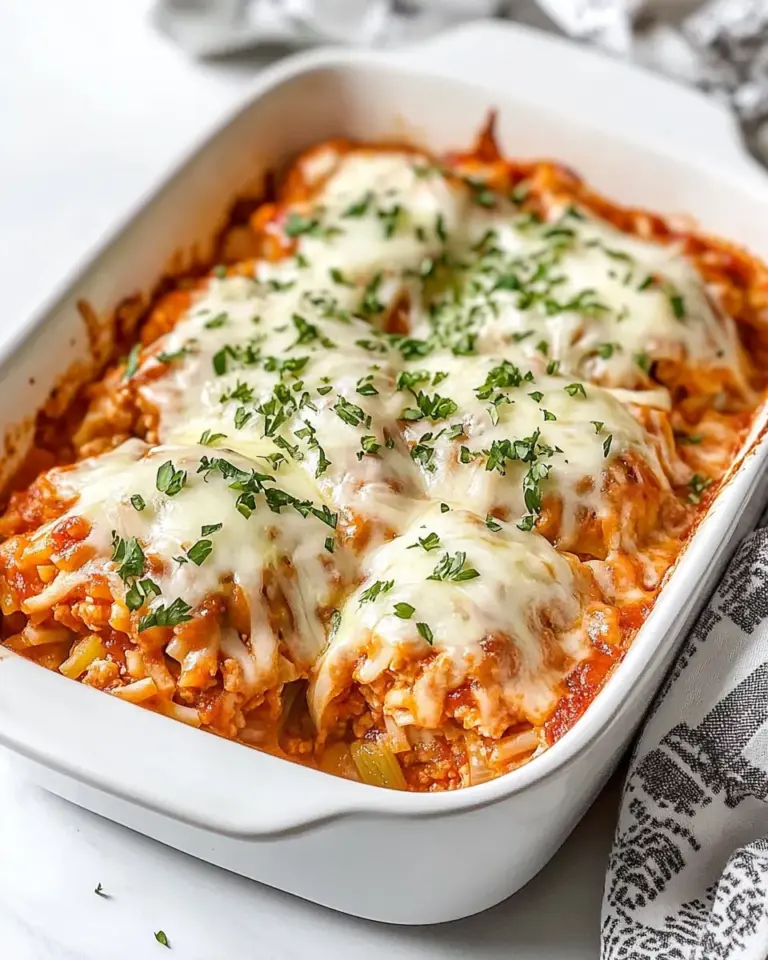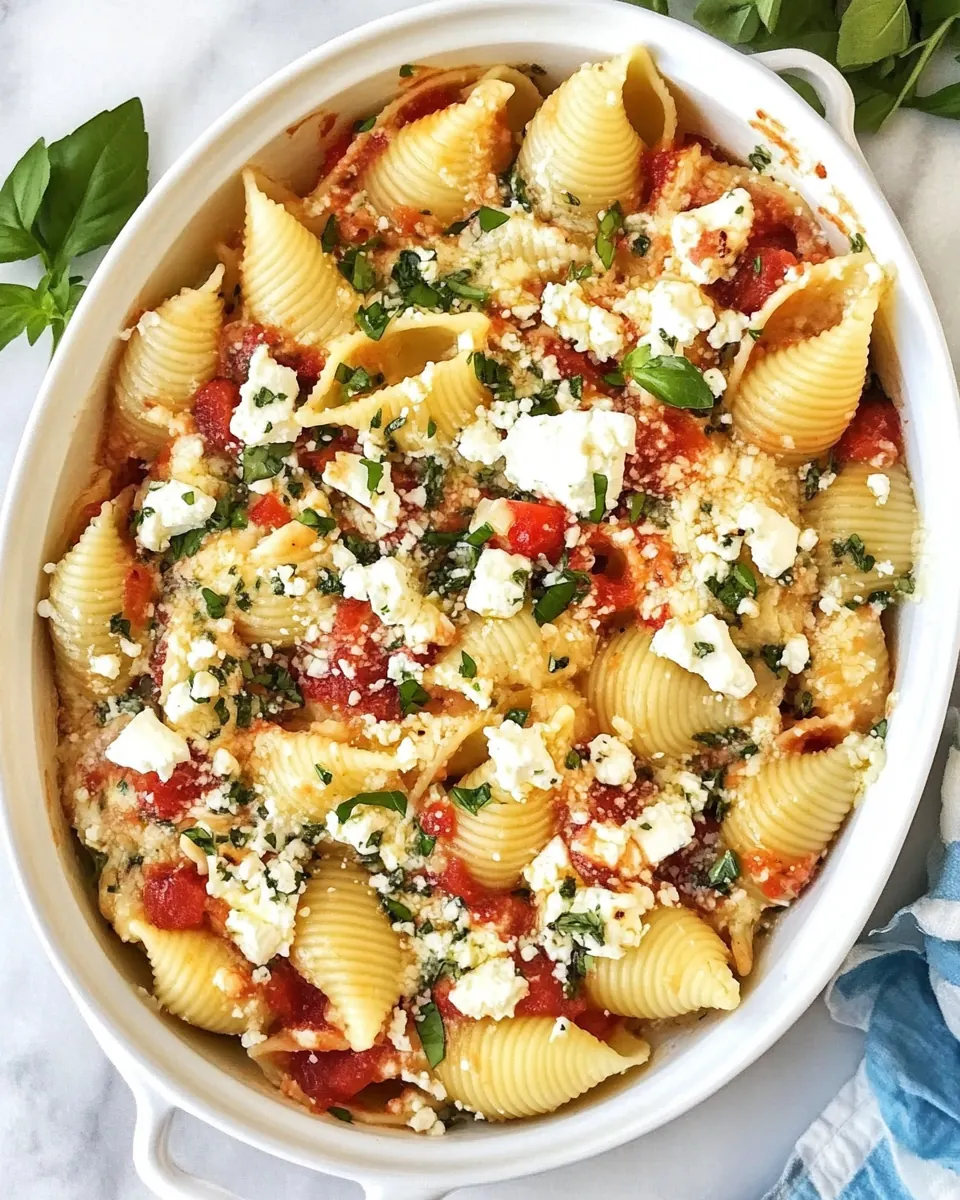
Pasta Shells with Feta and Herbs
Pasta Shells with Feta and Herbs first stole my attention on a humid summer evening when I wanted something comforting yet bright, simple yet a little special. I remember juggling a grocery bag, a toddler on my hip, and an eager craving for something cheesy and herbal; this dish fit the bill, and it became an instant favorite. The contrast between the pillowy pasta shells and the tangy crumbled feta cheese felt like a tiny triumph after a long day, and I kept coming back to it for weeknight dinners and lazy weekend gatherings.
That night I improvised with a jar of tomatoes and a handful of fresh herbs from my windowsill, and the result felt celebratory without being fussy. Over time I refined the balance of creamy ricotta cheese with bright basil and sharp feta cheese, and I learned that a long gentle simmer of the sauce makes all the difference. Now whenever I want to feed a crowd with minimal stress, I reach for this recipe: it scales well, it tastes even better the next day, and it always brings people together around the table.
Recipe Snapshot
2 hr 50 mins
60 mins
110 mins
Hard
400 kcal
Italian
Gluten-Free, Paleo
Dinner
Large saucepan, Medium bowl, Large pot, 13×9-inch glass baking dish, Oven
Why We Love This Pasta Shells with Feta and Herbs
Comfort with Character
I love how Pasta Shells with Feta and Herbs delivers that warm, cozy feeling while staying lively. The combination of creamy ricotta cheese and crumbly feta cheese creates a texture contrast that feels indulgent but not heavy. When I serve it, people immediately comment on the bright herb notes, and that balance keeps me reaching for this dish again and again.
Make Ahead Friendly
One reason I champion this recipe is its flexibility. You can prepare the sauce a day ahead, and the flavors deepen overnight. I often assemble everything and refrigerate it until the next day, which makes hosting effortless. That small time investment yields big returns when guests arrive and I can focus on conversation, not last minute prep.
Great for Gathering
This recipe stretches wonderfully, so it is ideal for feeding a group. I once made two baking dishes for a casual potluck and the dish disappeared fast. The format of stuffed pasta shells is inherently shareable, and people love serving themselves straight from the pan, which keeps the vibe relaxed and homey.
Herb Forward, Not Overbearing
Fresh basil and chopped chives lift the whole dish, giving it brightness that keeps it from feeling one note. I always add the herbs at the end of the sauce cooking to preserve their perfume. This small timing trick is why the flavors stay fresh and aromatic rather than cooked down to nothingness.
Kid Friendly Yet Sophisticated
Finally, I adore how approachable this dish is for picky eaters while still pleasing adults. The texture of the stuffed shells comforts little hands, while the salty tang of feta cheese gives grownups something to talk about. It’s one of those rare recipes that crosses generations easily, which is why it’s a staple in my kitchen.
Ingredients to Make Pasta Shells with Feta and Herbs
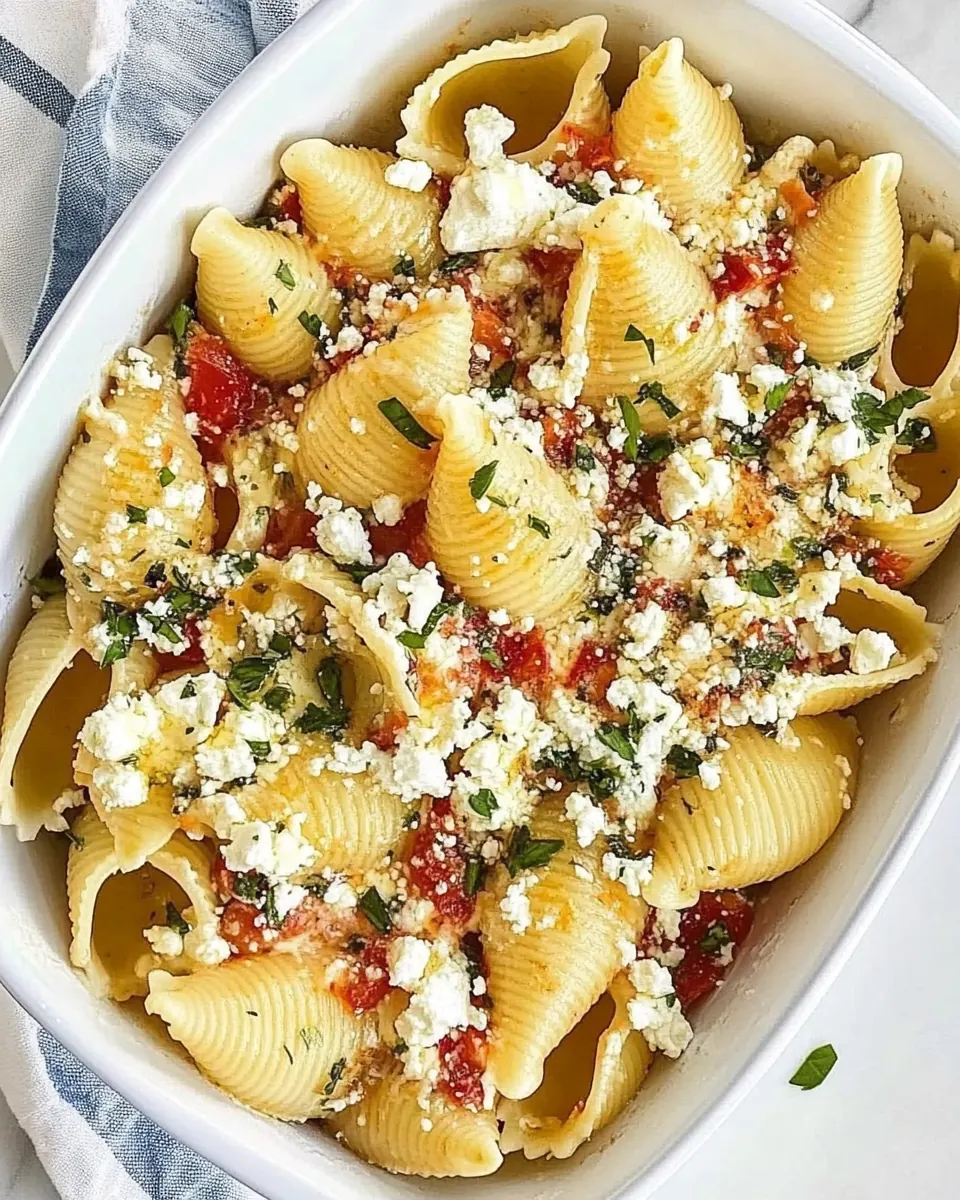
These ingredients come together with a clear philosophy: soft, creamy fillings meet a bright tomato sauce and fresh herbs to create contrast in texture and flavor. The key players are the tomatoes that provide body and acidity, the combination of ricotta cheese and feta cheese that bring creaminess and tang, and the fresh basil and chives that lift everything with herbal perfume. Each item has a job, and when assembled correctly the result is comforting, balanced, and memorable.
- 2 tablespoons extra virgin olive oil: Sauté gently to create a flavorful base for the sauce, releasing fruity and peppery notes that enrich the overall dish. Use high-quality extra virgin olive oil to add smooth mouthfeel and help carry the aromatics throughout the sauce.
- 1 medium onion, chopped: Sweat slowly to soften and sweeten, building savory depth and texture for the tomato sauce. Chop uniformly so the onion melds evenly with garlic and herbs without overpowering the filling.
- 2 medium garlic cloves, minced: Mince finely to distribute pungent, aromatic flavor throughout the sauce and filling, providing a bright, savory lift. Add during sautéing to bloom its oils and enhance the overall fragrance of the dish.
- 1/4 teaspoon crushed red pepper: Sprinkle sparingly to add gentle heat and a subtle smoky bite that balances the creaminess of the cheeses. Adjust quantity to taste to control the warmth without overwhelming the other flavors.
- Two 28-ounce cans chopped tomatoes (with juices): Simmer down to form the saucy backbone, offering acidity, body, and sweet tomato flavor from both pulp and juices. Use the canned chopped tomatoes for consistency and convenience, allowing long simmering to concentrate flavors.
- 1 cup chopped fresh basil: Fold in at the end to provide fresh herbal brightness and a fragrant contrast to the rich cheeses and tomatoes. Chop coarsely and reserve some for garnish to maintain lively green notes throughout the dish.
- Two 15-ounce containers ricotta cheese: Combine smoothly into the filling to contribute creamy structure, mild tang, and moisture that helps bind the stuffed shells. Use full-fat ricotta for a luxuriously rich texture that complements the feta and eggs.
- 14 ounces crumbled feta cheese, divided: Crumble and divide to deliver pronounced salty, tangy, and savory character, with part mixed into the filling and part sprinkled on top for a briny finish. Choose a high-quality feta to provide crumbly texture and bold flavor throughout the recipe.
- 1/2 cup chopped fresh basil: Fold in to echo and reinforce the herbal freshness already present, intensifying basil aroma within the sauce or filling. Use chopped basil to layer green, sweet, and slightly peppery notes that brighten the assembled dish.
- 2 bunches fresh chives, chopped: Chop finely to add delicate oniony-sweetness and mild allium flavor, providing a fresh, grassy finish when sprinkled over the baked shells. Use the chives both in the filling and as a garnish to introduce color and subtle tang.
- 2 large eggs: Whisk thoroughly to bind the cheeses and help the filling set during baking, contributing richness and a tender, custardy interior. Beat until smooth so the eggs integrate evenly and build structure without curdling.
- 12 ounces jumbo pasta shells: Boil until al dente to serve as vessels for the ricotta–feta-herb filling, offering tender chew and enough surface area to hold sauce and cheese. Choose jumbo shells for ample filling capacity and to create an impressive plated presentation.
How to Cook Pasta Shells with Feta and Herbs
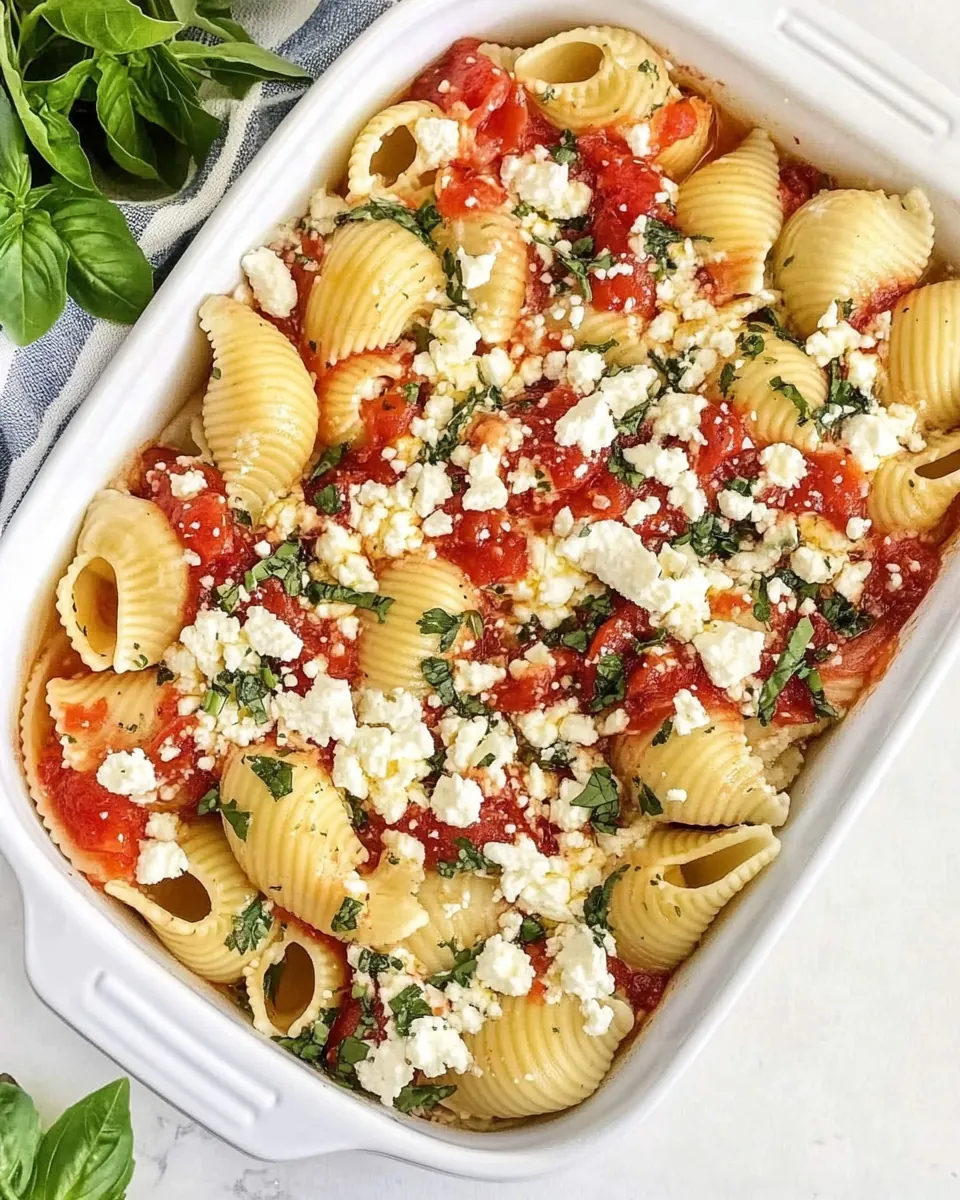
This recipe is a comforting assembly of a simmered tomato sauce, a creamy herbed filling, and baked stuffed shells. I like to move methodically, savoring the smells as the sauce reduces and the cheese filling comes together. Below I walk through each step with sensory cues, reasons why the technique matters, and common pitfalls so you can feel confident at the stove and in the oven.
- In a large saucepan over medium heat, heat the oil, and add the onion; sauté 5 minutes. Add the garlic and sauté until the onion is tender, about 5 minutes. Add the crushed red pepper and sauté 30 seconds. Add the tomatoes. Simmer until the sauce is reduced to 5 cups, stirring occasionally, about 1 hour. Season to taste with salt and pepper. Remove from heat and mix in the fresh basil.: The moment the extra virgin olive oil warms and moves like liquid glass is when you know the pan is ready, and adding the onion produces a soft sizzling sound as the edges turn translucent. This gentle sauté releases sweet aromatic compounds that form the flavor base of the sauce, and taking five minutes to coax the onion into softness avoids harsh raw notes. Watch the color closely, because if the onion begins to brown rapidly you have the heat too high and will risk developing bitter flavors. Stir occasionally so each piece softens evenly, and if pieces start to stick add a splash of water to deglaze and prevent scorching.
- In a medium bowl, combine the ricotta, 1 1/3 cups of the feta cheese, basil and chives. Season to taste with salt and pepper. Stir in the eggs.: As you stir in the minced garlic , inhale the immediate burst of warmth that signals the aromatics are coming together. The garlic softens and melds rather than standing alone, which deepens the savory backbone of the sauce. This step is about timing more than temperature; keep the heat moderate to prevent the garlic from turning brown and bitter. If you detect an acrid smell, remove the pan from heat briefly to cool and then continue, since burnt garlic is hard to rescue.
- Cook the shells in large pot of boiling salted water until just tender but still firm to bite. Drain. Rinse with cold water until cool. Drain thoroughly.: The momentary addition of crushed red pepper releases a background of gentle heat, and you should sense a faint lift in the aroma within seconds. Sautéing for just thirty seconds blooms the pepper without overpowering, letting it infuse the oil and aromatics. Overcooking here can amplify heat and overshadow the herbs and cheeses, so be watchful and move on to the next step promptly.
- Preheat oven to 350 degrees F.: When you pour in the canned tomatoes you will hear a gentle bubbling that slowly evolves into a steady simmer, and over the course of about an hour the sauce will thicken and darken as excess water evaporates. The simmer concentrates sweetness and acidity, producing a sauce that clings to the shells rather than sliding off. Stir occasionally to prevent sticking, and note the visual cue of a glossy, slightly reduced surface; when it measures roughly five cups in volume the flavors will be nicely concentrated. Seasoning with salt and pepper is essential to balance the acidity, and folding in the fresh basil at the end preserves its green perfume. A common mistake is rushing the reduction, which leaves a watery sauce that fails to coat the pasta shells .
- Spread 3/4 cup of sauce in the bottom of each of two 13×9-inch glass baking dishes. Fill 30 shells and divide between the dishes. Top with the remaining sauce and sprinkle with remaining feta.: The filling comes alive when you mix the creamy ricotta cheese with the salty, crumbly feta cheese , bright chopped basil , and verdant chives . As you fold in the eggs , you will notice the mixture take on a silkier, more cohesive texture that will firm up during baking, so gentle folding is key to retain creaminess. Season carefully because the feta cheese already contributes saltiness; taste before adding more salt to avoid oversalting. Overmixing can break down the cheese structure and make the filling runny, so stop when the ingredients are evenly combined and still slightly lumpy.
- Bake until the shells are heated through, about 40 minutes. Garnish with additional basil leaves.: Bring a large pot of water to a vigorous boil, add enough salt so it tastes like the sea, and cook the jumbo pasta shells until they are al dente, where they yield to pressure but retain a slight resistance. The boiling water should produce steady rolling bubbles and a lively sound; timing matters because overcooked shells become fragile and can tear when stuffed. Immediately rinse them with cold water to stop cooking and to make them cool enough to handle; this step also prevents sticking. Drain thoroughly so excess water does not dilute the filling or make the dish watery when assembled. A frequent error is underdraining, which leads to a soggy casserole.
- Preheat oven to 350 degrees F: Preheating the oven ensures even baking and that the filling sets properly once the shells go in. When you set the oven to 350 degrees F , allow ample time for it to reach temperature so the initial bake isn’t compromised by a cold start. A reliable oven thermometer helps verify actual temperature, because inaccurate heat can result in underbaked centers or overly browned tops. Avoid opening the oven repeatedly during the first part of baking, as this causes temperature fluctuations that affect the texture.
- Spread 3/4 cup of sauce in the bottom of each of two 13×9-inch glass baking dishes fill 30 shells and divide between the dishes top with the remaining sauce and sprinkle with remaining feta: When you spread the sauce into the bottom of the baking dishes it prevents sticking and creates a flavorful bed for the shells, and the gloss of the sauce is a visual cue that it is properly reduced. Fill each cooled pasta shell with the cheese mixture so the interior is creamy and slightly domed, then nestle them into the sauced dish. Spoon the remaining sauce over the shells so each one is covered, and scatter the reserved feta cheese on top for salty, golden pockets after baking. Take care not to overcrowd the pans, and if a shell cracks during filling tuck it seam side down so the filling stays put. Overfilling shells can cause the filling to spill and burn at the edges.
- Bake until the shells are heated through about 40 minutes garnish with additional basil leaves: As the casserole bakes you will notice a gentle bubbling sound and an aroma of roasted tomatoes and warmed cheeses rising from the oven, and the surface will take on a slight browning where the feta cheese crisps. The eggs in the filling will set so the interior becomes sliceable but still creamy. Check for hot bubbling and a warm center to ensure doneness; if the edges brown too quickly, tent with foil to prevent burning. Garnish with extra fresh basil leaves for a final green perfume before serving.
Tips for Success
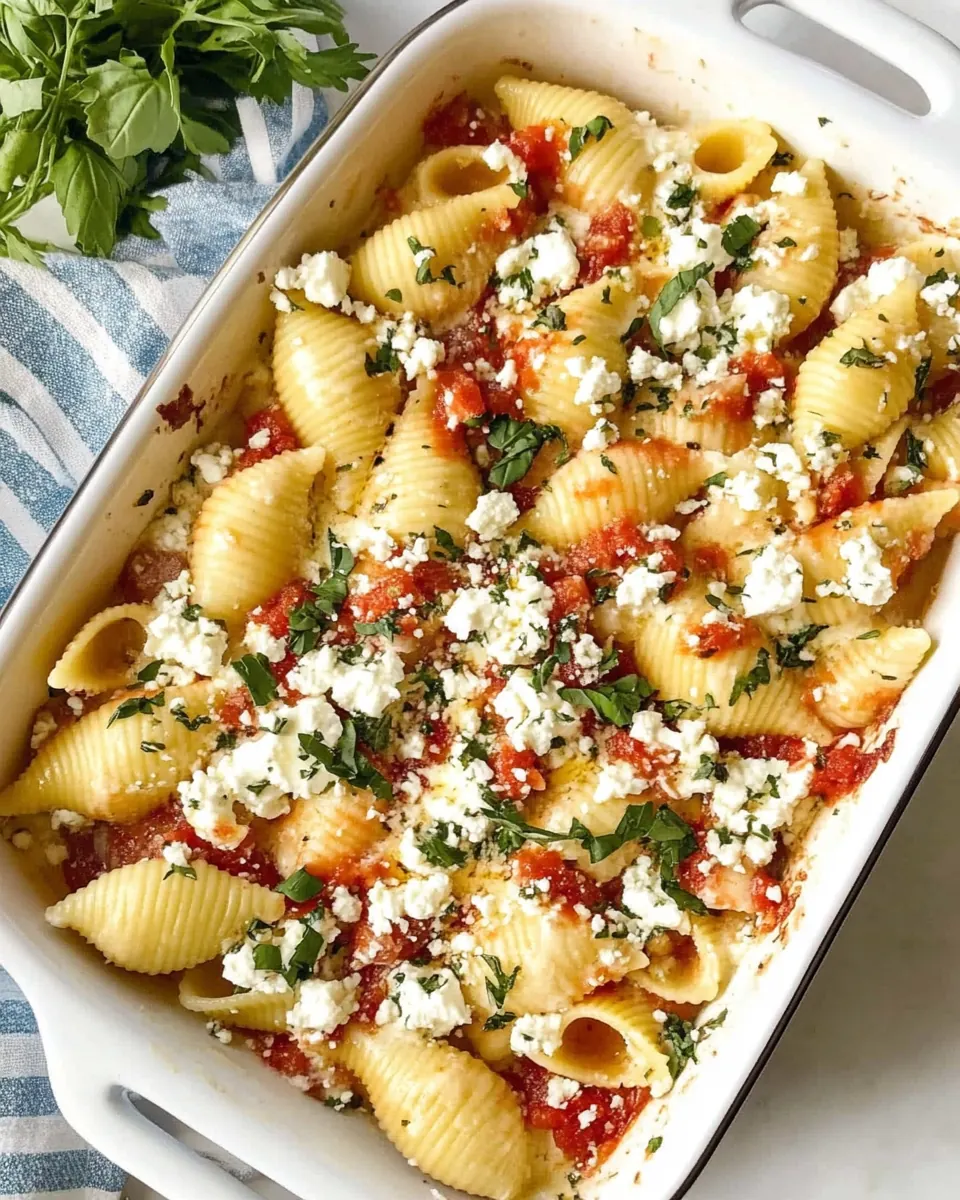
I find that a few focused techniques make the difference between good and memorable results. These tips cover timing, seasoning, and small tricks that save time while boosting flavor. Read them before you start to streamline the process and avoid common pitfalls.
- Use quality canned tomatoes because they set the flavor foundation; good tomatoes have bright acidity and natural sweetness that concentrate as the sauce reduces.
- Salt the pasta water generously so the shells absorb seasoning from the inside out, which enhances the overall dish without overloading the filling with salt.
- Don’t overmix the filling to preserve a pleasant, slightly curdy texture that contrasts nicely with the smooth sauce.
- Prep the sauce ahead when you have time, as the flavors meld overnight and make assembly day faster and less stressful.
- Tent with foil if the top browns too fast during baking to ensure the centers heat through without burning the cheese topping.
Serving Suggestions
This dish is best served warm and shared. I like to present it straight from the baking dishes so people can help themselves. Think about complementary sides and occasions where the dish’s communal nature shines, and plan small details that elevate the meal without extra fuss.
- Serve with a crisp green salad to add a refreshing crunch and balance the richness of the cheeses.
- Offer garlic bread or warm crusty bread for sopping up the extra sauce and creating a satisfying, hand friendly addition.
- Ideal for casual dinners and family gatherings where you want something homemade and comforting without fuss.
- Store leftovers in an airtight container in the refrigerator for up to three days and reheat gently in the oven to preserve texture.
- For seasonal summer meals serve with a simple tomato and cucumber salad to echo the fresh herbal notes in the dish.
FAQ
Conclusion
What makes this dish special is the way creamy cheeses and bright herbs play against a slowly reduced tomato sauce, creating a layered, balanced comfort meal. Try it when you want something that feeds a crowd with minimal stress but maximum flavor, because the components can be prepared ahead and it reheats beautifully. I hope this recipe becomes one of those dishes you return to often; it’s reliable, homey, and unfussy, and it brings satisfying warmth to the table without a lot of last minute effort.
Pasta Shells with Feta and Herbs
Equipment
- Large saucepan
- Medium Bowl
- Large Pot
- 13x9-inch glass baking dish
- Oven
Ingredients
- 2 tablespoons extra virgin olive oil Sauté gently to create a flavorful base for the sauce, releasing fruity and peppery notes that enrich the overall dish. Use high-quality extra virgin olive oil to add smooth mouthfeel and help carry the aromatics throughout the sauce.
- 1 medium onion, chopped Sweat slowly to soften and sweeten, building savory depth and texture for the tomato sauce. Chop uniformly so the onion melds evenly with garlic and herbs without overpowering the filling.
- 2 medium garlic cloves, minced Mince finely to distribute pungent, aromatic flavor throughout the sauce and filling, providing a bright, savory lift. Add during sautéing to bloom its oils and enhance the overall fragrance of the dish.
- 1/4 teaspoon crushed red pepper Sprinkle sparingly to add gentle heat and a subtle smoky bite that balances the creaminess of the cheeses. Adjust quantity to taste to control the warmth without overwhelming the other flavors.
- Two 28-ounce cans chopped tomatoes (with juices) Simmer down to form the saucy backbone, offering acidity, body, and sweet tomato flavor from both pulp and juices. Use the canned chopped tomatoes for consistency and convenience, allowing long simmering to concentrate flavors.
- 1 cup chopped fresh basil Fold in at the end to provide fresh herbal brightness and a fragrant contrast to the rich cheeses and tomatoes. Chop coarsely and reserve some for garnish to maintain lively green notes throughout the dish.
- Two 15-ounce containers ricotta cheese Combine smoothly into the filling to contribute creamy structure, mild tang, and moisture that helps bind the stuffed shells. Use full-fat ricotta for a luxuriously rich texture that complements the feta and eggs.
- 14 ounces crumbled feta cheese, divided Crumble and divide to deliver pronounced salty, tangy, and savory character, with part mixed into the filling and part sprinkled on top for a briny finish. Choose a high-quality feta to provide crumbly texture and bold flavor throughout the recipe.
- 1/2 cup chopped fresh basil Fold in to echo and reinforce the herbal freshness already present, intensifying basil aroma within the sauce or filling. Use chopped basil to layer green, sweet, and slightly peppery notes that brighten the assembled dish.
- 2 bunches fresh chives, chopped Chop finely to add delicate oniony-sweetness and mild allium flavor, providing a fresh, grassy finish when sprinkled over the baked shells. Use the chives both in the filling and as a garnish to introduce color and subtle tang.
- 2 large eggs Whisk thoroughly to bind the cheeses and help the filling set during baking, contributing richness and a tender, custardy interior. Beat until smooth so the eggs integrate evenly and build structure without curdling.
- 12 ounces jumbo pasta shells Boil until al dente to serve as vessels for the ricotta-feta-herb filling, offering tender chew and enough surface area to hold sauce and cheese. Choose jumbo shells for ample filling capacity and to create an impressive plated presentation.
Instructions
- In a large saucepan over medium heat, heat the oil, and add the onion; sauté 5 minutes. Add the garlic and sauté until the onion is tender, about 5 minutes. Add the crushed red pepper and sauté 30 seconds. Add the tomatoes. Simmer until the sauce is reduced to 5 cups, stirring occasionally, about 1 hour. Season to taste with salt and pepper. Remove from heat and mix in the fresh basil.: The moment the extra virgin olive oil warms and moves like liquid glass is when you know the pan is ready, and adding the onion produces a soft sizzling sound as the edges turn translucent. This gentle sauté releases sweet aromatic compounds that form the flavor base of the sauce, and taking five minutes to coax the onion into softness avoids harsh raw notes. Watch the color closely, because if the onion begins to brown rapidly you have the heat too high and will risk developing bitter flavors. Stir occasionally so each piece softens evenly, and if pieces start to stick add a splash of water to deglaze and prevent scorching.
- In a medium bowl, combine the ricotta, 1 1/3 cups of the feta cheese, basil and chives. Season to taste with salt and pepper. Stir in the eggs.: As you stir in the minced garlic , inhale the immediate burst of warmth that signals the aromatics are coming together. The garlic softens and melds rather than standing alone, which deepens the savory backbone of the sauce. This step is about timing more than temperature; keep the heat moderate to prevent the garlic from turning brown and bitter. If you detect an acrid smell, remove the pan from heat briefly to cool and then continue, since burnt garlic is hard to rescue.
- Cook the shells in large pot of boiling salted water until just tender but still firm to bite. Drain. Rinse with cold water until cool. Drain thoroughly.: The momentary addition of crushed red pepper releases a background of gentle heat, and you should sense a faint lift in the aroma within seconds. Sautéing for just thirty seconds blooms the pepper without overpowering, letting it infuse the oil and aromatics. Overcooking here can amplify heat and overshadow the herbs and cheeses, so be watchful and move on to the next step promptly.
- Preheat oven to 350 degrees F.: When you pour in the canned tomatoes you will hear a gentle bubbling that slowly evolves into a steady simmer, and over the course of about an hour the sauce will thicken and darken as excess water evaporates. The simmer concentrates sweetness and acidity, producing a sauce that clings to the shells rather than sliding off. Stir occasionally to prevent sticking, and note the visual cue of a glossy, slightly reduced surface; when it measures roughly five cups in volume the flavors will be nicely concentrated. Seasoning with salt and pepper is essential to balance the acidity, and folding in the fresh basil at the end preserves its green perfume. A common mistake is rushing the reduction, which leaves a watery sauce that fails to coat the pasta shells .
- Spread 3/4 cup of sauce in the bottom of each of two 13×9-inch glass baking dishes. Fill 30 shells and divide between the dishes. Top with the remaining sauce and sprinkle with remaining feta.: The filling comes alive when you mix the creamy ricotta cheese with the salty, crumbly feta cheese , bright chopped basil , and verdant chives . As you fold in the eggs , you will notice the mixture take on a silkier, more cohesive texture that will firm up during baking, so gentle folding is key to retain creaminess. Season carefully because the feta cheese already contributes saltiness; taste before adding more salt to avoid oversalting. Overmixing can break down the cheese structure and make the filling runny, so stop when the ingredients are evenly combined and still slightly lumpy.
- Bake until the shells are heated through, about 40 minutes. Garnish with additional basil leaves.: Bring a large pot of water to a vigorous boil, add enough salt so it tastes like the sea, and cook the jumbo pasta shells until they are al dente, where they yield to pressure but retain a slight resistance. The boiling water should produce steady rolling bubbles and a lively sound; timing matters because overcooked shells become fragile and can tear when stuffed. Immediately rinse them with cold water to stop cooking and to make them cool enough to handle; this step also prevents sticking. Drain thoroughly so excess water does not dilute the filling or make the dish watery when assembled. A frequent error is underdraining, which leads to a soggy casserole.
- Preheat oven to 350 degrees F: Preheating the oven ensures even baking and that the filling sets properly once the shells go in. When you set the oven to 350 degrees F , allow ample time for it to reach temperature so the initial bake isn’t compromised by a cold start. A reliable oven thermometer helps verify actual temperature, because inaccurate heat can result in underbaked centers or overly browned tops. Avoid opening the oven repeatedly during the first part of baking, as this causes temperature fluctuations that affect the texture.
- Spread 3/4 cup of sauce in the bottom of each of two 13×9-inch glass baking dishes fill 30 shells and divide between the dishes top with the remaining sauce and sprinkle with remaining feta: When you spread the sauce into the bottom of the baking dishes it prevents sticking and creates a flavorful bed for the shells, and the gloss of the sauce is a visual cue that it is properly reduced. Fill each cooled pasta shell with the cheese mixture so the interior is creamy and slightly domed, then nestle them into the sauced dish. Spoon the remaining sauce over the shells so each one is covered, and scatter the reserved feta cheese on top for salty, golden pockets after baking. Take care not to overcrowd the pans, and if a shell cracks during filling tuck it seam side down so the filling stays put. Overfilling shells can cause the filling to spill and burn at the edges.
- Bake until the shells are heated through about 40 minutes garnish with additional basil leaves: As the casserole bakes you will notice a gentle bubbling sound and an aroma of roasted tomatoes and warmed cheeses rising from the oven, and the surface will take on a slight browning where the feta cheese crisps. The eggs in the filling will set so the interior becomes sliceable but still creamy. Check for hot bubbling and a warm center to ensure doneness; if the edges brown too quickly, tent with foil to prevent burning. Garnish with extra fresh basil leaves for a final green perfume before serving.
Notes
- Use quality canned tomatoes because they set the flavor foundation; good tomatoes have bright acidity and natural sweetness that concentrate as the sauce reduces.
- Salt the pasta water generously so the shells absorb seasoning from the inside out, which enhances the overall dish without overloading the filling with salt.
- Don’t overmix the filling to preserve a pleasant, slightly curdy texture that contrasts nicely with the smooth sauce.
- Prep the sauce ahead when you have time, as the flavors meld overnight and make assembly day faster and less stressful.
- Tent with foil if the top browns too fast during baking to ensure the centers heat through without burning the cheese topping.