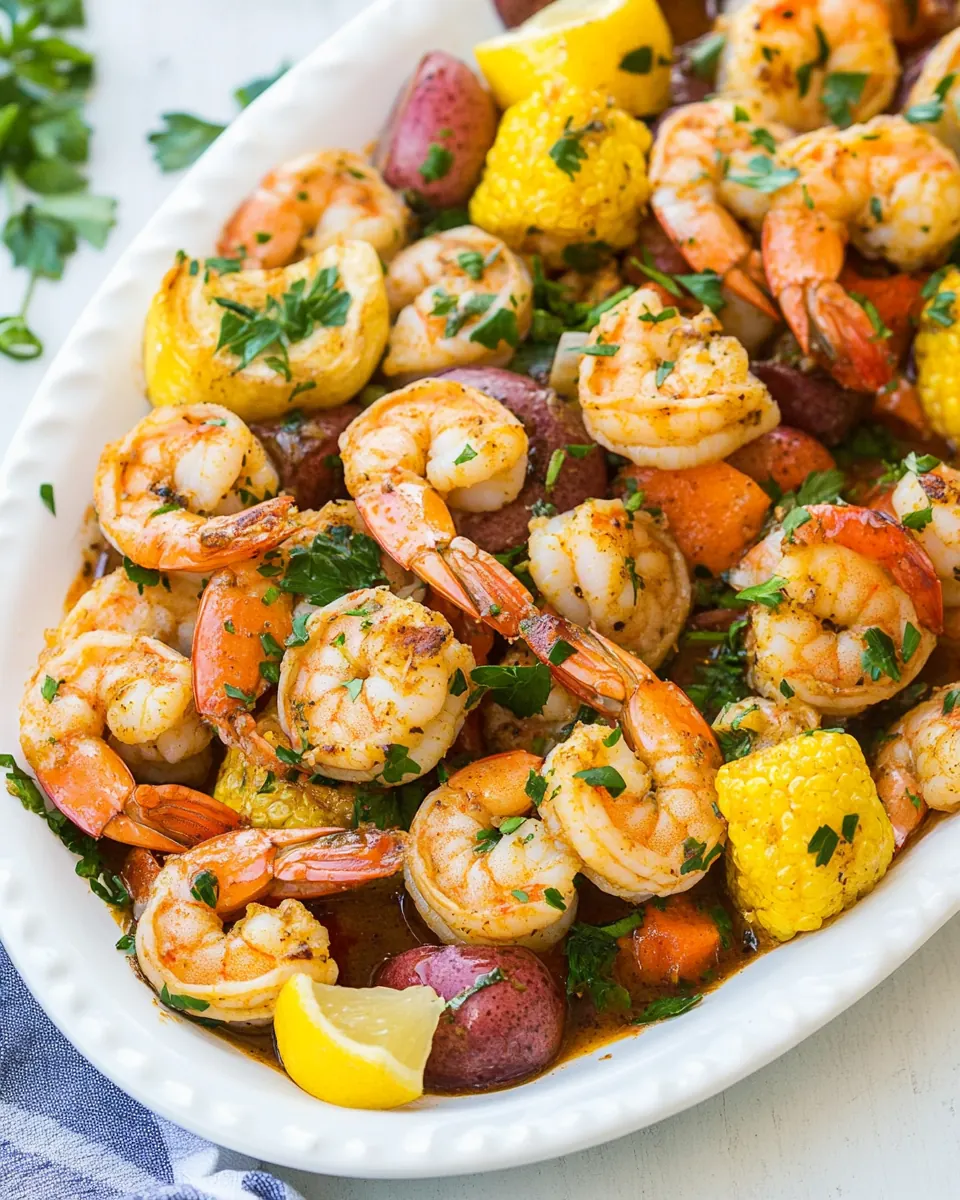
Shrimp Boil
Shrimp Boil is one of those recipes that always brings people together, and I remember the first time I learned to cook it on a sunburnt porch with a newspaper covered table and laughter all around. The aroma of the spices and the sound of the bubbling pot felt like a live invitation to friends and family, and that evening taught me how simple ingredients can create a memorable feast.
Years later I make Shrimp Boil whenever we want a relaxed, hands on meal that doubles as a party. I love how the process is communal, each person grabbing a cob of corn or a forkful of potatoes, and everyone leaning in to taste. There is a rhythm to it, from building the seasoned broth to the final drizzle of butter and squeeze of lemon, and it always feels celebratory without being fussy.
What keeps me coming back to Shrimp Boil is the balance of textures and bright citrus finish, it hits salty, sweet, and herbal notes in one spread. When I serve this, I like to tell the story of the pot and how everyone helped, because food is better with memory attached to it. If you like casual gatherings where the food is the centerpiece and conversation flows, you will see why this simple coastal feast has a permanent spot in my rotation.
Recipe Snapshot
50 mins
20 mins
30 mins
Medium
400 kcal
American
Gluten-Free, Paleo
Dinner
Large pot, Colander, Serving platter
Why This Shrimp Boil Stands Out
Comforting communal meal
I love that Shrimp Boil is essentially a social event, not just a recipe. When you lift the lid and steam rises, people gather. That shared experience makes a weeknight feel like a celebration, and I often choose this when friends drop by unannounced.
Bright, layered flavor
The seasoned broth, built with Old Bay seasoning, whole garlic bulb, and wedges of onion, infuses the potatoes, corn, sausage, and shrimp with savory depth. I appreciate how each ingredient picks up and amplifies the spices, giving every bite that ocean forward, herb kissed taste.
Flexible and forgiving
One of the reasons I recommend Shrimp Boil is how forgiving it is. If your potatoes take a minute longer to tenderize or the shrimp cooks a bit faster, the communal style hides small timing slips. I often reserve a little broth to adjust final seasoning, and that tiny detail rescues many batches.
Great for seasonal gatherings
Summer is perfect for this recipe, because fresh corn and lively outdoor gatherings pair so well with a big steaming pot. I like that it’s portable too, you can cook it in a backyard and spread it on a table for an informal feast.
Simple finishing touches elevate it
A drizzle of melted butter, a squeeze of lemon juice, and a sprinkle of fresh parsley transform the pot from rustic to refined. I always tell guests to taste as they go, because those final adjustments make the dish sing.
Key Ingredients for Shrimp Boil
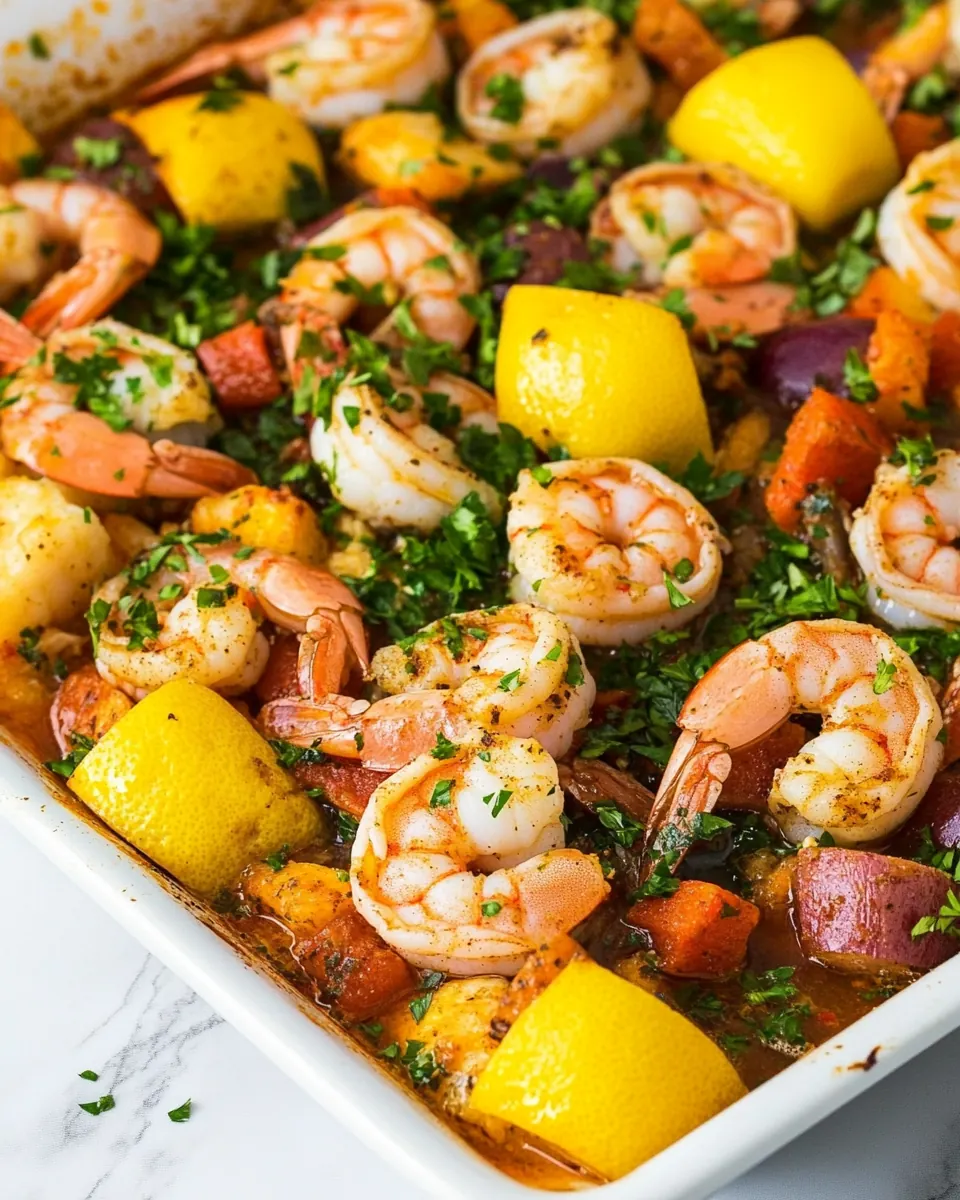
These ingredients form a straightforward, purposeful team. The spiced broth creates a cooking medium that carries flavor into each component, while the starch from the potatoes and sweetness from the corn balance the savory sausage and briny shrimp. The finishing butter, lemon, and parsley bring brightness and mouthfeel so every bite is interesting.
- 4 quarts water: Boil vigorously to create the cooking liquid base and ensure even heat distribution for cooking seafood and vegetables; provides the medium to infuse seasonings and extract flavors from aromatics; measure accurately to cover ingredients in the pot and maintain a rolling boil throughout the cook time.
- 1 large red onion or yellow onion, sliced into 4 – 6 wedges: Slice thinly and add early to the pot to impart a mild sweet and savory aroma; release natural sugars and mellow sharpness as it simmers, contributing to the overall savory broth; keep wedges intact to make them easy to remove and to deliver subtle flavor without disintegrating.
- 1 garlic bulb (whole head), halved horizontally: Smash or halve and submerge to release concentrated garlic aroma and savory depth into the boiling liquid; contribute mellow roasted notes when simmered and help layer umami in the broth; include cloves within the head to avoid scattering small pieces throughout the boil.
- 1/2 cup Old Bay seasoning: Season liberally to deliver classic coastal spice character and provide heat, paprika, celery, and herb notes throughout the cooking liquid; dissolve into the water so flavors permeate potatoes, corn, sausage, and shrimp; adjust amount cautiously for preferred spice intensity.
- 1 1/2 tbsp fresh thyme leaves (or 1 1/2 tsp dried): Sprinkle or tie into a small bundle to add fresh herbaceous, slightly lemony and earthy notes to the boil; use fresh leaves for brighter flavor or dried in smaller quantity for convenience; balance with other seasonings to support overall aromatic profile.
- 1 1/2 lb s medium red potatoes, cut into fourths: Cut into even fourths and add early to the pot so they cook through and absorb seasoned broth; provide hearty texture and starch to the dish, helping thicken and balance the spicy, savory components; choose even-sized pieces to ensure uniform doneness.
- Salt and pepper to taste: Season generously to enhance and balance overall flavors, adjusting salt to personal preference and adding freshly ground pepper for subtle heat; use during boiling to bring out natural flavors of seafood and vegetables; taste the broth and adjust just before serving.
- 4 ears corn, husked, cut into fourths or broken into halves: Husk and cut into pieces to release sweet corn flavor into the boil and provide contrasting texture and natural sweetness; add with potatoes or midway so kernels cook tender but remain firm; break or slice for easier serving and even infusion.
- 14 oz . andouille sausage, sliced into 1-inch thick pieces: Slice into rounds and add to the pot to contribute smoky, spicy, and savory meatiness to the broth; release rendered fat and seasoning into the cooking liquid, enriching the flavor of potatoes and shrimp; choose thick slices so they hold texture during boiling.
- 1 1/2 lbs shrimp, deveined, peeled if preferred: Peel and devein as preferred and add near the end to cook until just opaque, preventing toughness; deliver sweet, briny seafood flavor and tender texture when timed correctly; handle gently to preserve plumpness and avoid overcooking.
- 6 tbsp unsalted butter, melted: Melt and drizzle or toss with the finished shrimp and vegetables to add rich, creamy mouthfeel and carry seasonings; incorporate into a finishing sauce with lemon and parsley for glossy coating; use unsalted to control final dish salt level.
- 2 tbsp fresh lemon juice, or more to taste: Squeeze fresh for vibrant acidity to brighten and cut through richness, balancing butter and sausage flavors; add to the cooked ingredients or to the butter sauce and adjust to taste for preferred tang; use freshly squeezed rather than bottled for best flavor.
- 2 tbsp minced fresh parsley: Chop finely and sprinkle as a finishing herb to provide fresh, grassy brightness and visual contrast; stir into melted butter or scatter over the plated boil to add color and a light herbal note; use generous amount for aromatic lift.
How to Prepare Shrimp Boil
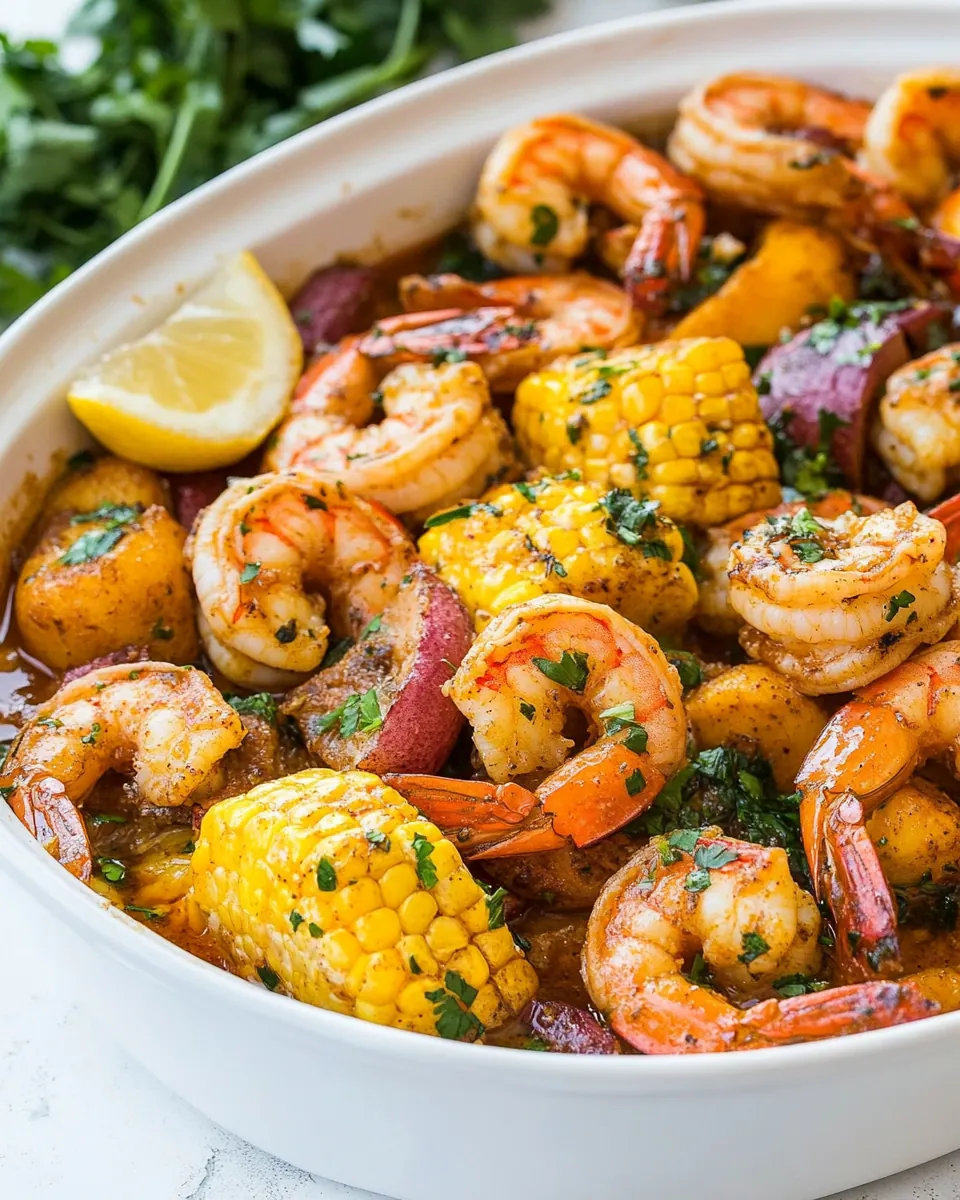
Follow the recipe steps in order and pay close attention to timing because each component has its ideal doneness. The directions below expand into detailed cues so you know what to look, smell, and listen for while building layers of flavor.
- Fill a large pot (about 12 quart) with 4 quarts water. Stir in onion, garlic, Old Bay seasoning, and thyme. Bring mixture to a boil over medium-high heat.: The moment you add water and set it to heat you should sense the kitchen beginning to change, a faint mineral smell as the liquid warms. Use a pot that leaves room for volume, because adding cold potatoes and corn drops the temperature. The reason for plenty of water is even heat distribution, which helps everything reach the right texture at the same time. A common mistake is using too small a pot which causes boiling over, or uneven cooking. You'll hear the first gentle bubble as it comes to a simmer, and when it reaches a rolling boil the surface will be actively moving, not just occasional bubbles.
- Add potatoes and season with salt (I use 1 Tbsp). Let cook until potatoes are about nearing tender, about 10 – 15 minutes.: As the aromatics hit the hot water the steam carries their scent throughout the kitchen, sweet onion notes and a garlicky warmth. Stirring early unlocks flavors into the broth so the potatoes and other items absorb them while cooking. This technique matters because it builds a deep, unified flavor profile rather than seasoning ingredients separately. Avoid adding spices only at the end, which gives a one dimensional taste. You should see the broth take on a faint golden or brown hue from the Old Bay seasoning .
- Add corn and continue to cook 3 minutes. Add sausage and cook 4 minutes longer.: A full boil forces flavors into the ingredients faster, and the bubbling surface ensures consistent heat. Watch for vigorous bubbles and steady steam release, that indicates you can proceed to add solids. If you keep the heat too low the cooking will be slow and the potatoes may release starch making the broth cloudy. If the pot boils too violently, reduce to a steady boil to avoid spillover.
- Gently stir in shrimp and cook until just opaque and pink, about 1 – 2 minutes.: When the potatoes hit the boiling broth you will hear a dip in the simmer as the temperature adjusts, then the active bubbling returns. The potatoes absorb liquid and seasoning, becoming tender and full of flavor. I use about 1 tablespoon of salt, but add gradually if you prefer lighter seasoning. A typical error is under cutting the potatoes uniformly, causing uneven doneness. Visually, they will start to look slightly translucent at the edges when nearing tenderness.
- Drain mixture (you can reserve 1/4 cup of the broth if you'd like for serving). Spread over an extra large serving platter or a baking sheet.: During this time you will notice the broth smell deepen and starch will slightly thicken the surface. Test doneness by inserting a fork into the largest piece, it should meet little resistance but not collapse. This timing matters because potatoes that are undercooked will be hard and overcooked will fall apart when you stir later. If the fork slides in but the potato holds shape, you are at the sweet spot.
- Drizzle with butter and lemon juice. Sprinkle with parsley, Old Bay seasoning and pepper to taste, and serve warm.: Adding the corn after the potatoes ensures it keeps some texture and sweetness. In three minutes the kernels will become tender yet still pop when bitten. You should hear a softer simmer, and the corn will release a sweet, grassy aroma. Leaving it in much longer makes it mealy and dulls its flavor.
- Add sausage and cook 4 minutes longer: Introducing the sausage warms the slices through, releasing savory fat and smoky notes into the broth. Over four minutes the scent of spiced pork and seasoning melds with the rest of the pot. This step is key to infusing the entire dish with meaty richness, but be mindful not to overcook fatty sausages which can become dry. Listen for a gentle sizzle and watch for a slight blanching of the sausage edges.
- Gently stir in shrimp and cook until just opaque and pink, about 1 to 2 minutes: When the shrimp touch the hot liquid you will see them curl and the color shift quickly, that rapid change is the signal to watch closely. The ideal shrimp are firm but tender, with a translucent center that turns opaque. This quick cooking preserves their succulent texture and prevents rubberiness. A common pitfall is leaving them in too long, which leads to a tough bite, so remove them at the first sign of opaqueness.
- Drain mixture (you can reserve 1/4 cup of the broth if you'd like for serving): Draining releases steam and consolidates the ingredients for plating, and reserving a bit of broth gives you a finishing liquid to adjust seasoning or to moisten the platter. The act of draining concentrates flavors left on the solids, and the remaining broth can be skimmed or used for a dipping sauce. Be careful when pouring hot liquid, and avoid rinsing which strips away the flavorful coating.
- Spread over an extra large serving platter or a baking sheet: When you spread the hot components out they release fragrant steam and the visual spread invites people to dig in. Using a large surface prevents pile up and sogginess, keeping textures distinct. Presentation matters because a neat layout encourages tasting all elements together. Overcrowding a small plate traps heat and softens crisp edges.
- Drizzle with butter and lemon juice: A final drizzle of melted butter and a splash of lemon juice add silk and brightness that tie every bite together. The butter creates a glossy sheen while the acid lifts the seasoned fat, producing a balanced mouthfeel. Add gradually and toss gently so the flavors coat evenly. Too much acid at once can mask subtle spice notes, so taste as you go.
- Sprinkle with parsley, Old Bay seasoning and pepper to taste, and serve warm: The finishing dusting of fresh parsley and a last shake of Old Bay seasoning refreshes the dish visually and aromatically, while cracked pepper adds a final touch. Serving warm is essential because the textures and flavors are best when just cooked. A common mistake is serving lukewarm food which dulls the aromas and flattens textures; aim to serve as soon as it is finished.
Tips for Success
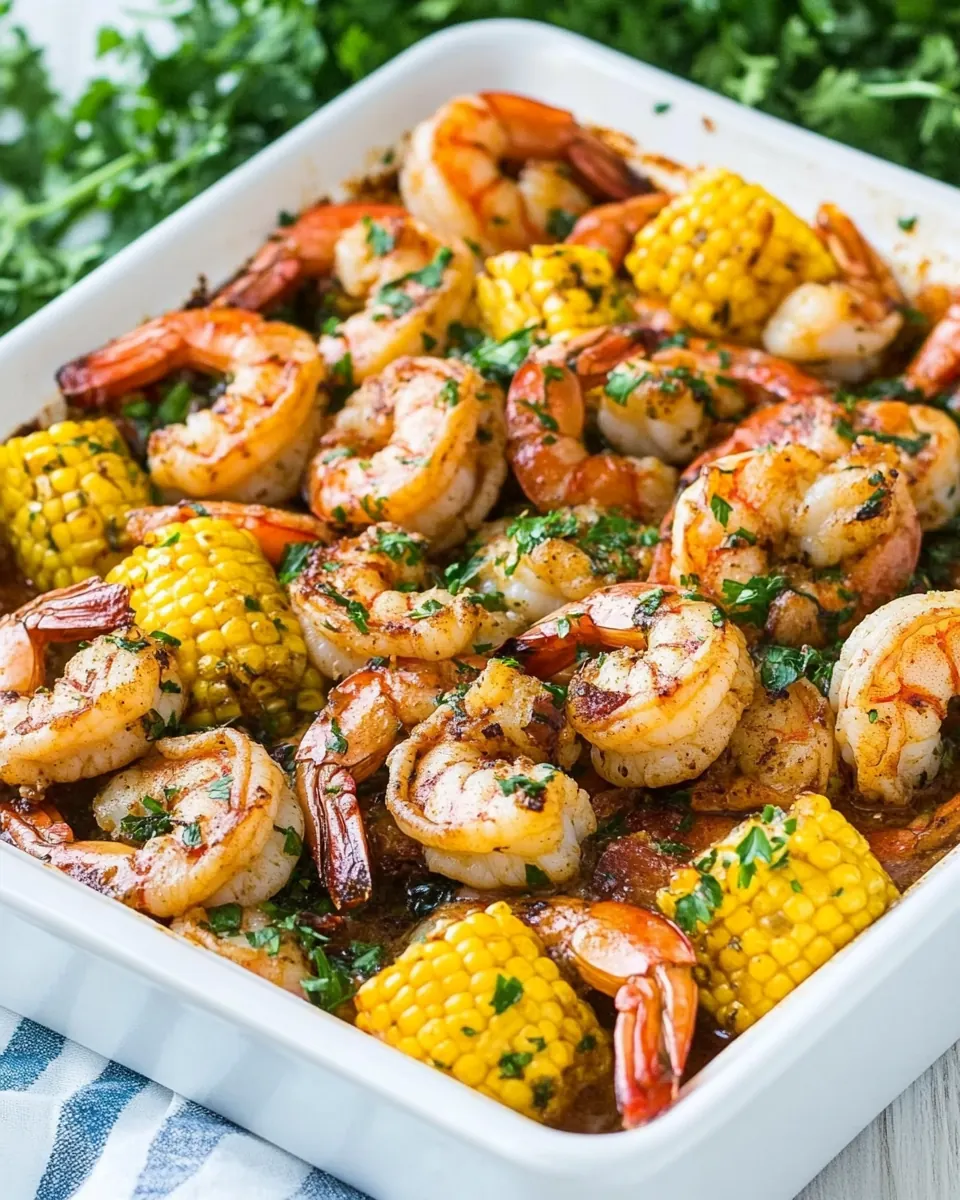
This section offers practical, tested tips to make your Shrimp Boil shine. A few small habits in prep and timing will elevate the texture and flavor of every batch, helping you avoid common pitfalls.
- Choose the right pot If you can, use a pot that is at least 12 quarts so the water stays boiling when you add cold ingredients, ensuring even cooking and reducing the chance of overflow.
- Measure seasoning early Add Old Bay seasoning to the water so flavors infuse from the start, but taste the reserved broth before final salting to avoid over seasoning.
- Prep everything in advance Since the cooking moves quickly, have potatoes, corn, sausage, and shrimp ready so you can add them at the right intervals and avoid overcooking.
- Keep an eye on shrimp Remove the shrimp as soon as they turn opaque and pink to preserve tender texture, they will continue to hold heat after removal and can overcook if left too long.
- Use fresh lemon Squeeze fresh lemon juice at the end for bright acidity, bottled lemon lacks the fresh aromatic lift and can taste flat.
- Let guests serve family style Spread the pot on a large platter and let everyone help themselves, it creates a festive atmosphere and keeps the experience casual and fun.
Serving Options for Shrimp Boil
Serving this dish offers many possibilities, depending on the occasion and how formal you want the meal to feel. Below are specific suggestions for pairings, occasions, and storage that help you present Shrimp Boil in the best light.
- Casual backyard feast Lay a sheet of newspaper on a picnic table, spread the Shrimp Boil across a large tray, and provide bowls for discarded shells and finger bowls for easy cleanup; this is ideal for summer gatherings where people want to mingle while they eat.
- Family dinner Serve on warming trays or large platters at the center of the table with slices of lemon and small ramekins of melted butter so everyone can customize each bite; it works well for a relaxed weeknight celebratory meal.
- Seasonal pairings Pair with a crisp, non alcoholic iced tea or citrus infused water and light green salads during summer to balance the richness; fresh seasonal sides keep the menu bright and approachable.
- Special occasions For holiday style or special events, add extra parsley and lemon wedges on the side for a slightly more polished presentation while keeping the communal feel intact.
- Storage and leftovers Refrigerate leftovers in an airtight container for up to two days; reheat gently on the stovetop with a splash of the reserved broth to prevent the shrimp from drying out, avoid microwave reheating at high power which toughens seafood.
- Serving sizes This recipe is written for about six people; for larger groups scale proportions and use an appropriately sized pot to maintain even cooking and flavor concentration.
- Presentation tip Serve on a large wooden board or tray with parchment underneath for easy cleanup and an inviting display, sprinkle fresh parsley at the end for a bright visual finish.
FAQ
Conclusion
This Shrimp Boil stands out because it transforms simple, familiar ingredients into a festive, shareable meal with layered flavors and approachable techniques. It’s a great choice when you want food that encourages conversation and delivers satisfying textures, from tender potatoes to juicy shrimp. I hope you give it a try at your next gathering; set out a large platter, invite friends, and enjoy the easy, delicious rhythm of a communal meal.
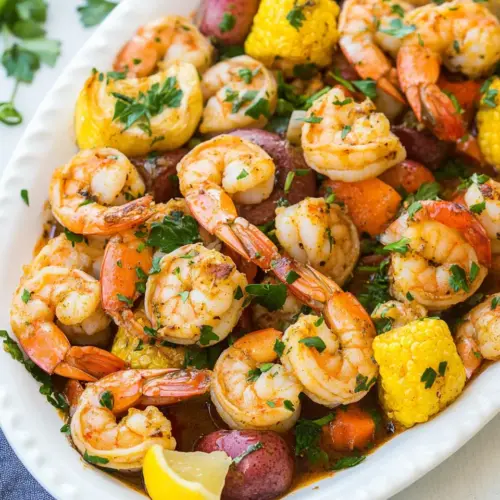
Shrimp Boil
Equipment
- Large Pot
- Colander
- Serving Platter
Ingredients
- 4 quarts water Boil vigorously to create the cooking liquid base and ensure even heat distribution for cooking seafood and vegetables; provides the medium to infuse seasonings and extract flavors from aromatics; measure accurately to cover ingredients in the pot and maintain a rolling boil throughout the cook time.
- 1 large red onion or yellow onion, sliced into 4 - 6 wedges Slice thinly and add early to the pot to impart a mild sweet and savory aroma; release natural sugars and mellow sharpness as it simmers, contributing to the overall savory broth; keep wedges intact to make them easy to remove and to deliver subtle flavor without disintegrating.
- 1 garlic bulb (whole head), halved horizontally Smash or halve and submerge to release concentrated garlic aroma and savory depth into the boiling liquid; contribute mellow roasted notes when simmered and help layer umami in the broth; include cloves within the head to avoid scattering small pieces throughout the boil.
- 1/2 cup Old Bay seasoning Season liberally to deliver classic coastal spice character and provide heat, paprika, celery, and herb notes throughout the cooking liquid; dissolve into the water so flavors permeate potatoes, corn, sausage, and shrimp; adjust amount cautiously for preferred spice intensity.
- 1 1/2 tbsp fresh thyme leaves (or 1 1/2 tsp dried) Sprinkle or tie into a small bundle to add fresh herbaceous, slightly lemony and earthy notes to the boil; use fresh leaves for brighter flavor or dried in smaller quantity for convenience; balance with other seasonings to support overall aromatic profile.
- 1 1/2 lb s medium red potatoes, cut into fourths Cut into even fourths and add early to the pot so they cook through and absorb seasoned broth; provide hearty texture and starch to the dish, helping thicken and balance the spicy, savory components; choose even-sized pieces to ensure uniform doneness.
- Salt and pepper to taste Season generously to enhance and balance overall flavors, adjusting salt to personal preference and adding freshly ground pepper for subtle heat; use during boiling to bring out natural flavors of seafood and vegetables; taste the broth and adjust just before serving.
- 4 ears corn, husked, cut into fourths or broken into halves Husk and cut into pieces to release sweet corn flavor into the boil and provide contrasting texture and natural sweetness; add with potatoes or midway so kernels cook tender but remain firm; break or slice for easier serving and even infusion.
- 14 oz . andouille sausage, sliced into 1-inch thick pieces Slice into rounds and add to the pot to contribute smoky, spicy, and savory meatiness to the broth; release rendered fat and seasoning into the cooking liquid, enriching the flavor of potatoes and shrimp; choose thick slices so they hold texture during boiling.
- 1 1/2 lbs shrimp, deveined, peeled if preferred Peel and devein as preferred and add near the end to cook until just opaque, preventing toughness; deliver sweet, briny seafood flavor and tender texture when timed correctly; handle gently to preserve plumpness and avoid overcooking.
- 6 tbsp unsalted butter, melted Melt and drizzle or toss with the finished shrimp and vegetables to add rich, creamy mouthfeel and carry seasonings; incorporate into a finishing sauce with lemon and parsley for glossy coating; use unsalted to control final dish salt level.
- 2 tbsp fresh lemon juice, or more to taste Squeeze fresh for vibrant acidity to brighten and cut through richness, balancing butter and sausage flavors; add to the cooked ingredients or to the butter sauce and adjust to taste for preferred tang; use freshly squeezed rather than bottled for best flavor.
- 2 tbsp minced fresh parsley Chop finely and sprinkle as a finishing herb to provide fresh, grassy brightness and visual contrast; stir into melted butter or scatter over the plated boil to add color and a light herbal note; use generous amount for aromatic lift.
Instructions
- Fill a large pot (about 12 quart) with 4 quarts water. Stir in onion, garlic, Old Bay seasoning, and thyme. Bring mixture to a boil over medium-high heat.: The moment you add water and set it to heat you should sense the kitchen beginning to change, a faint mineral smell as the liquid warms. Use a pot that leaves room for volume, because adding cold potatoes and corn drops the temperature. The reason for plenty of water is even heat distribution, which helps everything reach the right texture at the same time. A common mistake is using too small a pot which causes boiling over, or uneven cooking. You'll hear the first gentle bubble as it comes to a simmer, and when it reaches a rolling boil the surface will be actively moving, not just occasional bubbles.
- Add potatoes and season with salt (I use 1 Tbsp). Let cook until potatoes are about nearing tender, about 10 - 15 minutes.: As the aromatics hit the hot water the steam carries their scent throughout the kitchen, sweet onion notes and a garlicky warmth. Stirring early unlocks flavors into the broth so the potatoes and other items absorb them while cooking. This technique matters because it builds a deep, unified flavor profile rather than seasoning ingredients separately. Avoid adding spices only at the end, which gives a one dimensional taste. You should see the broth take on a faint golden or brown hue from the Old Bay seasoning .
- Add corn and continue to cook 3 minutes. Add sausage and cook 4 minutes longer.: A full boil forces flavors into the ingredients faster, and the bubbling surface ensures consistent heat. Watch for vigorous bubbles and steady steam release, that indicates you can proceed to add solids. If you keep the heat too low the cooking will be slow and the potatoes may release starch making the broth cloudy. If the pot boils too violently, reduce to a steady boil to avoid spillover.
- Gently stir in shrimp and cook until just opaque and pink, about 1 - 2 minutes.: When the potatoes hit the boiling broth you will hear a dip in the simmer as the temperature adjusts, then the active bubbling returns. The potatoes absorb liquid and seasoning, becoming tender and full of flavor. I use about 1 tablespoon of salt, but add gradually if you prefer lighter seasoning. A typical error is under cutting the potatoes uniformly, causing uneven doneness. Visually, they will start to look slightly translucent at the edges when nearing tenderness.
- Drain mixture (you can reserve 1/4 cup of the broth if you'd like for serving). Spread over an extra large serving platter or a baking sheet.: During this time you will notice the broth smell deepen and starch will slightly thicken the surface. Test doneness by inserting a fork into the largest piece, it should meet little resistance but not collapse. This timing matters because potatoes that are undercooked will be hard and overcooked will fall apart when you stir later. If the fork slides in but the potato holds shape, you are at the sweet spot.
- Drizzle with butter and lemon juice. Sprinkle with parsley, Old Bay seasoning and pepper to taste, and serve warm.: Adding the corn after the potatoes ensures it keeps some texture and sweetness. In three minutes the kernels will become tender yet still pop when bitten. You should hear a softer simmer, and the corn will release a sweet, grassy aroma. Leaving it in much longer makes it mealy and dulls its flavor.
- Add sausage and cook 4 minutes longer: Introducing the sausage warms the slices through, releasing savory fat and smoky notes into the broth. Over four minutes the scent of spiced pork and seasoning melds with the rest of the pot. This step is key to infusing the entire dish with meaty richness, but be mindful not to overcook fatty sausages which can become dry. Listen for a gentle sizzle and watch for a slight blanching of the sausage edges.
- Gently stir in shrimp and cook until just opaque and pink, about 1 to 2 minutes: When the shrimp touch the hot liquid you will see them curl and the color shift quickly, that rapid change is the signal to watch closely. The ideal shrimp are firm but tender, with a translucent center that turns opaque. This quick cooking preserves their succulent texture and prevents rubberiness. A common pitfall is leaving them in too long, which leads to a tough bite, so remove them at the first sign of opaqueness.
- Drain mixture (you can reserve 1/4 cup of the broth if you'd like for serving): Draining releases steam and consolidates the ingredients for plating, and reserving a bit of broth gives you a finishing liquid to adjust seasoning or to moisten the platter. The act of draining concentrates flavors left on the solids, and the remaining broth can be skimmed or used for a dipping sauce. Be careful when pouring hot liquid, and avoid rinsing which strips away the flavorful coating.
- Spread over an extra large serving platter or a baking sheet: When you spread the hot components out they release fragrant steam and the visual spread invites people to dig in. Using a large surface prevents pile up and sogginess, keeping textures distinct. Presentation matters because a neat layout encourages tasting all elements together. Overcrowding a small plate traps heat and softens crisp edges.
- Drizzle with butter and lemon juice: A final drizzle of melted butter and a splash of lemon juice add silk and brightness that tie every bite together. The butter creates a glossy sheen while the acid lifts the seasoned fat, producing a balanced mouthfeel. Add gradually and toss gently so the flavors coat evenly. Too much acid at once can mask subtle spice notes, so taste as you go.
- Sprinkle with parsley, Old Bay seasoning and pepper to taste, and serve warm: The finishing dusting of fresh parsley and a last shake of Old Bay seasoning refreshes the dish visually and aromatically, while cracked pepper adds a final touch. Serving warm is essential because the textures and flavors are best when just cooked. A common mistake is serving lukewarm food which dulls the aromas and flattens textures; aim to serve as soon as it is finished.
Notes
- Choose the right pot If you can, use a pot that is at least 12 quarts so the water stays boiling when you add cold ingredients, ensuring even cooking and reducing the chance of overflow.
- Measure seasoning early Add Old Bay seasoning to the water so flavors infuse from the start, but taste the reserved broth before final salting to avoid over seasoning.
- Prep everything in advance Since the cooking moves quickly, have potatoes, corn, sausage, and shrimp ready so you can add them at the right intervals and avoid overcooking.
- Keep an eye on shrimp Remove the shrimp as soon as they turn opaque and pink to preserve tender texture, they will continue to hold heat after removal and can overcook if left too long.
- Use fresh lemon Squeeze fresh lemon juice at the end for bright acidity, bottled lemon lacks the fresh aromatic lift and can taste flat.
- Let guests serve family style Spread the pot on a large platter and let everyone help themselves, it creates a festive atmosphere and keeps the experience casual and fun.