Hamantaschen
Hamantaschen is one of those treats I reach for when I want a small, joyful baking project that still feels meaningful. Growing up, weekends were punctuated by the ritual of folding tiny triangles with my grandmother, who loved to hum as she pinched the dough and fill each pocket with jam or poppy seed filling. The first sentence I always say when someone asks about this cookie is that the shape alone sparks conversation, and that is still true today.
There are afternoons when I make a big batch and carry a tin to a neighbor, and there are late nights when I knead the dough quietly while the house is sleeping. Each time I make Hamantaschen I remember how tactile the process is, how the dough responds to warm hands, and how the scent of lemon zest brightens the whole kitchen. I like to vary the fillings depending on mood, sometimes coaxing out a nutty poppy seed center, other times spooning a glossy jam that peeks through the triangle.
Recipe Snapshot
55 mins
40 mins
15 mins
Medium
150 kcal
American
Gluten-Free, Low FODMAP
Desserts
Large bowl, Mixer, Rolling pin, 3 inch round cookie cutter, Parchment lined baking sheets, Spice or coffee grinder, Cooling rack
Why You’ll Love This Hamantaschen
Traditional charm with simple ingredients
I love that Hamantaschen relies on pantry staples like all purpose flour and unsalted butter. The dough is approachable, forgiving, and the payoff is nostalgic comfort. When I bake these, I feel connected to generations of home bakers who made small, filled cookies that are joyful to share.
Textural contrast that delights
The triangle of tender, slightly crumbly dough against a jammy or poppy seed center creates a lovely contrast. I often describe the outer cookie as tender but with a slight crumb that gives way to a concentrated burst of filling. That contrast is the very reason I keep coming back to this recipe.
Versatile fillings for every occasion
Whether you’re using Assorted jams if desired or a rich poppy seed mixture, Hamantaschen lets you tailor the flavor. I appreciate being able to switch between lemony jam, sweetened condensed milk based fillings, or classic poppy seed paste depending on what I have on hand.
Great for baking with others
Making Hamantaschen is social. Rolling, cutting, and folding is a task I gladly hand off to little helpers, and I always find the shapes look more charming when made by a mix of hands. It’s a social recipe that teaches technique while producing plenty to share.
Make ahead and keep fresh
I like that the dough can be chilled, which makes planning easier. You can prepare the dough, chill it for a couple of hours, and then finish the shaping and baking when you’re ready. That flexibility makes this a weekday treat or a party staple, and I often prepare fillings while the dough rests.
Ingredients You’ll Need for Hamantaschen
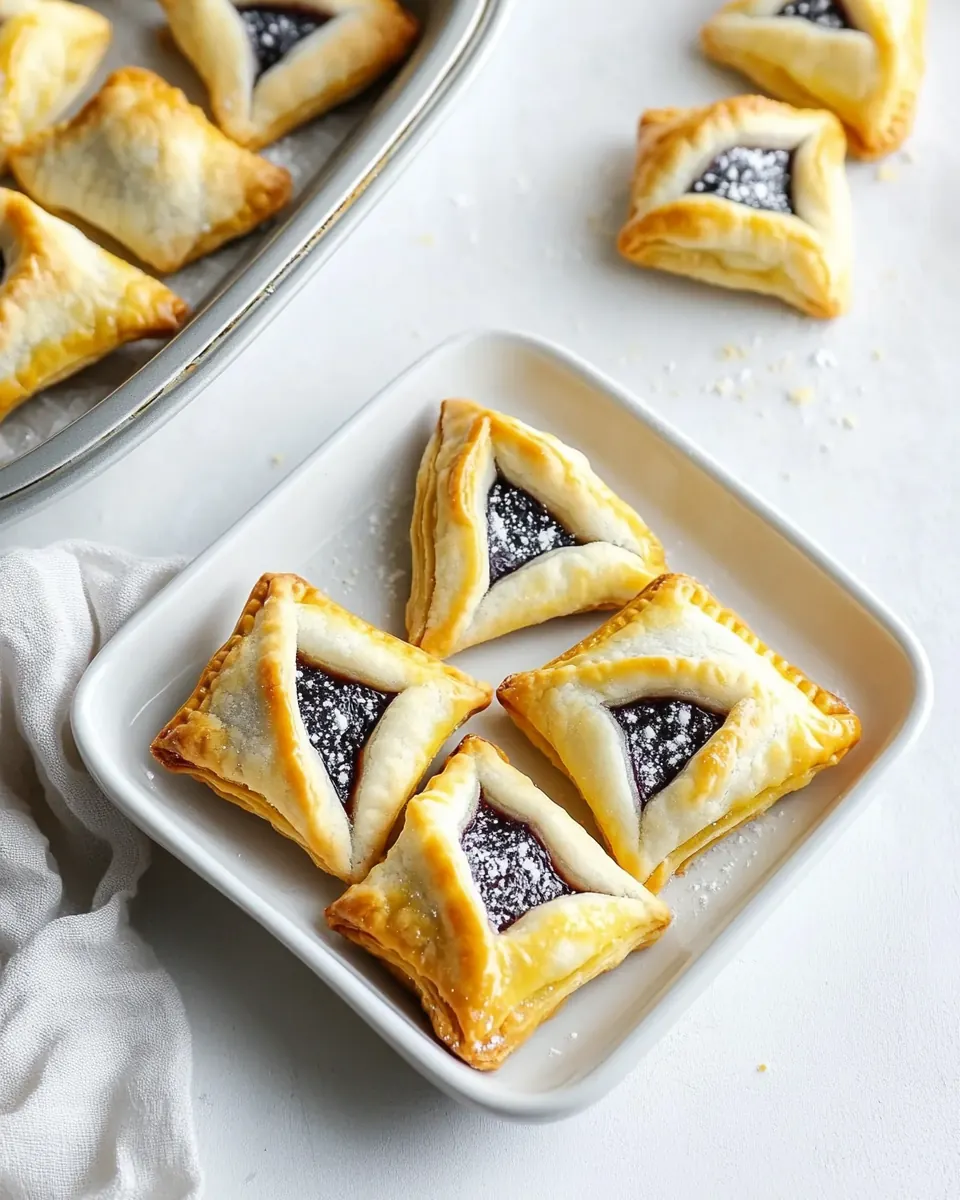
These ingredients are straightforward and purposeful. The key players are the unsalted butter and all purpose flour, which form a tender, flaky dough, while granulated sugar and egg add structure and lift. The lemon zest and vanilla extract bring aromatic brightness that complements the filling, whether you choose jam or a poppy seed mixture.
- 3/4 cup unsalted butter room temperature: Soften and cream into batter to provide richness, tender texture, and a buttery flavor that forms the base of the dough. Ensure room temperature for even incorporation with sugar to create a light, pliable pastry. Can be gently beaten with the egg to help emulsify and yield a smooth, cohesive dough.
- 2/3 cup granulated sugar: Sweeten and aerate the dough by creaming with butter to create structure and subtle sweetness. Dissolve into the fat to help tenderize and contribute to slight caramelization during baking. Adjust to taste if using very sweet fillings to balance overall flavor.
- 1 large egg room temperature: Bind and enrich the dough while contributing moisture and slight lift from the egg protein. Whisk in at room temperature to blend smoothly with creamed butter and sugar, aiding emulsification. Also helps create a tender crumb and contributes to browning.
- 1 tablespoon lemon zest: Brighten and enhance flavor by adding citrus oils that lift the sweetness and add aromatic complexity. Zest provides concentrated lemon flavor without extra acidity, complementing fruit or poppy seed fillings. Sprinkle into batter and gently fold to distribute evenly.
- 1 teaspoon vanilla extract: Flavor and aroma the dough with a warm vanilla note that complements sweet fillings and the buttery base. Add with wet ingredients to incorporate aroma throughout the pastry. Use pure extract for the cleanest, most balanced flavor.
- 2 1/4 cup all-purpose flour: Structure and bulk the pastry, forming the dough’s body and providing gluten for workable elasticity. Measure and mix gently to avoid overdeveloping gluten for a tender result. Sift or stir to remove lumps and ensure even hydration.
- 1/4 teaspoons salt: Balance sweetness and enhance other flavors by strengthening dough seasoning; also slightly tightens gluten for structure. Dissolve into dry ingredients to distribute evenly and prevent pockets of salt. Use the specified small amount to avoid overly salty taste.
- 2 3 tablespoons water if needed: Adjust dough consistency to achieve a supple, non-cracking texture during shaping and folding if the mixture is too dry. Add sparingly, one tablespoon at a time, until the dough holds together without being sticky. Helps achieve an easy-to-roll and shape hamantaschen dough.
- Assorted jams if desired: Fill or flavor the finished pastries with bright, fruity, or jammy centers that contrast the buttery dough and add sweetness. Spoon into the center of each round before folding into traditional triangular shapes. Choose assorted flavors to offer variety and visual appeal.
- 1/2 cup poppy seeds: Create a classic poppy seed filling when combined with milk and sugar, offering a nutty, slightly crunchy texture and deep flavor contrast to the sweet dough. Toast lightly if desired to deepen aroma before combining into a moist filling. Use with a binder such as sweetened condensed milk to form a spreadable paste.
- 4 ounces sweetened condensed milk: Bind and sweeten dense fillings into a glossy, spreadable paste that helps hold poppy seeds or other mix-ins together. Stir into poppy seeds or jams to reach desired consistency and sweetness for filling. Adds richness and helps fillings remain moist after baking.
Hamantaschen Instructions

Rolling out and filling these cookies is part craft and part intuition. I like to move deliberately, giving the dough time to relax between rolling sessions, and keeping the fillings nearby so the assembly moves quickly. Below are the cleaned steps from the recipe, expanded with sensory cues and troubleshooting notes to help you get it right.
- In a large bowl, beat the butter and sugar together on medium-high speed for 1-2 minutes, until light and fluffy.: The kitchen should begin to smell faintly sweet and buttery as the unsalted butter and granulated sugar come together, and you will see the mixture lighten in color and texture, becoming airy. This step creates tiny pockets of air that help produce a tender crumb, and you may hear the mixer humming steadily as it aerates the fats. If the mixture stays dense, it usually means the butter was too cold, so let it warm up a bit before retrying. Avoid overbeating, which can make the butter too soft and cause spreading later.
- Add the egg, lemon zest, and vanilla and mix until fully combined. Scrape down the sides and mix again for 10-20 seconds.: A bright citrus aroma from the lemon zest will pop forward, and the batter will gain shine as the egg incorporates, binding the mixture. Scraping the bowl ensures no pockets of dry sugar or butter remain, giving an even texture. If the mixture looks curdled after adding the egg , it usually smooths with a brief additional mix; if not, the butter was likely too warm. Avoid continuing to mix for too long, which can develop gluten once the flour is added.
- Add the flour and salt and mix until just barely combined in a crumbly dough. Use your hands to press the dough together. If the dough is too dry, add water one tablespoon at a time to help it come together. Be careful not to add too much water, it should only be enough to bring the dough together, not enough to make it sticky. Form the dough into a disk and wrap it with plastic wrap. Chill for 2 hours. While the dough is chilling prepare the poppy seed filling.: When you add the all purpose flour and salt , the texture will shift from glossy to a pebbly, crumbly mass. Pressing it together by hand warms the fats slightly, helping the dough cohere without becoming greasy. The chilling time firms the butter so the cookies hold their shape when baked, and resting also lets flavors meld. If you add too much water , the dough becomes sticky and will be difficult to roll, so add water only sparingly. A common mistake is skipping the chill, which can cause the cookies to spread and lose their triangular shape during baking.
- Once the dough is chilled, preheat the oven to 350°. On a lightly floured surface, roll the dough out to 1/8 inch thick. You may need to let the dough sit for a few minutes so it is a little easier to roll out without it cracking or crumbling. If it does crack or crumble, use your fingers to pinch the dough back together.: As the oven warms to 350 degrees , the chilled dough becomes easier to roll. The surface should feel cool and slightly firm under your hands, and the dough should roll smoothly to a thin, even sheet about the thickness of a playing card. If it cracks at the edges, a brief rest at room temperature softens it enough to mend without overworking. Overworking creates gluten, making the cookies tough, so be gentle and patch rather than re-rolling repeatedly.
- Use a 3-inch round cooking cutter to cut out rounds of dough. Carefully transfer the rounds to parchment-lined baking sheets leaving 1 inch between them. Place 1 teaspoon of poppy seed filling or jam in the center of the dough. Fold up the side of the dough to form a triangle around the filling, pinching the corners together to prevent leaking while baking. You can rub a little water or beaten egg on the corners before pinching it together to help act as glue to keep it from opening. Gather the remaining dough and repeat, though the more the dough is rolled the tougher the cookies will be.: The round shapes should be uniform so the triangles bake evenly, and when you place a teaspoon of filling in the center you will see a small mound of color or texture. Folding the sides into a triangle creates a snug pocket; the sound of the dough pinching together is quiet and satisfying. Using a dab of water as glue helps the corners seal, but be sparing since too much moisture can make the edges soggy. Repeated rolling toughens the dough, so try to cut as many rounds as possible from a single roll and reserve scraps for a gentle re roll.
- Bake for 12-15 minutes, or until the cookies are just starting to turn golden brown around the corners. Let them cool on the baking sheet for 10 minutes before transferring to a cooling rack.: As the cookies bake you will notice a gentle deepening of color at the corners and a warm, sweet aroma filling the kitchen. The edges should be only slightly golden, not deeply browned, keeping the interior tender. Letting them rest on the warm sheet off the heat helps the cookies set so they do not collapse when moved; they will continue to firm as they cool. Removing them too soon risks breaking the bases, but leaving them too long on a hot pan can overbrown the bottoms.
- Use a spice or coffee grinder to grind the poppy seeds into a powder. Transfer poppy seed powder to a medium bowl and add the sweetened condensed milk. Stir until fully combined. Cover and keep in the refrigerator until ready to use.: Grinding the poppy seeds releases oils and intensifies their nutty aroma, which is much more pronounced than when they are left whole. When combined with the sweetened condensed milk , the mixture becomes glossy and thick, perfect for spooning into the cookie centers. Refrigeration firms the filling slightly and melds flavors. A common pitfall is under grinding, which leaves a gritty texture, so process until a fine paste forms but avoid turning it into a paste that is too thin.
Ways to Customize
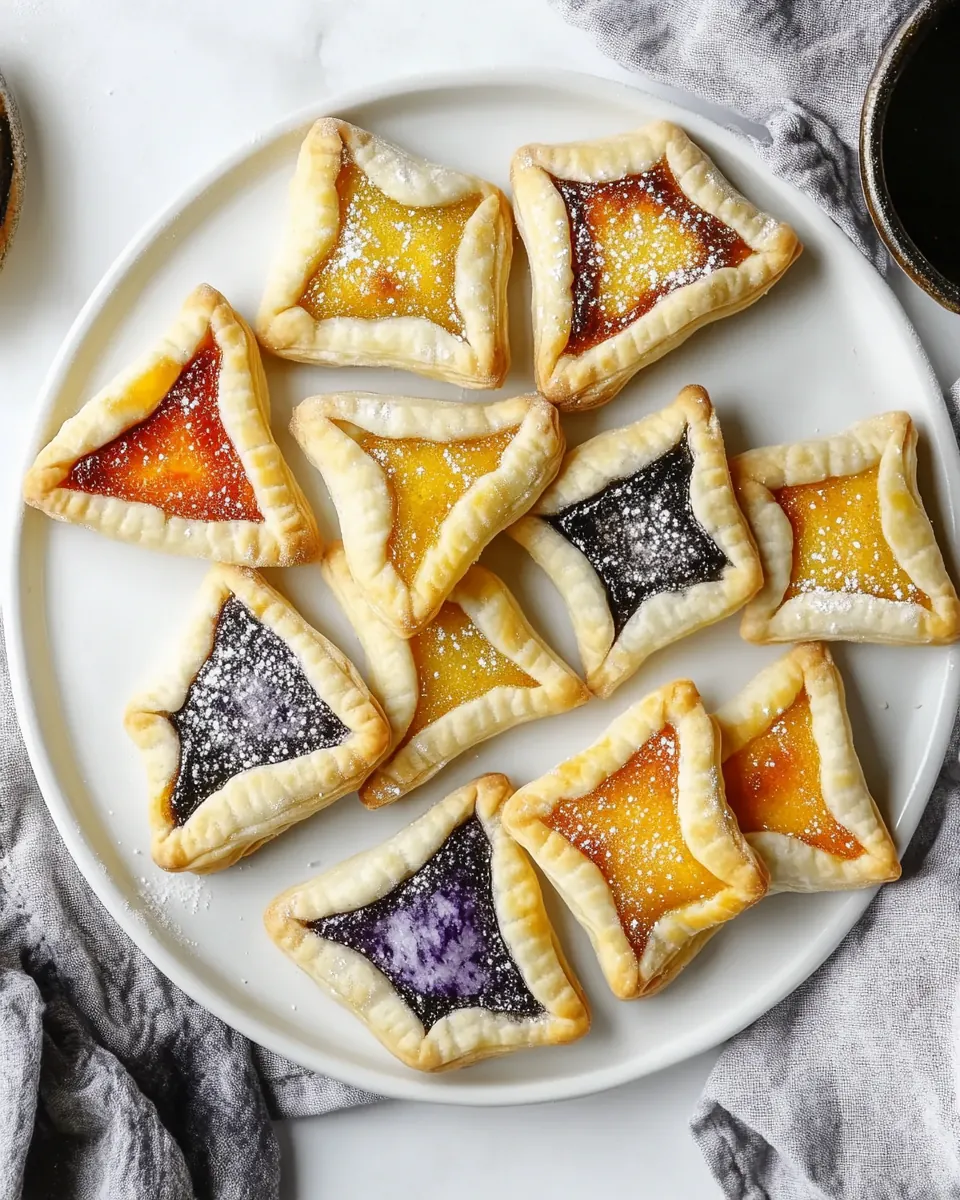
You can personalize Hamantaschen in many ways while keeping the core technique intact. Below are thoughtful, practical suggestions to vary flavor and texture without altering the method. Each tip starts with a bold phrase to help you scan for ideas quickly.
- Swap fillings with care Try thicker jams or conserves for less run off during baking, and measure a teaspoon per cookie to keep the pockets tidy.
- Add citrus to the dough Increase the lemon zest by a little for a brighter cookie, but avoid adding extra juice that would require balancing with more flour.
- Toast poppy seeds first Lightly toasting the poppy seeds in a dry pan brings out a nuttier aroma before grinding them for filling.
- Make-ahead and freeze After cutting the rounds, freeze them flat on a tray and then store in a bag for quick bakes later; thaw slightly before filling and baking.
- Adjust sweetness thoughtfully If your jam is very sweet, reduce the added sugar by a small amount, tasting the dough is not recommended but balancing the overall sweetness helps.
What to Pair With Hamantaschen
Hamantaschen pair well with simple beverages and small plates that let their flavor shine. Here are ways I like to serve them depending on occasion, season, and storage needs. The list below details pairing ideas, serving styles, and practical storage notes so you can present these cookies beautifully.
- Tea service Serve alongside a mild black or herbal tea for an afternoon gathering; the warmth complements the jam or poppy seed centers and makes a cozy pairing for light social occasions.
- Brunch spread Include on a brunch board with fruit and other pastries, letting the small triangular shape fit neatly among plates and adding a sweet option without overpowering savory items.
- Holiday platter Arrange on a decorative platter for festive occasions in spring; they work well as finger food at receptions or family gatherings where guests nibble while mingling.
- Gift tins Pack cooled cookies in airtight tins for gifting; layer with parchment to protect the shapes and keep them fresh for several days at room temperature.
- Storage tips Store in an airtight container at room temperature for up to three days, or freeze baked cookies for longer storage; thaw gently to keep the pastry tender rather than soggy.
- Seasonal variations Use fruit preserves that reflect the season to make the flavors feel timely, and consider thicker conserves in warmer months to reduce run off during baking.
FAQ
Conclusion
Hamantaschen stand out because they combine a tender, buttery dough with a concentrated, flavorful filling that is both nostalgic and versatile. I encourage you to try them whether you are baking for a holiday, gifting to a friend, or simply wanting a small, satisfying project. These cookies are forgiving, adaptable, and a lovely way to share something homemade and personal; once you master the fold, you will find yourself making them often.

Hamantaschen
Equipment
- Large Bowl
- Mixer
- Rolling Pin
- 3 inch round cookie cutter
- Parchment lined baking sheets
- Spice or coffee grinder
- Cooling rack
Ingredients
- 3/4 cup unsalted butter room temperature Soften and cream into batter to provide richness, tender texture, and a buttery flavor that forms the base of the dough. Ensure room temperature for even incorporation with sugar to create a light, pliable pastry. Can be gently beaten with the egg to help emulsify and yield a smooth, cohesive dough.
- 2/3 cup granulated sugar Sweeten and aerate the dough by creaming with butter to create structure and subtle sweetness. Dissolve into the fat to help tenderize and contribute to slight caramelization during baking. Adjust to taste if using very sweet fillings to balance overall flavor.
- 1 large egg room temperature Bind and enrich the dough while contributing moisture and slight lift from the egg protein. Whisk in at room temperature to blend smoothly with creamed butter and sugar, aiding emulsification. Also helps create a tender crumb and contributes to browning.
- 1 tablespoon lemon zest Brighten and enhance flavor by adding citrus oils that lift the sweetness and add aromatic complexity. Zest provides concentrated lemon flavor without extra acidity, complementing fruit or poppy seed fillings. Sprinkle into batter and gently fold to distribute evenly.
- 1 teaspoon vanilla extract Flavor and aroma the dough with a warm vanilla note that complements sweet fillings and the buttery base. Add with wet ingredients to incorporate aroma throughout the pastry. Use pure extract for the cleanest, most balanced flavor.
- 2 1/4 cup all-purpose flour Structure and bulk the pastry, forming the dough’s body and providing gluten for workable elasticity. Measure and mix gently to avoid overdeveloping gluten for a tender result. Sift or stir to remove lumps and ensure even hydration.
- 1/4 teaspoons salt Balance sweetness and enhance other flavors by strengthening dough seasoning; also slightly tightens gluten for structure. Dissolve into dry ingredients to distribute evenly and prevent pockets of salt. Use the specified small amount to avoid overly salty taste.
- 2 -3 tablespoons water if needed Adjust dough consistency to achieve a supple, non-cracking texture during shaping and folding if the mixture is too dry. Add sparingly, one tablespoon at a time, until the dough holds together without being sticky. Helps achieve an easy-to-roll and shape hamantaschen dough.
- Assorted jams if desired Fill or flavor the finished pastries with bright, fruity, or jammy centers that contrast the buttery dough and add sweetness. Spoon into the center of each round before folding into traditional triangular shapes. Choose assorted flavors to offer variety and visual appeal.
- 1/2 cup poppy seeds Create a classic poppy seed filling when combined with milk and sugar, offering a nutty, slightly crunchy texture and deep flavor contrast to the sweet dough. Toast lightly if desired to deepen aroma before combining into a moist filling. Use with a binder such as sweetened condensed milk to form a spreadable paste.
- 4 ounces sweetened condensed milk Bind and sweeten dense fillings into a glossy, spreadable paste that helps hold poppy seeds or other mix-ins together. Stir into poppy seeds or jams to reach desired consistency and sweetness for filling. Adds richness and helps fillings remain moist after baking.
Instructions
- In a large bowl, beat the butter and sugar together on medium-high speed for 1-2 minutes, until light and fluffy.: The kitchen should begin to smell faintly sweet and buttery as the unsalted butter and granulated sugar come together, and you will see the mixture lighten in color and texture, becoming airy. This step creates tiny pockets of air that help produce a tender crumb, and you may hear the mixer humming steadily as it aerates the fats. If the mixture stays dense, it usually means the butter was too cold, so let it warm up a bit before retrying. Avoid overbeating, which can make the butter too soft and cause spreading later.
- Add the egg, lemon zest, and vanilla and mix until fully combined. Scrape down the sides and mix again for 10-20 seconds.: A bright citrus aroma from the lemon zest will pop forward, and the batter will gain shine as the egg incorporates, binding the mixture. Scraping the bowl ensures no pockets of dry sugar or butter remain, giving an even texture. If the mixture looks curdled after adding the egg , it usually smooths with a brief additional mix; if not, the butter was likely too warm. Avoid continuing to mix for too long, which can develop gluten once the flour is added.
- Add the flour and salt and mix until just barely combined in a crumbly dough. Use your hands to press the dough together. If the dough is too dry, add water one tablespoon at a time to help it come together. Be careful not to add too much water, it should only be enough to bring the dough together, not enough to make it sticky. Form the dough into a disk and wrap it with plastic wrap. Chill for 2 hours. While the dough is chilling prepare the poppy seed filling.: When you add the all purpose flour and salt , the texture will shift from glossy to a pebbly, crumbly mass. Pressing it together by hand warms the fats slightly, helping the dough cohere without becoming greasy. The chilling time firms the butter so the cookies hold their shape when baked, and resting also lets flavors meld. If you add too much water , the dough becomes sticky and will be difficult to roll, so add water only sparingly. A common mistake is skipping the chill, which can cause the cookies to spread and lose their triangular shape during baking.
- Once the dough is chilled, preheat the oven to 350°. On a lightly floured surface, roll the dough out to 1/8 inch thick. You may need to let the dough sit for a few minutes so it is a little easier to roll out without it cracking or crumbling. If it does crack or crumble, use your fingers to pinch the dough back together.: As the oven warms to 350 degrees , the chilled dough becomes easier to roll. The surface should feel cool and slightly firm under your hands, and the dough should roll smoothly to a thin, even sheet about the thickness of a playing card. If it cracks at the edges, a brief rest at room temperature softens it enough to mend without overworking. Overworking creates gluten, making the cookies tough, so be gentle and patch rather than re-rolling repeatedly.
- Use a 3-inch round cooking cutter to cut out rounds of dough. Carefully transfer the rounds to parchment-lined baking sheets leaving 1 inch between them. Place 1 teaspoon of poppy seed filling or jam in the center of the dough. Fold up the side of the dough to form a triangle around the filling, pinching the corners together to prevent leaking while baking. You can rub a little water or beaten egg on the corners before pinching it together to help act as glue to keep it from opening. Gather the remaining dough and repeat, though the more the dough is rolled the tougher the cookies will be.: The round shapes should be uniform so the triangles bake evenly, and when you place a teaspoon of filling in the center you will see a small mound of color or texture. Folding the sides into a triangle creates a snug pocket; the sound of the dough pinching together is quiet and satisfying. Using a dab of water as glue helps the corners seal, but be sparing since too much moisture can make the edges soggy. Repeated rolling toughens the dough, so try to cut as many rounds as possible from a single roll and reserve scraps for a gentle re roll.
- Bake for 12-15 minutes, or until the cookies are just starting to turn golden brown around the corners. Let them cool on the baking sheet for 10 minutes before transferring to a cooling rack.: As the cookies bake you will notice a gentle deepening of color at the corners and a warm, sweet aroma filling the kitchen. The edges should be only slightly golden, not deeply browned, keeping the interior tender. Letting them rest on the warm sheet off the heat helps the cookies set so they do not collapse when moved; they will continue to firm as they cool. Removing them too soon risks breaking the bases, but leaving them too long on a hot pan can overbrown the bottoms.
- Use a spice or coffee grinder to grind the poppy seeds into a powder. Transfer poppy seed powder to a medium bowl and add the sweetened condensed milk. Stir until fully combined. Cover and keep in the refrigerator until ready to use.: Grinding the poppy seeds releases oils and intensifies their nutty aroma, which is much more pronounced than when they are left whole. When combined with the sweetened condensed milk , the mixture becomes glossy and thick, perfect for spooning into the cookie centers. Refrigeration firms the filling slightly and melds flavors. A common pitfall is under grinding, which leaves a gritty texture, so process until a fine paste forms but avoid turning it into a paste that is too thin.
Notes
- Swap fillings with care Try thicker jams or conserves for less run off during baking, and measure a teaspoon per cookie to keep the pockets tidy.
- Add citrus to the dough Increase the lemon zest by a little for a brighter cookie, but avoid adding extra juice that would require balancing with more flour.
- Toast poppy seeds first Lightly toasting the poppy seeds in a dry pan brings out a nuttier aroma before grinding them for filling.
- Make-ahead and freeze After cutting the rounds, freeze them flat on a tray and then store in a bag for quick bakes later; thaw slightly before filling and baking.
- Adjust sweetness thoughtfully If your jam is very sweet, reduce the added sugar by a small amount, tasting the dough is not recommended but balancing the overall sweetness helps.