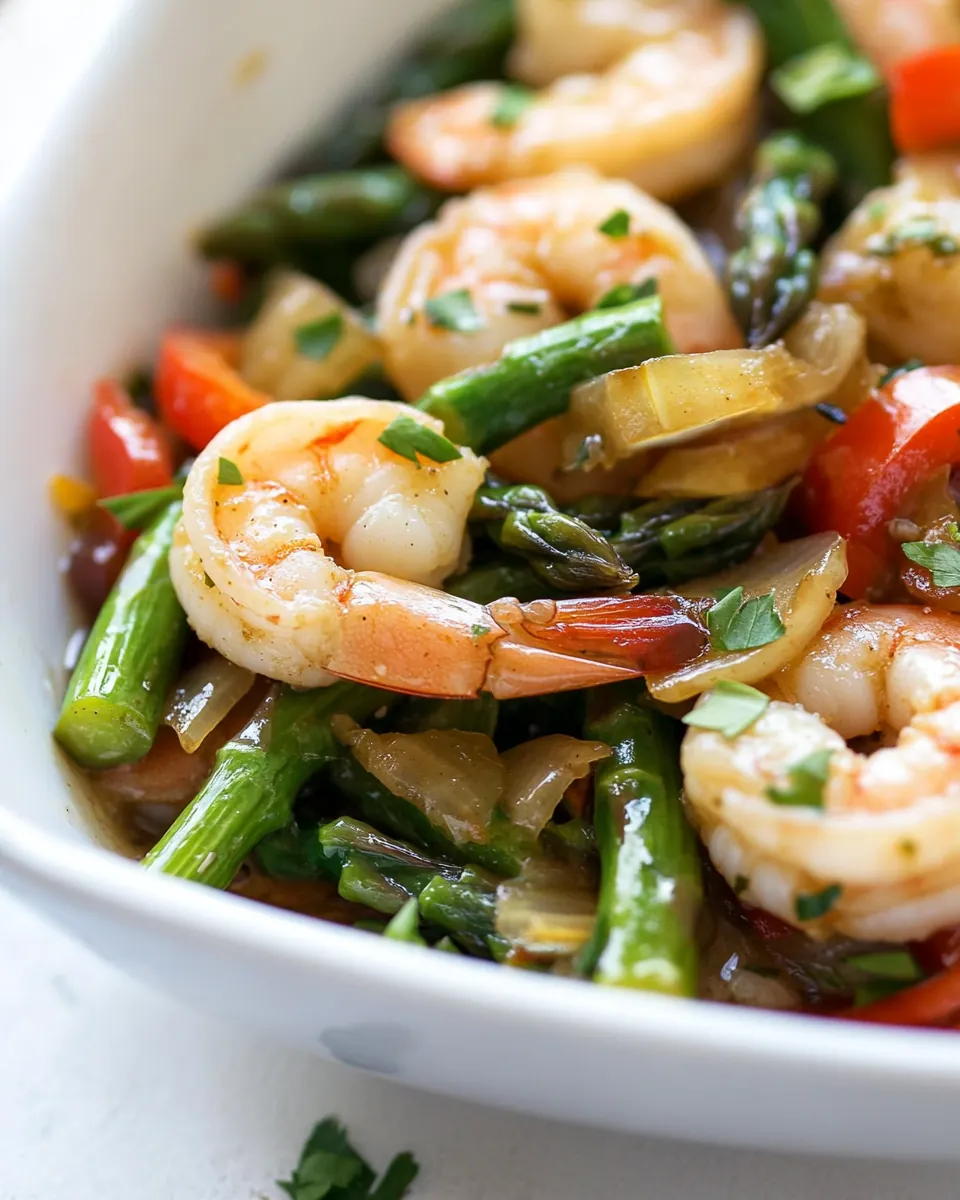
Shrimp and Asparagus Stir Fry
Shrimp and Asparagus Stir Fry came into my weeknight rotation almost by accident when I had a bag of frozen shrimp and a bunch of tender spring asparagus that needed cooking. The very first time I made it, the kitchen smelled like bright citrus and toasted sesame, and I remember thinking how such simple ingredients could sing together. I love that this dish is vivid in color and quick to pull together, so it became my go to when I wanted something that felt a little special without a lot of fuss.
That evening I tossed the shrimp quickly in a hot wok, then pushed them aside while I blistered the asparagus and crisped the sugar snap peas. The textures were a revelation, the shrimp tender and slightly briny, the asparagus bright and snappy. I found myself making small tweaks over the next few weeks to balance sweet, sour, and savory until it hit a rhythm I loved.
I also appreciate how forgiving the recipe is. If you have a little extra time you can caramelize the red onion a touch more, or if you are in a rush, a quick steam under a lid softens the veggies in no time. Friends always ask for the method because it is straightforward and adaptable, and I enjoy walking them through the sensory cues that tell you when it is done. The final toss with chopped cilantro adds a fresh lift that makes the whole pan sing.
Recipe Snapshot
25 mins
10 mins
15 mins
Easy
250 kcal
American
Gluten-Free, Low FODMAP
Dinner
Wok, Spatula, Slotted spoon
Why This Shrimp and Asparagus Stir Fry Works
Speed without sacrifice
I love that Shrimp and Asparagus Stir Fry comes together in under half an hour, yet it does not taste rushed. The quick sauté of shrimp locks in juiciness and the fast high heat on the vegetables preserves crispness, so you get restaurant style texture at home.
Bursting seasonal flavor
Using fresh spring asparagus and sugar snap peas brings bright, green notes that contrast the savory shrimp. I gravitate toward this recipe in spring because the produce is tender and sweet, and the colors make the plate pop.
Balanced sweet and tang
The sauce, with reduced sodium soy sauce, rice vinegar, and a touch of brown sugar, provides a gentle sweet and sour rhythm. I find this harmony keeps the dish lively without overpowering the natural flavors of the shrimp and vegetables.
Textural contrast
The combination of tender shrimp, crisp snap peas, and slightly al dente asparagus creates an enjoyable bite. Every forkful offers contrast, which is one of the reasons I keep making it for guests, who always comment on the satisfying mouthfeel.
Minimal equipment and maximal impact
You do not need an arsenal of tools to make Shrimp and Asparagus Stir Fry. A hot pan, a spatula, and a few bowls are enough to produce complex flavors. That simplicity makes this dish ideal for busy nights when I still want to impress.
Shopping List for Shrimp and Asparagus Stir Fry
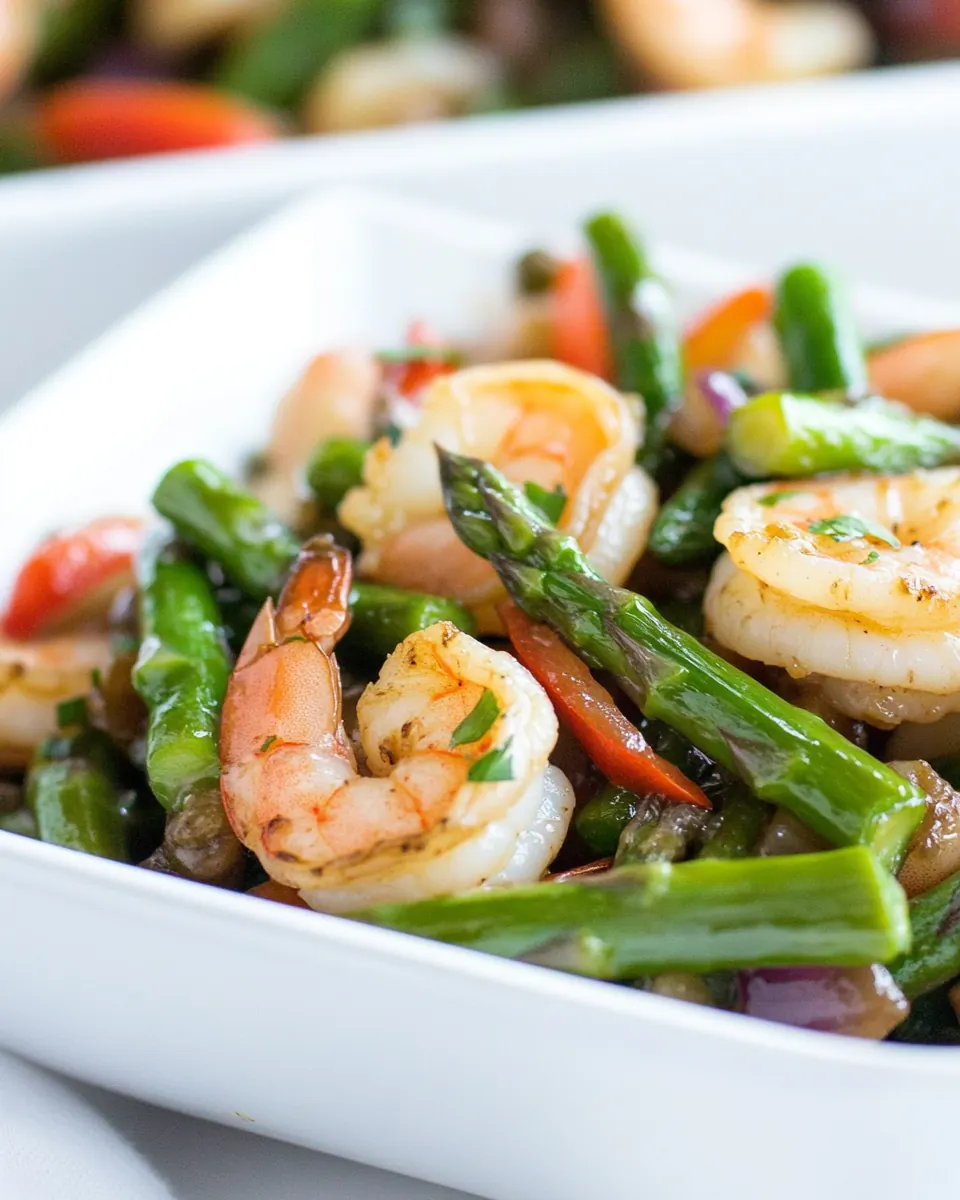
These ingredients are chosen to highlight fresh spring produce and quick cooking proteins. The key players are the shrimp and the asparagus, supported by crisp sugar snap peas, aromatic ginger and garlic, and a light sauce that ties everything together. Each item serves a clear purpose, whether it is texture, umami, or brightness, so they work in concert.
- 1 pound raw shrimp, peeled, tails on: Season generously and help enhance overall flavor while balancing sweetness and acidity; use to taste and adjust during cooking, ensuring shrimp are well-seasoned before and after stir-frying to bring out natural flavors.
- salt and pepper: Season sparingly to enhance savory notes and control taste balance; apply during cooking and at the end to avoid over-salting delicate seafood and vegetables.
- 1 pound asparagus spears, fresh: Provide crisp texture and fresh, grassy flavor when trimmed and cut into bite-sized pieces; cook briefly to maintain bright color and slight crunch that complements the shrimp.
- 2 tablespoon vegetable oil, divided: Provide a neutral cooking medium for stir-frying and assist in searing ingredients; reserve half for initial high-heat cooking and use the remainder for finishing to prevent sticking and uneven browning.
- 2 teaspoons ginger, grated fresh: Impart warm, slightly spicy aromatic notes that brighten the dish; grate finely and add early in cooking to release oils and integrate with sauces for depth.
- 2 cloves garlic, minced: Offer pungent, savory aroma and build umami complexity; mince finely and add with ginger to aromatize the oil and infuse the entire stir-fry.
- 1 medium red sweet pepper, seeded and cut into 1-inch pieces: Add sweet, crisp texture and vibrant color when cut into 1-inch pieces; cook briefly to retain crunch and provide contrast to softer ingredients like shrimp and onions.
- 1 medium red onion, cut into thin wedges: Contribute mild sweetness and subtle sharpness with tender layers that caramelize; cut into thin wedges to quickly soften and add body while maintaining a bit of bite.
- 2 cups sugar snap pea pods, fresh or frozen: Supply snap and fresh sweetness, offering a bright green color and crunchy texture; toss in toward the end of cooking if frozen, or early if fresh, to preserve crispness.
- 1 tablespoon sesame seeds: Provide nutty crunch and visual garnish when toasted; sprinkle over the finished dish to add texture contrast and enhance sesame flavor.
- 2 tablespoons reduced-sodium soy sauce: Deliver savory, salty depth and umami to bind the sauce components; mix with vinegar and sugar to create a balanced stir-fry glaze that coats shrimp and vegetables.
- 2 tablespoons rice vinegar: Contribute acidity and brightness to cut through richness and balance flavors; combine with soy sauce and sugar to make a tangy sauce that lifts the whole dish.
- 1 tablespoon brown sugar, packed: Add caramelized sweetness to round out flavors and balance acidity; dissolve into the sauce to create a subtle molasses note that harmonizes with soy and vinegar.
- 1 teaspoon toasted sesame oil: Introduce concentrated toasted sesame aroma for finishing; drizzle sparingly to add a fragrant, nutty accent that enhances other sesame elements.
- 2 tablespoons cilantro, freshly chopped: Provide fresh herbaceous finish and bright color when chopped; sprinkle over the completed stir-fry to add lift and a subtle citrusy, cilantro flavor.
The Process for Making Shrimp and Asparagus Stir Fry
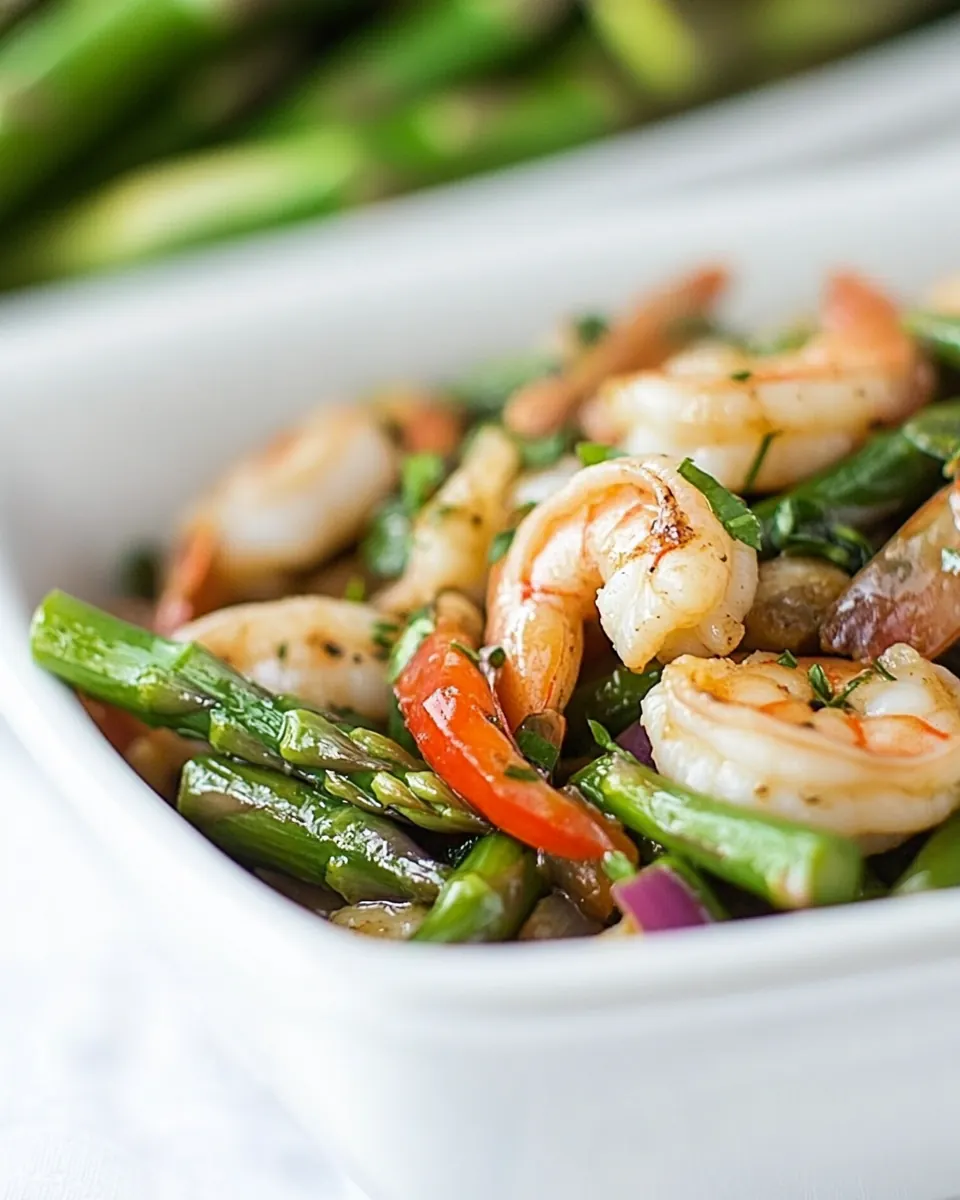
This is a straight forward, high heat stir fry that moves quickly once you begin. Keep everything prepped and within reach, because once the pan is hot you will be working fast. The directions below expand on the original steps, offering sensory cues, reasons for the technique, and one common troubleshooting tip per step.
- Season shrimp with salt and pepper then sauté in 1 tbsp of vegetable oil over medium-high heat in a large wok for 3 to 5 minutes, or until no longer translucent. Remove to a plate and keep warm.: The moment the oil hits the hot wok you will hear a pronounced sizzle, and that sound is your cue that the pan is ready to give the shrimp a golden sear. As the shrimp cooks, it will change from translucent to opaque and firm up, and you may notice the scent become briny and slightly sweet. Searing quickly at medium high heat creates a caramelized surface that adds depth, while removing them to a plate prevents overcooking, which is the most common pitfall here. If the shrimp start releasing large amounts of liquid, the pan is not hot enough, and you will steam instead of sear.
- Snap off and discard woody bases from asparagus. If desired, scrape off scales. Cut asparagus diagonally into 2-inch pieces (you should have about 3 cups).: When you break the asparagus, the woody end naturally snaps where the tender part begins, and that tactile break is a quick test of freshness. Cutting on the diagonal increases the searing surface and gives attractive pieces that show off the vegetable's bright green color. The visual cue you want is vivid green with no limp spots, and the aroma should be fresh and grassy. A common mistake is leaving the tough base on, which results in chewy bites, so do not skip snapping or trimming.
- Pour remaining vegetable oil into the wok; heat wok over medium-high heat. Add ginger and garlic; cook and stir for 15 seconds. Add asparagus, sweet pepper, and red onion; cook and stir for 3 minutes. Add sugar snap peas and sesame seeds; cook and stir for 3 to 4 minutes more or until vegetables are crisp-tender.: As the oil warms and the ginger hits the pan you will smell fragrant, peppery steam, and that quick flash cooks out rawness while preserving brightness. When you add the cut vegetables, listen for the lively sizzle and watch for the edges to take on slight browning while the interiors remain firm. The sweet pepper and red onion will begin to soften and release sugars that enhance the sauce later. After adding the sugar snap peas , the pan should still be noisy with quick pops and cracks, which is perfect. Overcrowding is a typical error, it causes steaming instead of searing, so keep the pan roomy and stir frequently.
- Add soy sauce, vinegar, brown sugar, and sesame oil to vegetable mixture; return shrimp to wok and toss gently to coat. Stir in cilantro. Use a slotted spoon for serving.: The moment the sauce hits the hot vegetables the aromas will lift, a balance of savory soy sauce , bright rice vinegar , and caramel brown sugar . Tossing the reserved shrimp back in warms them through and lets the glaze cling to every surface, creating glossy bites. The final stir with chopped cilantro releases herbal perfume and adds a fresh counterpoint. Avoid vigorous tossing that breaks the vegetables; gentle movement ensures an even coating without mashing delicate pieces, which is a frequent misstep at this stage.
Tips and Variations
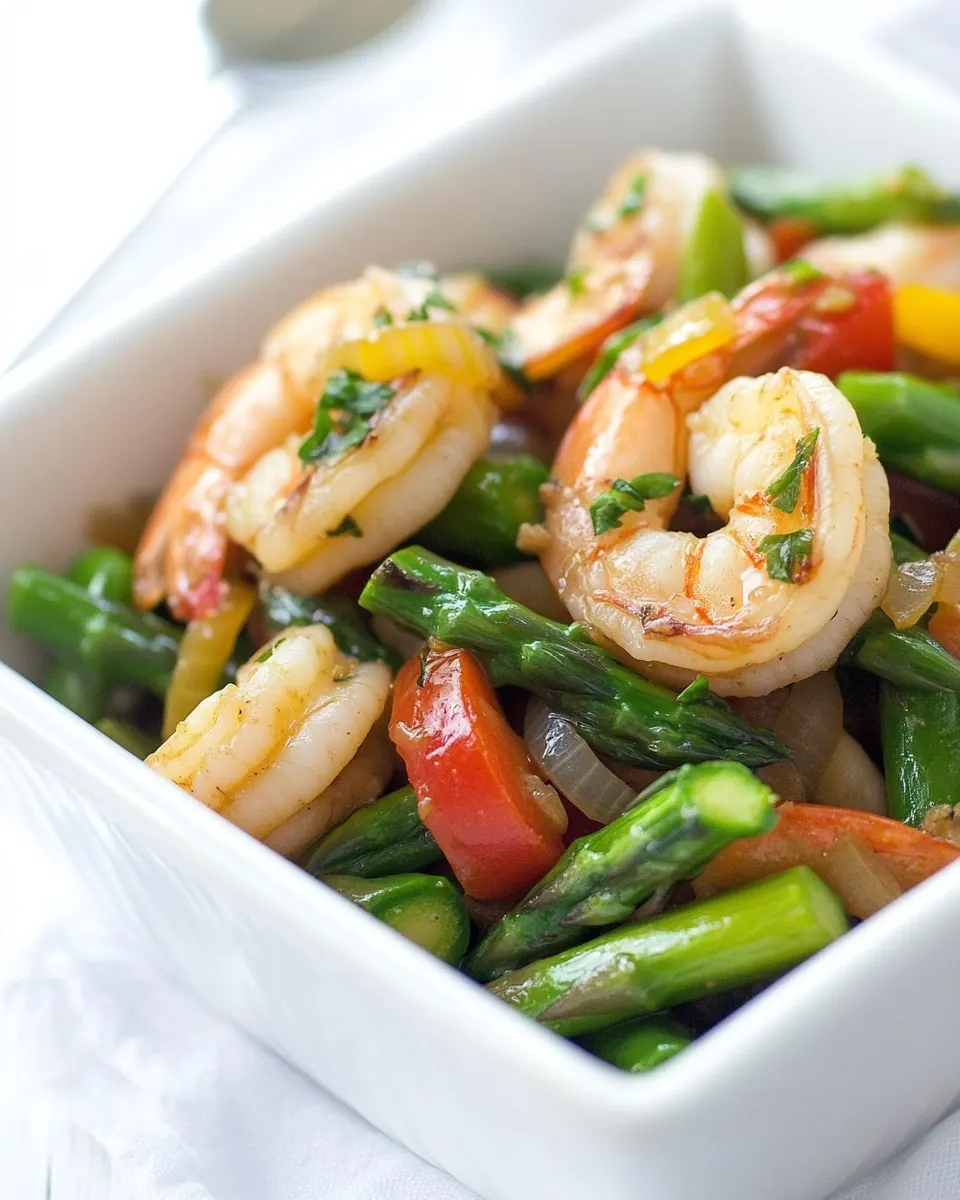
This section shares practical ways to tune the recipe to your taste and kitchen. Below are focused tips and variations that expand on the base method while keeping the main ingredients front and center.
- Heat control: Maintain medium high heat so vegetables char slightly while staying crisp, and adjust your burner to prevent burning the garlic which turns bitter very quickly.
- Shrimp timing: Sear the shrimp only until opaque and just firm to the touch, then remove them to avoid overcooking when you finish the vegetables.
- Vegetable prep: Cut the asparagus and peppers into similar sized pieces to ensure even cooking and a uniform bite across the dish.
- Sauce balance: Taste the sauce before tossing, and tweak with small amounts of rice vinegar or brown sugar to reach your preferred sweet and tangy balance.
- Garnish smart: Add chopped cilantro and toasted sesame seeds at the end for contrast in flavor and texture, and sprinkle them just before serving so they stay vibrant.
What Goes Well With This Shrimp and Asparagus Stir Fry
This dish pairs well with simple sides and fits multiple occasions. Below are thoughtful serving ideas that complement the flavors, plus storage and occasion notes.
- Serve with steamed rice: Plain steamed rice or jasmine rice soaks up the savory sauce and offers a neutral backdrop for the bright vegetables.
- Light noodles: Toss the finished stir fry with cooked rice noodles for a slurpable, family friendly meal that is easy to portion for dinner.
- Weeknight dinner: This recipe works perfectly for busy weeknights because it cooks fast and requires minimal cleanup, so it is ideal when time is tight.
- Spring entertaining: The fresh asparagus and bright herbs make this a lovely light main for spring gatherings or a casual dinner party.
- Storage tips: Cool completely then refrigerate in an airtight container for up to 3 days; reheating gently in a skillet with a splash of water keeps the vegetables from drying out.
- Seasonal pairing: Fresh spring produce is best, but you can adapt with similar firm vegetables if asparagus is out of season while keeping the core technique intact.
FAQ
Conclusion
What makes this recipe special is the way it combines quick technique with big flavor, letting simple ingredients shine. The contrast of tender shrimp and crisp asparagus finished with a glossy, balanced sauce delivers a satisfying meal in very little time. Give it a try on a busy weeknight or for a casual dinner with friends, and enjoy how effortless it is to produce something that feels intentionally cooked. I hope it becomes one of your favorite quick dinners to return to when you want something fresh, fast, and full of flavor.
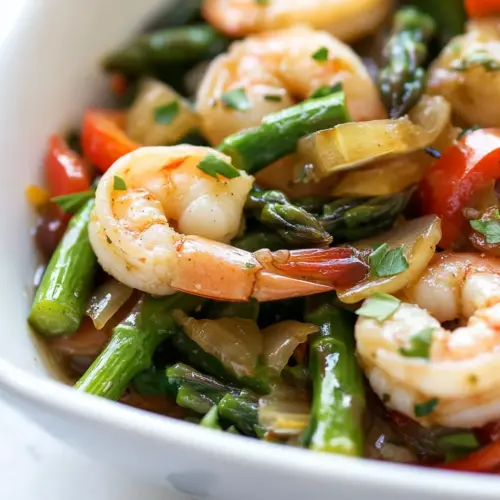
Shrimp and Asparagus Stir Fry
Equipment
- Wok
- Spatula
- Slotted Spoon
Ingredients
- 1 pound raw shrimp, peeled, tails on Season generously and help enhance overall flavor while balancing sweetness and acidity; use to taste and adjust during cooking, ensuring shrimp are well-seasoned before and after stir-frying to bring out natural flavors.
- salt and pepper Season sparingly to enhance savory notes and control taste balance; apply during cooking and at the end to avoid over-salting delicate seafood and vegetables.
- 1 pound asparagus spears, fresh Provide crisp texture and fresh, grassy flavor when trimmed and cut into bite-sized pieces; cook briefly to maintain bright color and slight crunch that complements the shrimp.
- 2 tablespoon vegetable oil, divided Provide a neutral cooking medium for stir-frying and assist in searing ingredients; reserve half for initial high-heat cooking and use the remainder for finishing to prevent sticking and uneven browning.
- 2 teaspoons ginger, grated fresh Impart warm, slightly spicy aromatic notes that brighten the dish; grate finely and add early in cooking to release oils and integrate with sauces for depth.
- 2 cloves garlic, minced Offer pungent, savory aroma and build umami complexity; mince finely and add with ginger to aromatize the oil and infuse the entire stir-fry.
- 1 medium red sweet pepper, seeded and cut into 1-inch pieces Add sweet, crisp texture and vibrant color when cut into 1-inch pieces; cook briefly to retain crunch and provide contrast to softer ingredients like shrimp and onions.
- 1 medium red onion, cut into thin wedges Contribute mild sweetness and subtle sharpness with tender layers that caramelize; cut into thin wedges to quickly soften and add body while maintaining a bit of bite.
- 2 cups sugar snap pea pods, fresh or frozen Supply snap and fresh sweetness, offering a bright green color and crunchy texture; toss in toward the end of cooking if frozen, or early if fresh, to preserve crispness.
- 1 tablespoon sesame seeds Provide nutty crunch and visual garnish when toasted; sprinkle over the finished dish to add texture contrast and enhance sesame flavor.
- 2 tablespoons reduced-sodium soy sauce Deliver savory, salty depth and umami to bind the sauce components; mix with vinegar and sugar to create a balanced stir-fry glaze that coats shrimp and vegetables.
- 2 tablespoons rice vinegar Contribute acidity and brightness to cut through richness and balance flavors; combine with soy sauce and sugar to make a tangy sauce that lifts the whole dish.
- 1 tablespoon brown sugar, packed Add caramelized sweetness to round out flavors and balance acidity; dissolve into the sauce to create a subtle molasses note that harmonizes with soy and vinegar.
- 1 teaspoon toasted sesame oil Introduce concentrated toasted sesame aroma for finishing; drizzle sparingly to add a fragrant, nutty accent that enhances other sesame elements.
- 2 tablespoons cilantro, freshly chopped Provide fresh herbaceous finish and bright color when chopped; sprinkle over the completed stir-fry to add lift and a subtle citrusy, cilantro flavor.
Instructions
- Season shrimp with salt and pepper then sauté in 1 tbsp of vegetable oil over medium-high heat in a large wok for 3 to 5 minutes, or until no longer translucent. Remove to a plate and keep warm.: The moment the oil hits the hot wok you will hear a pronounced sizzle, and that sound is your cue that the pan is ready to give the shrimp a golden sear. As the shrimp cooks, it will change from translucent to opaque and firm up, and you may notice the scent become briny and slightly sweet. Searing quickly at medium high heat creates a caramelized surface that adds depth, while removing them to a plate prevents overcooking, which is the most common pitfall here. If the shrimp start releasing large amounts of liquid, the pan is not hot enough, and you will steam instead of sear.
- Snap off and discard woody bases from asparagus. If desired, scrape off scales. Cut asparagus diagonally into 2-inch pieces (you should have about 3 cups).: When you break the asparagus, the woody end naturally snaps where the tender part begins, and that tactile break is a quick test of freshness. Cutting on the diagonal increases the searing surface and gives attractive pieces that show off the vegetable's bright green color. The visual cue you want is vivid green with no limp spots, and the aroma should be fresh and grassy. A common mistake is leaving the tough base on, which results in chewy bites, so do not skip snapping or trimming.
- Pour remaining vegetable oil into the wok; heat wok over medium-high heat. Add ginger and garlic; cook and stir for 15 seconds. Add asparagus, sweet pepper, and red onion; cook and stir for 3 minutes. Add sugar snap peas and sesame seeds; cook and stir for 3 to 4 minutes more or until vegetables are crisp-tender.: As the oil warms and the ginger hits the pan you will smell fragrant, peppery steam, and that quick flash cooks out rawness while preserving brightness. When you add the cut vegetables, listen for the lively sizzle and watch for the edges to take on slight browning while the interiors remain firm. The sweet pepper and red onion will begin to soften and release sugars that enhance the sauce later. After adding the sugar snap peas , the pan should still be noisy with quick pops and cracks, which is perfect. Overcrowding is a typical error, it causes steaming instead of searing, so keep the pan roomy and stir frequently.
- Add soy sauce, vinegar, brown sugar, and sesame oil to vegetable mixture; return shrimp to wok and toss gently to coat. Stir in cilantro. Use a slotted spoon for serving.: The moment the sauce hits the hot vegetables the aromas will lift, a balance of savory soy sauce , bright rice vinegar , and caramel brown sugar . Tossing the reserved shrimp back in warms them through and lets the glaze cling to every surface, creating glossy bites. The final stir with chopped cilantro releases herbal perfume and adds a fresh counterpoint. Avoid vigorous tossing that breaks the vegetables; gentle movement ensures an even coating without mashing delicate pieces, which is a frequent misstep at this stage.
Notes
- Heat control: Maintain medium high heat so vegetables char slightly while staying crisp, and adjust your burner to prevent burning the garlic which turns bitter very quickly.
- Shrimp timing: Sear the shrimp only until opaque and just firm to the touch, then remove them to avoid overcooking when you finish the vegetables.
- Vegetable prep: Cut the asparagus and peppers into similar sized pieces to ensure even cooking and a uniform bite across the dish.
- Sauce balance: Taste the sauce before tossing, and tweak with small amounts of rice vinegar or brown sugar to reach your preferred sweet and tangy balance.
- Garnish smart: Add chopped cilantro and toasted sesame seeds at the end for contrast in flavor and texture, and sprinkle them just before serving so they stay vibrant.