Instant Pot Massaman Curry
Instant Pot Massaman Curry arrived in my kitchen on a chaotic weeknight, and it felt like a small miracle in a pot. I remember juggling grocery bags while the smell of toasted spices from a pre bought paste filled the hallway, and by the time I set the table my family was hovering, curious and hungry. That first spoonful was rich and comforting, and it turned a busy evening into a shared, slow moment.
That night taught me why I keep this recipe in regular rotation. The marriage of creamy coconut milk and warm Massaman spices yields a sauce that hugs the tender chicken and soft, buttery potatoes. I like how the Instant Pot trims the hands on time, letting the flavors meld while I tidy up or catch up on emails. Over time I’ve learned small swaps that preserve the curry’s heart, and I love how forgiving it is if you adjust a bit of sweetness or tang to taste.
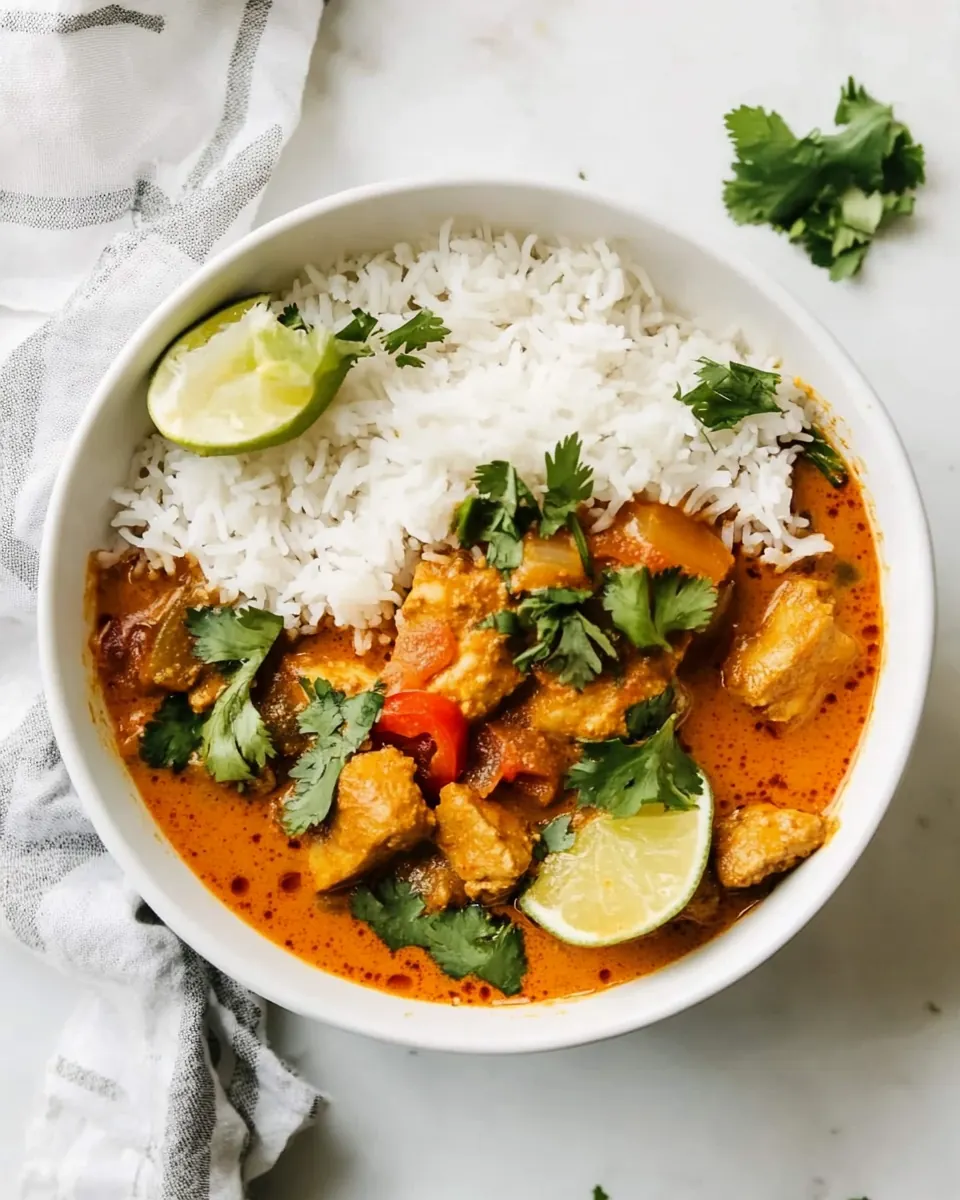
Every family has a go to comfort bowl, and for mine that’s this curry. We serve it over steaming jasmine rice and pass little bowls of chopped peanuts and cilantro for texture and freshness. There’s a particular kind of warmth that comes from a curry cooked under pressure, a depth you only get when spices and aromatics have truly softened into the sauce. When friends ask for a one pot dinner that feels special without fuss, I always point them to this recipe.
Recipe Snapshot
30 mins
15 mins
15 mins
Medium
460 kcal
Thai
Gluten-Free, Low FODMAP
Dinner
Pressure Cooker
Why We Love This Instant Pot Massaman Curry
Deep, layered flavor without fuss
I love that Instant Pot Massaman Curry builds complexity from a few smart ingredients. The paste and coconut milk create a rounded, spicy sweet base, and pressure cooking concentrates those aromas so every bite tastes intentional. I find it satisfying to get restaurant level depth with minimal active effort.
Speed and convenience
Using a pressure cooker means the long simmer traditionally required for curry is compressed into a short, exact time. I appreciate that I can prep, press a button, and let the pot do the heavy lifting while I finish a salad or set the table. For weeknights, that reliability is priceless.
Comfort food that scales
This recipe feeds a crowd easily, and I’ve stretched it for dinners with friends without losing quality. The ingredients scale predictably, and because the textures hold up well in the pot, leftovers reheat beautifully for lunches the next day.
Balanced textures and tastes
The combination of creamy coconut milk, tender chicken, and soft potatoes plus the occasional crunch from peanuts makes each bowl interesting. I like that it offers savory, sweet, and tangy notes all at once, which keeps people coming back for seconds.
Flexible and forgiving
Whether I have extra vegetables on hand or a different brand of curry paste, the dish absorbs small changes without falling apart. That confidence makes me experiment and often end up with something even better than expected.
Recipe Ingredients for Instant Pot Massaman Curry
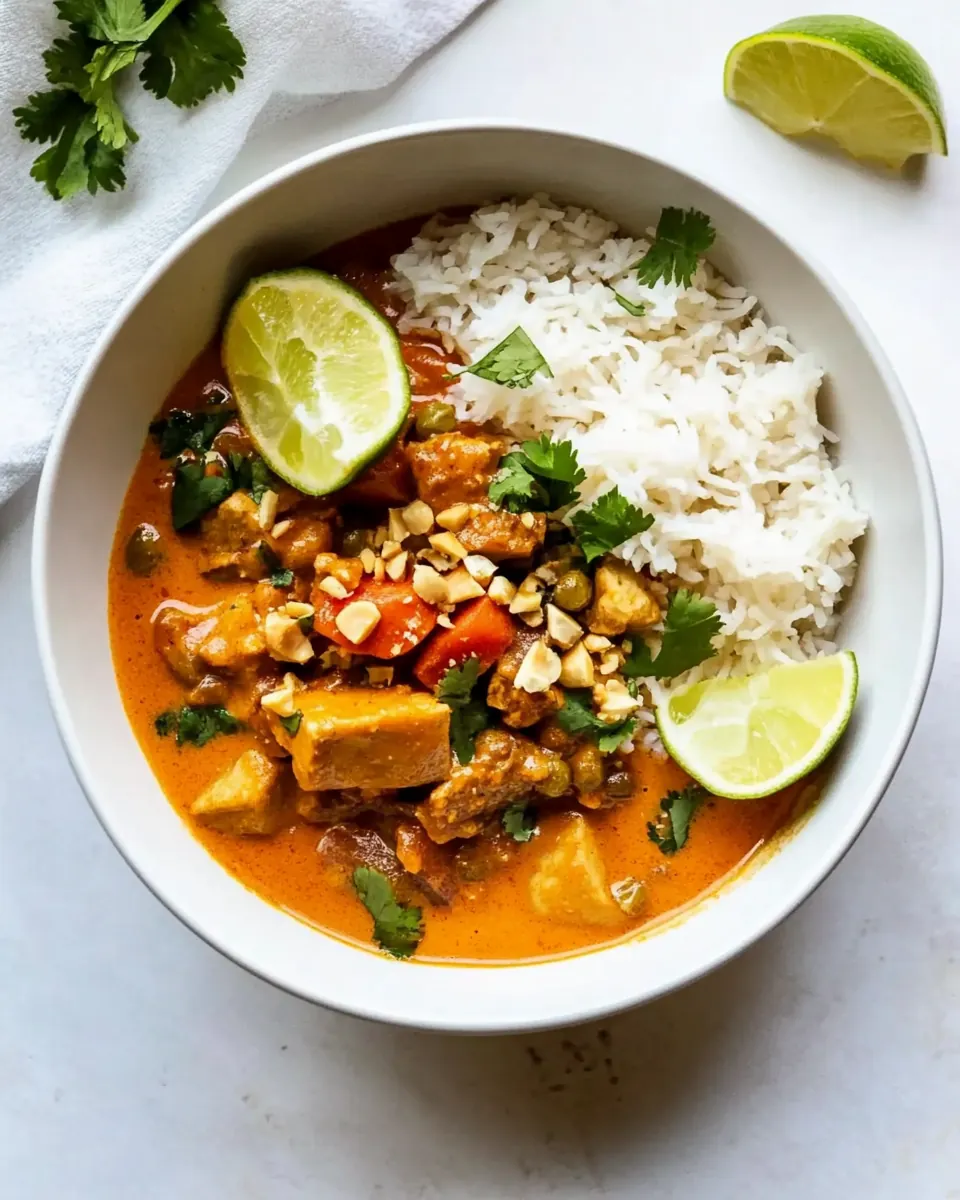
These ingredients form a simple, effective team. I treat the coconut milk and Massaman Curry Paste as the flavor engine, the potatoes and carrots as texture and body, and the chicken as the protein that soaks up the sauce. The aromatics and seasonings tie everything together, creating a curry that is creamy, slightly sweet, and warmly spiced.
- 1 tbsp olive oil: Heatable fat used to sauté aromatics and brown chicken, providing a light, fruity base that prevents sticking and aids flavor development in the Instant Pot.
- 1 1/2 pound boneless skinless chickensliced very thin: Sliced protein cooked quickly under pressure to absorb curry flavors; thin slices ensure tender texture and even cooking throughout the dish.
- 1/4 cup onion diced: Finely chopped aromatic that softens and sweetens when sautéed, contributing depth and a subtle savory foundation to balance the curry's spices.
- 3 cups Yukon gold potatoes peeled, cubed: Starchy tuber that becomes creamy when pressure-cooked, helping to thicken the sauce slightly while offering a comforting, earthy component.
- 2 cups whole carrots peeled, sliced: Crunchy root vegetable that tenderizes under pressure, adding natural sweetness, texture contrast, and color to the curry.
- 28 ounces coconut milk (2 cans) full fat: Rich, creamy liquid providing the coconut flavor and body for the sauce; full-fat coconut milk adds silkiness and helps meld spices.
- 4 ounces Massaman Curry Paste: Concentrated seasoning paste delivering the signature Massaman flavor profile of warm spices, chilies, and aromatics to the curry base.
- 1 teaspoon garlic minced: Pungent allium used to enhance savory notes and add a sharp, aromatic lift; minced form disperses quickly through the sauce.
- 1 teaspoon ginger paste: Warm, slightly spicy paste that contributes brightness and subtle heat while smoothing the curry's overall flavor when blended in.
- 1 tablespoon fish sauce: Umami-rich seasoning that intensifies savory depth and adds a touch of saltiness, helping to round out the complex curry flavors.
- 1 tablespoon lime juice: Acidic element that brightens the dish, balancing richness and sweetness while enhancing the overall flavor contrast of the curry.
- 1 tablespoon peanut butter: Nutty binder that adds creaminess and subtle nuttiness, helping to thicken the sauce and contribute an extra layer of flavor.
- 3 tablespoon brown sugar: Sweetener that balances heat and acidity, promoting caramelized notes and providing a mellow background sweetness to the curry.
Cooking Instructions for Instant Pot Massaman Curry
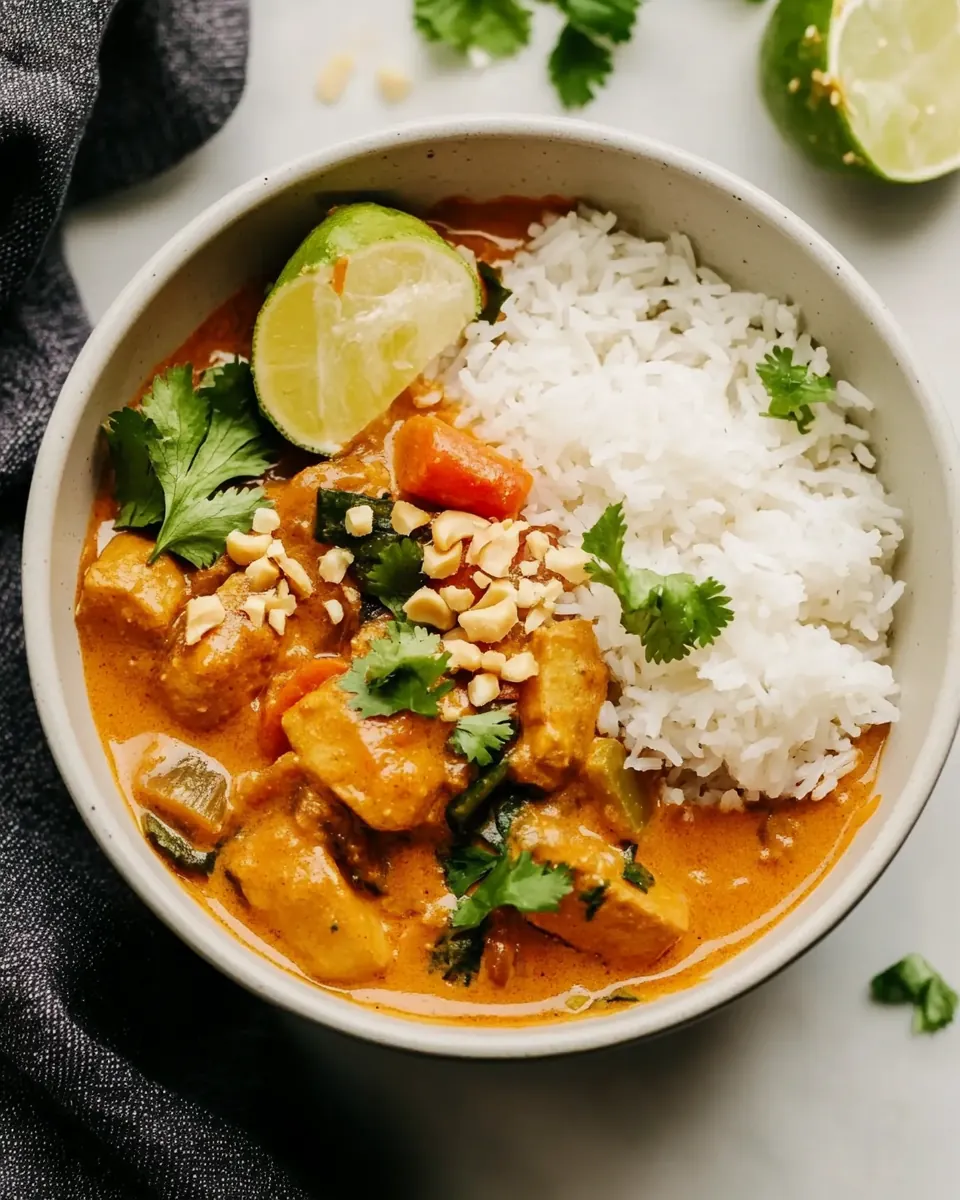
I like to approach the cooking with a calm rhythm, starting with a quick sauté to build flavor and finishing under pressure to marry everything. The steps are straightforward, and the Instant Pot makes timing predictable. Read through each step before you begin so you know what sensory cues to watch for.
- Turn pressure cooker on to sauté. Add oil, onion, and thinly sliced chicken. Cook and stir for about 5 minutes until the onion is translucent and the chicken is browned. The chicken does not have to be fully cooked through.: The aroma that rises when the pot heats is immediate, a hint of warmth and oil; this preheating is essential so the olive oil shimmers and the onion hits the pan properly. You should hear a soft sizzle as you add ingredients, which signals the surface is hot enough to begin browning. This initial browning concentrates flavor and creates those small fond bits that enrich the sauce when deglazed. A common mistake is rushing this stage, which leads to a flat tasting base, so wait until the oil moves freely and the pan is hot before adding aromatics.
- While the chicken and onion are cooking, peel and cut the potatoes and carrots.: As the onion begins to sweat and the chicken edges color, you will notice a gentle sizzling and a sweet savory scent; those visual cues tell you the Maillard reaction is building flavor. Stir occasionally to avoid sticking and to encourage even browning on the thin chicken . Browning here is not about cooking through, it is about flavor development. If you crowd the pot the chicken will steam rather than brown, so work in batches if needed to maintain a light sear.
- Add the carrots and potatoes to the instant pot. Stir into the chicken mixture.: You will see the onion go from opaque to translucent and the chicken should pick up a touch of color; the sizzling will quiet as moisture releases. These changes indicate that the aromatics have softened and started to meld with the oil, creating a more complex base for the curry. Overcooking here can dry the chicken , so aim for gentle browning and partially cooked meat, as final cooking happens under pressure.
- Add the coconut milk, massaman curry paste, garlic, ginger, fish sauce, lime juice, peanut butter, and brown sugar to a blender. Blend until smooth.: The tactile rhythm of peeling and cutting triggers anticipation, and freshly cut potatoes and carrots should look moist and clean. Uniform cubes and slices ensure even cooking in the pressure phase, which helps you avoid some pieces being under or overdone. A frequent error is uneven chopping, which results in inconsistent textures after pressure cooking, so take a moment to match sizes.
- Pour the sauce over the rest of the ingredients in the instant pot. Close the lid. Make sure the knob is on seal. Cook on manual or high pressure for 15 minutes.: When you fold the prepared carrots and potatoes into the pot you will notice the pan cool slightly and the mixture redistribute; this layering helps the vegetables sit in the liquid and absorb flavor. The presence of starchy potatoes will also help thicken the sauce as it cooks, creating a silkier finish. Avoid burying small pieces under large ones, which can cause uneven softness; arrange them so steam circulates evenly.
- Allow the steam to release before opening the instant pot.: A few gentle stirs bring the vegetables into contact with the flavorful browned bits at the bottom, and you may smell a faint sweetness as juices mingle. This step helps ensure the later sauce coats every component. Do not over stir aggressively, which can mash delicate pieces before pressure cooking; just enough movement to distribute ingredients is ideal.
- Serve with cooked jasmine rice. Garnish with cilantro and peanuts if desired. Season with salt and pepper to taste.: As these elements hit the blender you will see the thick coconut milk pool around the paste and the sugars, a visual cue that they will emulsify into a creamy sauce. Blending smooths textures and allows the aromatic compounds from the paste to disperse evenly. A common misstep is skipping this emulsification, which can leave paste clumps and uneven flavor pockets in the final dish.
- Blend until smooth: The sound of the blender will shift from chunky to a steady hum, and the mixture should look glossy and homogenous; this sheen signals proper emulsification. Smoothness ensures the sauce clings to the chicken and vegetables rather than separating. If your blender struggles, pulse and scrape the sides instead of running continuously, which can overheat the motor or leave streaks.
- Pour the sauce over the rest of the ingredients in the instant pot: As the sauce cascades into the pot you will see a fragrant steam rise, carrying the curry’s character. Pouring evenly helps coat everything, so the potatoes and chicken absorb flavors during pressure cooking. If you dump it in one spot you risk uneven seasoning, so aim for a steady, distributed pour.
- Close the lid: A sealed lid is the promise of even pressure cooking; you should hear the valve and latching mechanism click into place. This step traps steam and builds the environment needed to soften potatoes and meld flavors deeply. Never attempt to force the lid closed if it feels misaligned, as improper sealing can prevent pressure from building.
- Make sure the knob is on seal: The small act of turning the knob to seal ensures pressure can accumulate; you will feel a faint resistance as it moves into position. Proper sealing is what allows the ingredients to cook fast yet gently, concentrating flavors without over reducing the sauce. Forgetting to set it to seal will lead to a long, failed cook cycle with undercooked vegetables.
- Cook on manual or high pressure for 15 minutes: During the high pressure phase you will not smell much because the pot is closed, but trust that the pressure amplifies heat and extracts flavors efficiently. This interval softens the potatoes through and allows the thin chicken slices to become tender while staying juicy. A mistake is leaving it longer than recommended, which can turn potatoes to mush, so stick to the time and adjust in future cooks if your cuts are much larger or smaller.
- Allow the steam to release before opening the instant pot: Waiting for the pressure to release gently helps the sauce settle and prevents sudden boiling when you open the lid; you may hear a faint hiss as steam escapes. This patience preserves texture and avoids splattering hot liquid. Quick release can be tempting to save time, but it risks uneven doneness and burns from erupting sauce.
- Serve with cooked jasmine rice: Plating over warm jasmine rice creates a soft, fragrant bed that soaks up the curry, and you will notice the steam from the rice lifting the curry aromas into your face. The rice’s neutral flavor balances the rich sauce and makes each spoonful complete. Avoid using rice that is too dry or cold, which will not absorb the sauce properly and can make the bowl feel disjointed.
- Garnish with cilantro and peanuts if desired: A sprinkling of herbs and nuts adds freshness and crunch, creating contrast with the silky curry; you will appreciate the bright green and the little salted bites. Textural contrast elevates the eating experience and rounds the mouthfeel. Overdoing garnishes can distract from the curry itself, so use sparingly to accent rather than overpower.
- Season with salt and pepper to taste: After tasting you may find the curry needs a touch more salt or pepper to wake up the flavors; small pinches can make a big difference. Seasoning at the end allows you to calibrate the balance between sweet, sour, and savory. Adding too much at once is easy, so season incrementally and taste as you go.
Helpful Hints
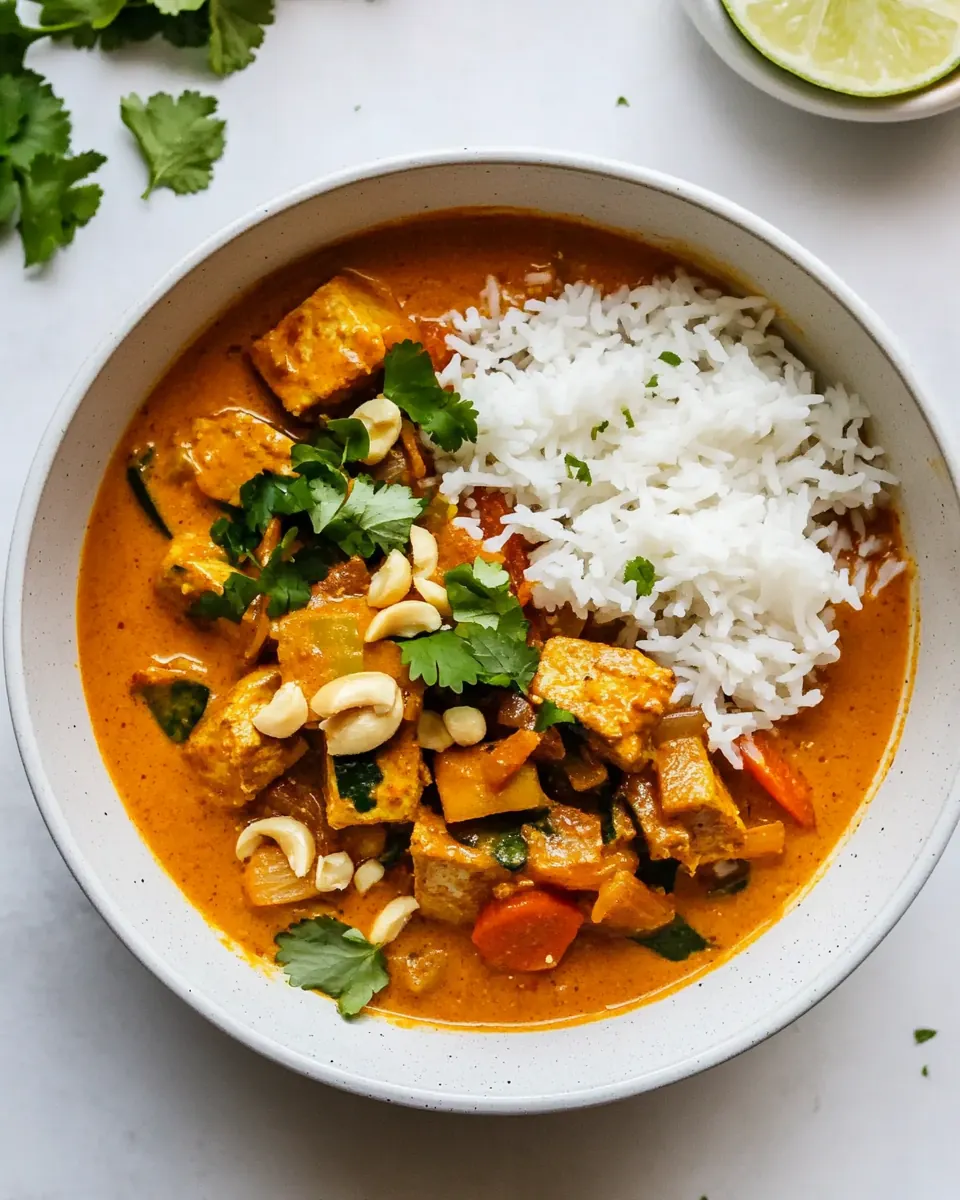
I like to keep these tips on hand whenever I make Instant Pot Massaman Curry. They help preserve texture, sharpen flavor, and make the process smoother. Read them before you start so you can plan timings and garnishes.
- Preheat the pot to ensure the olive oil shimmers before adding ingredients, this promotes proper browning and deeper base flavors.
- Uniform cuts of potatoes and carrots cook evenly, preventing some pieces from becoming mushy while others remain firm.
- Blend the sauce well so the Massaman Curry Paste and peanut butter emulsify into a glossy mixture that coats the ingredients evenly.
- Resist overcooking by following the 15 minute high pressure guideline; longer times can break down potatoes too much and alter texture.
- Taste last and adjust with small amounts of fish sauce or lime juice rather than large pours, balancing savory and acidic notes incrementally.
- Leftovers reheat well and often taste better the next day, but reheat gently to avoid separating the sauce; medium heat and a splash of water resets the texture.
Accompaniments for Instant Pot Massaman Curry
I usually present this curry with simple sides that complement its creamy, spiced profile. The right accompaniments make it feel either casual or festive, depending on the occasion. Below are serving ideas and storage tips that work well year round.
- Steamed jasmine rice, perfect for soaking up the sauce; serve warm so it melds with the curry and creates balanced spoonfuls.
- Lightly steamed vegetables like green beans or broccoli, offered on the side to add freshness and a bright color contrast to the bowl.
- Fresh herbs and chopped peanuts as garnishes, adding herbaceous lift and crunchy texture; pass them separately so guests can customize.
- Serve for dinner or a cozy lunch, this curry is substantial enough for an evening meal and comforting enough for a leisurely midday feast.
- Storage tip, cool leftovers and refrigerate in an airtight container for up to three days; the flavors continue to develop, making reheats especially satisfying.
- Freezing suggestion, portion into meal sized containers and freeze for up to two months; thaw overnight in the refrigerator before gentle reheating.
- Seasonal pairing, during colder months this curry is particularly comforting, while in moderate climates a side of crisp salad keeps the meal balanced.
FAQ
Conclusion
Instant Pot Massaman Curry stands out for its creamy, layered flavors and comforting bowl appeal. It delivers deep Massaman notes with minimal hands on time, making it a go to for hectic nights when you still want something special. Give it a try the next time you crave a rich, warming meal that also makes reliable, tasty leftovers. I hope it becomes a favorite in your rotation, offering both ease and memorable flavor in each spoonful.
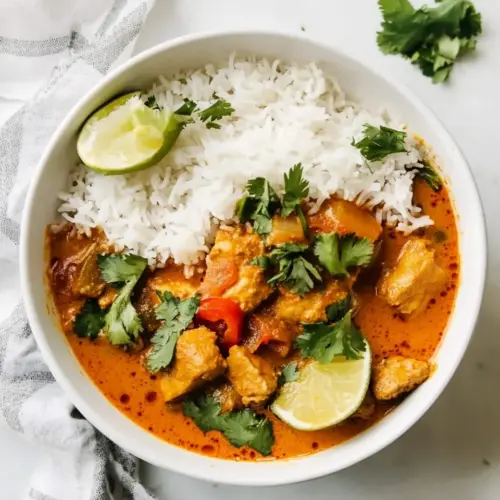
Instant Pot Massaman Curry
Equipment
- Pressure Cooker
Ingredients
- 1 tbsp olive oil Heatable fat used to sauté aromatics and brown chicken, providing a light, fruity base that prevents sticking and aids flavor development in the Instant Pot.
- 1 1/2 pound boneless skinless chickensliced very thin Sliced protein cooked quickly under pressure to absorb curry flavors; thin slices ensure tender texture and even cooking throughout the dish.
- 1/4 cup onion diced Finely chopped aromatic that softens and sweetens when sautéed, contributing depth and a subtle savory foundation to balance the curry's spices.
- 3 cups Yukon gold potatoes peeled, cubed Starchy tuber that becomes creamy when pressure-cooked, helping to thicken the sauce slightly while offering a comforting, earthy component.
- 2 cups whole carrots peeled, sliced Crunchy root vegetable that tenderizes under pressure, adding natural sweetness, texture contrast, and color to the curry.
- 28 ounces coconut milk (2 cans) full fat Rich, creamy liquid providing the coconut flavor and body for the sauce; full-fat coconut milk adds silkiness and helps meld spices.
- 4 ounces Massaman Curry Paste Concentrated seasoning paste delivering the signature Massaman flavor profile of warm spices, chilies, and aromatics to the curry base.
- 1 teaspoon garlic minced Pungent allium used to enhance savory notes and add a sharp, aromatic lift; minced form disperses quickly through the sauce.
- 1 teaspoon ginger paste Warm, slightly spicy paste that contributes brightness and subtle heat while smoothing the curry's overall flavor when blended in.
- 1 tablespoon fish sauce Umami-rich seasoning that intensifies savory depth and adds a touch of saltiness, helping to round out the complex curry flavors.
- 1 tablespoon lime juice Acidic element that brightens the dish, balancing richness and sweetness while enhancing the overall flavor contrast of the curry.
- 1 tablespoon peanut butter Nutty binder that adds creaminess and subtle nuttiness, helping to thicken the sauce and contribute an extra layer of flavor.
- 3 tablespoon brown sugar Sweetener that balances heat and acidity, promoting caramelized notes and providing a mellow background sweetness to the curry.
Instructions
- Turn pressure cooker on to sauté. Add oil, onion, and thinly sliced chicken. Cook and stir for about 5 minutes until the onion is translucent and the chicken is browned. The chicken does not have to be fully cooked through.: The aroma that rises when the pot heats is immediate, a hint of warmth and oil; this preheating is essential so the olive oil shimmers and the onion hits the pan properly. You should hear a soft sizzle as you add ingredients, which signals the surface is hot enough to begin browning. This initial browning concentrates flavor and creates those small fond bits that enrich the sauce when deglazed. A common mistake is rushing this stage, which leads to a flat tasting base, so wait until the oil moves freely and the pan is hot before adding aromatics.
- While the chicken and onion are cooking, peel and cut the potatoes and carrots.: As the onion begins to sweat and the chicken edges color, you will notice a gentle sizzling and a sweet savory scent; those visual cues tell you the Maillard reaction is building flavor. Stir occasionally to avoid sticking and to encourage even browning on the thin chicken . Browning here is not about cooking through, it is about flavor development. If you crowd the pot the chicken will steam rather than brown, so work in batches if needed to maintain a light sear.
- Add the carrots and potatoes to the instant pot. Stir into the chicken mixture.: You will see the onion go from opaque to translucent and the chicken should pick up a touch of color; the sizzling will quiet as moisture releases. These changes indicate that the aromatics have softened and started to meld with the oil, creating a more complex base for the curry. Overcooking here can dry the chicken , so aim for gentle browning and partially cooked meat, as final cooking happens under pressure.
- Add the coconut milk, massaman curry paste, garlic, ginger, fish sauce, lime juice, peanut butter, and brown sugar to a blender. Blend until smooth.: The tactile rhythm of peeling and cutting triggers anticipation, and freshly cut potatoes and carrots should look moist and clean. Uniform cubes and slices ensure even cooking in the pressure phase, which helps you avoid some pieces being under or overdone. A frequent error is uneven chopping, which results in inconsistent textures after pressure cooking, so take a moment to match sizes.
- Pour the sauce over the rest of the ingredients in the instant pot. Close the lid. Make sure the knob is on seal. Cook on manual or high pressure for 15 minutes.: When you fold the prepared carrots and potatoes into the pot you will notice the pan cool slightly and the mixture redistribute; this layering helps the vegetables sit in the liquid and absorb flavor. The presence of starchy potatoes will also help thicken the sauce as it cooks, creating a silkier finish. Avoid burying small pieces under large ones, which can cause uneven softness; arrange them so steam circulates evenly.
- Allow the steam to release before opening the instant pot.: A few gentle stirs bring the vegetables into contact with the flavorful browned bits at the bottom, and you may smell a faint sweetness as juices mingle. This step helps ensure the later sauce coats every component. Do not over stir aggressively, which can mash delicate pieces before pressure cooking; just enough movement to distribute ingredients is ideal.
- Serve with cooked jasmine rice. Garnish with cilantro and peanuts if desired. Season with salt and pepper to taste.: As these elements hit the blender you will see the thick coconut milk pool around the paste and the sugars, a visual cue that they will emulsify into a creamy sauce. Blending smooths textures and allows the aromatic compounds from the paste to disperse evenly. A common misstep is skipping this emulsification, which can leave paste clumps and uneven flavor pockets in the final dish.
- Blend until smooth: The sound of the blender will shift from chunky to a steady hum, and the mixture should look glossy and homogenous; this sheen signals proper emulsification. Smoothness ensures the sauce clings to the chicken and vegetables rather than separating. If your blender struggles, pulse and scrape the sides instead of running continuously, which can overheat the motor or leave streaks.
- Pour the sauce over the rest of the ingredients in the instant pot: As the sauce cascades into the pot you will see a fragrant steam rise, carrying the curry’s character. Pouring evenly helps coat everything, so the potatoes and chicken absorb flavors during pressure cooking. If you dump it in one spot you risk uneven seasoning, so aim for a steady, distributed pour.
- Close the lid: A sealed lid is the promise of even pressure cooking; you should hear the valve and latching mechanism click into place. This step traps steam and builds the environment needed to soften potatoes and meld flavors deeply. Never attempt to force the lid closed if it feels misaligned, as improper sealing can prevent pressure from building.
- Make sure the knob is on seal: The small act of turning the knob to seal ensures pressure can accumulate; you will feel a faint resistance as it moves into position. Proper sealing is what allows the ingredients to cook fast yet gently, concentrating flavors without over reducing the sauce. Forgetting to set it to seal will lead to a long, failed cook cycle with undercooked vegetables.
- Cook on manual or high pressure for 15 minutes: During the high pressure phase you will not smell much because the pot is closed, but trust that the pressure amplifies heat and extracts flavors efficiently. This interval softens the potatoes through and allows the thin chicken slices to become tender while staying juicy. A mistake is leaving it longer than recommended, which can turn potatoes to mush, so stick to the time and adjust in future cooks if your cuts are much larger or smaller.
- Allow the steam to release before opening the instant pot: Waiting for the pressure to release gently helps the sauce settle and prevents sudden boiling when you open the lid; you may hear a faint hiss as steam escapes. This patience preserves texture and avoids splattering hot liquid. Quick release can be tempting to save time, but it risks uneven doneness and burns from erupting sauce.
- Serve with cooked jasmine rice: Plating over warm jasmine rice creates a soft, fragrant bed that soaks up the curry, and you will notice the steam from the rice lifting the curry aromas into your face. The rice’s neutral flavor balances the rich sauce and makes each spoonful complete. Avoid using rice that is too dry or cold, which will not absorb the sauce properly and can make the bowl feel disjointed.
- Garnish with cilantro and peanuts if desired: A sprinkling of herbs and nuts adds freshness and crunch, creating contrast with the silky curry; you will appreciate the bright green and the little salted bites. Textural contrast elevates the eating experience and rounds the mouthfeel. Overdoing garnishes can distract from the curry itself, so use sparingly to accent rather than overpower.
- Season with salt and pepper to taste: After tasting you may find the curry needs a touch more salt or pepper to wake up the flavors; small pinches can make a big difference. Seasoning at the end allows you to calibrate the balance between sweet, sour, and savory. Adding too much at once is easy, so season incrementally and taste as you go.
Notes
- Preheat the pot to ensure the olive oil shimmers before adding ingredients, this promotes proper browning and deeper base flavors.
- Uniform cuts of potatoes and carrots cook evenly, preventing some pieces from becoming mushy while others remain firm.
- Blend the sauce well so the Massaman Curry Paste and peanut butter emulsify into a glossy mixture that coats the ingredients evenly.
- Resist overcooking by following the 15 minute high pressure guideline; longer times can break down potatoes too much and alter texture.
- Taste last and adjust with small amounts of fish sauce or lime juice rather than large pours, balancing savory and acidic notes incrementally.
- Leftovers reheat well and often taste better the next day, but reheat gently to avoid separating the sauce; medium heat and a splash of water resets the texture.