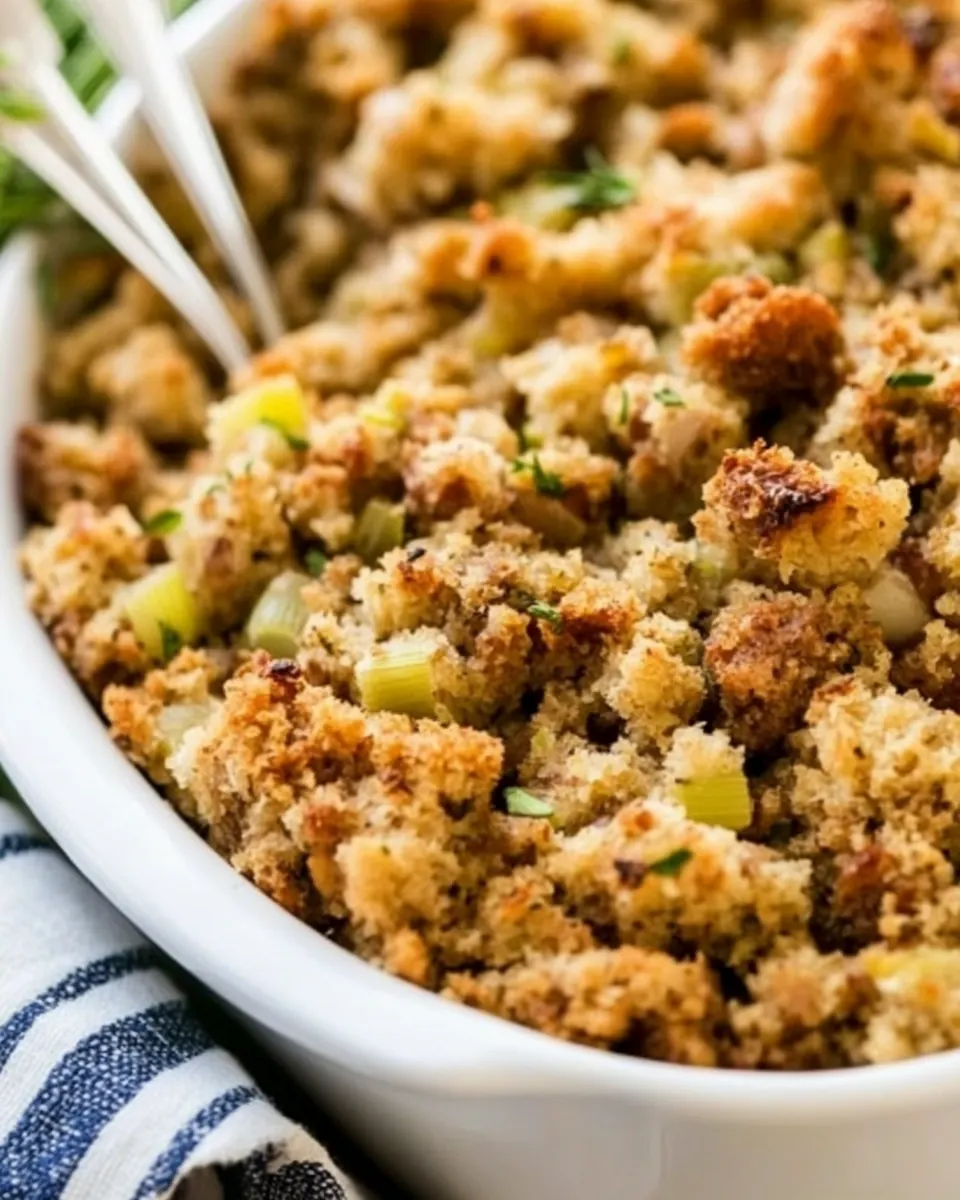
Sausage Stuffing
Sausage Stuffing has been a part of my holiday table for years, the sort of dish that smells like comfort and signals family is gathering. I remember the first time I made it, sleeves rolled up, trying to balance the sweet onion with the savory sausage while my nephew declared it the best thing on the table. That first bite, warm and satisfying, convinced me this version deserved a permanent spot alongside roasted mains.
Over time I’ve nudged the texture this way and that, swapping storebought mixes for day old cornbread and learning how to coax the most fragrant notes out of dried sage and poultry seasoning. I like how the combination of tender onion, mellow celery, and browned sausage creates layers rather than a single flat flavor. This recipe is the one I reach for when I want something that both comforts and complements, especially when the oven is already full of other favorites.
Recipe Snapshot
45 mins
15 mins
30 mins
Medium
300 kcal
American
Gluten-Free, Low FODMAP
Side Dishes
Skillet, Casserole dish, Wooden spoon, Paper towels
Why This Sausage Stuffing Works
Deep, familiar flavors that evoke tradition
I love how Sausage Stuffing brings together robust sausage and buttery cornbread to give you a dish that tastes like home. The browned meat and softened onion and celery add savory depth, while the crushed stuffing mix and cornbread soak up those juices so every bite is tender and well seasoned.
Texture contrast that keeps each bite interesting
There is something so pleasing about the way the soft interior contrasts with the slightly crisp top from the slivered butter. I cherish the balance between moistness and a delicate crust, it keeps folks coming back for seconds. The cornbread lends a grainy, slightly crumbly body while the stuffing mix gives structure.
Flexible and forgiving for busy cooks
I often make this when my schedule is packed because it tolerates little variations in liquid and timing. Whether you use two or two and a half cups of chicken broth, the final result remains satisfying, making it a great choice on hectic holiday mornings.
Hands off once assembled
Once you mix everything and spread it into the casserole, the oven does the rest. That freedom lets me focus on the main dish or visiting with guests while the kitchen fills with a savory aroma that signals dinner is near.
Comfort food that pairs with a variety of mains
Because this dish is both savory and rich, it partners well with roasted mains and bright side salads alike. I love that it can feel indulgent without overpowering the rest of the menu, which is why it’s a staple for large gatherings.
Shopping List for Sausage Stuffing
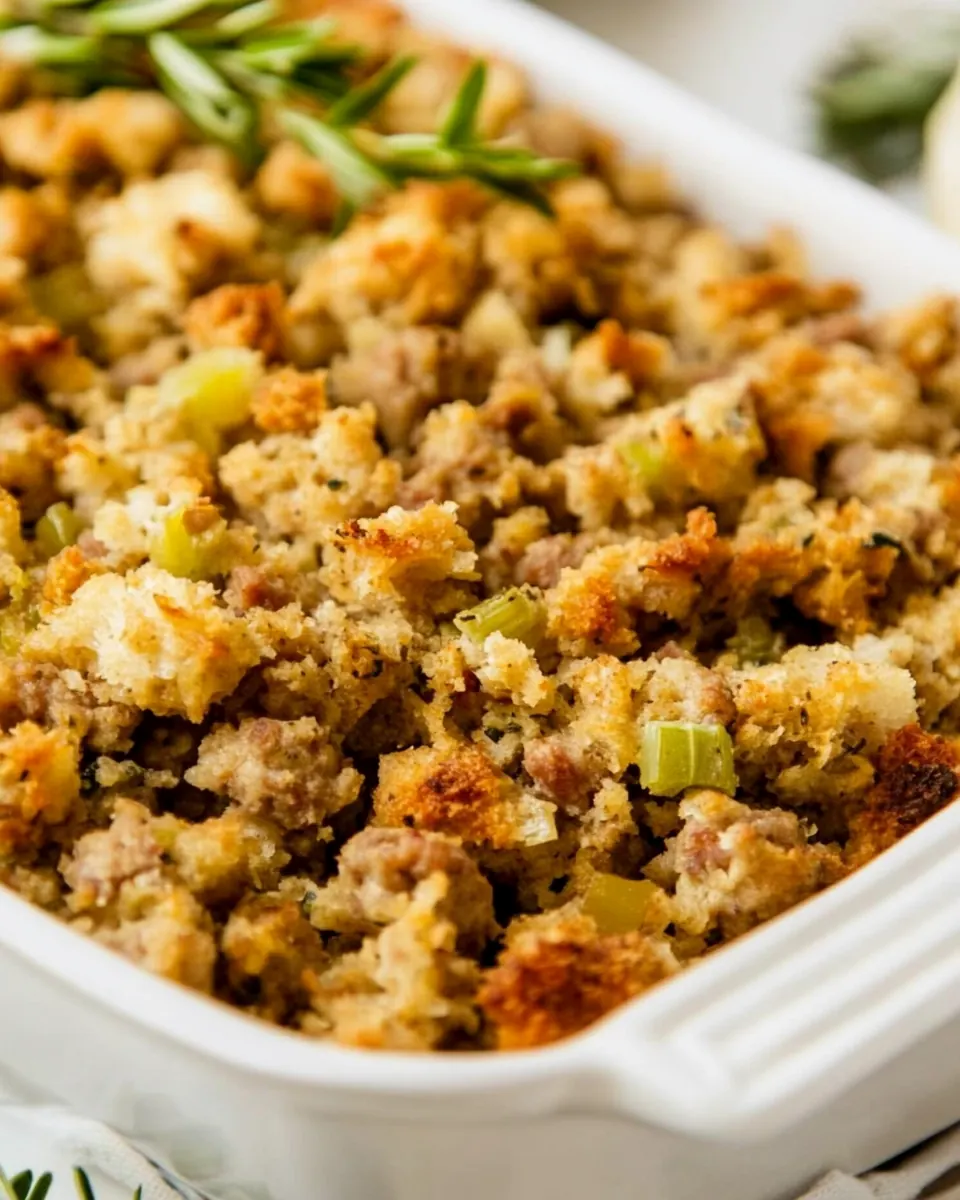
These ingredients are chosen to harmonize texture and seasoning, giving a classic stuffing that is both rich and well balanced. The cornbread and stuffing mix create the structure, while the cooked sausage and sautéed onion and celery provide savory depth. The creamy element from the condensed cream of chicken soup and the moisture from chicken broth keep the interior tender, and a final scatter of butter helps form a pleasing, golden top.
- 4 tablespoons butter: Melted and rich, provides a silky cooking fat to sauté vegetables and bind flavors; adds a buttery depth to the stuffing’s overall richness and mouthfeel.
- 2 medium sweet onions, chopped: Chopped and aromatic, builds a sweet, savory base when softened; contributes moisture and complexity to balance starchy bread and seasonings.
- 3 celery stalks, chopped: Crisp and aromatic when sautéed, adds vegetal texture and a subtle earthy flavor; helps create a classic savory mirepoix foundation for the stuffing.
- 1 pound Johnsonville ground sausage: Cooked and crumbled, supplies hearty savory protein and pronounced pork flavor; renders fat for browning and contributes substantial texture throughout the stuffing.
- 1 1/2 teaspoons dried sage: Warm and slightly peppery, lends traditional poultry–stuffing flavor with herbal, piney notes; enhances savory profile and pairs well with sausage and onion.
- 1 teaspoon poultry seasoning: Blended and fragrant, imparts a warm mix of thyme, sage, and other aromatics to heighten poultry-style seasoning; helps round out the overall flavor.
- 4 cups crumbled cornbread: Crumbled and slightly dense, offers a cornmeal-based crumb with sweet corn undertones; soaks up juices and provides substantial texture and body.
- 5 cups herb seasoned stuffing mix: Pre-seasoned and soft, brings herb-forward savory cubes that add bulk and structure; absorbs liquids and contributes a familiar stuffing texture and flavor.
- 1/2 teaspoons salt: Subtle and saline, balances and enhances savory notes without overpowering; helps season the stuffing uniformly and heighten other flavors.
- 1/4 teaspoon pepper: Piquant and bright, provides gentle heat and contrast to richer components; helps balance the creamy and fatty elements in the dish.
- 1 egg, lightly beaten: Lightly beaten and binding, adds richness and helps set the stuffing when baked; contributes tenderness and helps hold ingredients together.
- 1 (10.5-ounce) can condensed cream of chicken soup: Creamy and savory, adds condensed chicken flavor and contributes a smooth, cohesive texture; boosts umami and creaminess when mixed with broths.
- 2 to 2 1/2 cups chicken broth: Liquid and savory, provides necessary moisture to hydrate bread elements and adjust stuffing consistency; adds chicken flavor and helps meld ingredients.
- 2 tablespoons butter, cut into slivers: Slivered and buttery, used as small pockets of fat on top and within the stuffing; melts during baking to create glossy, flavorful pockets and a golden finish.
Making This Sausage Stuffing
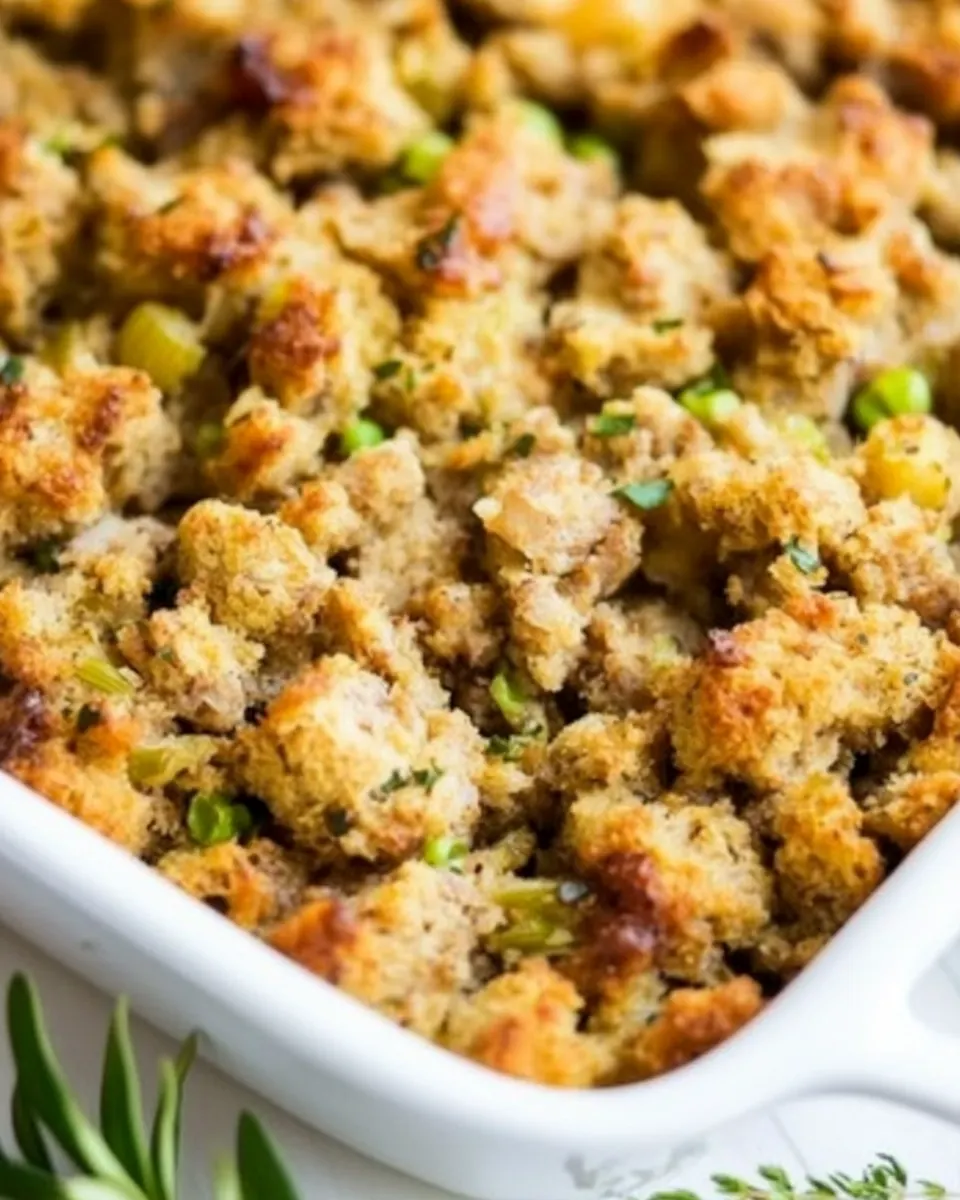
I enjoy this part most, the transition from fragrant skillet to bubbling casserole, because it feels like assembling memories as much as ingredients. Follow the steps below and listen, smell, and watch for the signs that tell you everything is coming together. With a little patience at each stage you will get that classic balance of moist interior and a lightly crisp top.
- Preheat oven to 350 degrees and lightly grease a casserole dish.: You will notice a warm, anticipatory stillness in the kitchen as the oven reaches 350 degrees , and preheating ensures even baking from the moment the dish goes in. The greased casserole prevents sticking and helps the edges brown evenly, producing small golden pockets along the rim. A common mistake is not preheating, which can lengthen bake time and yield uneven texture, so give the oven time to come to temperature.
- Add ground sausage to a pan and cook until no longer pink, breaking it apart with a wooden spoon as it cooks. Remove from pan and drain on paper towel-lined plate.: As the sausage hits the hot pan you will hear a steady sizzle and smell savory meat juices. Browning develops complex flavors through the Maillard reaction, giving the filling depth. Drain excess fat on paper towels to avoid greasiness, and ensure the crumbles are small for even distribution. Avoid crowded pans, which steam the sausage rather than brown it; cook in batches if needed.
- Wipe pan clean and heat 4 tablespoons of butter. Add onion and celery. Cook until soft, about 6 to 8 minutes. Return sausage to skillet.: When you melt the butter , the pan will shine and the aroma becomes rich and nutty, a perfect base for the chopped onion and celery . As they soften, their scent sweetens and the texture goes tender, signaling readiness. Returning the browned sausage lets the flavors marry; the vegetables will pick up meat drippings for cohesion. Burning is the common error here, so keep the heat moderate and stir regularly for even softening.
- Add sage and poultry seasoning to skillet and give it a good stir. Remove from heat and transfer mixture to a large bowl.: Freshly added dried sage and poultry seasoning will bloom in the warm fat, releasing herbal perfume and rounding out the savory notes. Stirring distributes the spices so no single bite is too intense. Moving the pan off the heat prevents the herbs from becoming bitter or overly toasted, which can happen with prolonged high heat.
- Add crumbled cornbread and stuffing mix to bowl along with all other ingredients except slivered butter. Stir well and pour into prepared casserole dish.: The moment you add the cornbread and stuffing mix, you will begin to feel the mixture take shape; it should be moist but not soggy. The condensed soup, beaten egg , salt, pepper, and measured chicken broth bind the crumbs and create a tender interior. Mix until components are evenly coated, pressing lightly to check consistency. If it seems dry, gradually add more chicken broth ; if it is too wet, a few more crumbs will help. Overmixing can make the texture gluey, so stop once homogenous.
- Scatter slivered butter on top. Place in oven and bake for 30 to 35 minutes.: As the casserole bakes, the butter melts and the surface begins to brown, releasing buttery aroma while the interior heats through and sets. You will hear gentle bubbling and see edges turn golden, a clear visual cue it is done. Allow it to rest for a few minutes after removal to set up before serving. A trap is removing it too early, which leaves the center underdone; follow the time and check for a lightly crisp top and warm, steaming center.
Substitutions and Tips
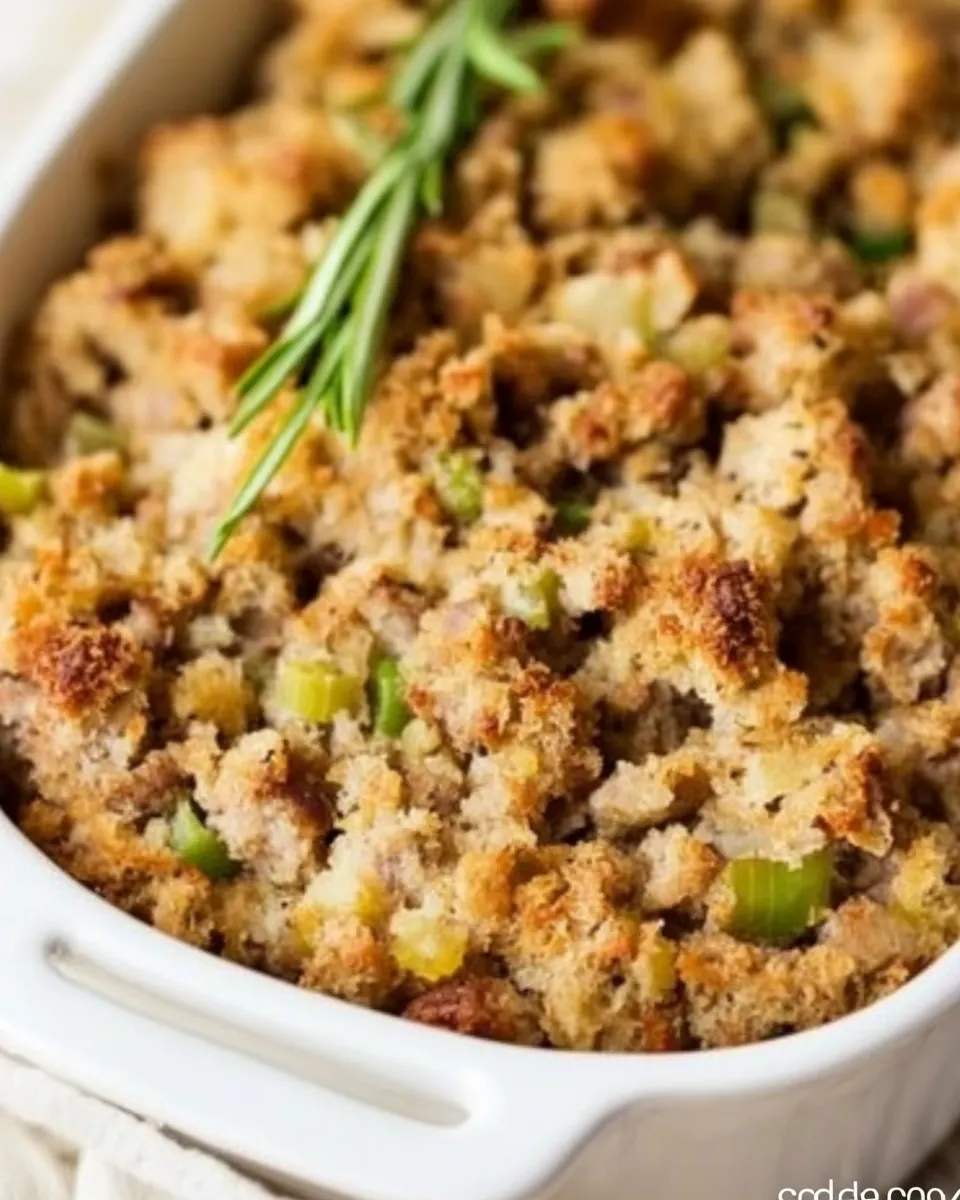
This section expands on kitchen choices that make the recipe resilient and adaptable. I explain practical swaps and handling tips so you feel confident customizing while preserving the soul of the dish. Below you will find a list of focused, actionable tips based on the recipe components.
- Use day old cornbread: Stale cornbread soaks up liquids without turning gummy, giving a better crumb structure. If your cornbread is fresh, dry it in a low oven for a few minutes before crumbling.
- Control broth for moisture: Start with two cups of chicken broth and add up to two and a half cups only if the mixture looks dry, this prevents a loose filling that needs extra bake time.
- Drain excess fat: After cooking the sausage, drain it well to avoid a greasy stuffing, blot with paper towels for best results.
- Even chopping matters: Chop onion and celery uniformly so they soften at the same rate, ensuring consistent texture in every bite.
- Bloom dried herbs: Add the dried sage and poultry seasoning to warm fat to unlock aroma, but remove from direct heat to prevent bitterness.
- Top with butter slivers: Scatter cold slivers of butter on the surface before baking to create a golden, slightly crisp crust that enhances presentation.
What to Pair With Sausage Stuffing
This stuffing is versatile, so think about balance when choosing pairings. It shines alongside roasted mains and fresh vegetables, and it suits both formal holiday spreads and cozy family dinners. Below are detailed serving suggestions, storage advice, and occasion ideas in list form to help you plan the full plate.
- Roasted mains for a classic combo: Serve the stuffing with roast poultry or roasted meats for traditional holiday dinners, the savory flavors complement each other well.
- Bright vegetable sides: Pair with lightly dressed green salads or steamed green beans to add freshness and lighten the plate.
- Comforting winter menu: This dish is ideal for fall and winter gatherings, bring it to Thanksgiving for a reliably crowd pleasing side.
- Make ahead and reheat: Assemble the casserole and refrigerate, then bake when ready; reheat covered in a low oven to retain moisture.
- Leftover ideas: Use cooled stuffing as a base for a warm skillet scramble or stuff mushrooms for small bites, extending its life beyond the main meal.
- Serving temperature: Serve warm from the oven so the textures and aromatics are at their best, allowing the top to be a little crisp while the interior remains tender.
FAQ
Conclusion
This Sausage Stuffing is special because it combines browned seasoned meat, buttery cornbread, and classic herbs into a comforting, crowd pleasing side dish. Give it a try at your next holiday or family gathering, you will find the balance of textures and warm flavors hard to resist. I hope it becomes one of those recipes you reach for when you want food that feels like home and brings people together.
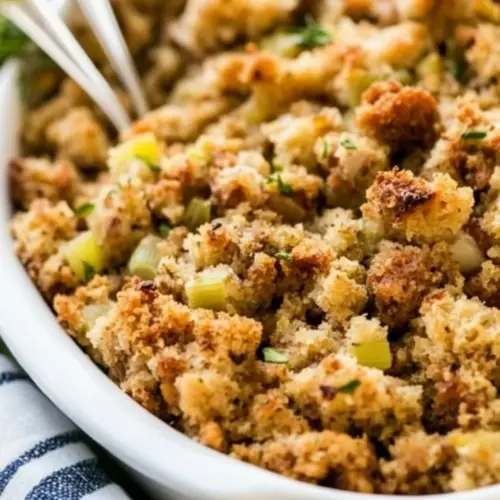
Sausage Stuffing
Equipment
- Skillet
- Casserole Dish
- Wooden Spoon
- Paper towels
Ingredients
- 4 tablespoons butter Melted and rich, provides a silky cooking fat to sauté vegetables and bind flavors; adds a buttery depth to the stuffing’s overall richness and mouthfeel.
- 2 medium sweet onions, chopped Chopped and aromatic, builds a sweet, savory base when softened; contributes moisture and complexity to balance starchy bread and seasonings.
- 3 celery stalks, chopped Crisp and aromatic when sautéed, adds vegetal texture and a subtle earthy flavor; helps create a classic savory mirepoix foundation for the stuffing.
- 1 pound Johnsonville ground sausage Cooked and crumbled, supplies hearty savory protein and pronounced pork flavor; renders fat for browning and contributes substantial texture throughout the stuffing.
- 1 1/2 teaspoons dried sage Warm and slightly peppery, lends traditional poultry-stuffing flavor with herbal, piney notes; enhances savory profile and pairs well with sausage and onion.
- 1 teaspoon poultry seasoning Blended and fragrant, imparts a warm mix of thyme, sage, and other aromatics to heighten poultry-style seasoning; helps round out the overall flavor.
- 4 cups crumbled cornbread Crumbled and slightly dense, offers a cornmeal-based crumb with sweet corn undertones; soaks up juices and provides substantial texture and body.
- 5 cups herb seasoned stuffing mix Pre-seasoned and soft, brings herb-forward savory cubes that add bulk and structure; absorbs liquids and contributes a familiar stuffing texture and flavor.
- 1/2 teaspoons salt Subtle and saline, balances and enhances savory notes without overpowering; helps season the stuffing uniformly and heighten other flavors.
- 1/4 teaspoon pepper Piquant and bright, provides gentle heat and contrast to richer components; helps balance the creamy and fatty elements in the dish.
- 1 egg, lightly beaten Lightly beaten and binding, adds richness and helps set the stuffing when baked; contributes tenderness and helps hold ingredients together.
- 1 (10.5-ounce) can condensed cream of chicken soup Creamy and savory, adds condensed chicken flavor and contributes a smooth, cohesive texture; boosts umami and creaminess when mixed with broths.
- 2 to 2 1/2 cups chicken broth Liquid and savory, provides necessary moisture to hydrate bread elements and adjust stuffing consistency; adds chicken flavor and helps meld ingredients.
- 2 tablespoons butter, cut into slivers Slivered and buttery, used as small pockets of fat on top and within the stuffing; melts during baking to create glossy, flavorful pockets and a golden finish.
Instructions
- Preheat oven to 350 degrees and lightly grease a casserole dish.: You will notice a warm, anticipatory stillness in the kitchen as the oven reaches 350 degrees , and preheating ensures even baking from the moment the dish goes in. The greased casserole prevents sticking and helps the edges brown evenly, producing small golden pockets along the rim. A common mistake is not preheating, which can lengthen bake time and yield uneven texture, so give the oven time to come to temperature.
- Add ground sausage to a pan and cook until no longer pink, breaking it apart with a wooden spoon as it cooks. Remove from pan and drain on paper towel-lined plate.: As the sausage hits the hot pan you will hear a steady sizzle and smell savory meat juices. Browning develops complex flavors through the Maillard reaction, giving the filling depth. Drain excess fat on paper towels to avoid greasiness, and ensure the crumbles are small for even distribution. Avoid crowded pans, which steam the sausage rather than brown it; cook in batches if needed.
- Wipe pan clean and heat 4 tablespoons of butter. Add onion and celery. Cook until soft, about 6 to 8 minutes. Return sausage to skillet.: When you melt the butter , the pan will shine and the aroma becomes rich and nutty, a perfect base for the chopped onion and celery . As they soften, their scent sweetens and the texture goes tender, signaling readiness. Returning the browned sausage lets the flavors marry; the vegetables will pick up meat drippings for cohesion. Burning is the common error here, so keep the heat moderate and stir regularly for even softening.
- Add sage and poultry seasoning to skillet and give it a good stir. Remove from heat and transfer mixture to a large bowl.: Freshly added dried sage and poultry seasoning will bloom in the warm fat, releasing herbal perfume and rounding out the savory notes. Stirring distributes the spices so no single bite is too intense. Moving the pan off the heat prevents the herbs from becoming bitter or overly toasted, which can happen with prolonged high heat.
- Add crumbled cornbread and stuffing mix to bowl along with all other ingredients except slivered butter. Stir well and pour into prepared casserole dish.: The moment you add the cornbread and stuffing mix, you will begin to feel the mixture take shape; it should be moist but not soggy. The condensed soup, beaten egg , salt, pepper, and measured chicken broth bind the crumbs and create a tender interior. Mix until components are evenly coated, pressing lightly to check consistency. If it seems dry, gradually add more chicken broth ; if it is too wet, a few more crumbs will help. Overmixing can make the texture gluey, so stop once homogenous.
- Scatter slivered butter on top. Place in oven and bake for 30 to 35 minutes.: As the casserole bakes, the butter melts and the surface begins to brown, releasing buttery aroma while the interior heats through and sets. You will hear gentle bubbling and see edges turn golden, a clear visual cue it is done. Allow it to rest for a few minutes after removal to set up before serving. A trap is removing it too early, which leaves the center underdone; follow the time and check for a lightly crisp top and warm, steaming center.
Notes
- Use day old cornbread: Stale cornbread soaks up liquids without turning gummy, giving a better crumb structure. If your cornbread is fresh, dry it in a low oven for a few minutes before crumbling.
- Control broth for moisture: Start with two cups of chicken broth and add up to two and a half cups only if the mixture looks dry, this prevents a loose filling that needs extra bake time.
- Drain excess fat: After cooking the sausage, drain it well to avoid a greasy stuffing, blot with paper towels for best results.
- Even chopping matters: Chop onion and celery uniformly so they soften at the same rate, ensuring consistent texture in every bite.
- Bloom dried herbs: Add the dried sage and poultry seasoning to warm fat to unlock aroma, but remove from direct heat to prevent bitterness.
- Top with butter slivers: Scatter cold slivers of butter on the surface before baking to create a golden, slightly crisp crust that enhances presentation.