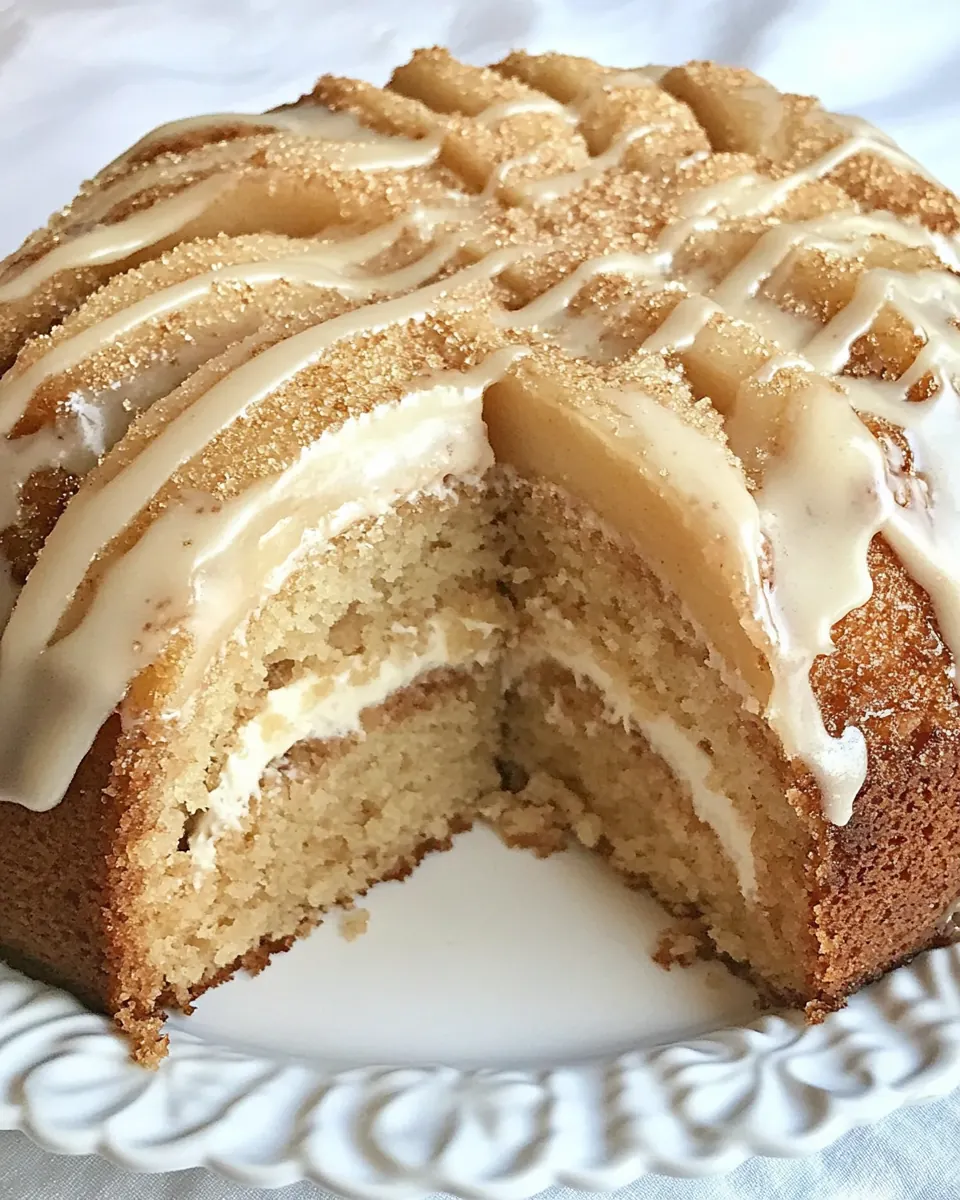
Spiced Pear Cake with Browned Butter Icing
Spiced Pear Cake with Browned Butter Icing is one of those recipes that feels like a warm conversation on a cool afternoon, and the first time I made it I knew it was a keeper. The moment the oven hums and the sweet, spicy aroma of cinnamon and nutmeg drifts through the house, you can tell this cake will be special. I remember peeling and chopping the pears while chatting with a friend, the kitchen filling with soft pear perfume as a light dusting of sugar made the fruit glisten. That first loaf came out with a tender crumb and a caramel colored top, and the browned butter icing made everything sing.
Over the years I have adapted the batter to favor texture and honesty, swapping a little all purpose for whole wheat to give body without heaviness. I love how the pears keep pockets of juiciness inside the loaf, they become almost pear preserves as they mingle with the spices. Serving a slice warm with a thin drizzle of the icing creates a contrast of cozy cake and glossy, nutty sauce that my friends always ask for again. Baking these as two loaves makes a generous gift, and I like to tuck one into the freezer for mornings when I want a simple, comforting bite.
Recipe Snapshot
1 hr 30 mins
30 mins
60 mins
Medium
250 kcal
American
Gluten-Free, Vegan
Desserts
Oven, 5 x 8-inch loaf pan, Mixing bowls, Whisk, Small saucepan, Cooling rack
Why This Spiced Pear Cake with Browned Butter Icing Hits Different
1. Texture that balances tender and hearty
I love that Spiced Pear Cake with Browned Butter Icing manages to be tender yet substantial. The combination of all purpose flour and whole wheat flour gives the crumb structure you can slice, while the grated and chopped pears melt into the batter to add moisture without making it gloopy. When I slice into a loaf and see small, juicy pear pockets, I know the balance worked.
2. A simple spice profile that elevates
A little cinnamon and a whisper of nutmeg go a long way. I prefer subtlety, where the spices frame the fruit instead of overshadowing it. This approach keeps the cake approachable for people who do not want bold spice, yet satisfying for anyone who enjoys warm autumn notes.
3. Browned butter icing for depth
The butter in the icing is browned to create toasty, nutty flavors that contrast beautifully with the bright pear. I always watch for the tiny brown flecks to know the butter is ready, that smell of caramelized milk solids is irresistible. A glossy, lightly sweetened icing ties the loaves together and makes the cake feel special without fuss.
4. Flexible and crowd friendly
This recipe yields two loaves, which makes it perfect for gatherings, afternoon visits, or a thoughtful gift. It travels well, and I often bring one loaf to a neighbor and stash the other at home. Because the steps are straightforward, you can confidently bake for friends even if you are short on time.
5. Honest, pantry friendly ingredients
I appreciate that the ingredient list reads like a well stocked kitchen. With basics like eggs, sugar, milk, and oil, plus fruit and a touch of spice, this cake is accessible. The recipe rewards careful technique rather than exotic components, so you get big flavor from small effort.
What Goes Into Spiced Pear Cake with Browned Butter Icing
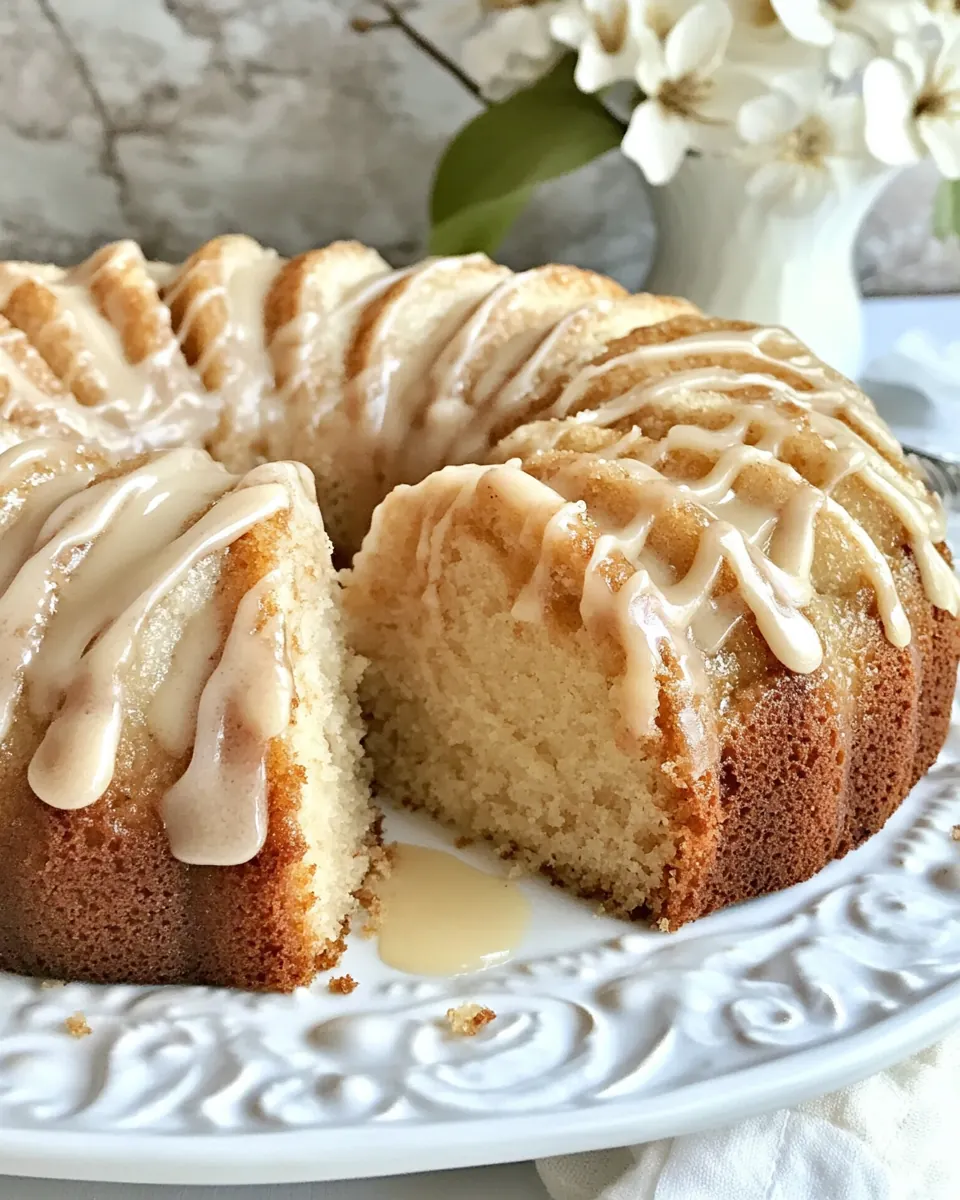
These ingredients form a harmony between fruit, spice, and structure. The pears bring moisture and natural sweetness, the flours and baking powder create the crumb, and the sugars and browned butter deliver both sweetness and depth. Each component plays a clear role, and together they produce a loaf that slices cleanly while staying tender and aromatic.
- 3 medium to large firm pears (peeled, cored and chopped): Peel, core, and chop to add juicy, tender fruit pieces that provide natural sweetness and moisture throughout the cake; choose firm pears to maintain texture after baking. Combine evenly into the batter so they distribute flavor and create pockets of soft fruit in each slice.
- 2 tablespoons granulated white sugar: Sweeten and slightly caramelize fruit pieces or batter when mixed; add a clean, bright sweetness that balances spices and richness. Sprinkle or fold in carefully to avoid clumping and to help promote light browning in the finished cake.
- 2 tablespoons packed light brown sugar: Add warm, molasses-like sweetness and a hint of depth when incorporated into the batter; contribute to moistness and a more complex flavor profile. Pack lightly and mix thoroughly so the brown sugar dissolves and melds with other sweeteners.
- 1 1/2 teaspoons ground cinnamon: Provide warm, aromatic spice that complements pears and enhances overall cake flavor; distribute cinnamon evenly to infuse the batter with familiar cozy notes. Adjust proportion gently to avoid overpowering the cake while maintaining a spiced character.
- 1/4 teaspoon ground nutmeg: Lend a subtle nutty warmth and autumnal complexity that pairs well with cinnamon and pears; use sparingly to avoid bitterness. Blend into the dry ingredients so its aroma is evenly present without creating concentrated pockets.
- 2 cups all purpose flour: Form the bulk of the cake structure and provide gluten for crumb development when combined with liquids; use spoon-and-level to measure for accurate texture. Sift or whisk with leavening to ensure even distribution and avoid dense spots in the cake.
- 1 cup whole wheat flour: Introduce additional whole-grain flavor, slightly denser texture, and nutritional fiber to the cake; balance with white flour to retain tenderness. Whisk with the all-purpose flour and leavening to integrate and maintain an even crumb throughout baking.
- 3 teaspoons baking powder: Create lift and lightness by producing carbon dioxide when reacting with liquids and heat; ensure even distribution by sifting or whisking into dry mix. Measure precisely to avoid over- or under-risen cake and to maintain consistent crumb structure.
- 1 teaspoon salt: Provide seasoning to balance sweetness and enhance overall flavors; distribute with the dry ingredients for even seasoning throughout the cake. Measure carefully to avoid over-salting, which can mask delicate pear and spice notes.
- 1 1/2 cups granulated white sugar: Contribute primary sweetness and structure, helping to tenderize and provide moisture when creamed or mixed with wet ingredients; dissolve into the batter for consistent sweetness. Use measured amount to achieve intended cake sweetness without overpowering fruit flavors.
- 4 large eggs: Bind ingredients, add richness, and aid in leavening through steam and emulsification; beat properly to incorporate air for a lighter texture. Use room-temperature eggs for best emulsification and consistent batter volume.
- 3/4 cup milk: Add liquid to hydrate dry ingredients and help form the cake batter while contributing tenderness; choose milk for its mild flavor and slight richness. Warm slightly if needed to help dissolve sugars and create a smooth batter consistency.
- 1/2 cup canola or vegetable oil: Provide fat for tenderness, moisture, and a neutral flavor that lets spices and fruit shine; use a neutral oil to keep the crumb soft and moist. Measure carefully and combine with liquids to emulsify evenly into the batter.
- 1/2 cup unsweetened applesauce: Contribute moisture and natural sweetness while reducing fat content compared with full oil replacement; help maintain cake tenderness and add subtle apple flavor. Mix with other wet ingredients to ensure even distribution and prevent dryness.
- 1/4 cup (1/2 stick) salted butter: Add rich, salty butter flavor to the batter or icing and help build depth; use at specified amount to control butteriness and salt balance. Melt or soften as directed to incorporate smoothly into the mixture without leaving lumps.
- 2 cups sifted powdered sugar: Create smooth, opaque sweetness for the frosting and help stabilize icing texture when sifted to remove lumps; dissolve into browned butter for a glossy finish. Sifted powdered sugar ensures a silky icing without graininess and achieves the right consistency.
- 4 to 5 teaspoons boiling hot water: Thin and loosen icing to a spreadable consistency and help dissolve powdered sugar for a glossy finish; use boiling water cautiously to reach the desired texture. Add gradually until the icing flows smoothly but remains thick enough to coat the cake.
- 1 teaspoon vanilla extract: Enhance overall flavor with a sweet, floral vanilla note and round out the icing or batter; add at the end of mixing to preserve aromatic qualities. Use pure vanilla extract for best flavor impact and stir in evenly to avoid concentrated spots.
How to Make Spiced Pear Cake with Browned Butter Icing
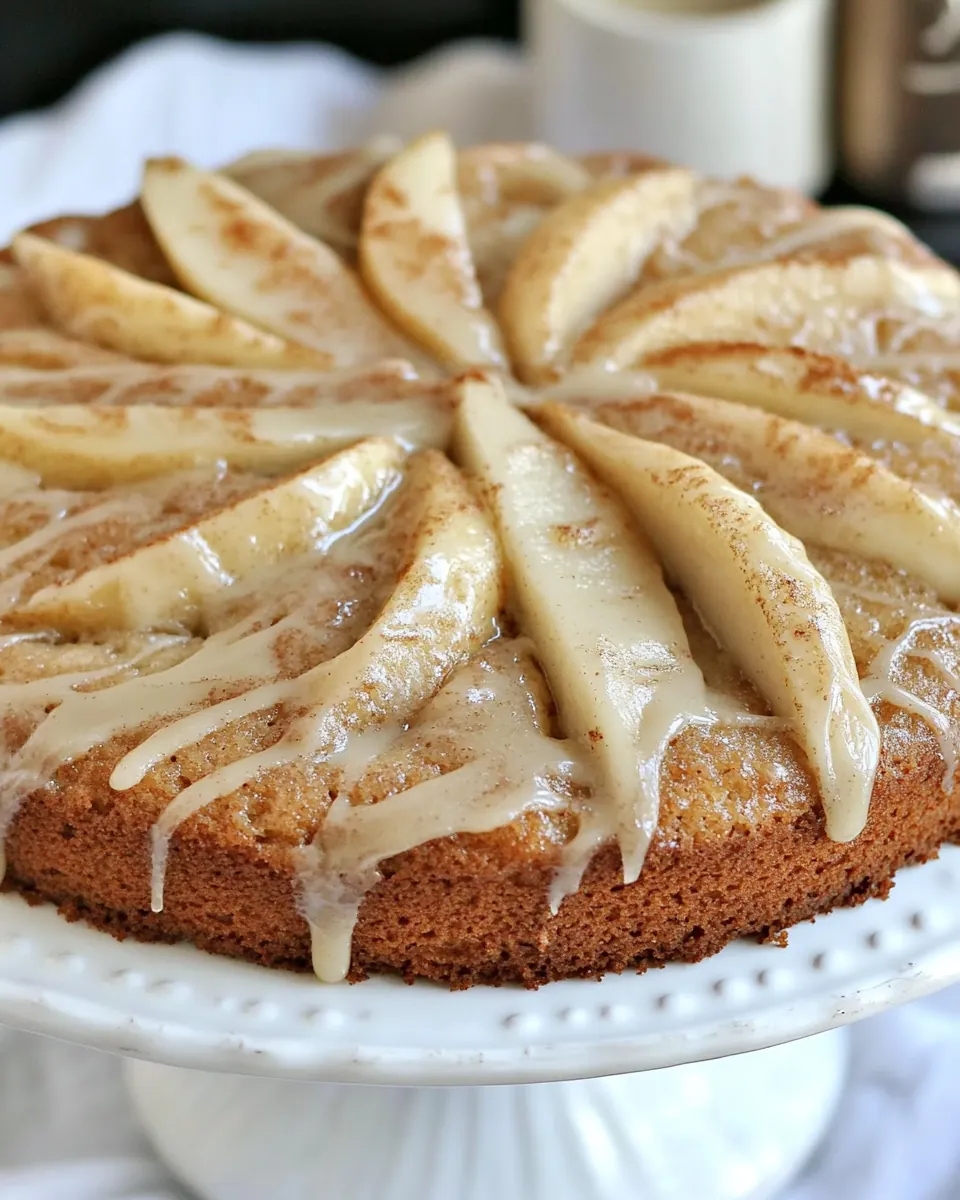
These loaves are straightforward if you follow a steady rhythm from bowl to pan. I like to set out my bowls and tools first, toss the pears, and then mix dry and wet components separately. Working in this order keeps the batter light and ensures the fruit is evenly distributed.
- Arrange your oven rack to the lower third of the oven. Preheat the oven to 350 degrees F. Spray two 5 x 8-inch loaf pans with nonstick spray.: You will notice a warm, steady hum as the oven comes up to temperature, and setting the rack low encourages even browning on the top while fully baking the center. This position helps the loaves rise uniformly without the crust overbrowning too quickly. A common pitfall is not preheating long enough, which can lead to uneven rise, so wait until the oven reaches 350 degrees F and the temperature holds for a few minutes before putting the pans in.
- In a medium bowl, toss the pears with the white and brown sugars, cinnamon and nutmeg. Set aside. In a separate bowl, whisk together the flours, baking powder and salt.: As you toss, the pears begin to release juices, and you will see a glossy, spiced syrup coat the pieces, signaling that the fruit will infuse the batter with moisture and flavor. Whisking the dry ingredients separately ensures even distribution of the baking powder so the leavening works consistently. Avoid cutting the pears too small, which can cause them to disappear into the crumb, or too large, which can create heavy pockets; aim for uniform chunks for even texture.
- In a large bowl, whisk together the sugar, eggs, milk, oil and applesauce. Whisk in the dry ingredients until they are just mixed in (don't over-mix). Stir in the pears and all of their sweet and spicy juices too. Divide the batter between the two pans. Bake 60 to 70 minutes, or until the loaves are baked through and test done (toothpick inserted in the centers comes out clean). Let the cakes cool for 15 minutes, then turn them out onto a rack to cool completely.: When you whisk these together, watch the mixture thicken slightly and the color lighten as air incorporates, creating a base that will trap bubbles for lift. The emulsion of eggs and liquid stabilizes the batter, while the oil and applesauce promise tenderness. Overbeating here is less risky than after adding flour, but keep a steady hand to avoid breaking the emulsion.
- When cake is cool, prepare the icing. Melt the butter in a small saucepan over medium heat. Heat and stir for 5 to 7 minutes, or until the butter is lightly browned (you will see little flecks of brown throughout the melted butter when it is properly browned). Remove it from the stove and pour it into a bowl. Whisk in 1 cup of the powdered sugar. Add 3 teaspoons of the water and the vanilla. Whisk in more powdered sugar a little at a time until it thick but still pourable (add a teaspoon or two of additional water, if needed). Place paper towels under the rack and drizzle the icing onto the cakes. Serve immediately, or store in a covered container until ready to serve.: At this stage, the batter should come together with streaks disappearing but not beaten into a rubbery mass. You will see a smooth batter dotted with air bubbles, and that gentle incorporation keeps the crumb soft. Over-mixing activates gluten and yields a tough texture, so fold until the last streaks of flour vanish.
- Stir in the pears and all of their sweet and spicy juices too.: As you fold the pears in, notice the batter take on flecks of spice and darker ribbons of pear syrup, creating a marbled, inviting appearance. The juices help keep the loaf moist as it bakes. Be careful not to overwork the batter here, or the fruit will break down and the batter can become overly wet.
- Divide the batter between the two pans.: Pouring the batter reveals its weight and viscosity, and you should see an even fill that leaves room for rise. Tap the pans lightly on the counter to settle the batter and release large air pockets, which helps produce an even crumb. Filling pans unevenly will give you uneven baking times, so use a scale or visually match the batter levels.
- Bake 60 to 70 minutes, or until the loaves are baked through and test done (toothpick inserted in the centers comes out clean).: During baking you will hear a faint crackle from the crust forming and smell the spices deepen into caramel aromas. The tops should become golden and slightly domed. Rely on the toothpick test rather than clock time alone, as ovens vary, and avoid opening the oven door frequently which can drop temperature and affect rise.
- Let the cakes cool for 15 minutes, then turn them out onto a rack to cool completely.: Cooling allows the crumb to set so the loaf slices cleanly; you will feel the loaf firm slightly as steam releases. Turning out too soon can cause the cake to break apart, while leaving it longer in the pan may create condensation. Fifteen minutes strikes a balance, but if the loaves seem unstable, wait a bit longer to prevent tearing.
- When cake is cool, prepare the icing.: The aroma of browning butter will fill the kitchen as the milk solids toast, offering a nutty, almost caramel scent that complements the pear and spice. Making the icing when the cake is cool prevents it from running off completely, giving you a glossy finish that clings to the top. If the butter browns too dark, it can taste burnt, so remove it from heat when you see tiny brown flecks and a nutty aroma.
- Melt the butter in a small saucepan over medium heat. Heat and stir for 5 to 7 minutes, or until the butter is lightly browned (you will see little flecks of brown throughout the melted butter when it is properly browned).: You will hear gentle bubbling and see foam rise, and then small brown specks will appear as the milk solids caramelize. That nutty scent tells you the butter is ready. Keep stirring and monitor closely because the transition from browned to burnt is quick; if scorching begins, transfer the butter immediately to a cool bowl.
- Remove it from the stove and pour it into a bowl. Whisk in 1 cup of the powdered sugar.: The hot butter will melt the sugar slightly, creating a thick paste that smooths as you whisk. This initial combination forms the body of the icing. If the powdered sugar lumps, press them against the bowl with your whisk to dissolve them completely before adding liquid.
- Add 3 teaspoons of the water and the vanilla.: The boiling hot water helps dissolve remaining sugar quickly, making the glaze shine, while the vanilla lifts the flavor. You will see the mixture thin and become glossy as you whisk. Add the water slowly, because too much will make the icing overly runny and it will not set properly on the cake.
- Whisk in more powdered sugar a little at a time until it thick but still pourable (add a teaspoon or two of additional water, if needed).: Aim for a ribbon like viscosity that drips slowly off a spoon and holds a soft sheen when it lands on the cake. The right balance yields a glossy drizzle that sets thinly but does not soak into the crumb. If the icing seems too thick, a single teaspoon of hot water is enough to loosen it without making it sheer.
- Place paper towels under the rack and drizzle the icing onto the cakes.: Drizzling over a rack gives a tidy finish and allows excess to drip away onto paper towels, preventing puddles. The icing should form shiny ribbons and thin pools that cling to the top edges. Work quickly because the icing will start to set as it cools; slow movement can create uneven patches or a matte finish.
- Serve immediately, or store in a covered container until ready to serve.: When you slice into a glazed loaf, you will notice a contrast between soft crumb and the slightly set glaze, which keeps the cake moist and visually appealing. Stored in a covered container, the loaves keep for several days at room temperature, but refrigeration will extend freshness if your kitchen is warm. If you refrigerate, allow slices to come to room temperature before serving for best texture.
Make It Your Own
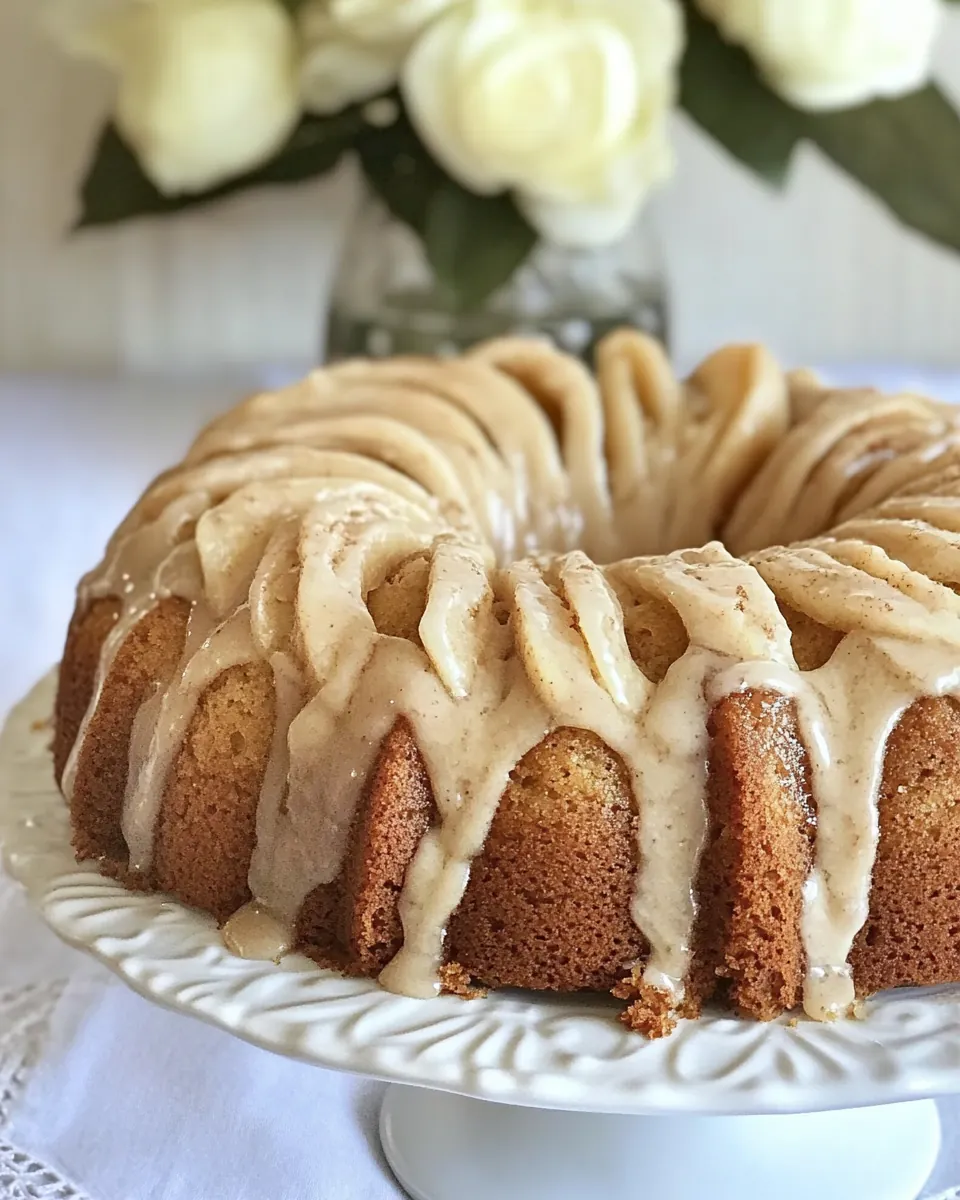
These suggestions let you adapt the loaf to your preferences while keeping the soul of Spiced Pear Cake with Browned Butter Icing intact. Small changes can shift texture, sweetness, and presentation, so choose adjustments that match how you like to eat cake.
- Swap texture smartly. If you prefer a lighter loaf, sift the flours before measuring and gently fold the batter to keep more air; for a denser, heartier cake, slightly increase the whole wheat flour by a couple of tablespoons.
- Adjust sweetness gently. To reduce sweetness, cut the added loaf sugar by up to one quarter, but keep the brown sugar with the pears so they caramelize slightly; too little sugar can affect browning and tenderness.
- Control pear moisture. If your pears are very juicy, toss them in an extra tablespoon of flour before folding into the batter to prevent sinking and overly wet batter.
- Make-ahead plan. Bake the loaves, cool completely, wrap tightly in plastic, and freeze for up to three months; thaw at room temperature and refresh with a quick warm glaze before serving.
- Glaze variations. For a thinner, pourable glaze, add an extra teaspoon of boiling water at a time until you reach the desired consistency; for a thicker drizzle, use less liquid and let it set slightly longer before slicing.
How to Serve Spiced Pear Cake with Browned Butter Icing
This cake is versatile and suits many occasions, from a cozy tea to a festive brunch. The following serving ideas and pairings will help you present the loaves in ways that highlight their warm spice, tender crumb, and nutty icing.
- Casual coffee or tea service. Slice the loaf thinly and serve with hot coffee or a bright tea; the nutty glaze pairs beautifully with medium roasted coffee and cuts through the sweetness.
- Brunch centerpiece. Arrange slices on a platter with seasonal fruit and a bowl of yogurt; the loaf adds a baked element that complements savory brunch items without competing.
- Holiday gifting. Wrap a cooled loaf in parchment and tie with twine for a thoughtful homemade gift; the two loaf yield makes it easy to keep one and give one away.
- Storage tips. Store wrapped at room temperature for two to three days in a covered container, or refrigerate to extend by several days; bring chilled slices to room temperature before serving to restore softness.
- Seasonal pairings. In fall, serve with spiced apple compote or a smear of unsweetened applesauce alongside each slice to echo the cake’s fruit notes; the pairing highlights the pear without adding heavy sweetness.
FAQ
Conclusion
Spiced Pear Cake with Browned Butter Icing stands out because it combines simple pantry ingredients with a small technique payoff in the browned butter to create something greater than the sum of its parts. The tender, slightly nutty crumb studded with juicy pear pieces and finished with a glossy, aromatic glaze makes each slice feel both comforting and refined. I encourage you to bake a double batch, share one loaf with a friend, and keep the other nearby for easy mornings and unexpected guests. This cake is forgiving, adaptable, and reliably lovely, which is exactly why I return to it every cool season.
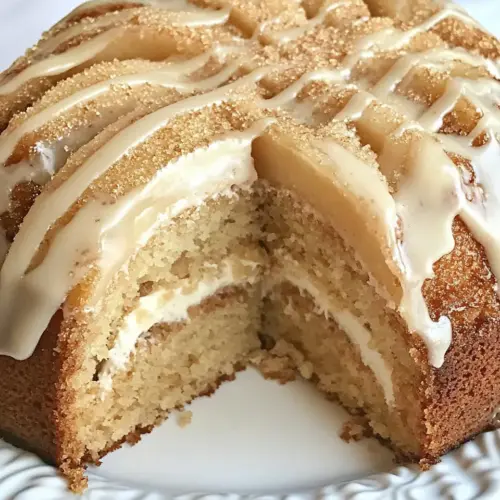
Spiced Pear Cake with Browned Butter Icing
Equipment
- Oven
- 5 x 8-inch loaf pan
- Mixing Bowls
- Whisk
- Small Saucepan
- Cooling rack
Ingredients
- 3 medium to large firm pears (peeled, cored and chopped) Peel, core, and chop to add juicy, tender fruit pieces that provide natural sweetness and moisture throughout the cake; choose firm pears to maintain texture after baking. Combine evenly into the batter so they distribute flavor and create pockets of soft fruit in each slice.
- 2 tablespoons granulated white sugar Sweeten and slightly caramelize fruit pieces or batter when mixed; add a clean, bright sweetness that balances spices and richness. Sprinkle or fold in carefully to avoid clumping and to help promote light browning in the finished cake.
- 2 tablespoons packed light brown sugar Add warm, molasses-like sweetness and a hint of depth when incorporated into the batter; contribute to moistness and a more complex flavor profile. Pack lightly and mix thoroughly so the brown sugar dissolves and melds with other sweeteners.
- 1 1/2 teaspoons ground cinnamon Provide warm, aromatic spice that complements pears and enhances overall cake flavor; distribute cinnamon evenly to infuse the batter with familiar cozy notes. Adjust proportion gently to avoid overpowering the cake while maintaining a spiced character.
- 1/4 teaspoon ground nutmeg Lend a subtle nutty warmth and autumnal complexity that pairs well with cinnamon and pears; use sparingly to avoid bitterness. Blend into the dry ingredients so its aroma is evenly present without creating concentrated pockets.
- 2 cups all purpose flour Form the bulk of the cake structure and provide gluten for crumb development when combined with liquids; use spoon-and-level to measure for accurate texture. Sift or whisk with leavening to ensure even distribution and avoid dense spots in the cake.
- 1 cup whole wheat flour Introduce additional whole-grain flavor, slightly denser texture, and nutritional fiber to the cake; balance with white flour to retain tenderness. Whisk with the all-purpose flour and leavening to integrate and maintain an even crumb throughout baking.
- 3 teaspoons baking powder Create lift and lightness by producing carbon dioxide when reacting with liquids and heat; ensure even distribution by sifting or whisking into dry mix. Measure precisely to avoid over- or under-risen cake and to maintain consistent crumb structure.
- 1 teaspoon salt Provide seasoning to balance sweetness and enhance overall flavors; distribute with the dry ingredients for even seasoning throughout the cake. Measure carefully to avoid over-salting, which can mask delicate pear and spice notes.
- 1 1/2 cups granulated white sugar Contribute primary sweetness and structure, helping to tenderize and provide moisture when creamed or mixed with wet ingredients; dissolve into the batter for consistent sweetness. Use measured amount to achieve intended cake sweetness without overpowering fruit flavors.
- 4 large eggs Bind ingredients, add richness, and aid in leavening through steam and emulsification; beat properly to incorporate air for a lighter texture. Use room-temperature eggs for best emulsification and consistent batter volume.
- 3/4 cup milk Add liquid to hydrate dry ingredients and help form the cake batter while contributing tenderness; choose milk for its mild flavor and slight richness. Warm slightly if needed to help dissolve sugars and create a smooth batter consistency.
- 1/2 cup canola or vegetable oil Provide fat for tenderness, moisture, and a neutral flavor that lets spices and fruit shine; use a neutral oil to keep the crumb soft and moist. Measure carefully and combine with liquids to emulsify evenly into the batter.
- 1/2 cup unsweetened applesauce Contribute moisture and natural sweetness while reducing fat content compared with full oil replacement; help maintain cake tenderness and add subtle apple flavor. Mix with other wet ingredients to ensure even distribution and prevent dryness.
- 1/4 cup (1/2 stick) salted butter Add rich, salty butter flavor to the batter or icing and help build depth; use at specified amount to control butteriness and salt balance. Melt or soften as directed to incorporate smoothly into the mixture without leaving lumps.
- 2 cups sifted powdered sugar Create smooth, opaque sweetness for the frosting and help stabilize icing texture when sifted to remove lumps; dissolve into browned butter for a glossy finish. Sifted powdered sugar ensures a silky icing without graininess and achieves the right consistency.
- 4 to 5 teaspoons boiling hot water Thin and loosen icing to a spreadable consistency and help dissolve powdered sugar for a glossy finish; use boiling water cautiously to reach the desired texture. Add gradually until the icing flows smoothly but remains thick enough to coat the cake.
- 1 teaspoon vanilla extract Enhance overall flavor with a sweet, floral vanilla note and round out the icing or batter; add at the end of mixing to preserve aromatic qualities. Use pure vanilla extract for best flavor impact and stir in evenly to avoid concentrated spots.
Instructions
- Arrange your oven rack to the lower third of the oven. Preheat the oven to 350 degrees F. Spray two 5 x 8-inch loaf pans with nonstick spray.: You will notice a warm, steady hum as the oven comes up to temperature, and setting the rack low encourages even browning on the top while fully baking the center. This position helps the loaves rise uniformly without the crust overbrowning too quickly. A common pitfall is not preheating long enough, which can lead to uneven rise, so wait until the oven reaches 350 degrees F and the temperature holds for a few minutes before putting the pans in.
- In a medium bowl, toss the pears with the white and brown sugars, cinnamon and nutmeg. Set aside. In a separate bowl, whisk together the flours, baking powder and salt.: As you toss, the pears begin to release juices, and you will see a glossy, spiced syrup coat the pieces, signaling that the fruit will infuse the batter with moisture and flavor. Whisking the dry ingredients separately ensures even distribution of the baking powder so the leavening works consistently. Avoid cutting the pears too small, which can cause them to disappear into the crumb, or too large, which can create heavy pockets; aim for uniform chunks for even texture.
- In a large bowl, whisk together the sugar, eggs, milk, oil and applesauce. Whisk in the dry ingredients until they are just mixed in (don't over-mix). Stir in the pears and all of their sweet and spicy juices too. Divide the batter between the two pans. Bake 60 to 70 minutes, or until the loaves are baked through and test done (toothpick inserted in the centers comes out clean). Let the cakes cool for 15 minutes, then turn them out onto a rack to cool completely.: When you whisk these together, watch the mixture thicken slightly and the color lighten as air incorporates, creating a base that will trap bubbles for lift. The emulsion of eggs and liquid stabilizes the batter, while the oil and applesauce promise tenderness. Overbeating here is less risky than after adding flour, but keep a steady hand to avoid breaking the emulsion.
- When cake is cool, prepare the icing. Melt the butter in a small saucepan over medium heat. Heat and stir for 5 to 7 minutes, or until the butter is lightly browned (you will see little flecks of brown throughout the melted butter when it is properly browned). Remove it from the stove and pour it into a bowl. Whisk in 1 cup of the powdered sugar. Add 3 teaspoons of the water and the vanilla. Whisk in more powdered sugar a little at a time until it thick but still pourable (add a teaspoon or two of additional water, if needed). Place paper towels under the rack and drizzle the icing onto the cakes. Serve immediately, or store in a covered container until ready to serve.: At this stage, the batter should come together with streaks disappearing but not beaten into a rubbery mass. You will see a smooth batter dotted with air bubbles, and that gentle incorporation keeps the crumb soft. Over-mixing activates gluten and yields a tough texture, so fold until the last streaks of flour vanish.
- Stir in the pears and all of their sweet and spicy juices too.: As you fold the pears in, notice the batter take on flecks of spice and darker ribbons of pear syrup, creating a marbled, inviting appearance. The juices help keep the loaf moist as it bakes. Be careful not to overwork the batter here, or the fruit will break down and the batter can become overly wet.
- Divide the batter between the two pans.: Pouring the batter reveals its weight and viscosity, and you should see an even fill that leaves room for rise. Tap the pans lightly on the counter to settle the batter and release large air pockets, which helps produce an even crumb. Filling pans unevenly will give you uneven baking times, so use a scale or visually match the batter levels.
- Bake 60 to 70 minutes, or until the loaves are baked through and test done (toothpick inserted in the centers comes out clean).: During baking you will hear a faint crackle from the crust forming and smell the spices deepen into caramel aromas. The tops should become golden and slightly domed. Rely on the toothpick test rather than clock time alone, as ovens vary, and avoid opening the oven door frequently which can drop temperature and affect rise.
- Let the cakes cool for 15 minutes, then turn them out onto a rack to cool completely.: Cooling allows the crumb to set so the loaf slices cleanly; you will feel the loaf firm slightly as steam releases. Turning out too soon can cause the cake to break apart, while leaving it longer in the pan may create condensation. Fifteen minutes strikes a balance, but if the loaves seem unstable, wait a bit longer to prevent tearing.
- When cake is cool, prepare the icing.: The aroma of browning butter will fill the kitchen as the milk solids toast, offering a nutty, almost caramel scent that complements the pear and spice. Making the icing when the cake is cool prevents it from running off completely, giving you a glossy finish that clings to the top. If the butter browns too dark, it can taste burnt, so remove it from heat when you see tiny brown flecks and a nutty aroma.
- Melt the butter in a small saucepan over medium heat. Heat and stir for 5 to 7 minutes, or until the butter is lightly browned (you will see little flecks of brown throughout the melted butter when it is properly browned).: You will hear gentle bubbling and see foam rise, and then small brown specks will appear as the milk solids caramelize. That nutty scent tells you the butter is ready. Keep stirring and monitor closely because the transition from browned to burnt is quick; if scorching begins, transfer the butter immediately to a cool bowl.
- Remove it from the stove and pour it into a bowl. Whisk in 1 cup of the powdered sugar.: The hot butter will melt the sugar slightly, creating a thick paste that smooths as you whisk. This initial combination forms the body of the icing. If the powdered sugar lumps, press them against the bowl with your whisk to dissolve them completely before adding liquid.
- Add 3 teaspoons of the water and the vanilla.: The boiling hot water helps dissolve remaining sugar quickly, making the glaze shine, while the vanilla lifts the flavor. You will see the mixture thin and become glossy as you whisk. Add the water slowly, because too much will make the icing overly runny and it will not set properly on the cake.
- Whisk in more powdered sugar a little at a time until it thick but still pourable (add a teaspoon or two of additional water, if needed).: Aim for a ribbon like viscosity that drips slowly off a spoon and holds a soft sheen when it lands on the cake. The right balance yields a glossy drizzle that sets thinly but does not soak into the crumb. If the icing seems too thick, a single teaspoon of hot water is enough to loosen it without making it sheer.
- Place paper towels under the rack and drizzle the icing onto the cakes.: Drizzling over a rack gives a tidy finish and allows excess to drip away onto paper towels, preventing puddles. The icing should form shiny ribbons and thin pools that cling to the top edges. Work quickly because the icing will start to set as it cools; slow movement can create uneven patches or a matte finish.
- Serve immediately, or store in a covered container until ready to serve.: When you slice into a glazed loaf, you will notice a contrast between soft crumb and the slightly set glaze, which keeps the cake moist and visually appealing. Stored in a covered container, the loaves keep for several days at room temperature, but refrigeration will extend freshness if your kitchen is warm. If you refrigerate, allow slices to come to room temperature before serving for best texture.
Notes
- Swap texture smartly. If you prefer a lighter loaf, sift the flours before measuring and gently fold the batter to keep more air; for a denser, heartier cake, slightly increase the whole wheat flour by a couple of tablespoons.
- Adjust sweetness gently. To reduce sweetness, cut the added loaf sugar by up to one quarter, but keep the brown sugar with the pears so they caramelize slightly; too little sugar can affect browning and tenderness.
- Control pear moisture. If your pears are very juicy, toss them in an extra tablespoon of flour before folding into the batter to prevent sinking and overly wet batter.
- Make-ahead plan. Bake the loaves, cool completely, wrap tightly in plastic, and freeze for up to three months; thaw at room temperature and refresh with a quick warm glaze before serving.
- Glaze variations. For a thinner, pourable glaze, add an extra teaspoon of boiling water at a time until you reach the desired consistency; for a thicker drizzle, use less liquid and let it set slightly longer before slicing.
