Salsa Verde Vegetable Omelette
Salsa Verde Vegetable Omelette came into my week like a bright hello from the farmers market, full of green salsa tang and garden vegetables that begged to be celebrated at breakfast.
I remember the morning I first mixed those vibrant flavors, juggling a grocery bag and a sleepy cat underfoot, and thinking I could make something quick that still felt special. The vegetables were crisp, the egg whites fluffed gently in the pan, and the salsa verde added a lively lift that made the whole thing sing. I loved how each bite balanced creamy and crisp textures, and how a few simple garnishes turned a simple meal into something I wanted to photograph and share with friends. That day I realized a weekday breakfast could taste like a small celebration without requiring an elaborate effort or an intimidating ingredient list.
Since then I’ve adapted the approach for rushed mornings and leisurely brunches alike, keeping the method straightforward and the flavors intact. Using mostly egg whites keeps the omelette light, while the shredded pepper jack cheese and queso fresco add just enough richness. I often prepare the vegetables the night before if I know I’ll be tight on time, and the leftover salsa verde makes everything feel freshly bright. Whether you make one for yourself or two for company, this dish rewards small attentions and makes mornings feel thoughtfully composed.
Recipe Snapshot
20 mins
10 mins
10 mins
Easy
220 kcal
Mexican
Keto, Gluten-Free
Breakfast
Large skillet, Bowl, Spatula
Why Try This Salsa Verde Vegetable Omelette
Bright flavor without fuss
I adore how Salsa Verde Vegetable Omelette brings a punch of flavor with minimal effort. The salsa verde provides acidity and herbal notes that wake up the palate, so you do not need complicated sauces or extra seasoning. I find this especially useful on mornings when time is limited but I still want a satisfying, flavorful plate.
Vegetables take center stage
I love that the zucchini, red bell pepper, and mushrooms contribute contrasting textures. The tender quick saute creates a sweet char on the edges while keeping a slight bite, so every forkful feels layered. When I roast or slightly brown these vegetables, they gain a caramel character that plays beautifully with the creamy elements.
Light yet satisfying
Using mostly egg whites keeps the omelette airy and lower in fat, but adding a touch of shredded pepper jack cheese and queso fresco gives it presence and mouthfeel. I like that it feels buoyant rather than dense, making it great for a midday meal or when you want something filling but not heavy.
Versatile for occasions
I often make this for a quick solo breakfast, but it also shines at a casual brunch. The assembly is fast, and the toppings like avocado and cilantro make it look thoughtfully plated. I appreciate recipes that work for both weekday routines and slower weekend meals, and this one does that neatly.
Healthy with bold personality
What I really appreciate is how the recipe balances health and taste. With plenty of vegetables and the brightness of salsa verde, you get nutrients and flavor in equal measure. For anyone trying to eat more vegetables without sacrificing satisfaction, this dish is a practical and delicious option.
Shopping List for Salsa Verde Vegetable Omelette
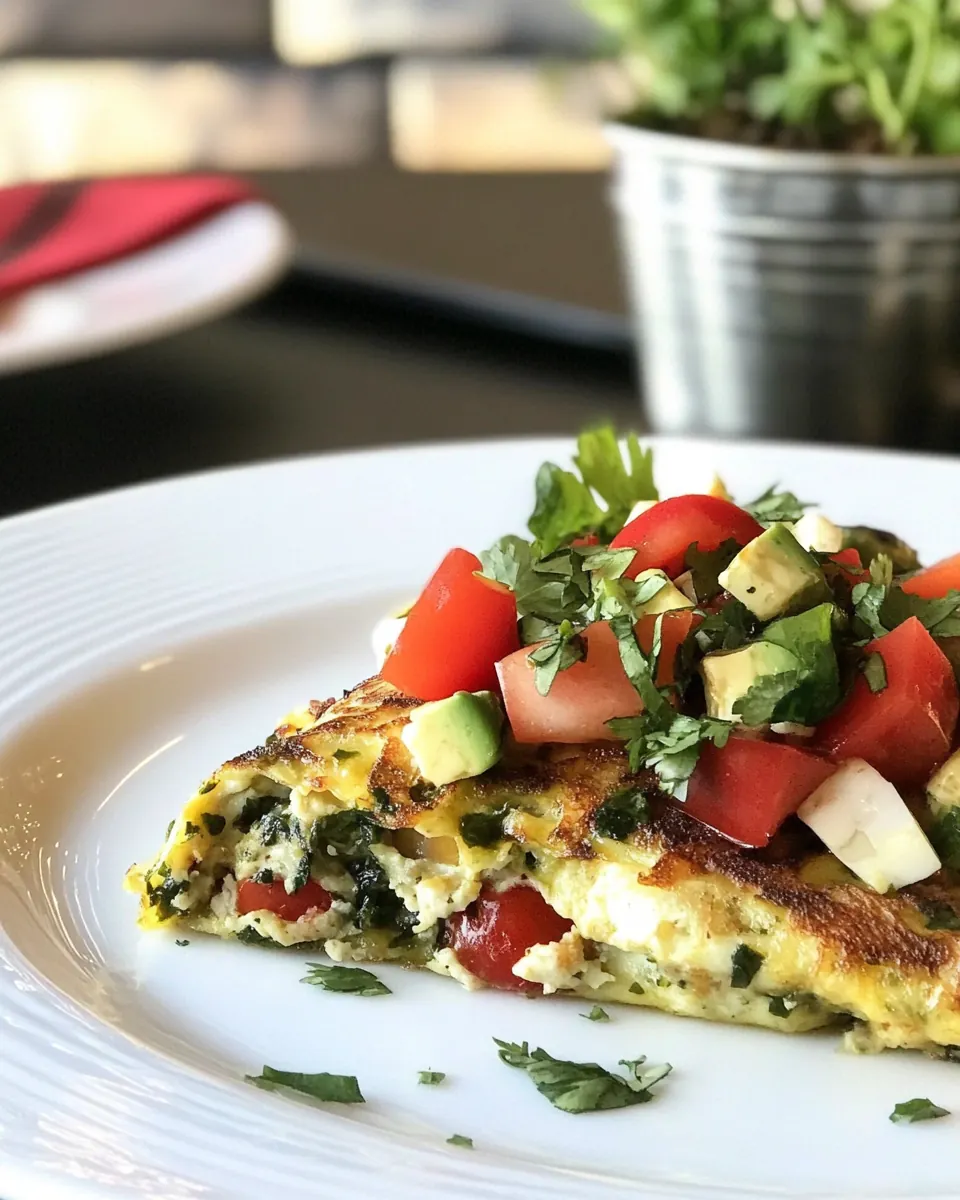
These ingredients work together like a small orchestra, each playing a clear supporting role. The vegetables bring texture and sweetness, the egg whites add lift and protein, and the cheeses plus salsa verde provide richness and acid to tie everything together. I focus on fresh produce and a lively green salsa to keep the flavors clean and bright.
- 1 teaspoon olive oil: Heat gently and provide a neutral, fruity cooking fat to sauté vegetables without burning; helps prevent sticking and adds light Mediterranean flavor when warmed.
- 2 tablespoons chopped red onion: Add sharp, mildly sweet aromatic bites that soften when cooked; contributes color contrast and a subtle pungency to balance richer elements in the omelette.
- 1/2 small zucchini chopped: Bring tender, slightly sweet vegetal body and moisture when sautéed; offers a pleasant bite and boosts the dish's nutritional value with low calories and fiber.
- 1/2 red bell pepper chopped: Introduce sweet, crisp texture and vibrant color once cooked; balances softer vegetables and pairs well with the salsa verde and cheese flavors.
- 3/4 cups sliced mushrooms: Contribute earthy, umami richness and a meaty texture when browned; helps absorb flavors from garlic and spices while adding depth to the filling.
- 1 clove garlic: Provide pungent aromatic punch that brightens and seasons the vegetables; releases savory compounds when minced and warmed with oil for building flavor.
- 1 tablespoon chopped cilantro: Impart fresh, citrusy-herb brightness and a fragrant finish when mixed into the filling; helps lift the overall flavor and complements the salsa and cheese.
- Salt and black pepper to taste: Season to personal preference to enhance and balance all flavors; pinch to taste during cooking and adjust at the table for optimal savoriness.
- 8 egg whites divided (4 egg whites per omelette): Bind ingredients and create a light, protein-rich base while allowing lower fat content than whole eggs; divide for portion control and even cooking into individual omelettes.
- 1/4 cups shredded pepper jack cheese: Add creamy, peppery meltiness and a hint of heat when sprinkled over the filling; melts into the eggs to create a cohesive, slightly spicy dairy layer.
- 1/2 cups salsa verde: Provide tart, tangy, and herbal moisture that livens the dish; spoon over or into the omelette to introduce acidity and a zesty green flavor component.
- 1/2 avocado sliced: Offer creamy, buttery texture and cooling contrast to spicy or acidic elements; slices add richness and a smooth mouthfeel when eaten with each bite.
- 2 tablespoons queso fresco: Contribute crumbly, mild salty tang and a traditional Mexican dairy accent; sprinkle over the finished omelette for added texture and savory complexity.
- Cilantro for garnish: Garnish with fresh, leafy herb that adds aroma and visual appeal; scattered over the plated omelette it reinforces the cilantro notes used inside.
How to Prepare Salsa Verde Vegetable Omelette
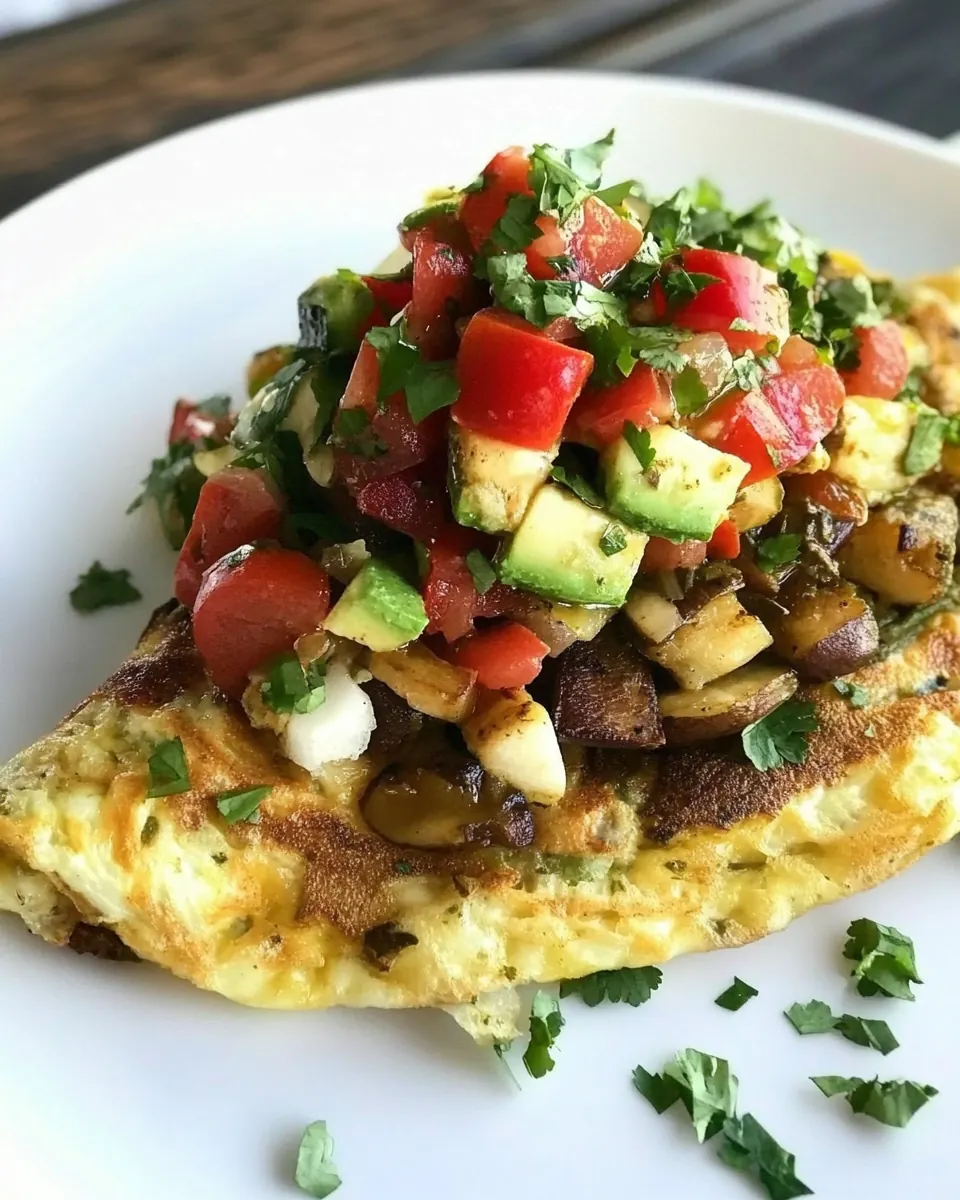
This recipe is straightforward and satisfying, and I like to keep the rhythm calm while cooking so each element gets attention. Start by prepping the vegetables and whisking the egg whites, then cook in a steady, controlled manner to get those lovely browned notes without overcooking. Below I expand each step with sensory cues, reasons for the technique, and one common pitfall to avoid so you can feel confident while you cook.
- In a large skillet, heat the olive oil over medium high heat. Add the onion, zucchini, red pepper, mushrooms, and garlic. Saute until vegetables are tender, about 5 minutes. Add the garlic and cilantro and cook for 2 more minutes. Season with salt and pepper, to taste. Transfer the vegetables to a bowl or plate.: The pan should sizzle gently when the oil shimmers, releasing a faint, warm aroma that signals readiness. I watch for a slight ripple across the surface to know the temperature is right; too cool and the vegetables will sweat instead of caramelize, too hot and the garlic will burn. A properly heated skillet creates a sweet, browned edge on the onion and mushrooms , which adds depth. If your oil smokes, reduce the heat and let the pan cool slightly to avoid bitter notes.
- Whisk four of the egg whites together in a small bowl. Return the skillet to the stove, and reduce heat to medium. Pour the four whisked egg whites into the hot skillet. Cook for 2-3 minutes until the eggs are set and the bottom of the egg is golden. Remove from heat. Add half of the vegetable mixture and half of the pepper jack cheese to the set egg whites and fold over to form the omelette. Gently place the omelette on a plate and make the other omelette the exact same way.: As the vegetables hit the skillet you should hear a lively sizzle, and within moments the air fills with vegetal and nutty aromas. Stir occasionally to promote even browning, and keep pieces roughly uniform so they cook together. The sugars in the red bell pepper will darken and sweeten, while the zucchini will soften and become tender. A common error is overcrowding the pan, which leads to steaming and pale vegetables rather than caramelized edges.
- Top the warm omelettes with salsa verde, avocado slices, and queso fresco. Garnish with cilantro. Enjoy!: Look for softened texture, slightly wrinkled pepper skin, and little golden spots on mushrooms, these are cues the flavors are concentrating. The sound will mellow from vigorous sizzle to gentler pops as moisture evaporates. I taste a small piece to check seasoning, because this is when the base builds its savory character. If vegetables are still watery, increase heat briefly to evaporate excess moisture before proceeding.
- Add the garlic and cilantro and cook for 2 more minutes: The aroma will switch to a fragrant, herbal note, and the garlic should smell sweet rather than sharp if added at this stage. The brief cooking time preserves the fresh brightness of the cilantro . Stir constantly to prevent the garlic from browning and turning bitter, and remove from heat promptly if you notice any dark flecks.
- Season with salt and pepper, to taste: Seasoning now allows the vegetables to release more flavor and helps the egg whites taste integrated with the filling. Sprinkle modestly, then taste; the cheese and salsa verde will add salt later, so err on the lighter side. Over salting is easy to do, and if it happens, a squeeze of lime or a little extra avocado can mellow the saltiness.
- Transfer the vegetables to a bowl or plate: Moving the vegetables out of the hot skillet stops carryover cooking, preserving texture and preventing them from becoming mushy. You should see glossy, caramelized bits clinging to the vegetables, which is a good sign. Use a slotted spoon if you want to shake off excess oil, and cover the bowl lightly to keep the mixture warm while you cook the eggs. Leaving them in the pan risks overcooking and losing the pleasant contrast with the tender egg whites .
- Whisk four of the egg whites together in a small bowl: Whisk until the whites are slightly frothy, which introduces air and helps create a light, tender omelette. The mixture should shift from flat liquid to a slightly pale, bubbly texture; this gives the cooked eggs a gentle lift. Overbeating can break down structure, while underwhisking yields denser eggs, so aim for a balance. If your bowl feels too small, use a larger container to whisk comfortably.
- Return the skillet to the stove, and reduce heat to medium: A moderate heat ensures the eggs set evenly without browning too quickly, keeping the surface tender and pliable. The pan will be warm, not smoking, and you should see faint wisps of steam when it meets the eggs. If the pan is too hot, the eggs will crisp and turn rubbery, so lower the heat if you see immediate browning when a drop of water sizzles on the surface.
- Pour the four whisked egg whites into the hot skillet: The eggs should begin to set around the edges within moments, forming a soft, pale sheet. Gently tilt the pan to spread the liquid if needed, and listen for a soft, steady hiss rather than an aggressive sizzle. This sound indicates even cooking and moisture evaporation. If the eggs are bubbling aggressively, reduce heat to avoid a tough texture.
- Cook for 2 to 3 minutes until the eggs are set and the bottom of the egg is golden: Look for a firm center with no runny liquid, and a hint of golden color where the eggs touched the pan, which adds flavor and slight crispness. The surface will lose its sheen and feel matte when ready. A common mistake is flipping too early; wait until the egg lifts easily from the pan with a spatula. If the bottom gets too dark, lower the heat and cover briefly to allow the center to finish cooking gently.
- Remove from heat: Taking the skillet off the flame prevents residual heat from overcooking the eggs while you assemble the omelette. The pan will still be warm enough to melt the cheese when assembled. If you leave it on the heat, the eggs can become dry, so transfer promptly to a cooler surface if needed.
- Add half of the vegetable mixture and half of the pepper jack cheese to the set egg whites and fold over to form the omelette: You should hear a soft hiss as the warm vegetables meet the hot egg, and the cheese will begin to melt into creamy ribbons. Folding creates a pocket of contrasting textures, and folding gently prevents breaking the omelette. Avoid overfilling, which makes folding messy and can cause tearing; if that happens, serve it open faced instead.
- Gently place the omelette on a plate and make the other omelette the exact same way: Transfer carefully so the folded seam remains intact for a neat presentation, and repeat the same attentive process for the second portion. Matching timing and heat helps ensure both omelettes have consistent texture and color. If your second omelette cooks faster, reduce the heat slightly to maintain balance.
- Top the warm omelettes with salsa verde, avocado slices, and queso fresco: The warm omelettes accept the salsa verde and queso fresco beautifully, creating a contrast between hot and cool, creamy and bright. Arrange the avocado slices so they stay intact, and spoon the salsa just before serving to keep it fresh. Too much salsa can make the omelette soggy, so add modestly to preserve texture.
- Garnish with cilantro: Scatter the remaining cilantro leaves for immediate herbal brightness and a pretty finish, their freshness cutting through the richness. The fragrance should be light and citrusy on the plate, inviting the first bite. If you prefer less herb intensity, use smaller leaves or fewer sprigs to taste.
- Enjoy: Sit down and savor the interplay of crisp vegetables, airy egg whites , melted pepper jack cheese , and the tangy lift of salsa verde . Eat promptly while textures are at their best. If you let it sit too long, the omelette will lose warmth and the avocado may brown, so enjoy it fresh.
Ways to Customize
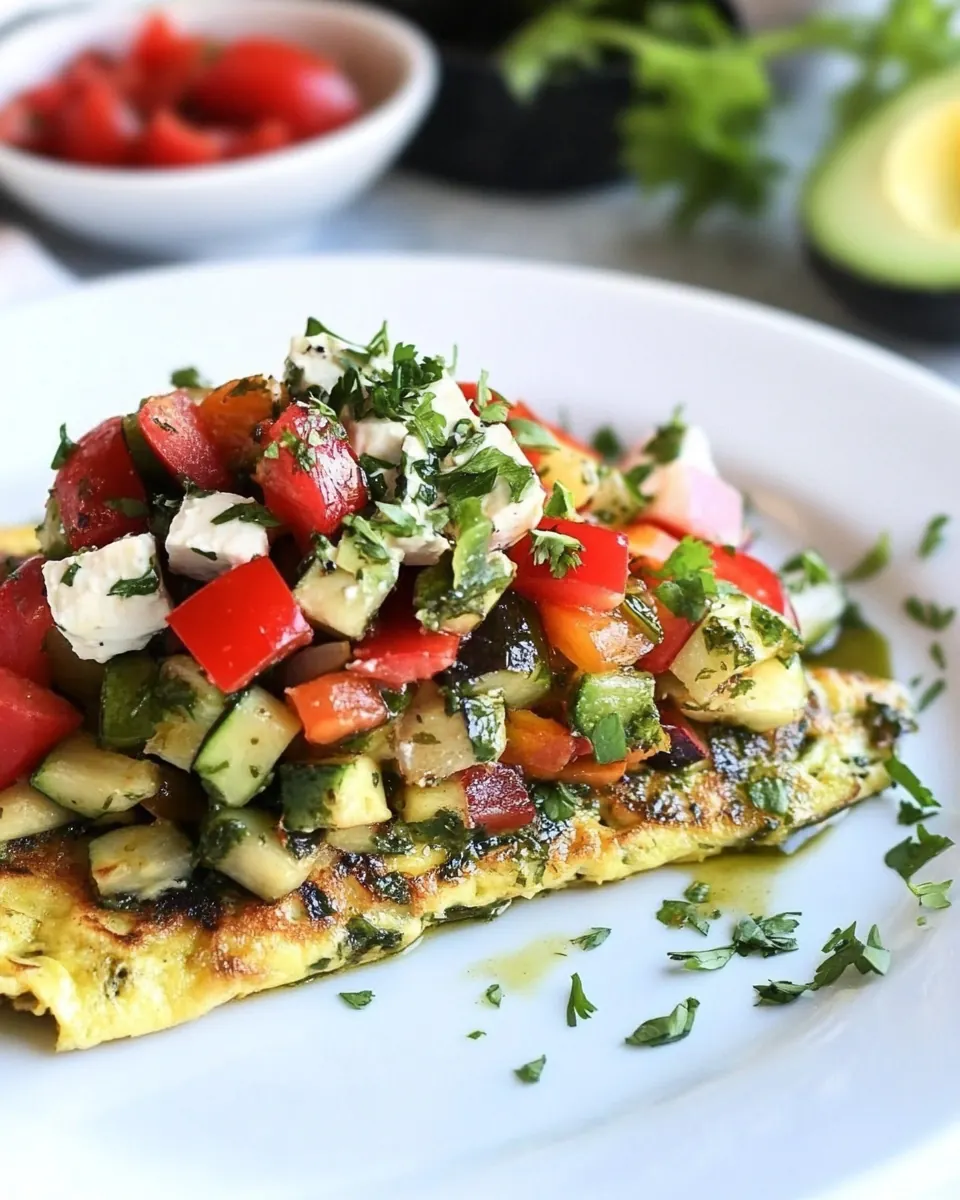
You can tailor Salsa Verde Vegetable Omelette to your mood and pantry. Below are practical tweaks and ideas that keep the spirit of the dish intact while letting you personalize heat, texture, and richness.
- Boost the heat Add more pepper jack cheese or a few small jalapeño slices to the sauté for a livelier kick, adjusting to taste so the spice supports rather than overwhelms the vegetables.
- Make it heartier Increase the portion of mushrooms and red bell pepper for a more substantial mouthfeel without changing the overall balance of flavors.
- Keep it lighter Use only egg whites as written and reduce the cheese to emphasize freshness and brightness while preserving protein content.
- Swap cheeses Try a milder crumbly cheese in place of queso fresco if you prefer a subtler finish, keeping salt additions conservative.
- Prep ahead Sauté the vegetables the night before and store them chilled, which speeds morning assembly and deepens the developed flavors when reheated briefly.
- Serve warm salsa Gently warm the salsa verde for a softer contrast with the cold avocado, or keep it chilled for a crisp, bright finish.
What to Serve Alongside Salsa Verde Vegetable Omelette
This omelette pairs well with simple sides and makes a great option for brunch gatherings or casual dinners. Consider textures and temperatures that complement the warm, tender eggs and bright salsa verde.
- Light green salad A mix of crisp lettuce and a lemon vinaigrette offers refreshing acidity to balance the richness of the melted cheese and avocado.
- Warm whole grain toast Toasted bread provides a crunchy vehicle for scooping the omelette and adds a toasty aroma that pairs nicely with the sautéed vegetables.
- Roasted potatoes Crispy, herb seasoned potatoes make the meal heartier and suit weekend brunches when you want a more filling plate.
- Fresh fruit platter Seasonal fruit brings natural sweetness and a cooling contrast to the warm omelette, ideal for spring and summer meals.
- Simple beans A side of lightly seasoned black beans or pinto beans adds fiber and an earthy counterpoint to the bright salsa verde.
- Occasion ideas Serve this at a casual brunch, a relaxed weekend breakfast, or a light dinner. It’s adaptable enough for friendly gatherings and small celebrations.
- Storage tips Cool leftovers quickly and refrigerate in an airtight container up to 2 days. Reheat gently in a skillet to retain texture and avoid microwave rubberiness.
- Seasonal pairings In spring, pair with tender greens and fresh herbs; in fall, serve alongside roasted root vegetables for a heartier feel.
- Serving style Present omelettes openly on plates with salsa spooned over and avocado arranged for an inviting, restaurant style look.
- Portion guidance This recipe serves two omelettes, so plan sides to match your guest count for balanced plating.
FAQ
Conclusion
This omelette stands out because it blends bright salsa verde with garden vegetables and airy egg whites for a light yet satisfying meal. It is approachable for busy mornings, adaptable to different tastes, and rewarding in both flavor and presentation. I hope you give it a try and enjoy how quickly humble ingredients can come together into something that feels thoughtfully prepared.

Salsa Verde Vegetable Omelette
Equipment
- Large Skillet
- Bowl
- Spatula
Ingredients
- 1 teaspoon olive oil Heat gently and provide a neutral, fruity cooking fat to sauté vegetables without burning; helps prevent sticking and adds light Mediterranean flavor when warmed.
- 2 tablespoons chopped red onion Add sharp, mildly sweet aromatic bites that soften when cooked; contributes color contrast and a subtle pungency to balance richer elements in the omelette.
- 1/2 small zucchini chopped Bring tender, slightly sweet vegetal body and moisture when sautéed; offers a pleasant bite and boosts the dish's nutritional value with low calories and fiber.
- 1/2 red bell pepper chopped Introduce sweet, crisp texture and vibrant color once cooked; balances softer vegetables and pairs well with the salsa verde and cheese flavors.
- 3/4 cups sliced mushrooms Contribute earthy, umami richness and a meaty texture when browned; helps absorb flavors from garlic and spices while adding depth to the filling.
- 1 clove garlic Provide pungent aromatic punch that brightens and seasons the vegetables; releases savory compounds when minced and warmed with oil for building flavor.
- 1 tablespoon chopped cilantro Impart fresh, citrusy-herb brightness and a fragrant finish when mixed into the filling; helps lift the overall flavor and complements the salsa and cheese.
- Salt and black pepper to taste Season to personal preference to enhance and balance all flavors; pinch to taste during cooking and adjust at the table for optimal savoriness.
- 8 egg whites divided (4 egg whites per omelette) Bind ingredients and create a light, protein-rich base while allowing lower fat content than whole eggs; divide for portion control and even cooking into individual omelettes.
- 1/4 cups shredded pepper jack cheese Add creamy, peppery meltiness and a hint of heat when sprinkled over the filling; melts into the eggs to create a cohesive, slightly spicy dairy layer.
- 1/2 cups salsa verde Provide tart, tangy, and herbal moisture that livens the dish; spoon over or into the omelette to introduce acidity and a zesty green flavor component.
- 1/2 avocado sliced Offer creamy, buttery texture and cooling contrast to spicy or acidic elements; slices add richness and a smooth mouthfeel when eaten with each bite.
- 2 tablespoons queso fresco Contribute crumbly, mild salty tang and a traditional Mexican dairy accent; sprinkle over the finished omelette for added texture and savory complexity.
- Cilantro for garnish Garnish with fresh, leafy herb that adds aroma and visual appeal; scattered over the plated omelette it reinforces the cilantro notes used inside.
Instructions
- In a large skillet, heat the olive oil over medium high heat. Add the onion, zucchini, red pepper, mushrooms, and garlic. Saute until vegetables are tender, about 5 minutes. Add the garlic and cilantro and cook for 2 more minutes. Season with salt and pepper, to taste. Transfer the vegetables to a bowl or plate.: The pan should sizzle gently when the oil shimmers, releasing a faint, warm aroma that signals readiness. I watch for a slight ripple across the surface to know the temperature is right; too cool and the vegetables will sweat instead of caramelize, too hot and the garlic will burn. A properly heated skillet creates a sweet, browned edge on the onion and mushrooms , which adds depth. If your oil smokes, reduce the heat and let the pan cool slightly to avoid bitter notes.
- Whisk four of the egg whites together in a small bowl. Return the skillet to the stove, and reduce heat to medium. Pour the four whisked egg whites into the hot skillet. Cook for 2-3 minutes until the eggs are set and the bottom of the egg is golden. Remove from heat. Add half of the vegetable mixture and half of the pepper jack cheese to the set egg whites and fold over to form the omelette. Gently place the omelette on a plate and make the other omelette the exact same way.: As the vegetables hit the skillet you should hear a lively sizzle, and within moments the air fills with vegetal and nutty aromas. Stir occasionally to promote even browning, and keep pieces roughly uniform so they cook together. The sugars in the red bell pepper will darken and sweeten, while the zucchini will soften and become tender. A common error is overcrowding the pan, which leads to steaming and pale vegetables rather than caramelized edges.
- Top the warm omelettes with salsa verde, avocado slices, and queso fresco. Garnish with cilantro. Enjoy!: Look for softened texture, slightly wrinkled pepper skin, and little golden spots on mushrooms, these are cues the flavors are concentrating. The sound will mellow from vigorous sizzle to gentler pops as moisture evaporates. I taste a small piece to check seasoning, because this is when the base builds its savory character. If vegetables are still watery, increase heat briefly to evaporate excess moisture before proceeding.
- Add the garlic and cilantro and cook for 2 more minutes: The aroma will switch to a fragrant, herbal note, and the garlic should smell sweet rather than sharp if added at this stage. The brief cooking time preserves the fresh brightness of the cilantro . Stir constantly to prevent the garlic from browning and turning bitter, and remove from heat promptly if you notice any dark flecks.
- Season with salt and pepper, to taste: Seasoning now allows the vegetables to release more flavor and helps the egg whites taste integrated with the filling. Sprinkle modestly, then taste; the cheese and salsa verde will add salt later, so err on the lighter side. Over salting is easy to do, and if it happens, a squeeze of lime or a little extra avocado can mellow the saltiness.
- Transfer the vegetables to a bowl or plate: Moving the vegetables out of the hot skillet stops carryover cooking, preserving texture and preventing them from becoming mushy. You should see glossy, caramelized bits clinging to the vegetables, which is a good sign. Use a slotted spoon if you want to shake off excess oil, and cover the bowl lightly to keep the mixture warm while you cook the eggs. Leaving them in the pan risks overcooking and losing the pleasant contrast with the tender egg whites .
- Whisk four of the egg whites together in a small bowl: Whisk until the whites are slightly frothy, which introduces air and helps create a light, tender omelette. The mixture should shift from flat liquid to a slightly pale, bubbly texture; this gives the cooked eggs a gentle lift. Overbeating can break down structure, while underwhisking yields denser eggs, so aim for a balance. If your bowl feels too small, use a larger container to whisk comfortably.
- Return the skillet to the stove, and reduce heat to medium: A moderate heat ensures the eggs set evenly without browning too quickly, keeping the surface tender and pliable. The pan will be warm, not smoking, and you should see faint wisps of steam when it meets the eggs. If the pan is too hot, the eggs will crisp and turn rubbery, so lower the heat if you see immediate browning when a drop of water sizzles on the surface.
- Pour the four whisked egg whites into the hot skillet: The eggs should begin to set around the edges within moments, forming a soft, pale sheet. Gently tilt the pan to spread the liquid if needed, and listen for a soft, steady hiss rather than an aggressive sizzle. This sound indicates even cooking and moisture evaporation. If the eggs are bubbling aggressively, reduce heat to avoid a tough texture.
- Cook for 2 to 3 minutes until the eggs are set and the bottom of the egg is golden: Look for a firm center with no runny liquid, and a hint of golden color where the eggs touched the pan, which adds flavor and slight crispness. The surface will lose its sheen and feel matte when ready. A common mistake is flipping too early; wait until the egg lifts easily from the pan with a spatula. If the bottom gets too dark, lower the heat and cover briefly to allow the center to finish cooking gently.
- Remove from heat: Taking the skillet off the flame prevents residual heat from overcooking the eggs while you assemble the omelette. The pan will still be warm enough to melt the cheese when assembled. If you leave it on the heat, the eggs can become dry, so transfer promptly to a cooler surface if needed.
- Add half of the vegetable mixture and half of the pepper jack cheese to the set egg whites and fold over to form the omelette: You should hear a soft hiss as the warm vegetables meet the hot egg, and the cheese will begin to melt into creamy ribbons. Folding creates a pocket of contrasting textures, and folding gently prevents breaking the omelette. Avoid overfilling, which makes folding messy and can cause tearing; if that happens, serve it open faced instead.
- Gently place the omelette on a plate and make the other omelette the exact same way: Transfer carefully so the folded seam remains intact for a neat presentation, and repeat the same attentive process for the second portion. Matching timing and heat helps ensure both omelettes have consistent texture and color. If your second omelette cooks faster, reduce the heat slightly to maintain balance.
- Top the warm omelettes with salsa verde, avocado slices, and queso fresco: The warm omelettes accept the salsa verde and queso fresco beautifully, creating a contrast between hot and cool, creamy and bright. Arrange the avocado slices so they stay intact, and spoon the salsa just before serving to keep it fresh. Too much salsa can make the omelette soggy, so add modestly to preserve texture.
- Garnish with cilantro: Scatter the remaining cilantro leaves for immediate herbal brightness and a pretty finish, their freshness cutting through the richness. The fragrance should be light and citrusy on the plate, inviting the first bite. If you prefer less herb intensity, use smaller leaves or fewer sprigs to taste.
- Enjoy: Sit down and savor the interplay of crisp vegetables, airy egg whites , melted pepper jack cheese , and the tangy lift of salsa verde . Eat promptly while textures are at their best. If you let it sit too long, the omelette will lose warmth and the avocado may brown, so enjoy it fresh.
Notes
- Boost the heat Add more pepper jack cheese or a few small jalapeño slices to the sauté for a livelier kick, adjusting to taste so the spice supports rather than overwhelms the vegetables.
- Make it heartier Increase the portion of mushrooms and red bell pepper for a more substantial mouthfeel without changing the overall balance of flavors.
- Keep it lighter Use only egg whites as written and reduce the cheese to emphasize freshness and brightness while preserving protein content.
- Swap cheeses Try a milder crumbly cheese in place of queso fresco if you prefer a subtler finish, keeping salt additions conservative.
- Prep ahead Sauté the vegetables the night before and store them chilled, which speeds morning assembly and deepens the developed flavors when reheated briefly.
- Serve warm salsa Gently warm the salsa verde for a softer contrast with the cold avocado, or keep it chilled for a crisp, bright finish.