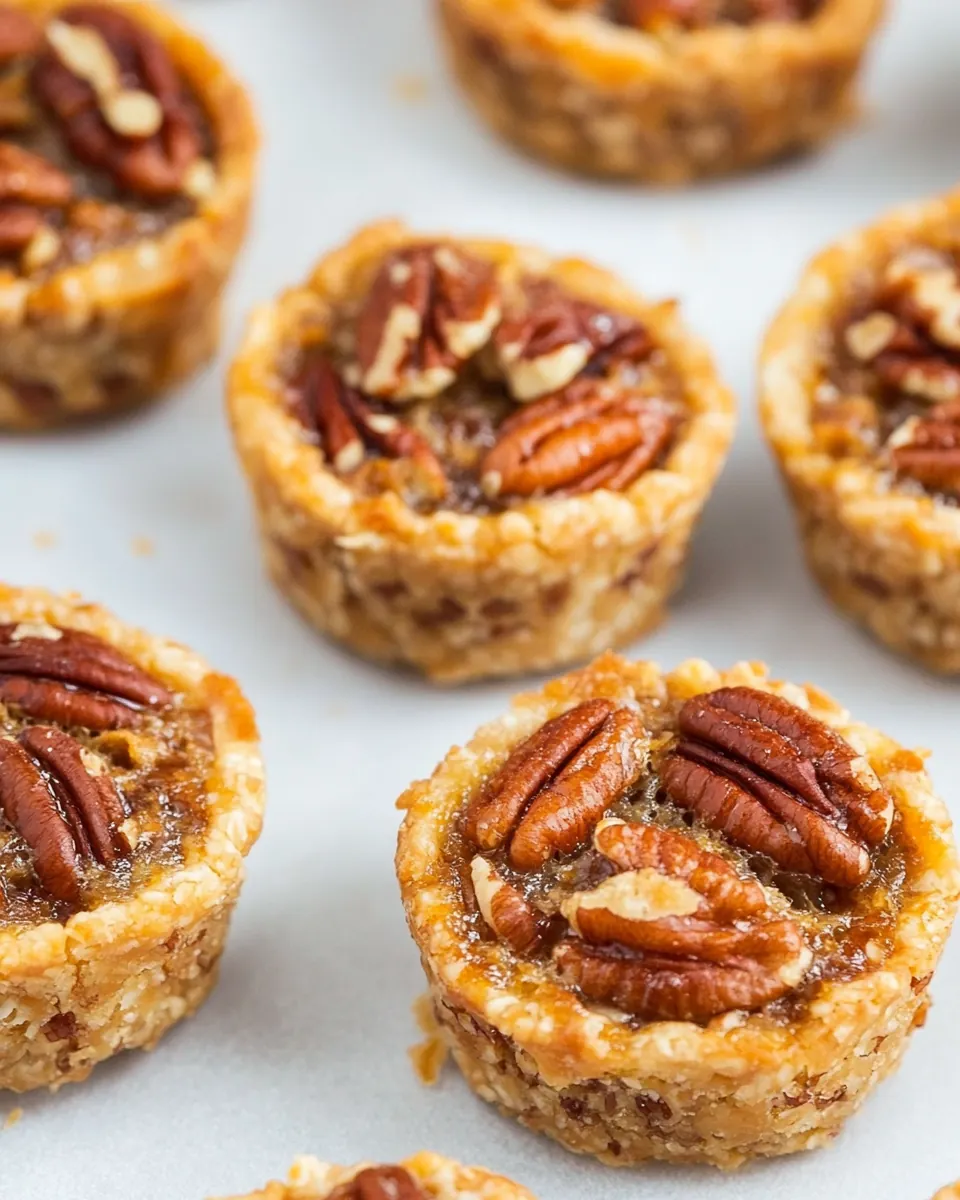
Vegan Pecan Tassies
Vegan Pecan Tassies became my go to little celebration cookie the moment I learned how small changes in technique transformed texture and flavor.
One rainy afternoon I was craving something nutty and homey, but also portable enough to share with neighbors. I dug through the pantry and found a jar of pecans and a stash of plant based spreads, and started tinkering. Each tiny tart felt like a gift, and the ritual of pressing the dough into the mini tins was quietly meditative. I remember the way the kitchen filled with a warm, toasted nut aroma while the filling bubbled slightly in the oven.
Over several tests I learned to balance the sweetness with a pinch of salt and a hint of molasses, which deepened the flavor without weighing them down. The first bite teach me to notice the contrast between the crisp edge of the shell and the chewy, gooey center. When friends asked for the recipe, I realized these are perfect for potlucks, tea time, or holiday cookie exchanges because they travel well and slice cleanly from the tin. I like to make a double batch and freeze a few trays for last minute guests.
Recipe Snapshot
20 mins
8 mins
12 mins
Easy
150 kcal
American
Vegan, Gluten-Free
Desserts
Mini muffin tin, Food processor, Mixing bowls, Rolling pin
Why This Vegan Pecan Tassies Shines
Small bites, big flavor
I adore how Vegan Pecan Tassies pack a concentrated pecan punch in a tiny package. Each mouthful gives you toasted nut notes and a sticky, caramel like filling that feels indulgent without being heavy. I find they satisfy a sweet craving faster than a slice of pie, so they are great when you want something special but not oversized.
Simple pantry ingredients
I love that you do not need a long shopping list. The recipe leans on staples like flaxmeal, agave, and a small amount of flour, so I can usually pull everything together from what I already have. That makes them wonderfully accessible on busy days when I want to bake but do not want an elaborate mise en place.
Textural contrast that delights
The magic here is texture. A flaky, slightly crisp crust gives way to a glossy, chewy filling studded with chopped pecans. I intentionally balance fat in the crust with a touch of cold vegan butter to create tender crumbs, while the filling is thick enough to stay put yet soft enough to yield with a satisfying bite.
Flexible for occasions
I often switch between using oil for a crisper shell and vegan butter for a softer finish depending on the event. For cookie exchanges I prefer the sturdier, crisper version, while for tea I make them tender. That adaptability makes Vegan Pecan Tassies useful whether I am hosting a casual brunch or bringing dessert to a holiday gathering.
Make ahead and shareable
These little tarts freeze beautifully, so I can bake now and enjoy later. I like to double the filling and freeze extras in a single layer, then rewarm them briefly to revive the crust. They travel well in a tin, making them a perfect neighbor gift or potluck contribution.
What You’ll Need for Vegan Pecan Tassies
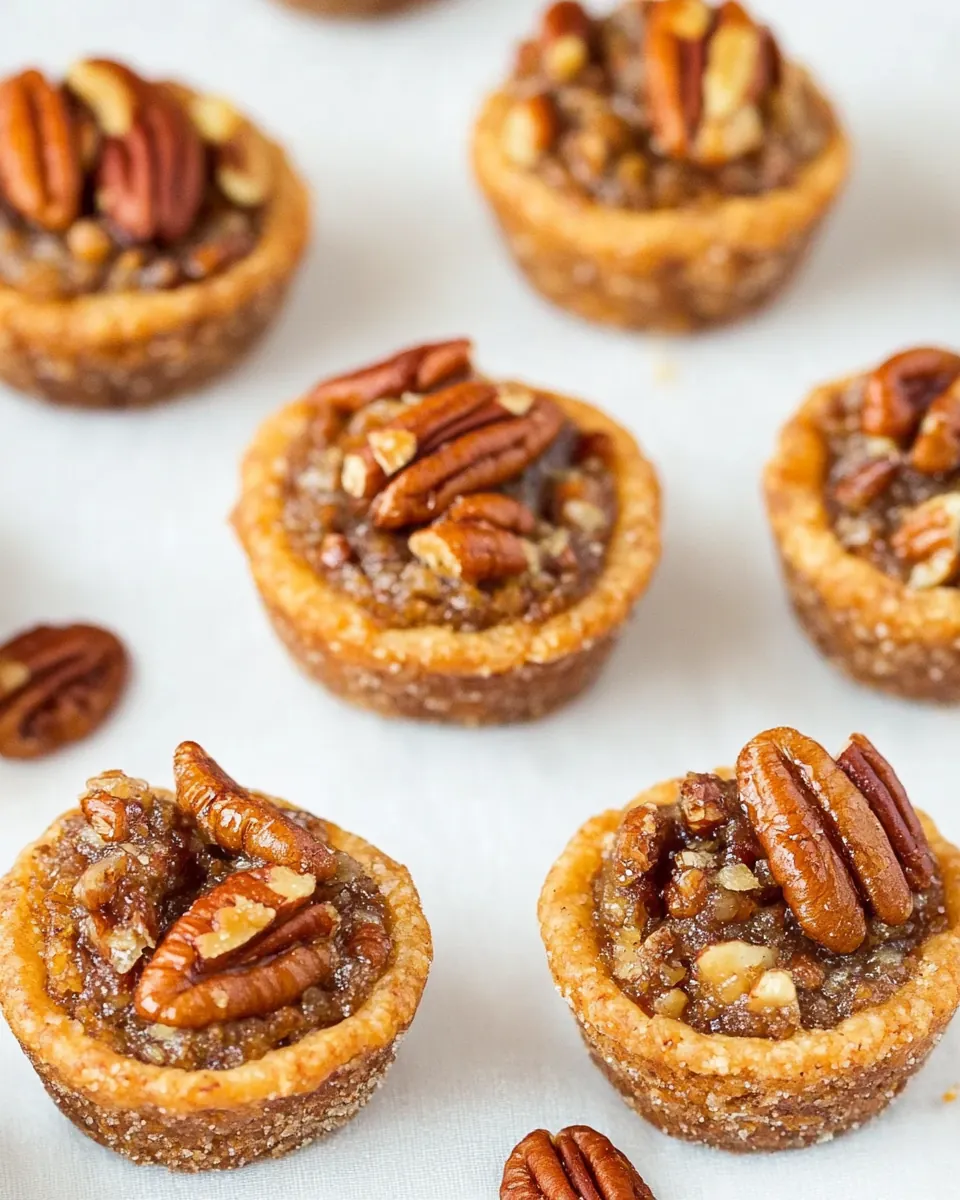
These ingredients are intentionally straightforward, focused on nut forward flavor and a tender, buttery crust. The key players are the chopped pecans for crunch and depth, a sweetening blend of agave and molasses for a rich caramel note, and a simple flour and vegan butter crust that supports the filling without overpowering it. Together they create a compact cookie with contrasts of crispness and chew.
- 1/2 cup raw pecans, chopped fine (50 g): Provide a crunchy, toasty texture and rich nutty flavor while adding body; chop finely to distribute evenly through the filling and create pleasant bite-sized pecan pieces in each tassie.
- 1 tbsp water: Add moisture to hydrate flaxmeal and help bind the filling ingredients together; use sparingly to achieve the right consistency without making the filling too wet.
- 1 tbsp ground flaxmeal: Act as an egg replacer and binder when mixed with water, forming a gel that helps hold the filling and crust together in this vegan recipe.
- 1 1/2 tbsp agave or pure maple syrup: Impart sweetness and a mild floral note while contributing to the syrupy texture of the filling; adjust slightly to taste to balance sweetness with pecan richness.
- 2 tsp molasses: Deepen flavor with robust, slightly bitter, and caramel-like notes that mimic traditional molasses components, enhancing the overall complexity of the filling.
- 1/8 tsp salt: Enhance and balance sweetness while lifting and intensifying other flavors; include in both filling and crust to maintain consistent seasoning throughout the recipe.
- 2 tsp vegan butter or oil (optional): Optional: contribute creaminess, richness, and flakiness to the crust or filling; use vegan butter for buttery flavor or oil for a lighter, more neutral result.
- 3/4 cups pelt, white, or ap gf flour: Provide the structural base for the crust and a neutral canvas for flavors; use all-purpose or gluten-free alternatives as specified to achieve desired texture.
- 1/4 cups ugar, unrefined if desired: Add sweetness and a hint of caramel complexity while slightly affecting dough tenderness; choose unrefined sugar for deeper flavor and color if preferred.
- 1/4 tsp baking powder: Leaven the crust slightly, improving tenderness and creating a lighter bite; ensure even distribution in the dry ingredients for consistent rise.
- 1/8 tsp salt: Season the dough to balance flavors and enhance sweetness; include a small pinch in the crust mix to prevent blandness and brighten other ingredients.
- 3 1/2 tbsp cold vegan butter (or oil, see note below): Create richness and flakiness in the crust while keeping it cold to produce tender layers; use cold vegan butter or oil to ensure optimal texture in the pastry.
How to Cook Vegan Pecan Tassies
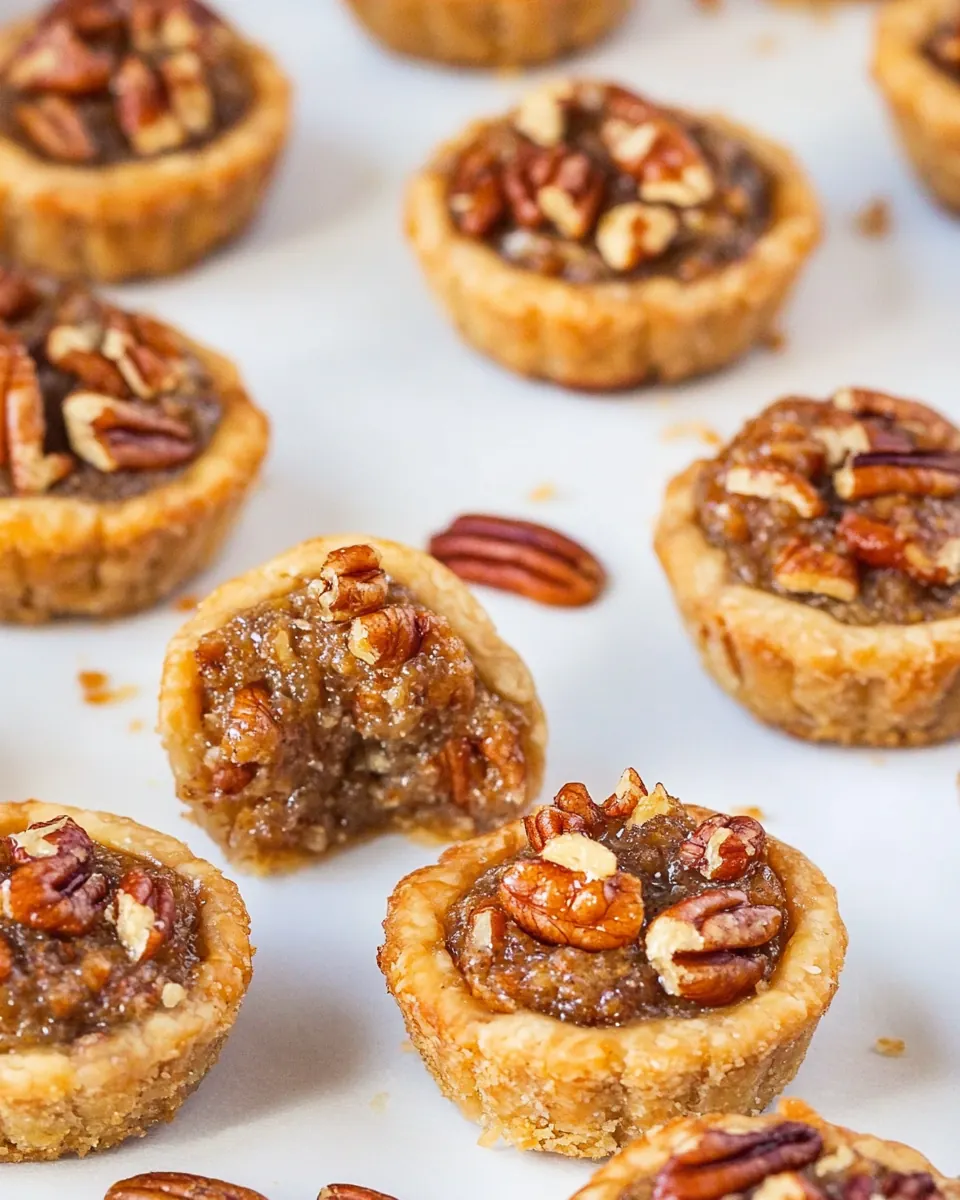
These steps will guide you from chopping pecans to pulling tiny, jewel like tarts from their tins. I like to keep my mise en place tidy so I can move smoothly from mixing to pressing into tins. Work with chilled butter and a cool bowl, and pay attention to visual cues like golden edges and a set filling.
- Using oil will yield a crispier crust, while using butter will yield a softer crust. To break up the pecans, I like to either use a food processor or place the nuts in a bag and then smash the bag with a rolling pin or side of a can until nuts are finely chopped. Preheat oven to 350 F. Grease a mini muffin tin. For easier removal, you can put a thin strip of parchment paper inside each tin if desired (see photo). Whisk together the first six ingredients (and 2 tsp spread or oil, if using for a richer flavor). Refrigerate at least fifteen minutes to thicken. Meanwhile, combine crust ingredients in a new bowl, completely breaking up the butter until fine crumbles form. Press 1 1/2 tbsp dough into the bottom of each mini muffin tin, using a spoon or your fingers to make a shallow well in each center. Add about 1/2 tbsp of the refrigerated filling to each well. Bake on the center rack, 12 minutes. Let cool before removing from the tins.: The moment you begin, note how the choice of fat changes the final textural profile, oil creating a leaner, crisper shell while vegan butter yields a tender, almost shortbread like crumb. As the dough bakes you will see the edges take on a light golden hue if using oil, and remain paler and more tender with butter. Listen for a slight crisping sound when removing from the tin with the crisper version. A common mistake is substituting liquids incorrectly which can make the dough too greasy, so keep measurements exact.
- To break up the pecans, I like to either use a food processor or place the nuts in a bag and then smash the bag with a rolling pin or side of a can until nuts are finely chopped: Chopping directionally affects the texture and release of oil; the aroma intensifies as you pulse or crush the nuts, and you will notice small particles and a few larger bits, which is ideal for body in the filling. If you use a food processor pulse gently to avoid turning nuts into a paste, watching for a sandy texture. The smell of toasted pecans will become more pronounced as the oils release. Over processing is the most common error here, which leads to a greasy, paste like filling rather than a pleasantly textured one.
- Preheat oven to 350 F: A properly preheated oven ensures even bake and consistent setting of the filling, producing a glossy top and edged crust without under baking. When you slide the tins in the oven the immediate heat jump starts the crust setting and helps the filling thicken. I always wait for the oven to reach the full temperature before baking because a cooler start can make the filling weep. One frequent oversight is opening the oven early to peek which can lower the temperature and affect texture, so avoid opening for the first two thirds of baking time.
- Grease a mini muffin tin: Greasing helps with easy removal and prevents sticking on the tin walls, letting you pop out the tarts cleanly once cooled. You can also press a thin strip of parchment into each cavity for extra insurance, which I do when I plan to display them. As you press the dough and fill the tins, greasing ensures edges do not tear when unmolding. A mistake people often make is under greasing, especially in older tins that have rough spots, which leads to stuck corners and broken shells.
- For easier removal, you can put a thin strip of parchment paper inside each tin if desired (see photo): Lining with small parchment strips creates a lift point to raise the tarts without inverting the tin, preserving delicate edges. The paper will brown slightly at the edges in the oven and help you slide them out without breaking. If you skip this, be prepared to nudge gently with a small offset spatula. The error to watch for is folding the paper too thickly, which distorts the tart shape, so use thin strips only.
- Whisk together the first six ingredients (and 2 tsp spread or oil, if using for a richer flavor): Combining the chopped pecans, water, ground flaxmeal, agave, molasses, and salt creates the filling base, and whisking helps the flax hydrate evenly producing a glossy, cohesive batter. As you whisk you will notice the mixture thicken and darken slightly, and it should hold together when you lift the whisk. The molasses will add a deeper hue and the agave keeps the surface glossy when baked. A common pitfall is under whisking, leaving the flaxmeal clumpy and causing uneven pockets in the filling.
- Refrigerate at least fifteen minutes to thicken: Chilling firms the filling so it stays put in the shells and helps flavors meld, producing a more stable, spoonable consistency that bakes into a chewy center. After refrigeration the mixture should be notably thicker and easier to portion into the crust wells. If you skip chilling the filling it may run during baking and not set, resulting in flat, overly sticky tarts. A frequent mistake is refrigerating too long and allowing the filling to become rock hard, so check it after the minimum time.
- Meanwhile, combine crust ingredients in a new bowl, completely breaking up the butter until fine crumbles form: Working cold vegan butter into the flour and sugar until it resembles coarse crumbs is crucial to a tender shell, as the discrete bits of butter steam in the oven creating flakiness. As you rub or cut the butter, you will see the mixture go from shaggy to uniformly crumbly. The texture should be sandy and not pasty, which ensures a delicate crust. Overworking the dough so the butter melts will create a dense, greasy shell, so handle it quickly and with chilled tools.
- Press 1 1/2 tbsp dough into the bottom of each mini muffin tin, using a spoon or your fingers to make a shallow well in each center: When pressing the dough, aim for an even thickness around each cup, and press a shallow indentation to receive the filling, which ensures uniform baking and consistent ratios of crust to filling. The dough should hold its shape and have a slightly cool feel from the butter. If you press too thin the crust can burn or become brittle; too thick and the tart becomes heavy. An easy mistake is uneven pressing which leads to some shells cooking faster than others, so rotate the tin mid assembly for evenness.
- Add about 1/2 tbsp of the refrigerated filling to each well: Portion the chilled filling so each tart gets the same amount, leaving a bit of room for gentle bubbling as it bakes. The filling should sit in the well without overflowing; you may see it glossy and slightly domed before baking. If the filling is still too soft, return it to the fridge briefly to firm up. Avoid overfilling, which will cause spillover and uneven baking.
- Bake on the center rack, 12 minutes: Placing the tins on the center rack promotes even heat circulation, helping the crust brown lightly while the filling sets and becomes pleasantly tacky. During baking you will notice the aroma of toasted pecans and a slight bubbling sound as the filling cooks. The edges of the crust should become faintly golden while the filling looks glossy and set. Opening the oven early can cause the filling to collapse, so resist peeking until close to the end of the time.
- Let cool before removing from the tins: Cooling allows the filling to finish setting and prevents the shell from breaking when unmolded, leading to clean, intact tarts. Once cooled the edges will firm and the filling will hold shape when you lift them out. If you try to remove them warm they are likely to slump and lose definition, so patience here preserves presentation. A common misstep is forcing removal too soon, which tears the crust.
Pro Tips and Tweaks
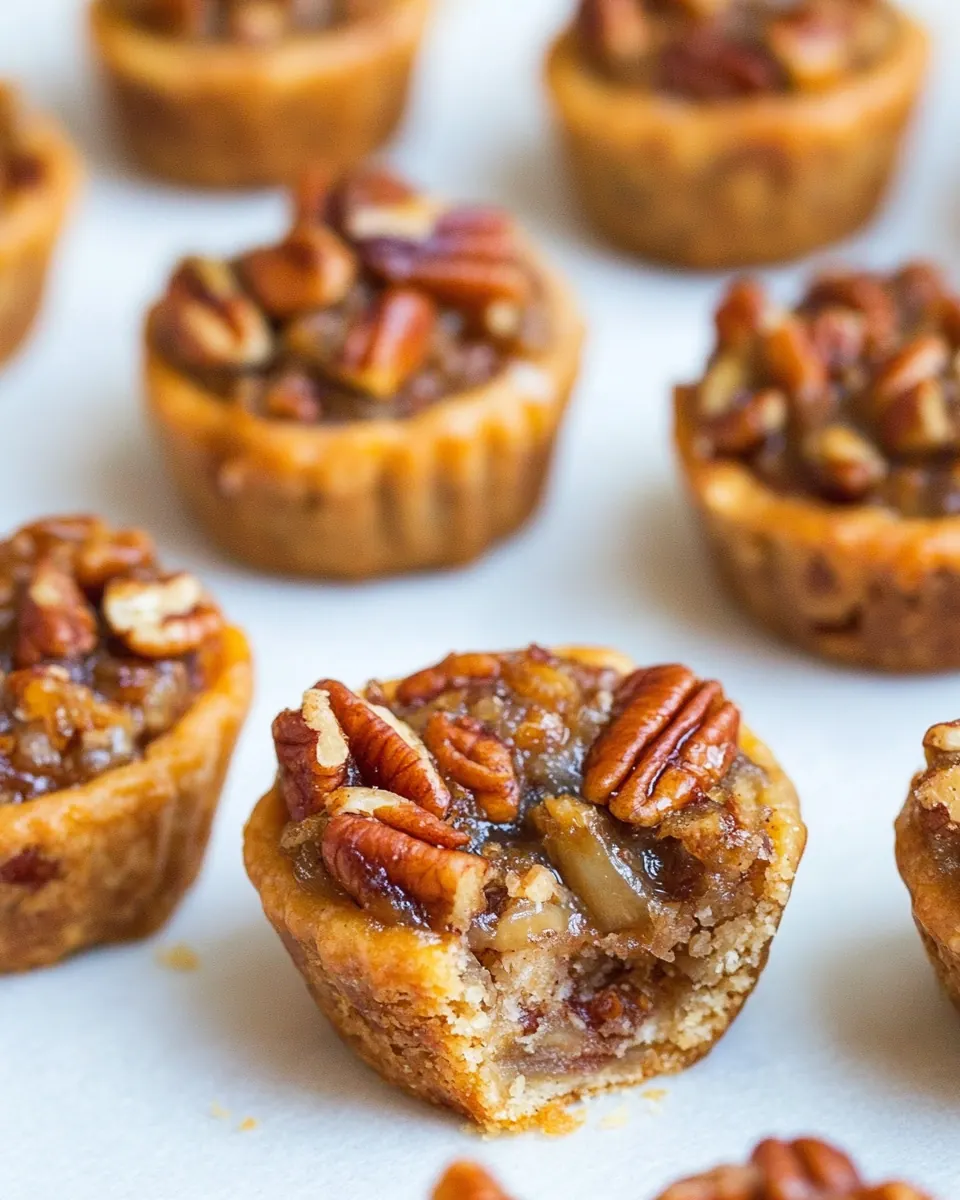
I like to share tips that make assembly faster and results more consistent. These pointers focus on texture, timing, and simple swaps that keep the cookies vegan friendly while maximizing flavor and ease. Below are practical tweaks I use in my own kitchen when I want flawless little tarts.
- Cold butter is your friend Keep the vegan butter chilled and break it into small pieces before cutting into the flour so you end up with pea sized crumbs that bake into a flaky shell.
- Pulse don’t puree the pecans Use short pulses in a food processor to get an even chop without releasing too much oil, which would make the filling greasy.
- Measure syrups carefully Use a spoon for agave and molasses to avoid over sweetening, which keeps the filling from becoming too loose.
- Chill the filling briefly Refrigerate for the minimum fifteen minutes to firm the filling so it stays put in the shell while baking, preventing spill over.
- Line the tin for easy removal Small parchment strips let you lift the tarts out without damaging delicate edges, ideal for gifting or transport.
- Watch your oven timing Twelve minutes is a guideline; ovens vary so look for lightly golden edges and a set filling rather than relying only on the clock.
What Complements This Vegan Pecan Tassies
Vegan Pecan Tassies pair beautifully with small plates and warm beverages, and they adapt well to seasonal settings. I like to serve them with bright, tart accompaniments to cut through the sweetness, or as part of a cookie assortment for gatherings. Below I outline serving styles, occasions, and storage tips so you can present them confidently.
- Tea time pairing Serve one or two tarts alongside a cup of black or herbal tea for afternoon guests, the warmth bringing out the pecan aroma and balancing the sticky filling.
- Holiday platter Arrange these on a platter with small cookies for a holiday cookie exchange, where their compact size and rich flavor make them standouts among sweeter bars.
- Gift ready Pack cooled tarts in a shallow tin with parchment layers for neighborly gifting, they travel well and maintain shape in transit.
- Brunch accompaniment Add a few to a brunch spread with fruit and scones, their nut forward flavor offering a sweet contrast without overpowering savory items.
- Storage Store in an airtight container at room temperature for up to three days, or freeze in a single layer then transfer to a zip bag for up to three months; rewarm briefly to refresh the crust.
- Seasonal tweak For fall gatherings highlight the tarts alongside spiced drinks or pumpkin based dishes to complement the toasty notes of the pecans.
FAQ
Conclusion
Vegan Pecan Tassies stand out because they deliver intense pecan flavor and a perfect textural contrast in a small, shareable package. They are simple to assemble, versatile for occasions, and easy to make ahead, so they work for last minute gatherings or planned holiday spreads. Give them a try this season, and you may find yourself baking them in doubles to gift and freeze. They are one of those recipes that reward a bit of patience and attention with reliably comforting results that friends and family will ask for again.
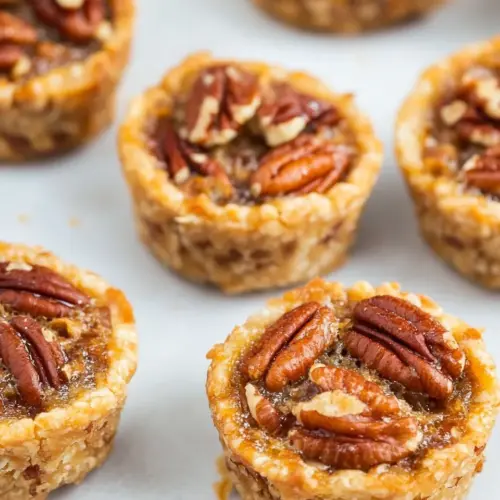
Vegan Pecan Tassies
Equipment
- Mini Muffin Tin
- Food Processor
- Mixing Bowls
- Rolling Pin
Ingredients
- 1/2 cup raw pecans, chopped fine (50 g) Provide a crunchy, toasty texture and rich nutty flavor while adding body; chop finely to distribute evenly through the filling and create pleasant bite-sized pecan pieces in each tassie.
- 1 tbsp water Add moisture to hydrate flaxmeal and help bind the filling ingredients together; use sparingly to achieve the right consistency without making the filling too wet.
- 1 tbsp ground flaxmeal Act as an egg replacer and binder when mixed with water, forming a gel that helps hold the filling and crust together in this vegan recipe.
- 1 1/2 tbsp agave or pure maple syrup Impart sweetness and a mild floral note while contributing to the syrupy texture of the filling; adjust slightly to taste to balance sweetness with pecan richness.
- 2 tsp molasses Deepen flavor with robust, slightly bitter, and caramel-like notes that mimic traditional molasses components, enhancing the overall complexity of the filling.
- 1/8 tsp salt Enhance and balance sweetness while lifting and intensifying other flavors; include in both filling and crust to maintain consistent seasoning throughout the recipe.
- optional 2 tsp vegan butter or oil Optional: contribute creaminess, richness, and flakiness to the crust or filling; use vegan butter for buttery flavor or oil for a lighter, more neutral result.
- 3/4 cups pelt, white, or ap gf flour Provide the structural base for the crust and a neutral canvas for flavors; use all-purpose or gluten-free alternatives as specified to achieve desired texture.
- 1/4 cups ugar, unrefined if desired Add sweetness and a hint of caramel complexity while slightly affecting dough tenderness; choose unrefined sugar for deeper flavor and color if preferred.
- 1/4 tsp baking powder Leaven the crust slightly, improving tenderness and creating a lighter bite; ensure even distribution in the dry ingredients for consistent rise.
- 1/8 tsp salt Season the dough to balance flavors and enhance sweetness; include a small pinch in the crust mix to prevent blandness and brighten other ingredients.
- 3 1/2 tbsp cold vegan butter (or oil, see note below) Create richness and flakiness in the crust while keeping it cold to produce tender layers; use cold vegan butter or oil to ensure optimal texture in the pastry.
Instructions
- Using oil will yield a crispier crust, while using butter will yield a softer crust. To break up the pecans, I like to either use a food processor or place the nuts in a bag and then smash the bag with a rolling pin or side of a can until nuts are finely chopped. Preheat oven to 350 F. Grease a mini muffin tin. For easier removal, you can put a thin strip of parchment paper inside each tin if desired (see photo). Whisk together the first six ingredients (and 2 tsp spread or oil, if using for a richer flavor). Refrigerate at least fifteen minutes to thicken. Meanwhile, combine crust ingredients in a new bowl, completely breaking up the butter until fine crumbles form. Press 1 1/2 tbsp dough into the bottom of each mini muffin tin, using a spoon or your fingers to make a shallow well in each center. Add about 1/2 tbsp of the refrigerated filling to each well. Bake on the center rack, 12 minutes. Let cool before removing from the tins.: The moment you begin, note how the choice of fat changes the final textural profile, oil creating a leaner, crisper shell while vegan butter yields a tender, almost shortbread like crumb. As the dough bakes you will see the edges take on a light golden hue if using oil, and remain paler and more tender with butter. Listen for a slight crisping sound when removing from the tin with the crisper version. A common mistake is substituting liquids incorrectly which can make the dough too greasy, so keep measurements exact.
- To break up the pecans, I like to either use a food processor or place the nuts in a bag and then smash the bag with a rolling pin or side of a can until nuts are finely chopped: Chopping directionally affects the texture and release of oil; the aroma intensifies as you pulse or crush the nuts, and you will notice small particles and a few larger bits, which is ideal for body in the filling. If you use a food processor pulse gently to avoid turning nuts into a paste, watching for a sandy texture. The smell of toasted pecans will become more pronounced as the oils release. Over processing is the most common error here, which leads to a greasy, paste like filling rather than a pleasantly textured one.
- Preheat oven to 350 F: A properly preheated oven ensures even bake and consistent setting of the filling, producing a glossy top and edged crust without under baking. When you slide the tins in the oven the immediate heat jump starts the crust setting and helps the filling thicken. I always wait for the oven to reach the full temperature before baking because a cooler start can make the filling weep. One frequent oversight is opening the oven early to peek which can lower the temperature and affect texture, so avoid opening for the first two thirds of baking time.
- Grease a mini muffin tin: Greasing helps with easy removal and prevents sticking on the tin walls, letting you pop out the tarts cleanly once cooled. You can also press a thin strip of parchment into each cavity for extra insurance, which I do when I plan to display them. As you press the dough and fill the tins, greasing ensures edges do not tear when unmolding. A mistake people often make is under greasing, especially in older tins that have rough spots, which leads to stuck corners and broken shells.
- For easier removal, you can put a thin strip of parchment paper inside each tin if desired (see photo): Lining with small parchment strips creates a lift point to raise the tarts without inverting the tin, preserving delicate edges. The paper will brown slightly at the edges in the oven and help you slide them out without breaking. If you skip this, be prepared to nudge gently with a small offset spatula. The error to watch for is folding the paper too thickly, which distorts the tart shape, so use thin strips only.
- Whisk together the first six ingredients (and 2 tsp spread or oil, if using for a richer flavor): Combining the chopped pecans, water, ground flaxmeal, agave, molasses, and salt creates the filling base, and whisking helps the flax hydrate evenly producing a glossy, cohesive batter. As you whisk you will notice the mixture thicken and darken slightly, and it should hold together when you lift the whisk. The molasses will add a deeper hue and the agave keeps the surface glossy when baked. A common pitfall is under whisking, leaving the flaxmeal clumpy and causing uneven pockets in the filling.
- Refrigerate at least fifteen minutes to thicken: Chilling firms the filling so it stays put in the shells and helps flavors meld, producing a more stable, spoonable consistency that bakes into a chewy center. After refrigeration the mixture should be notably thicker and easier to portion into the crust wells. If you skip chilling the filling it may run during baking and not set, resulting in flat, overly sticky tarts. A frequent mistake is refrigerating too long and allowing the filling to become rock hard, so check it after the minimum time.
- Meanwhile, combine crust ingredients in a new bowl, completely breaking up the butter until fine crumbles form: Working cold vegan butter into the flour and sugar until it resembles coarse crumbs is crucial to a tender shell, as the discrete bits of butter steam in the oven creating flakiness. As you rub or cut the butter, you will see the mixture go from shaggy to uniformly crumbly. The texture should be sandy and not pasty, which ensures a delicate crust. Overworking the dough so the butter melts will create a dense, greasy shell, so handle it quickly and with chilled tools.
- Press 1 1/2 tbsp dough into the bottom of each mini muffin tin, using a spoon or your fingers to make a shallow well in each center: When pressing the dough, aim for an even thickness around each cup, and press a shallow indentation to receive the filling, which ensures uniform baking and consistent ratios of crust to filling. The dough should hold its shape and have a slightly cool feel from the butter. If you press too thin the crust can burn or become brittle; too thick and the tart becomes heavy. An easy mistake is uneven pressing which leads to some shells cooking faster than others, so rotate the tin mid assembly for evenness.
- Add about 1/2 tbsp of the refrigerated filling to each well: Portion the chilled filling so each tart gets the same amount, leaving a bit of room for gentle bubbling as it bakes. The filling should sit in the well without overflowing; you may see it glossy and slightly domed before baking. If the filling is still too soft, return it to the fridge briefly to firm up. Avoid overfilling, which will cause spillover and uneven baking.
- Bake on the center rack, 12 minutes: Placing the tins on the center rack promotes even heat circulation, helping the crust brown lightly while the filling sets and becomes pleasantly tacky. During baking you will notice the aroma of toasted pecans and a slight bubbling sound as the filling cooks. The edges of the crust should become faintly golden while the filling looks glossy and set. Opening the oven early can cause the filling to collapse, so resist peeking until close to the end of the time.
- Let cool before removing from the tins: Cooling allows the filling to finish setting and prevents the shell from breaking when unmolded, leading to clean, intact tarts. Once cooled the edges will firm and the filling will hold shape when you lift them out. If you try to remove them warm they are likely to slump and lose definition, so patience here preserves presentation. A common misstep is forcing removal too soon, which tears the crust.
Notes
- Cold butter is your friend Keep the vegan butter chilled and break it into small pieces before cutting into the flour so you end up with pea sized crumbs that bake into a flaky shell.
- Pulse don't puree the pecans Use short pulses in a food processor to get an even chop without releasing too much oil, which would make the filling greasy.
- Measure syrups carefully Use a spoon for agave and molasses to avoid over sweetening, which keeps the filling from becoming too loose.
- Chill the filling briefly Refrigerate for the minimum fifteen minutes to firm the filling so it stays put in the shell while baking, preventing spill over.
- Line the tin for easy removal Small parchment strips let you lift the tarts out without damaging delicate edges, ideal for gifting or transport.
- Watch your oven timing Twelve minutes is a guideline; ovens vary so look for lightly golden edges and a set filling rather than relying only on the clock.
