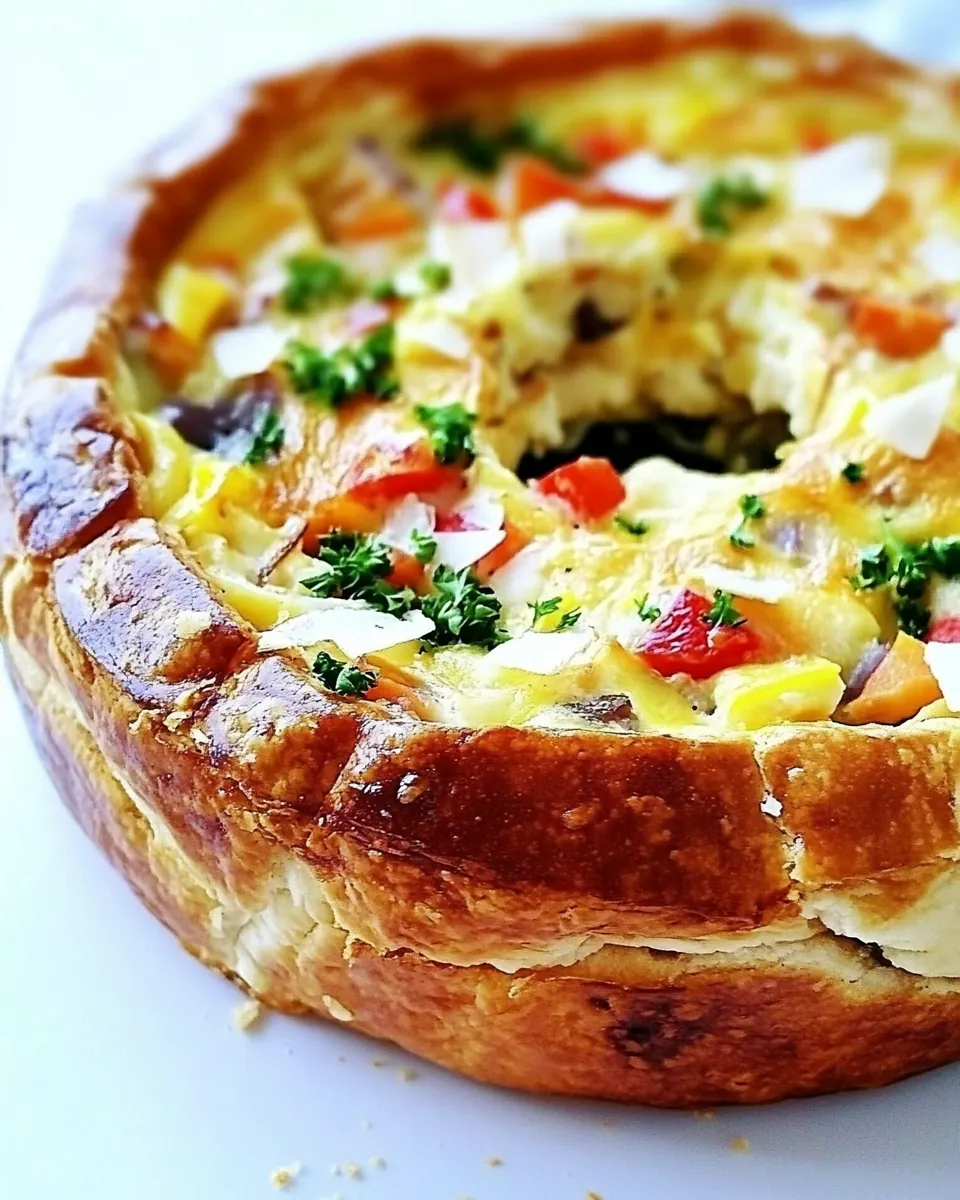
Bagel Quiche
Bagel Quiche started as one of those mornings when I had one lonely bagel and a couple of eggs staring back at me from the fridge, and I decided to make breakfast feel like a tiny celebration. I remember folding my sleeves up, humming a tune, and thinking about how a humble toasted circle of bread could cradle a creamy, savory custard. The first bite, with warm cheese and soft, set eggs spilling into the chewy bagel, felt like a cozy hug for my kitchen soul.
Over time, I tuned the method so the center cooks through without drying out, and the crust stays pleasantly chewy. I learned small tricks, like scooping the crumb with fingers for the best cavity, and wrapping the bagel in foil so the sides steam slightly, keeping edges tender. Every variation I tried taught me something, and now this simple idea is a go to when I want an easy handheld breakfast that still feels special. If you love practical recipes with a bit of heart, you will find this one comforting, fast, and endlessly adaptable.
Recipe Snapshot
40 mins
10 mins
30 mins
Easy
350 kcal
American
Keto, Gluten-Free
Breakfast
Oven, Foil, Whisk
Why This Bagel Quiche Works
Handheld Comfort
One of the best things about Bagel Quiche is that it transforms basic pantry items into a neat, portable meal. I like food that travels well, and this recipe wraps breakfast into a tidy package you can pick up and eat with your hands, no plate required.
Speed Without Sacrifice
I love how quickly this comes together. With just a few minutes of prep and a focused bake, the texture becomes custardy yet set. For busy mornings, I often reach for this because it feels indulgent, but it does not demand a long time or complicated technique.
Flexible Fillings
Even though the base is just bagel and eggs, the recipe encourages personalization. I enjoy adding bits of cheese or chopped vegetables when I have them on hand, and it always responds well to small tweaks.
Minimal Cleanup
Foil and a sheet pan are all I usually need, which makes cleanup trivial. That ease means I actually make this more often than more elaborate breakfasts, and I like to keep recipes in my rotation that respect my time and my kitchen sink.
Reliable Results
With a clear visual cue when the custard is set, I rarely worry about under or over cooking. I appreciate recipes that tell you what to look for, and this one gives satisfying sensory feedback so you know when you are done.
Ingredients to Make Bagel Quiche
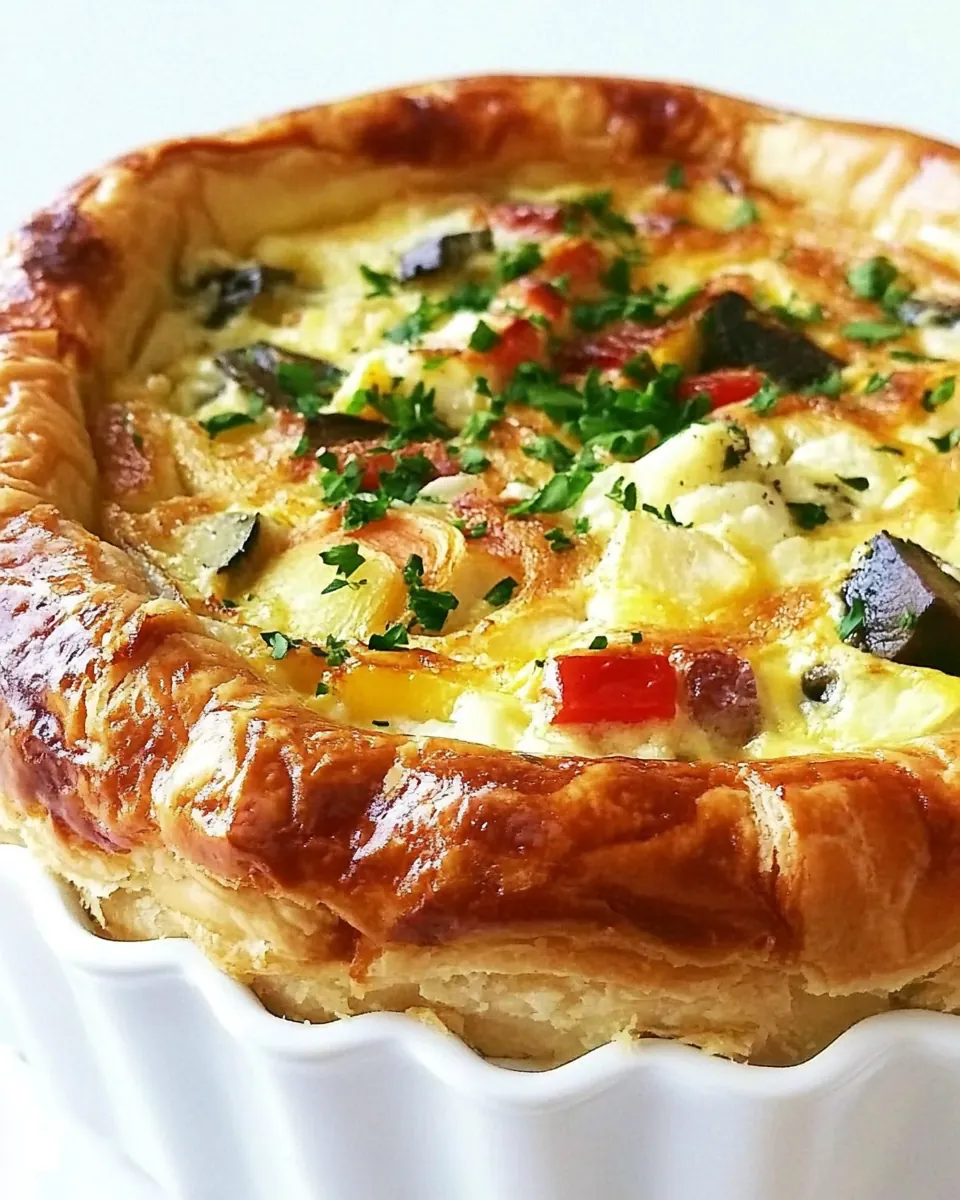
These ingredients are a small ensemble that work harmoniously. The bagel provides structure and chew, while the eggs set into a soft custard that carries flavor. Optional add ins like cheese, cooked sausage, or chopped vegetables add texture and contrast, and the whole combination is forgiving, so small changes still yield success.
- 1 whole bagel: Provide structure and a sturdy base by halving and hollowing to cradle the filling; slightly dense texture gives a chewy contrast to the soft egg custard. Toasting or lightly brushing with butter before filling enhances flavor and prevents sogginess while baking. Use any bagel variety to influence overall taste, from plain to sesame or everything.
- 2 to 3 large eggs: Bind and set the custard; whisk to combine yolks and whites until slightly aerated for a tender, custardy interior. Adjust quantity within the range to control firmness—fewer eggs yield a looser quiche, more eggs produce a firmer set. Season and gently beat with a fork or whisk to incorporate air and ensure even cooking.
- cheese, cooked sausage, chopped vegetables (these are add-ins) (optional): Add texture, flavor, and savory interest when desired: shredded cheese melts to create creaminess, cooked sausage contributes rich, meaty depth, and chopped vegetables bring freshness and color. Mix chosen add-ins evenly into the egg mixture to distribute taste and ensure uniform cooking. Use moderate amounts so the bagel cavity can accommodate the filling without overflowing.
Preparation Steps for Bagel Quiche
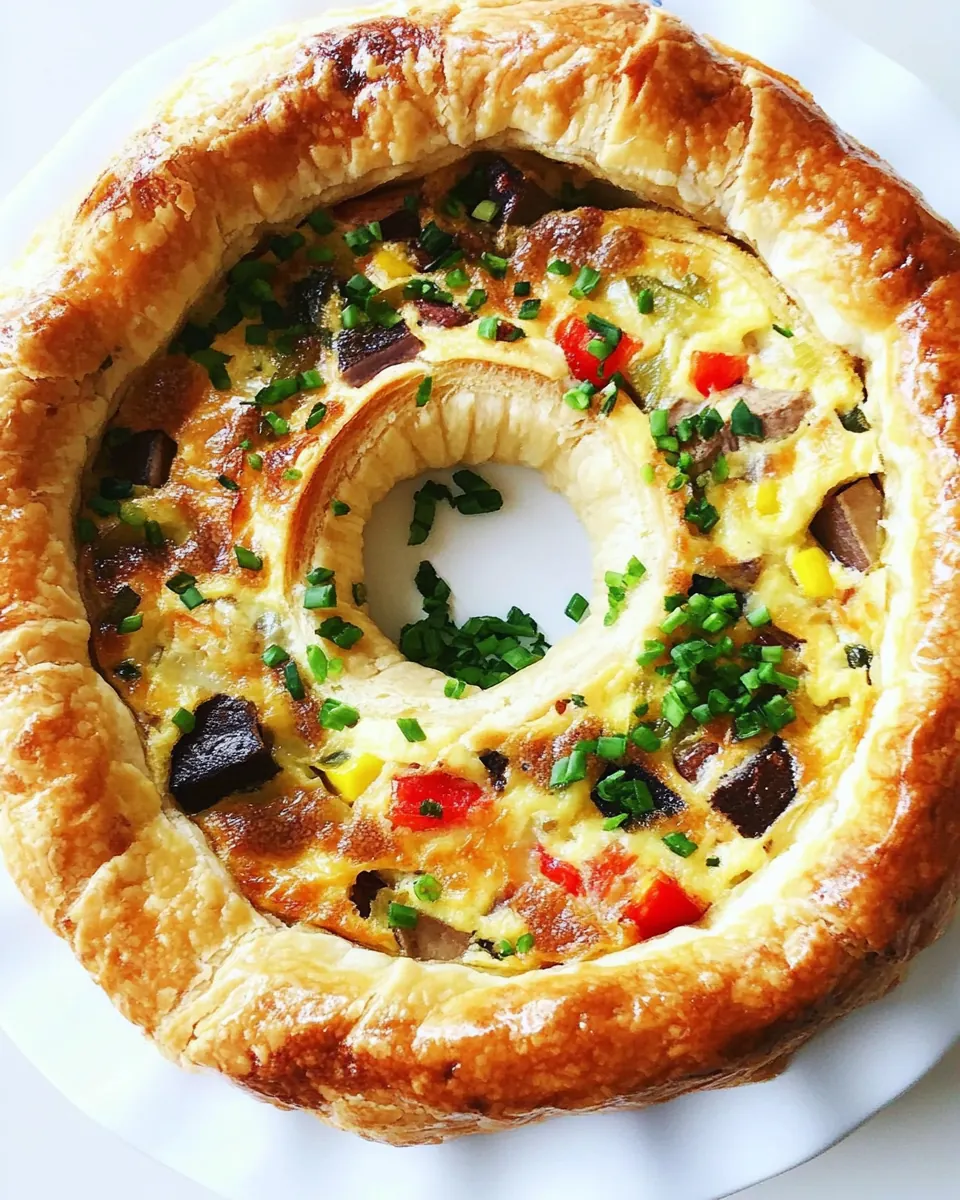
These steps are straightforward, but I like to talk you through the sensory signals. The method is forgiving, and the key is watching the custard set while preserving a tender bagel crust. Read each step fully so you know what to expect when the oven hums and the aroma shifts.
- Preheat the oven to 375 degrees F. Spray a piece of foil with nonstick spray.: The kitchen warms with a clean, dry heat, and you will notice a faint hum as the oven reaches 375 degrees F . This temperature encourages the eggs to set without browning too quickly on top. Why it matters, the steady moderate heat yields a creamy interior rather than a rubbery one. Sensory cue to watch for, you will not smell much at this stage, but the oven will cycle and sound steadier when it hits the target. Common error, placing the bagel into an oven that is not hot enough will make the eggs take too long, leading to a drier texture.
- Slice the very bottom of the bagel off nice and evenly. Set aside to eat, turn into breadcrumbs or discard.: The foil should glint under kitchen light, and the slick surface helps the bagel release easily after baking. This tiny preparation step prevents sticking and preserves the crust when you lift the finished quiche. Why it matters, the foil also collects any drips, which keeps cleanup simple. A frequent slip up, forgetting the spray can lead to torn bread when removing the finished item.
- Carefully hollow out the bread inside of the cut bagel using your fingers to pull the bread away from the crust of the bagel (discard or turn into breadcrumbs). Set the bagel, cut-side up on the foil.: The sound of a clean knife through crust is satisfying, and removing the bottom creates a stable base. This trimmed base ensures the assembled bagel sits level during baking. Why it matters, an even base prevents wobbling and helps the eggs set uniformly. Mistake to avoid, cutting too deep removes structural support which may cause the bagel to collapse while baking.
- Whisk 2 eggs and pour them into the hollowed out bagel. Place desired filling choices into the egg. If the egg and filling does not fill the bagel completely, you can add another whisked egg on top.: The tactile action is tactile and a little therapeutic, you will feel soft bread separate from the chewy crust as you create a roomy cavity. Leaving a modest inner wall of crumb preserves a barrier so the eggs do not leak out. Why it matters, the remaining crumb supports the custard and blends into the texture when baked. Troubleshooting tip, if you leave crumbs loose inside, they can create an uneven interior, so discard or repurpose them as breadcrumbs for another use.
- Wrap the bagel up the sides with the foil, but keep the top open to the heat of the oven. Bake 20 to 30 minutes, or until the egg is completely set. Timing will depend on how many eggs used and how large the bagel is. Serve immediately (pick it up and eat it with your hands!): When you whisk, listen to the gentle splash and watch the mixture become glossy and cohesive, with ribbons forming as the whisk lifts. Pour the whisked eggs into the hollowed cavity and let them settle; the surface will gleam. Why it matters, even mixing prevents pockets of dense yolk or white, ensuring a uniform set. If you are adding extras like cheese or vegetables, tuck them in now. Common pitfall, overfilling can spill during baking, so leave a little headspace for expansion.
- Place desired filling choices into the egg: The moment you add fillings, you introduce contrasting colors and textures, and you may hear a quiet plop as pieces sink into the liquid eggs . Nestle cheese and cooked pieces evenly so every bite has balance. Why it matters, even distribution guarantees consistent flavor across each bite. Watch for excess moisture from vegetables which can thin the custard. Remedy, pre cook and drain high moisture vegetables to preserve the set.
- If the egg and filling does not fill the bagel completely, you can add another whisked egg on top: Adding a second whisked egg provides a higher fill and a richer texture, and you will see the level rise until the cavity is comfortably full. This builds a more substantial mouthfeel that feels satisfying. Why it matters, a fuller fill ensures the center bakes into a cohesive quiche rather than leaving hollow gaps. Error to avoid, pouring too much can overflow and make cleanup harder.
- Wrap the bagel up the sides with the foil, but keep the top open to the heat of the oven: The foil creates gentle support, and as the bagel bakes you may hear a faint crackle as heat moves across the crust. Leaving the top open lets direct heat gently set the custard surface. Why it matters, this balance keeps the sides from overbrowning while allowing the center to finish. A common misstep, sealing the top will trap steam and can lead to a soggy crust.
- Bake 20 to 30 minutes, or until the egg is completely set: During baking the aroma changes from raw egg to baked custard, with a faint toasty note from the warmed bagel . The surface will appear matte and no longer tremble when you gently jostle the pan, and a toothpick inserted in the center will come out mostly clean. Why it matters, baking to this point ensures a tender, sliceable interior that still feels moist. Pitfall to avoid, opening the oven too frequently causes temperature fluctuation which can extend bake time and dry the custard.
- Timing will depend on how many eggs used and how large the bagel is: Larger cavities or extra eggs increase the bake time, and you will notice a firmer center while the edges finish earlier. Adjust based on your observations rather than a strict clock, paying attention to the visual cues and the stable, set texture. Why it matters, customizing baking time prevents overcooking. Common mistake, relying solely on the timer can produce a rubbery center if your bagel is smaller or the oven runs hot.
- Serve immediately (pick it up and eat it with your hands!): The best sensory reward comes as warm steam rises and the cheese is melty, while the crust offers a chewy counterpoint. Eating right away gives the most enjoyable contrast of textures. Why it matters, letting it sit too long changes the mouthfeel and the custard firms up. Warning, it will be hot inside, so allow a brief rest to avoid burning the mouth.
Recipe Tips about Bagel Quiche
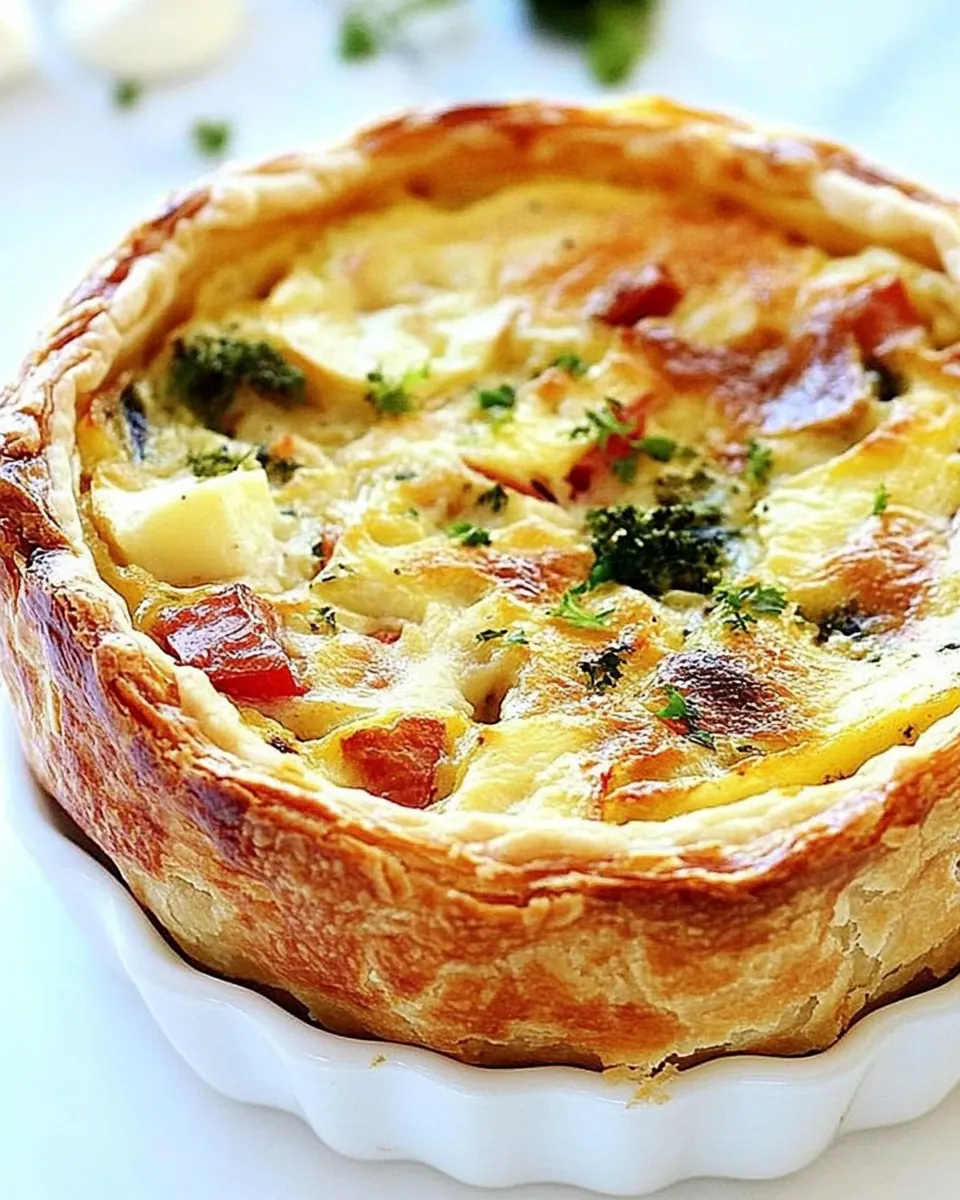
This recipe rewards small, thoughtful decisions about ingredients and timing. Below are tips I use every time to get consistent, delicious results. They cover equipment choices, filling prep, and how to read visual cues so you feel confident baking.
- Choose the right bagel Select a dense, chewy bagel so the crust stays intact and holds the filling without collapsing.
- Control vegetable moisture If you use chopped vegetables, sauté and drain them first to avoid watering down the custard.
- Evenly distribute cheese Sprinkle cheese in layers or fold it into the whisked eggs so it melts consistently throughout the custard.
- Leave headroom Do not overfill the cavity, leave a little space so the filling can expand during baking without spilling over.
- Use foil for support Wrap the sides in foil to gently support the bagel, while keeping the top open to allow the center to set properly.
- Check visual doneness Look for a matte surface and slight wobble to know it is done, rather than relying only on the clock.
How to Serve Bagel Quiche
Serving this recipe is joyful because it is inherently portable and adaptable to many occasions. Whether you want a quick solo breakfast, a brunch centerpiece, or a practical meal for a busy morning, here are ways I like to present and pair it.
- Serve warm and handheld Present the Bagel Quiche hot from the oven so the interior is creamy and the cheese is melty, encouraging guests to pick it up and enjoy.
- Pair with fresh fruit Offer sliced fruit on the side to add a bright, refreshing counterpoint to the savory custard.
- Bring to brunch gatherings Make several and arrange them on a platter, letting guests choose flavored versions if you prepare different fillings ahead of time.
- Pack for on the go Wrap in parchment and tuck into a lunchbox for an easy, portable meal that travels well.
- Storage and reheating Store leftovers in an airtight container in the refrigerator for up to two days, and reheat gently in a warm oven so the interior regains some creaminess.
- Occasion suggestions This works well for quick breakfasts, casual brunches, or anytime you want a comforting, easy single serving savory pastry.
FAQ
Conclusion
This Bagel Quiche shines because it makes the ordinary feel memorable, combining a chewy bagel with a tender, custardy egg center. Give it a try when you want a quick, comforting breakfast that travels well and adapts to whatever you have on hand. I hope you enjoy the warm, satisfying contrast of textures and make it part of your easy morning routine.
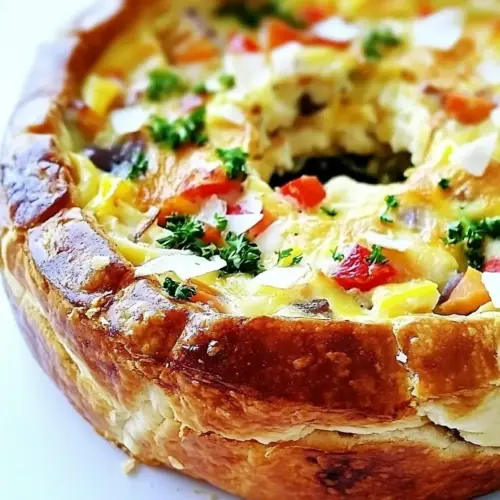
Bagel Quiche
Equipment
- Oven
- Foil
- Whisk
Ingredients
- 1 whole bagel Provide structure and a sturdy base by halving and hollowing to cradle the filling; slightly dense texture gives a chewy contrast to the soft egg custard. Toasting or lightly brushing with butter before filling enhances flavor and prevents sogginess while baking. Use any bagel variety to influence overall taste, from plain to sesame or everything.
- 2 to 3 large eggs Bind and set the custard; whisk to combine yolks and whites until slightly aerated for a tender, custardy interior. Adjust quantity within the range to control firmness—fewer eggs yield a looser quiche, more eggs produce a firmer set. Season and gently beat with a fork or whisk to incorporate air and ensure even cooking.
- cheese, cooked sausage, chopped vegetables (these are optional add-ins) Add texture, flavor, and savory interest when desired: shredded cheese melts to create creaminess, cooked sausage contributes rich, meaty depth, and chopped vegetables bring freshness and color. Mix chosen add-ins evenly into the egg mixture to distribute taste and ensure uniform cooking. Use moderate amounts so the bagel cavity can accommodate the filling without overflowing.
Instructions
- Preheat the oven to 375 degrees F. Spray a piece of foil with nonstick spray.: The kitchen warms with a clean, dry heat, and you will notice a faint hum as the oven reaches 375 degrees F . This temperature encourages the eggs to set without browning too quickly on top. Why it matters, the steady moderate heat yields a creamy interior rather than a rubbery one. Sensory cue to watch for, you will not smell much at this stage, but the oven will cycle and sound steadier when it hits the target. Common error, placing the bagel into an oven that is not hot enough will make the eggs take too long, leading to a drier texture.
- Slice the very bottom of the bagel off nice and evenly. Set aside to eat, turn into breadcrumbs or discard.: The foil should glint under kitchen light, and the slick surface helps the bagel release easily after baking. This tiny preparation step prevents sticking and preserves the crust when you lift the finished quiche. Why it matters, the foil also collects any drips, which keeps cleanup simple. A frequent slip up, forgetting the spray can lead to torn bread when removing the finished item.
- Carefully hollow out the bread inside of the cut bagel using your fingers to pull the bread away from the crust of the bagel (discard or turn into breadcrumbs). Set the bagel, cut-side up on the foil.: The sound of a clean knife through crust is satisfying, and removing the bottom creates a stable base. This trimmed base ensures the assembled bagel sits level during baking. Why it matters, an even base prevents wobbling and helps the eggs set uniformly. Mistake to avoid, cutting too deep removes structural support which may cause the bagel to collapse while baking.
- Whisk 2 eggs and pour them into the hollowed out bagel. Place desired filling choices into the egg. If the egg and filling does not fill the bagel completely, you can add another whisked egg on top.: The tactile action is tactile and a little therapeutic, you will feel soft bread separate from the chewy crust as you create a roomy cavity. Leaving a modest inner wall of crumb preserves a barrier so the eggs do not leak out. Why it matters, the remaining crumb supports the custard and blends into the texture when baked. Troubleshooting tip, if you leave crumbs loose inside, they can create an uneven interior, so discard or repurpose them as breadcrumbs for another use.
- Wrap the bagel up the sides with the foil, but keep the top open to the heat of the oven. Bake 20 to 30 minutes, or until the egg is completely set. Timing will depend on how many eggs used and how large the bagel is. Serve immediately (pick it up and eat it with your hands!): When you whisk, listen to the gentle splash and watch the mixture become glossy and cohesive, with ribbons forming as the whisk lifts. Pour the whisked eggs into the hollowed cavity and let them settle; the surface will gleam. Why it matters, even mixing prevents pockets of dense yolk or white, ensuring a uniform set. If you are adding extras like cheese or vegetables, tuck them in now. Common pitfall, overfilling can spill during baking, so leave a little headspace for expansion.
- Place desired filling choices into the egg: The moment you add fillings, you introduce contrasting colors and textures, and you may hear a quiet plop as pieces sink into the liquid eggs . Nestle cheese and cooked pieces evenly so every bite has balance. Why it matters, even distribution guarantees consistent flavor across each bite. Watch for excess moisture from vegetables which can thin the custard. Remedy, pre cook and drain high moisture vegetables to preserve the set.
- If the egg and filling does not fill the bagel completely, you can add another whisked egg on top: Adding a second whisked egg provides a higher fill and a richer texture, and you will see the level rise until the cavity is comfortably full. This builds a more substantial mouthfeel that feels satisfying. Why it matters, a fuller fill ensures the center bakes into a cohesive quiche rather than leaving hollow gaps. Error to avoid, pouring too much can overflow and make cleanup harder.
- Wrap the bagel up the sides with the foil, but keep the top open to the heat of the oven: The foil creates gentle support, and as the bagel bakes you may hear a faint crackle as heat moves across the crust. Leaving the top open lets direct heat gently set the custard surface. Why it matters, this balance keeps the sides from overbrowning while allowing the center to finish. A common misstep, sealing the top will trap steam and can lead to a soggy crust.
- Bake 20 to 30 minutes, or until the egg is completely set: During baking the aroma changes from raw egg to baked custard, with a faint toasty note from the warmed bagel . The surface will appear matte and no longer tremble when you gently jostle the pan, and a toothpick inserted in the center will come out mostly clean. Why it matters, baking to this point ensures a tender, sliceable interior that still feels moist. Pitfall to avoid, opening the oven too frequently causes temperature fluctuation which can extend bake time and dry the custard.
- Timing will depend on how many eggs used and how large the bagel is: Larger cavities or extra eggs increase the bake time, and you will notice a firmer center while the edges finish earlier. Adjust based on your observations rather than a strict clock, paying attention to the visual cues and the stable, set texture. Why it matters, customizing baking time prevents overcooking. Common mistake, relying solely on the timer can produce a rubbery center if your bagel is smaller or the oven runs hot.
- Serve immediately (pick it up and eat it with your hands!): The best sensory reward comes as warm steam rises and the cheese is melty, while the crust offers a chewy counterpoint. Eating right away gives the most enjoyable contrast of textures. Why it matters, letting it sit too long changes the mouthfeel and the custard firms up. Warning, it will be hot inside, so allow a brief rest to avoid burning the mouth.
Notes
- Choose the right bagel Select a dense, chewy bagel so the crust stays intact and holds the filling without collapsing.
- Control vegetable moisture If you use chopped vegetables, sauté and drain them first to avoid watering down the custard.
- Evenly distribute cheese Sprinkle cheese in layers or fold it into the whisked eggs so it melts consistently throughout the custard.
- Leave headroom Do not overfill the cavity, leave a little space so the filling can expand during baking without spilling over.
- Use foil for support Wrap the sides in foil to gently support the bagel, while keeping the top open to allow the center to set properly.
- Check visual doneness Look for a matte surface and slight wobble to know it is done, rather than relying only on the clock.
