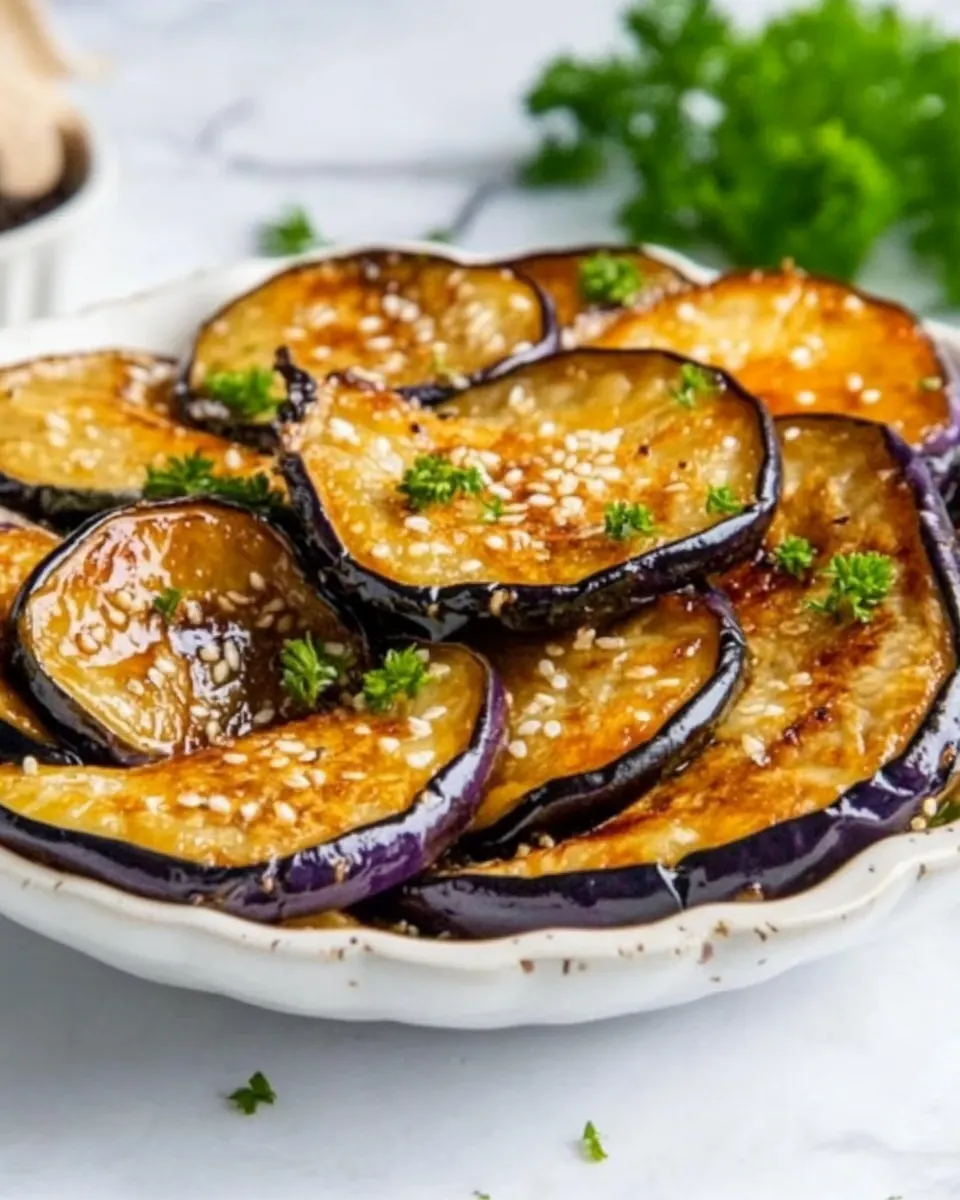
Fry Eggplant with Less Oil
Fry Eggplant with Less Oil has been one of those recipes I reach for when I want something crispy and comforting without the heavy grease that usually comes with fried food.
Years ago I learned a small trick that changed my approach to frying eggplant, and it started during a late summer dinner when I wanted to serve something light but deeply satisfying. I was juggling a small skillet, a messy counter, and guests who were getting hungry, and I needed a way to get perfectly browned rounds without topping up oil after every batch. That night I tested a few variations, and the version that stuck uses a whisper of oil plus a protein wash to help create a golden crust while keeping the pan economical. I loved how the texture came out, and my friends did too, so it became a staple whenever I wanted something quick, seasonal, and crisp.
Now I make Fry Eggplant with Less Oil whenever I have a medium eggplant on hand, and it feels indulgent without being wasteful. The technique is simple, and the results reward patience and attention to small details like the temperature of the oil and the feel of a slice as it browns. I also appreciate how adaptable the approach is, letting the natural flavor of the eggplant shine while producing a crunchy exterior that holds up even after a few minutes on the plate. Over time I refined little habits that keep the skillet cleaner and the batches more consistent, and I enjoy sharing those practical pointers with anyone who likes frying but dislikes excess oil.
Recipe Snapshot
15 mins
5 mins
10 mins
Easy
150 kcal
Mediterranean
Gluten-Free, Low FODMAP
Side Dishes
Nonstick skillet, Colander, Whisk, Tongs, Thermometer
Why This Fry Eggplant with Less Oil Stands Out
Less Oil, More Crunch
I love that Fry Eggplant with Less Oil delivers the same satisfying crispiness as a deep fry but uses a fraction of the oil. By brushing a thin layer of egg white on the slices, you get a light coating that crisps quickly, giving you that desirable crunchy edge without soaking up oil. I find this approach especially useful when I want a lighter weeknight meal that still feels special.
Seasonal and Simple
Using a single, ripe summer eggplant makes this recipe feel timely and fresh. The ingredient list is short and focused, so the vegetable is the star. I enjoy how the method highlights texture rather than masking flavor with too many additions.
Time Friendly and Practical
This method fits neatly into busy evenings. The salting step takes some passive time, but the active work is fast. I often multitask while the slices rest, and then frying is quick, which helps me serve hot, crisp slices on schedule.
Reliable Results
I appreciate how consistent the technique is. Once the oil hits the right temperature and the eggplant slices are evenly coated with egg white, you get even browning and a pleasant interior texture. It removes a lot of guesswork from pan frying, so I can focus on presentation and serving.
Kitchen Friendly
Finally, this recipe is forgiving. The equipment needs are minimal, and the process tolerates slight variations in thickness and oil type. Over many batches, I learned little fixes for common problems, so it works in most home kitchens without fuss.
Ingredients You’ll Need for Fry Eggplant with Less Oil
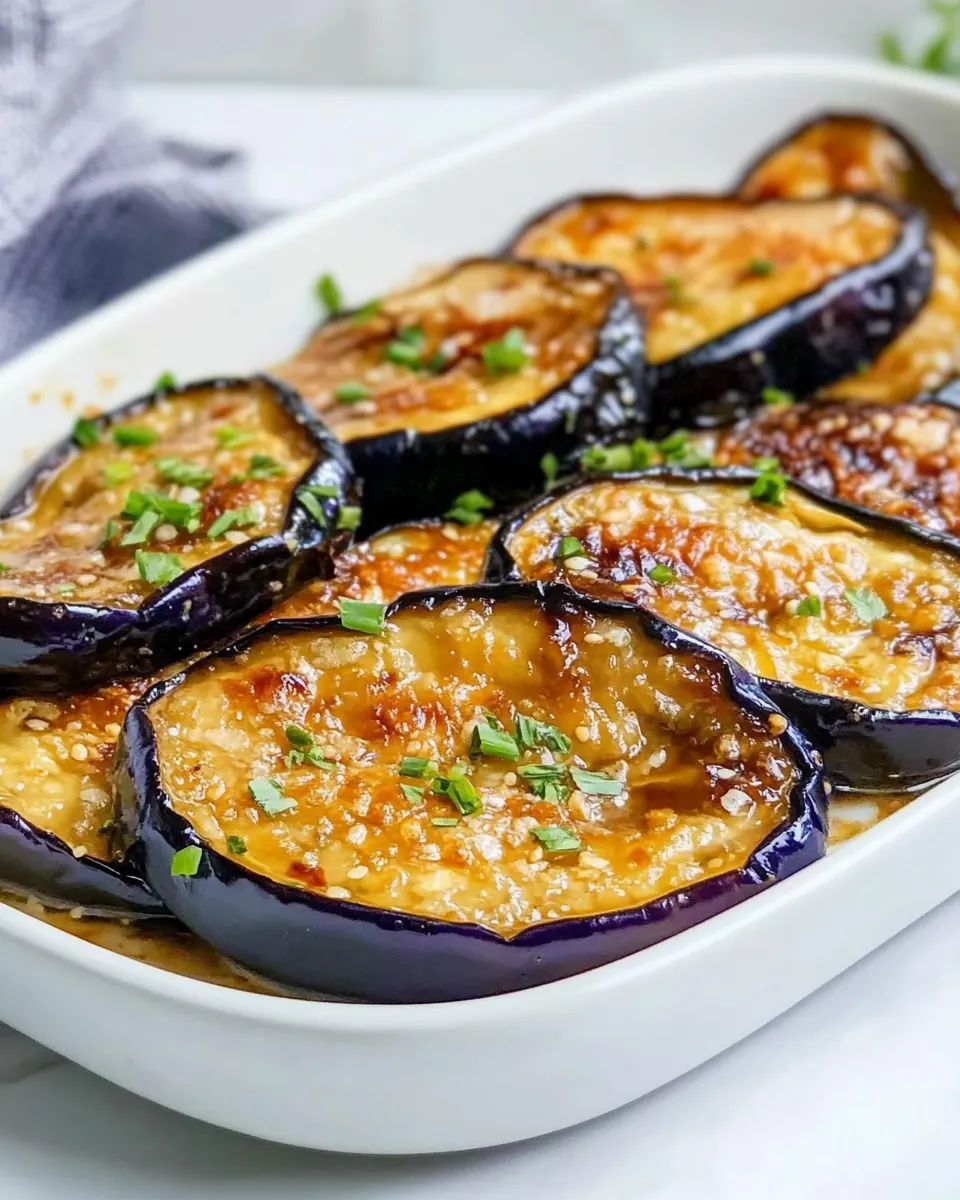
These ingredients are intentionally lean to let the eggplant shine. The list focuses on three key players: the vegetable itself for texture and flavor, basic seasonings to enhance natural taste, and the egg white which acts as a light binding and crisping agent so you can use less frying oil. Each item is chosen to create contrast between a tender interior and a golden surface without heavy breading or batter.
- 1 pound eggplant, about 1 medium: Slice into rounds or cubes and provide bulk and a meaty texture that soaks up flavors during cooking; helps form the main body of the dish and browns attractively when fried.
- Salt and pepper: Season liberally to enhance overall flavor and help draw out excess moisture from the eggplant; balance saltiness with pepper for a subtle heat and complexity.
- 2 large egg whites: Whisk until slightly foamy and create a light coating that reduces oil absorption while promoting a golden exterior; helps pieces crisp without heavy batter.
- Oil with a high smoke point for frying (grapeseed, avocado, and peanut oil work well): Choose a high smoke point oil to safely achieve hot frying temperatures, facilitate even browning, and prevent off-flavors while using less oil overall.
Cooking Method for Fry Eggplant with Less Oil
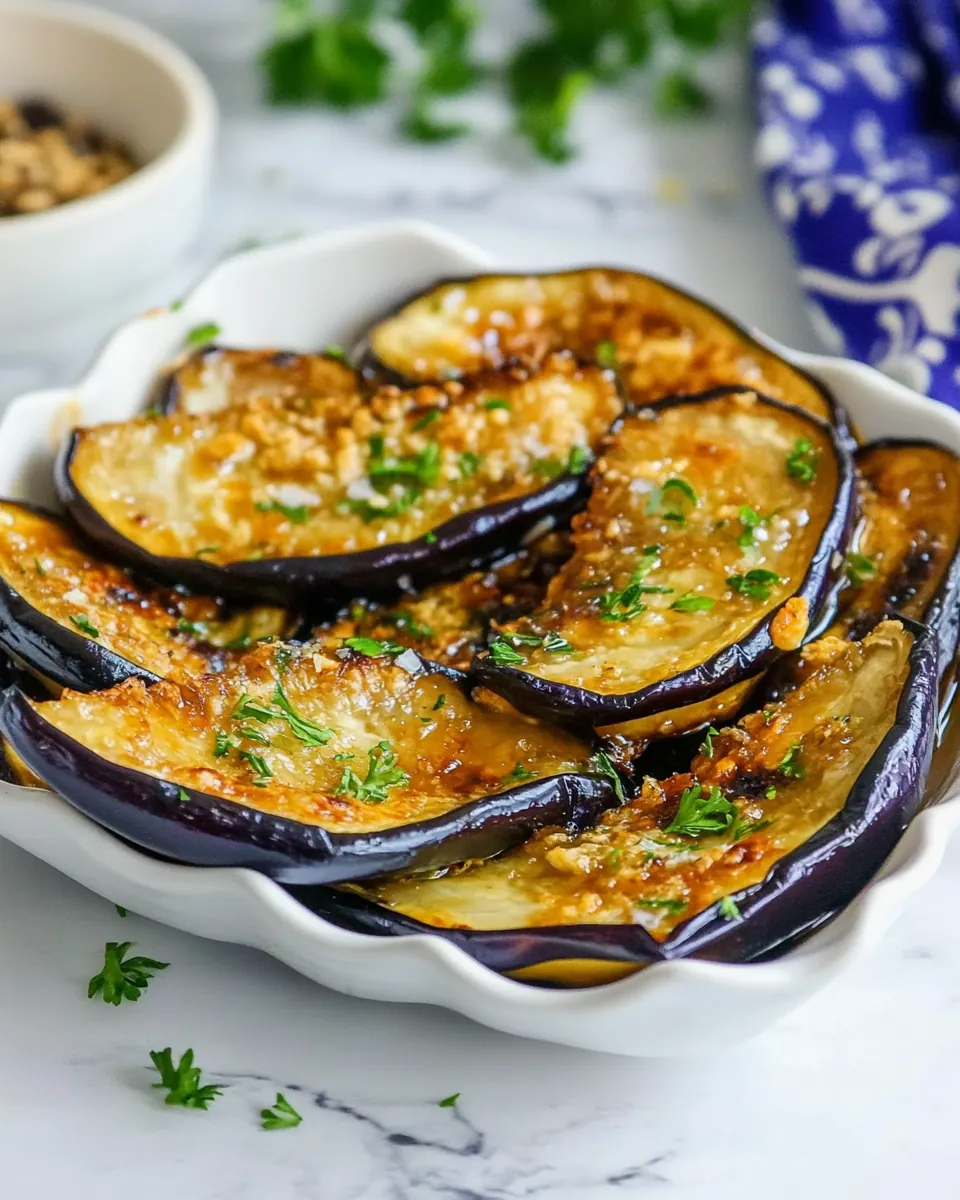
Frying with less oil is all about timing, temperature, and technique. Keep the workspace organized, monitor the oil temperature carefully, and work in small batches for consistent results. Below I expand the original directions into detailed steps so you can follow along like I do in my kitchen.
- Slice the eggplant into 1/2 inch rounds. Place the rounds in a colander and sprinkle them with salt (sea salt, kosher salt, any kind of salt will work). Make sure each eggplant round has a thin sprinkling of salt on it. Let the slices sit for 20-30 minutes until beads of liquid form on the surface. This process helps to remove any bitterness that may be present in the eggplant. Note that if you're using smaller eggplant pieces here, like Japanese eggplant, they are very rarely bitter and likely will not need salting. I usually use a medium-sized eggplant in this preparation because I like the size of the slices it produces for frying.: The smell of fresh eggplant is faintly vegetal and mildly sweet, and as you slice, you want uniform thickness so heat penetrates evenly. A consistent one half inch slice gives a tender center while allowing the exterior to crisp without overcooking. When you slice, listen for the slight resistance of the knife and watch the flesh be cleanly cut, not mashed. Why this matters, the even thickness prevents thin edges from burning while the middle is still raw. One common mistake is inconsistent slices, which causes some pieces to finish too quickly and others to remain underdone. Use a sharp knife and steady hand to avoid jagged edges that brown irregularly.
- Rinse the eggplant pieces thoroughly to remove the salt. Pat dry and spread out on a cutting board. Sprinkle the eggplant slices lightly with salt. The salt from the colander will be mostly gone after rinsing; if you're salt sensitive, you can skip adding salt at this point and add to taste after frying. Sprinkle the slices lightly with black pepper (also optional, but recommended). Whisk the two egg whites in a small bowl for about 60 seconds. Brush the seasoned eggplant slices with a THIN layer of egg white, making sure the entire white surface of the slice is coated. Turn the slices and brush the other side with another thin layer of egg white, so all white surfaces of the slices are covered with egg white.: Salt draws out excess moisture, which is the secret to preventing soggy frying. As the slices sit you will notice tiny beads of liquid forming on the surface, a sign the process is working. The texture changes subtly, the flesh becoming slightly firmer to the touch. This step improves browning because less water means the surface can heat and caramelize rather than steam. A typical error here is skipping the resting time, which often leads to oily, limp slices. Allow the full twenty to thirty minutes and be patient for better texture.
- Heat 1/4 inch of grapeseed oil in a nonstick skillet over medium until hot enough for frying. The ideal temperature for frying eggplant is about 365-375 degrees F. The best way to monitor the temperature is to use a deep fry or candy thermometer; or, you can drop a small piece of bread into the oil. If it takes 60 seconds to brown, the oil temperature is perfect for frying. Heat up the oil while you're brushing the eggplant slices with egg white to save on time!: Rinsing removes excess surface salt so the final seasoning is balanced. After rinsing, pat each slice dry with a towel and spread them out on a cutting board, feeling for surface moisture. Too much leftover water will interfere with browning, creating sputtering oil and uneven color. The reason this is important is to avoid over salting and to ensure the slices take the egg white coating evenly. A common oversight is leaving them damp, which will cause the coating to slip off and the oil to spatter more vigorously.
- Place 3 slices gently into the hot oil (do not cook more than 3-4 slices per batch, or the oil temperature will drop). Careful, it may splatter a bit, especially during the first minute or so of cooking. Let the slices fry for 2-3 minutes on each side until golden brown. Remove slices from the hot oil and drain on a drying rack or paper towel.: A light dusting at this point seasons the interior without overpowering it. You will detect a faint seasoning as you move pieces around, and the pepper adds subtle heat. The purpose is to fine tune flavor after rinsing, since the earlier salting was functional rather than flavor forward. Many people make the mistake of over salting during both stages, so taste a small piece after frying and adjust future batches accordingly.
- Whisk the two egg whites in a small bowl for about 60 seconds: Whisking aerates the egg whites , making them easier to brush on and more likely to set quickly when they hit hot oil . You want them slightly frothy, not stiff, so they spread in a thin film that crisps into a light crust. The visual cue is small bubbles and a glossy sheen. Skipping whisking can result in a patchy coating that does not adhere well, causing uneven browning and higher oil absorption.
- Brush the seasoned eggplant slices with a thin layer of egg white: Coat the entire surface on both sides with a delicate film of egg white . The touch should be gentle, and the brush strokes even, so the coating is consistent across the slice. This layer creates the crisp exterior while reducing oil uptake, giving you a golden edge without heavy batter. A typical mistake is applying a thick coat, which can clump and steam instead of crisping, so aim for barely there coverage to get the best crunch.
- Heat 1/4 inch of grapeseed oil in a nonstick skillet over medium until hot enough for frying: When the oil shimmers and a thermometer reads about 365 to 375 degrees F, the surface is ready. If you don't have a thermometer, drop a small piece of bread in; if it browns in about sixty seconds the temperature is ideal. The oil should make a soft sizzle when you approach it but not smoke. This balance is crucial because too cool oil soaks into the food and too hot oil burns the exterior before the interior cooks. A common error is overcrowding the pan which drops the oil temperature and yields greasy slices; work in small batches to avoid that.
- Place 3 slices gently into the hot oil: Listen for an initial crisping hiss as the coating meets the hot oil , and watch the edges begin to turn golden. I usually place only three to four slices at a time so the oil temperature remains steady. The visual cue to watch for is even browning along the edges and an audible, steady sizzle rather than frantic popping. Too many pieces at once will lower the pan temperature and lead to soggy results, which is the most common mistake here. Give each slice room so hot oil circulates around it.
- Let the slices fry for 2 to 3 minutes on each side until golden brown: During frying the aroma becomes nutty and inviting, and the surface takes on an even golden brown color. Flip once when the first side is deeply colored and releases easily from the pan; a sticky surface means it needs more time. The sound should shift from active to steadier as moisture leaves the slice. This timing matters because it creates a crunchy exterior while keeping the center tender. An error to avoid is flipping too often, which interrupts browning and increases oil absorption, so be patient and let the crust form.
- Remove slices from the hot oil and drain on a drying rack or paper towel: After frying, the surface will be crisp and slightly glossy, and placing the slices on a rack helps air circulate so they stay crisp rather than steaming on a flat surface. If you use paper towels, blot gently to remove excess oil. This resting moment allows the texture to set and prevents sogginess. A frequent mistake is stacking slices, which traps steam and softens the crust, so arrange them in a single layer as you finish each batch.
Customization Ideas
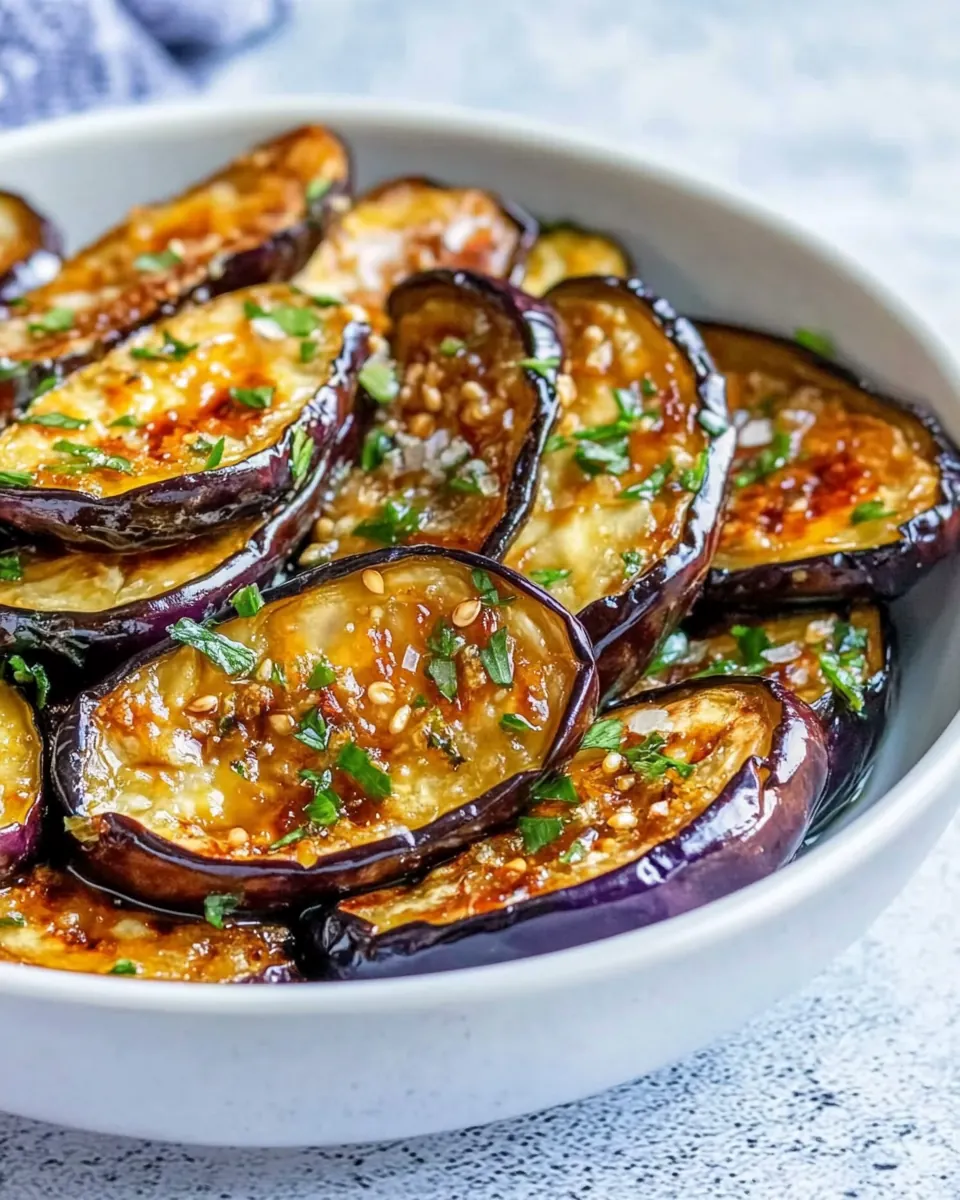
These ideas help you adapt Fry Eggplant with Less Oil to your pantry and preferences. Below are practical, tested tips you can try.
- Use a different high smoke point oil — If you prefer, swap grapeseed for avocado or peanut oil, each gives a slightly different mouthfeel while still allowing high temperature crisping.
- Adjust slice thickness — Thinner slices will crisp faster and become more delicate, while thicker rounds will be meatier inside, so choose thickness to match your texture preference.
- Try seedless shaping — Trim the ends and peel in stripes if you want a milder flavor and smoother texture, just be mindful of reduced structural integrity.
- Season after frying if sensitive to salt — If you watch sodium, skip the second salt step and add a light sprinkle after frying to taste, this prevents over seasoning.
- Keep a thermometer handy — Monitoring oil temperature helps prevent burning and reduces oil absorption, giving more consistent batches.
Side Dish Ideas for Fry Eggplant with Less Oil
These serving suggestions highlight how versatile Fry Eggplant with Less Oil can be. Whether you are plating for a casual lunch or a relaxed dinner, these pairings and storage notes should help you plan the meal. I focus on combinations that complement the texture and mild flavor of the eggplant.
- Serve warm with a squeeze of lemon — A bright citrus finish lifts the fried surface and balances the richness, great for a light lunch.
- Pair with a grain bowl — Add the slices atop warm rice or bulgur for a simple dinner, the contrast of textures makes the bowl more interesting.
- Include as part of a mezze plate — Combine with dips and fresh vegetables for social eating, the crisp rounds hold up well to dips.
- Storage — Keep leftover slices in an airtight container in the refrigerator for two to three days, reheat in a hot skillet to restore crispness rather than using a microwave.
- Occasions — This technique fits casual summer dinners or weeknight meals when you want something quick but a little special.
FAQ
Conclusion
This method keeps the focus on bright, crisp texture while using far less oil than traditional frying. You can enjoy golden, satisfying slices that feel indulgent without the heavy grease, making it an excellent choice for summer meals and quick weeknight dinners. Give it a try with a medium eggplant, take your time with the salting and drying steps, and work in small batches to keep the oil temperature steady. Share the result with friends or keep it as your go to lighter fried vegetable technique, and savor the crunchy outcome.
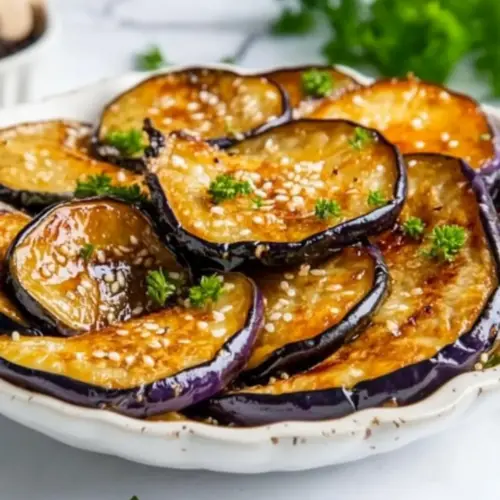
Fry Eggplant with Less Oil
Equipment
- nonstick skillet
- Colander
- Whisk
- Tongs
- Thermometer
Ingredients
- 1 pound eggplant, about 1 medium Slice into rounds or cubes and provide bulk and a meaty texture that soaks up flavors during cooking; helps form the main body of the dish and browns attractively when fried.
- Salt and pepper Season liberally to enhance overall flavor and help draw out excess moisture from the eggplant; balance saltiness with pepper for a subtle heat and complexity.
- 2 large egg whites Whisk until slightly foamy and create a light coating that reduces oil absorption while promoting a golden exterior; helps pieces crisp without heavy batter.
- Oil with a high smoke point for frying (grapeseed, avocado, and peanut oil work well) Choose a high smoke point oil to safely achieve hot frying temperatures, facilitate even browning, and prevent off-flavors while using less oil overall.
Instructions
- Slice the eggplant into 1/2 inch rounds. Place the rounds in a colander and sprinkle them with salt (sea salt, kosher salt, any kind of salt will work). Make sure each eggplant round has a thin sprinkling of salt on it. Let the slices sit for 20-30 minutes until beads of liquid form on the surface. This process helps to remove any bitterness that may be present in the eggplant. Note that if you're using smaller eggplant pieces here, like Japanese eggplant, they are very rarely bitter and likely will not need salting. I usually use a medium-sized eggplant in this preparation because I like the size of the slices it produces for frying.: The smell of fresh eggplant is faintly vegetal and mildly sweet, and as you slice, you want uniform thickness so heat penetrates evenly. A consistent one half inch slice gives a tender center while allowing the exterior to crisp without overcooking. When you slice, listen for the slight resistance of the knife and watch the flesh be cleanly cut, not mashed. Why this matters, the even thickness prevents thin edges from burning while the middle is still raw. One common mistake is inconsistent slices, which causes some pieces to finish too quickly and others to remain underdone. Use a sharp knife and steady hand to avoid jagged edges that brown irregularly.
- Rinse the eggplant pieces thoroughly to remove the salt. Pat dry and spread out on a cutting board. Sprinkle the eggplant slices lightly with salt. The salt from the colander will be mostly gone after rinsing; if you're salt sensitive, you can skip adding salt at this point and add to taste after frying. Sprinkle the slices lightly with black pepper (also optional, but recommended). Whisk the two egg whites in a small bowl for about 60 seconds. Brush the seasoned eggplant slices with a THIN layer of egg white, making sure the entire white surface of the slice is coated. Turn the slices and brush the other side with another thin layer of egg white, so all white surfaces of the slices are covered with egg white.: Salt draws out excess moisture, which is the secret to preventing soggy frying. As the slices sit you will notice tiny beads of liquid forming on the surface, a sign the process is working. The texture changes subtly, the flesh becoming slightly firmer to the touch. This step improves browning because less water means the surface can heat and caramelize rather than steam. A typical error here is skipping the resting time, which often leads to oily, limp slices. Allow the full twenty to thirty minutes and be patient for better texture.
- Heat 1/4 inch of grapeseed oil in a nonstick skillet over medium until hot enough for frying. The ideal temperature for frying eggplant is about 365-375 degrees F. The best way to monitor the temperature is to use a deep fry or candy thermometer; or, you can drop a small piece of bread into the oil. If it takes 60 seconds to brown, the oil temperature is perfect for frying. Heat up the oil while you're brushing the eggplant slices with egg white to save on time!: Rinsing removes excess surface salt so the final seasoning is balanced. After rinsing, pat each slice dry with a towel and spread them out on a cutting board, feeling for surface moisture. Too much leftover water will interfere with browning, creating sputtering oil and uneven color. The reason this is important is to avoid over salting and to ensure the slices take the egg white coating evenly. A common oversight is leaving them damp, which will cause the coating to slip off and the oil to spatter more vigorously.
- Place 3 slices gently into the hot oil (do not cook more than 3-4 slices per batch, or the oil temperature will drop). Careful, it may splatter a bit, especially during the first minute or so of cooking. Let the slices fry for 2-3 minutes on each side until golden brown. Remove slices from the hot oil and drain on a drying rack or paper towel.: A light dusting at this point seasons the interior without overpowering it. You will detect a faint seasoning as you move pieces around, and the pepper adds subtle heat. The purpose is to fine tune flavor after rinsing, since the earlier salting was functional rather than flavor forward. Many people make the mistake of over salting during both stages, so taste a small piece after frying and adjust future batches accordingly.
- Whisk the two egg whites in a small bowl for about 60 seconds: Whisking aerates the egg whites , making them easier to brush on and more likely to set quickly when they hit hot oil . You want them slightly frothy, not stiff, so they spread in a thin film that crisps into a light crust. The visual cue is small bubbles and a glossy sheen. Skipping whisking can result in a patchy coating that does not adhere well, causing uneven browning and higher oil absorption.
- Brush the seasoned eggplant slices with a thin layer of egg white: Coat the entire surface on both sides with a delicate film of egg white . The touch should be gentle, and the brush strokes even, so the coating is consistent across the slice. This layer creates the crisp exterior while reducing oil uptake, giving you a golden edge without heavy batter. A typical mistake is applying a thick coat, which can clump and steam instead of crisping, so aim for barely there coverage to get the best crunch.
- Heat 1/4 inch of grapeseed oil in a nonstick skillet over medium until hot enough for frying: When the oil shimmers and a thermometer reads about 365 to 375 degrees F, the surface is ready. If you don't have a thermometer, drop a small piece of bread in; if it browns in about sixty seconds the temperature is ideal. The oil should make a soft sizzle when you approach it but not smoke. This balance is crucial because too cool oil soaks into the food and too hot oil burns the exterior before the interior cooks. A common error is overcrowding the pan which drops the oil temperature and yields greasy slices; work in small batches to avoid that.
- Place 3 slices gently into the hot oil: Listen for an initial crisping hiss as the coating meets the hot oil , and watch the edges begin to turn golden. I usually place only three to four slices at a time so the oil temperature remains steady. The visual cue to watch for is even browning along the edges and an audible, steady sizzle rather than frantic popping. Too many pieces at once will lower the pan temperature and lead to soggy results, which is the most common mistake here. Give each slice room so hot oil circulates around it.
- Let the slices fry for 2 to 3 minutes on each side until golden brown: During frying the aroma becomes nutty and inviting, and the surface takes on an even golden brown color. Flip once when the first side is deeply colored and releases easily from the pan; a sticky surface means it needs more time. The sound should shift from active to steadier as moisture leaves the slice. This timing matters because it creates a crunchy exterior while keeping the center tender. An error to avoid is flipping too often, which interrupts browning and increases oil absorption, so be patient and let the crust form.
- Remove slices from the hot oil and drain on a drying rack or paper towel: After frying, the surface will be crisp and slightly glossy, and placing the slices on a rack helps air circulate so they stay crisp rather than steaming on a flat surface. If you use paper towels, blot gently to remove excess oil. This resting moment allows the texture to set and prevents sogginess. A frequent mistake is stacking slices, which traps steam and softens the crust, so arrange them in a single layer as you finish each batch.
Notes
- Use a different high smoke point oil — If you prefer, swap grapeseed for avocado or peanut oil, each gives a slightly different mouthfeel while still allowing high temperature crisping.
- Adjust slice thickness — Thinner slices will crisp faster and become more delicate, while thicker rounds will be meatier inside, so choose thickness to match your texture preference.
- Try seedless shaping — Trim the ends and peel in stripes if you want a milder flavor and smoother texture, just be mindful of reduced structural integrity.
- Season after frying if sensitive to salt — If you watch sodium, skip the second salt step and add a light sprinkle after frying to taste, this prevents over seasoning.
- Keep a thermometer handy — Monitoring oil temperature helps prevent burning and reduces oil absorption, giving more consistent batches.
