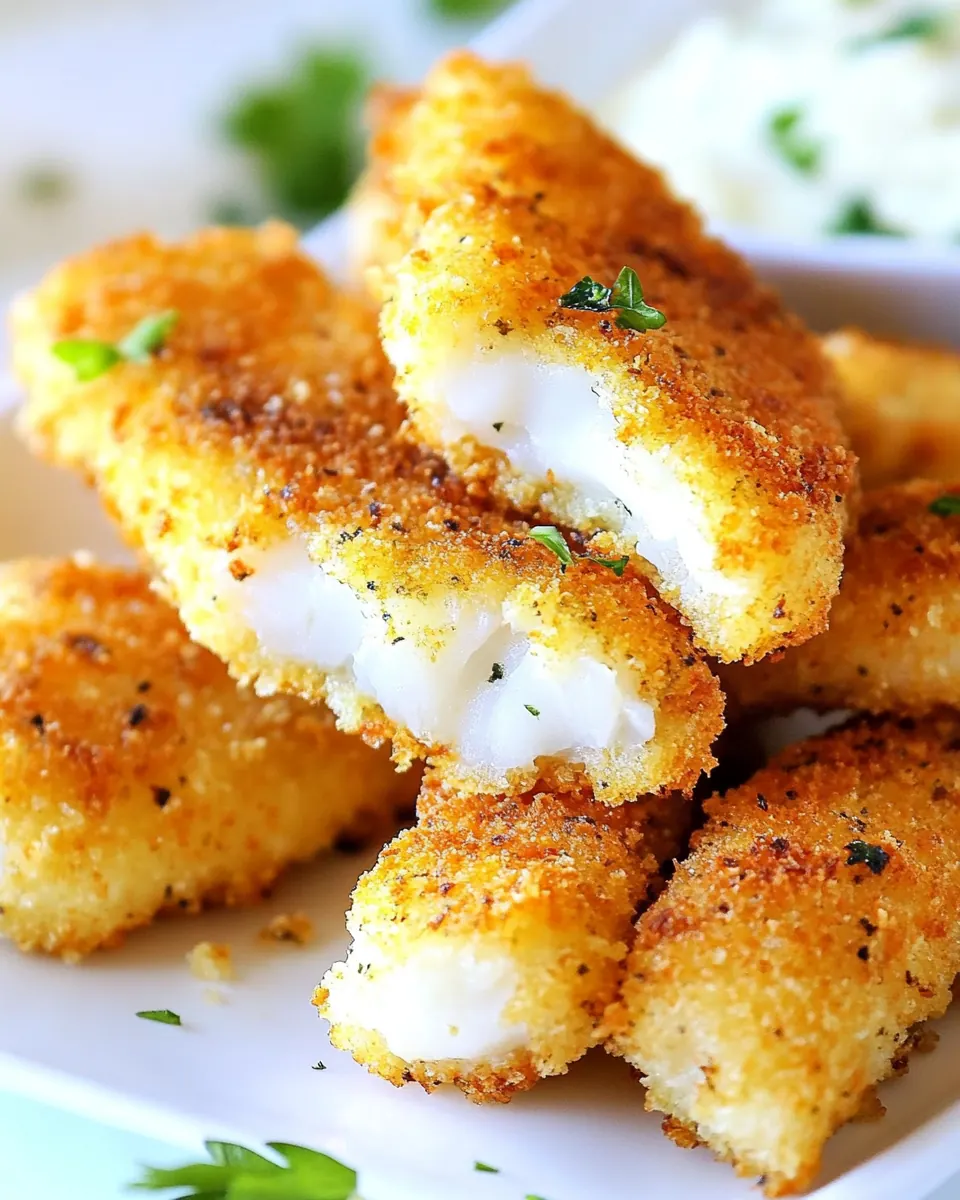
Homemade Fish Sticks Recipe
Homemade Fish Sticks Recipe is one of those dishes I return to when I want something comforting, crispy, and simple that still feels a little special.
Growing up I remember tiny paper plates with flaky pieces of fish that vanished faster than the microwave could beep. These days I make Homemade Fish Sticks Recipe when guests stop by unexpectedly or when we want a nostalgic weeknight dinner without the freezer box. I like to tell stories while I bread the fish, and somehow the ritual of dredging, dipping, and coating calms me down. The scent of frying oil takes me right back to childhood kitchens, but with the satisfaction of knowing exactly what goes into each bite.
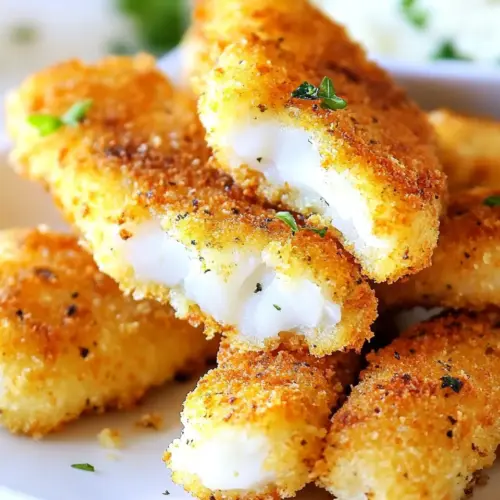
There is also something quietly impressive about serving a homemade version. People assume it took hours, and I let them believe it for a minute before confessing it was pretty quick. I enjoy the little moment when the first golden piece comes out of the pan, sizzling, and everyone leans in. That crisp exterior giving way to tender, flaky white fish fillets tilapia, cod, catfish, etc. is exactly why I keep this recipe in rotation.
Recipe Snapshot
30 mins
15 mins
15 mins
Easy
300 kcal
American
Gluten-Free, Paleo
Dinner
Pan, Baking sheet, Shallow dishes, Tongs
Why Try This Homemade Fish Sticks Recipe
Reliable weeknight crowd pleaser
I make Homemade Fish Sticks Recipe because it reliably turns out well even on busy evenings. The technique is forgiving, so I rarely worry about overworking anything. You get crunchy breadcrumbs outside, while the fish inside remains moist and flaky, which is satisfying for picky eaters and grown ups alike.
Customizable flavor profiles
I love that small seasoning choices make a major difference. The combination of garlic powder and Italian seasoning in the breadcrumb mix lifts the whole dish. I often tweak the seasoning depending on who I am feeding, and that flexibility keeps the recipe feeling fresh.
Fast and approachable prep
This recipe does not require a long ingredient list or fancy tools. With a simple breading station and a shallow pan, you can be frying in minutes. That speed means you can prepare a satisfying meal without sacrificing flavor, and I appreciate that practical simplicity after a long day.
Textural contrast that wins every time
What keeps me coming back to Homemade Fish Sticks Recipe is the crunch to tender contrast. The light dusting of all purpose flour helps the egg cling, and the breadcrumb layer browns beautifully in hot vegetable oil for frying in pan (see note for baking). That contrast makes each bite interesting and comforting.
Kid friendly and nostalgic
Finally, it’s a nostalgic win. Kids love picking these up, dipping them, and making happy noises. I enjoy watching their faces when the first bite reveals flaky, well seasoned fish. It’s a small ritual that always brings the table together.
Ingredients You’ll Need for Homemade Fish Sticks Recipe
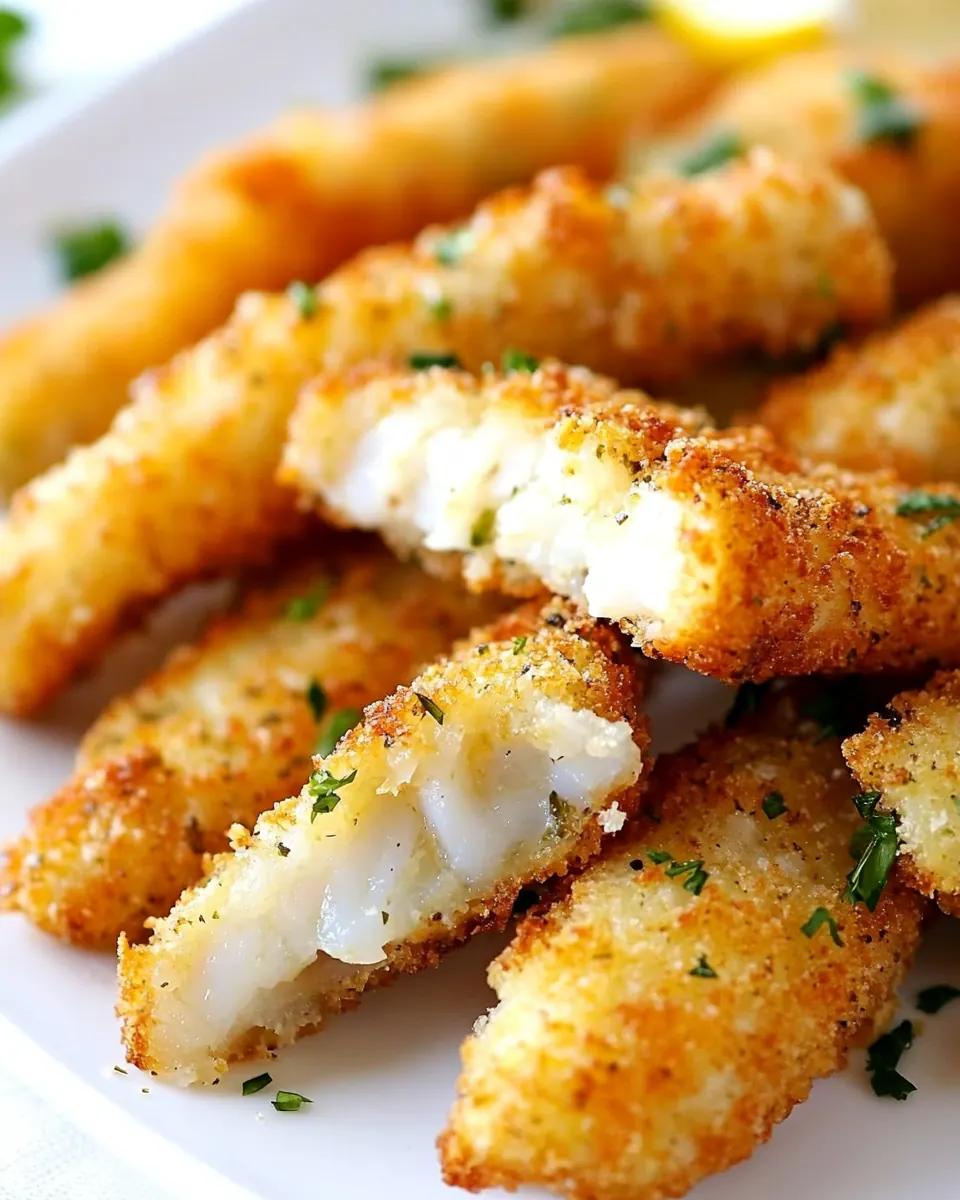
These ingredients are straightforward and purposeful. I choose items that build texture first, then flavor. The fish provides the delicate, flaky center, while flour, egg, and breadcrumbs form a layered crust that browns and crisps. Small seasonings like garlic powder and Italian seasoning lend savory notes without overpowering the mild white fish fillets tilapia, cod, catfish, etc..
- 2 white fish fillets tilapia, cod, catfish, etc.: Provide delicate, flaky protein that forms the base of the fish sticks; choose mild white fish like tilapia, cod, or catfish for easy shaping and neutral flavor. Pat dry before cutting into strips to ensure proper coating adhesion and even cooking. Source firm-fleshed fillets to prevent falling apart during breading and frying.
- 1/2 teaspoons salt: Season the fish with a touch of salinity to enhance natural flavors and balance the batter and breadcrumb coatings. Dissolve evenly into wet mixtures or sprinkle lightly on cut fillets before coating for consistent taste. Use measured amount to avoid over-salting delicate white fish.
- 1/4 teaspoon black pepper: Add a mild peppery warmth that brightens the overall flavor profile without overwhelming the fish. Grind fresh if possible and sprinkle evenly across batter or fish before dredging. Keep amount modest to maintain a family-friendly seasoning level.
- 1 large egg: Bind wet ingredients together to create an egg wash that helps flour and breadcrumbs adhere to the fish strips for a crisp exterior. Whisk until smooth with half and half to produce a cohesive coating mixture. Use large eggs for consistent volume and structure.
- 2 tablespoons half and half: Loosen and enrich the egg wash slightly to produce a smoother coating that promotes better breadcrumb adhesion and a tender interior. Add to the beaten egg to adjust consistency so the coating clings without becoming soggy. Use measured half-and-half to maintain balance between richness and lightness.
- 1/4 cup all-purpose flour: Create a dry base layer that helps the egg wash and breadcrumbs stick, forming an initial barrier for crisping. Lightly dust fish strips in flour to absorb surface moisture and encourage even browning. Use all-purpose flour for neutral taste and reliable coating performance.
- 1/3 cup plain breadcrumbs: Provide crunchy texture and a toasty flavor that defines the exterior of the fish sticks when fried or baked. Press breadcrumbs onto the egg-coated fish to form an even, crisp crust that seals in moisture. Use plain breadcrumbs for a neutral canvas that can take on seasonings.
- 1/4 teaspoon garlic powder: Introduce a subtle savory note that deepens the overall flavor without dominating the profile; garlic powder disperses evenly through breadcrumb coating. Mix into breadcrumbs to ensure each bite has a hint of garlic. Keep measurement small to complement rather than overpower the fish.
- 1/4 teaspoon Italian seasoning: Impart a blend of herbs and aromatics that adds complexity and a Mediterranean touch to the coating blend. Stir into the breadcrumb mixture to distribute herbaceous flavor throughout the crust. Use Italian seasoning to provide familiar, balanced herb notes.
- 1/2 cup vegetable oil for frying in pan (see note for baking): Provide the cooking medium for shallow frying to achieve a golden, crispy exterior and properly cooked interior; use vegetable oil for a neutral frying flavor and high smoke point. Heat to the appropriate temperature before adding fish sticks to avoid soggy coating or excessive oil absorption. Reserve alternative cooking note if opting to bake instead of frying.
Recipe Steps for Homemade Fish Sticks Recipe
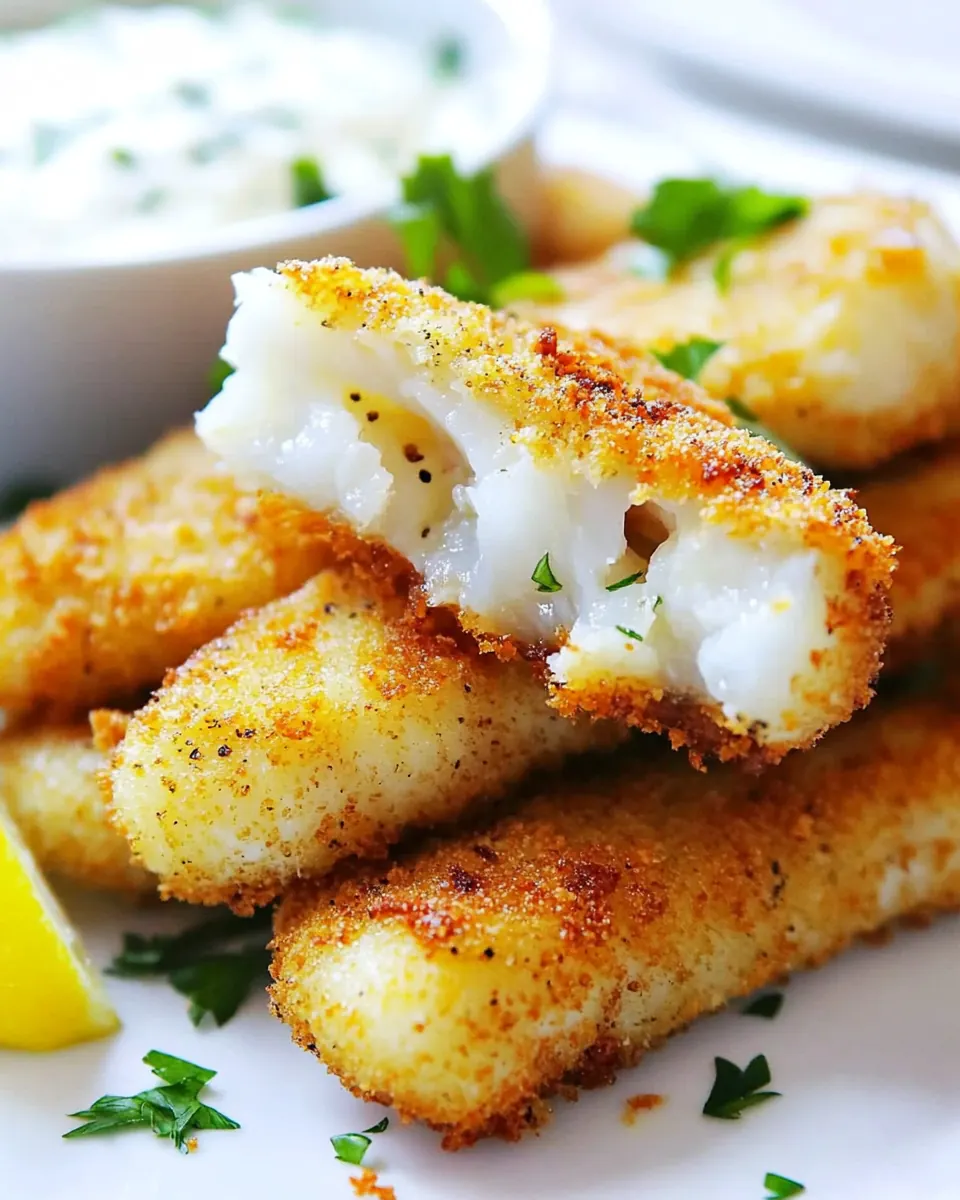
These steps walk you through transforming fillets into crisp, flaky sticks. I like to set up the breading station and work in batches so the coating stays fresh and the oil temperature remains steady. Read each step fully before starting so you can pace the process.
- Slice fillets into 3/4" wide pieces.: Warm, soft flesh from the fillet should feel slightly firm when pressed, and clean, even slices help every piece cook at the same rate. You should hear a faint, clean sound as the knife moves through, and the edges should be smooth. This uniformity ensures each stick gets an even golden exterior, and prevents tiny pieces from overcooking. A common mistake is cutting unevenly, which results in some pieces drying out while others are underdone. If the fillet feels too slippery, pat it dry with a towel to improve grip and control.
- Prepare breading station: in one shallow dish, whisk egg and half and half; in another dish, place flour; in the last dish, combine breadcrumbs with garlic powder and Italian seasoning.: in one shallow dish, whisk egg and half and half; in another dish, place flour; in the last dish, combine breadcrumbs with garlic powder and Italian seasoning. : You will smell a faint dairy sweetness from the egg and half and half as you whisk, creating a glossy wash that spreads easily. The flour should look pale and powdery, while the breadcrumb mixture should have a sandy texture with specks of herb. Organizing the station keeps your hands moving and stops the wet mix from contaminating the dry. A frequent oversight is crowding the area, which causes cross contamination and uneven coating. Arrange dishes in order to move smoothly from dry to wet to dry, and wipe hands between stages if needed.
- Season fish pieces with salt and pepper.: As salt and pepper hit the flesh, you may notice a subtle evaporation scent as surface moisture is drawn out, helping the coat stick. This initial seasoning layers flavor directly into the fish rather than just the crust. Use a light, even sprinkle so every bite has balance. Over seasoning at this point can make the finished sticks taste too salty, especially after frying, so err on the side of less and adjust future batches as needed.
- Dip each fish stick in flour first, then egg mixture, then finally in breadcrumbs. Coat evenly, shake off excess. Repeat with all fish pieces. Set them on a plate next to stove. Prepare another plate with a paper towel.: You will feel the slight drag of the flour as it clings, then the slippery sheen of the egg wash, followed by the gritty embrace of breadcrumbs. Each stage is crucial for adhesion and texture. The flour gives the egg a tooth to hold onto, the egg creates a sticky layer, and the breadcrumbs form the crunchy shell. If breadcrumbs go on patchily it leads to bare spots, so gently press crumbs onto the surface for a secure coat. One common error is allowing excess egg to pool; shake off lightly to avoid clumps of crumbs that burn during frying.
- To fry in pan: heat up vegetable oil in pan. Fry fish sticks in batches, until golden brown. Remove onto paper towel lined plate to absorb excess oil.: The final coated sticks should look uniformly coated and not dripping. Laying them on a plate in a single layer prevents smudging and preserves the crisp texture before cooking. The paper towel lined plate will absorb extra oil after frying, keeping the finished sticks light. A typical misstep is stacking pieces, which ruins the crust, so give each stick space on the waiting plate to remain intact.
- To bake: preheat oven to 375 degrees F. Bake fish sticks on parchment paper lined baking sheet for 15 to 18 minutes.: heat up vegetable oil in pan. : Heat the oil until it shimmers and moves fluidly across the pan surface, and you may see faint wisps of steam. Proper temperature ensures the breadcrumbs quickly set and become golden brown while sealing in juiciness. If your oil smokes, it is too hot and will burn the crust, so lower the heat and let it cool slightly. Using a thermometer or testing with a small breadcrumb can help you maintain the right temperature. Too low of heat leads to greasy fish, which is a common issue.
- Fry fish sticks in batches, until golden brown.: As the sticks sizzle, you will hear a steady crackle and see the breadcrumbs turn a warm golden brown at the edges first. Crowding the pan drops the oil temperature and causes uneven browning, so work in small batches for an even, crisp finish. Each side should develop a deeply colored crust before flipping gently with tongs. If pieces are getting dark too quickly while still raw inside, reduce the heat and allow more time; rushing with high heat is an error that yields burnt shells and undercooked centers.
- Remove onto paper towel lined plate to absorb excess oil.: The sizzling will quiet as oil drains, and the paper towel will wick away surface oil, leaving the crust crisp rather than greasy. Let the sticks rest briefly, since carryover heat continues to cook the fish slightly, and this rest prevents broken crusts from happening as you move them. A mistake here is stacking fresh pieces, which traps steam and softens the coating, so place them in a single layer to maintain texture.
- To bake: preheat oven to 375 degrees F. : You will notice a warm, dry heat in the oven that encourages even browning across the breadcrumb surface. Baking at this moderate temperature cooks the fish through while allowing the crumbs to crisp without burning. Check the oven rack position so the tray sits in the middle for balanced heat exposure. A common error is setting the temperature too high to speed things up, which leads to browned crumbs but undercooked fish. If your oven runs hot, reduce by a few degrees and monitor closely.
- Bake fish sticks on parchment paper lined baking sheet for 15 to 18 minutes.: During baking you may see the crumbs take on a golden color and the fish release a light steam as it cooks. The internal flesh should become opaque and flake when tested with a fork. Rotating the tray midway promotes even browning across the batch. A mistake to avoid is removing immediately; allow a brief rest so the juices redistribute and the crust firms up. If the center feels gelatinous, return to the oven a few minutes longer at lower heat.
Recipe Tips about Homemade Fish Sticks Recipe
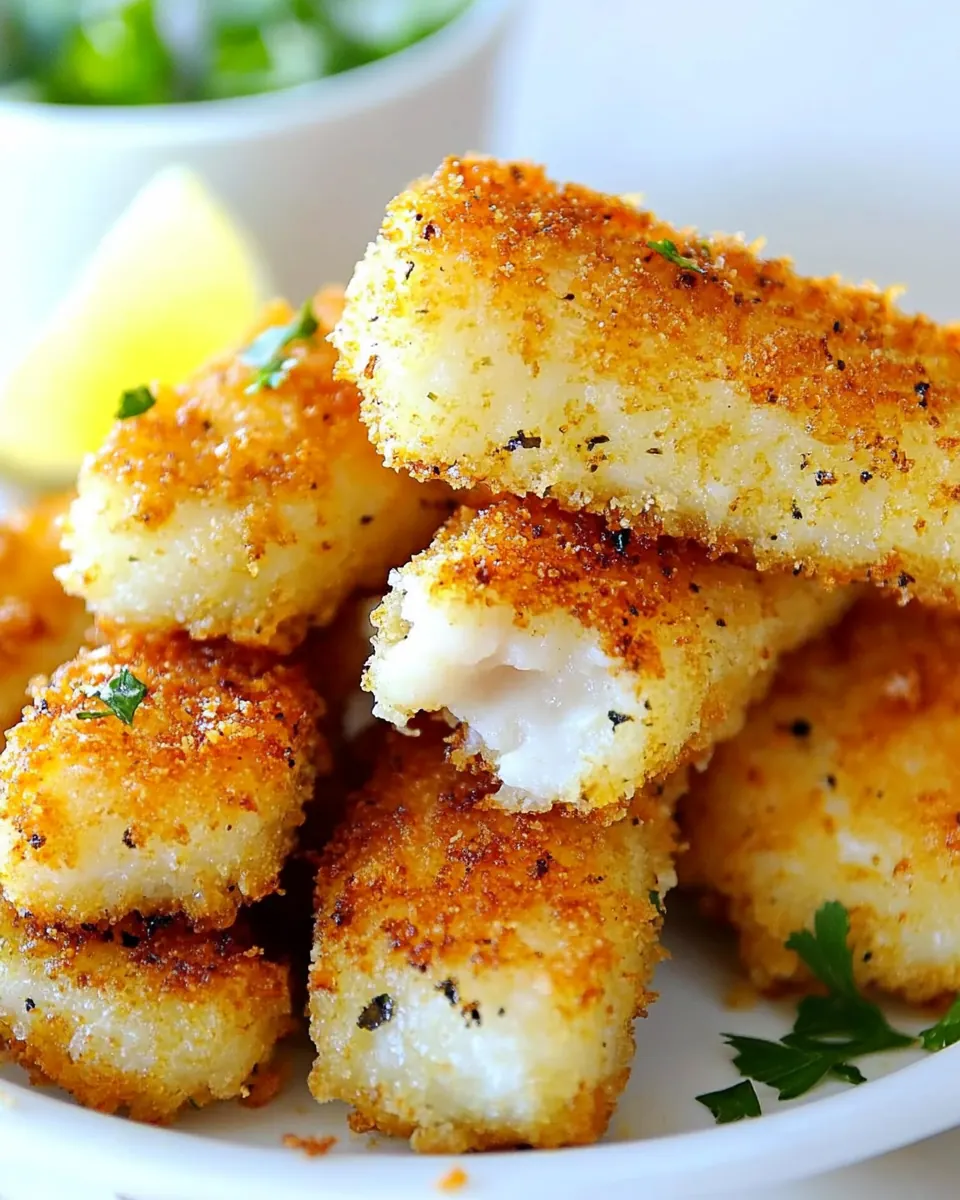
This recipe shines with small technique choices. The tips below expand on those details, helping you get consistently crisp, flavorful results whether frying or baking. Read each item and try one new tweak the first time you make this dish.
- Prep ahead: Coat the fish and arrange on a tray, then cover and refrigerate for up to 30 minutes before frying to help the breading set.
- Oil temperature: Heat the vegetable oil until it shimmers but does not smoke, about medium high; maintain that heat for even browning and to avoid greasy results.
- Breadcrumb mix: Toss garlic powder and Italian seasoning into the crumbs evenly so each stick has balanced herb flavor, and press crumbs gently onto the surface for secure adhesion.
- Batch size: Fry in small batches so the oil temperature recovers quickly between turns, producing uniformly golden sticks every time.
- Oven swap: For a lighter version, use the baking method at 375 degrees F on parchment and flip halfway through to crisp both sides without excess oil.
What to Serve Alongside Homemade Fish Sticks Recipe
These serving ideas turn simple fish sticks into a satisfying meal. Think about texture contrast, bright accompaniments, and easy sides to round out the plate. Whether for a casual lunch or a cozy dinner, pick two or three elements to complete the experience.
- Crisp greens salad: A simple salad with a light vinaigrette adds freshness and acidity that cuts through the fried texture.
- Fries or potato wedges: Classic pairing for hand held fish sticks, offering comforting starch and extra crunch for kids and adults.
- Tartar style dipping: A creamy dip made from neutral ingredients provides a cool contrast and brings out the fish flavor.
- Vegetable sides: Light roasted or steamed vegetables make the meal feel balanced and are easy to prepare alongside the fish.
- Serving occasions: This recipe works well for casual lunches, busy weeknight dinners, or relaxed weekend gatherings where people can graze and chat.
- Storage tips: Store cooled leftovers in an airtight container in the refrigerator for up to two days and reheat in an oven or air fryer to recover crispness.
FAQ
Conclusion
What makes this recipe special is the satisfying contrast between a crisp, golden breadcrumb exterior and flaky, tender fish inside. The method is straightforward, yet the results feel elevated because of the layered breading and balanced seasoning. Give the recipe a try the next time you want a comforting meal that comes together quickly and invites people to smile. I hope it becomes a staple in your rotation, bringing easy nostalgia and dependable flavor to your table.
Homemade Fish Sticks Recipe
Equipment
- Pan
- Baking Sheet
- Shallow Dishes
- Tongs
Ingredients
- 2 white fish fillets tilapia, cod, catfish, etc. Provide delicate, flaky protein that forms the base of the fish sticks; choose mild white fish like tilapia, cod, or catfish for easy shaping and neutral flavor. Pat dry before cutting into strips to ensure proper coating adhesion and even cooking. Source firm-fleshed fillets to prevent falling apart during breading and frying.
- 1/2 teaspoons salt Season the fish with a touch of salinity to enhance natural flavors and balance the batter and breadcrumb coatings. Dissolve evenly into wet mixtures or sprinkle lightly on cut fillets before coating for consistent taste. Use measured amount to avoid over-salting delicate white fish.
- 1/4 teaspoon black pepper Add a mild peppery warmth that brightens the overall flavor profile without overwhelming the fish. Grind fresh if possible and sprinkle evenly across batter or fish before dredging. Keep amount modest to maintain a family-friendly seasoning level.
- 1 large egg Bind wet ingredients together to create an egg wash that helps flour and breadcrumbs adhere to the fish strips for a crisp exterior. Whisk until smooth with half and half to produce a cohesive coating mixture. Use large eggs for consistent volume and structure.
- 2 tablespoons half and half Loosen and enrich the egg wash slightly to produce a smoother coating that promotes better breadcrumb adhesion and a tender interior. Add to the beaten egg to adjust consistency so the coating clings without becoming soggy. Use measured half-and-half to maintain balance between richness and lightness.
- 1/4 cup all-purpose flour Create a dry base layer that helps the egg wash and breadcrumbs stick, forming an initial barrier for crisping. Lightly dust fish strips in flour to absorb surface moisture and encourage even browning. Use all-purpose flour for neutral taste and reliable coating performance.
- 1/3 cup plain breadcrumbs Provide crunchy texture and a toasty flavor that defines the exterior of the fish sticks when fried or baked. Press breadcrumbs onto the egg-coated fish to form an even, crisp crust that seals in moisture. Use plain breadcrumbs for a neutral canvas that can take on seasonings.
- 1/4 teaspoon garlic powder Introduce a subtle savory note that deepens the overall flavor without dominating the profile; garlic powder disperses evenly through breadcrumb coating. Mix into breadcrumbs to ensure each bite has a hint of garlic. Keep measurement small to complement rather than overpower the fish.
- 1/4 teaspoon Italian seasoning Impart a blend of herbs and aromatics that adds complexity and a Mediterranean touch to the coating blend. Stir into the breadcrumb mixture to distribute herbaceous flavor throughout the crust. Use Italian seasoning to provide familiar, balanced herb notes.
- 1/2 cup vegetable oil for frying in pan (see note for baking) Provide the cooking medium for shallow frying to achieve a golden, crispy exterior and properly cooked interior; use vegetable oil for a neutral frying flavor and high smoke point. Heat to the appropriate temperature before adding fish sticks to avoid soggy coating or excessive oil absorption. Reserve alternative cooking note if opting to bake instead of frying.
Instructions
- Slice fillets into 3/4" wide pieces.: Warm, soft flesh from the fillet should feel slightly firm when pressed, and clean, even slices help every piece cook at the same rate. You should hear a faint, clean sound as the knife moves through, and the edges should be smooth. This uniformity ensures each stick gets an even golden exterior, and prevents tiny pieces from overcooking. A common mistake is cutting unevenly, which results in some pieces drying out while others are underdone. If the fillet feels too slippery, pat it dry with a towel to improve grip and control.
- Prepare breading station: in one shallow dish, whisk egg and half and half; in another dish, place flour; in the last dish, combine breadcrumbs with garlic powder and Italian seasoning.: in one shallow dish, whisk egg and half and half; in another dish, place flour; in the last dish, combine breadcrumbs with garlic powder and Italian seasoning. : You will smell a faint dairy sweetness from the egg and half and half as you whisk, creating a glossy wash that spreads easily. The flour should look pale and powdery, while the breadcrumb mixture should have a sandy texture with specks of herb. Organizing the station keeps your hands moving and stops the wet mix from contaminating the dry. A frequent oversight is crowding the area, which causes cross contamination and uneven coating. Arrange dishes in order to move smoothly from dry to wet to dry, and wipe hands between stages if needed.
- Season fish pieces with salt and pepper.: As salt and pepper hit the flesh, you may notice a subtle evaporation scent as surface moisture is drawn out, helping the coat stick. This initial seasoning layers flavor directly into the fish rather than just the crust. Use a light, even sprinkle so every bite has balance. Over seasoning at this point can make the finished sticks taste too salty, especially after frying, so err on the side of less and adjust future batches as needed.
- Dip each fish stick in flour first, then egg mixture, then finally in breadcrumbs. Coat evenly, shake off excess. Repeat with all fish pieces. Set them on a plate next to stove. Prepare another plate with a paper towel.: You will feel the slight drag of the flour as it clings, then the slippery sheen of the egg wash, followed by the gritty embrace of breadcrumbs. Each stage is crucial for adhesion and texture. The flour gives the egg a tooth to hold onto, the egg creates a sticky layer, and the breadcrumbs form the crunchy shell. If breadcrumbs go on patchily it leads to bare spots, so gently press crumbs onto the surface for a secure coat. One common error is allowing excess egg to pool; shake off lightly to avoid clumps of crumbs that burn during frying.
- To fry in pan: heat up vegetable oil in pan. Fry fish sticks in batches, until golden brown. Remove onto paper towel lined plate to absorb excess oil.: The final coated sticks should look uniformly coated and not dripping. Laying them on a plate in a single layer prevents smudging and preserves the crisp texture before cooking. The paper towel lined plate will absorb extra oil after frying, keeping the finished sticks light. A typical misstep is stacking pieces, which ruins the crust, so give each stick space on the waiting plate to remain intact.
- To bake: preheat oven to 375 degrees F. Bake fish sticks on parchment paper lined baking sheet for 15 to 18 minutes.: heat up vegetable oil in pan. : Heat the oil until it shimmers and moves fluidly across the pan surface, and you may see faint wisps of steam. Proper temperature ensures the breadcrumbs quickly set and become golden brown while sealing in juiciness. If your oil smokes, it is too hot and will burn the crust, so lower the heat and let it cool slightly. Using a thermometer or testing with a small breadcrumb can help you maintain the right temperature. Too low of heat leads to greasy fish, which is a common issue.
- Fry fish sticks in batches, until golden brown.: As the sticks sizzle, you will hear a steady crackle and see the breadcrumbs turn a warm golden brown at the edges first. Crowding the pan drops the oil temperature and causes uneven browning, so work in small batches for an even, crisp finish. Each side should develop a deeply colored crust before flipping gently with tongs. If pieces are getting dark too quickly while still raw inside, reduce the heat and allow more time; rushing with high heat is an error that yields burnt shells and undercooked centers.
- Remove onto paper towel lined plate to absorb excess oil.: The sizzling will quiet as oil drains, and the paper towel will wick away surface oil, leaving the crust crisp rather than greasy. Let the sticks rest briefly, since carryover heat continues to cook the fish slightly, and this rest prevents broken crusts from happening as you move them. A mistake here is stacking fresh pieces, which traps steam and softens the coating, so place them in a single layer to maintain texture.
- To bake: preheat oven to 375 degrees F. : You will notice a warm, dry heat in the oven that encourages even browning across the breadcrumb surface. Baking at this moderate temperature cooks the fish through while allowing the crumbs to crisp without burning. Check the oven rack position so the tray sits in the middle for balanced heat exposure. A common error is setting the temperature too high to speed things up, which leads to browned crumbs but undercooked fish. If your oven runs hot, reduce by a few degrees and monitor closely.
- Bake fish sticks on parchment paper lined baking sheet for 15 to 18 minutes.: During baking you may see the crumbs take on a golden color and the fish release a light steam as it cooks. The internal flesh should become opaque and flake when tested with a fork. Rotating the tray midway promotes even browning across the batch. A mistake to avoid is removing immediately; allow a brief rest so the juices redistribute and the crust firms up. If the center feels gelatinous, return to the oven a few minutes longer at lower heat.
Notes
- Prep ahead: Coat the fish and arrange on a tray, then cover and refrigerate for up to 30 minutes before frying to help the breading set.
- Oil temperature: Heat the vegetable oil until it shimmers but does not smoke, about medium high; maintain that heat for even browning and to avoid greasy results.
- Breadcrumb mix: Toss garlic powder and Italian seasoning into the crumbs evenly so each stick has balanced herb flavor, and press crumbs gently onto the surface for secure adhesion.
- Batch size: Fry in small batches so the oil temperature recovers quickly between turns, producing uniformly golden sticks every time.
- Oven swap: For a lighter version, use the baking method at 375 degrees F on parchment and flip halfway through to crisp both sides without excess oil.
