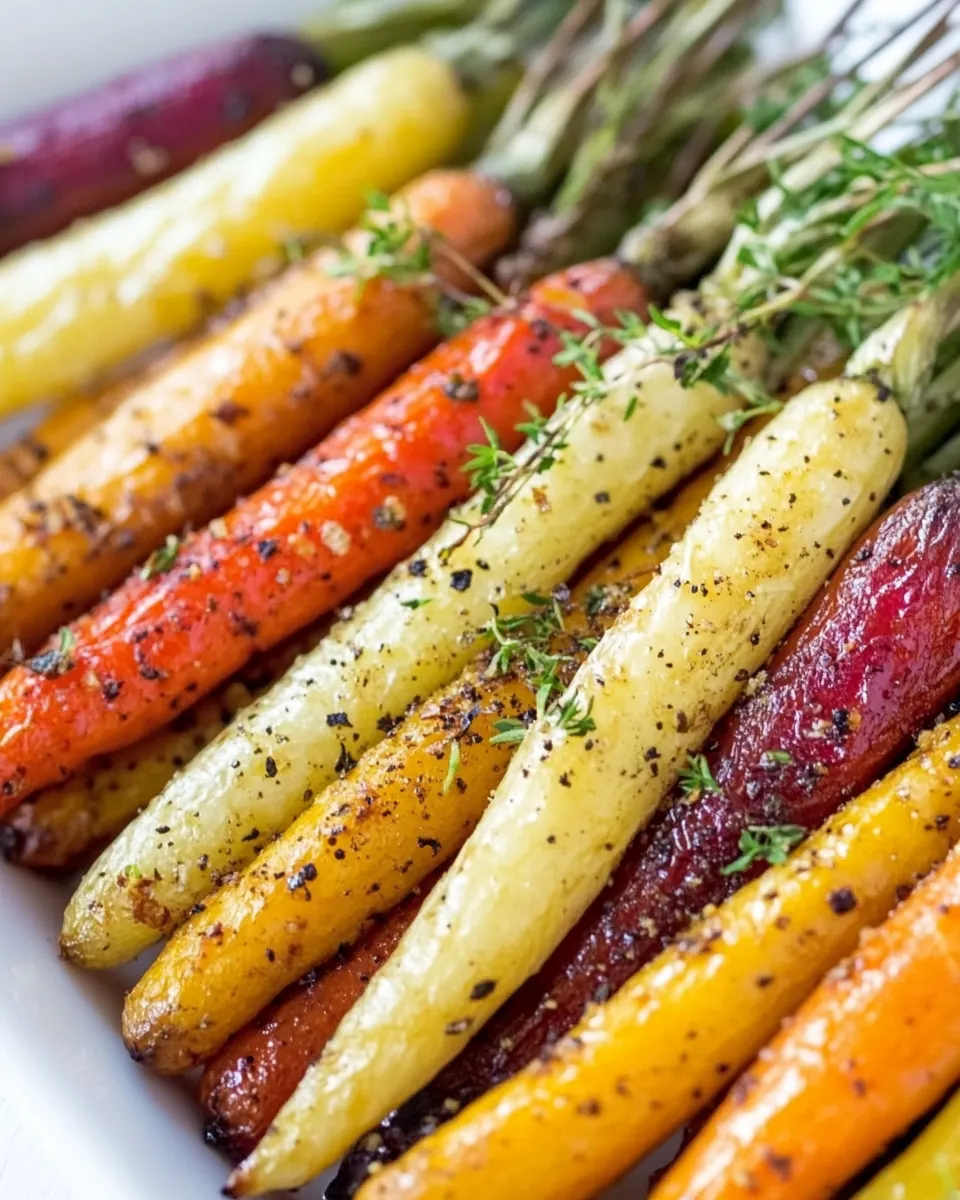
Roasted Carrots
Roasted Carrots have been one of those simple comforts I reach for when I want something that tastes like care with almost no fuss. The first time I roasted a big tray of carrots I remember the kitchen filling with a warm, sweet aroma that felt like autumn even though it was spring. I served them at a casual dinner and watched people reach for seconds, which made me convinced that this humble vegetable deserves the spotlight.
Over the years I’ve played with herbs and tiny adjustments so the natural sweetness of the carrots sings without being masked. I love that textural contrast you get when the edges caramelize while the centers stay tender. It is a recipe I turn to for busy weeknights, relaxed Sunday suppers, and whenever I want a side that looks elegant without being fussy.
Recipe Snapshot
30 mins
5 mins
25 mins
Easy
150 kcal
American
Gluten-Free, Low FODMAP
Side Dishes
Baking sheet
What We Adore About This Roasted Carrots
1. Pure, caramelized flavor that feels elevated
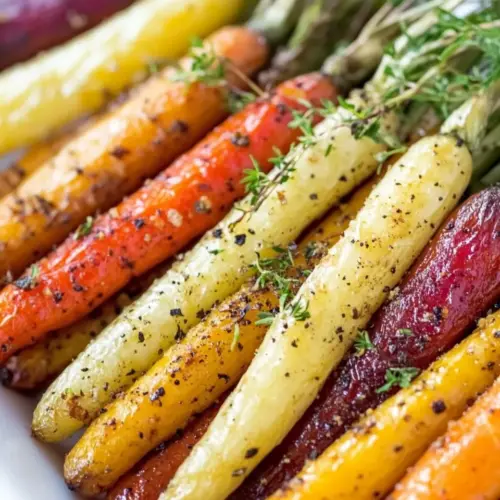
I adore how roasting transforms plain carrots into something almost sweet and savory at once. The heat concentrates the sugars, giving browned edges and a soft interior, and that contrast is irresistible. When I toss them in olive oil and scatter fresh herbs, it becomes a simple celebration of the vegetable rather than a heavy, complicated dish.
2. Minimal prep, maximum payoff
One of the reasons I keep this recipe in rotation is how little hands on time it needs. You scrub, trim, toss, and slide a pan into the oven. While the carrots roast you can focus on a main course or relax with a cup of tea. It is perfect for busy evenings when you still want something homemade and satisfying.
3. Flexible and forgiving
I find the recipe accepts tweaks readily. Want more herb character, add extra rosemary or thyme. Need a cooling contrast, serve with a spoonful of the suggested yogurt sauce. The method tolerates slightly different sizes and oven variations, which is great when life happens and precision is not an option.
4. Crowd friendly and seasonal
For spring gatherings these carrots feel timely, bright, and approachable. They scale easily, and I often double the tray for company. The dish lands well beside roast proteins and grain bowls, making it an excellent choice for shared meals and potlucks.
5. Healthy without preaching
Roasting lets the natural sweetness and texture shine, so you get a dish that is nourishing and satisfying. With just a little olive oil and herbs, it stays light, while the optional yogurt sauce adds creaminess without heaviness. I always appreciate a side that feels indulgent but is still grounded in whole ingredients.
Ingredients to Make Roasted Carrots
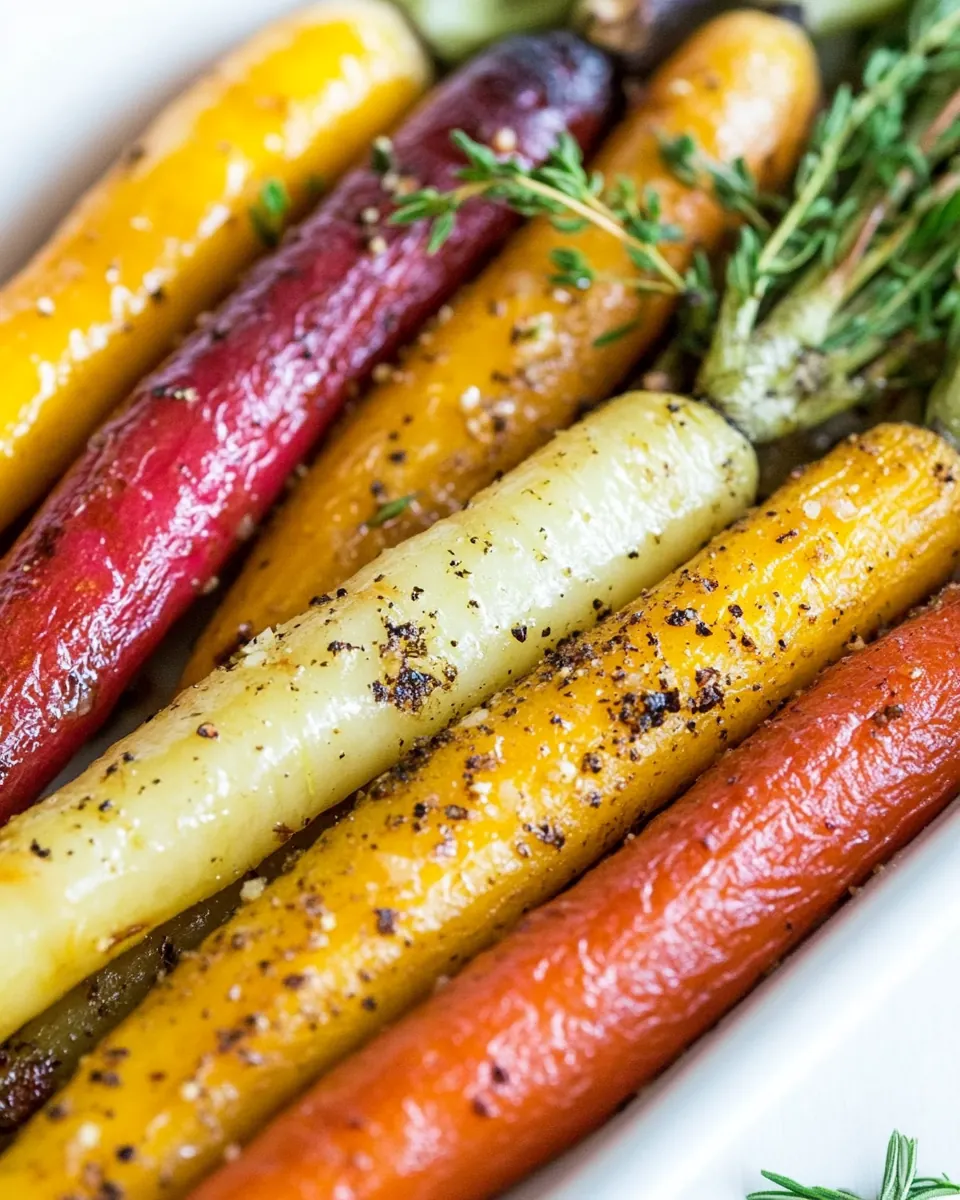
These ingredients are intentionally straightforward because the goal is to showcase the vegetable. The key players are the carrots for sweetness and body, olive oil to help with caramelization, and the fresh herbs like rosemary and thyme to add an aromatic lift. Salt and pepper balance and brighten flavors, and the optional yogurt sauce gives a cooling, tangy counterpoint.
- 2 pounds spring carrots green tops trimmed, scrubbed, and pat dry (see note 1): Trimmed and scrubbed to remove dirt, providing the sweet, earthy base for the dish; roast until tender and lightly caramelized to concentrate natural sugars and develop deep flavor. Green tops removed to ensure even cooking and a clean presentation; patting dry helps oil and seasonings adhere for better browning.
- 2 tablespoons olive oil: Coats the carrots to promote even roasting and encourage browning while carrying and melding the herbs' flavors; olive oil also helps prevent sticking and adds a silky mouthfeel. Use measured oil to achieve a glossy finish without making the vegetables greasy, balancing roast temperature and cooking time.
- 1 tablespoon fresh rosemary: Crushes and releases aromatic piney notes that infuse the carrots during roasting; fresh rosemary adds a resinous, savory edge that complements the vegetable's sweetness. Chop or finely mince to distribute flavor evenly and avoid large woody pieces that can be unpleasant to bite into.
- 1 tablespoon minced fresh thyme: Provides a bright, herbal lift with subtle lemony and floral tones that balance richness; minced thyme disperses small, fragrant leaves throughout the carrots for consistent seasoning. Use fresh and mince finely to release essential oils and ensure the herb integrates seamlessly into each bite.
- Salt and freshly ground black pepper: Seasons to taste, enhancing natural carrot sweetness and balancing savory herb notes; freshly ground black pepper adds a gentle heat and complexity. Apply salt sparingly and adjust after roasting to avoid over-salting as flavors concentrate during cooking.
- yogurt sauce for serving (, see note 2) (optional): Serves as an optional cool, tangy contrast that complements warm roasted carrots; a yogurt-based sauce adds creaminess and acidity to cut through caramelized richness. Offer on the side so diners can add moisture and a refreshing flavor layer according to preference.
Step by Step Guide for Roasted Carrots
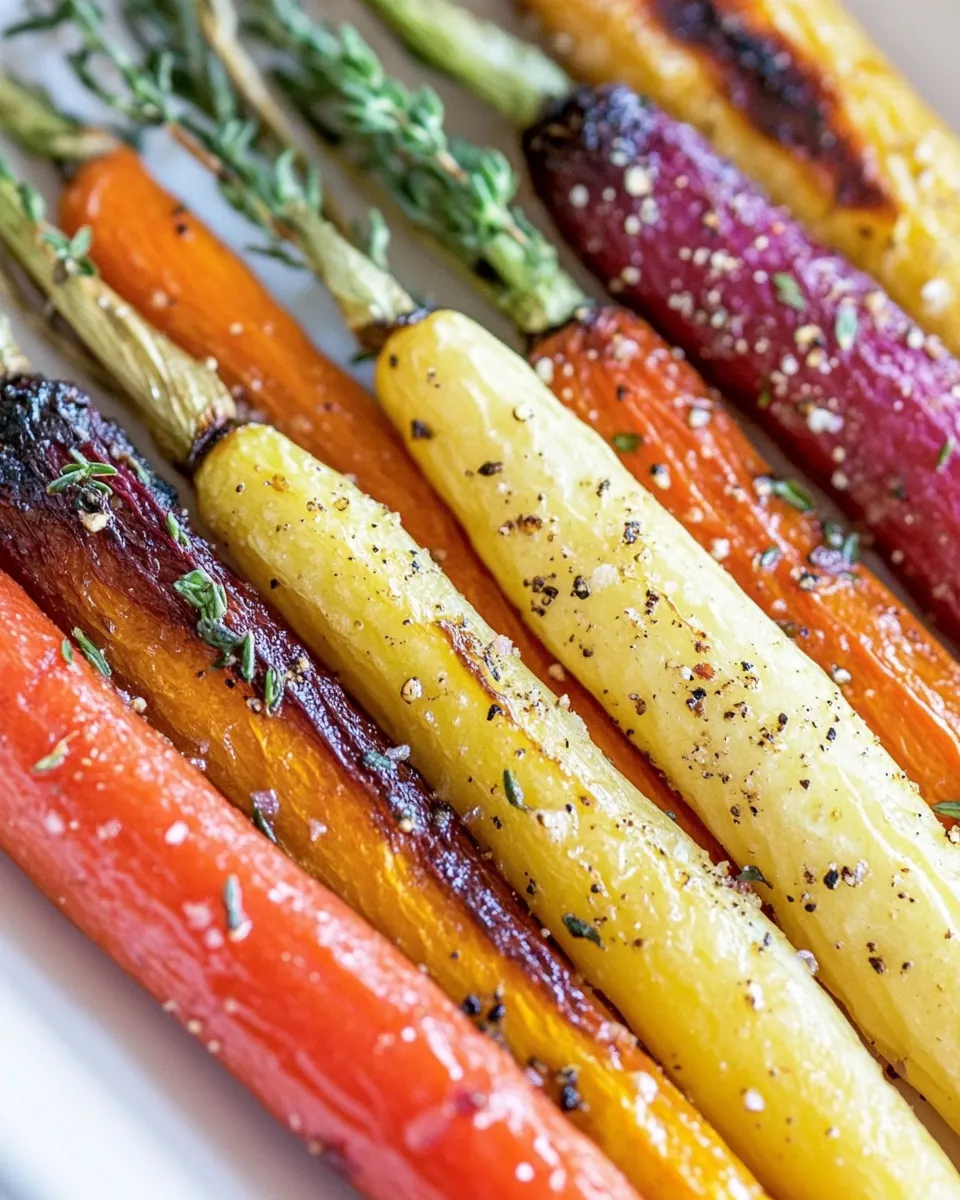
These directions guide you through a straightforward roast method that delivers caramelized exterior and tender interior. Read each step fully before you start so you can prepare your pan, herbs, and any optional sauce. The texture and scent you are aiming for are golden brown edges, a sweet roasted aroma, and a fork that slides into the carrot with gentle resistance.
- Adjust an oven rack to the middle position and preheat oven to 450 degrees. In a large bowl, add carrots, olive oil, rosemary, thyme, and salt and pepper (I like at least 1/2 teaspoon salt and 1/4 teaspoon pepper) and toss until evenly coated.: As the oven warms you will notice the air filling with dry, hot heat that promotes quick browning. Preheating fully is critical because the immediate exposure to high heat triggers caramelization on the carrot surfaces, producing those desirable browned edges. A common misstep is placing the tray into an oven that is not fully up to temperature, which can lead to steaming rather than roasting, producing softer, less flavorful results. Use an oven thermometer if your oven runs cool, and position the rack in the middle so heat circulates evenly around the tray.
- Transfer to rimmed baking sheet and spread in an even layer. Roast until carrots are fork tender and browned, about 20 to 25 minutes. Serve with yogurt sauce if desired.: The tactile action of tossing makes a difference; you should feel the olive oil coat each carrot piece and see flecks of herb and seasoning cling to the surface. This even coating ensures consistent browning and flavor distribution. If pieces are clumped together, they will steam instead of roast, so spread them apart in the next step. Watch for over-salting, especially if you will serve with a salty main dish.
- Transfer to rimmed baking sheet and spread in an even layer.: When you arrange the carrots give each piece breathing room, so air can circulate and they can brown on multiple sides. A rimmed baking sheet captures juices and prevents spillover, while an even layer keeps roasting consistent. Crowding is the most common error here, leading to uneven textures where some pieces will be golden and others pale and soft. If necessary, use two sheets to avoid crowding.
- Roast until carrots are fork tender and browned, about 20 to 25 minutes.: As they roast you will hear a faint pop and the kitchen will smell sweet and toasty. Check visually for deep golden brown edges and a slight collapse in the center when you press with a fork. The high heat helps the exterior crisp while the interior cooks to tender. Overcooking can make them mushy, so begin checking at 20 minutes; if you want more color, rotate the pan and roast a few minutes longer, watching carefully to avoid burning.
- Serve with yogurt sauce if desired.: The warm carrots paired with the cool, tangy yogurt sauce create a delightful contrast in texture and flavor. Spoon the sauce alongside or drizzle lightly, allowing some carrots to remain uncoated for those who prefer plain. A frequent oversight is adding the sauce too early, which can make the carrots soggy; keep it chilled until serving so the contrast remains bright and refreshing.
Change It Up
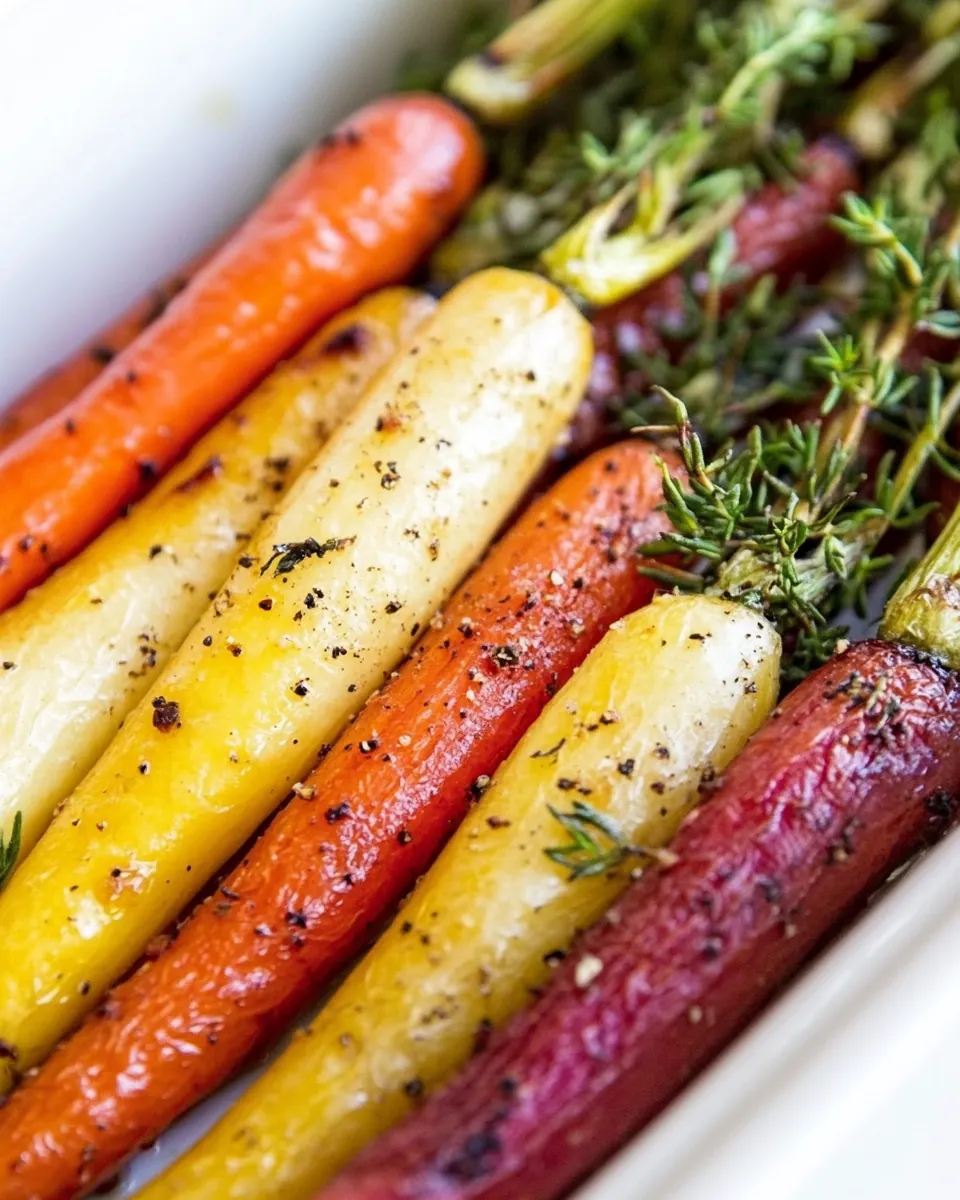
I like to offer variations so this easy method can adapt to what you have and the meal you are serving. These tips highlight swaps, flavor boosts, and serving ideas that keep the recipe fresh. Each suggestion is short and practical so you can try one at a time.
- Finish with a sprinkle of citrus zest – Add a touch of lemon or orange zest just before serving to lift the natural sweetness and add a bright, floral note that complements the herbs.
- Add a sweet glaze – Drizzle a small amount of honey or maple syrup in the last five minutes of roasting for an extra glossy caramelization, taking care not to let it burn.
- Swap herbs – If you do not have fresh rosemary or thyme, try finely chopped parsley or tarragon after roasting for a fresher green finish.
- Create a nutty crunch – Toasted chopped nuts sprinkled on top just before serving provide texture contrast and an earthy counterpoint to the soft carrots.
- Serve warm with the sauce on the side – Offering the optional yogurt sauce separately lets guests decide how much creaminess they want with each bite.
How to Serve Roasted Carrots
These carrots are versatile on the plate and work for casual weeknight dinners or more formal gatherings. Pair them with roasted proteins, grain bowls, or a simple green salad for a balanced meal. The optional yogurt sauce adds a creamy counterpoint that brightens the dish.
- Family dinners – Serve alongside roasted chicken, fish, or a grain pilaf for an easy, satisfying weeknight meal.
- Holiday table – Scale up for a spring or holiday spread; the vibrant color and herb aroma make them a welcome side at celebratory meals.
- Light lunches – Add the roasted carrots to a bowl with grains and greens for a nourishing midday bowl.
- Storage – Store cooled leftovers in an airtight container in the refrigerator for up to four days, then reheat gently to preserve texture.
- Seasonal pairings – In spring, pair with bright green vegetables or lemony dressings; the herb notes complement simple seasonal produce beautifully.
FAQ
Conclusion
Roasted Carrots are special because they turn a simple vegetable into something aromatic, sweet, and comforting with minimal effort. Try this recipe when you want an easy side that feels both homey and a little elevated, whether for a weeknight supper or a spring gathering. I hope you enjoy the way the herbs and caramelization bring out the best in the carrots, and that this becomes one of your go to recipes for reliable, flavorful vegetables.
Roasted Carrots
Equipment
- Baking Sheet
Ingredients
- 2 pounds spring carrots green tops trimmed, scrubbed, and pat dry (see note 1) Trimmed and scrubbed to remove dirt, providing the sweet, earthy base for the dish; roast until tender and lightly caramelized to concentrate natural sugars and develop deep flavor. Green tops removed to ensure even cooking and a clean presentation; patting dry helps oil and seasonings adhere for better browning.
- 2 tablespoons olive oil Coats the carrots to promote even roasting and encourage browning while carrying and melding the herbs' flavors; olive oil also helps prevent sticking and adds a silky mouthfeel. Use measured oil to achieve a glossy finish without making the vegetables greasy, balancing roast temperature and cooking time.
- 1 tablespoon fresh rosemary Crushes and releases aromatic piney notes that infuse the carrots during roasting; fresh rosemary adds a resinous, savory edge that complements the vegetable's sweetness. Chop or finely mince to distribute flavor evenly and avoid large woody pieces that can be unpleasant to bite into.
- 1 tablespoon minced fresh thyme Provides a bright, herbal lift with subtle lemony and floral tones that balance richness; minced thyme disperses small, fragrant leaves throughout the carrots for consistent seasoning. Use fresh and mince finely to release essential oils and ensure the herb integrates seamlessly into each bite.
- Salt and freshly ground black pepper Seasons to taste, enhancing natural carrot sweetness and balancing savory herb notes; freshly ground black pepper adds a gentle heat and complexity. Apply salt sparingly and adjust after roasting to avoid over-salting as flavors concentrate during cooking.
- yogurt sauce for serving (optional, see note 2) Serves as an optional cool, tangy contrast that complements warm roasted carrots; a yogurt-based sauce adds creaminess and acidity to cut through caramelized richness. Offer on the side so diners can add moisture and a refreshing flavor layer according to preference.
Instructions
- Adjust an oven rack to the middle position and preheat oven to 450 degrees. In a large bowl, add carrots, olive oil, rosemary, thyme, and salt and pepper (I like at least 1/2 teaspoon salt and 1/4 teaspoon pepper) and toss until evenly coated.: As the oven warms you will notice the air filling with dry, hot heat that promotes quick browning. Preheating fully is critical because the immediate exposure to high heat triggers caramelization on the carrot surfaces, producing those desirable browned edges. A common misstep is placing the tray into an oven that is not fully up to temperature, which can lead to steaming rather than roasting, producing softer, less flavorful results. Use an oven thermometer if your oven runs cool, and position the rack in the middle so heat circulates evenly around the tray.
- Transfer to rimmed baking sheet and spread in an even layer. Roast until carrots are fork tender and browned, about 20 to 25 minutes. Serve with yogurt sauce if desired.: The tactile action of tossing makes a difference; you should feel the olive oil coat each carrot piece and see flecks of herb and seasoning cling to the surface. This even coating ensures consistent browning and flavor distribution. If pieces are clumped together, they will steam instead of roast, so spread them apart in the next step. Watch for over-salting, especially if you will serve with a salty main dish.
- Transfer to rimmed baking sheet and spread in an even layer.: When you arrange the carrots give each piece breathing room, so air can circulate and they can brown on multiple sides. A rimmed baking sheet captures juices and prevents spillover, while an even layer keeps roasting consistent. Crowding is the most common error here, leading to uneven textures where some pieces will be golden and others pale and soft. If necessary, use two sheets to avoid crowding.
- Roast until carrots are fork tender and browned, about 20 to 25 minutes.: As they roast you will hear a faint pop and the kitchen will smell sweet and toasty. Check visually for deep golden brown edges and a slight collapse in the center when you press with a fork. The high heat helps the exterior crisp while the interior cooks to tender. Overcooking can make them mushy, so begin checking at 20 minutes; if you want more color, rotate the pan and roast a few minutes longer, watching carefully to avoid burning.
- Serve with yogurt sauce if desired.: The warm carrots paired with the cool, tangy yogurt sauce create a delightful contrast in texture and flavor. Spoon the sauce alongside or drizzle lightly, allowing some carrots to remain uncoated for those who prefer plain. A frequent oversight is adding the sauce too early, which can make the carrots soggy; keep it chilled until serving so the contrast remains bright and refreshing.
Notes
- Finish with a sprinkle of citrus zest - Add a touch of lemon or orange zest just before serving to lift the natural sweetness and add a bright, floral note that complements the herbs.
- Add a sweet glaze - Drizzle a small amount of honey or maple syrup in the last five minutes of roasting for an extra glossy caramelization, taking care not to let it burn.
- Swap herbs - If you do not have fresh rosemary or thyme, try finely chopped parsley or tarragon after roasting for a fresher green finish.
- Create a nutty crunch - Toasted chopped nuts sprinkled on top just before serving provide texture contrast and an earthy counterpoint to the soft carrots.
- Serve warm with the sauce on the side - Offering the optional yogurt sauce separately lets guests decide how much creaminess they want with each bite.