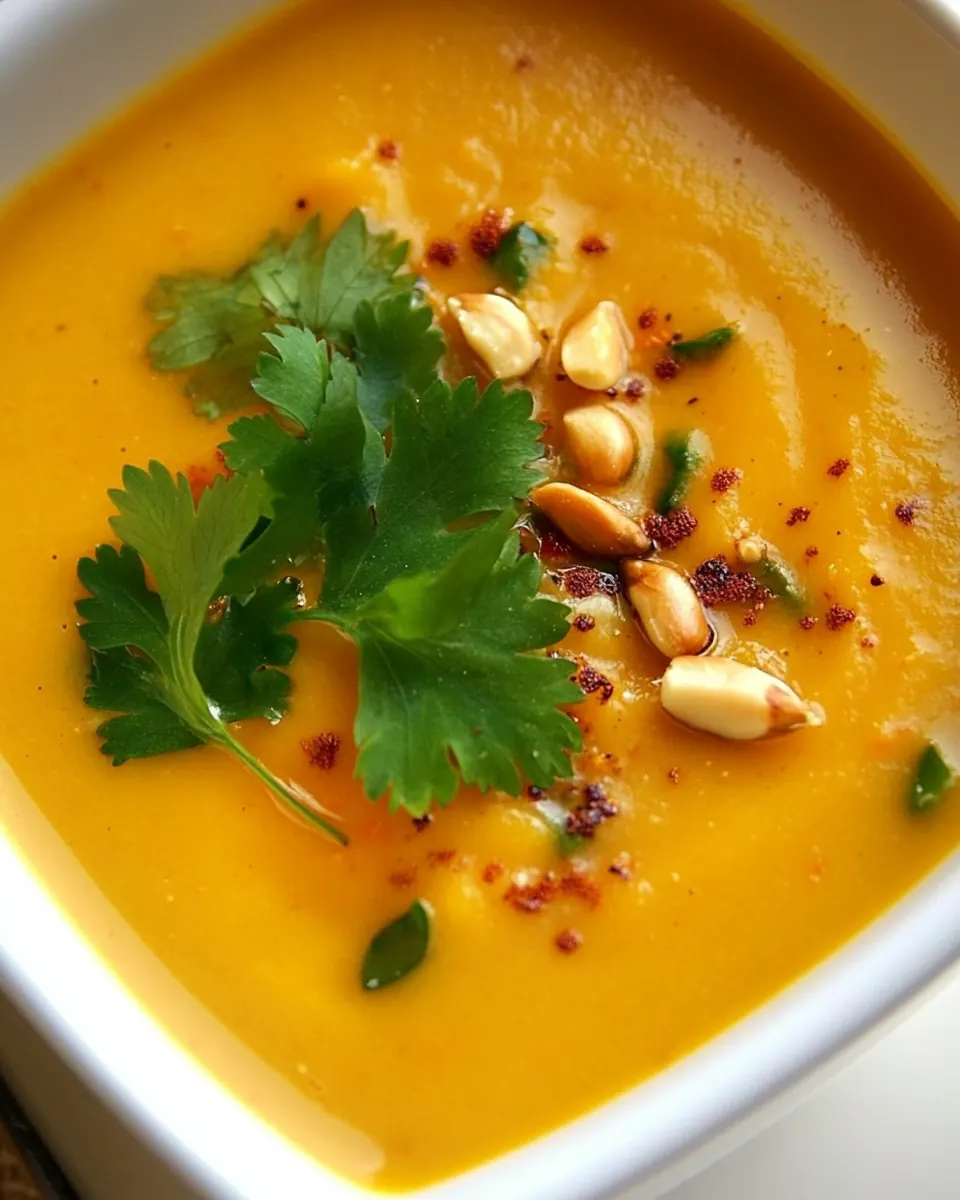
Curried Butternut Squash Soup
Curried Butternut Squash Soup is one of those bowls I come back to when I want something warm, bright, and a little bit unexpected.
It began for me on a blustery autumn afternoon when I found a bounty of squash at the market and a jar of red curry paste hiding in the back of my pantry. I loved how the savory warmth of the curry mingled with the natural sweetness of the squash, and how a splash of lime at the end lifted each spoonful. Over time I adjusted the aromatics, the amount of coconut milk, and perfected a crunchy seed topping that made each bite texturally interesting.
Since then this soup has become my fallback for cozy dinners and for feeding friends who need something both comforting and a little adventurous. I often make a double batch so there is extra for quick weekday lunches. The leftovers deepen in flavor, and the peanut garnish keeps its crunch if stored separately. I can still recall the first time a skeptical friend asked for seconds, eyes widened at the coconut milk silkiness and the citrus brightness.
Recipe Snapshot
55 mins
20 mins
35 mins
Medium
300 kcal
Asian Fusion
Gluten-Free, Low FODMAP
Soups
Baking tray, Slip mat or parchment paper, Small bowl, Large sauté pan or Dutch oven, Food processor or blender, Medium skillet, Second pot
What We Adore About This Curried Butternut Squash Soup
Bold, balanced flavor
I love how Curried Butternut Squash Soup layers sweet and savory elements without ever being heavy. The combination of butternut squash, red curry paste, ginger, and coconut milk creates a rich yet lively broth that makes every spoonful sing.
Comfort with texture
I always aim for texture contrasts. The silky pureed base paired with crunchy roasted butternut squash seeds and chopped roasted peanuts gives a satisfying mouthfeel that keeps this from feeling like a one note soup.
Make ahead friendly
I appreciate recipes that respect busy lives. You can prep the vegetables and roast the seeds in advance, then finish the soup quickly. The flavors actually meld and improve after a day, making this a great candidate for meal prep.
Customizable heat and aromatics
I often nudge the spice up or down depending on who I am feeding. With options like extra red curry paste or a drizzle of Sriracha, you can dial in the exact kick you want without changing the heart of the recipe.
Visually inviting and seasonal
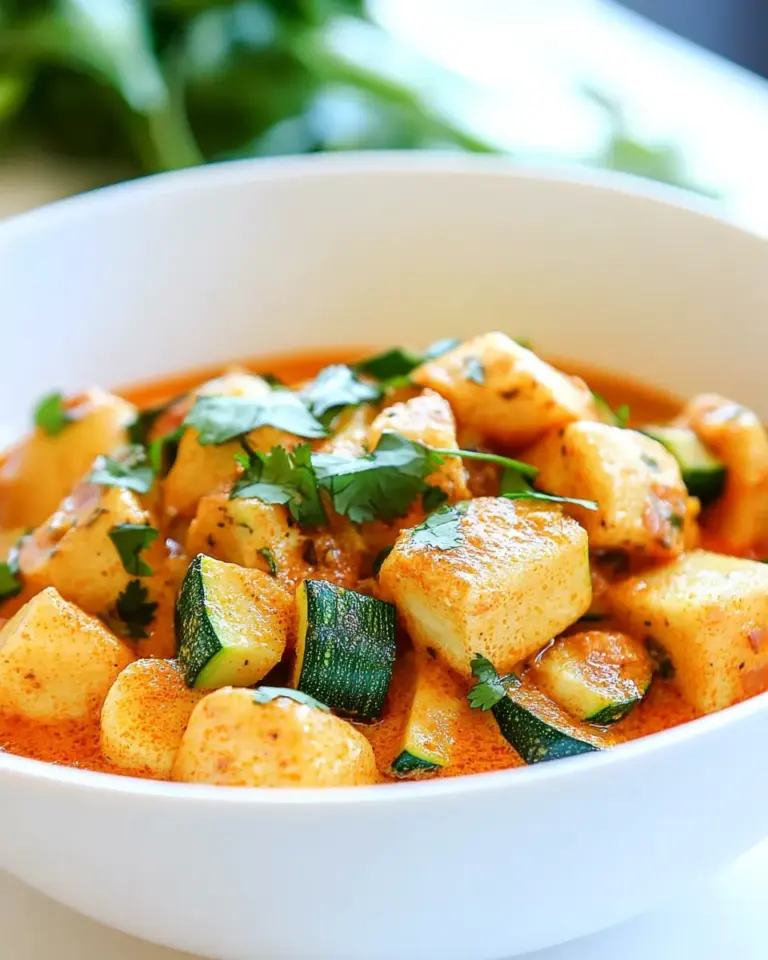
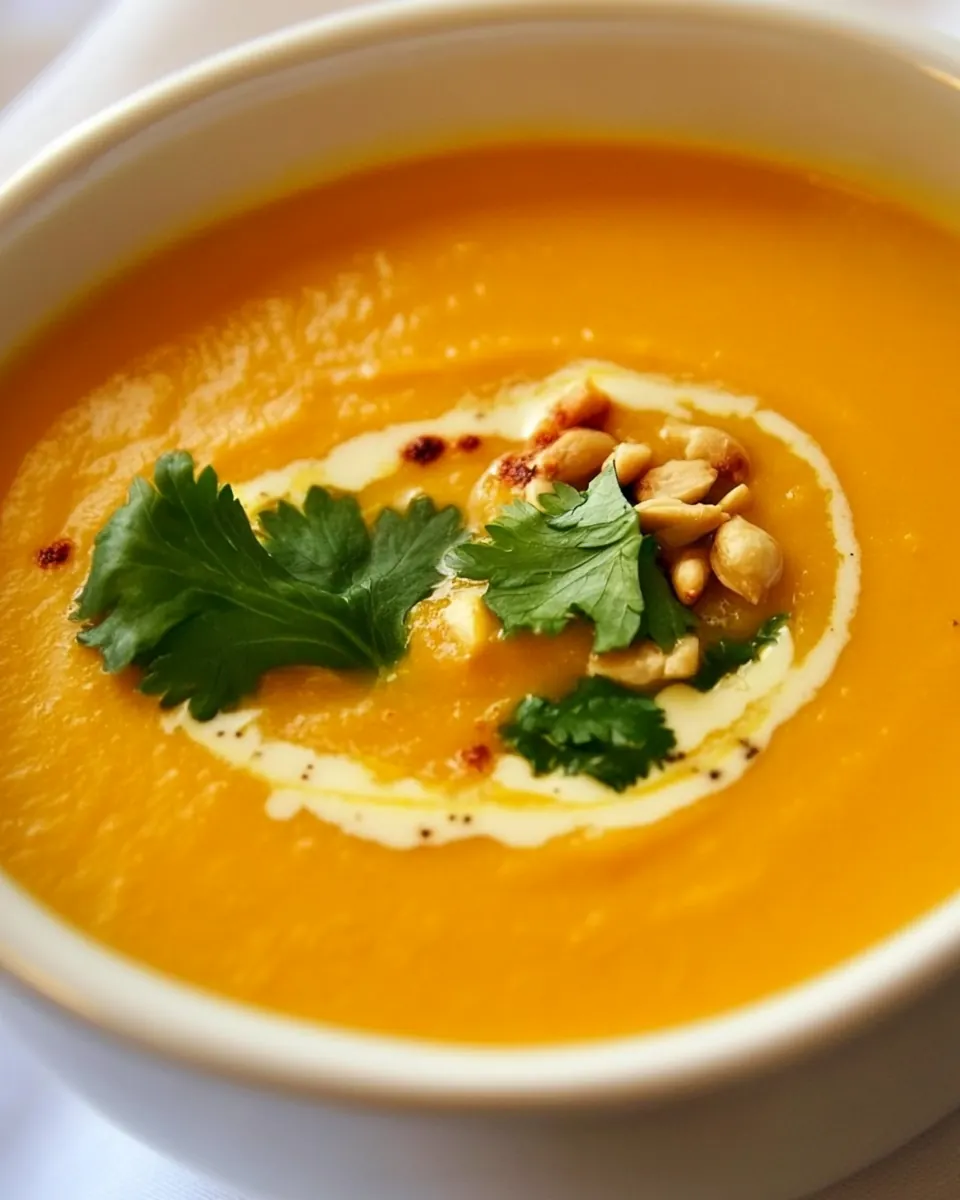
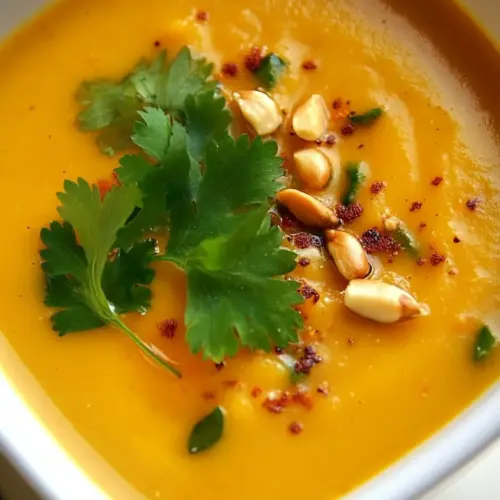
The golden orange color of the soup, dotted with bright green cilantro and roasted seeds, always feels special on a fall table. It’s simple enough for weeknight dinners, and elegant enough for guests.
What to Gather for Curried Butternut Squash Soup
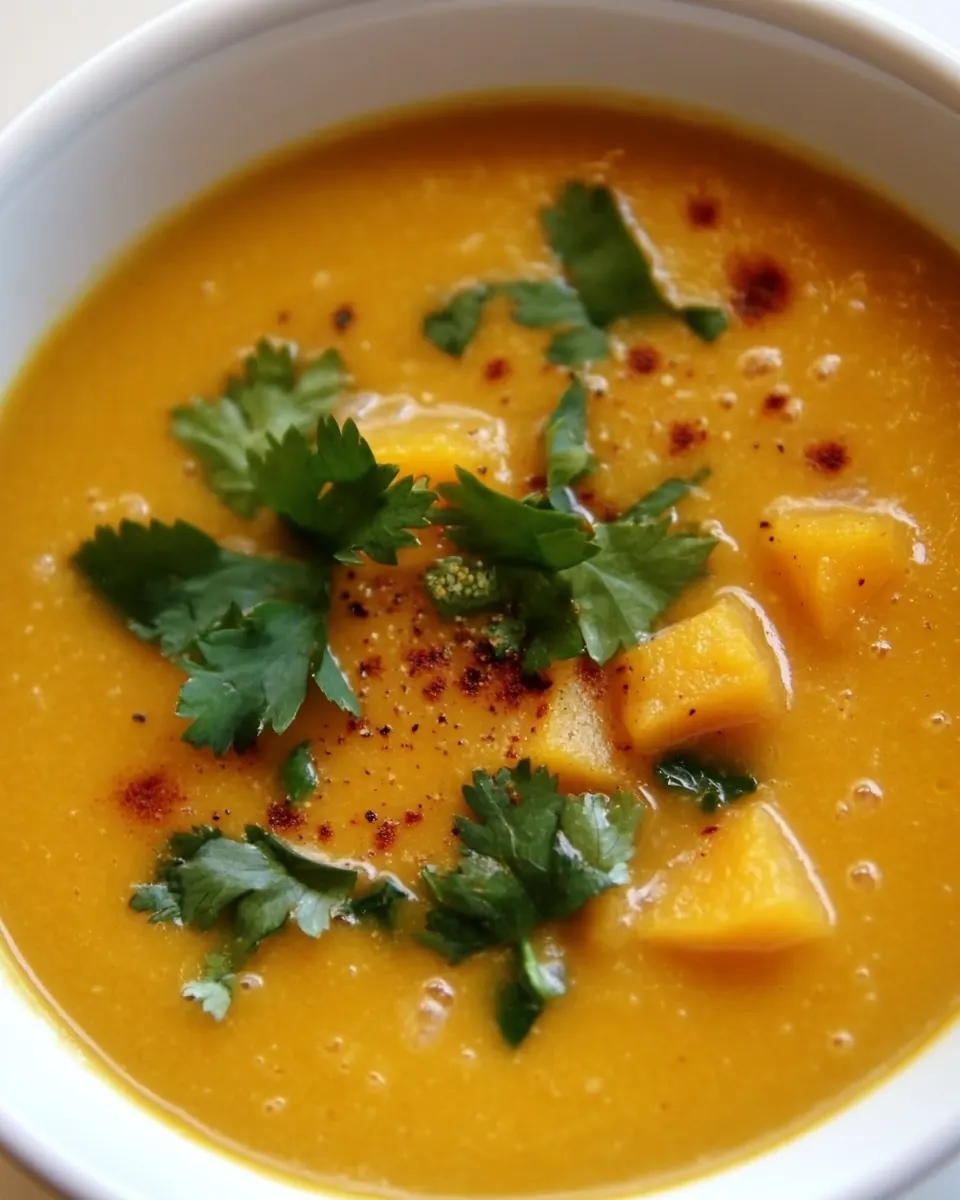
These ingredients are designed to work together to build layers of flavor, texture, and aroma. The starchy vegetables provide body, the curry paste and spices bring heat and complexity, and the coconut milk adds silkiness. The toppings supply crunch and freshness so each bowl feels complete.
- 3 tablespoons coconut oil (may substitute olive oil): Melted and aromatic, provides a rich, slightly sweet fat for sautéing aromatics and adding a subtle coconut flavor that complements curry spices. Helps prevent sticking and contributes to a silky mouthfeel in the finished soup. Can be swapped with olive oil if dietary needs require.
- 1 sweet onion, diced: Softened and translucent, supplies natural sweetness and savory depth when sautéed, creating the flavorful base for the soup. Adds body and complexity that balances the heat from curry paste and red pepper flakes.
- 2 4 tablespoons red curry paste see note: Bold and spicy, delivers concentrated Thai curry flavor and heat; amount can be adjusted to taste to control spiciness. Dissolves into the oil to release essential flavors and color throughout the soup.
- 1/4 teaspoon red pepper flakes () (optional): Spicy and aromatic, adds an optional background heat and subtle smoky pepper notes when sprinkled in during cooking. Enhances the overall spiciness without changing texture significantly.
- 1 tablespoon freshly grated ginger: Fragrant and zesty, imparts bright, peppery warmth that uplifts the soup and pairs well with garlic and curry. Freshly grated form ensures maximum aromatic oils and a lively flavor profile.
- 8 garlic cloves, minced: Pungent and savory, builds depth and umami while balancing the sweetness of squash and sweet potato. Minced form disperses evenly and softens during cooking to lend a mellow garlic presence.
- 3 cups uncooked butternut squash peeled, cut into 1" cubes, seeds separated: Sweet and starchy, provides the primary body and natural sweetness for the soup, breaking down to thicken and enrich the texture. Peeled and cubed pieces cook evenly and blend smoothly for creamy consistency.
- 1 large sweet potato peeled, cut into 1" cubes: Earthy and sweet, contributes starch and creaminess that complements the butternut squash while adding layer of flavor. Cubed sweet potato helps create a velvety texture when pureed.
- 3 medium carrots peeled and chopped: Textured and sweet, adds additional sweetness, color, and nutritional value; carrots also help thicken the soup slightly when blended. Chopping ensures even cooking alongside squash and potato.
- 4 cups low sodium chicken or vegetable stock: Savory and hydrating, supplies the cooking liquid that infuses the vegetables and controls soup consistency; low sodium lets you manage final seasoning. Vegetable or chicken stock both work depending on preference.
- 1 teaspoon salt: Foundational and savory, enhances all flavors and helps balance sweetness and acidity in the soup. Can be adjusted at the end to suit dietary needs or taste.
- 1/2 teaspoon pepper: Warm and grounding, adds mild heat and rounds out flavors while highlighting curry spices. Helps season the soup uniformly when added during cooking or after blending.
- 14 oz . can quality coconut milk (I like Chakoah): Creamy and tropical, lends rich, silky texture and distinct coconut flavor that harmonizes with curry and lime. Canned form provides consistent fat content for a luscious finish.
- 2 tablespoons fish sauce: Salty and umami-rich, deepens savory complexity and enhances other flavors without making the soup overtly fishy when used judiciously. Adds an authentic Southeast Asian savory note.
- 1 tablespoon dried basil: Herbaceous and slightly sweet, contributes a mild, slightly minty aroma that complements curry flavors and brightens the broth. Dried form offers consistent flavor when added during cooking.
- 2 tablespoons lime juice: Bright and acidic, cuts through richness and lifts the flavors, balancing coconut milk and starchiness. Fresh juice provides the cleanest, most vibrant citrus note.
- Sriracha/Asian hot chili sauce to taste () (optional): Spicy and tangy, optional for diners who want extra heat layered on top; adds an acidic chili kick that complements curry flavors. Used to taste as a finishing or garnish condiment.
- Reserved butternut squash seeds: Crunchy and nutty, offers toasted texture and visual interest when reserved seeds are roasted and sprinkled on top as a garnish. Reinforces squash theme and adds a playful crunch.
- 1 tablespoon honey: Sweet and viscous, provides a balancing sweetness to counter acidity and heat, rounding out the flavor profile. Small amount enhances harmony without making the soup noticeably sweet.
- 1/2 teaspoon coconut oil: Aromatic and subtle, used in small amount to infuse a hint of coconut aroma when finishing or roasting seeds. Adds nuance without altering texture significantly.
- 1/2 teaspoon sriracha/ Asian hot chili sauce: Spicy-salty condiment, used in small quantity to add a compact hit of heat and tang for finishing the soup or garnish. Provides a consistent hot-chili note in controlled amounts.
- 1/2 teaspoon salt: Seasoning salt, used in small finishing quantities to adjust the final flavor and bring out other ingredients. Allows precise control over seasoning after blending.
- 1/4 teaspoon ground cumin: Earthy and warm, contributes a mild smoky, nutty undertone that complements curry and squash when added sparingly. Enhances depth without overtaking brighter flavors.
- Freshly squeezed lime juice: Tangy and fresh, used to finish the soup with a burst of citrus that brightens and balances the richness of coconut milk. Fresh squeezing gives the best aromatic lift.
- 1 cup roasted peanuts, chopped (a must! unless you’re allergic): Roasted and crunchy, supplies a salty, nutty topping that adds texture contrast and a complementary savory flavor to the creamy soup. Chopping ensures easy eating and even distribution as a garnish.
- 1/2 cup cilantro, roughly chopped () (optional): Herbaceous and fresh, gives a bright, citrusy herbal finish that complements curry and lime; optional for those who enjoy a fresh green note. Rough chopping releases aromatic oils for garnish.
Step by Step Guide for Curried Butternut Squash Soup
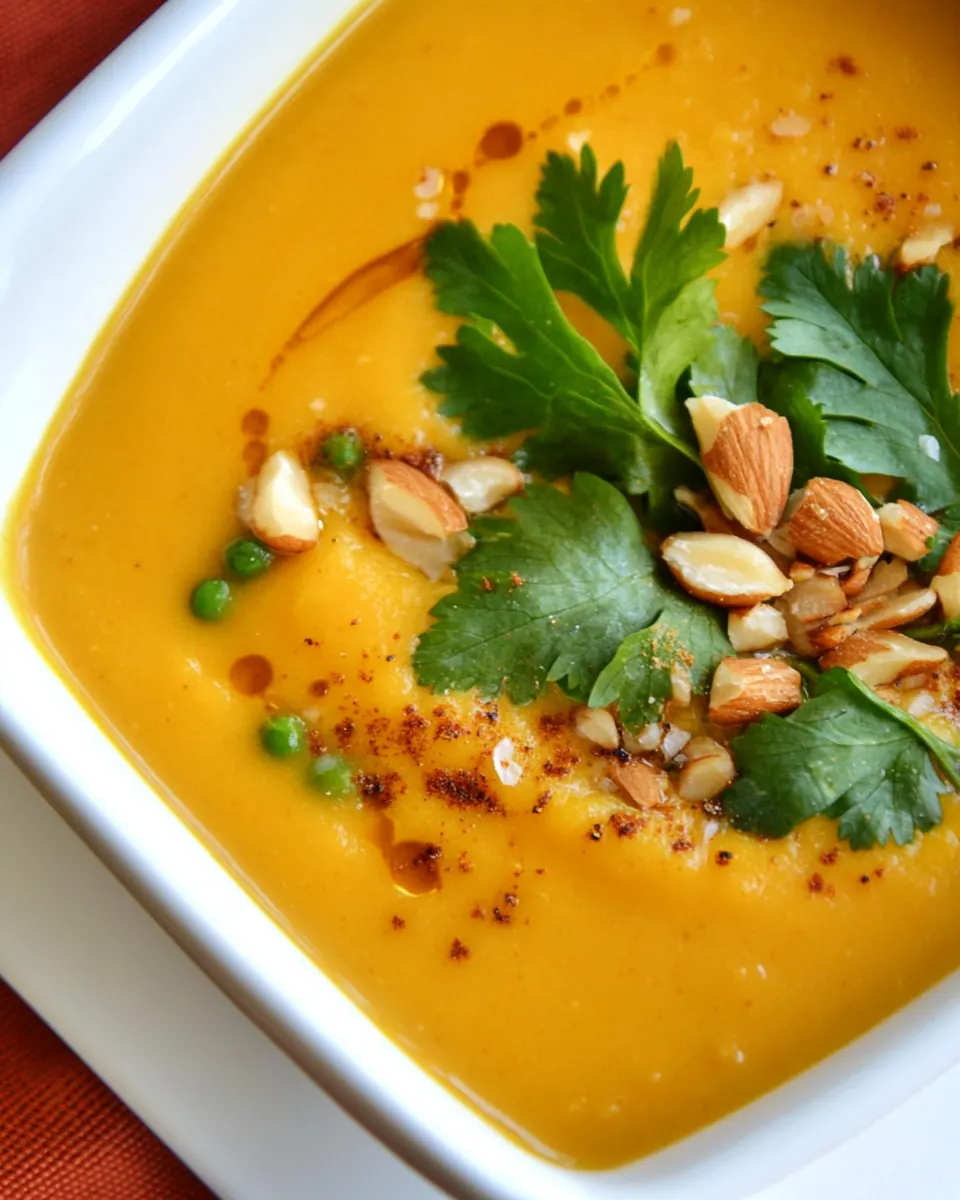
This is a forgiving soup that rewards attention to layers of flavor. Below I walk through each step in detail so you can hear the sizzles, see the color changes, and avoid common pitfalls. Take it slow, taste as you go, and enjoy the sensory cues.
- Preheat oven to 300 degrees. Line a baking tray with a slip mat, parchment paper or foil sprayed with non-stick cooking spray. Rinse squash seeds and pat dry. In a small bowl, whisk together seed ingredients; add seeds and stir until evenly coated. Spread seeds out evenly on baking sheet in a single layer. Cook for 25-30 minutes (or longer) depending on how crunchy you like your seeds.: Right away you'll notice the clean, nutty smell as the seeds begin to roast, and the tray will emit a gentle toasty aroma that signals progress. The small, even layer allows hot air to circulate, producing uniform crunch and avoiding soggy centers. Pay attention to color, the seeds should become golden and slightly browned, not dark brown, or they'll taste bitter. A common mistake is overcrowding the tray, which steams rather than crisps the seeds, so spread them out. Stir them midway so edges do not overcook. When cool, they should snap when bitten, giving a pleasant contrast to the silky soup.
- Meanwhile, melt coconut oil in a large sauté pan (may use large soup pot or Dutch oven), over medium heat. When oil is hot, add onions and sauté until onions are soft, about 3 – 5 minutes. Add red curry paste, red pepper flakes, ginger and garlic; stir to combine with onions; sauté for 3 minutes. Add squash, sweet potatoes, carrots and chicken stock. Season with 1 teaspoon salt and 1/2 teaspoon pepper. Bring to a boil, cover, then reduce heat to medium. Simmer for 15-20 minutes or until vegetables are soft.: You will hear a soft sizzle as the onion hits the hot coconut oil , and a sweet, caramelizing scent will develop. When you add the red curry paste , the pan will bloom with aromatic spices, releasing fragrant steam that hints at the final flavor. The vegetables should steam and simmer gently; vigorous boiling can break down texture unevenly. Watch for the point when a fork slides into a cube of butternut squash easily, that is the cue to move on. A typical mistake is rushing the aromatic step, which leaves the paste tasting raw, so let it soften and integrate with the oil and onion.
- Meanwhile, dry roast peanuts (even if they are already dry roasted) in a medium skillet over medium heat, stirring occasionally until golden. Transfer to your food processor or blender and rough chop. Transfer to a bowl or plate.: As the peanuts heat, they'll release a warm, toasty scent and their oils will bloom, amplifying their flavor. Keep them moving in the pan so they toast evenly; you should hear a faint crackle and see a light deepening of color. Chopping them gives a nice textural contrast, and leaving them slightly rustic preserves pleasant chunks. A trap is leaving them in the pan unattended, which can quickly lead to burning, producing a bitter edge that will carry through the garnish.
- Once vegetables are soft, turn off the heat and get out a second pot (large enough to hold soup). Pour half of the vegetable mixture into blender/food processor. Puree until soup is smooth, taking care to not cover the blender completely or it will explode (I use a paper towel), then transfer to the clean pot. Repeat with remaining soup.: You'll see the mixture transform from chunky pieces to a glossy, velvety liquid, and steam will rise carrying a sweet, spiced aroma. Working in batches prevents overfilling and allows each portion to puree smoothly. The cooling step before blending helps prevent splatter, and a thin steam release reduces pressure. One common mistake is blending too hot without venting, which can cause lid blowout and hot soup injuries. The visual cue of a uniformly smooth texture indicates you're ready to move to finishing the soup.
- Add coconut milk, fish sauce, and basil to the soup and cook until soup is heated through (2-5 minutes). When ready to serve, stir in 2 tablespoons lime juice. Taste soup and add desired amount of Sriracha, salt and pepper to taste.: As you add the coconut milk , the soup will become silkier and the surface will shimmer slightly. The fish sauce will deepen the savory backbone subtly, while the dried basil releases a gentle, herbaceous note. Warm through gently, do not boil; overheating can cause the coconut milk to separate. Squeeze in the lime juice last to brighten flavors, and then adjust seasoning. The right balance should feel rounded, with sweetness, savory depth, and a bright finish. Avoid over-salting early on because the fish sauce is potent, and always taste after the lime addition before final seasoning.
- To serve, squeeze fresh lime juice onto individual bowls for a fresh pop and garnish with roasted seeds, peanuts and cilantro.: The final assembly brings texture and contrast, and the aroma of fresh lime juice will lift the bowl. Arrange the toppings so each spoonful gets some crunch, and sprinkle cilantro for a herbal lift. A common mistake is adding crunchy toppings too early, which makes them soggy; add them just before serving. The visual of glossy, golden soup dotted with seeds and peanuts is the finishing cue that tells you it's ready to enjoy.
Substitutions and Tips
I like to think of substitutions as ways to make this soup yours without losing the essence. Below are practical tips and expansions based on my experience, each starting with a highlighted phrase for easy scanning.
- Adjusting curry heat Use 2 tablespoons of red curry paste for moderate spice, or push to 4 tablespoons for more assertive heat; always taste after simmering before adding more so you avoid an overly spicy base.
- Stock choice Choose vegetable stock to keep the recipe vegetarian friendly, and keep it low sodium so you can control the seasoning at the end.
- Coconut milk options Full fat coconut milk gives a silkier texture, while light versions reduce calories but can thin the mouthfeel, so adjust with a quick simmer to concentrate if needed.
- Seed crunch Roast the reserved butternut squash seeds with a touch of coconut oil and cumin for a warm, spiced garnish that echoes the soup flavors perfectly.
- Peanut prep Rough chop roasted peanuts rather than pulverizing so you maintain varied textures; keep some whole for dramatic crunch when serving.
- Make ahead Soup can be refrigerated for up to three days; store toppings separately and reheat gently on the stove, finishing with fresh lime juice and herbs to revive brightness.
- Spice swap caution If using a different curry paste brand, start with a smaller amount because intensity varies widely between brands, then build slowly to taste.
What to Pair With Curried Butternut Squash Soup
This soup is versatile, moving easily between casual weeknights and festive fall gatherings. Think about texture contrasts and complementary flavors when planning a full plate. Below are pairing ideas, storage notes, and occasion suggestions laid out in a handy list.
- Crusty bread or naan A warm, crusty loaf or piece of naan is perfect for dipping and balances the silky texture of the soup, making the meal feel more substantial for dinner.
- Light salad Pair with a simple salad of mixed greens, citrus segments, and a light vinaigrette to add a crisp, acidic counterpoint that keeps the meal bright for lunch or brunch.
- Grain bowls Serve alongside a small bowl of steamed rice or quinoa so guests can spoon the soup over grains, turning leftovers into a heartier lunch option for workdays.
- Seasonal occasion This fits fall and winter menus especially well, and works beautifully for holiday luncheons where guests appreciate warm, colorful bowls that are memorable yet easy to serve.
- Storage tips Store the soup in airtight containers for up to three days in the refrigerator. Freeze in portions for up to three months, but keep crunchy toppings separate to preserve texture.
- Garnish ideas Offer extra lime wedges, chopped cilantro, and a small dish of Sriracha so guests can personalize the final bowl at the table.
- Serving style Serve in warm bowls to keep the soup hot longer, and add garnishes at the last moment so the contrast between silky soup and crunchy toppings is at its best.
FAQ
Conclusion
What makes this Curried Butternut Squash Soup special is the harmony of sweet roasted vegetables, warming curry spice, and silky coconut milk, all finished with bright lime and crunchy toppings. It’s the kind of bowl that comforts and surprises at the same time, working for cozy weeknights or when you want to serve something memorable to guests. Try it with the seeds and peanuts on the side so everyone can customize their crunch, and don’t be shy about adjusting the curry level to suit your palate. I hope this recipe becomes a fall staple in your kitchen, a reliable, flavor forward soup that brightens cool evenings and feels like a small celebration in a bowl.
Curried Butternut Squash Soup
Equipment
- Baking Tray
- Slip mat or parchment paper
- Small Bowl
- Large sauté pan or Dutch oven
- Food processor or blender
- Medium skillet
- Second pot
Ingredients
- 3 tablespoons coconut oil (may substitute olive oil) Melted and aromatic, provides a rich, slightly sweet fat for sautéing aromatics and adding a subtle coconut flavor that complements curry spices. Helps prevent sticking and contributes to a silky mouthfeel in the finished soup. Can be swapped with olive oil if dietary needs require.
- 1 sweet onion, diced Softened and translucent, supplies natural sweetness and savory depth when sautéed, creating the flavorful base for the soup. Adds body and complexity that balances the heat from curry paste and red pepper flakes.
- 2 -4 tablespoons red curry paste see note Bold and spicy, delivers concentrated Thai curry flavor and heat; amount can be adjusted to taste to control spiciness. Dissolves into the oil to release essential flavors and color throughout the soup.
- 1/4 teaspoon red pepper flakes (optional) Spicy and aromatic, adds an optional background heat and subtle smoky pepper notes when sprinkled in during cooking. Enhances the overall spiciness without changing texture significantly.
- 1 tablespoon freshly grated ginger Fragrant and zesty, imparts bright, peppery warmth that uplifts the soup and pairs well with garlic and curry. Freshly grated form ensures maximum aromatic oils and a lively flavor profile.
- 8 garlic cloves, minced Pungent and savory, builds depth and umami while balancing the sweetness of squash and sweet potato. Minced form disperses evenly and softens during cooking to lend a mellow garlic presence.
- 3 cups uncooked butternut squash peeled, cut into 1" cubes, seeds separated Sweet and starchy, provides the primary body and natural sweetness for the soup, breaking down to thicken and enrich the texture. Peeled and cubed pieces cook evenly and blend smoothly for creamy consistency.
- 1 large sweet potato peeled, cut into 1" cubes Earthy and sweet, contributes starch and creaminess that complements the butternut squash while adding layer of flavor. Cubed sweet potato helps create a velvety texture when pureed.
- 3 medium carrots peeled and chopped Textured and sweet, adds additional sweetness, color, and nutritional value; carrots also help thicken the soup slightly when blended. Chopping ensures even cooking alongside squash and potato.
- 4 cups low sodium chicken or vegetable stock Savory and hydrating, supplies the cooking liquid that infuses the vegetables and controls soup consistency; low sodium lets you manage final seasoning. Vegetable or chicken stock both work depending on preference.
- 1 teaspoon salt Foundational and savory, enhances all flavors and helps balance sweetness and acidity in the soup. Can be adjusted at the end to suit dietary needs or taste.
- 1/2 teaspoon pepper Warm and grounding, adds mild heat and rounds out flavors while highlighting curry spices. Helps season the soup uniformly when added during cooking or after blending.
- 14 oz . can quality coconut milk (I like Chakoah) Creamy and tropical, lends rich, silky texture and distinct coconut flavor that harmonizes with curry and lime. Canned form provides consistent fat content for a luscious finish.
- 2 tablespoons fish sauce Salty and umami-rich, deepens savory complexity and enhances other flavors without making the soup overtly fishy when used judiciously. Adds an authentic Southeast Asian savory note.
- 1 tablespoon dried basil Herbaceous and slightly sweet, contributes a mild, slightly minty aroma that complements curry flavors and brightens the broth. Dried form offers consistent flavor when added during cooking.
- 2 tablespoons lime juice Bright and acidic, cuts through richness and lifts the flavors, balancing coconut milk and starchiness. Fresh juice provides the cleanest, most vibrant citrus note.
- Sriracha/Asian hot chili sauce to taste (optional) Spicy and tangy, optional for diners who want extra heat layered on top; adds an acidic chili kick that complements curry flavors. Used to taste as a finishing or garnish condiment.
- Reserved butternut squash seeds Crunchy and nutty, offers toasted texture and visual interest when reserved seeds are roasted and sprinkled on top as a garnish. Reinforces squash theme and adds a playful crunch.
- 1 tablespoon honey Sweet and viscous, provides a balancing sweetness to counter acidity and heat, rounding out the flavor profile. Small amount enhances harmony without making the soup noticeably sweet.
- 1/2 teaspoon coconut oil Aromatic and subtle, used in small amount to infuse a hint of coconut aroma when finishing or roasting seeds. Adds nuance without altering texture significantly.
- 1/2 teaspoon sriracha/ Asian hot chili sauce Spicy-salty condiment, used in small quantity to add a compact hit of heat and tang for finishing the soup or garnish. Provides a consistent hot-chili note in controlled amounts.
- 1/2 teaspoon salt Seasoning salt, used in small finishing quantities to adjust the final flavor and bring out other ingredients. Allows precise control over seasoning after blending.
- 1/4 teaspoon ground cumin Earthy and warm, contributes a mild smoky, nutty undertone that complements curry and squash when added sparingly. Enhances depth without overtaking brighter flavors.
- Freshly squeezed lime juice Tangy and fresh, used to finish the soup with a burst of citrus that brightens and balances the richness of coconut milk. Fresh squeezing gives the best aromatic lift.
- 1 cup roasted peanuts, chopped (a must! unless you’re allergic) Roasted and crunchy, supplies a salty, nutty topping that adds texture contrast and a complementary savory flavor to the creamy soup. Chopping ensures easy eating and even distribution as a garnish.
- 1/2 cup cilantro, roughly chopped (optional) Herbaceous and fresh, gives a bright, citrusy herbal finish that complements curry and lime; optional for those who enjoy a fresh green note. Rough chopping releases aromatic oils for garnish.
Instructions
- Preheat oven to 300 degrees. Line a baking tray with a slip mat, parchment paper or foil sprayed with non-stick cooking spray. Rinse squash seeds and pat dry. In a small bowl, whisk together seed ingredients; add seeds and stir until evenly coated. Spread seeds out evenly on baking sheet in a single layer. Cook for 25-30 minutes (or longer) depending on how crunchy you like your seeds.: Right away you'll notice the clean, nutty smell as the seeds begin to roast, and the tray will emit a gentle toasty aroma that signals progress. The small, even layer allows hot air to circulate, producing uniform crunch and avoiding soggy centers. Pay attention to color, the seeds should become golden and slightly browned, not dark brown, or they'll taste bitter. A common mistake is overcrowding the tray, which steams rather than crisps the seeds, so spread them out. Stir them midway so edges do not overcook. When cool, they should snap when bitten, giving a pleasant contrast to the silky soup.
- Meanwhile, melt coconut oil in a large sauté pan (may use large soup pot or Dutch oven), over medium heat. When oil is hot, add onions and sauté until onions are soft, about 3 – 5 minutes. Add red curry paste, red pepper flakes, ginger and garlic; stir to combine with onions; sauté for 3 minutes. Add squash, sweet potatoes, carrots and chicken stock. Season with 1 teaspoon salt and 1/2 teaspoon pepper. Bring to a boil, cover, then reduce heat to medium. Simmer for 15-20 minutes or until vegetables are soft.: You will hear a soft sizzle as the onion hits the hot coconut oil , and a sweet, caramelizing scent will develop. When you add the red curry paste , the pan will bloom with aromatic spices, releasing fragrant steam that hints at the final flavor. The vegetables should steam and simmer gently; vigorous boiling can break down texture unevenly. Watch for the point when a fork slides into a cube of butternut squash easily, that is the cue to move on. A typical mistake is rushing the aromatic step, which leaves the paste tasting raw, so let it soften and integrate with the oil and onion.
- Meanwhile, dry roast peanuts (even if they are already dry roasted) in a medium skillet over medium heat, stirring occasionally until golden. Transfer to your food processor or blender and rough chop. Transfer to a bowl or plate.: As the peanuts heat, they'll release a warm, toasty scent and their oils will bloom, amplifying their flavor. Keep them moving in the pan so they toast evenly; you should hear a faint crackle and see a light deepening of color. Chopping them gives a nice textural contrast, and leaving them slightly rustic preserves pleasant chunks. A trap is leaving them in the pan unattended, which can quickly lead to burning, producing a bitter edge that will carry through the garnish.
- Once vegetables are soft, turn off the heat and get out a second pot (large enough to hold soup). Pour half of the vegetable mixture into blender/food processor. Puree until soup is smooth, taking care to not cover the blender completely or it will explode (I use a paper towel), then transfer to the clean pot. Repeat with remaining soup.: You'll see the mixture transform from chunky pieces to a glossy, velvety liquid, and steam will rise carrying a sweet, spiced aroma. Working in batches prevents overfilling and allows each portion to puree smoothly. The cooling step before blending helps prevent splatter, and a thin steam release reduces pressure. One common mistake is blending too hot without venting, which can cause lid blowout and hot soup injuries. The visual cue of a uniformly smooth texture indicates you're ready to move to finishing the soup.
- Add coconut milk, fish sauce, and basil to the soup and cook until soup is heated through (2-5 minutes). When ready to serve, stir in 2 tablespoons lime juice. Taste soup and add desired amount of Sriracha, salt and pepper to taste.: As you add the coconut milk , the soup will become silkier and the surface will shimmer slightly. The fish sauce will deepen the savory backbone subtly, while the dried basil releases a gentle, herbaceous note. Warm through gently, do not boil; overheating can cause the coconut milk to separate. Squeeze in the lime juice last to brighten flavors, and then adjust seasoning. The right balance should feel rounded, with sweetness, savory depth, and a bright finish. Avoid over-salting early on because the fish sauce is potent, and always taste after the lime addition before final seasoning.
- To serve, squeeze fresh lime juice onto individual bowls for a fresh pop and garnish with roasted seeds, peanuts and cilantro.: The final assembly brings texture and contrast, and the aroma of fresh lime juice will lift the bowl. Arrange the toppings so each spoonful gets some crunch, and sprinkle cilantro for a herbal lift. A common mistake is adding crunchy toppings too early, which makes them soggy; add them just before serving. The visual of glossy, golden soup dotted with seeds and peanuts is the finishing cue that tells you it's ready to enjoy.
Notes
- Adjusting curry heat Use 2 tablespoons of red curry paste for moderate spice, or push to 4 tablespoons for more assertive heat; always taste after simmering before adding more so you avoid an overly spicy base.
- Stock choice Choose vegetable stock to keep the recipe vegetarian friendly, and keep it low sodium so you can control the seasoning at the end.
- Coconut milk options Full fat coconut milk gives a silkier texture, while light versions reduce calories but can thin the mouthfeel, so adjust with a quick simmer to concentrate if needed.
- Seed crunch Roast the reserved butternut squash seeds with a touch of coconut oil and cumin for a warm, spiced garnish that echoes the soup flavors perfectly.
- Peanut prep Rough chop roasted peanuts rather than pulverizing so you maintain varied textures; keep some whole for dramatic crunch when serving.
- Make ahead Soup can be refrigerated for up to three days; store toppings separately and reheat gently on the stove, finishing with fresh lime juice and herbs to revive brightness.
- Spice swap caution If using a different curry paste brand, start with a smaller amount because intensity varies widely between brands, then build slowly to taste.