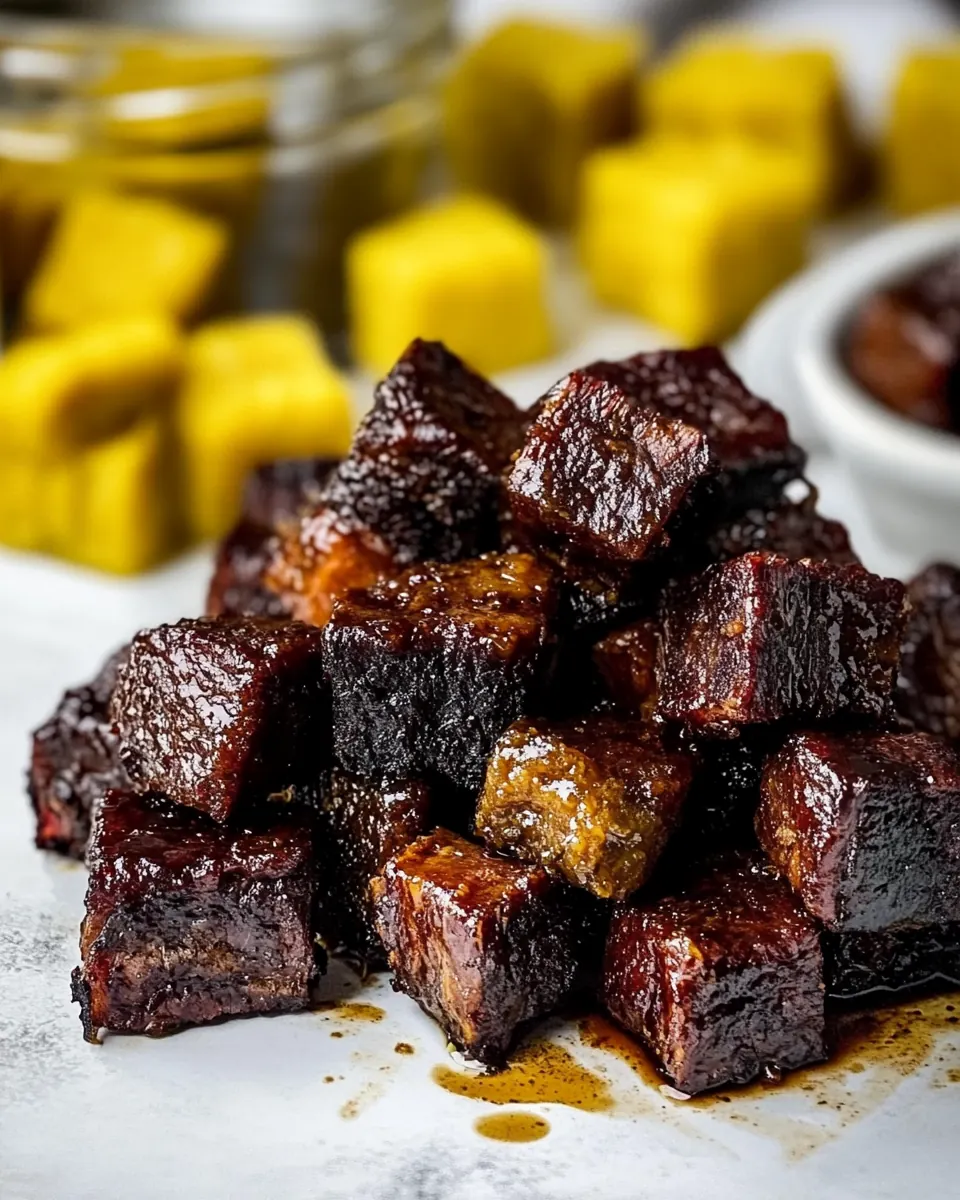
Brisket Burnt Ends
Brisket Burnt Ends came into my life on a chilly afternoon when I wanted something deeply comforting and unapologetically rich. I remember lifting the foil from the pan and inhaling that sweet smoky steam, the kind that makes you slow down and grin. These little cubes of beef packed with sticky sauce and crisped edges felt like a celebration of patience, and I knew right away I had to learn how to recreate that magic at home without a complicated setup.
My first attempt was full of trial and error, and I still laugh thinking about the time I sliced too soon and lost half the juices. Over the years I refined the timing and the sauce, learning how a careful rub and slow, low heat coax the best texture out of the brisket point. There is something joyful about taking a humble cut of beef and turning it into something that tastes like it belonged at a backyard barbecue.
When I make Brisket Burnt Ends for friends I tell the story of how this dish taught me patience in the kitchen, and how those long hours are rewarded with pockets of intense flavor. I love serving these with simple sides so the burnt ends are the star. I want readers to feel encouraged to try this at home, even if you do not have a smoker, because the oven method yields an equally satisfying result when tended to with care.
Recipe Snapshot
5 hr 20 mins
10 mins
310 mins
Hard
400 kcal
American
Keto, Paleo
Dinner
Rimmed baking sheet, Small bowl, Meat thermometer probe, 9 X 13 inch baking dish, Serrated knife
Why This Brisket Burnt Ends Stands Out
Why the low and slow approach wins
I really believe cooking Brisket Burnt Ends slowly at low temperature builds texture and flavor in ways quick methods cannot. The connective tissue breaks down gradually, rendering fat into the meat, which keeps each cube succulent. That gentle time investment results in pieces that are tender inside, while the exterior crisps up gloriously when finished in sauce.
Why the point cut matters
The point end of a brisket, sometimes called the deckle, carries more marbling, and that fat is the secret to the luscious mouthfeel of burnt ends. I always reach for the point because the rendered fat bastes the meat from within as it cooks, and that yields that melt in the mouth sensation you crave when you bite into the caramelized edges.
Why the simple spice rub is smart
A restrained rub of salt, black pepper, garlic powder, and ancho chile powder sets the stage without stealing the show. It seasons deeply, enhances the beefy notes, and gives the sauce something savory to cling to. In my experience, the balance between savory rub and sweet tang of the sauce is what makes each bite interesting.
Why Coca Cola and barbecue sauce work together
Combining a spicy sweet barbecue sauce with Coca Cola creates a glossy, sticky glaze that both tenderizes and caramelizes. The soda introduces acidity and sweetness that deepen as it reduces, while the sauce provides body and seasoning. It is a dependable finishing technique that transforms soft cubes into irresistible morsels with crunchy, lacquered edges.
Why this recipe is approachable
You do not need a smoker to make excellent burnt ends, and that accessibility is why I love sharing this method. Whether you use an oven or a smoker, the fundamental steps are consistent: season, cook low and slow, cube, sauce, and finish. It is forgiving, and once you understand the visual and temperature cues, you will feel confident replicating it again and again.
Everything You Need for Brisket Burnt Ends
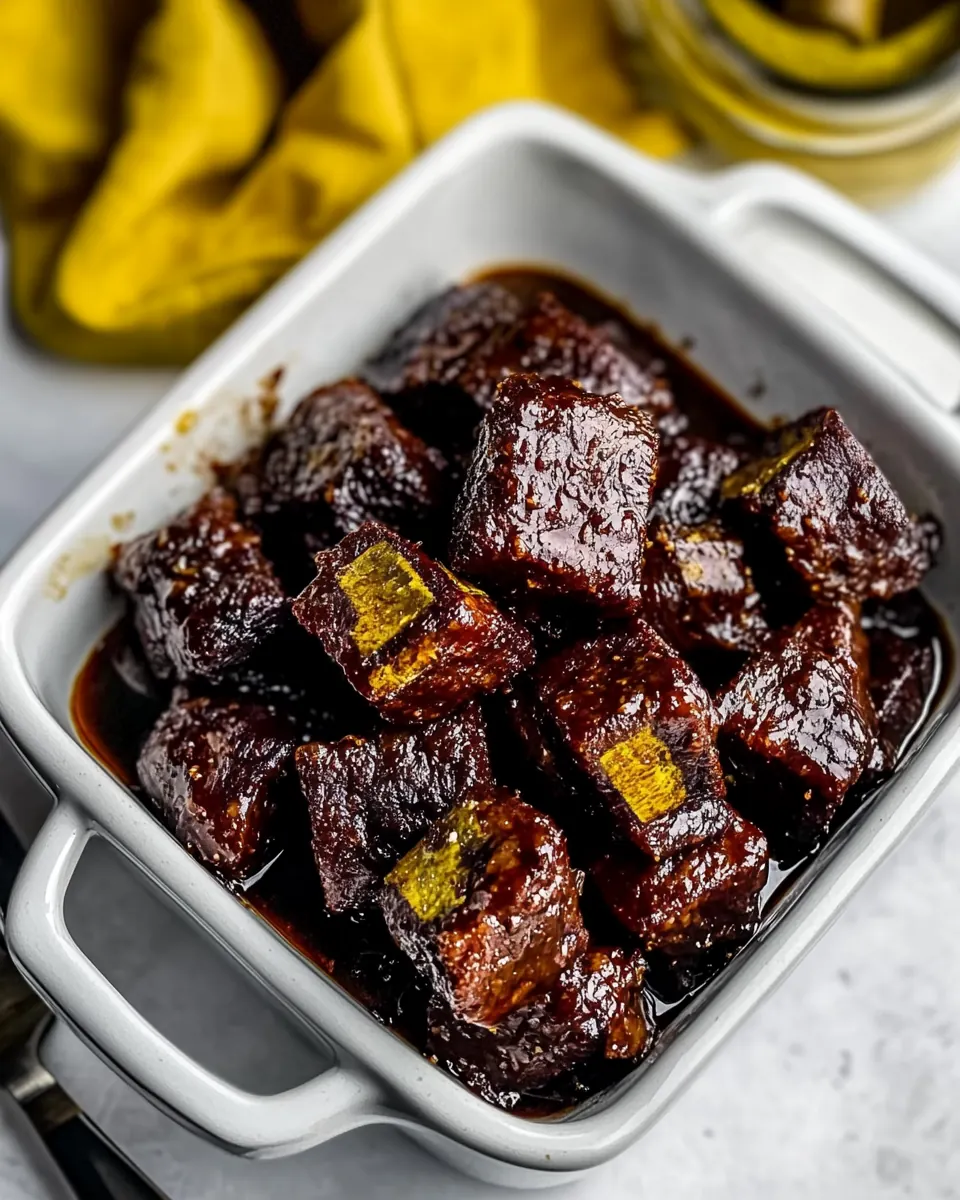
These ingredients are purposeful and straightforward. The brisket point is the hero, bringing fat and flavor, while the spices quietly enhance the beef. The sauce and Coca Cola work together to create a glossy, caramelized coating, so the components are in dialogue: savory, spicy, sweet, and acidic in balance.
- 3 4 pounds beef brisket point-end: Trimmed and tender, provide a well-marbled cut for brisket burnt ends, offering rich beefy flavor and connective tissue that renders down during slow cooking. Cube after initial smoking to create caramelized, crispy edges while keeping a succulent interior. Serve as the centerpiece of the dish with deep smoky notes and tender bite.
- 1 1/2 teaspoons salt: Season generously to enhance the meat's natural flavor and help form a savory crust during smoking and caramelization. Balance the sweetness in the glaze and assert saltiness throughout the cooking process so the burnt ends are well seasoned. Dissolve slightly into the surface to aid in bark formation and moisture retention.
- 1 1/2 teaspoon black pepper: Crush or grind to provide sharp, aromatic heat that complements the beef and deepens the overall flavor profile. Apply evenly with other dry spices to contribute to a bold, peppery crust that contrasts the sweet glaze. Persist through slow cooking to brighten rich, fatty notes.
- 1 1/2 teaspoon garlic powder: Sprinkle to add a warm, mellow garlic presence that rounds out the savory seasoning blend and enhances umami perception. Integrate with the salt and pepper so the garlic flavor infuses the meat during smoking and resting. Remain subtle enough to support rather than overpower the brisket's beefiness.
- 1 teaspoon ancho chile powder: Dust to introduce a mild smoky-chile warmth with fruity undertones that elevates the rub complexity without overpowering the brisket. Complement the smoky barbecue flavors and add depth to the final caramelized exterior once glazed and cooked. Pair well with sweeter elements to balance heat.
- 1 cup spicy-sweet barbecue sauce: Coat to create a sticky, spicy–sweet glaze that caramelizes on the cubed brisket pieces during the final cooking stage, forming the characteristic glossy, flavorful crust. Combine with the cola to build a balanced sauce that melds heat, acidity, and sweetness. Brush on during the last phase so it thickens and clings to the burnt ends.
- 1 cup Coca-Cola I used a mini Coke: Add to deglaze and sweeten, contributing caramelized sugars and slight acidity that help form a deeply flavored glaze for the burnt ends. Reduce with the barbecue sauce to create a syrupy coating that enhances browning and adds a cola note to the finished bites. Use sparingly to prevent over-sweetening while encouraging sticky, glossy edges.
The Process for Making Brisket Burnt Ends
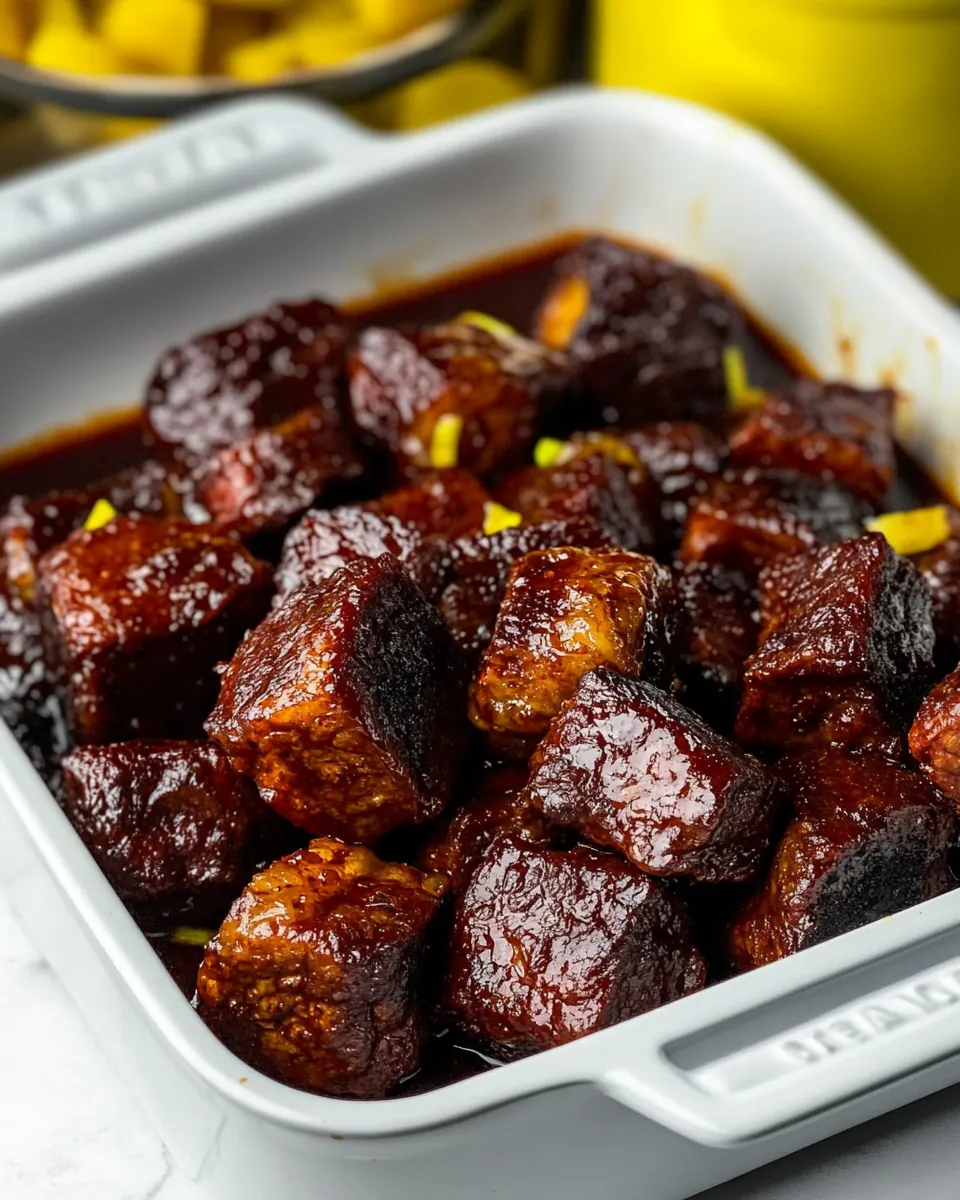
There is a satisfying rhythm to making these burnt ends, from seasoning the brisket to the final hour of saucing and crisping. Follow the cues of aroma, texture, and temperature, and remember that patience rewards you with unbeatable flavor. I will walk you through each action so you can feel confident even on your first attempt.
- Set out a rimmed baking sheet and place the brisket on it. In a small bowl, mix the salt, pepper, garlic powder, and ancho chile. Rub the spice blend over the entire surface of the brisket.: Warmth from your hands releases the spices and helps them adhere to the meat, and you will notice the rub darkening the surface slightly as it absorbs into the exterior. This tactile step matters because a well applied rub creates a seasoned crust that contrasts with the tender interior. Avoid piling the rub in one spot, which can cause uneven seasoning. If the meat seems wet, pat it dry first so the spice blend sticks better. The aroma at this stage should be fragrant, a combination of peppery and smoky notes, and your prep area will start smelling like a promise of what is to come.
- Smoker Method: If you have a smoker, use it! Place the brisket in a 225 degree F smoker. Insert a meat thermometer probe and smoke the brisket to 195 degrees F. *You can wrap the brisket in foil or peach butcher paper once it hits 150 degrees F to keep the cooking process from stalling.: If you have a smoker, use it Place the brisket in a 225 degree F smoker Insert a meat thermometer probe and smoke the brisket to 195 degrees F You can wrap the brisket in foil or peach butcher paper once it hits 150 degrees F to keep the cooking process from stalling : Low smoke at 225 degrees F gently penetrates the meat, delivering a subtle smoky aroma while allowing collagen to melt slowly. You will notice a thin, dry bark forming on the surface, with the smell evolving into deep, meaty notes. The probe lets you track internal temperature precisely, and reaching 195 degrees F indicates that the connective tissues have softened. Wrapping at 150 degrees F can speed the finish and preserve moisture, but wrapping too early can prevent bark formation. A common mistake is peeking too often, which lets heat escape and prolongs cooking. Trust the thermometer and the clock, and you will be rewarded with tender, smoky meat.
- Oven Method: If you don’t have a smoker, preheat the oven to 225 degrees F. Set the brisket in the oven, insert a meat thermometer probe and bake to 195 degrees F. Either way, this usually takes 3 1/2 – 5 hours, depending on the size and shape of the brisket.*You can wrap the brisket in foil or peach butcher paper once it hits 150 degrees F to keep the cooking process from stalling.: If you don’t have a smoker, preheat the oven to 225 degrees F Set the brisket in the oven, insert a meat thermometer probe and bake to 195 degrees F Either way, this usually takes 3 1/2 to 5 hours, depending on the size and shape of the brisket You can wrap the brisket in foil or peach butcher paper once it hits 150 degrees F to keep the cooking process from stalling : The oven provides even, steady heat, so the brisket cooks uniformly and the rendered fat bastes the meat internally. As it approaches the 150 degrees F mark you will see juices collecting in the pan and the exterior beginning to darken. Using a probe thermometer avoids guesswork, and the slow oven method is forgiving if you need to step away briefly. Avoid cranking up the temperature to speed things up because that will toughen the meat. Instead, be patient and allow the low heat to do its work for that tender finish.
- Once the internal temperature is around 190, prepare the sauce. Set out a 9 X 13 inch baking dish. Pour the barbecue sauce and Coca-Cola into the dish. Once the brisket reaches 195 degrees, remove it from the heat.: At about 190 degrees F the meat will start to give under pressure and the juices will be abundant, which is your cue to ready the sauce. Mixing the barbecue sauce with Coca Cola in a baking dish readies the glaze that will both tenderize and caramelize the cut pieces. Removing the brisket at 195 degrees ensures the collagen is rendered while keeping the meat moist. A common slip is to skip the dish prep and then scramble at the last minute, so have everything staged beforehand. Notice the savory sweet steam rising when you combine the sauce and soda, it hints at the sticky glaze that will form.
- Use a serrated knife to cut the brisket into 1 inch chunks. As you cut them, quickly move them to the dish so that any juices that run out get mixed into the sauce. Once all the brisket is chopped, stir the pieces to coat in sauce.: The serrated knife helps separate fibers without compressing the meat, and transferring the pieces immediately captures flavorful juices in the sauce. As you work you will see the sauce darken and thicken slightly from the meat juices, and the smell becomes rich and saucy. Coating the chunks ensures each little piece will caramelize evenly during the final hour. Avoid cutting while the meat is too hot to handle, because you could lose more juices and burn yourself. Let the brisket rest just long enough to slice safely but not so long that the sauce cools and becomes difficult to meld.
- Now place the pan back in the oven (or on the smoker) and continue cooking for 1 hour, until the sauce thickens and the exposed pieces of brisket are crispy. Stir and serve warm.: This final hour is transformative, as the sugars in the barbecue sauce and Coca Cola reduce to a shiny, sticky glaze that clings and crisps the exposed edges. You will hear gentle bubbling and smell a toffee like sweetness along with roasted beef notes. Stirring occasionally encourages even caramelization and prevents burning in hot spots. A usual mistake is leaving it unattended until it scorches, so check halfway through and adjust placement if needed. Serve while warm so the sauce is glossy and the texture contrasts between soft interior and crispy exterior is at its best.
Variations to Try
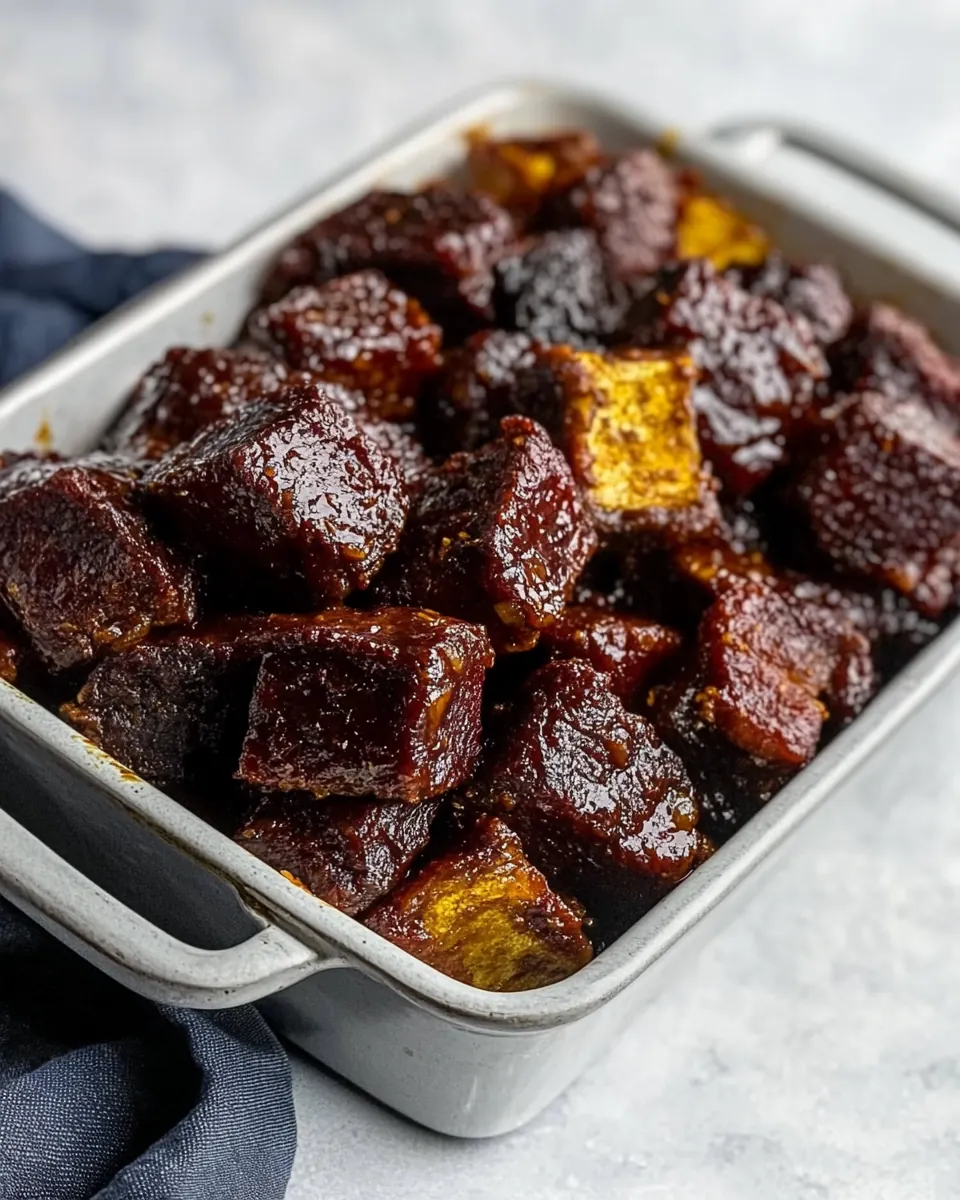
There are a few ways to tweak the recipe to match your tastes or what you have on hand. Below I outline practical variations that keep the essence of Brisket Burnt Ends while offering interesting twists.
- Swap the sauce style Try a mustard based barbecue sauce for tangier notes, which will brighten the richness of the brisket while maintaining sticky caramelization.
- Use cola alternatives If you prefer, use a cola like beverage without caffeine or opt for a dark soda with similar sweetness to create the same glaze effect.
- Adjust the heat Increase ancho chile slightly or add a pinch of cayenne to the rub if you want more warmth that cuts through the sweetness of the sauce.
- Double glaze After the final hour, toss the cubes with a little extra sauce and broil briefly to intensify the caramelization, watching closely to avoid burning.
- Make ahead Prepare through the smoking or oven phase, cool, and refrigerate. Reheat in the sauce gently before finishing to preserve texture and flavor.
How to Enjoy Brisket Burnt Ends
These burnt ends are versatile and festive. Serve them as part of a casual dinner or as a shareable appetizer at gatherings. Below are serving ideas that highlight different occasions and pairings.
- Casual barbecue plate Serve Brisket Burnt Ends with classic sides like coleslaw and baked beans for a hearty meal that feels like a backyard cookout.
- Appetizer style Offer small skewers or toothpicks so guests can sample the sticky cubes before moving to mains, perfect for parties and game day.
- Family dinner Plate the burnt ends over plain rice or mashed potatoes so the rich sauce can mingle with a neutral starch and every bite is comforting.
- Make ahead and store After cooling, keep the burnt ends in an airtight container in the refrigerator for up to 4 days, which makes weekday reheats simple and satisfying.
- Freezing for later Freeze cooled burnt ends in a sealed bag for up to 3 months, then thaw overnight in the fridge and reheat gently with added sauce for best texture.
- Occasion pairings These are ideal for fall gatherings when richer, slow cooked meats feel right; they also fit well into festive spreads for casual holiday meals.
FAQ
Conclusion
What makes this recipe special is how humble ingredients and patient technique turn into intensely flavorful, sticky, crisp morsels that feel celebratory. Try it because the payoff is tremendous for relatively little attention during the long cook, and both oven and smoker methods are forgiving for home cooks. Once you taste the contrast between the tender interior and the caramelized edges, you will understand why burnt ends are a beloved barbecue staple. I hope you enjoy making and sharing these; they always spark conversation at my table and often disappear faster than I expect.
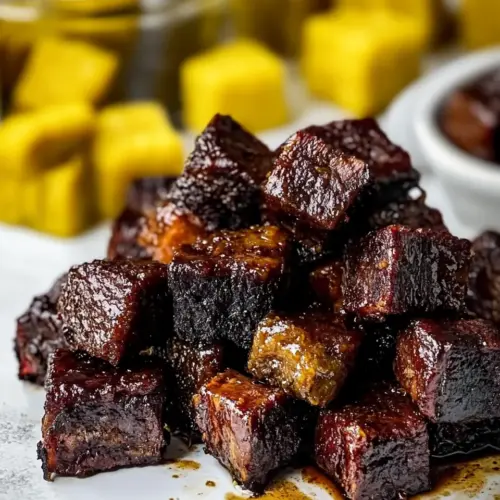
Brisket Burnt Ends
Equipment
- Rimmed Baking Sheet
- Small Bowl
- Meat thermometer probe
- 9 x 13 inch baking dish
- Serrated Knife
Ingredients
- 3 -4 pounds beef brisket point-end Trimmed and tender, provide a well-marbled cut for brisket burnt ends, offering rich beefy flavor and connective tissue that renders down during slow cooking. Cube after initial smoking to create caramelized, crispy edges while keeping a succulent interior. Serve as the centerpiece of the dish with deep smoky notes and tender bite.
- 1 1/2 teaspoons salt Season generously to enhance the meat's natural flavor and help form a savory crust during smoking and caramelization. Balance the sweetness in the glaze and assert saltiness throughout the cooking process so the burnt ends are well seasoned. Dissolve slightly into the surface to aid in bark formation and moisture retention.
- 1 1/2 teaspoon black pepper Crush or grind to provide sharp, aromatic heat that complements the beef and deepens the overall flavor profile. Apply evenly with other dry spices to contribute to a bold, peppery crust that contrasts the sweet glaze. Persist through slow cooking to brighten rich, fatty notes.
- 1 1/2 teaspoon garlic powder Sprinkle to add a warm, mellow garlic presence that rounds out the savory seasoning blend and enhances umami perception. Integrate with the salt and pepper so the garlic flavor infuses the meat during smoking and resting. Remain subtle enough to support rather than overpower the brisket's beefiness.
- 1 teaspoon ancho chile powder Dust to introduce a mild smoky-chile warmth with fruity undertones that elevates the rub complexity without overpowering the brisket. Complement the smoky barbecue flavors and add depth to the final caramelized exterior once glazed and cooked. Pair well with sweeter elements to balance heat.
- 1 cup spicy-sweet barbecue sauce Coat to create a sticky, spicy-sweet glaze that caramelizes on the cubed brisket pieces during the final cooking stage, forming the characteristic glossy, flavorful crust. Combine with the cola to build a balanced sauce that melds heat, acidity, and sweetness. Brush on during the last phase so it thickens and clings to the burnt ends.
- 1 cup Coca-Cola I used a mini Coke Add to deglaze and sweeten, contributing caramelized sugars and slight acidity that help form a deeply flavored glaze for the burnt ends. Reduce with the barbecue sauce to create a syrupy coating that enhances browning and adds a cola note to the finished bites. Use sparingly to prevent over-sweetening while encouraging sticky, glossy edges.
Instructions
- Set out a rimmed baking sheet and place the brisket on it. In a small bowl, mix the salt, pepper, garlic powder, and ancho chile. Rub the spice blend over the entire surface of the brisket.: Warmth from your hands releases the spices and helps them adhere to the meat, and you will notice the rub darkening the surface slightly as it absorbs into the exterior. This tactile step matters because a well applied rub creates a seasoned crust that contrasts with the tender interior. Avoid piling the rub in one spot, which can cause uneven seasoning. If the meat seems wet, pat it dry first so the spice blend sticks better. The aroma at this stage should be fragrant, a combination of peppery and smoky notes, and your prep area will start smelling like a promise of what is to come.
- Smoker Method: If you have a smoker, use it! Place the brisket in a 225 degree F smoker. Insert a meat thermometer probe and smoke the brisket to 195 degrees F. *You can wrap the brisket in foil or peach butcher paper once it hits 150 degrees F to keep the cooking process from stalling.: If you have a smoker, use it Place the brisket in a 225 degree F smoker Insert a meat thermometer probe and smoke the brisket to 195 degrees F You can wrap the brisket in foil or peach butcher paper once it hits 150 degrees F to keep the cooking process from stalling : Low smoke at 225 degrees F gently penetrates the meat, delivering a subtle smoky aroma while allowing collagen to melt slowly. You will notice a thin, dry bark forming on the surface, with the smell evolving into deep, meaty notes. The probe lets you track internal temperature precisely, and reaching 195 degrees F indicates that the connective tissues have softened. Wrapping at 150 degrees F can speed the finish and preserve moisture, but wrapping too early can prevent bark formation. A common mistake is peeking too often, which lets heat escape and prolongs cooking. Trust the thermometer and the clock, and you will be rewarded with tender, smoky meat.
- Oven Method: If you don’t have a smoker, preheat the oven to 225 degrees F. Set the brisket in the oven, insert a meat thermometer probe and bake to 195 degrees F. Either way, this usually takes 3 1/2 – 5 hours, depending on the size and shape of the brisket.*You can wrap the brisket in foil or peach butcher paper once it hits 150 degrees F to keep the cooking process from stalling.: If you don’t have a smoker, preheat the oven to 225 degrees F Set the brisket in the oven, insert a meat thermometer probe and bake to 195 degrees F Either way, this usually takes 3 1/2 to 5 hours, depending on the size and shape of the brisket You can wrap the brisket in foil or peach butcher paper once it hits 150 degrees F to keep the cooking process from stalling : The oven provides even, steady heat, so the brisket cooks uniformly and the rendered fat bastes the meat internally. As it approaches the 150 degrees F mark you will see juices collecting in the pan and the exterior beginning to darken. Using a probe thermometer avoids guesswork, and the slow oven method is forgiving if you need to step away briefly. Avoid cranking up the temperature to speed things up because that will toughen the meat. Instead, be patient and allow the low heat to do its work for that tender finish.
- Once the internal temperature is around 190, prepare the sauce. Set out a 9 X 13 inch baking dish. Pour the barbecue sauce and Coca-Cola into the dish. Once the brisket reaches 195 degrees, remove it from the heat.: At about 190 degrees F the meat will start to give under pressure and the juices will be abundant, which is your cue to ready the sauce. Mixing the barbecue sauce with Coca Cola in a baking dish readies the glaze that will both tenderize and caramelize the cut pieces. Removing the brisket at 195 degrees ensures the collagen is rendered while keeping the meat moist. A common slip is to skip the dish prep and then scramble at the last minute, so have everything staged beforehand. Notice the savory sweet steam rising when you combine the sauce and soda, it hints at the sticky glaze that will form.
- Use a serrated knife to cut the brisket into 1 inch chunks. As you cut them, quickly move them to the dish so that any juices that run out get mixed into the sauce. Once all the brisket is chopped, stir the pieces to coat in sauce.: The serrated knife helps separate fibers without compressing the meat, and transferring the pieces immediately captures flavorful juices in the sauce. As you work you will see the sauce darken and thicken slightly from the meat juices, and the smell becomes rich and saucy. Coating the chunks ensures each little piece will caramelize evenly during the final hour. Avoid cutting while the meat is too hot to handle, because you could lose more juices and burn yourself. Let the brisket rest just long enough to slice safely but not so long that the sauce cools and becomes difficult to meld.
- Now place the pan back in the oven (or on the smoker) and continue cooking for 1 hour, until the sauce thickens and the exposed pieces of brisket are crispy. Stir and serve warm.: This final hour is transformative, as the sugars in the barbecue sauce and Coca Cola reduce to a shiny, sticky glaze that clings and crisps the exposed edges. You will hear gentle bubbling and smell a toffee like sweetness along with roasted beef notes. Stirring occasionally encourages even caramelization and prevents burning in hot spots. A usual mistake is leaving it unattended until it scorches, so check halfway through and adjust placement if needed. Serve while warm so the sauce is glossy and the texture contrasts between soft interior and crispy exterior is at its best.
Notes
- Swap the sauce style Try a mustard based barbecue sauce for tangier notes, which will brighten the richness of the brisket while maintaining sticky caramelization.
- Use cola alternatives If you prefer, use a cola like beverage without caffeine or opt for a dark soda with similar sweetness to create the same glaze effect.
- Adjust the heat Increase ancho chile slightly or add a pinch of cayenne to the rub if you want more warmth that cuts through the sweetness of the sauce.
- Double glaze After the final hour, toss the cubes with a little extra sauce and broil briefly to intensify the caramelization, watching closely to avoid burning.
- Make ahead Prepare through the smoking or oven phase, cool, and refrigerate. Reheat in the sauce gently before finishing to preserve texture and flavor.